Jeremiah chapters 17–23 Commentary

Jeremiah 17

Jeremiah 17:1, The hearts of Gentile-Israelites have become hardened by the sinful traditions they have inherited from their fathers. What was your response when someone began sharing with you about the pagan origins of many sacred cow Christian traditions such as Sunday observance, Christmas and Easter? Once your eyes were opened, were you excited to share the truth with family and friends? What was their reaction?
Jeremiah 17:2, Wooden images…green trees.In ancient times, sacred tree-like poles (like obelisks called asherah poles) and green trees were set up near pagan altars for the worship of the Babylonian and Canaanite sex goddess, Astarte (or Ishtar from which the Christian festival Easter derives its name).

In Exodus 34:13, YHVH commands the Israelites to destroy the pagan sex worship symbols that the NIV Study Bible describes as wooden poles, or carved images, that were set up in honor of this pagan goddess at pagan worship sites. The International Bible Encyclopedia (vol. 1, p. 317) states that a tree trunk with branches in honor of this pagan deity was often placed next to the altar of YHVH—something YHVH abhorred! (Deut 16:21; Judg 6:25, 28, 30; 2 Kgs 23:6). In Deuteronomy 16:21, YHVH forbids his people from placing wooden images or trees next to their altars. 

You shall not plant for yourself any tree, as a wooden image, near the altar which you build for yourself to the YHVH your Elohim. 

Today, at Christmas time, contrary to the Written Word of Elohim, Christian churches place trees next to their altars of worship.

Jeremiah’s description of such a tree in chapter 10 is eerily reminiscent of our modern Christmas tree, which finds itself placed in significant places where people gather whether it be in Christian churches and in homes. Sometimes this pagan deity was represented by a tree, sometimes by an obelisk type pole. The asherah pole is related to the matstebah, which is defined as “image, pillar, stump, tree or altar.”This type of pagan representation made its way into the religious system of ancient Israel, something YHVH forbad and something he expected righteous leaders to destroy (e.g. 2 Kgs 10:25–27). Have you ever wondered about the origins of the church steeple and about its striking resemblance to the ancient Egyptian obelisk, which was associated with phallic and sun god worship?

Jeremiah 17:5–8, Two trees are mentioned in these verses. Both are in the wilderness and subjected to the heat and drought thereof, yet one does not flourish and “will not see when good comes,” while the other is fazed neither by the heat nor the drought of the desert. If these trees represent two types of people going through the same wilderness experience called life, then what is the fundamental difference between them? Relate this back to verse five and ahead to verses nine and ten.

Jeremiah 17:9, The heart is deceitful above all thing. 

The Utter Depravity of Sinful Man

The Bible is a big book. It contains more than 1500 pages of divine instructions on countless subjects from numerous authors written over a period of more than 1500 years! Within the plethora of subjects contained therein, it is easy to overlook certain ones that are less complimentary to man, but that he nevertheless needs to be reminded of if he is to come into a right relationship with YHVH Elohim (the Creator and ultimate Author of the Bible).

One of these biblical themes pertains to the utter depravity of man in his spiritually unregenerate state. The Bible has a lot to say about this subject, and it’s not a pleasant one. And even after man is regenerated by the Spirit of Elohim, he still struggles with his base, carnal, godless, rebellious, anti-Elohim and sin-bent nature.

Like taking a strong medicinal tonic, from time to time, it is imperative that the redeemed of YHVH review the Scriptures in the Bible that discuss the subject of man’s depravity. As forgetful humans who have the prideful tendency to gloss over our sins (this too is an aspect of man’s depraved and sin-inclined nature), we need to hold the mirror of truth up to our faces to see ourselves as we really are. When we behold this reality, perhaps it will drive us back to the cross of Yeshua in repentance of our sin, and cause us to fall down in contriteness before the mercy seat of Elohim’s throne begging for mercy. Perhaps the fear of Elohim will be perfected in us, and he will be exalted in our sin-stained hearts and minds in the beauty of his absolute righteousness and spiritual perfection. As this occurs, proper spiritual order will be restored in the universe and in our lives as we assume our rightful position on our faces before his throne of mercy. Only then will we find right relationship with the Creator of the universe resulting in true peace, joy, happiness and eternal life and peace on earth among men as we recognize our utter depravity and at the same time the beauty and glory of Elohim’s sublime perfection and holiness. 

Who can bring a clean thing out of an unclean? Not one. (Job 14:4)

What is man, that he should be clean, and he which is born of a woman, that he should be righteous? Behold, he puts no trust in his saints; yea, the heavens are not clean in his sight. How much more abominable and filthy is man, which drinks iniquity like water? (Job 15:14–16)

Behold, I was shaped in iniquity; and in sin did my mother conceive me. (Ps 51:5) 

Elohim looked down from heaven upon the children of men, to see if there were any that did understand, that did seek Elohim. Every one of them is gone back: they are altogether become filthy; there is none that does good, no, not one. (Ps 53:2–30)

Frowardness is in his heart, he devises mischief continually; he sows discord. (Prov 6:14)

This is an evil among all things that are done under the sun, that there is one event unto all: yea, also the heart of the sons of men is full of evil, and madness is in their heart while they live, and after that they go to the dead. (Eccl 9:3)

Then said I, Woe is me! for I am undone; because I am a man of unclean lips, and I dwell in the midst of a people of unclean lips: for mine eyes have seen the King, the LORD of hosts. (Isa 6:5)

All we like sheep have gone astray; we have turned every one to his own way; and YHVH has laid on him the iniquity of us all. (Isa 53:6)

But we are all as an unclean thing, and all our righteousness is as filthy rags; and we all do fade as a leaf; and our iniquities, like the wind, have taken us away. (Isa 64:6)

The heart is deceitful above all things, and desperately wicked: who can know it? (Jer 17:9)

And he said, That which comes out of the man, that defiles the man. For from within, out of the heart of men, proceed evil thoughts, adulteries, fornications, murders, thefts, covetousness, wickedness, deceit, lasciviousness, an evil eye, blasphemy, pride, foolishness. All these evil things come from within, and defile the man. (Mark 7:21–23)

As it is written, There is none righteous, no, not one: There is none that understands, there is none that seeks after Elohim. They are all gone out of the way, they are together become unprofitable; there is none that does good, no, not one. Their throat is an open sepulchre; with their tongues they have used deceit; the poison of asps is under their lips: whose mouth is full of cursing and bitterness. Their feet are swift to shed blood: destruction and misery are in their ways: and the way of peace have they not known. There is no fear of Elohim before their eyes. (Rom 3:10–18)

For we know that the law is spiritual: but I am carnal, sold under sin. For that which I do I allow not: for what I would, that do I not; but what I hate, that do I. If then I do that which I would not, I consent unto the law that it is good. Now then it is no more I that do it, but sin that dwells in me. For I know that in me (that is, in my flesh,) dwells no good thing: for to will is present with me; but how to perform that which is good I find not. For the good that I would I do not: but the evil which I would not, that I do. Now if I do that I would not, it is no more I that do it, but sin that dwells in me. I find then a law, that, when I would do good, evil is present with me. For I delight in the law of Elohim after the inward man: But I see another law in my members, warring against the law of my mind, and bringing me into captivity to the law of sin which is in my members. O wretched man that I am! who shall deliver me from the body of this death? (Rom 7:14–24)

Because the carnal mind is enmity against Elohim: for it is not subject to the law of Elohim, neither indeed can be. So then they that are in the flesh cannot please Elohim. (Rom 8:7–8)

Now the works of the flesh are manifest, which are these; adultery, fornication, uncleanness, lasciviousness, Idolatry, witchcraft, hatred, variance, emulations, wrath, strife, seditions, heresies, Envy, murders, drunkenness, revellings, and such like: of the which I tell you before, as I have also told you in time past, that they which do such things shall not inherit the kingdom of Elohim. (Gal 5:19–21)

And you hath he quickened, who were dead in trespasses and sins; wherein in time past ye walked according to the course of this world, according to the prince of the power of the air, the spirit that now worketh in the children of disobedience: (Eph 2:1–2)

What should be our response before YHVH Elohim to the truth of who we are before him? Let us learn from the wisdom of Job.

Wherefore I abhor myself, and repent in dust and ashes. (Job 42:6)

And said, O my Elohim, I am ashamed and blush to lift up my face to thee, my Elohim: for our iniquities are increased over our head, and our trespass is grown up unto the heavens. (Ezra 9:6)

The sacrifices of Elohim are a broken spirit: a broken and a contrite heart, O Elohim, thou wilt not despise. (Ps 51:17)

Then shall ye remember your own evil ways, and your doings that were not good, and shall lothe yourselves in your own sight for your iniquities and for your abominations. (Ezek 36:31)

This is a faithful saying, and worthy of all acceptation, that Messiah Yeshua came into the world to save sinners; of whom I am chief. (1Tim 1:15)

Be afflicted, and mourn, and weep: let your laughter be turned to mourning, and your joy to heaviness. Humble yourselves in the sight of YHVH, and he shall lift you up. (Jas 4:10)

Now in conclusion of the matter, be encouraged by reading the following Bible passages: Psalms 51:1–17; 103:1–18; 1 John 1:9

Jeremiah 17:14, Heal me, O YHVH.This is a plea to YHVH, the Great Physician. Only he can heal the hardness (17:1) and crooked deceitfulness or weakness (17:9) of Israel’s heart. Various prophets link the concept of healing to that of the two houses of Israel being reunited, being restored to their promised land and spiritual inheritance, returning to Torah and the establishment of a Messianic kingdom on earth. Here are some thoughts on these things:

The Breech Will Be Repaired 

Those who are returning to the Sabbath in its full spiritual sense and are returning to the “old (ancient, everlasting) paths” (Jer 6:16) are called “repairers of the breach” (Isa 58:12; Amos 9:11).

What is a breach? By dictionary definitiona breach is “an infraction or violation of a law; a broken, ruptured or torn condition; a split, crack or divide between two sides; a break in friendly relations.” This is what occurred when the northern kingdom was torn away from King Rehoboam causing a split in the nation of Israel (1 Kgs 11:13, 29–40; 12:1–20).

The last question the disciples asked Yeshua before his ascension was whether he was about to restore the kingdom to Israel (Acts 1:6). What was Yeshua’s response to them? He told them to preach the gospel everywhere (verse 8). This message of restoration and repairing the breach was the focus of what Paul called the ministry of reconciliation (2 Cor 5:18) and the middle wall of partition between Jews and non-Jews coming down and the making of one new man out of two through the atoning sacrifice of Yeshua (Eph. 2:11–19).

The “Sick” Will Be Healed

The hireling and self-seeking shepherds of Israel who should have cared for, healed and fed YHVH’s sheep have instead left them in a weakened, sickly and malnourished state (Ezek 34:4, 16). Yeshua came to heal his sick sheep (Ezek 34:8–31).

Spiritual Blindness Will Be Healed

In Hebraic thought, blindness is a metaphor for spiritual blindness, lack of spiritual enlightenment, and especially Torahlessness; that is, it is a reference to those who are blinded to the light of YHVH’s truth (Isa 29:18; 42:7, 16, 18–19; 43:8; Jer 31:8, see also Rom 11:25; Isa 56:10).

Jeremiah 22

Jeremiah 22:3–17, Social justice. Here Jeremiah calls for social justice and reforms that correct inequities among the Israelites’ social classes. He includes in these reforms a return to the Torah (verse 9) to avert the severe judgments of Elohim (verse 11ff).

Jeremiah 23

Jeremiah 23:6, YHVH Our Righteousness. This name is a reference to the coming Messiah. This infers the deity and righteous attributes of Yeshua the Messiah. Additionally, the term righteousness attached to the name YHVH with its prophetic messianic implications boldly declares the validity of the Torah, since Torah defines what YHVH’s standard of righteousness is (Ps 119:172). YHVH himself adheres to this standard, since it’s a reflection of his character. Furthermore, if Yeshua hadn’t followed this standard perfectly he would have been a sinner, and our Savior — the perfect, spotless, sin-free Lamb who died to cover men’s sins.

Jeremiah 23:13, Prophesied by Baal. That is to say, the false prophets prophesied out of the dictates of their hearts, or in accordance with the passions of their lower, depraved nature (in sync with the world, the flesh and the devil), and not in agreement with the will, word and Spirit of YHVH Elohim. (See notes at Num 22:41.) This is the wisdom that is earthly, sensual and devilish that James talks about that descends from below (Jas 3:15).

Jeremiah 23:14, His wickedness. Wickedness is Torahlessness, since YHVH’s Torah defines what sin or wickedness is (1 John 3:4). The false prophets taught against the Torah. What they prophesied was profane or polluted, since it was not based on the Torah’s standard of righteousness (vv. 11, 15). Furthermore, the prophets prophesied according to the dictates of their own hearts (vv. 16, 17), which as noted in the notes on verse 13 is nothing more than Baal worship — something the Israelites had given themselves over to and which the prophet addresses numerous times throughout his writings. All the true biblical prophets (in both the Old and New Testaments) were Torah-obedient and never spoke a word against the Torah. Anyone who claims to be a prophet will follow this pattern, or else they’re not a true prophet of YHVH, since it goes against the biblical model of a true prophet.

Jeremiah 23:22, My words. What are the words of YHVH that the false prophets aren’t causing YHVH’s people to hear? His Torah, which are his words that Moses and the children of Israel literally heard from YHVH’s mouth. 

Jeremiah 23:31, He says. A noted characteristic of a false prophet is the addition of the phrase, “He says,” in other words, “The Lord says,” or “the word of the Lord is…” (vv. 34, 36, 38) to their prophetic pronouncements as if the addition of these words helps legitimize the their false prophesies. YHVH through Jeremiah warns against using such phrases (v. 38).

 

How to Easily Understand the Hard Sayings of Paul

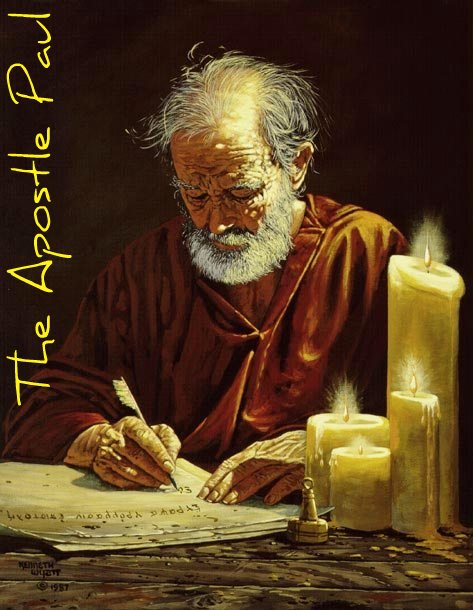
2 Peter 3:15–16, Paul…hard to understand. If the writings of Paul are confusing as Second Peter 3:15-16 affirms, then why did the Holy Spirit write confusing things through Paul and not through others? 

Why Paul Is Difficult to Understand

Paul was hard to understand in the first century as Peter states in 2 Peter 3:16–17, and he’s hard to understand now in the twenty first century, as we will discuss below. In fact, it might be said that if it was hard for Paul’s contemporaries (those who knew him and ministered with him) to understand him, then, logically, it follows that it will be even much harder for those of us to understand him who live 2000 years later and who didn’t know him or work with him. To the former point, Peter writes, 

And account that the longsuffering of our YHVH is salvation; even as our beloved brother Paul also according to the wisdom given unto him hath written unto you; As also in all his epistles, speaking in them of these things; in which are some things hard to be understood, which they that are unlearned and unstable wrest, as they do also the other scriptures, unto their own destruction. Ye therefore, beloved, seeing ye know these things before, beware lest ye also, being led away with the error of the wicked, fall from your own stedfastness.

Again, if Paul was hard to understand in his day, how much more 2000 years later!

For those living and working with Paul, he was hard to understand because of his intellect and education. He was one of the top Jewish scholars of his day with an intellect to match it. You weren’t taught by Gamliel, the grandson of Hillel the Great, the founder of the Hillel School of Phariseeism and considered by some modern Jews to be the greatest sage of the common era, unless you were the top of your class in Judaism! This was the same Paul who was well-travelled, multi-lingual, could debate with the Greek philosophers of Athens, could quote Greek literature from memory and was from a wealthy and prominent family who were Roman citizens because of their wealth and influence. By contrast, most of Yeshua’s other disciples were from the backwoods regions of the Galilee and were common tradesman. Today it would be analogous to a logger from Oregon or a fur trapper from Alaska suddenly linking up into a working relationship with a PhD professor in physics or philosophy from Oxford, Cambridge, Harvard or Yale universities. 

Now scroll forward 2000 years. Since then, we have nearly 2000 years of church history with all of its institutionalized traditions, syncretistic belief systems, man-made doctrines, anti-Semitic theologies and so on to have to wade through. The very purveyors of these church traditions are also the same people (the Christian leaders and “scholars”) who are translating our Bibles. This means that they’ll often be translating the biblical text in ways that agree with their best (often anti-Torah) understandings of Scripture. 

It is this Babylonian mixture of truth and error (man made doctrines and traditions of men along with questionable if not faulty Bible translations) out of which most of us have come. We have to somehow weave our way through this tangled religious theological web and mess and figure out what is truth and what is error, what to keep and what to toss out, who is right and who is wrong, what is wheat and what is chaff. This isn’t easy to do especially when we’ve been indoctrinated, even brainwashed by the church to view Paul, the Torah-law and the rest of the Bible in a certain way through the lenses of those who have taught us their viewpoints be they right or wrong. One’s attempt to separate the precious from the vile and the holy from the polluted promises, justifiably so, to be a daunting and frightening proposition. That’s why the majority of people will prefer to stay in the comfort zones of their churches and man made traditions, rather than to step out into the unknown and unexplored wilderness of being a truth seeker, and, like a modern-day archeologist, to dig down to the bedrock of biblical truth. To step out of the boat of the church system means that, like Peter, you have to have a higher measure of faith than those who will remain safely and comfortably in the boat of their religious traditions. It means that one has to keep their eyes on Yeshua and follow his voice, or else sink into the spiritual watery depths of spiritual confusion. It means that you have to role up your sleeves and get to work, and put on your rubber muck boots and slog through the muddy dung in the barnyard of men’s religious traditions, some of which are good and many of which are vile, to get to the solid high ground of biblical Truth.

Unlocking the Mystery of Understanding Paul

Now let’s discuss Paul specifically to unlock the mystery of how to understand him. This is not a complicated task if done in a logical way. The way NOT to do it is to cherry pick Paul’s difficult-to-understand scriptural passages out of the larger contest of Scripture and then to explain them one-by-one. To attempt to understand Paul in this manner becomes an impossible knot to untie—especially in light of how many Christian scholars have translated his hard sayings through the grid of their faulty understanding and biases. 

Rather, the best way to understand Paul is to step back and to view his writings from the larger context of Scripture—to see the whole forest instead of merely focusing on the individual trees. For example, Paul told the saints in Corinth to imitate him as he imitated Messiah Yeshua (1 Cor 11:1). By the way, Paul’s statement here lines up with John’s instructions to all the saints in his first general epistle to do the same (1 John 2:6). If we’re to imitate Yeshua, then we must, logically, ask ourselves what our Master did, so that we can imitate him as Paul (and John) instructs. For sure Yeshua followed the Torah-law. If not, then he was a sinner, for we read in Scripture that “sin is the violation of the Torah-law” (1 John 3:4), that sin is unrighteousness (1 John 5:17) and that YHVH’s Torah-law defines what righteousness is (Ps 119:172). On the contrary, we know that Yeshua kept the Torah, for he was without sin, for if he had sinned, he wouldn’t been our perfect, sin-free Savior or Redeemer. He kept the Torah in all points and never violated a single command, which would have been sin (Heb 4:15; 2 Cor 5:21; 1 Pet 2:22; 1 John 3:5). Not only did Yeshua obey the Torah, but he clearly upheld its validity again and again (e.g. Matt 5:17–21; John 14:15, 21), and he commissioned his disciples to carry his instructions in this regard forward to the whole earth (Matt 28:20, 18–20 for context). So according to Paul, this is what he imitated, and what he expected the saints of his day (and us) to imitate.

Next, we read in numerous places that Paul spoke favorably of the Torah law. 

Wherefore the law [Torah] is holy, and the commandment holy, and just, and good. (Rom 7:12)

For we know that the law [Torah] is spiritual: but I am carnal, sold under sin. (Rom 7:14)

For I delight in the law [Torah] of Elohim after the inward man… (Rom 7:22)

What shall we say then? Shall we continue in sin [i.e., violation of the laws/Torah of YHVH, see 1 John 3:4], that grace may abound? Elohim forbid. How shall we, that are dead to sin, live any longer therein? (Rom 6:1–2)

Do we then make void the law through faith? Elohim forbid: yea, we establish the law. (Rom 3:31)

But we know that the law [Torah] is good, if a man use it lawfully…(1 Tim 1:8)

But if, while we seek to be justified by Messiah, we ourselves also are found sinners [i.e., violators of the law/Torah], is therefore Messiah the minister of sin [lawlessness/Torahlessness]? Elohim forbid. (Gal 2:17)

And when they heard it, they glorified YHVH, and said unto him, Thou seest, brother, how many thousands of Jews there are which believe [in Yeshua the Messiah]; and they are all zealous of the law [Torah]: And they are informed of thee, that thou teachest all the Jews which are among the Gentiles to forsake Moses, saying that they ought not to circumcise their children, neither to walk after the customs. What is it therefore? The multitude must needs come together: for they will hear that thou art come. Do therefore this that we say to thee: We have four men which have a vow on them; them take, and purify thyself with them, and be at charges with them, that they may shave their heads: and all may know that those things, whereof they were informed concerning thee, are nothing; but that thou thyself also walkest orderly, and keepest the law [Torah]. (Acts 20:20–24)

While he answered for himself, neither against the law [Torah] of the Jews, neither against the temple, nor yet against Caesar, have I offended any thing at all. (Acts 25:8)

And it came to pass, that after three days Paul called the chief of the Jews together: and when they were come together, he said unto them, Men and brethren, though I have committed nothing against the people, or customs of our fathers, [i.e., the Torah] yet was I delivered prisoner from Jerusalem into the hands of the Romans. (Acts 28:17)

So with all of this overwhelming evidence (and more could be given) from Scripture itself that not only proves Paul’s favorable disposition toward the Torah-law, but that he actually lived according to it himself and taught both the Jews and the non-Jewish saints to do likewise, how is it that so many Christian scholars believe and teach the opposite? This is a discussion for another day, but suffice it to say, two Bible verses sum up the indigenous and general antipathy that all carnal humans have toward the commandments of Elohim because of their sin nature:

Continue reading
 

Does the Old Testament Advocate Slavery? Absolutely not!

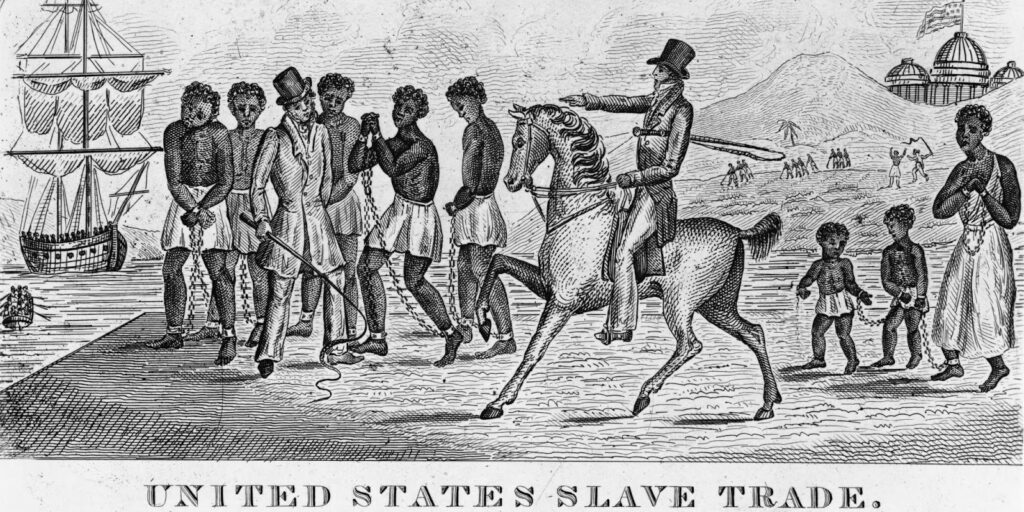
Leviticus 25:42, Slaves. The Hebrew word slaves or bondmen is ebed meaning “slave, servant, man-servant, worshiper (of Elohim), servant (of Elohim, e.g. Levite, priest or prophet).” Ebed derives from the basic Hebrew root word and verb, abad, meaning “to work or serve.” The word abab refers to service that can be directed toward people, things or Elohim. In biblical usage, if directed toward things, abad can refer to tilling the earth, dressing a vineyard, working flax or constructing a city. When abad is used in reference to serving YHVH it can refer to Levitical and priestly service. In Hebraic thought, such service is considered joyous, not bondage. This same service can be directed toward pagan deities as well. When used in reference to serving another man, abad transforms into the noun ebed meaning “slave or servant.” As discussed below and as pointed out by The TWOT, the concept of Hebrew slavery isn’t akin to the modern concept of slavery where the slave possesses no basic human rights. This was not the case in ancient Israel. The Hebrew slave, on the other hand, occupied a position of status involving rights and trust. The Torah required this to be case as this and other Torah passages demonstrate.

Leviticus 25:45, You may buy. This passage advocates “slavery” among the Israelites. Yet, this is not the slavery the American Negroes, for example, experienced prior to the Civil War. It must be remembered that slavery was rife in the ancient world (as it still is, illegally, today in many countries). Often slaves, however, were able to own homes and livestock and to maintain families as was the case with the Israelites in Egypt and the Jews in Babylon. In this case, these slaves were more like servants or feudal serfs. For example, in Israel, the Gibeonites became the slaves of Israel, but they continued to dwell in their own cities, and enjoy Israel’s military protection (Josh 9). Also, it must be remembered that when Israel conquered an opponents’ land or army, they often inherited slaves from those countries or slaves from other countries the conquered country itself had enslaved. What were the Israelites to do with these people who had been dispossessed of their lands? Send them back to countries that no longer existed, or to which they were no longer welcome? Send them back into heathen situations? Instead, YHVH allowed Israel to bring these captured people into Israel where they could live among a Torah-obedient people who worshipped the God of Israel, YHVH Elohim, where they would be taught to love Elohim totally and their neighbors as themselves. In time, these slaves would be assimilated into the tribes of Israel through intermarriage and become part of Israel and thus be elevated in their social status. In this sense, slavery was a means of evangelizing those who found themselves in the lowest echelons of the ancient world. It was ostensibly a way to bring them into the ways of the Torah thereby elevating them spiritually and socially from their previous enslaved heathen condition.

Leviticus 25:55, Servants [Heb. ebed]. The Hebrew word Ebed means “a servant or bondman” and derives from the word abad meaning “to work (in any sense), to serve, enslave, to be or keep in bondage, be a bondmen, do (use) service, to worship or obey. Obviously, as is the case with many Hebrew words, ebed and abad have a wide range of meanings from the slave and bondservant, who was at the lowest socio-economic level of ancient Israelite society to the Levitical priest (Num 4:19; 2 Chron 8:14) who found himself at the highest and most respected level of society. What is the greater and sublime spiritual truth that this verse teaches us? Simply this. All of YHVH’s people were once in bondage in the spiritual Egypt of their past life unable to escape their bondage to the world, the flesh and the devil. Then YHVH mercifully intervened and set us free and now we belong to him. The redeemed of YHVH must never forget that without his mighty arm of salvation, we would all still be slaves to Pharaoh, a symbol of Satan, and eternal death is the final outcome of this slavery. On the other hand, YHVH offers his redeemed saints eternal life if they will now serve and obey him. Is this not a whole lot better than what the devil has to offer his slaves? Is not faithful and obedient service the least that the saint can offer YHVH in gratitude for the great blessings and gifts that he offers those who accept him as their new Master—their loving Father in heaven?

Are my servants [or slave.] Here YHVH declares that “the children of Israel are my slaves [or servants, Heb. ebed], whom I have taken out of the land of Egypt—I am YHVH, your Elohim.” Here YHVH states dogmatically that he brought or redeemed the Israelites out of slavery to Egypt so that they could become his slaves. Does this trouble you? Being a slave of YHVH didn’t seem to trouble the apostles of Yeshua who referred to themselves many times as YHVH’s bondservants or slaves (e.g., Rom 1:1; Tit 1:1; Jas 1:1; 2 Pet 1:1; Jude 1:1; Rev 1:1). Perhaps their view of slavery is different than ours. Did they not see two categories of slavery and that all humans fall into one or the other category: slavery to the world, flesh and the devil that leads to death as compared to “slavery” to the Word and the Spirit of YHVH that leads to life? There is no escape. One is either a slave to the law of sin and death or to the law of the Spirit of life in Messiah Yeshua (Rom 8:1–2). Those who have been redeemed by the blood of Yeshua have become Yeshua’s purchased possession as Paul says in 1 Corinthians 6:19–20:

What? Know you not that your body is the temple of the Set-Apart Spirit which is in you, which you have of Elohim, and you are not your own? For you are bought with a price: therefore glorify Elohim in your body, and in your spirit, which are Elohim’s.

Do you live your life, make choices, do or don’t do things, say or don’t say things every day with the realty that your are a slave to YHVH? Is Yeshua truly your Lord and Master? It is easy to make the claims that he is, but living out the reality is a totally different things!


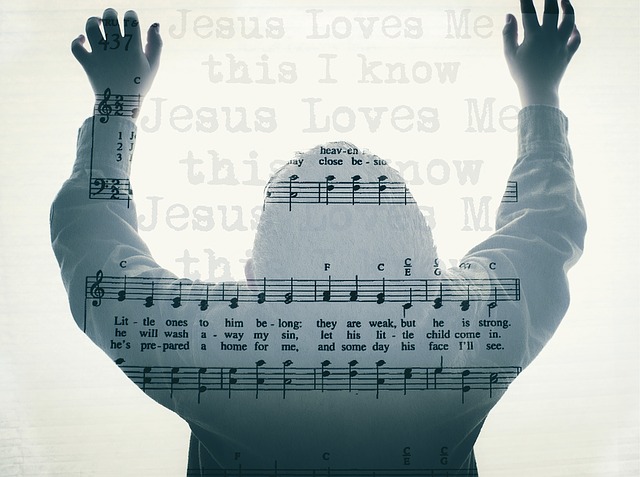
“In Vain They Worship Me”—Praise & Worship in the Church

Much of the praise and worship themes in the modern Christian church are incongruent with the biblical model and needs to be reoriented accordingly. Praise and worship is largely an emotional and not an action-based activity. In fact, very few of the lyrics, for example, of modern day praise and worship music even talk about fearing YHVH or walking in righteousness and holiness as it relates to obedience to his commandments. This is not how the Bible defines praise and worship as we shall discuss below. In true biblical praise and worship, the actions of the worshipper match his verbal proclamations.

Why should we worship Elohim?

Why humans should worship YHVH Elohim, their Creator, should be self-evident. But in the hectic flurry of daily living, it is helpful to reminded ourselves of the most basic element of human existence to acknowledge our proper place in the cosmos by giving acknowledgement and respect to the powers that be that are greater than ourselves. So here are some basic reasons why man should not only acknowledge, but respect and even fear his Creator.

  • He made us.
  • He is greater than us.
  • There is no hope in this world outside of him.
  • He demonstrates his love for us in countless ways such as placing us on this earth with all of the necessities of life.
  • He demonstrates his love for us by offering us hope and redemption or salvation from sin (the violation of his laws) and escape from the lethal entrapments of this world, the flesh and the devil.
  • He offers us escape from the cosmos (this time-space continuum space capsule) in which we are inexorably bound.

This is only a beginning. Countless more reasons could be given why humans are duty-bound to worship Elohim.

How Should We Worship Elohim?

The purpose of the following discussion is not to criticize or tear down all the good things that the Christian church has down or does. My purpose is to bring us all to the higher level and thus become a more pleasing bride to Yeshua our bridegroom by pointing out those things in the church that are incongruent with the Truth of Elohim as revealed in his Word.

That said, I have to admit that I am non-plussed by most of the praise and worship music and activities in the Christian church as well as most so-called Messianic and Hebraic worship music. Why? Doesn’t Elohim inhabits or is enthroned on the praises of his people and love it when they praise him (Ps 22:3)? Yes and no. But, there is a higher level of praise and worship that the church largely misses. Let’s explore and discuss this.

There are two kinds of ways to worship Elohim.

The first type of worship is through man-made religious activity—the commandments or doctrines of men. This is vain, empty or meaningless worship in the eyes of the Creator. As Yeshua said, “AND IN VAIN THEY WORSHIP ME, TEACHING AS DOCTRINES THE COMMANDMENTS OF MEN,” (Matt 15:9). This is from Isaiah 29, 

Therefore the Lord said: “Inasmuch as these people draw near with their mouths and honor Me with their lips, but have removed their hearts far from Me, and their fear toward Me is taught by the commandment of men… (Isa 29:15).

On the issue of false, man-made worship, let’s note Matthew 15:8 and Isaiah 29:13 respectively,

Ye hypocrites, well did Isaiah prophesy of you, saying, This people draweth nigh unto me with their mouth, and honoureth me with their lips; but their heart is far from me. But in vain they do worship me, teaching for doctrines the commandments of men. (Matt 15:7–9)

Wherefore the Lord said, Forasmuch as this people draw near me with their mouth, and with their lips do honour me, but have removed their heart far from me, and their fear toward me is taught by the precept of men. (Isa 29:13)

The second form of worship is through spirit and truth.

Continue reading
 

‘Shocking’ New Poll: Only 37 Percent of U.S. Pastors Hold a Biblical Worldview

Little comment is needed here. The article says it all. Is it any wonder why America is as sick spiritually as it is? When the head is sick, the whole body is sick. Or to put it another way, as goes the church house, so goes the state house, the courthouse and all the way up to the White House. Judgment begins first at the house of Elohim, as Scripture tells us.


From https://www.christianheadlines.com/contributors/michael-foust/shocking-new-poll-only-37-percent-of-us-pastors-hold-a-biblical-worldview.html

Michael Foust | ChristianHeadlines.com Contributor | Friday, May 13, 2022

Pastor holding a Bible in a pew

A majority of Christian pastors in the United States do not hold a biblical worldview, according to surprising new research from pollster George Barna, who says the data shows a spiritual awakening is “needed just as desperately in our pulpits as in the pews.”

The survey, released Thursday by the Cultural Research Center at Arizona Christian University, shows that only 37 percent of pastors in the U.S. hold a biblical worldview.

Among senior/lead pastors, 41 percent possess a biblical worldview – the highest percentage within the sub-groups of pastors. Less than one-third of associate/assistant pastors (28 percent), teaching pastors (13 percent) and children’s/youth pastors (12 percent) hold a biblical worldview, the data found.

An accompanying report labeled the findings “shocking.”

“This is another strong piece of evidence that the culture is influencing the American church more than Christian churches are influencing the culture,” said Barna, director of research at the university’s Cultural Research Center.

The survey’s findings were based on 54 questions in eight categories related to a biblical worldview. Within those eight categories, the only one where a majority of pastors affirm a biblical worldview is related to the purpose and calling of life (57 percent). A minority of pastors hold a biblical worldview in the other seven categories: family and the value of life (47 percent); God, creation and history (44 percent); personal faith practices (43 percent); sin, salvation and one’s relationship to God (43 percent); human character and human nature (40 percent); lifestyle, personal behavior and relationships (40 percent); and beliefs and behaviors related to the Bible, truth and morality.

The data on children’s pastors and youth pastors, Barna said, is particularly discouraging.

“Keep in mind,” Barna said, “a person’s worldview primarily develops before the age of 13, then goes through a period of refinement during their teens and twenties. From a worldview perspective, a church’s most important ministers are the children’s pastor and the youth pastor. Discovering that seven out of every eight of those pastors lack a biblical worldview helps to explain why so few people in the nation’s youngest generations are developing a heart and mind for biblical principles and ways of life, and why our society seems to have run wild over the last decade, in particular.”

Despite the gloomy data, Barna offered a glimmer of hope by noting that “you cannot fix something unless you know it’s broken.”

“God is in the transformation business,” he said. “Pastors who are willing to allow Him to transform their thinking and behavior can emerge from that process as a powerful example of what can happen when one’s heart, mind and soul are surrendered to God. It certainly seems that if America is going to experience a spiritual revival, that awakening is needed just as desperately in our pulpits as in the pews.”


Emor–”In Vain They Worship Me”—Praise & Worship in the Church

In this video, we examine the Christian church’s typical praise and worship themes junta pose them with the book of Psalms and how the Bible defines praise and worship. A major disconnect is exposed! Learn what the true praise and worship is that is pleasing to our Abba Father in heaven—YHVH Elohim.