The Feasts, Yeshua the Sun of Righteousness and the Calendar

Sun of Righteousness 16958560

Leviticus 23

Yeshua the Messiah is the Light of the world or the Sun of Righteousness (Mal 4:2) or the Greater Light to show man the path of spiritual darkness of this world. The saints are like the moon or lesser light that reflects the light of the sun or the greater light into the darkness of this world.

The biblical feasts are calculated based on the lunations of the moon. They YHVH’s plan of salvation to show man the way to Yeshua who is spiritually the Greater Light as represented by the sun. The feasts are like a tract or sermon by which the saints preach the gospel message of salvation to the world. The saints as the lesser light reflect the message of salvation through Yeshua the Greater Light into the darkness of this world through their adherence to the biblical feasts. This is why the moon — the lesser light — is so pivotal to YHVH’s calendar and feasts.

Judah’s calendar is off; it’s not in accordance with the moon. It claims to be, but it’s not. At the same time, they’re not bring the gospel message of Yeshua to the world — only the doctrines of men and men’s traditions. Their whole message is askew and fails to reflect the Greater Light of Yeshua.

Similarly, the mainstream church tries to preach the gospel, but without understanding the moon, feasts and biblical calendar their message of the gospel is only a partial one and is also off.

A time may come in the future when the calendar and feasts will go off the sun and not the moon. This may occur when there is a new heaven and a new earth when Yeshua is ruling on this earth and he will be the only Light of the world. That time isn’t yet, though, for it’s still the saints’ job as the lesser light to be like the moon to reflect the truth of Yeshua, the Greater Light, to this world through a lunar-based calendar and the biblical feasts.

 

New Video: Overcoming Sin & Obeying Torah Is Easy Through Yeshua


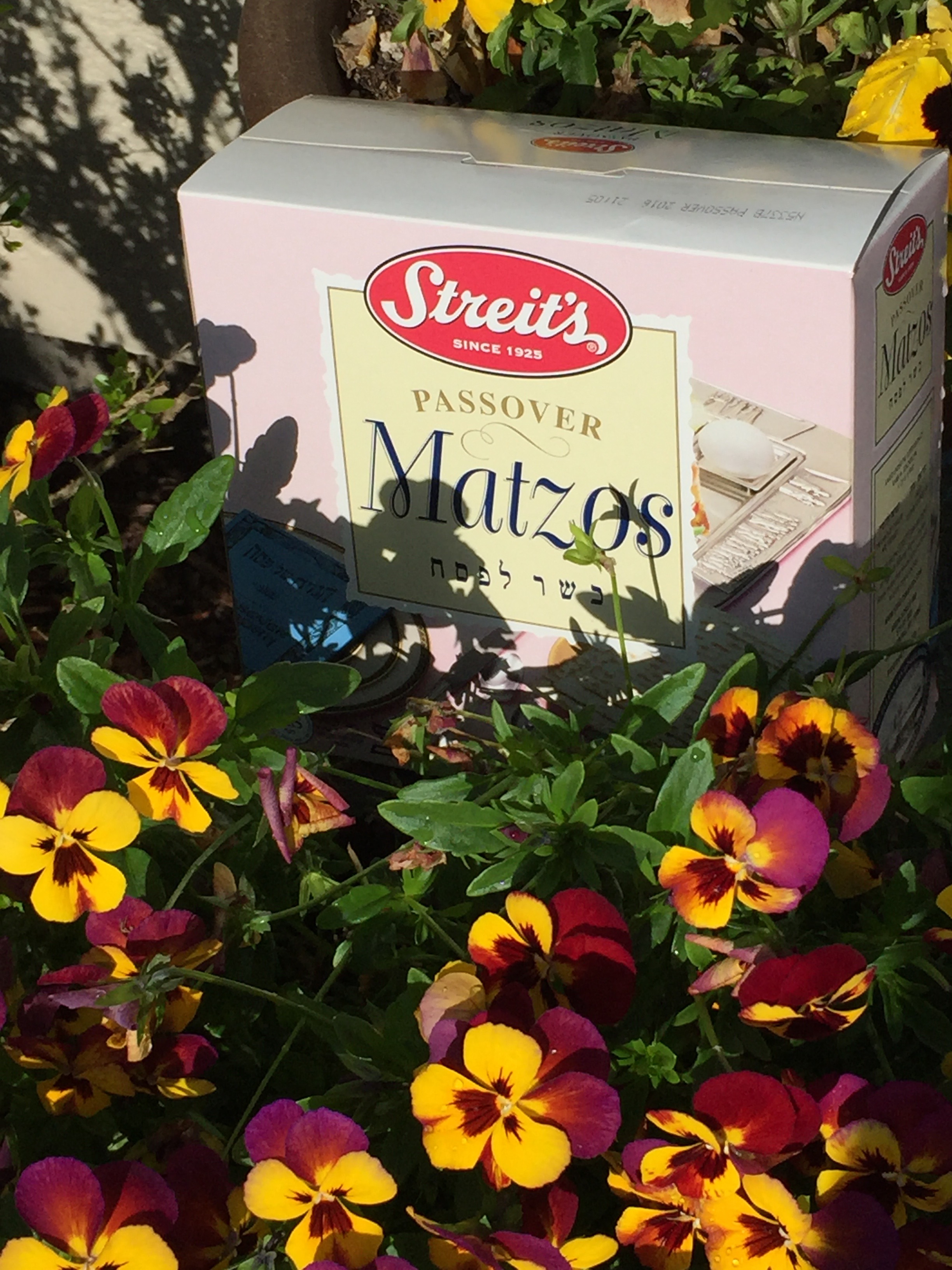
Why the box of matzot in the pansies?

IMG_3846

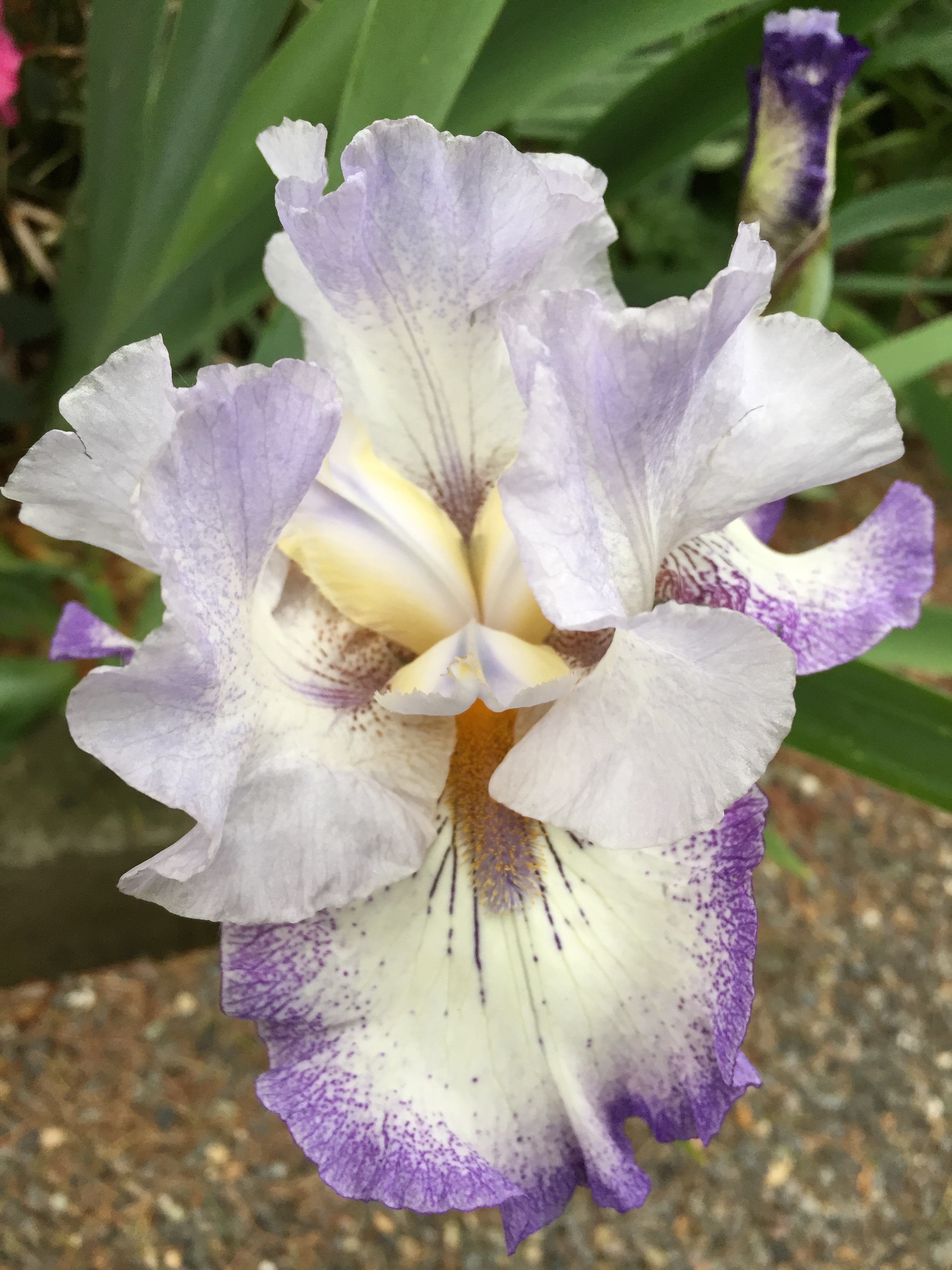
What speaks of YHVH’s glory more than flowers?

Yeshua thought so. He declared that all the glory of Solomon’s kingdom wasn’t even equal to that of a common lily.

Amazing! Men get all excited over their own creations: palaces, works of art, and great human accomplishments, yet we often overlooks the flowers. Why? Because flowers take the glory away from men and point it to Elohim where it all belongs.

That’s why I put the box of matzah in a planter full of pansies.

YHVH’s feasts, like the flowers, point to YHVH Elohim. The unleavened bread points to Yeshua, the Living Torah-Bread of Life who is the Creator of all including the flowers.

It all comes back full circle and it all fits together in my way of thinking like a puzzle making a beautiful picture. Matzot—flowers—Yeshua—the Torah—the Bread of Life— the Creator—the biblical feasts—the glorious beauty of Elohim.

Ponder, reflect, meditate, get in the river of life and enjoy!


Have a Joyous Last Day of the Feast of Unleavened Bread!

Feast of Unleav. Brd, Joyous3865


Video: Let us Celebrate the Feast of Unleavened Bread


How to Overcome Sin!

Sin

Dealing With the “Leavening” in Our Lives

Throughout Scripture, leavening is a spiritual metaphor for sin, pride, hypocrisy, malice, bitterness and false religious doctrine (Pss 71:4; 73:21; Hos 7:4; Matt 16:6; Mark 8:15; Luke 12:1; 1 Cor 5:8–6; Gal 5:9). Even as a small amount of leavening agents in bread (e.g., yeast and various chemical agents) will quickly permeate bread dough causing it to rise, so a little sin can rapidly infect our lives (or like a quick spread cancer disease) and take us away from Elohim’s path of righteous-living.

The Scripture teaches us to be overcomers (Rom 12:21; 1 John 2:13–14; 5:4) eradicating the leavening of sin from our lives. We must overcome the world, the flesh and the devil (Jas 3:15). Yeshua admonished each of the seven Messianic assemblies to be overcomers (Rev 2:7,11,17,26; 3:5,12,21; see also Matt 24:13). For those who overcome, there will be great rewards—a spiritual inheritance; they will be sons of Elohim (Rev 21:7).

The Greek word for overcome is nikao (Strong’s G3528) meaning “to conquer, to get the Continue reading →


The Feast of Unleavened Bread: Points to Ponder

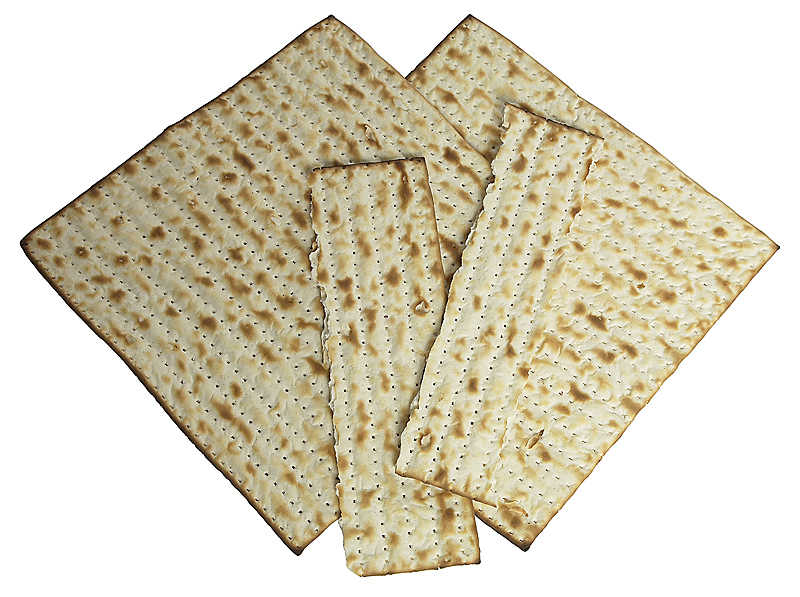
matzah

The Feast of Unleavened Bread Is a Commemorative Ritual

Passover going into the first day of the Feast of Unleavened Bread is the birthday of the nation of Israel. In ancient times, universal Israel came together in Jerusalem to celebrate this event. Today, redeemed Israelites come together to celebrate these divine appointment sacred convocations.

Abstaining from leavened bread for seven days is symbolic of Elohim’s people separating themselves from sin and turning towards a holy relationship with him.

Removing leavening from our  homes is a symbolic activity just like taking communion, being baptized for the remission of sins, or building a sukkah during the Feast of Tabernacles. As humans, we need symbolic commemorative occasions for several reasons. They give us a sense of history by helping us to understand the past, so that we can move forward into the future knowing who we are and where we’ve come from. They give us guidance so that we’ll learn from the lessons of history, both the good and bad ones. Our American culture is full of symbolic rituals and commemorative acts and markers (Christmas, Easter, birthdays, anniversaries, Independence Day, Memorial Day, Veterans Day, Thanksgiving Day, statues, historical markers, monuments, museums, heritage sites, etc.). Likewise, Biblical commemorative rituals help us in several ways.

They help us to both recall and commemorate past and future events.

They help us to understand who we are by recalling where we’ve come from which in turn helps us to understand where we’re going.

They can be something physical that helps us to wrap our minds around difficult-to-understand spiritual principle.

They are something physical that help to point us toward a spiritual reality. They help to raise our hopes and our eyes above our mundane existence and strengthen our faith as we move toward the higher goal or reality to which the ritual or commemorative event points.

They help us to teach and to pass on to each new generation not only about our past history, but our future hope.

Leavening Is a Picture of Sin

The observance of the Feast of Unleavened Bread is a symbol of our commitment to turn towards righteousness and turn away from sin. How serious we are about removing physical leaven from our homes in compliance with YHVH’s commands is an indicator of how serious we are about removing sin from our lives.

While leavening makes bread rise and is therefore a symbol for pride, leavening is also a Continue reading →