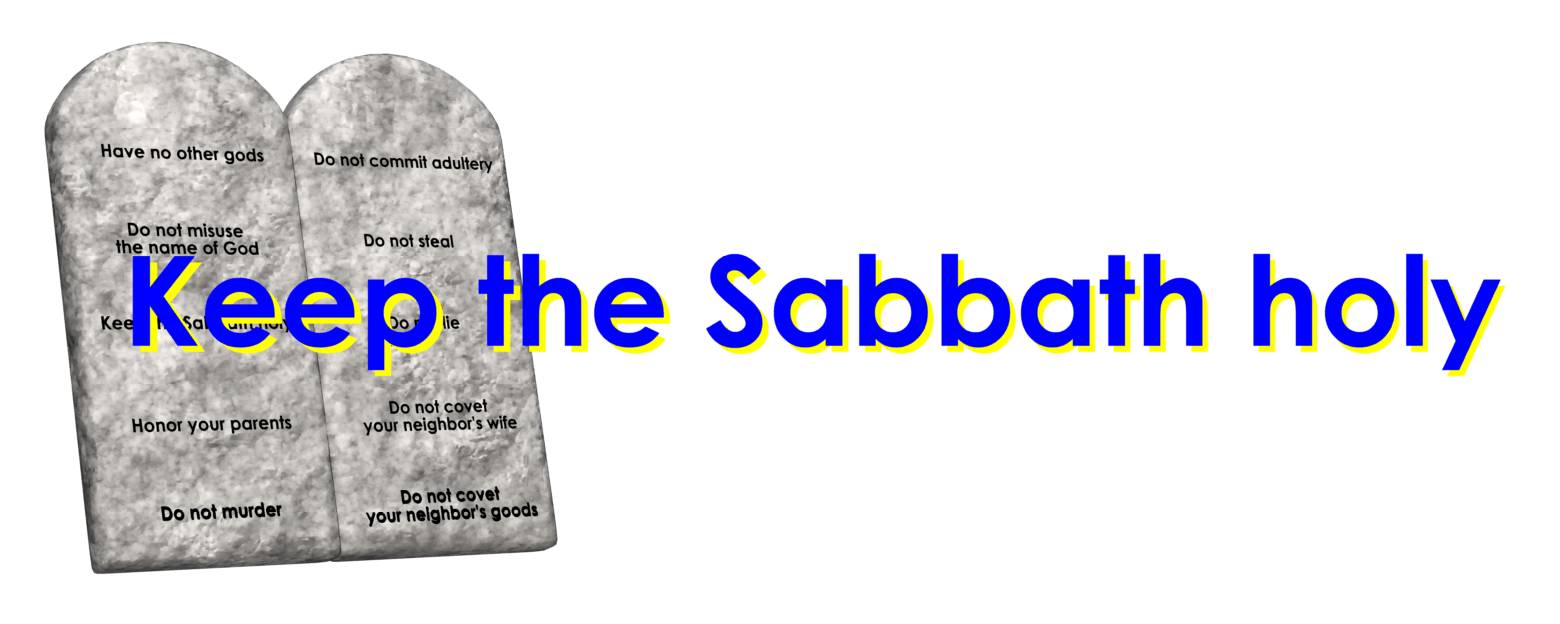
Elohim is serious about the Sabbath!

Sabbath, Remember 33398107

Exodus 16:4–30, The Sabbath. This chapter chronicles YHVH’s efforts to literally force an irreverent, unruly and disobedient nation to keep the seventh day Sabbath. He did so in a most poignant way—through food and hunger. It’s as if he were instructing the stiff-necked and rebellious Israelites that if they refused to follow his Sabbath instructions, they would literally go hungry. “If you don’t obey me, you don’t eat.” This shows the gravity the Creator places on the Sabbath command. Yet despite these clear instructions, most in the Babylonian church today, like the rebellious children of Israel of old, refuse to obey YHVH’s clear instructions regarding the Sabbath. Instead, they prefer to believe the doctrines of men proffered to them by their spiritual leaders that purport to invalidate the Sabbath command. Paul’s sage observation in Romans 8:7 describes the situation perfectly: “Because the carnal mind is enmity against Elohim: for it is not subject to the [Torah] law of Elohim, neither indeed can be.” In our day, the same question can still be asked of followers of Yeshua that YHVH asked of the Israelites at that time, “How long do you reuse to keep my commandments and my laws?” (Exod 16:28).

This chapter is almost entirely dedicated to instructions pertaining to preparing for the Sabbath. This shows the priority that YHVH places on Sabbath observance for his people. Also note that these instructions are given many weeks before the official giving of the Torah (or law of Moses) at Mount Sinai. This is but one of the many examples of YHVH revealing key aspects of his Torah-law before he gave it the Israelites in one legal codified corpus at Mount Sinai.

Exodus 16:4, On the sixth day…prepare. (Also note verse 23.) The sixth day of the week was to be a day of preparation for the Sabbath, so that the Sabbath rest could be complete allowing for man to fully focus on being spiritually edified in the presence of his Creator without the distractions of food preparation and the other mundane duties of life.

Exodus 16:29, Let every man remain. The essential point of this prohibition is to not go out and gather manna on the Sabbath, but to rest on this day from the routine work of supporting one’s family. This command didn’t prohibit the Israelites from gathering together on the Sabbath for purposes of teaching, worship, prayer, fellowship or spiritual edification or else YHVH’s command for the Israelites to gather together on the Sabbath for a “holy convocation” (Lev 23:2) would be contradictory. Were this command merely an injunction to not leave one’s dwelling place on the Sabbath, then Yeshua and the apostles visiting synagogues on the Sabbath would have been a violation of this Torah command. Isaiah 58:13 could be viewed as the corollary passage to Exodus 16:29. There YHVH instructs his people not to profane the Sabbath by doing their own pleasure, not doing their own ways, and not speaking their own words on this day. Instead, it is a holy day to YHVH and a day to focus on and honor him.


 

Leaving the Bitterness of Egypt and Experiencing Healing in the Wilderness

Exodus 15:27, From Egypt to Elim to provision in the wilderness. In this portion of Scripture, we see a prophetic picture of what new believers must go through when leaving enslavement to Pharaoh (Satan) and coming out of Egypt (the world).

Oasis 20098602

After leaving Egypt, Pharaoh pursued the Israelites not wanting to lose any of his subjects. YHVH then led the Israelites through the Red Sea, a picture of baptism for the remission of sins.

The Israelites then murmured against YHVH because of the bitter waters of Marah, which they were unable to drink. Moses, a prophetic picture of Yeshua, healed the waters when he cast a tree (a picture of Yeshua’s death on the cross) into the waters making them sweet and potable. This story shows us that we must put off the bitterness, unforgiveness, anger and fear of the carnal man before we can expect to receive a blessing from YHVH, and healing in our lives.

From there, the children of Israel came to the desert oasis of Elim where YHVH nourished them in a most refreshing way. Elim is a prophetic picture of coming into a bit of heaven on earth and the provisions of YHVH in the midst of our wilderness journey called life after having overcome our bitterness of past sin through the cross of Yeshua.

Immediately after this, YHVH began reigning manna down on the Israelites—a picture of Yeshua, the bread of life. This whole story teaches us that when we finally overcome the sins of bitterness and complaining through the power of Yeshua’s death, we can experience healing, physical nourishment, refreshment along with ongoing supernatural provision for our spiritual journey toward the Promised Land of YHVH’s kingdom.


Who is a fool?

Luke 11:40, You fools. Here Yeshua calls the Pharisees fools (Gr. aphron) or “senseless, stupid, without reason, acting rashly, without reflection or intelligence.”  (Cp. Matt 5:22.)

How does this compare with Yeshua’s forbidding his disciples from calling a brother a fool in Matthew 5:22? Let’s see.

22027902

Matthew 5:22, Brother…raca…fool. Raca is an Aramaic word meaning “empty, i.e., a senseless, an empty headed man, vain, worthless, shallow brains” and was a term of reproach used among the Jews. Fool (Gr. moros) can also be translated as “empty, i.e. a senseless, empty headed man.” In Luke 11:40, Yeshua called the hypocritical Pharisees fools (Gr. aphron) or “without reason, senseless, foolish, stupid, without reflection or intelligence, acting rashly.” In Yeshua’s mind, it seems that calling an unbelieving religious hypocrite a fool is one thing, but calling one’s spiritual brother a fool (without a cause) is quite a different matter. Therefore, it would seem that to Yeshua, there is a time and place even to call a brother a fool as long as one is justified (presumably on solid Torah-based, scriptural ground) for doing so.

The LXX translators replace the Hebrew word nabal and the Greek word moros. According the TDNT, nabal not only means “want of understanding,” but also refers to one who “is missing the true understanding of Elohim, acknowledgement or confession of Elohim. Someone who’s heart is hardened and whose spiritual eyes are blind and ears are deaf. The folly condemned here is apostasy from Elohim. Yeshua uses the moros in describing the five virgins who were unprepared for the bridegroom in his Matthew 25 parable. Apparently, they were in a far worse state spiritually than one might suppose from a casual reading of this parable.

The bottom line is this: We must be careful who we call a fool. The Creator made man was made in his image, and is thus a dignified, honorable and noble being. In Hebraic thought, anything that demotes a person’s honor not only is a serious offense, but is a slap in the face of Elohim, the Creator. One must be very careful and be certain that one has solid scriptural backing before applying such epithets to another person — especially one’s spiritual brother.


The First and Final or Second Exoduses Compared

Understanding the Second Exodus

The concept of the Messianic Age in Hebraic thought involves an understanding of the first and final redemptions, which are two separate events. The first redemption or first exodus occurred when the Israelites obeyed the Word of Elohim and placed the blood of the lamb on the door posts of their homes resulting in YHVH delivering them out of Egypt. It is understood by redeemed believers that Israel’s exodus from Egypt was prototypical of the one’s placing their faith in Yeshua (the Lamb of Elohim) who redeems them from sin’s death grip through his shed blood at the cross, and then leads them out of their spiritual Egypt of sin and worldliness toward the promised land of a new spiritual life in Messiah Yeshua.

By contrast, the final redemption or second exodus is a series of events that will occur at the end of the age prior to the return of Messiah Yeshua at the beginning of the Messianic Age (or Millennium).

For those who have placed saving faith in Yeshua the Messiah, at the final redemption, the redeemed believers will receive their spiritual or glorified bodies at the resurrection of the dead, which occurs at the second coming of Yeshua. After that, they will rule and reign with Yeshua for a thousand years during the Messianic Age.

Now let’s explore some of the biblical prophecies that pertain to the second exodus. This will yield us more clues as to the timing of the return of Ephraim to the land of Israel. Continue reading


New Video: When Does the Biblical Month Begin? Crescent Moon or Conjunction?

To know when to celebrate the biblical feasts, the Bible believer must know when the month on the biblical calendar begins. Does the biblical calendar begin at the moon’s crescent or conjunction? In this video, we refute 14 pro-conjunction arguments in favor of the first visible cresenct new moon.


Blog Scripture Readings for 1-17 Through 1-23-16

Aside

THIS WEEK’S SCRIPTURE READINGS FOR STUDY AND DISCUSSION:

Parashat Beshalach — Exodus 13:17 – 17:16
Haftarah — Judges 4:4 – 5:31
Prophets — 1 Kings 4:1 – 10:29
Writings — Psalms 102:1 – 106:48
Testimony — Luke 9:43 – 12:21

Most of this week’s blog discussion points will be on these passages. If you have general comments or questions on the weekly Scripture readings not addressed in a blog post, here’s a place for you to post those. Just use the “leave a reply” link below.

The full “Read Through The Scriptures In A Year” schedule, broken down by each day, can be found on the right sidebar under “Helpful Links.” There are 4 sections of scripture to read each day. One each from the Torah, the Prophets, the Writings, and from the Testimony of Yeshua. Each week, the Torah and haftarah readings will follow the traditional one-year reading cycle.

Weekly Blog Scripture Readings for 1/17 through 1/23/16.


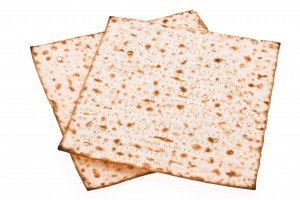
Flat Bread, A Flattened Egypt and Flattened Pride

Exodus 13:3, Went out of Egypt…no leavened bread. What is the spiritual connection between coming out of Egypt and the memorial (v. 9) of eating unleavened flat bread? The keeping of the Feast of Unleavened Bread and the command to eat flat bread was to be an object lesson for successive generations Israelites as a sign and a memorial of what YHVH did against Egypt and of Israel’s deliverance (vv. 8–9).

matzot

As the strong right arm of YHVH’s judgments (v. 3) pressed down upon proud and exalted Egypt until it was flattened as a nation, even so, YHVH’s judgment against the sin and idolatry in our lives demands that we become flattened, deleavened and contrite before him. He desires to squeeze or press out of us all the leaven of sin and pride that we have inherited from spiritual Egypt.

In the Scriptures, since leavening puffs up and sours bread, it is a biblical metaphor for sin, which does the same to the human heart and mind. It causes bitterness, pride, insincerity, hypocrisy and giving rise to false teachings and doctrines of men. We must put out the leaven of sin from our lives and from our spiritual assemblies, as Paul admonishes.

The Feast of Unleavened Bread pictures this process. The saints are to keep the feast not with the old leaven of malice and wickedness, but with the unleavened bread of sincerity and truth (i.e., the Torah, 1 Cor 5:8, read vv. 1–11 for context).