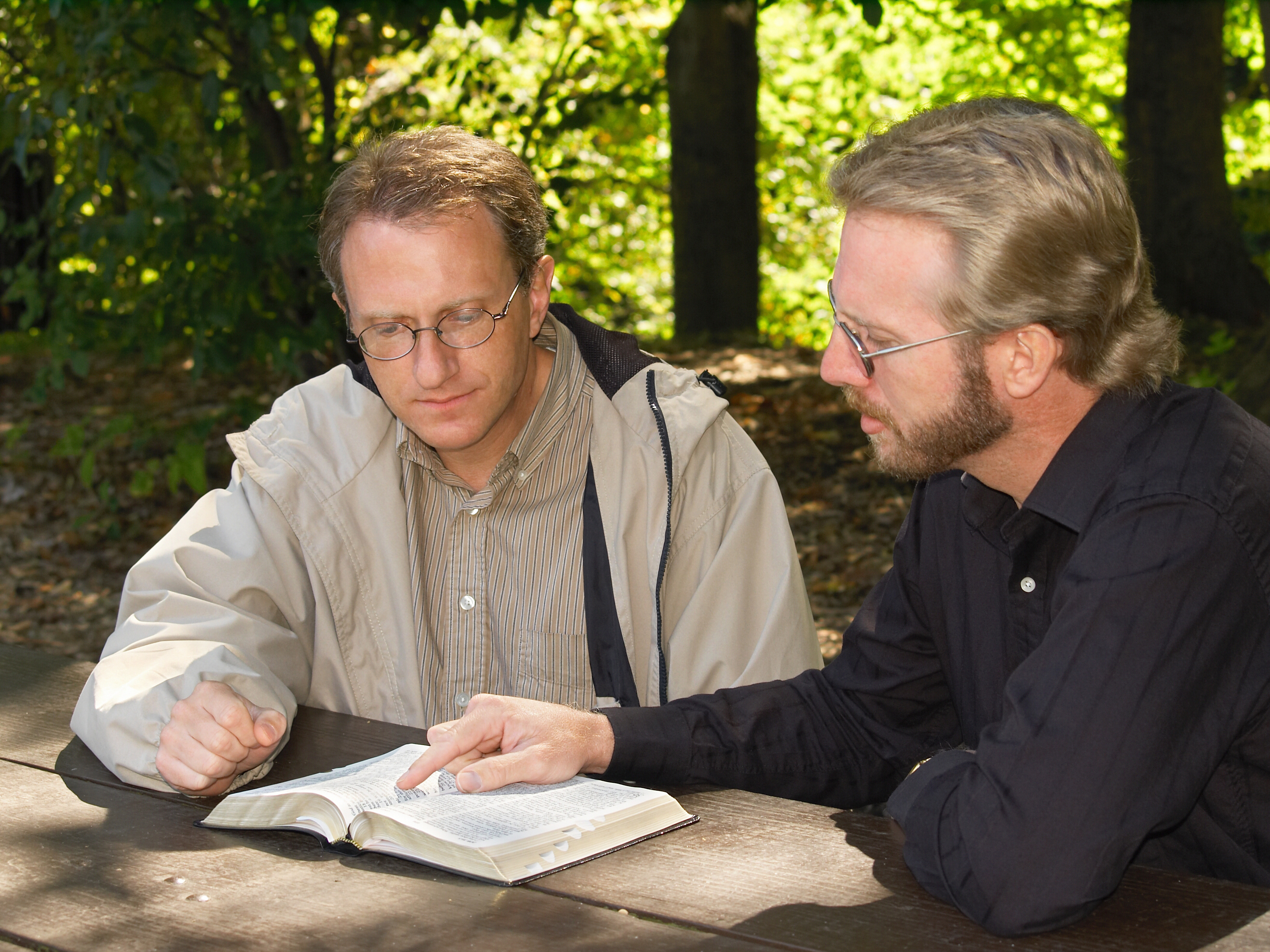
Do you desire to be a spiritual leader? READ THIS!

Luke 6:40, Perfectly/fully trained. Those disciples of Yeshua, the Master-Teacher, who are properly trained, fit out, prepared or equipped can become like Yeshua the Master-Teacher. Those who aren’t properly equipped or trained to teach are like the blind leading the blind and will cause others to fall into a spiritual ditch (Luke 6:39).

The person who isn’t properly trained, but who is trying to lead people spiritually, not only will be like a blind man leading the blind, but will also be hypocritical in their judgments and assessments of things. This is because they lack the experience, wisdom and skills to be able to point out the faults of others because they are still inexperienced and have too many blind spots themselves and are still like the blind leading the blind (Luke 6:41–42).

This is why Paul very carefully lays out the qualifications for those in spiritual leadership in the local congregation. A spiritual leader was not to be an inexperienced individual, a new convert or a novice (1 Tim 3:6), but well-discipled in YHVH’s truth before hand (Tit 1:9).

Paul goes on to say that it is good thing for a person to desire to be a spiritual leader (1 Tim 3:1), but it isn’t a good thing if they doesn’t meet the criteria or qualifications, which Paul then lays out (1 Tim 3:2–13).

The problem is that in our day, there are many individuals who desire to be leaders and teachers, but who are self-appointed, and who have not been perfectly or fully trained. Since the advent of the internet, such people now have an easily accessible pulpit-platform from which egotistically to influence others. Sadly, they are like the blind hypocrite in Yeshua’s parable leading many astray and causing many to stumble and to fall into spiritual ditches of false doctrines and errant teachings.

Just because someone has a website, a YouTube channel, has published a book, spoken at a conference, has academic credentials or been on radio and television doesn’t mean they have been perfectly equipped or fully trained for the position of a Bible teacher or a leader in the spiritual body of Yeshua.

We may not always know what a person’s background or qualifications are, but the spiritual fruit they produce, whether good or bad, can be an excellent indicator as to what type of spiritual tree they are, as Yeshua goes on to say in the next verses (Luke 6:43–45).

Those who sense a divine calling on their lives to teach or to lead YHVH’s people need to be first discipled and raised up by older and mature, wise spiritual leaders who have a proven track record of good spiritual fruit. This is the biblical way!


The Dunamis Power of Elohim and Divine Healing

Luke 5:17, The power [Gr. dumanis] of YHVH was present. Sometimes the power of YHVH is present to heal people, sometimes it is not. There are many factors that determine this such as the sovereign will of Elohim, the faith of the individuals performing or receiving the healing, repentance of sin or the lack thereof, whether one is a saint or not and many more of which we may or may not be aware in our limited understanding of the spiritual dimension where Elohim operates.

Let’s explore the healing activities of Yeshua. The Greek word dunamis means “strength, power, ability” or as often used in the Testimony of Yeshua, “miraculous power.” (In fact, our English words dynamic, dynamo and dynamite originate from this Greek word.) This is an interesting statement pertaining to the dynamics of Yeshua’s healing activities. Did Yeshua heal all people all the time, or only when the power of Elohim was present for him to do so? This verse, at least in this case, would indicate the latter. Elsewhere, we read that Yeshua “healed many that were sick” (Mark 1:34), but not all that were sick. On other occasions, the Gospels record indicates that Yeshua did in fact heal all the sick who were brought to him (Matt 4:23–25; 9:35; Luke 6:19).

The Gospels reveal some other interesting facts about Yeshua’s healing activities that we often pass over. On at least one occasions, Yeshua prayed to heal someone and they were only partially healed. After he prayed for them the second time, they were completely healed (Mark 8:22–25). Often Yeshua healed people after he was “moved with compassion [love and pity]” for someone who was sick (Matt 14:14; Mark 1:41; Luke 7:13–15). The Greek word for compassion, literally means “to be moved in one’s bowels,” or in the deepest areas of one’s emotions. Some people simply touched Yeshua’s clothing as he was walking by, and the miraculous power (Gr. dunamis) of Elohim flowed from him and healed them (Matt 9:20; Mark 6:56; Luke 8:44 cp. Luke 6:19).

Elsewhere, it appears that Yeshua’s healing activities were hampered by the presence of those who ridiculed him and exhibited doubt and unbelief, which is why, on one occasion, he put the unbelievers out of the room and closed the door behind them when he raised the little girl from the dead (Mark 5:40–42). Similarly, in his hometown of Nazareth, Yeshua “could do no mighty works there” except for healing a few sick people, “because of their [the townspeople’s] unbelief” (Mark 6:5–6; also Matt 13:58). Matthew’s account adds that the people of Nazareth were offended (literally, scandalized) by Yeshua, or that they stumbled over (or judged unfavorably, distrusted) Yeshua. Because of their low esteem for him, they lacked the faith to receive healing, which is why he healed so few people in that town.

When in doubt, always look for an opportunity to pray for a sick person. Before praying, one must discern the situation. Does the person have faith to be healed? Is the anointing or Presence of YHVH is there to heal the person? How is the Spirit of Elohim directing one to pray? Sometimes we sense the need to pray more authoritative prayers, other times, more pleading or intercessory prayers, and still other times prayers of agreement while asking for the healing.

What’s more, prospective converts and new believers tend to have their prayers for healing answered more quickly, since this is a demonstration of the signs Yeshua promised that would follow the preaching of the gospel. The saint can be healed, but often this will occur after having their faith stretched and refined. Therefore, the healing often takes longer to receive.


Overview of the Book of Exodus (Main Themes)

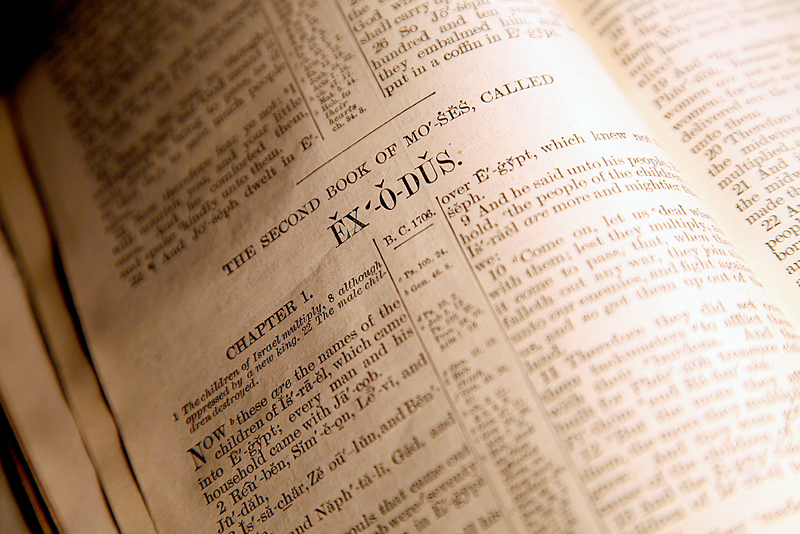
Exodus (Heb. Shemot) is the book whose principle theme is redemption—Israel’s deliverance from Egypt. Here we learn how YHVH saves his people and we are shown that his people are redeemed in order to worship him.

The Theme of Redemption

Say, therefore, to the sons of Israel, “I am YHVH, and I will bring you out from under the burdens of the Egyptians, and I will deliver you from their bondage. I will also redeem you with an outstretched arm and with great judgments. Then I will take you for My people, and I will be your Elohim; and you shall know that I am YHVH your Elohim, who brought you out from under the burdens of the Egyptians. I will bring you to the land which I swore to give to Abraham, Isaac, and Jacob, and I will give it to you for a possession; I am YHVH.” (Exod 6:6–8, emphasis added)

Worship

And he said, “Certainly I will be with you, and this shall be a token unto you, that I have sent you, when you have brought forth the people out of Egypt, you shall serve Elohim upon this mountain.” (Exod 3:12, emphasis added)

And I say unto you, “Let my son go, that he may serve me, and if you refuse to let him go, behold, I will slay your son, even your firstborn.” (Exod 4:23, emphasis added)

And you shall say unto him, “YHVH Elohim of the Hebrews has sent me to you, saying, ‘Let my people go, that they may serve me in the wilderness, and, behold, until now you would not hear.’” (Exod 7:16, emphasis added)

The Basic Outline of Exodus

Chapters 1–6 show us the need for redemption.

Chapters 7–11 show us the power or might of the Redeemer as the ten plagues are poured out upon Egypt.

Chapters 12–18 show us the character of redemption; purchased by blood and emancipated by power.

Chapters 19–24 teaches us the duty of the redeemed.

Chapters 25–40 instructs us about the restoration of the redeemed—provisions are made for the failures of the redeemed when they fall spiritually.

The Metaphors in Exodus

Egypt is a metaphor for the world, the place of sin and bondage where one is held captive before being delivered or redeemed by the power of YHVH and the blood of Yeshua, the Lamb of Elohim. It is interesting to note that ­although Egypt was the land of science and art, it was simultaneously the land of death in that their religion that is was morbidly fixated with death.

Pharaoh is a metaphor for Satan, a merciless taskmaster who opposes the people of YHVH every step of the way.

Pharaoh’s magicians represents demonic spirits that are active in the world and are doing Pharaoh’s (Satan’s) bidding in opposing Israel, the people of Elohim, and Elohim’s plans.

Moses is a prophetic metaphor for Yeshua (his first coming), the Deliverer of his people from the bondage and power of sin, death and hell, which is the power of the enemy, Satan.

The blood of the lamb on the door posts is a metaphor for Yeshua, the Redeemer, whose death on the cross atoned for man’s sins causing YHVH’s judgment against sin to pass over his people.

The crossing of the Red Sea is a metaphor the saint’s union with Messiah Yeshua in his death and resurrection via the ritual of tevilah (immersion or baptism) at a mikvah (a gathering of waters).

The journey through the wilderness is a metaphor for the trials and testing that occur during the redeemed believer’s spiritual walk through this life with YHVH’s provision to meet every need and his protection from every attack of the adversary.

The giving of the Torah represents one’s spiritual walk after having exited spiritual Egypt, and teaches YHVH’s people the importance of obedience and submission that they owe him for freeing them from Satan and the world. He is now their new Master.

The Tabernacle of Moses with its furnishings is a picture, layout or blueprint of the steps in YHVH’s plan of redemption (salvation) for mankind and the steps in man’s spiritual maturation into intimacy with the Father through Yeshua the Messiah. It is like a giant gospel tract!


Blog Scripture Readings for 12-31 Through 1-6-18

Aside

THIS WEEK’S SCRIPTURE READINGS FOR STUDY AND DISCUSSION:

Parashat Shemot — Exodus 1:1 – 6:1
Haftarah — Isaiah 27:6 – 28:13; 29:22-23
Prophets — 2 Samuel 10:1 – 16:23
Writings — Psalms 89:30 – 95:11
Testimony — Luke 5:1 – 8:25

Our annual Scripture Reading Schedule for 2017-2018 is available to download and print.

Most of this week’s blog discussion points will be on these passages. If you have general comments or questions on the weekly Scripture readings not addressed in a blog post, here’s a place for you to post those. Just use the “leave a reply” link below.

The full “Read Through The Scriptures In A Year” schedule, broken down by each day, can be found on the right sidebar under “Helpful Links.” There are 4 sections of scripture to read each day: one each from the Torah, the Prophets, the Writings, and from the Testimony of Yeshua. Each week, the Torah and haftarah readings will follow the traditional one-year reading cycle.

Weekly Blog Scripture Readings for 12/31/17 through 1/6/18.


Shabbat Shalom from My Garden of Peace

Shabbat shalom from my garden of peace! As the Shabbat reminds us of the communion Elohim had with man in the Garden of Eden before the fall, so it also prophetically points forward to the time the saints will experience sin-free communion again with Elohim in the garden of the New Jerusalem.

My computer has been acting up very badly this past week, so I haven’t been able to post anything on this blog. It’s currently being repaired. I’m doing this post from my iPad, so my posting abilities are limited, since all my biblical files are on my computer.

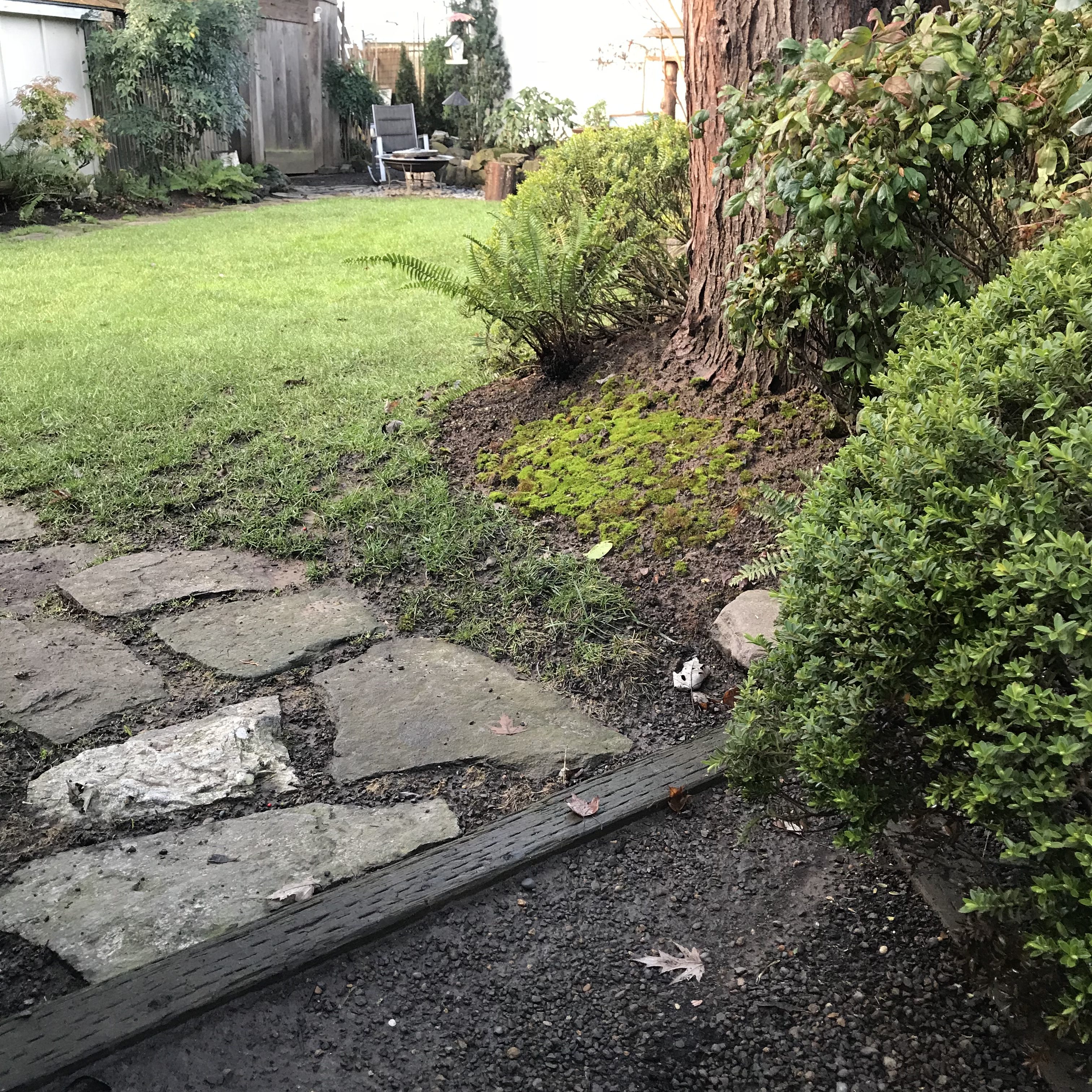
Please enjoy these pics from my garden I took with my iPhone this morning and then airdropped to my iPad, so I could upload to my blog. I find great joy in the garden I have created from nothing with my own hands and creativeness. In it, I find much joy and peace, and it helps me to connect with Elohim. It’s a place of refuge for me, my family and for many birds and squirrels as well. May YHVH be glorified in it!

Garden gate

Welcome to my garden.

Sun in the garden

May the Sun of Righteousness arise with healing in his wings. Mal 3:6

Garden gate

Please come into my garden this Shabbat. The Shabbat is a picture of the Garden of Eden when man had an undefiled relationship with his Creator, even as it’s a prophetic picture when the same will occur again in the New Jerusalem.

Garden path

And YHVH walked with them in the cool of the day in the garden. Gen 2:8

The trees of the field shall clap their hands in praise of YHVH. Isa 55:12

Trees

All the trees of the woods will rejoice before YHVH. Ps 96:12

Cedar tree

Fruitful trees and cedars…let them praise the name of YHVH. Ps 148:9,13

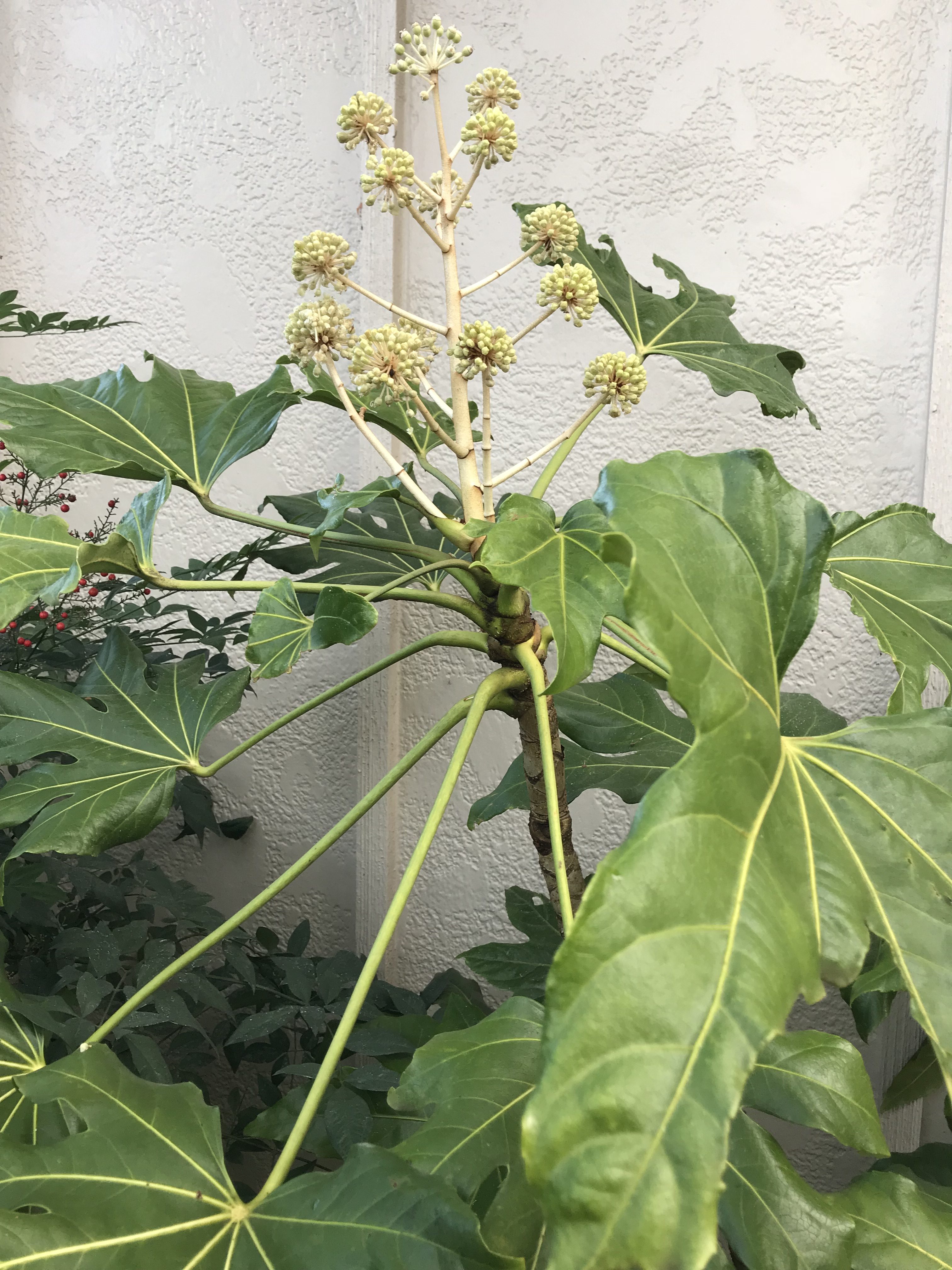
Fatsia Plant

His leaf shall not wither; and whatever he does shall prosper. Ps 1:3

Ferns with rocks and moss Coral Bark Maple in landscaping

Garden path

Acknowledge YHVH in all your ways and he shall direct your paths. Prof 3:6


Red Sedum in Planter

Watering can on log steps in landscaping

Be cleansed with the washing of the water of the word of Elohim. Eph 5:26

Dew covered rhody

Let my teaching drop as rain as raindrops on the tender herb. Ascribe greatness to our Elohim. Dent 32:2,3

Burning bush

Primrose

Garden path

Follow in the footsteps of Yeshua (1 Cor 11:1). He leads me in the paths of righteousnes (Ps 23:3).

Mossy stick on rock

 I pray that this brief respite walk in my garden was refreshing to your soul and spirit like a breath of fresh air or a cool drink from a cold mountain stream.


SaveSave

SaveSave

SaveSave


A Feeding Trough, Manger or Sukkah?

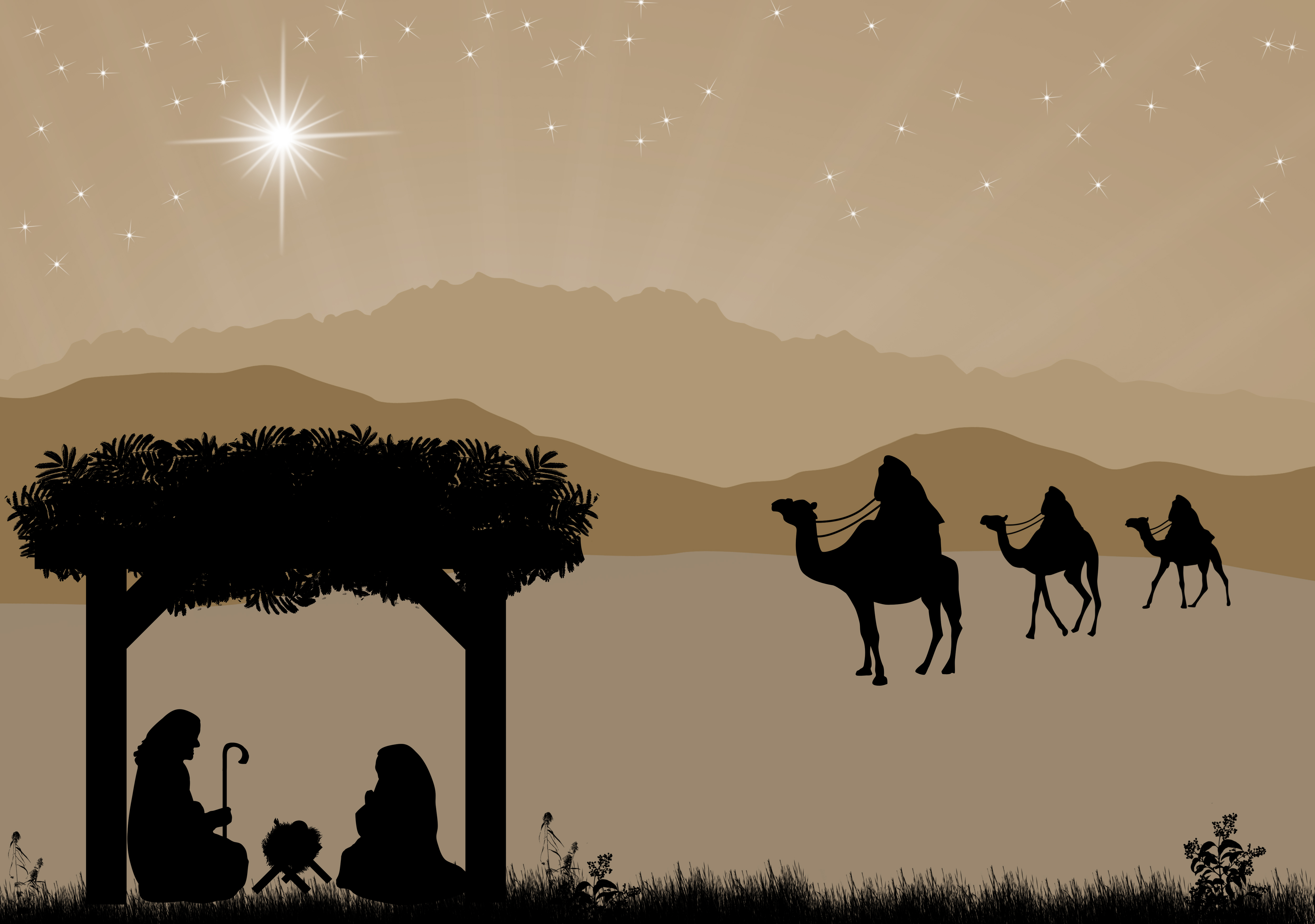
Luke 2:7, Manger. (Gr. phatne) The Greek word phatne literally means “feeding trough” and according to the word’s etymology and lexicology as stated in The TDNT, there is no indication that this manger is anything but a standard feeding trough or manger.

Nevertheless, this manger may have been a sukkah or tabernacle, which is the flimsy little hut that Israelites build during the biblical Feast of Tabernacles (Heb. Chag Sukkot) as commanded in the Torah (Lev 23:33–43). We see the connection between a manger and a sukkah in Genesis 33:17 where Jacob built booths (or tabernacles; Heb. succot or sukkot is the plural form of sukkah) for his livestock showing us that the Hebrew word sukkah (pl. sukkot) can also mean “livestock barn or manger” as well as a temporary habitation where Israelites dwell during the biblically commanded festival of Sukkot.

This raises the possibility that Yeshua was born in a festival sukkah during the Feast of Tabernacles or Sukkot and not just in an animal barn as Christian folklore would have us believe.

The LXX Greek word for sukkah in Gen 33:17 is skenas meaning “habitation, dwelling or tabernacle” and is the same word used in John 1:14 and Rev 21:1–3 in reference to Yeshua tabernacling with his people.

Putting all the pieces together, Yeshua may have been born in a sukkah-manger prior to or during the Feast of Tabernacles with a human sukkah (or body, of which the physical sukkah during Sukkot is a metaphorical picture) in order to redeem man from sin, so that Yeshua might tabernacle with redeemed men forever in the New Jerusalem (Rev 21:3).


A Gift for Yeshua: Why I Love Him—Reflections on His Nativity

In December, many people think of the birth of Jesus (Yeshua). Most people who are knowledgable know that he wasn’t born in December, but in the early fall. But nine months before the actual time of his birth puts us at the end of December when Yeshua was conceived—when the life of our Savior began in Mary’s womb. It was at this time that the heaven-sent Yeshua, miraculously pierced the spiritual darkness of the this world at the darkest time of the year. This divine spark of life in the womb of a woman would become the spiritual light of this world to lead men out of the darkness of sin and evil and to the supernal light of his Father, Elohim, and to eternal life.

Whether you celebrate the birth of the babe in the manger in December or in the fall, Yeshua’s arrival is still heaven’s ultimate love gift to humanity as John 3:16 says. “For Elohim so loved the world that He gave His only begotten Son, that whoever believes in Him should not perish but have everlasting life.” Please stop for a moment and quiet your heart and mind to reflect on the significance of this momentous event that occurred in the tiny town of Bethlehem some 2000 years ago.

For years since I was a child, my mind fully believed what the Bible tells us about the birth of Yeshua. But it wasn’t until much later, as an adult, that, while I was alone one night and quietly seeking Elohim, that the revelation of the priceless nature of Elohim’s love gift to me literally pierced my heart like a lightening bolt from heaven. As a result of this supernatural revelation and an overwhelming sense of Elohim’s love that accompanied it flowing through me like warm oil, I fell to my knees in worshipful and reverential awe as my heart came alive to just how much Elohim loved me personally—a sinner who deserved death. That night changed my life forever. They say that the eighteen inches between the head and the heart is the greatest distance in existence. My head and heart know this is to be true. Now they were united!

The thought of the baby Yeshua in the manger ignites my heart in ways too deep to explain. I know that I know that Elohim sent him to the world to redeem me from my sins and to show me the path to an eternity in the presence of my Father in heaven. They say that if you have nothing worth dying for, then you have nothing worth living for. I believe that I would give up anything on this earth including my life on account of my love for and devotion to Yeshua, so help me God!

But my love for Yeshua is predicated on more than just emotions. On that night years ago alone in my living room, my heart and mind united indivisibly in love and worship for Yeshua the Messiah, and they have remained the same to this day. Why do I continue to love Yeshua? Let me tell you.

If there were other reason, this one alone would be sufficient: I love him because he’s the Supreme Creator and Law-Giver in the universe. I as a created being owe him my total love, allegiance, and obedience. I owe him my life. Therefore, he is worthy of my total worship and adoration.

I love Yeshua for his beauty and loveliness. When I look at the ugliness of the world around me, I love him all the more.

I love him for the liberating truth that he is and that he shares with me. This is in stark contrast to the bondage of the damning lies masquerading as the truth that fill and permeate the world around me.

I love him because he and his word is (this is not a typo, since he and his word are indivisible, for he is the Word of Elohim incarnate) the light of truth that illuminates my path through the darkness of this world.

I love him because he paid the price for my sins and cleansed me of sin’s stain and guilt and delivered me from the empty darkness and despair of the walking damned.

I love him because he is the strength, joy, peace and hope of my life.

I love him because he is the light and hope of eternal life at the end of this dark tunnel called the wilderness of life.

I love him because he is the way to my Father in heaven, and because he made me in his image because he wants me to be part of his eternal spiritual family.

I love him because he comforts me when I’m down, heals me when I’m sick, feeds me when I’m hungry, clothes me when I’m naked, speaks to me when I need to hear from him, and teaches me his ways through his Holy Word, the Bible.

Elohim gave the gift of his Son to me because he loves me. Because of my love for him, how can I show him (and others) that love? What can I possibly give as an expression of my love and devotion to the one who already possesses everything in the universe? There is nothing that I have that he needs or wants that he doesn’t already have—except my heart.

We’re all familiar with the words of our Father in heaven that like a priceless diamond express his quintessential love for humanity, “For Elohim so loved the world that he sent his only begotten Son, that whoever believes on him should not perish but have eternal life.” As an expression of my love for him, like a mirror, I would reflect back to Elohim his adoring words in the following way,

For I so love Elohim that I have given him the only thing that I could that was not already his—the affection of my heart, and because he believes in my love for him, our spiritual relationship will not perish, and we shall live together forever in his everlasting kingdom.