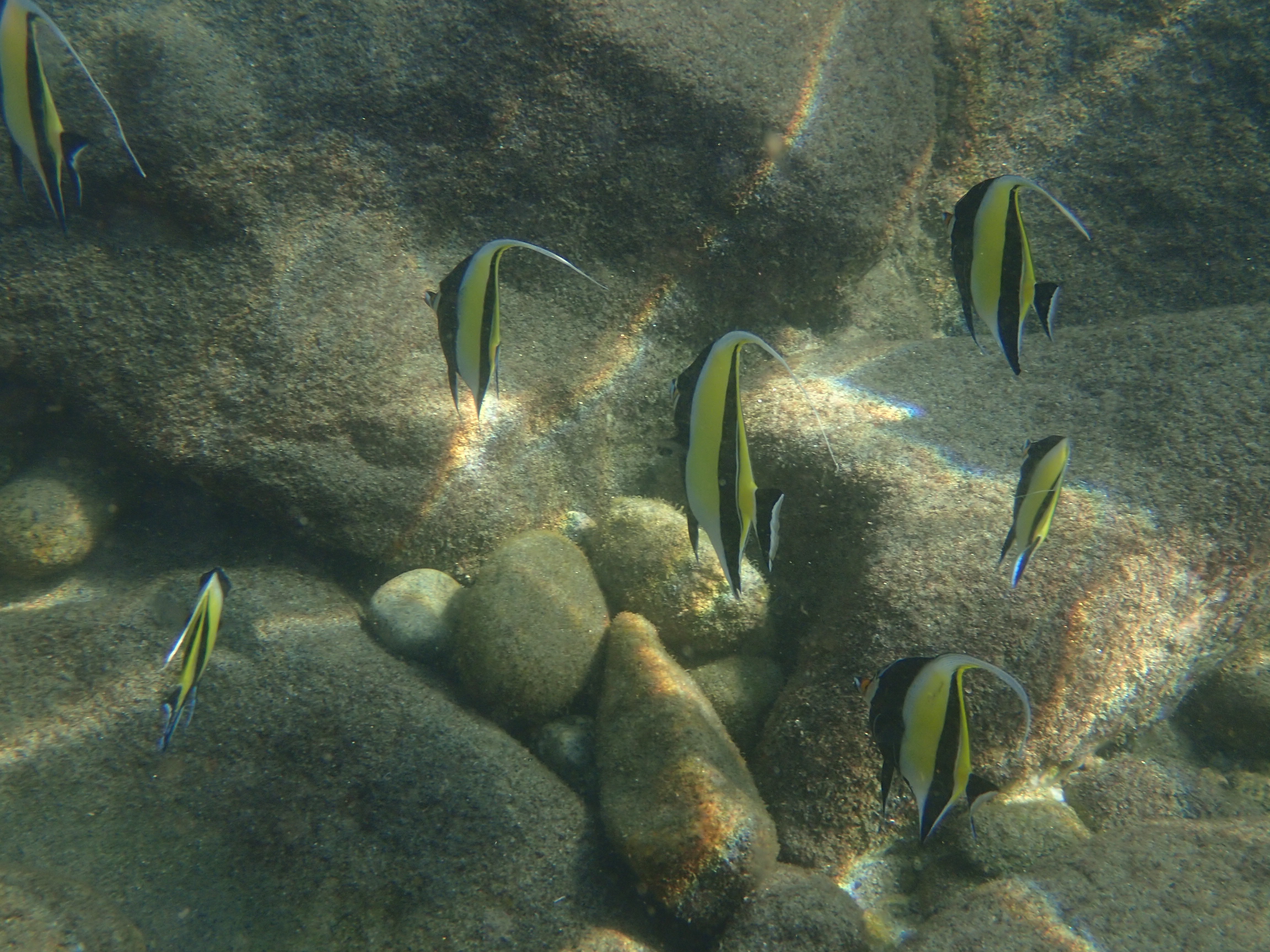
Underwater Tropical Fish Pics from Las Caletas, Mexico

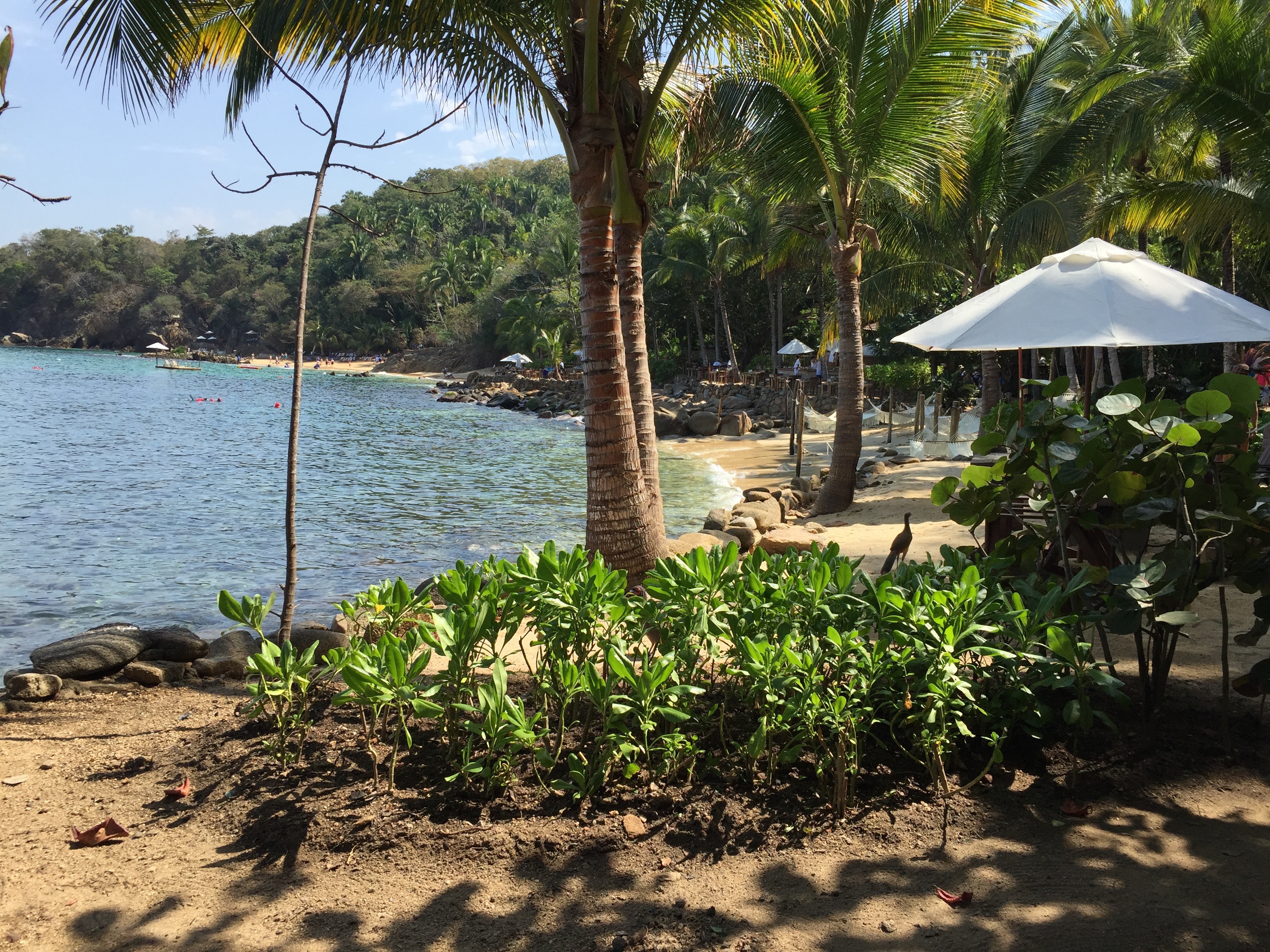
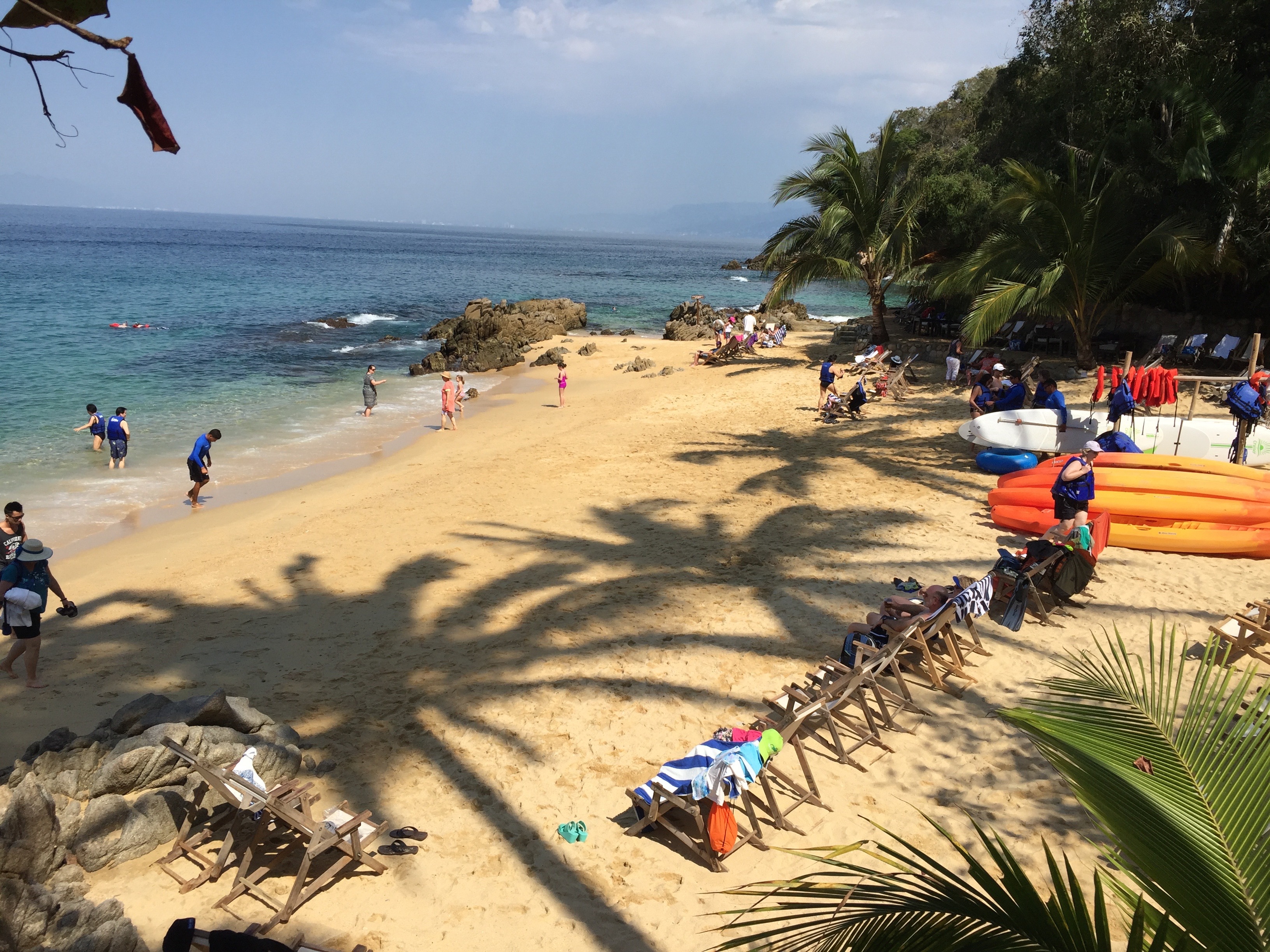
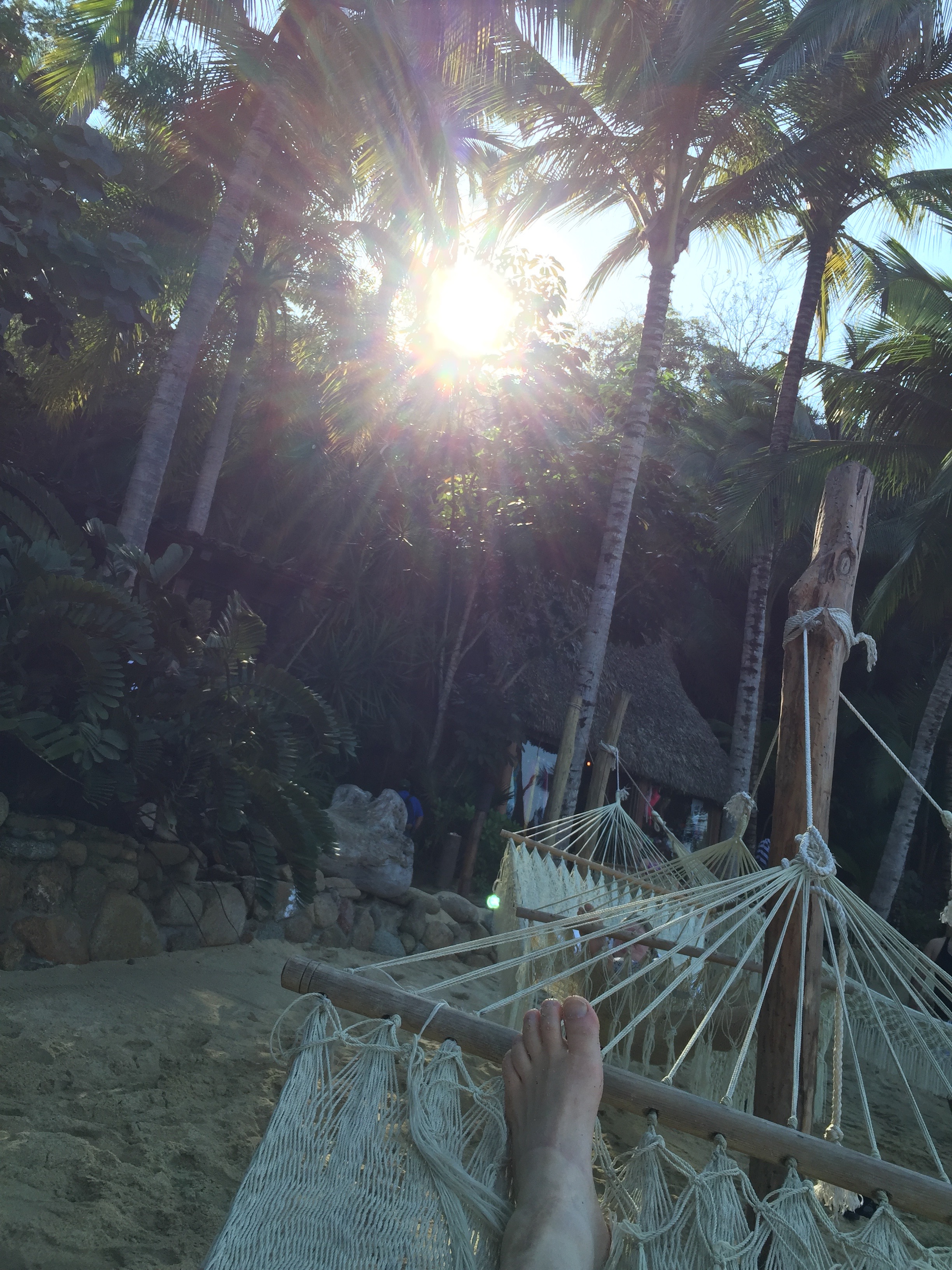
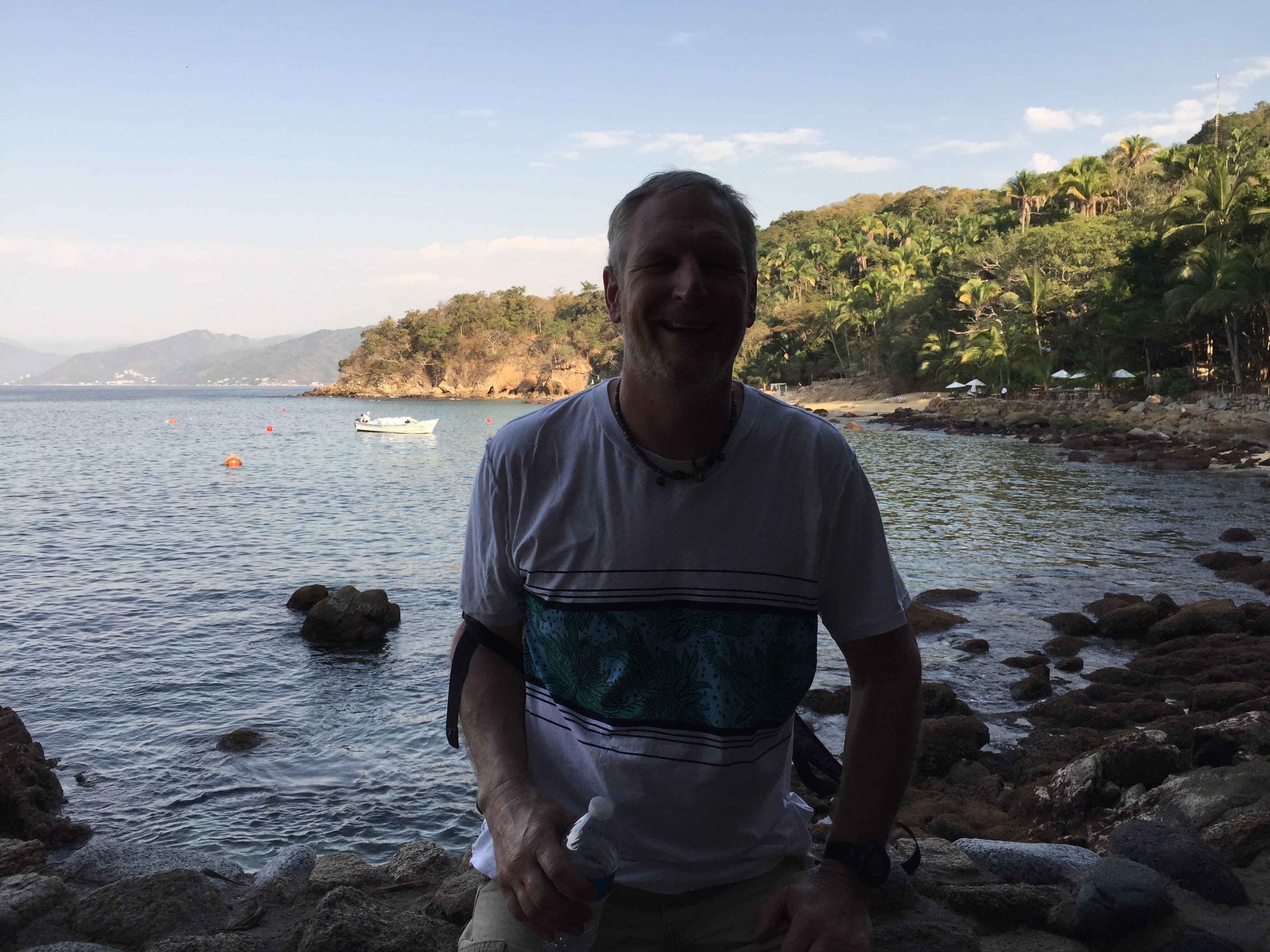
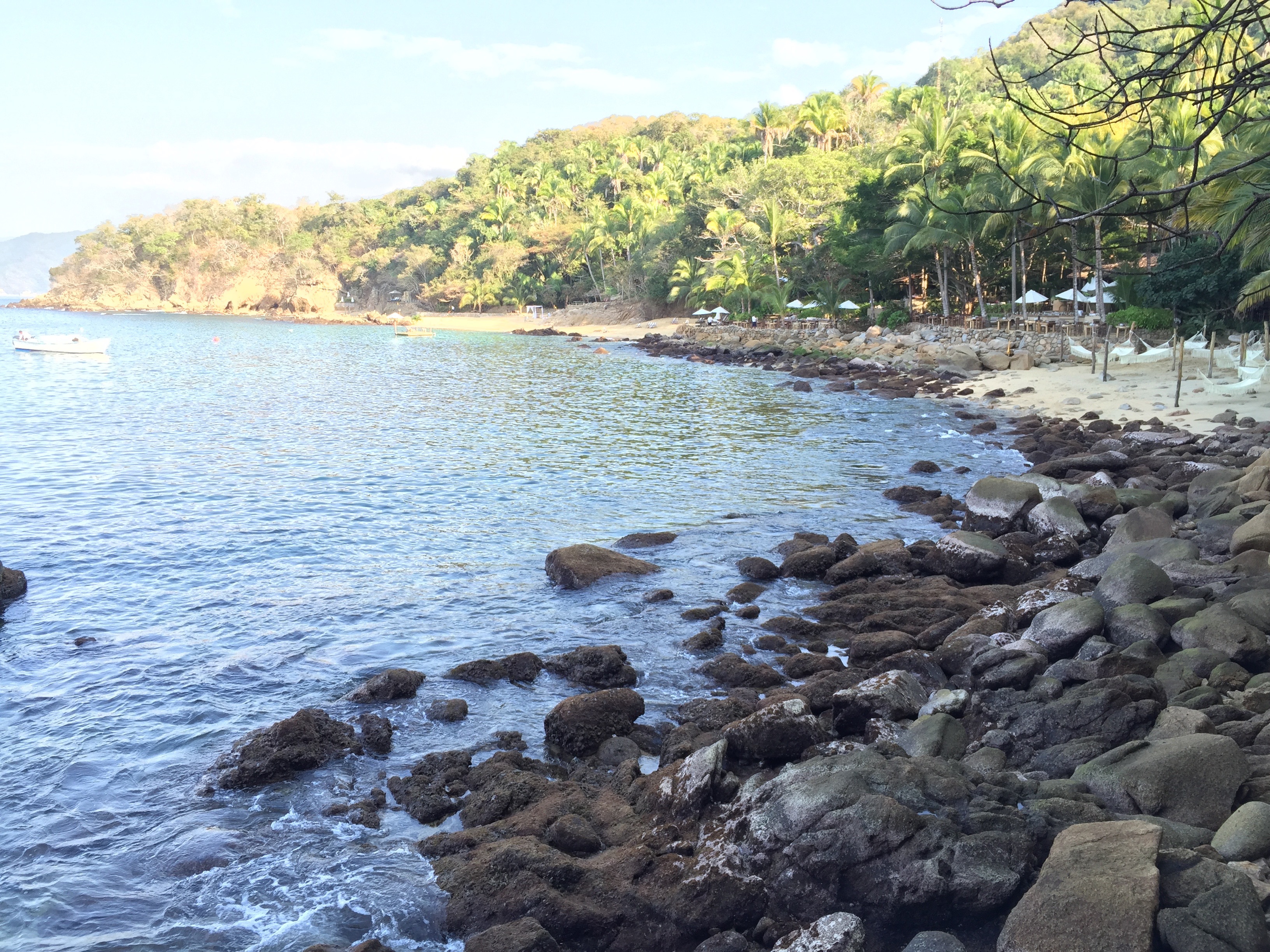
After sailing into Puerto Vallarta, we took a boat to a small resort called Las Caletas. The photos below will explain better than any words this idyllic spot. I’ve never been to anyplace like this before. It’d be a great place to get shipwrecked to! All I would ask is that I have a camera, my Bible and maybe something to write on, so I can write psalms of praise to YHVH Elohim. On the cruise back to L.A., I wrote my latest psalm called the Psalm of the Sea on Shabbat, while sailing north off the coast of Baja California. Maybe I’ll share my poetic psalm with you?
IMG_3289

IMG_3256

IMG_3283

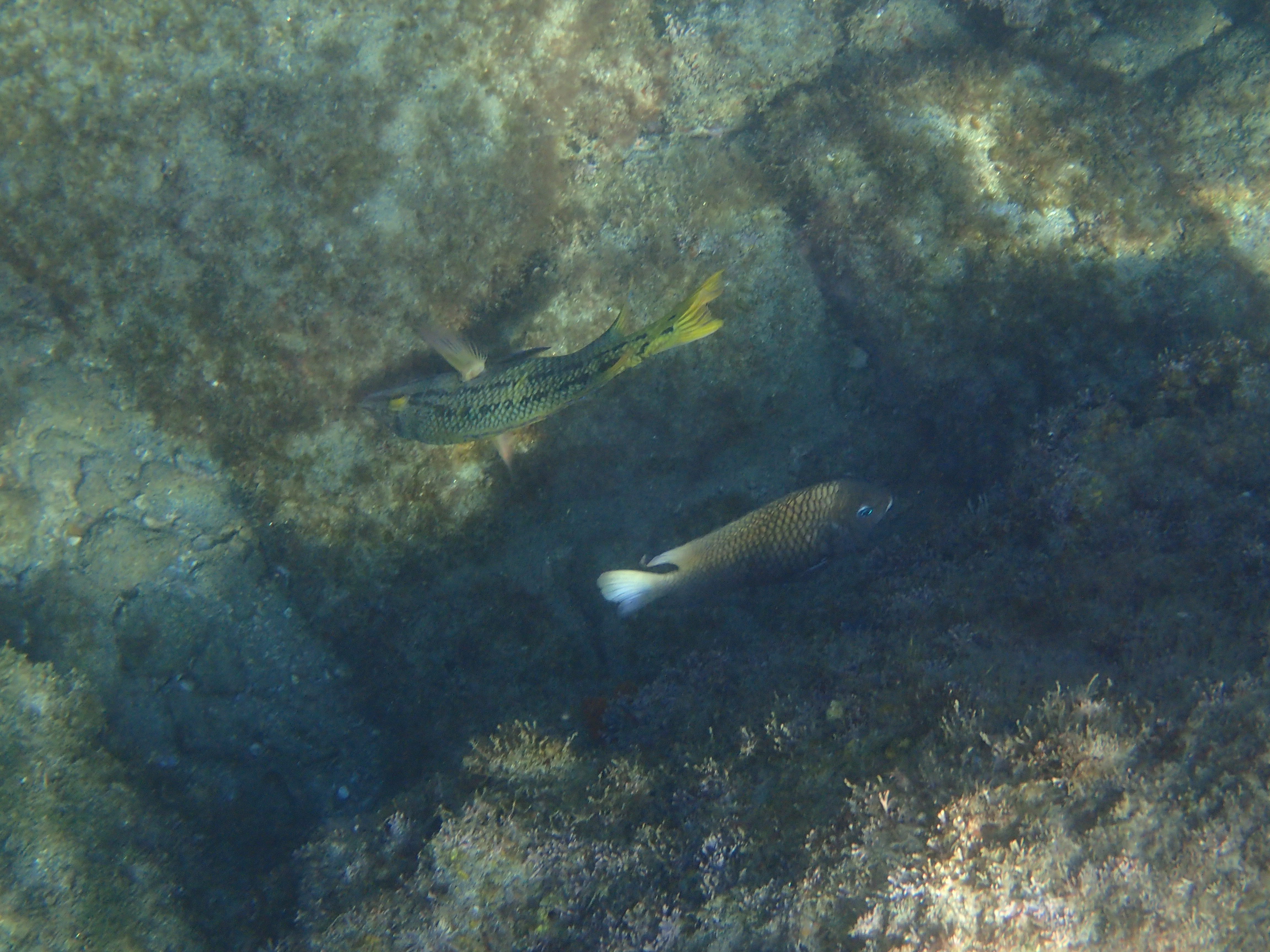
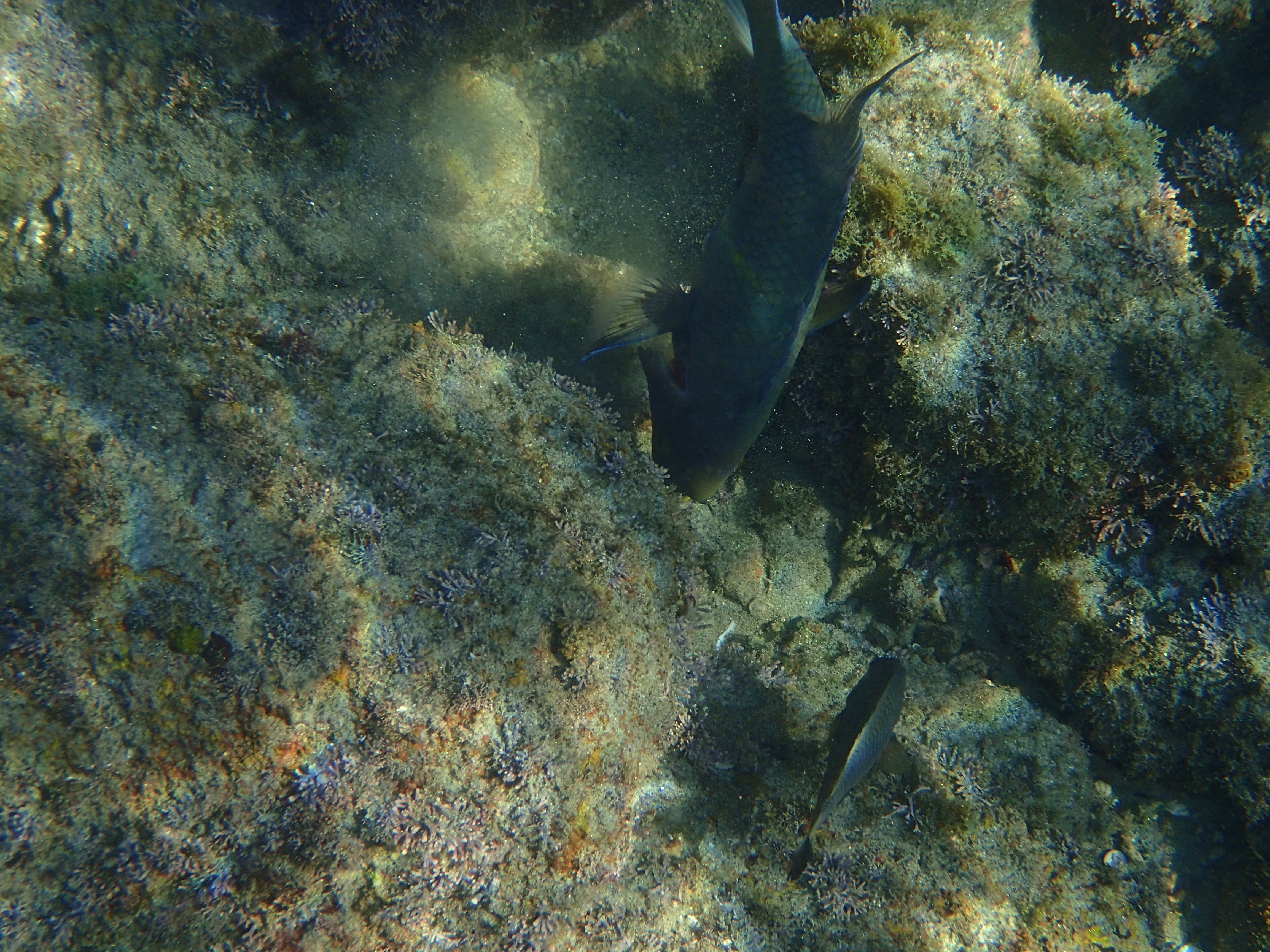
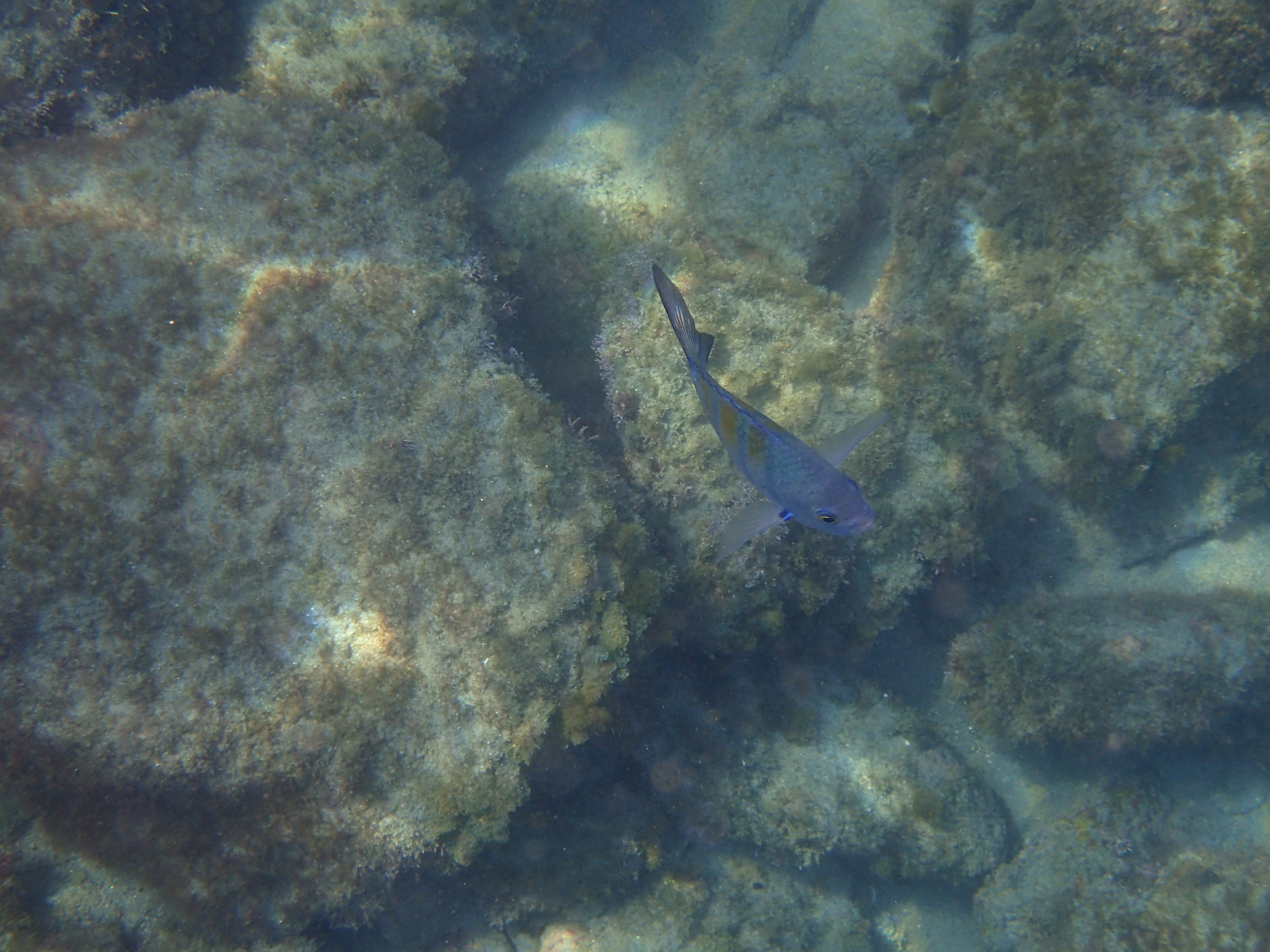
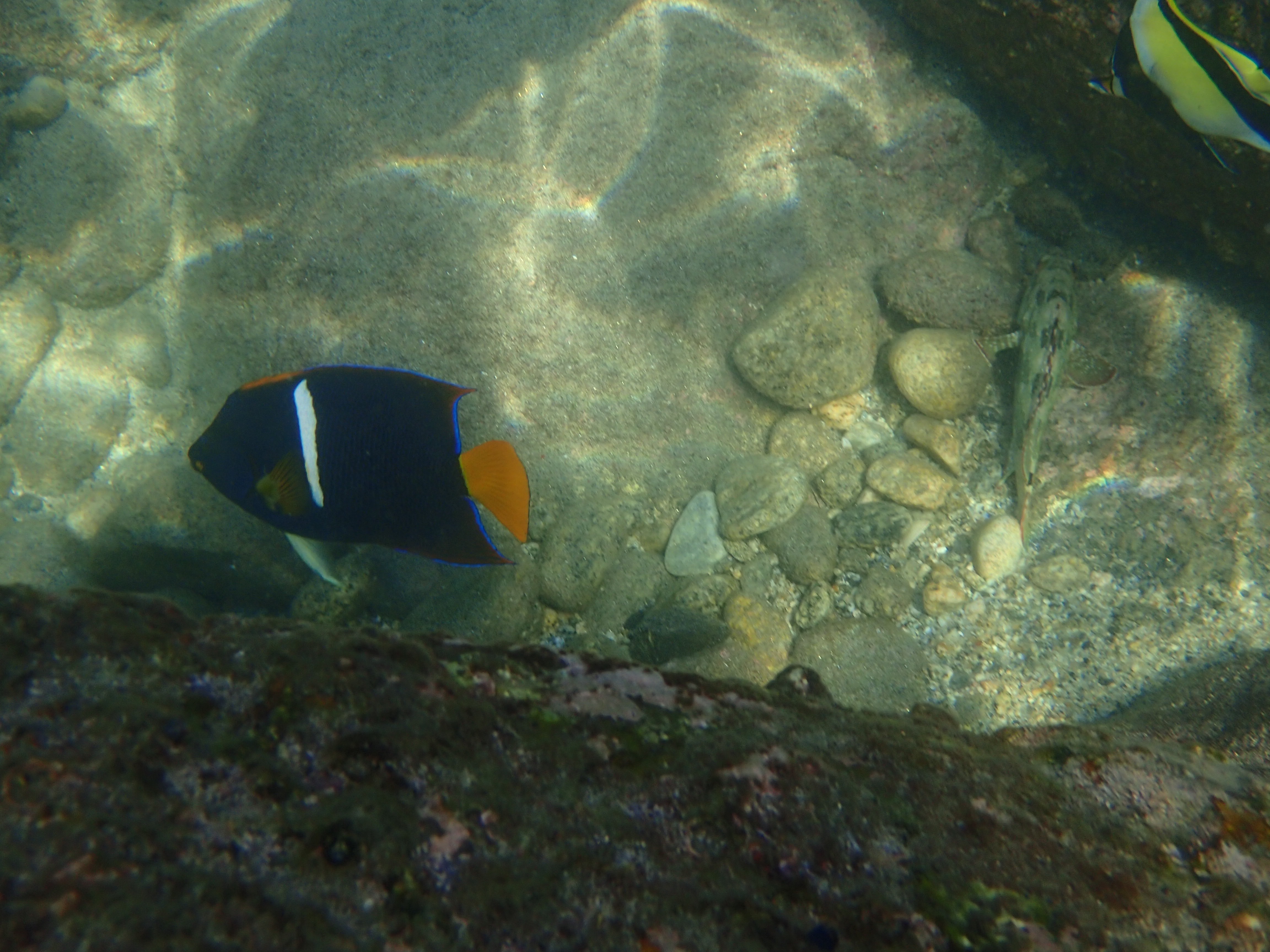
This is where I snorkeled and photographed tropical fish. The undersea beauty is just as beautiful as that of the land. I am perpetually in awe of YHVH’s creation wherever I go and whatever I see!
OLYMPUS DIGITAL CAMERA

OLYMPUS DIGITAL CAMERA

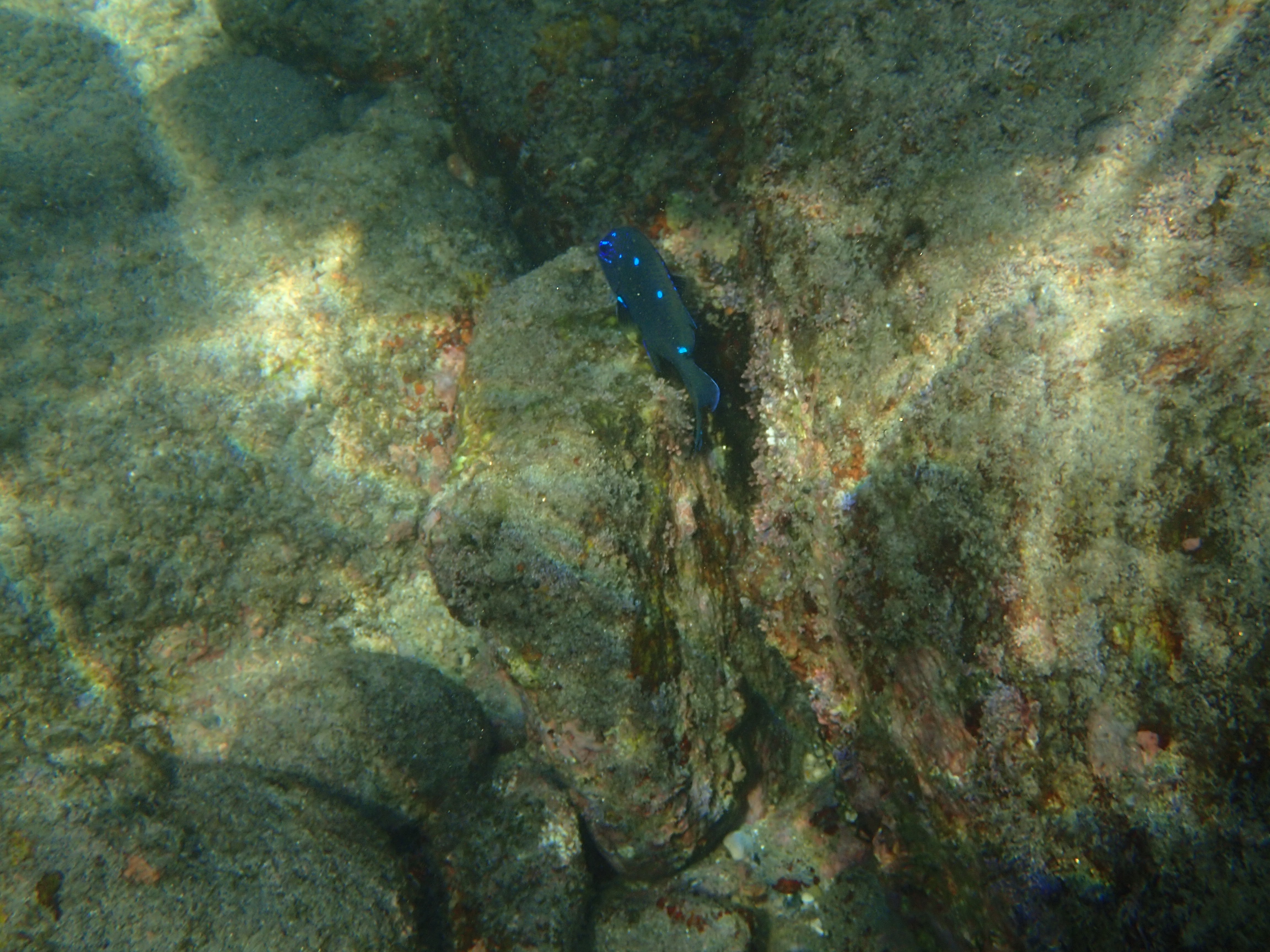
This fish had blue iridescent spots that glowed.
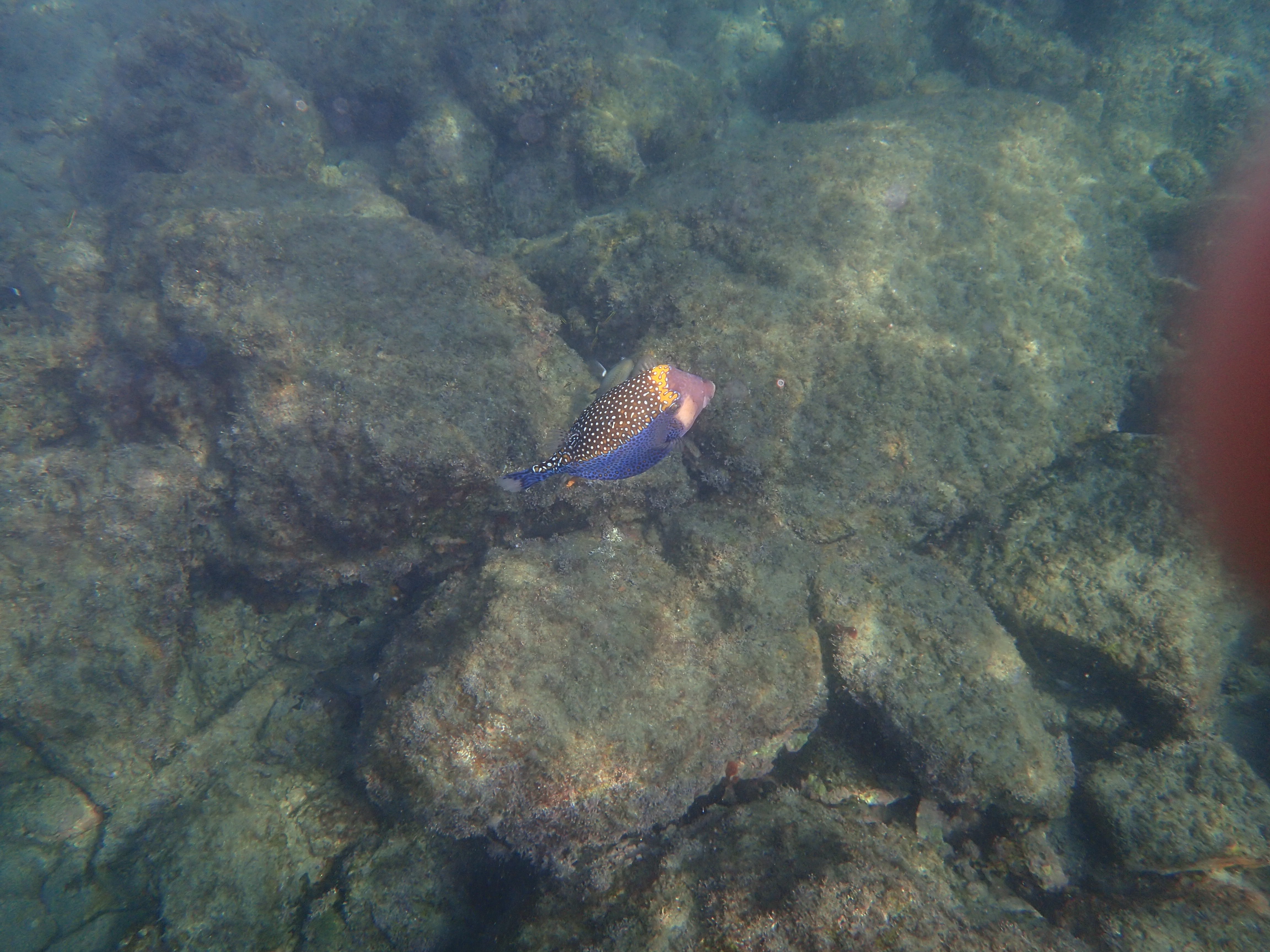
This fish had blue iridescent spots that glowed.
OLYMPUS DIGITAL CAMERA

OLYMPUS DIGITAL CAMERAOLYMPUS DIGITAL CAMERA

OLYMPUS DIGITAL CAMERA

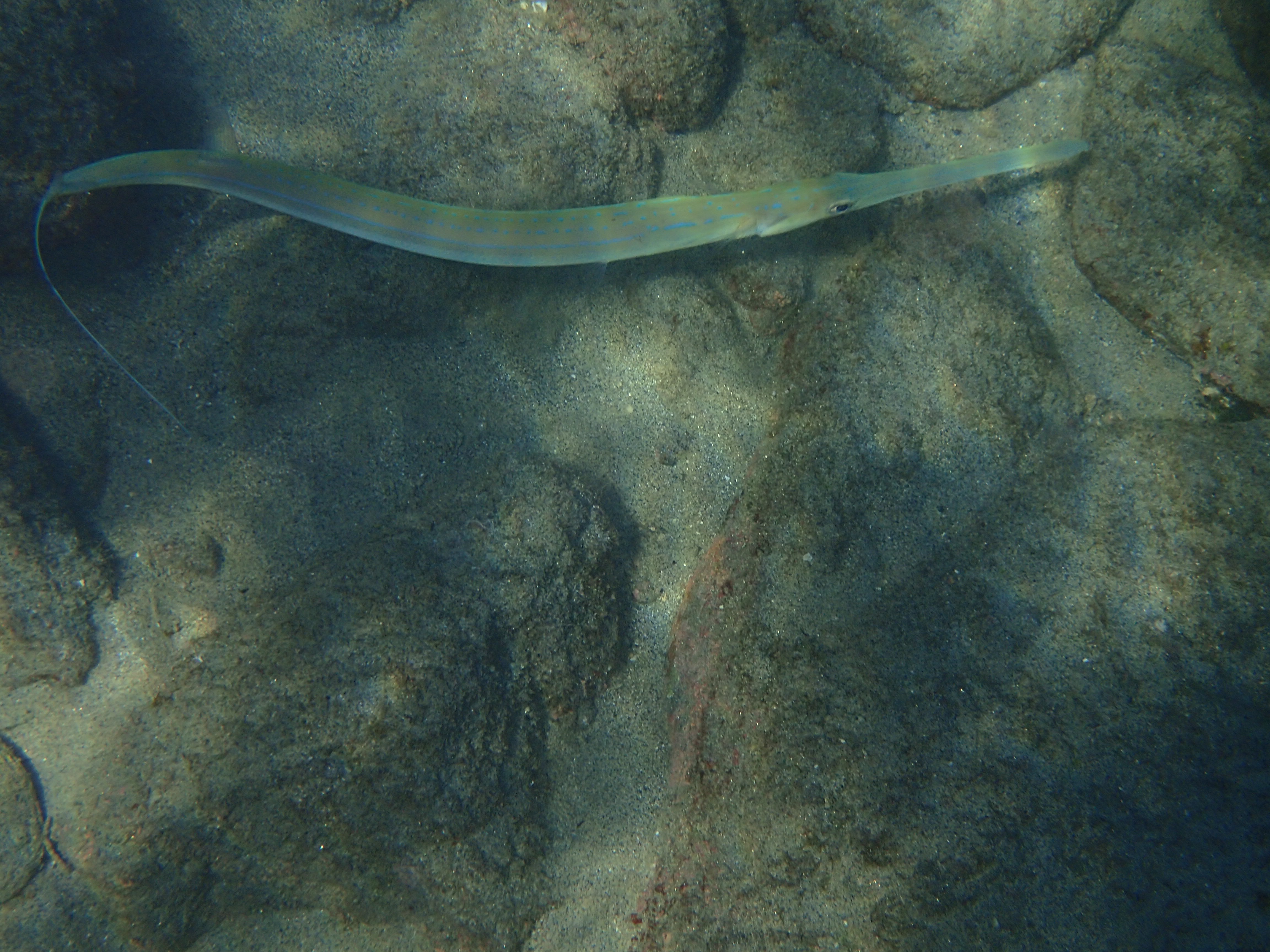
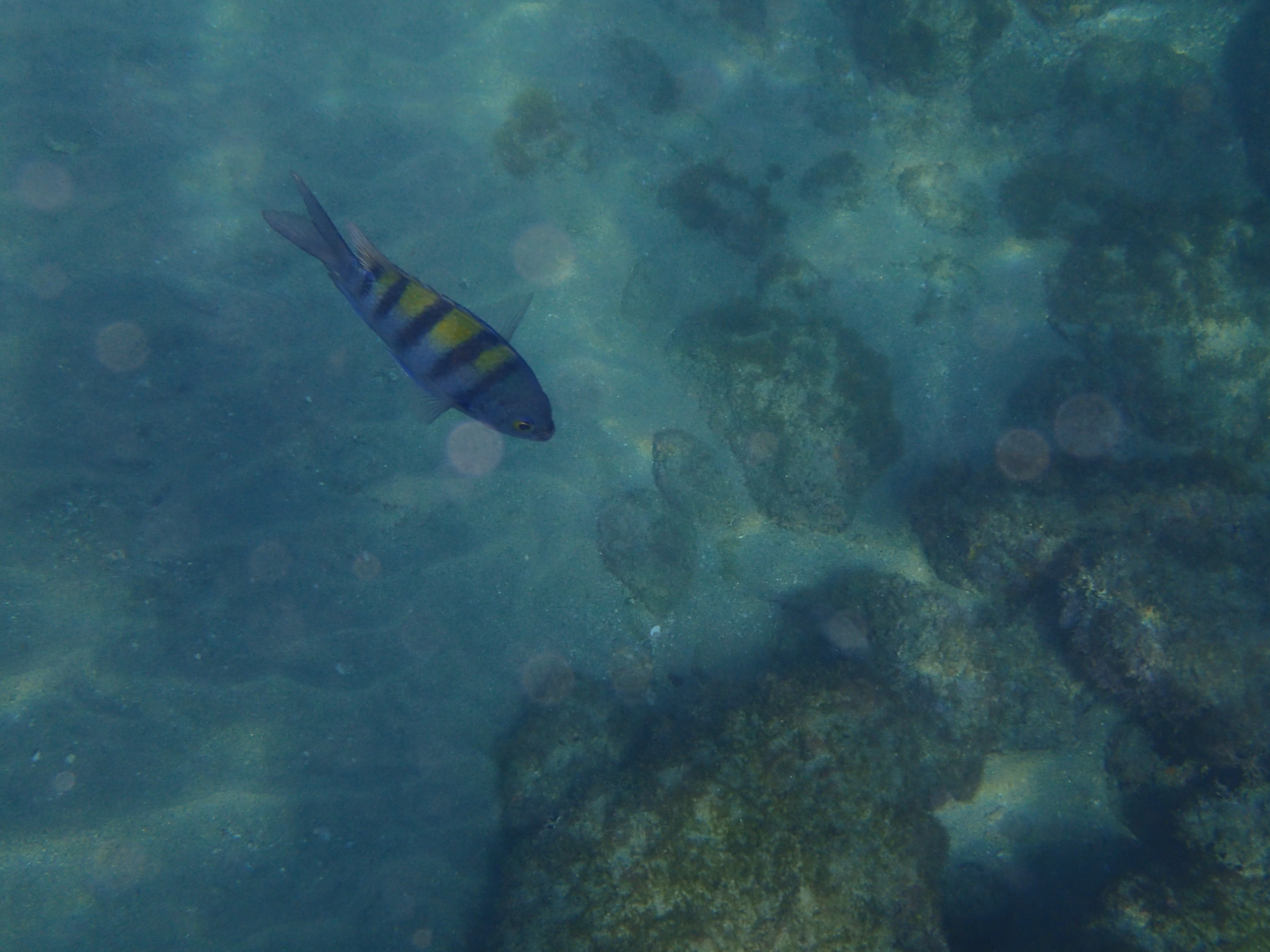
Though not very colorful, this was the most bizarre fish of all that I saw.
Though not very colorful, this was the most bizarre fish of all that I saw.

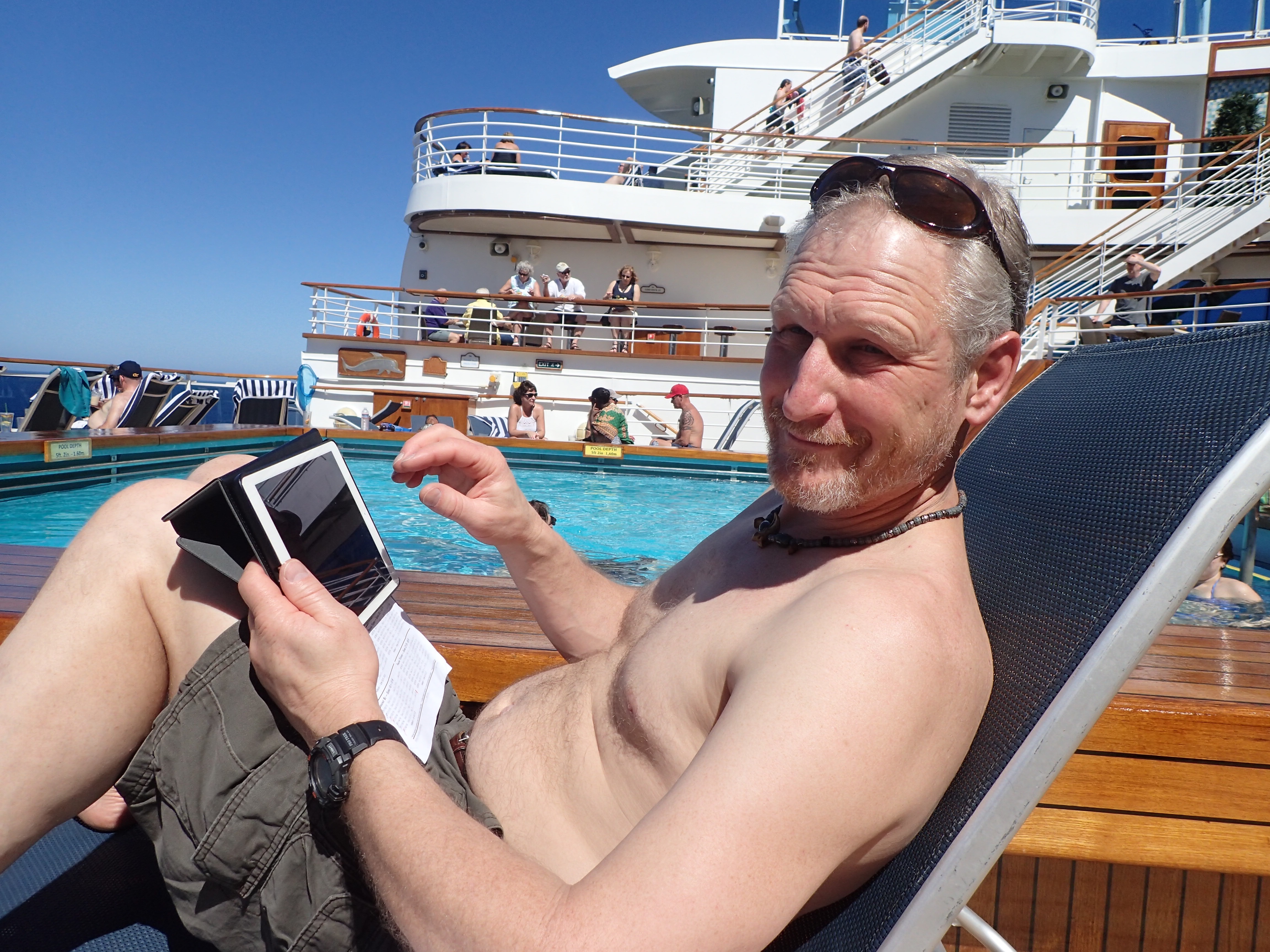
Sandi snapped this photo of me back on the ship. Yes, I'm reading my daily Scripture reading on my iPad! You can actually see the Hoshana Rabbah printed reading schedule underneath the iPad in my lap.
Sandi snapped this photo of me back on the ship. Yes, I’m reading my daily Scripture reading on my iPad! You can actually see the Hoshana Rabbah printed reading schedule underneath the iPad in my lap.

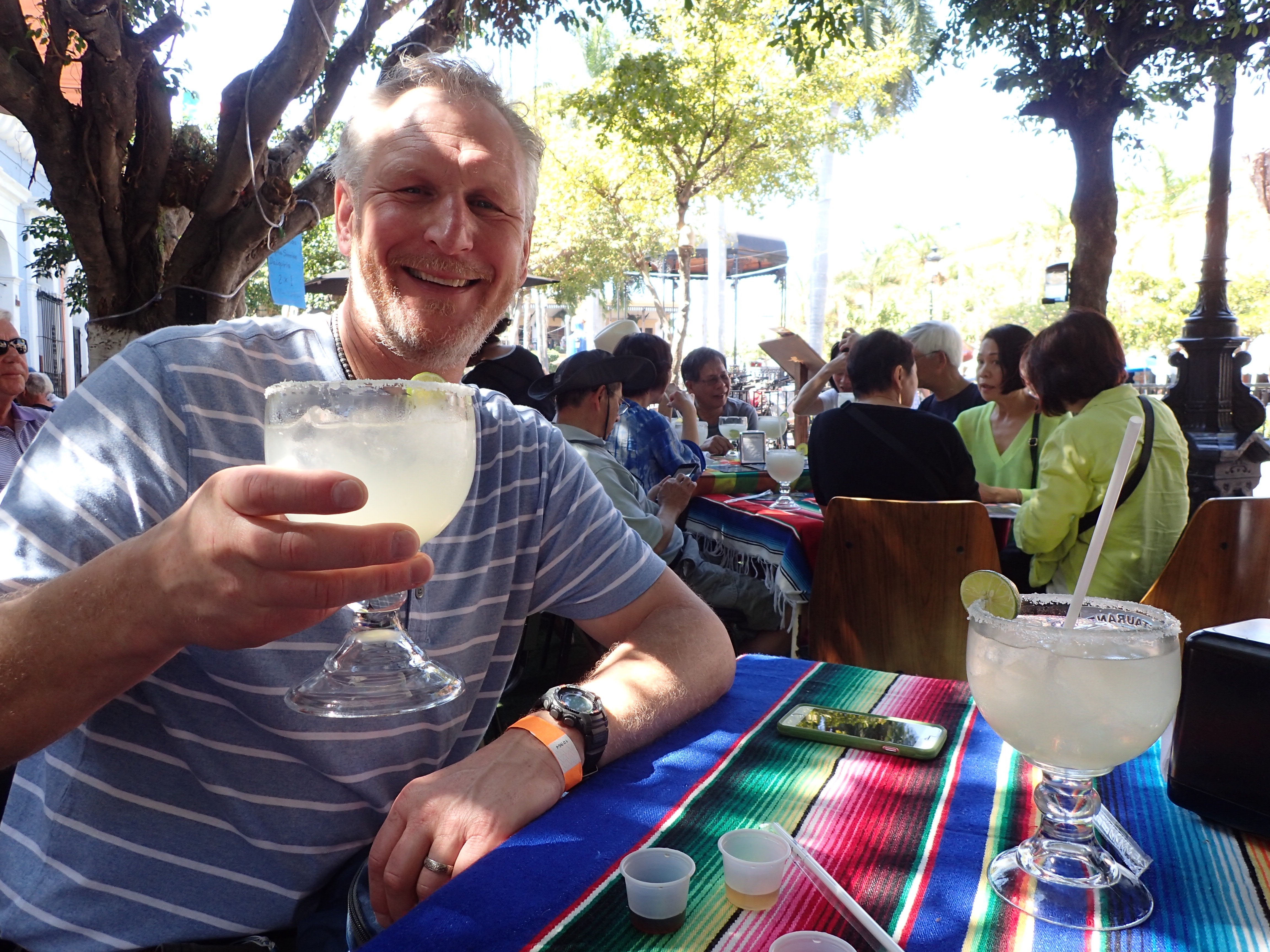
Sandi took this photo at a sidewalk cafe in Mazatlan. She needed to use the ladies room, and the price to do so was to purchase something to eat. Here I am with the national drink of Mexico. You won't believe the restrooms in Mexico! You have to search far and wide for a half-clean one that actually functions! I still have a sore spot and bump on my head from one a visited. In another, I had to put my plumbing skills to work by reaching into the toilet tank to manually work the flapper so it would flush. Oy vey!

Sandi took this photo at a sidewalk cafe in Mazatlan. She needed to use the ladies room, and the price to do so was to purchase something to eat. Here I am with the national drink of Mexico. You won’t believe the restrooms in Mexico! You have to search far and wide for a half-clean one that actually functions! I still have a sore spot and bump on my head from one a visited. In another, I had to put my plumbing skills to work by reaching into the toilet tank to manually work the flapper so it would flush. Oy vey!
 

Animals Pics from Mexico

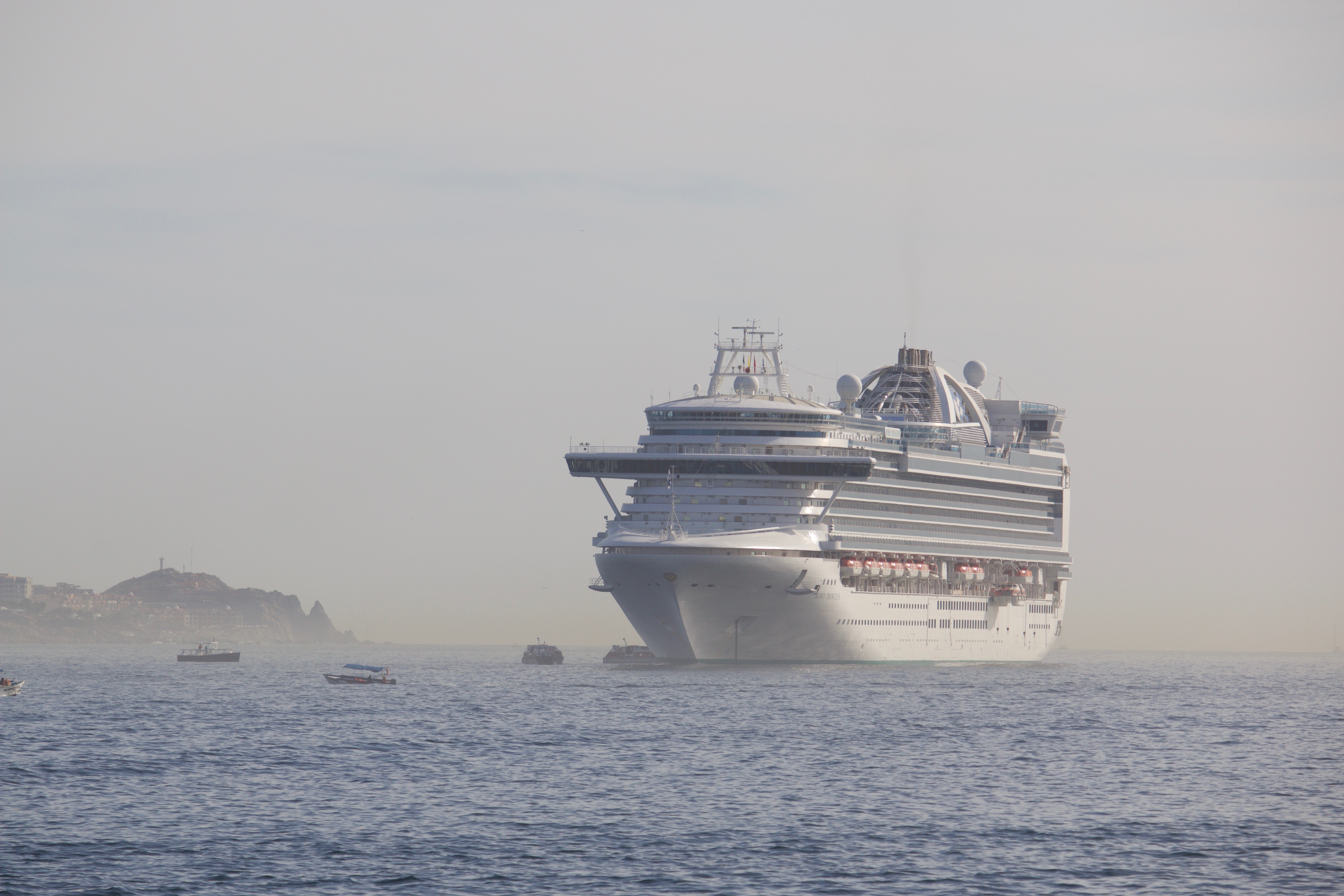
The Ruby Princess at Puerto Vallarta

The Ruby Princess at Puerto Vallarta

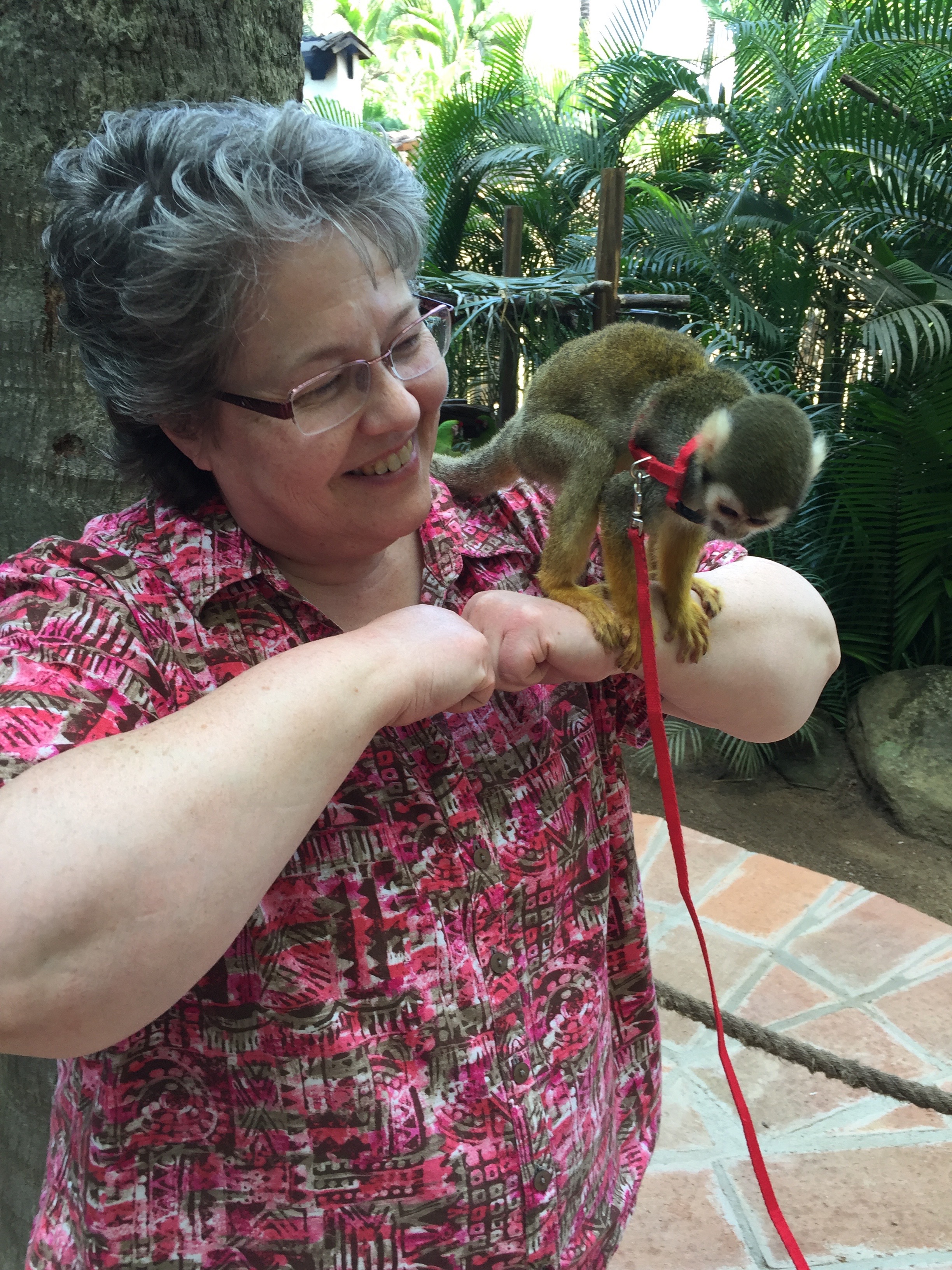
Sandi with her new boyfriend at Las Calitas.

Sandi with her new boyfriend at Las Caletas.

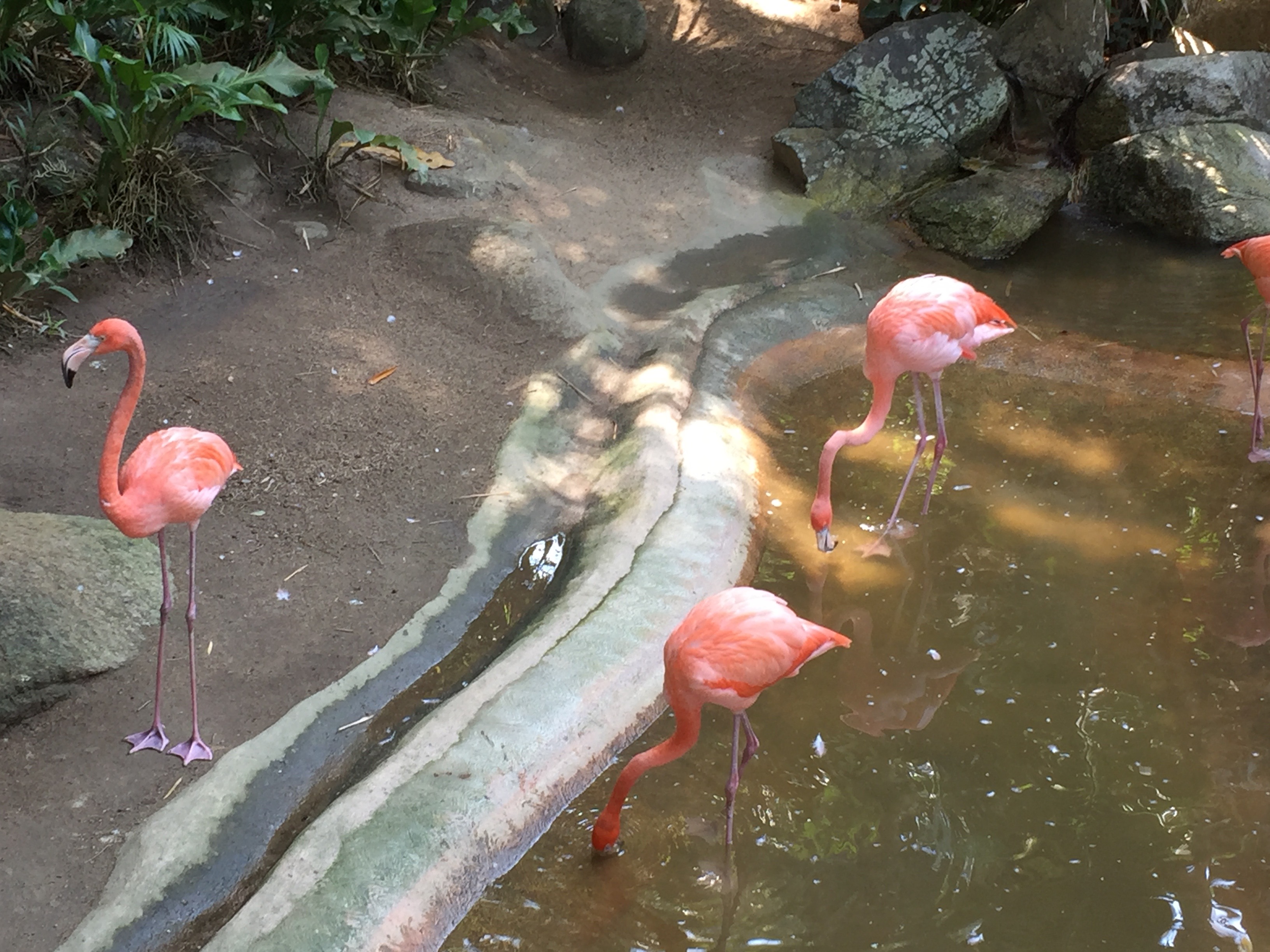
Pink flamingos at Las Calitas.

Pink flamingos at Las Caletas.

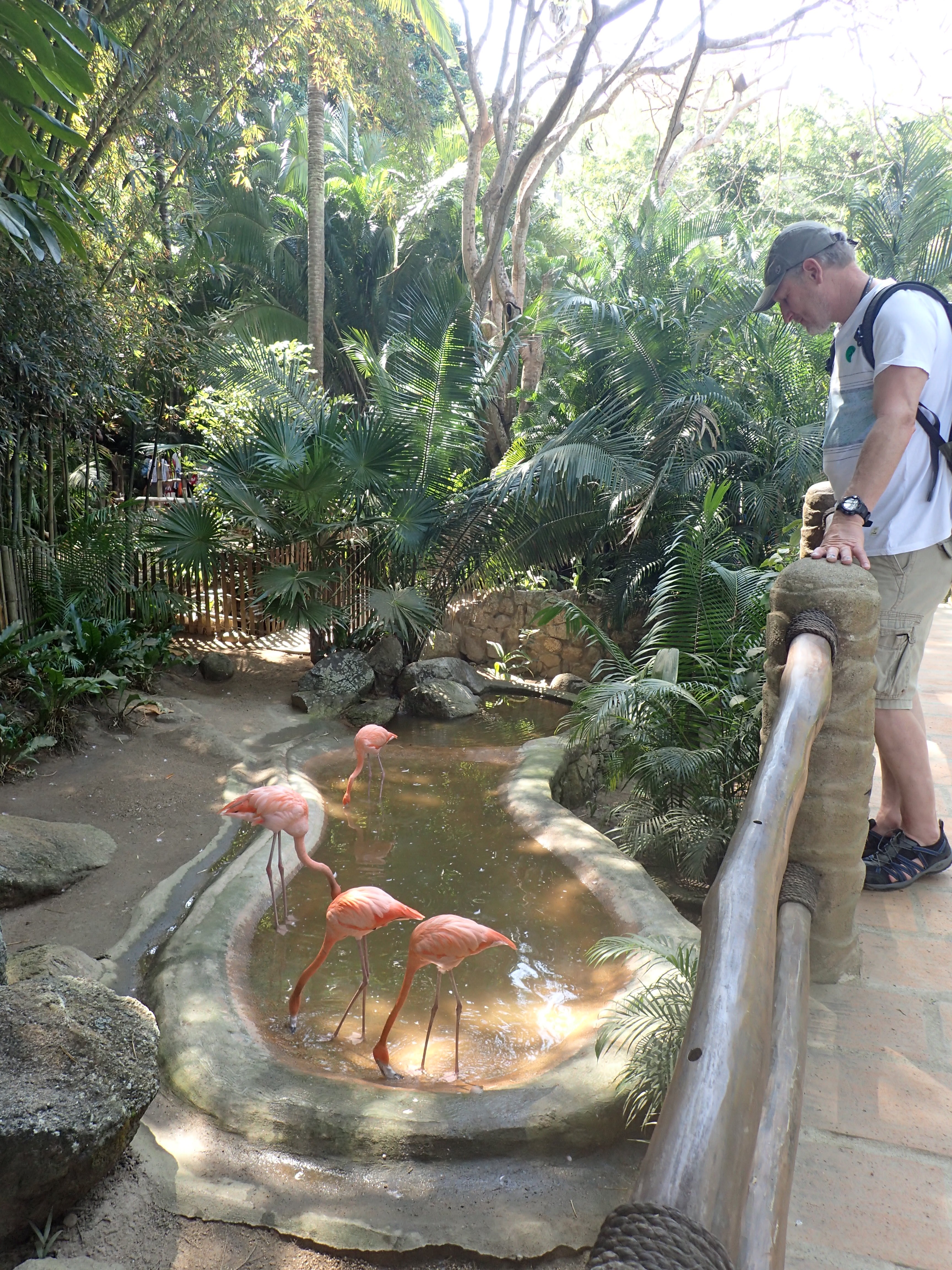
Natan admiring the pink flamingos at Las Calitas.

Natan admiring the pink flamingos at Las Caletas.

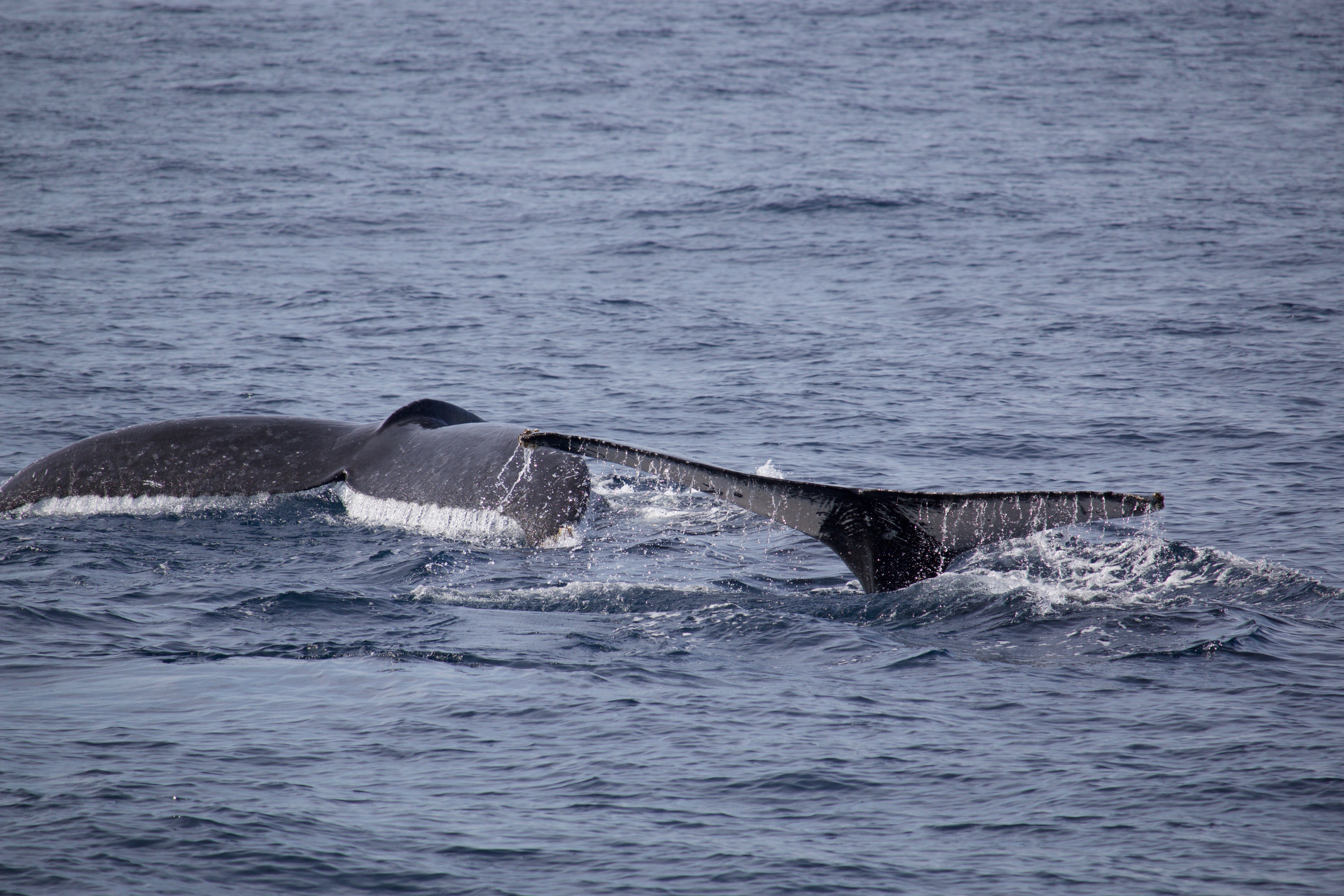
Two humpback whales diving at Cabo San Lucas.

Two humpback whales diving at Cabo San Lucas.

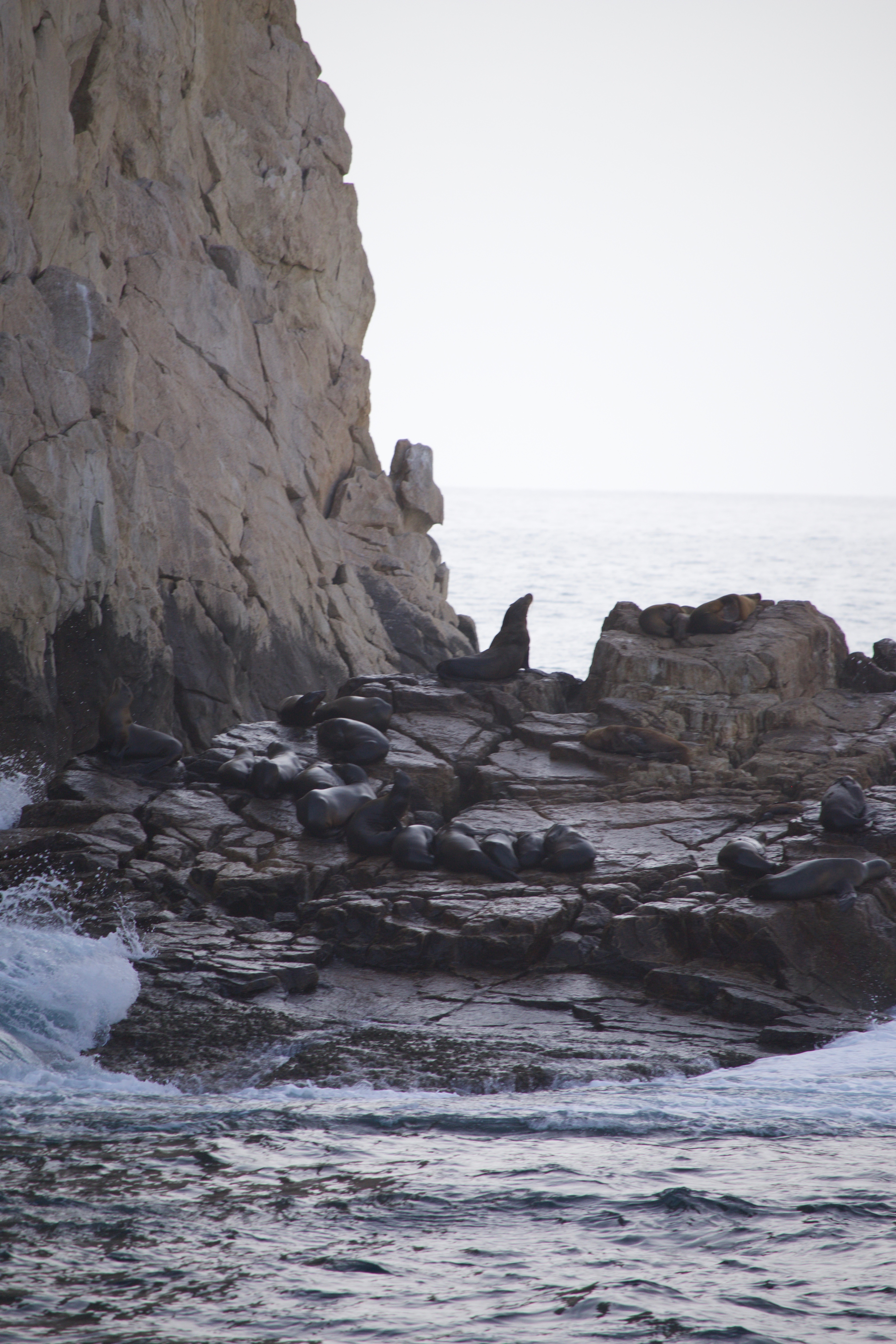
Seals on the rocks at Cabo San Lucas.

A new cruise drink: “seals on the rocks” at Cabo San Lucas.

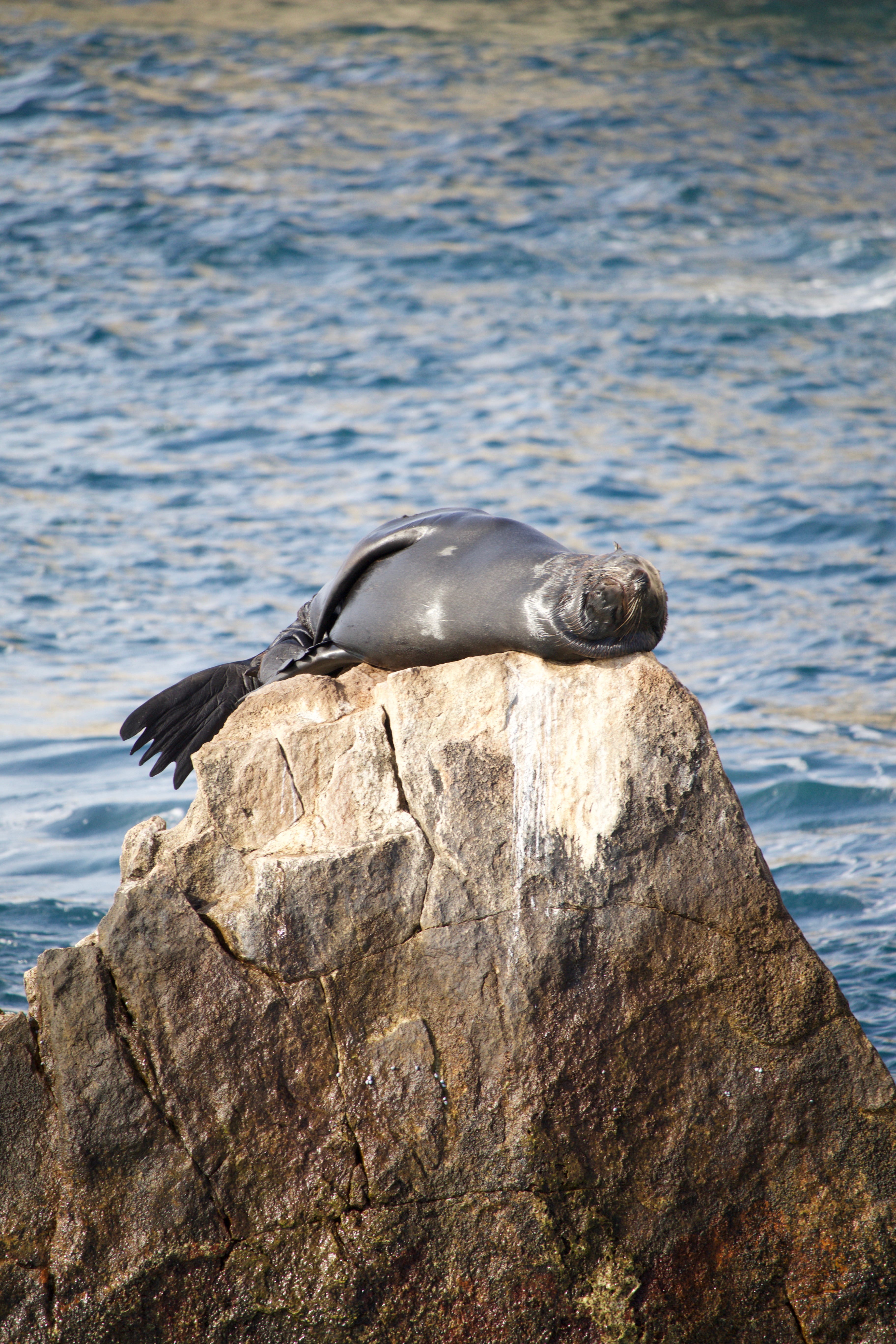
Seal on a rock at Caba San Lucas.

Seal on a rock at Cabo San Lucas.

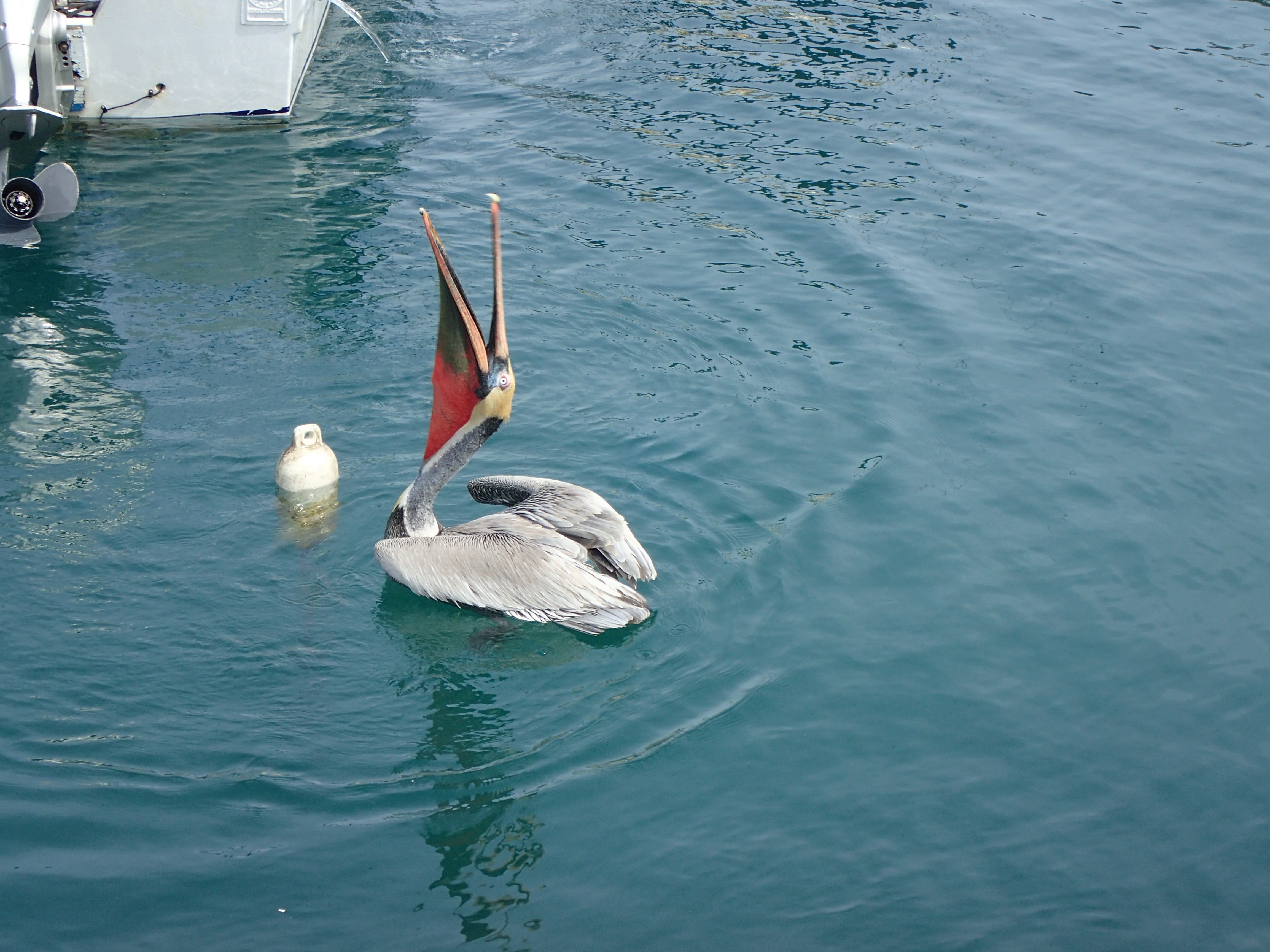
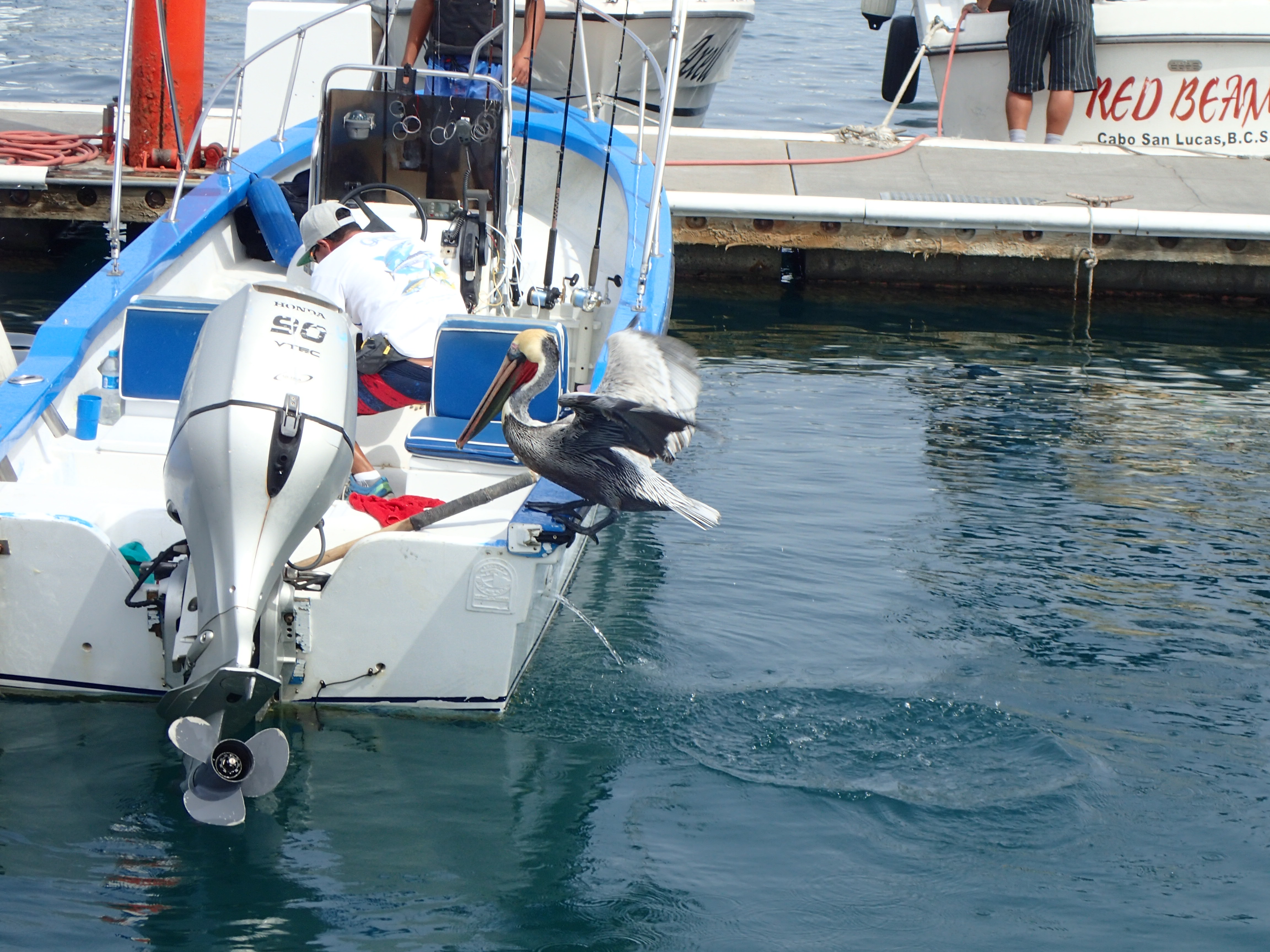
A pelican begging for food from a fisherman at Cabo San Lucas.

A pelican begging for food from a fisherman at Cabo San Lucas.

A pelican begging for food at Cabo San Lucas

A pelican begging for food at Cabo San Lucas

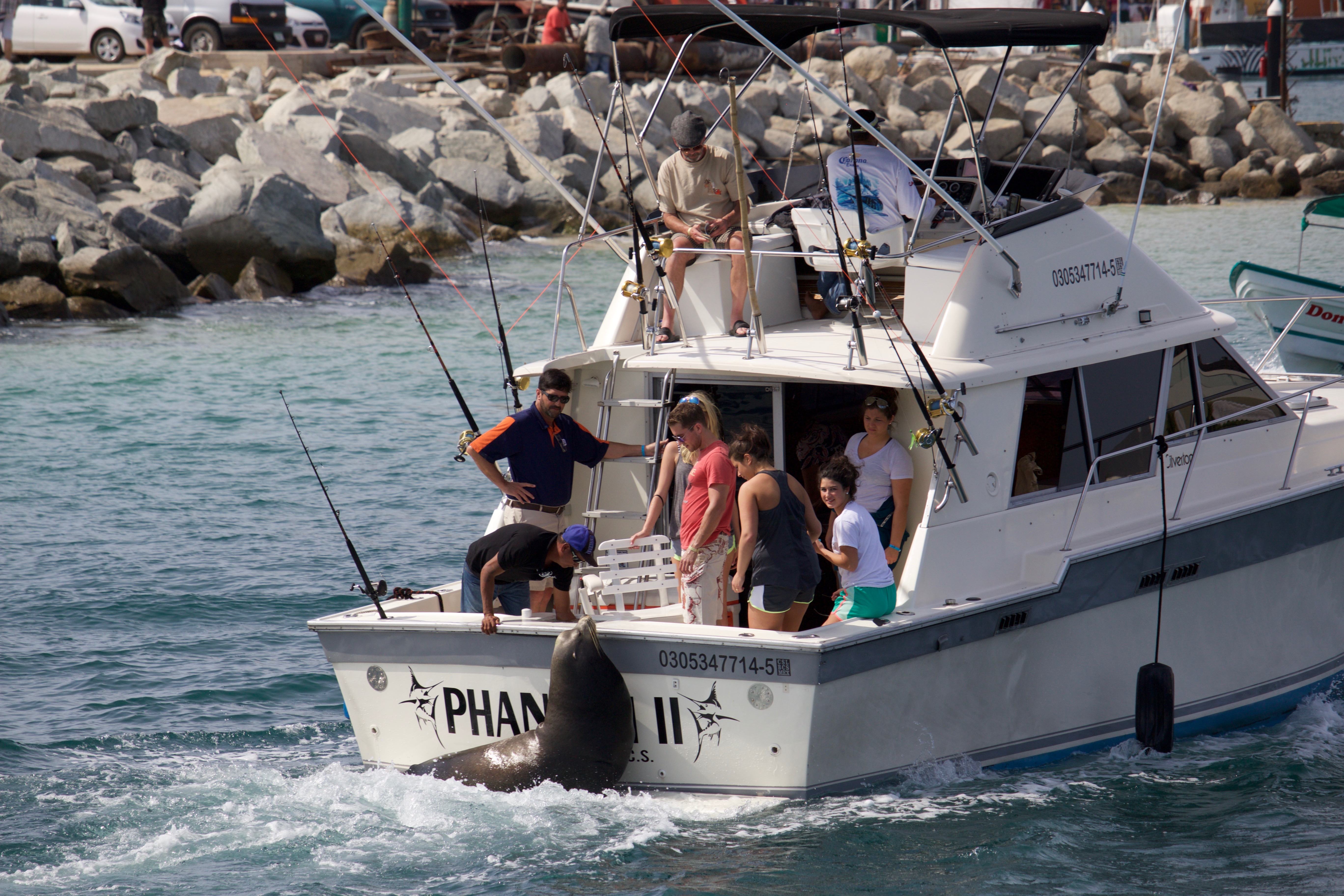
A twofer: a seal hitching a ride and getting lunch at the same time.

A twofer: a seal hitching a ride and getting lunch at the same time.

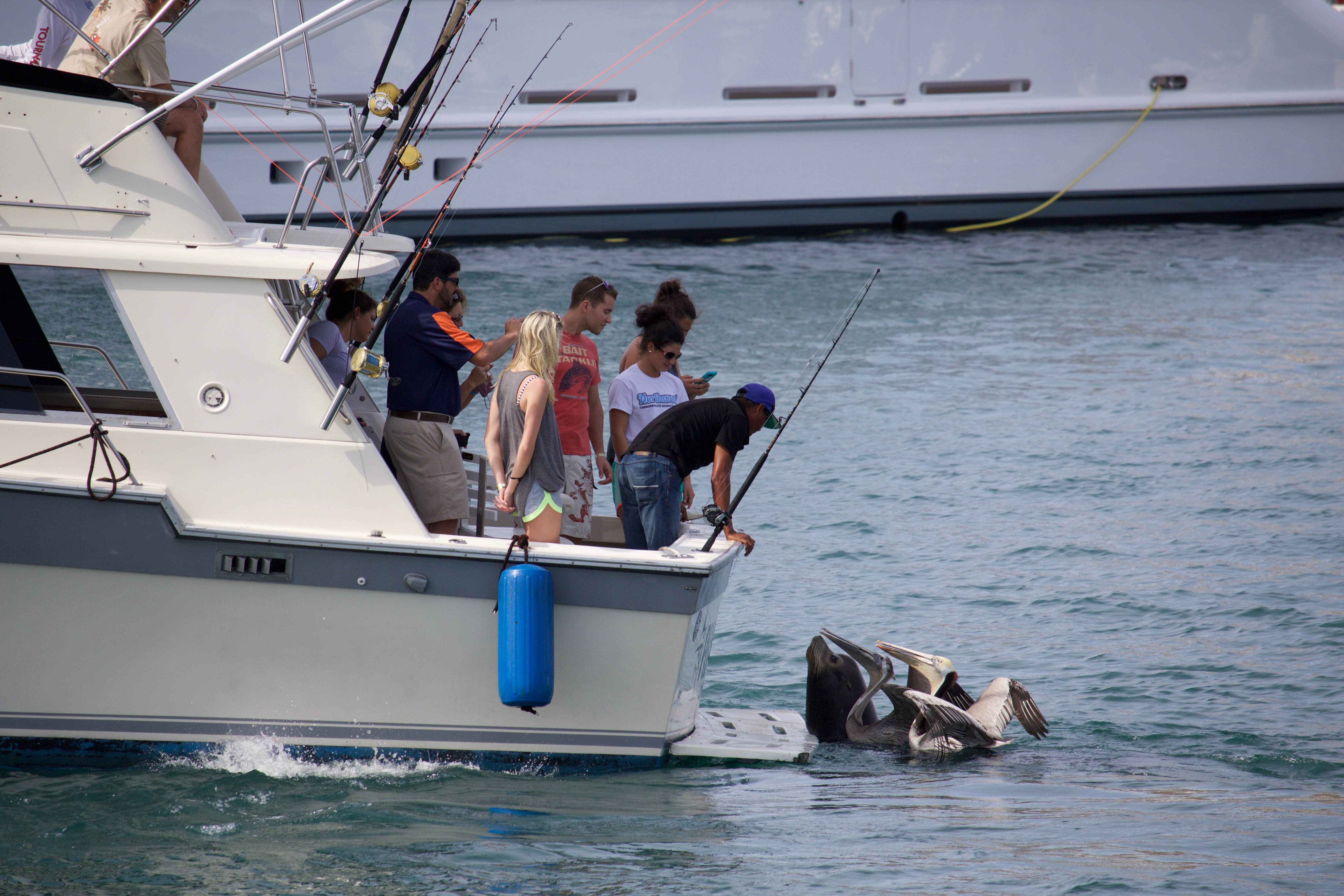
A seal and pelicans on public assistance at Cabo San Lucas.

A seal and pelicans on public assistance at Cabo San Lucas.

Stay tuned for some underwater exotic fish pics I took while snorkeling.


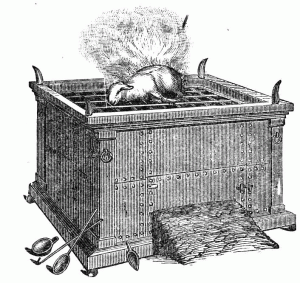
What is prophetic significance of the four horns of the altar?

Exodus 29:12, Horns of the altar. The four horns of the altar of sacrifice was the place where the blood of atonement was sprinkled (also Lev 4:4, 17, 18, 25, 30, 34; 8:15; 9:9; 16:18).

Altar of Sacrifice

Horn in Hebrew is qeren meaning “horn, hill or ray.” This word is used to describe the rays of light rays emanating from the face of Moses after his encounter with YHVH (Exod 34:29) and the horns of an animal (Ps 69:31).

In ancient cultures, the horn was a metaphor for physical strength or spiritual power (Deut 33:17; 2 Sam 22:3; Ps 18:2). Elsewhere, YHVH is referred to as man’s “horn of salvation” meaning he is the strength of our salvation. The Hebrew word for salvation is yesha meaning “deliverance, rescue, safety, welfare, victory, prosperity.” The root of yesha is the verb yasha meaning “to save, to deliver, to give victory.” Not only is YHVH called our “horn of salvation” in the Tanakh, but this designation is applied to Yeshua as well in the Testimony of Yeshua (Luke 1:69).

Interestingly, Yeshua is a derivative of the Hebrew name Yehoshua (or Joshua), which also derives from yasha. It should be evident from this quick study that the horns of the altar are a picture of Yeshua, who is the horn or strength of our salvation and who shed his blood for our sins on the altar of the cross.

This being the case, why then are there four horns on the altar? This is likely symbolic of the four attributes of Yeshua, even as the four colors of cloth used throughout the tabernacle prophetically symbolize the same thing: crimson speaks to Yeshua’s humanity, purple to his kingship, blue to his divinity, and white to his sinlessness or righteousness.

Additionally, the Jewish sages view the four horns as symbolizing the four corners of the earth, for, in Hebraic thought, the earth is nothing more than a large altar dedicated to Elohim.

More importantly, the horns on the four corners of the altar prophetically and symbolically point to the fact that Yeshua’s blood poured out at the cross saves all humans (from the four corners of the earth who would trust in him) from their sins.


The Glorious Garments of the High Priest Point to Yeshua

Genesis 28–29

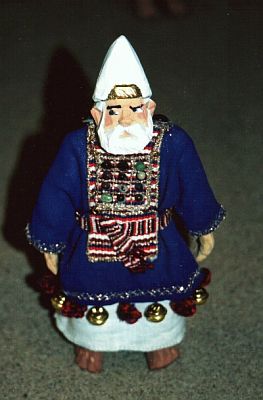
The Garments of the High Priest

(Some of this information is derived from Martyn Barrow’s tabernacle web site and from the ArtScroll Stone Edition Chumash along with several other sources as noted in the text.)

High Priest

The high priest was required to wear eight vestments while performing his duties in the tabernacle or else his service was invalid. The garments that the high priest wore along with those of the regular priests set them apart from the rest of Israel thereby elevating them in the eyes of Israel for the special and sacred work of Elohim they were doing.

The priestly attire was called the Eight Vestment (Sh’moneh G’dim) or the Gold Vestments since some of them contained gold. Actually, only seven of his vestments were specifically made for his duties as high priest. His linen breeches would have been worn anyway as a part of his regular dress, so they were not special as were the other seven garments. On certain parts of the Day of Atonement, the high priest wore only four vestments all made of white linen. The ordinary priests wore these four white vestments all the time.

As with so many things found in the tabernacle, the high priest’s garments comprised of four colors: sky blue, royal purple, blood crimson woven onto a background of pure snow white linen. Additionally, the high priest’s head plate was of gold, along with the 72 bells sown onto the hem of his Ephod, the golden chains holding the Breastplate to his shoulders, the bases to the shoulder stones and the gold thread woven into the Ephod. The color blue signifies godliness or heaven. Some see purple as signifying royalty or kingliness. Others see an additional meaning. Red and blue combine to make purple. Blue represents the divine while red speaks of the human, earthly or animal aspect of man (and of Yeshua). After all, red blood is the symbol of life and the name of the first man was Continue reading →


Back from Mexico

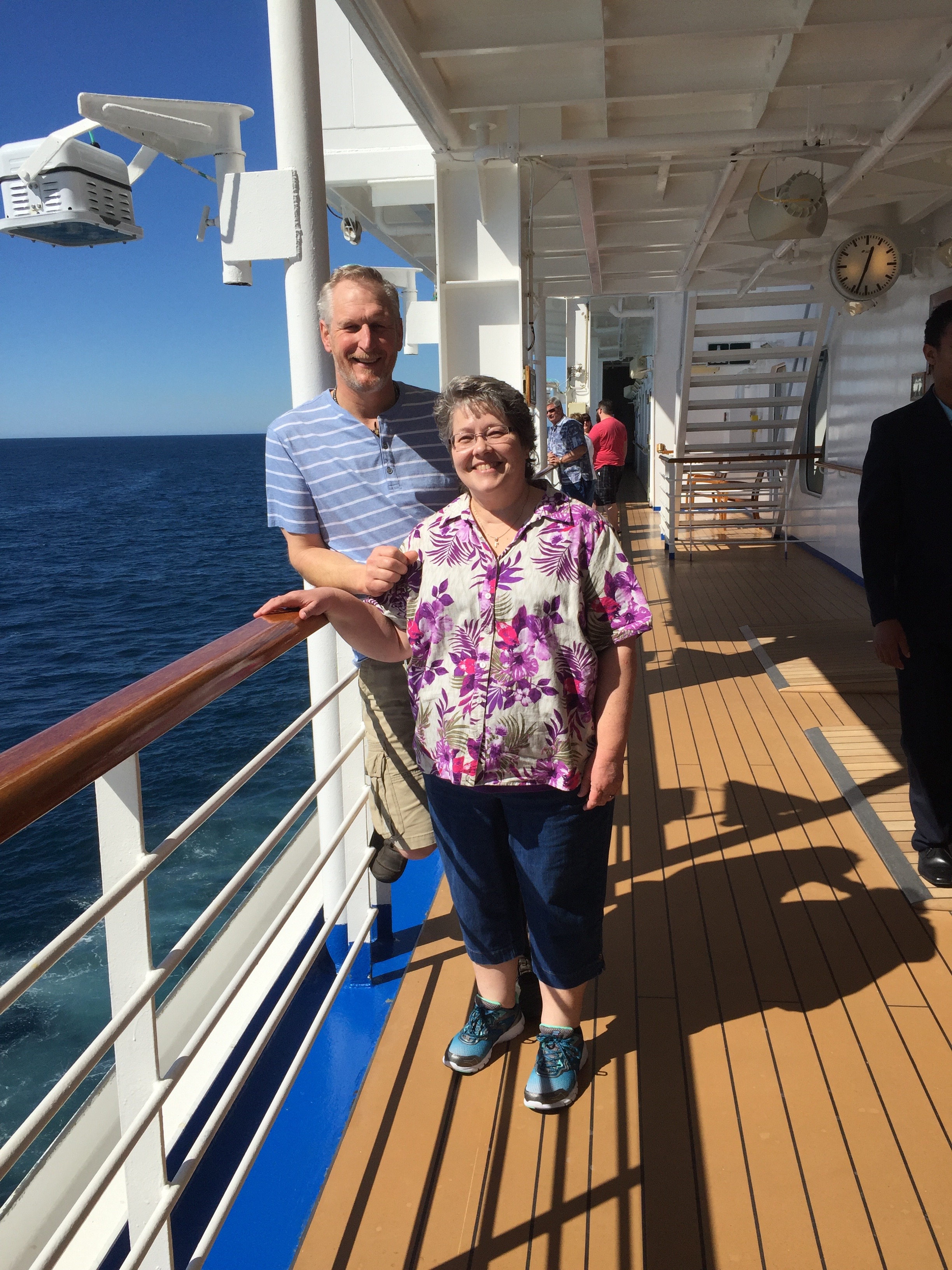
I’ve been gone  but now I’m back. Sandi and I just got back from our 25th anniversary cruise ship trip to the west Mexican Riviera (on the west coast of Mexico). We left a week ago Sunday and arrived back home yesterday (Sunday) evening.

Now it’s time to get back to work including catching up on your comments.

Here are several photos.

Love and blessings to everyone who’s part of this blog!

IMG_3167
IMG_3286IMG_3292


The Gospel of Yeshua in the Sanctuary of the Tabernacle of Moses

In this video, Natan begins to decode the mysteries of the Tabernacle of Moses and shows how YHVH’s plan of salvation and the gospel message of Yeshua are encrypted within the tabernacle’s ceremonies and furnishings. The focus of this teaching is on the tabernacle sanctuary. A free study guide is available at http://hoshanarabbah.org/pdfs/tabernacle.pdf. Be sure to check out our other videos on the Tabernacle of Moses.


Blog Scripture Readings for 2-14 Through 2-20-16

Aside

THIS WEEK’S SCRIPTURE READINGS FOR STUDY AND DISCUSSION:

Parashat Tetzaveh — Exodus 27:20 – 30:10
Haftarah — Ezekiel 43:10-27
Prophets — 2 Kings 10:1 – 16:20
Writings — Psalms 119:129 – 123:4
Testimony — Luke 20:54 – 24:53

Most of this week’s blog discussion points will be on these passages. If you have general comments or questions on the weekly Scripture readings not addressed in a blog post, here’s a place for you to post those. Just use the “leave a reply” link below.

The full “Read Through The Scriptures In A Year” schedule, broken down by each day, can be found on the right sidebar under “Helpful Links.” There are 4 sections of scripture to read each day. One each from the Torah, the Prophets, the Writings, and from the Testimony of Yeshua. Each week, the Torah and haftarah readings will follow the traditional one-year reading cycle.

Weekly Blog Scripture Readings for 2/14 through 2/20/16.