Why Torah Forbids Eating Blood

Leviticus 7:26, Not eat any blood. YHVH revealed in the Torah that the life of flesh is in the blood (Lev 17:11). Therefore, the blood symbolizes the whole life of the living being. This is why the blood being poured upon the altar made atonement for the souls of men (Lev 17:11), since it represented and pointed to the shedding of Yeshua’s blood when he sacrificed his life on the cross in atoning for men’s sins. Respecting the blood is necessary not only because it symbolizes the sanctity of the life of man who was made in the Creator’s image (Gen 1:26 cp. 9:6), but more importantly, because of the blood of Elohim’s Son that was shed for man’s redemption (Lev 17:11). For one to eat the blood showed disdain for what the blood typifies. In times past, such a violation resulted in the punishment of being banished from the nation of Israel.

Blood stains

The blood was to be reserved for the sacrificial service where it was used symbolically to represent Yeshua’s shedding his blood on the cross. The blood of a lamb was put on the door posts to protect men from YHVH’s judgment against sin (Exod 12:7, 13). Moses sprinkled the blood of oxen on the people symbolizing their coming into covenantal relationship with YHVH (Exod 24:5–8). Additionally, the blood of sacrificed animals was sprinkled throughout the tabernacle, on Aaron and his sons, and all around the altar to sanctify it. All these acts and uses of the blood were illustrative of the unrestricted cleansing power of the blood of Yeshua, which is why YHVH expected his people to treat the blood with a reverence. Those who didn’t evidenced a heart of indifference for the set-apart or kadosh things of Elohim—an intolerable offence in the Creator’s eyes.

 

Be a Tree of Life for Yeshua—Abide in Him!

John 15:1–10, Abide in me. 

Here is a list of scriptures that speak of “abiding” with or in YHVH in some way.

YHVH, who shall abide [Heb. goor meaning “to sojourn, dwell for a time, stay for a while, to assemble oneself with, to seek hospitality with”] in thy tabernacle? who shall dwell in thy holy hill? (Ps 15:1)

Tree, At Rivers

I will abide [Heb. goor] in thy tabernacle for ever: I will trust in the covert of thy wings. (Ps 61:4)

He shall abide [Heb. yashab meaing “to sit down, to set, to remain, to stay”] before Elohim for ever: O prepare mercy and truth, which may preserve him. (Ps 61:7)

He that dwelleth in the secret place of the most High shall abide [Heb. luwn meaning “to temporarily lodge, pass the night, stop over”] under the shadow of the Almighty. (Ps 91:1)

I am come a light into the world, that whosoever believeth on me should not abide [Gr. meno meaning “to remain, to sojourn, tarry, not to depart, to continue to be present, to be held, kept, continually] in darkness. (John 12:46)

And I will pray the Father, and he shall give you another Comforter, that he may abide [Gr. meno] with you for ever. (John 14:16)

Abide [Gr. meno] in me, and I in you. As the branch cannot bear fruit of itself, except it abide [Gr. meno] in the vine; no more can ye, except ye abide [Gr. meno] in me .… 6 If a man abide [Gr. meno] not in me, he is cast forth as a branch, and is withered; and men gather them, and cast them into the fire, and they are burned .… If ye abide [Gr. meno] in me, and my words abide [Gr. meno] in you, ye shall ask what ye will, and it shall be done unto you .… If ye keep my commandments, ye shall abide [Gr. meno] in my love; even as I have kept my Father’s commandments, and abide [Gr. meno] in his love. (John 15:4–10)

Let that therefore abide [Gr. meno] in you, which ye have heard from the beginning. If that which ye have heard from the beginning shall abide [Gr. meno] in you, ye also shall continue in the Son, and in the Father. … But the anointing which ye have received of him abide [Gr. meno] in you, and ye need not that any man teach you: but as the same anointing [chrisma, that which is smeared with oil] teacheth you of all things, and is truth, and is no lie, and even as it hath taught you, ye shall abide [Gr. meno] in him. 28 And now, little children, abide [Gr. meno] in him; that, when he shall appear, we may have confidence, and not be ashamed before him at his coming. (1 John 2:24, 27–28)

Humans Are Like Tree

In several places, the Bible poetically likens humans to trees. Continue reading →


The Spirit of Elohim Energizes our Spirit to Keep the Torah

John 14:16, Another helper/Comforter.

At the end of his ministry, Yeshua promised his disciples to send them his Holy Spirit or Comforter after he had left earth (John 14:16). He declares that his Holy Spirit would dwell in them (John 14:17), would testify of him (John 15:26), would convict the world of sin (or Torahlessess, John 16:8), would guide them into all truth (i.e., Torah, see Ps 119:142,151), would tell them things to come (John 16:13), and would glorify the Son and speak to them on behalf of the Son (John 16:14).

Bright idea

How, therefore, does the Spirit of Elohim interact with man? Man is a three-part being: body, soul and spirit (1 Thess 5:23). The body is the physical part of man, the soul is the personality or beingness of man (his mind, will and emotions), and his spirit is the part of man that points him God-ward, and that, once spiritually regenerated and enlightened by the Spirit of Elohim, connects us to Elohim. Man must come to the Father by way of his spirit (John 4:23–24). The Father reveals his spiritual mysteries to man by his Holy Spirit to the spiritually regenerated spirit in man (2 Cor 2:6–16).

There are numerous scriptures that attest to the fact that at the time of our spiritual rebirth (a.k.a. conversion, regeneration, redemption or salvation), YHVH activates our spirit with his Spirit, thus allowing us to enter into a spiritual relationship or communion with him. This is important to know, since man can’t properly obey Elohim out of his soul (the mind, the will and the emotions) alone without the leading of his spirit. Taken to the next step, man Continue reading →


Blog Scripture Readings for 3-20 Through 3-26-16

Aside

THIS WEEK’S SCRIPTURE READINGS FOR STUDY AND DISCUSSION:

Parashat Tzav — Leviticus 6:1 (8)* – 8:36
Haftarah — Jeremiah 7:21 – 8:3; 9:22-23
Prophets — Isaiah 20:1 – 26:21
Writings — Proverbs 2:1 – 8:36
Testimony — John 14:1 – 18:40

Most of this week’s blog discussion points will be on these passages. If you have general comments or questions on the weekly Scripture readings not addressed in a blog post, here’s a place for you to post those. Just use the “leave a reply” link below.

The full “Read Through The Scriptures In A Year” schedule, broken down by each day, can be found on the right sidebar under “Helpful Links.” There are 4 sections of scripture to read each day. One each from the Torah, the Prophets, the Writings, and from the Testimony of Yeshua. Each week, the Torah and haftarah readings will follow the traditional one-year reading cycle.

*Verse numbers in parenthesis refer to the verse number in Christian English Bibles when they differ from Hebrew Bibles or the Tanakh.

Weekly Blog Scripture Readings for 3/20 through 3/26/16.


Shabbat Shalom from My Garden of Eden to You

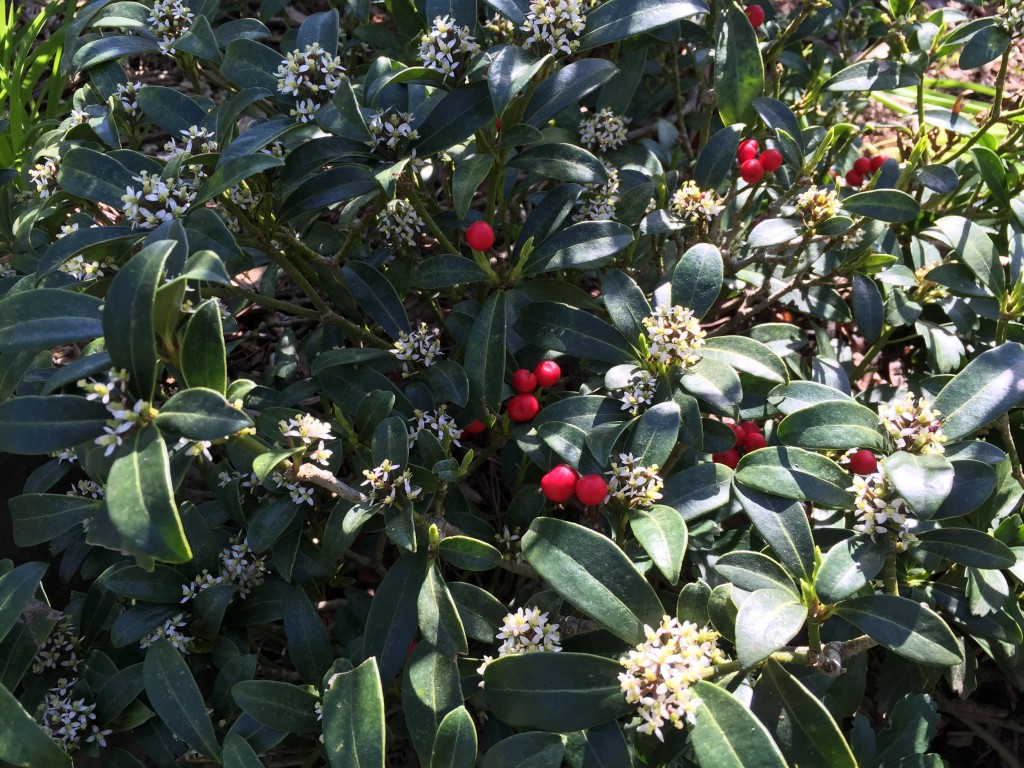
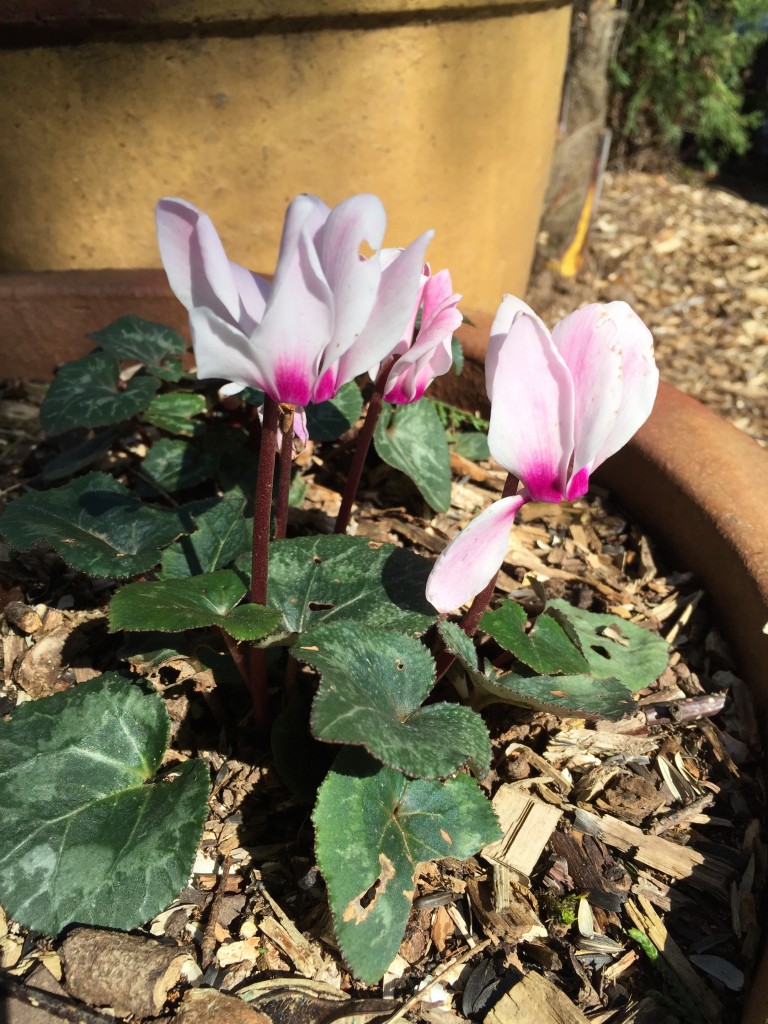
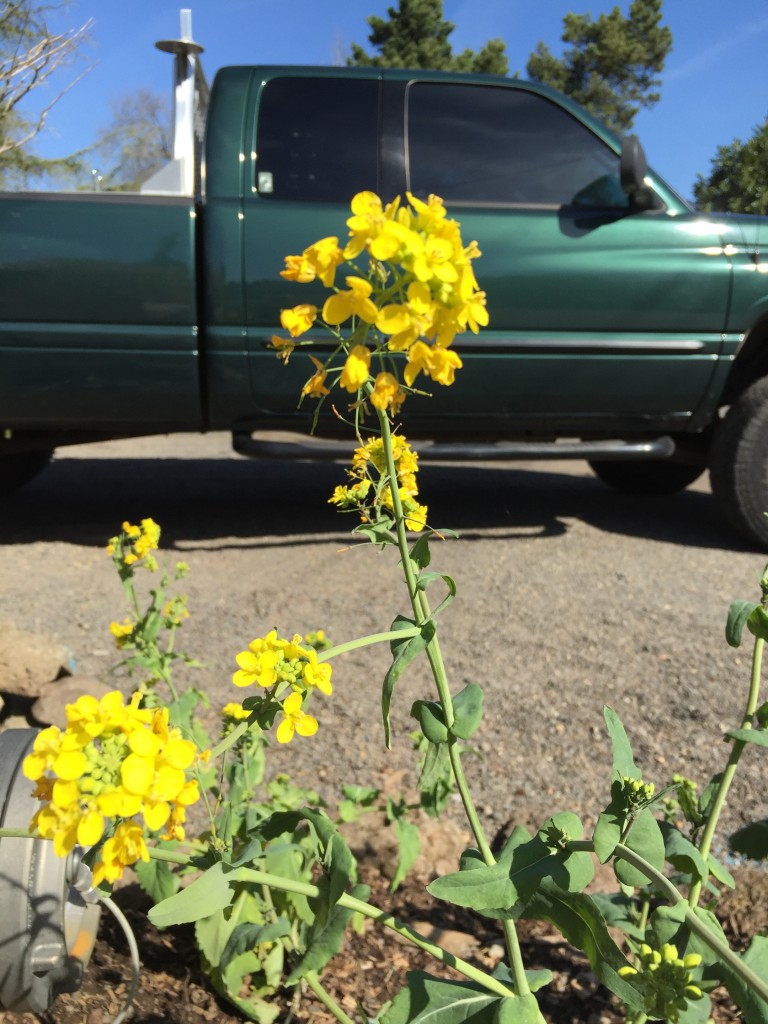
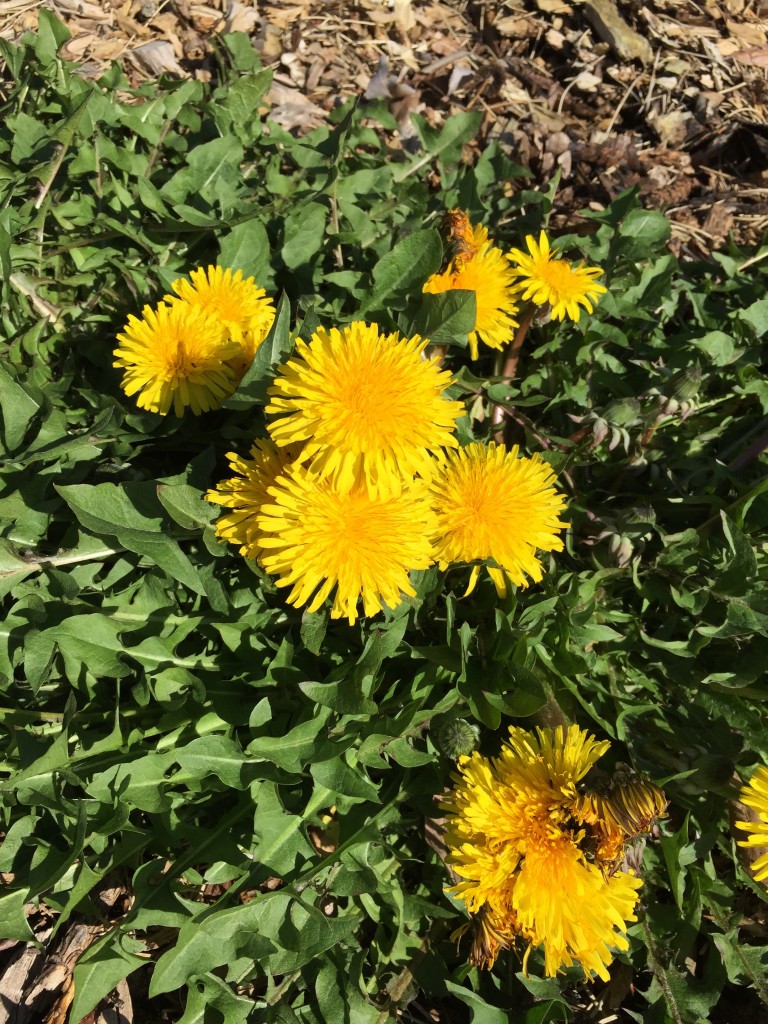
May these photos of flowers from my garden brighten you Shabbat day! Praise YHVH Elohim the Creator for the beauty of his creation, which is a love-gift to us. As he has made this earth beautiful for our enjoyment and  blessing, may we be a river of life to those around us as we brighten their days with YHVH’s love and beauty!

Multi-colored pansies in a pot at the door to my office.

Multi-colored pansies in a pot at the door to my office.

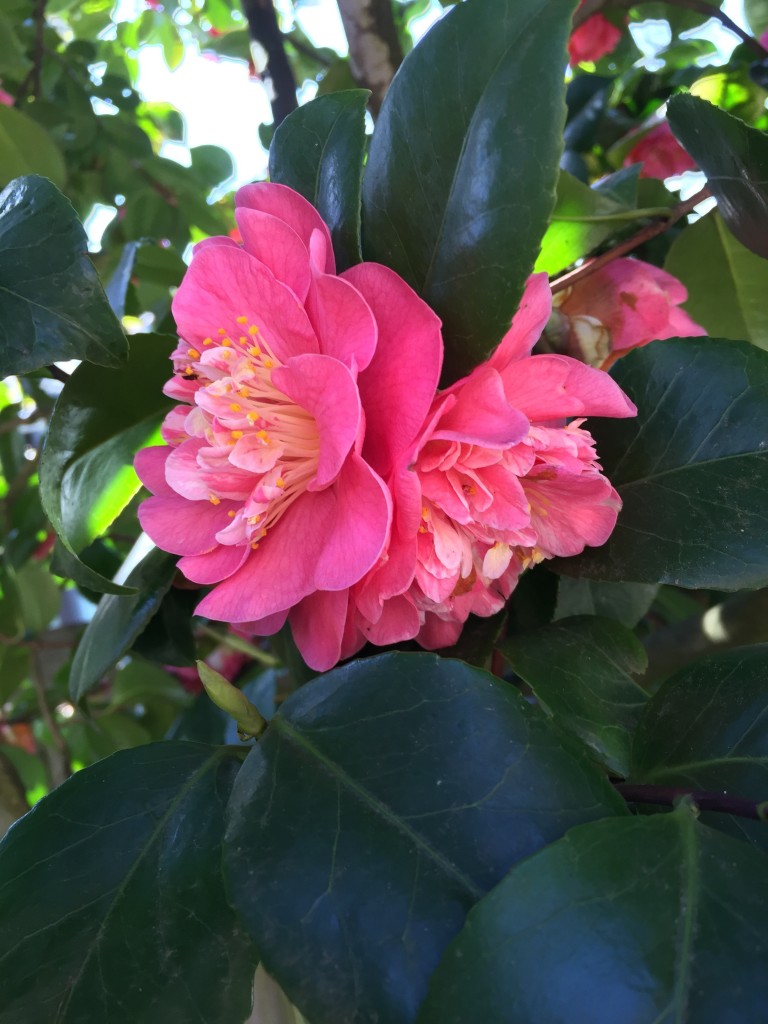
Camellia

Camellia


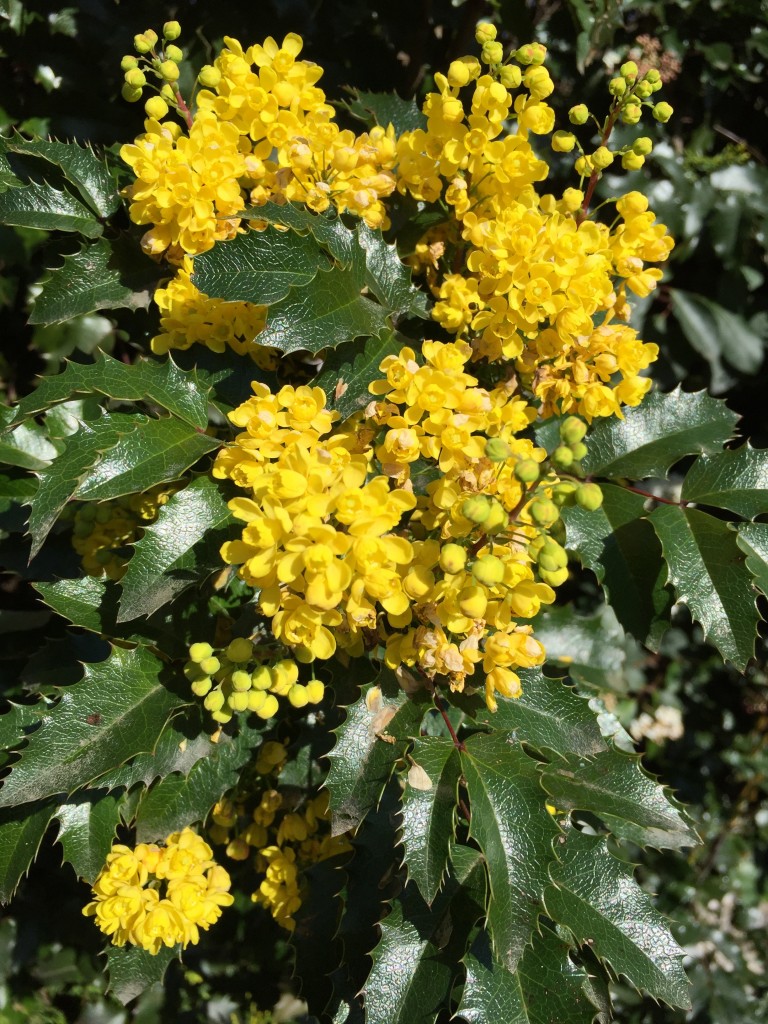
Oregon grape—Oregon's state flower

Oregon grape—Oregon’s state flower

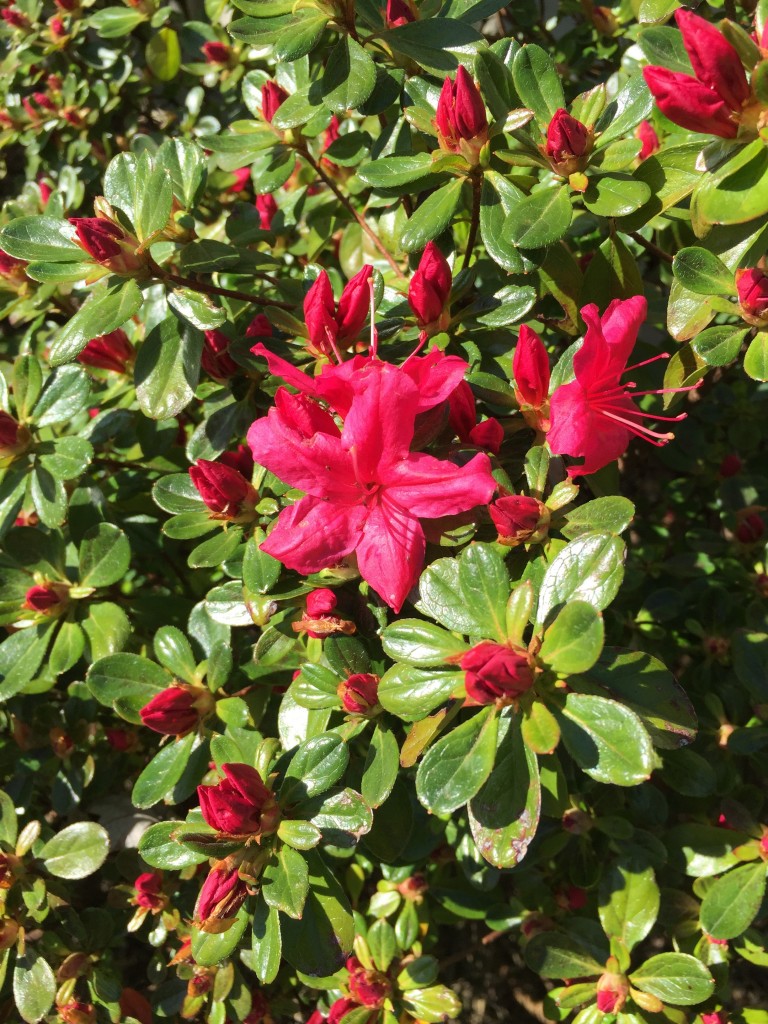
Azalea

Azalea

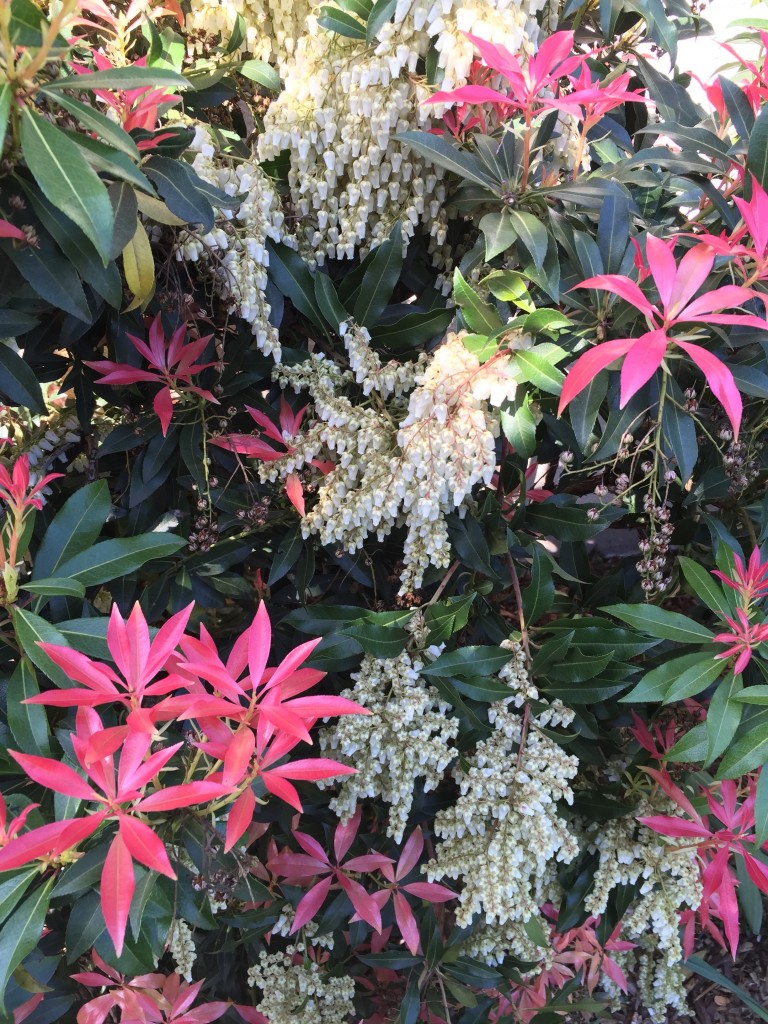
Pieris Japonica or lilly of the valley shrub (also known as andromeda)

Pieris Japonica or lilly of the valley shrub (also known as andromeda)


Another variety of pieris Japonica

Another variety of pieris Japonica

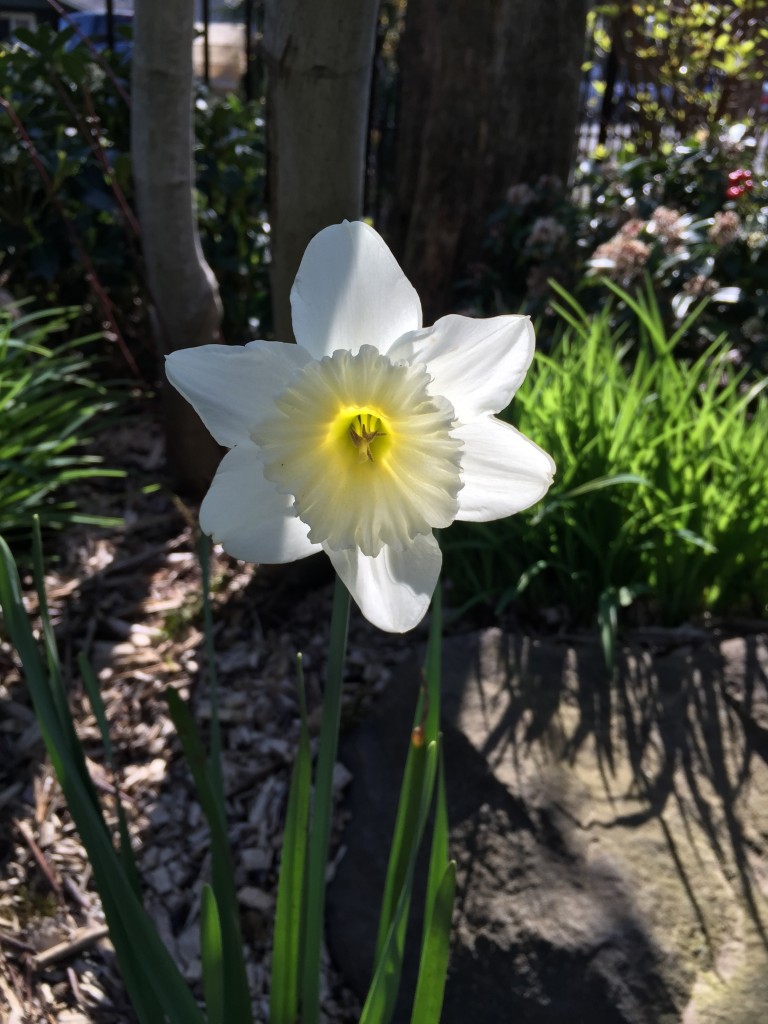
What's a spring garden without a daffodil?

What’s a spring garden without a daffodil?


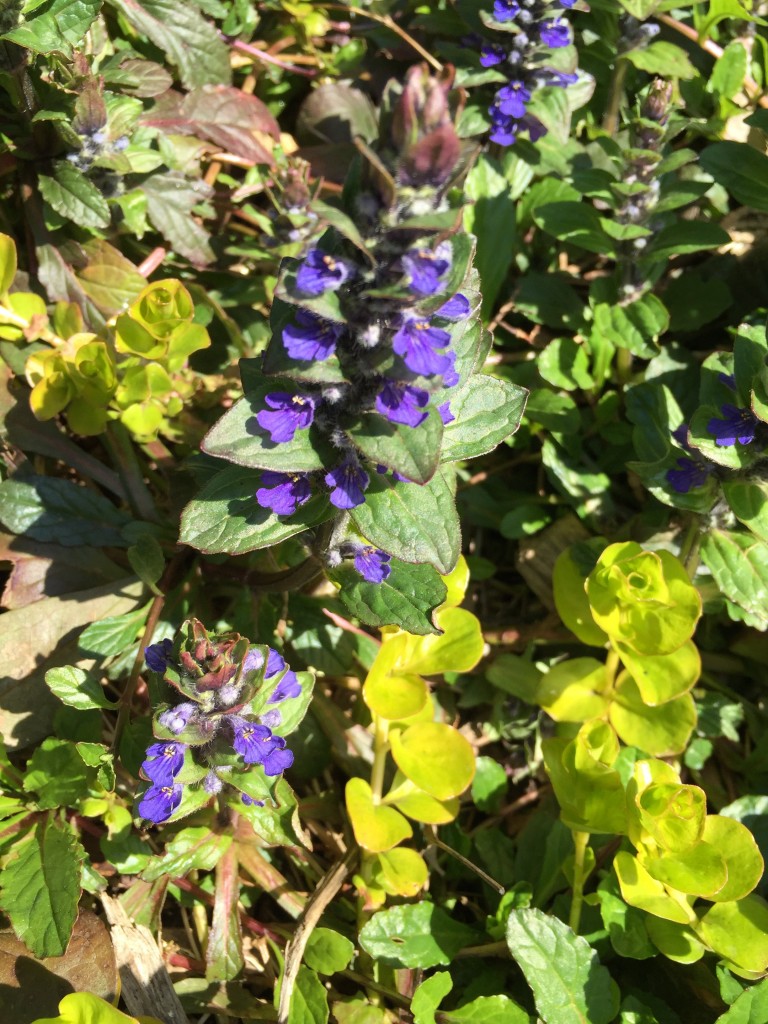
Heal-all is a wild edible and medicinal plant.

Heal-all is a wild edible and medicinal plant.

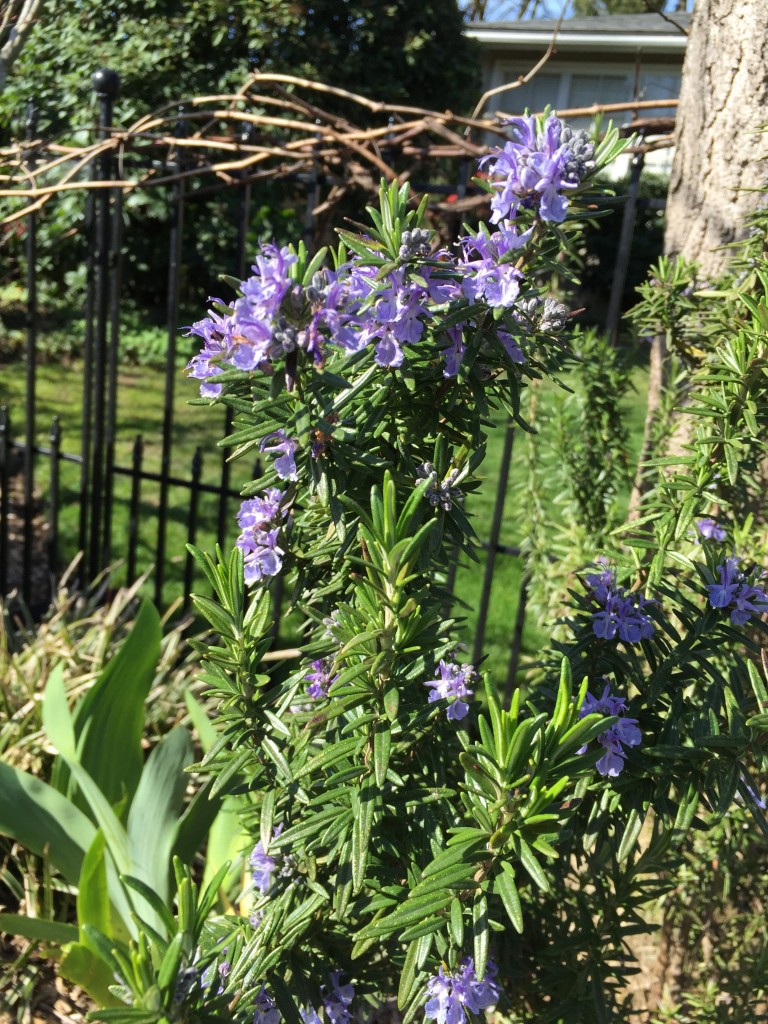
Rosemary

Rosemary

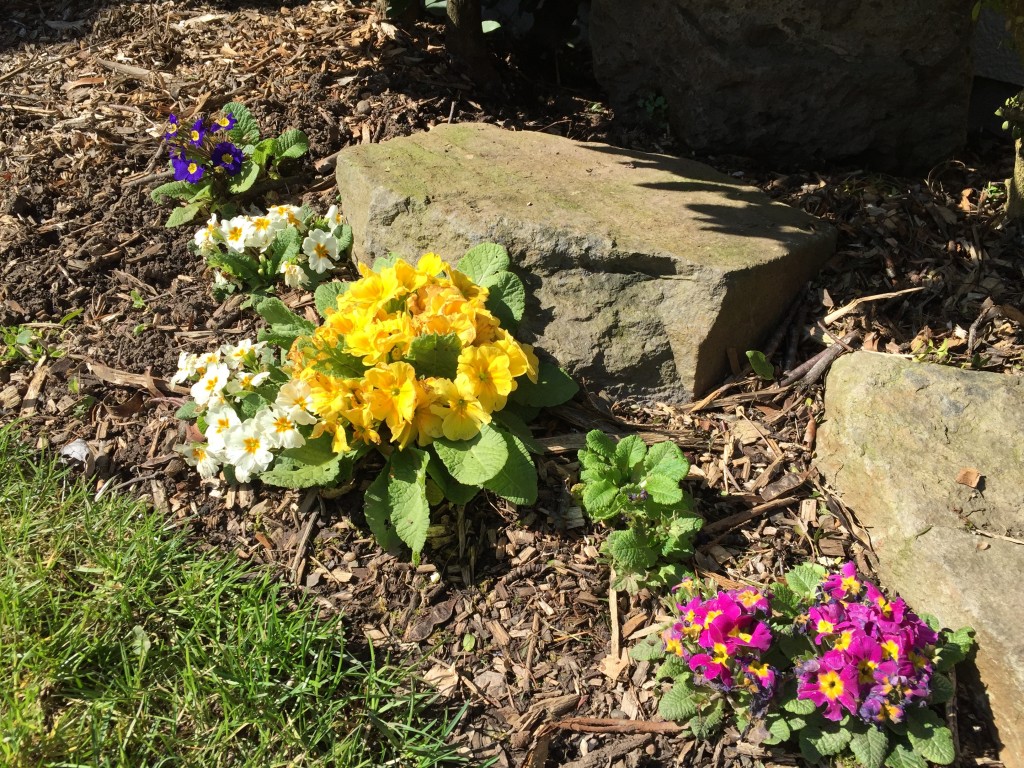
Primrose

Primrose

Skimmia Japonica

Skimmia Japonica

Hardy cyclamen

Hardy cyclamen

Wild mustard

Wild mustard

Dandelion—even the flowering weeds are gorgeous. One man's weed is another man's ornamental flower.

Dandelion—even the flowering weeds are gorgeous. One man’s weed is another man’s ornamental flower.

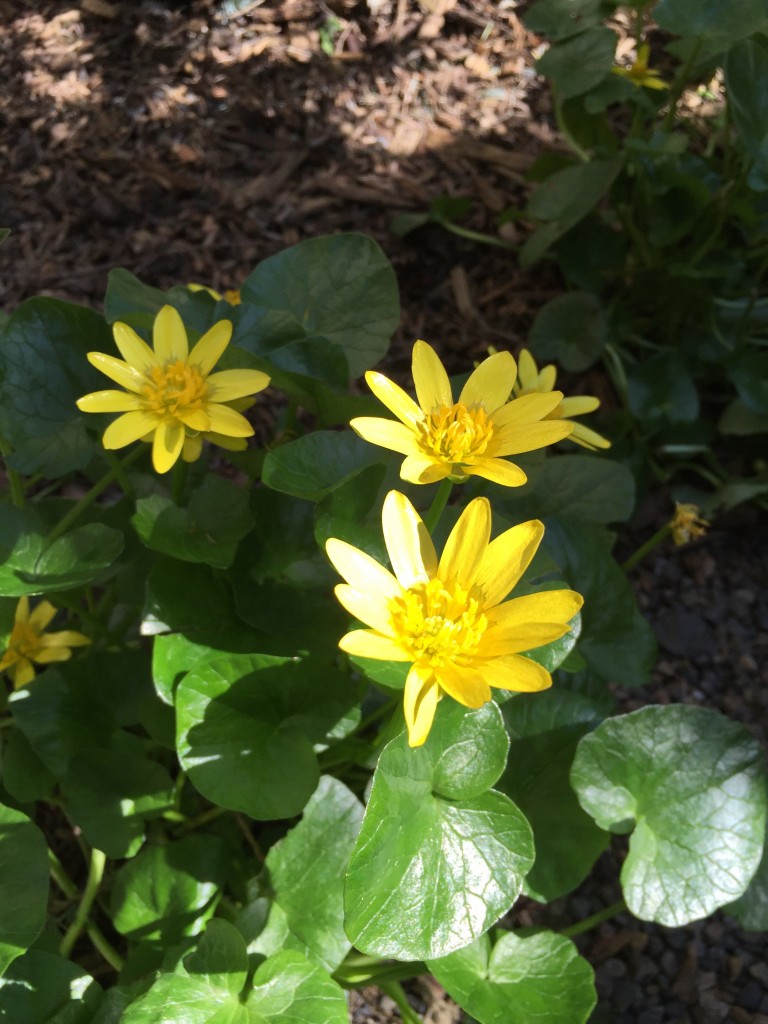
Marsh marigold

Marsh marigold


To some people, marsh marigold is a noxious weed, but if planted in the right spot, it makes a wonderful addition to the garden. This teaches us that each person (who in YHVH’s sight is like a flower) if planted in the right place can become a blessing to YHVH’s creation. Each person has his own place to grow and bloom in YHVH’s kingdom.


Sabbath Manna: Without Holiness, No One Will See Elohim!

Heavens Gates Opening

Scripture reveals that the saints are to be a holy or set-apart (kadosh)
priesthood, not a profane (worldly and polluted) one. If Yeshua calls us his kadosh and royal priesthood, then let’s own that identity and start acting like one!

Pursue peace with all people, and holiness, without which no one will see YHVH. (Heb 12:14)

Holiness Is YHVH’s Chief Quality

Holiness is the chief attribute of Elohim and the most defining aspect of his character. It has to do with the fact that Elohim is entirely good and without evil or moral defect and totally sinless. This is why the spiritual beings around his heavenly throne are constantly crying, “Holy, holy, holy” in his Presence (Isa 6:3; Rev 4:8). This is why one of his titles is The Holy One of Israel,which is used more than thirty times in the Tanakh (e.g., 2 Kgs 19:22; Ps 71:22; Isa 1:4; Jer 50:29). This is why the high priest who ministered in the Tabernacle of Moses and later in the temple wore a golden crown or headplate with the words inscribed on it, “HOLINESS TO YHVH.” Not only was this pointing upward to YHVH’s set-apartness, but man himself is to become holy or set-apart even as YHVH Elohim is set-apart, for we read in the Epistle to the Hebrews that the attribute of holiness is a prerequisite for a man coming into the Presence of Elohim (Heb 12:14).

YHVH Elohim made mankind in his own image (Gen 1:27), so that man could eventually become his glorified spirit children (John 1:12; Rom 8:14–15; 2 Cor 6:18; Gal 4:5–6; 1 John 3:1–2; Rev 21:7). As part of the process of becoming an immortal child of Elohim, man must become holy as he is holy (Lev 11:44, 45; 20:7, 26; 1 Pet 1:16). This is the ultimate destiny of those who will submit to YHVH’s process of transforming man from profane or polluted, sin-ridden beings to becoming holy or set-apart. What does this process involve and how does it affect you?

YHVH Is Preparing His Saints to Be a Kingdom of Priests

In the Bible, YHVH declared that it was the destiny of the Israelite nation to become a chosen and peculiar people and a kingdom of priest—to be special and unique among the nations of the world—to reflect the character and nature of YHVH Elohim—to be holy (in Hebrew, kadosh) as he is kadosh. The Hebrew word kadosh means Continue reading →


Is America in Bible Prophecy? Quite Possibly Yes!

Isaiah 18:1–3, In the chapter heading in some Christian Bibles, Isaiah chapter 18 is titled “Ethiopia.” Is this an accurate chapter heading? Isaiah 18:1 refers to “the land … which is beyond [on the other side of] the rivers of Ethiopia.” The traditional view among many biblical commentators (both from Christian and Jewish sources) is that this prophecy is referring to the area of modern Ethiopia, which is just south of Egypt. It is believed that the river mentioned in this passage is the Nile with its tributaries, while the ships are a reference to boats that regularly ply those waters, and the whirring wings refer to either locusts or to tsetse flies, which are abundant in that region. These same commentators offer various views on how this prophecy of Isaiah was fulfilled in ancient times. In these commentaries, no explanation was given of the meaning of the word sea in verse two and how that relates to Ethiopia, or how Ethiopia was a nation that was feared far and wide (verse 2). Perhaps another interpretation could be offered that would better fit the descriptions of the land and its people given in this prophecy.

USA-1 21632842

It would be presumptuous to base our entire premise that America is in Bible prophecy on this passage alone, but united with other similar passages that speak clearly of end-time Ephraim, perhaps Isaiah 18:1–3 should be considered in this context. This is all the more plausible when we consider the fact that the scholarly views that this prophecy pertains only to ancient Ethiopia are from before the twentieth century when America was not yet a world power, and airplanes were yet to be invented. Also consider the fact that as rabbinic Jewish scholars do not know who end-time Ephraim is, so Christian scholars do not know who Ephraim is either. Neither group relates Ephraim to “Gentile” Christianity.

Now with some of these things in mind, let us take another look at Isaiah 18:1–3 and see how several well-known Bible translations render these passages.

Verse 1, This verse literally refers to “a land buzzing/whirring with wings” beyond Cush (Ethiopia, Africa), or to “clamorous wings” (ASET), or to “whirring wings” (NAS). Could this be a reference to the modern airplane and the role of aircraft in end-times America? Which nation on earth has more aircraft than America? Where was the airplane invented? What nation is the world’s leader in the aero-space industry and technology? Where can one not go in America without hearing aircraft overhead? What nation of people fly more than any other people?

Verse 2, This country sends ambassadors by sea, is a nation which has been feared from its beginning, is feared far and wide (KJV and NAS), is a powerful and oppressive nation (NAS) whose land is full of rivers meaning there are many mountains and lakes, as well—it’s a well-watered land, and it is a land where people speak a strange language. English is a very recently developed language! Additionally, America has been a mighty nation from its founding. It twice defeated the mighty British empire in the Revolutionary War and the War of 1812. America is also a land of many large and small rivers flowing out of numerous mountain ranges.

Note: This excerpt is part of a much larger work I wrote and published a few years ago entitled, “Is America in End-Times Bible Prophecy?” available at http://www.hoshanarabbah.org/pdfs/america.pdf.