The Gospel Message in the Names of the 12 Tribes

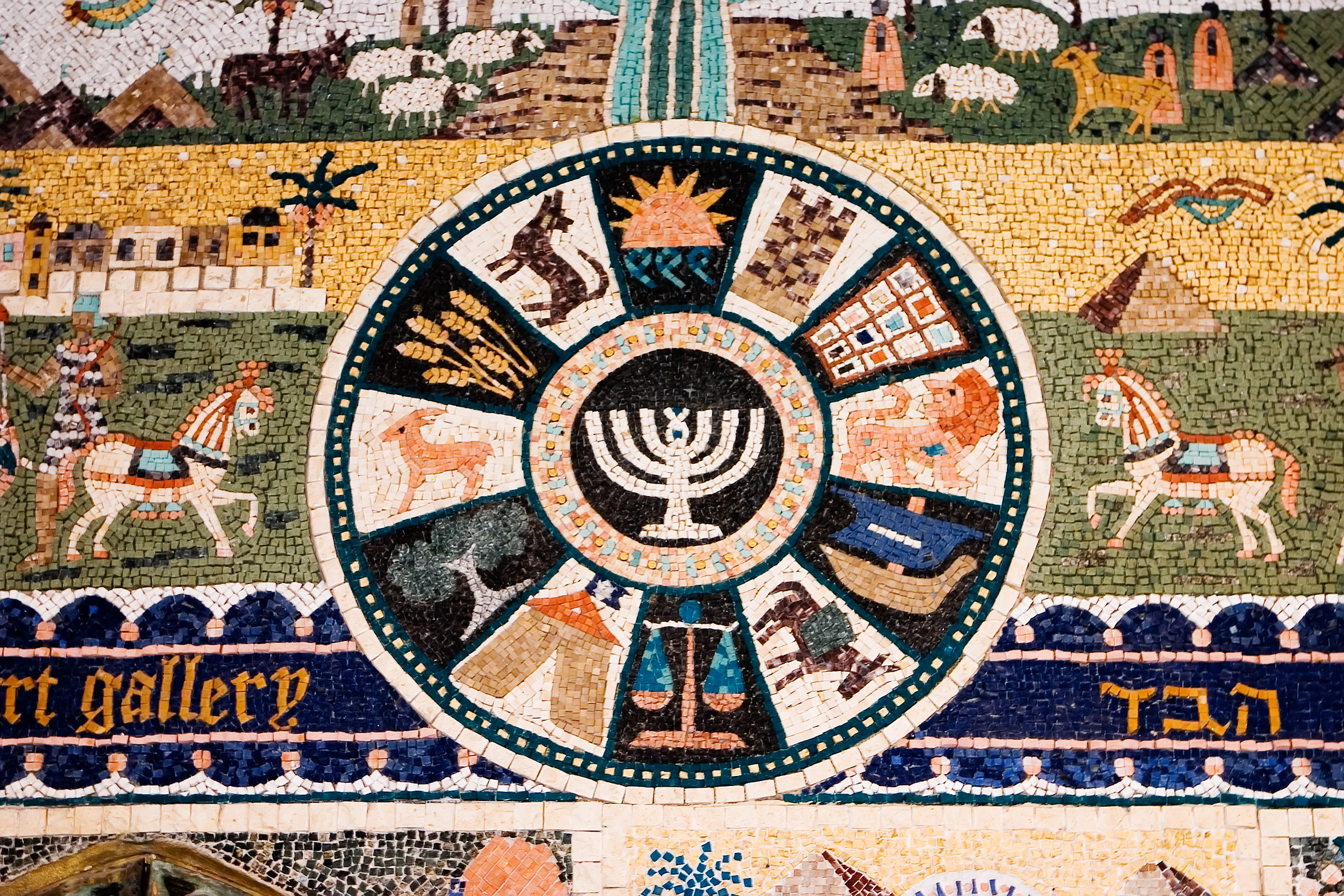
mosaics in cardo blvd, jerusalem, israel

Genesis 29:32–35:18, The birth of the Jacob’s twelve sons and the meaning of their names. The Scriptures record that the gospel message was preached not only to the first century believers, but to ancient Israel (Heb 4:2), and to the Patriarchs (Gal 3:8) as well. Here is another example of this in the meanings of the names of the twelve sons of Jacob. His twelve sons were Reuben, Simeon, Levi, Judah, Dan, Naphtali, Gad, Asher, Issachar, Zebulun, Joseph and Benjamin (who was not born until Gen 35:18). The meanings of their names and the statements the Bible attaches to those meanings reveal YHVH’s glorious plan of salvation for mankind. The Scriptures call this message the good news or gospel.

Reuben, Jacob’s first son, means “see or behold a son” (Heb. combination of two words: ra’ah meaning “to see” and ben meaning “son”). At the birth of her first son, Leah proclaimed “surely YHVH has looked upon my affliction” (Gen 29:32). The gospel message here is that YHVH Elohim saw the affliction of sinful man and gave us Yeshua, his Son.

Simeon means “hearing” (Heb. from shama meaning “to hear”). Leah named her second son thusly because “YHVH has heard that I was unloved” and she was hoping to receive her husband’s affection (Gen 29:33). The gospel message in this is that as a sinner, one comes to Yeshua in a lost and unloved state and separated from Elohim, and that when one hears about the Son (Yeshua the Messiah) in the gospel message, it’s at this point they receive the Father’s love.

Levi means “joined” (Heb. from lavah meaning “to join”). Leah named her next son this in the hopes that “now this time will my husband be joined to me” (Gen 29:34). With regard to the gospel, this can infer the union between a redeemed believer and the Father and Son that occurs at the time of one’s salvation. The good news message is the reconciliation and union of man and Elohim through Continue reading →


Video: Understanding the Prophetic Mystery of Jacob’s Ladder


The Great Commission and the Torah

preaching-20304867

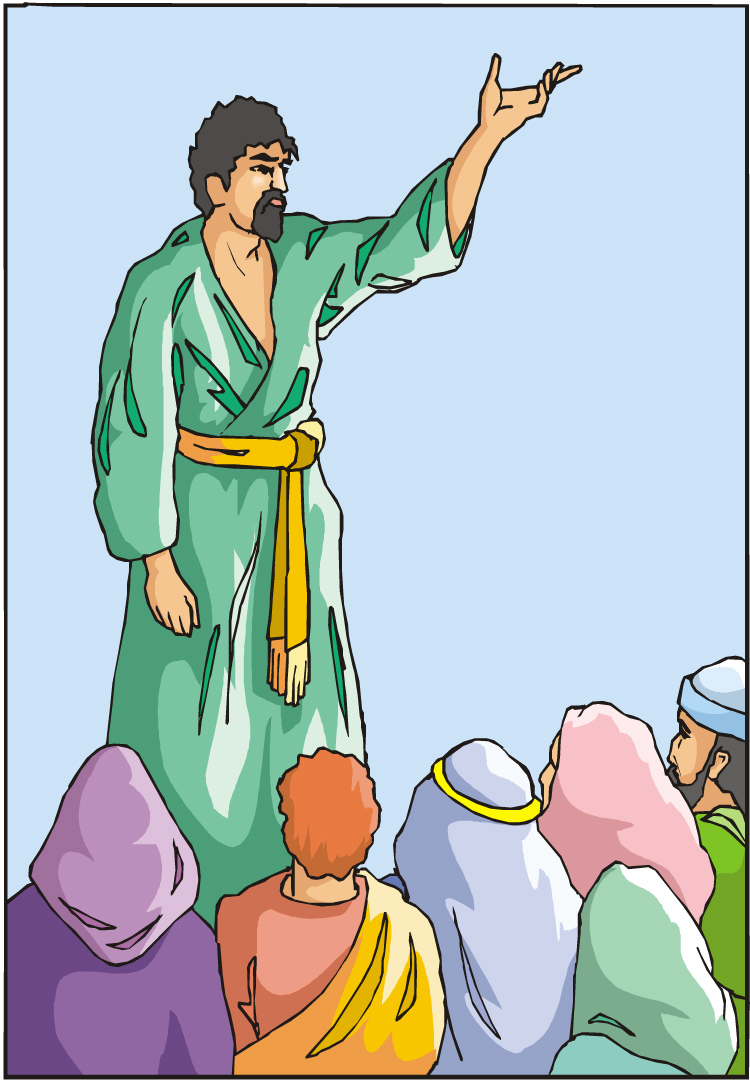
Matthew 28:19–20, Go therefore. What were Yeshua’s final instructions to his disciples before his return to heaven? This portion of Scripture is commonly called, the Great Commission and is found in Matthew 28:19-20. Do we find here any clues to Yeshua’s view toward the Torah as to what his expectations were of his disciples? Here Yeshua instructs his disciples (that includes you and me) to:

Go you therefore, and teach all nations, baptizing them in the name of the Father, and of the Son, and of the Set-Apart Spirit: teaching them to observe [keep, preserve, hold fast] all things whatsoever I have commanded you: and, lo, I am with you always, even unto the end of the world. Amein.

It is clear from this text that Yeshua, a Jewish rabbi (Matt 26:25, 49; Mark. 9:5; 10:51; 11:21; 14:45; John 1:38, 49; 3:2, 26, 4:31; 6:25; 9:2; 11:8), expected his disciples to follow, teach accurately and spread his teachings (the good news of the kingdom of Elohim) to the world. In the religious culture of first Continue reading →


First Day or First Week? A Big Difference

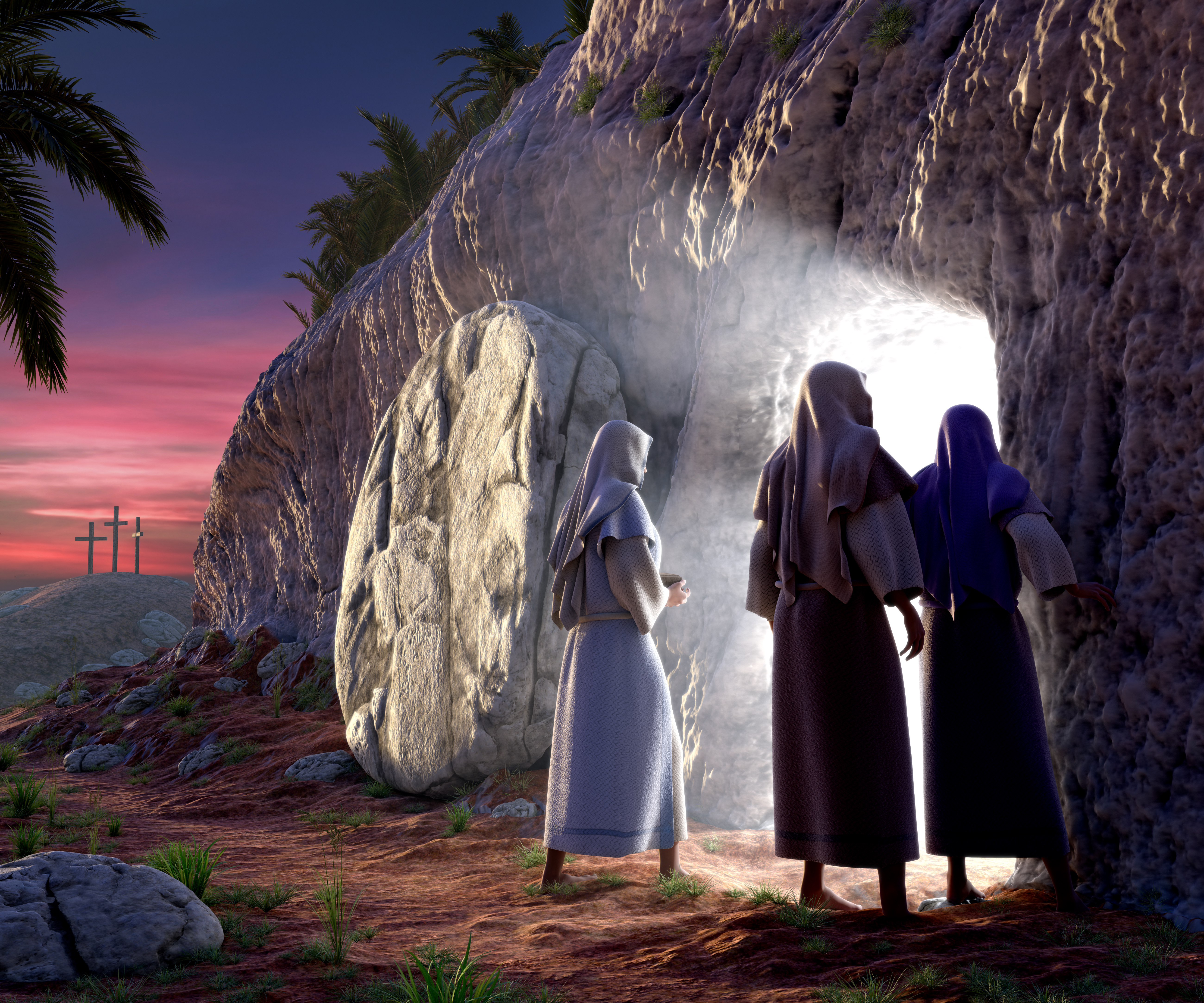
He is RisenMatthew 28:1, First of the week. Is this phrase only emphasizing that Yeshua’s resurrection was on the first day of the week, or is it also telling us something else? This verse reads:

 “In the end [Greek: de] of the sabbath [Greek: sabbaton], as it began to dawn [Greek: epiphosko] toward the first day [a supplied word which is not in the Greek] of the week [Greek: sabbaton], came Mary Magdalene and the other Mary to see the sepulchre.” (KJV)

The other parallel passages in the Gospel accounts include:

And when the sabbath [Greek: sabbaton] was past [diaginomai], Mary Magdalene, and Mary the mother of James, and Salome, had bought sweet spices, that they might come and anoint him. (Mark 16:1, KJV)

Now upon the first [Greek: mia] day [a supplied word which is not in original Greek] of the week [Greek: sabbaton], very early in the morning [Greek: orthros] , they came unto the sepulcher, bringing the spices which they had prepared, and certain others with them. (Luke 24:1, KJV)

Now one of the week, while still very early, they came on the tomb … (Luke 24:1, J.P. Green Interlinear)

The first [Greek: mia] day [a supplied word which is not in original Greek] of the week [Greek: sabbaton] cometh Mary Magdalene early, when it was yet dark, unto the sepulcher, and seeth the stone taken away from the sepulcher. (John 20:1, KJV)

According to Vine’s Expository Dictionary of New Testament Words, the Greek word shabbaton as used in Matthew 28:1, Mark 16:2, Acts 20:7,11 and 1 Corinthians 16:2 though translated in the KJV as “the first day of the week” Continue reading →


Genesis 28:10–32:3 Parashat Vayeitzei

This is a gospel-oriented Torah study guide. Our goal is to connect the good news of Yeshua the Messiah (the gospel message) to its Hebraic, pro-Torah roots or foundations. The information given here is more than head knowledge. Understanding and wisdom (the right application of knowledge that is based on truth) is taught thus making biblical truth practical, relevant and applicable to your daily life. The truths of the Bible not only have the power to transform your life here and now for the better, but eventually to take you past the veil of death and into eternity.

This Torah study is subdivided in sections by topic in a magazine format thus making it easy to watch at several sittings.

May you be blessed as you watch this video.

For a free, printable adult and youth Torah study guide on this Torah portion (parashah), please go to http://www.hoshanarabbah.org/parshiot.html


Blog Scripture Readings for 12-4 through 12-10-16

Aside

THIS WEEK’S SCRIPTURE READINGS FOR STUDY AND DISCUSSION:

Parashat Vayetzei — Genesis 28:10 – 32:3 (2)*
Haftarah — Hosea 12:13(12) – 14:10(9)*
Prophets — Judges 19:1 – 21:25; 1 Samuel 1:1 – 4:22
Writings — Psalms 50:1 – 57:11
Testimony — Matthew 28; Mark 1:1 – 4:19

Our new Scripture Reading Schedule for 2016-2017 is available to download!

Most of this week’s blog discussion points will be on these passages. If you have general comments or questions on the weekly Scripture readings not addressed in a blog post, here’s a place for you to post those. Just use the “leave a reply” link below.

The full “Read Through The Scriptures In A Year” schedule, broken down by each day, can be found on the right sidebar under “Helpful Links.” There are 4 sections of scripture to read each day. One each from the Torah, the Prophets, the Writings, and from the Testimony of Yeshua. Each week, the Torah and haftarah readings will follow the traditional one-year reading cycle.

* Verse numbers in parenthesis refer to the verse number in Christian English Bibles when they differ from Hebrew Bibles or the Tanakh.

Weekly Blog Scripture Readings for 12/4/16 through 12/10/16.


New Video: The Healing Power of the Creation & Nature