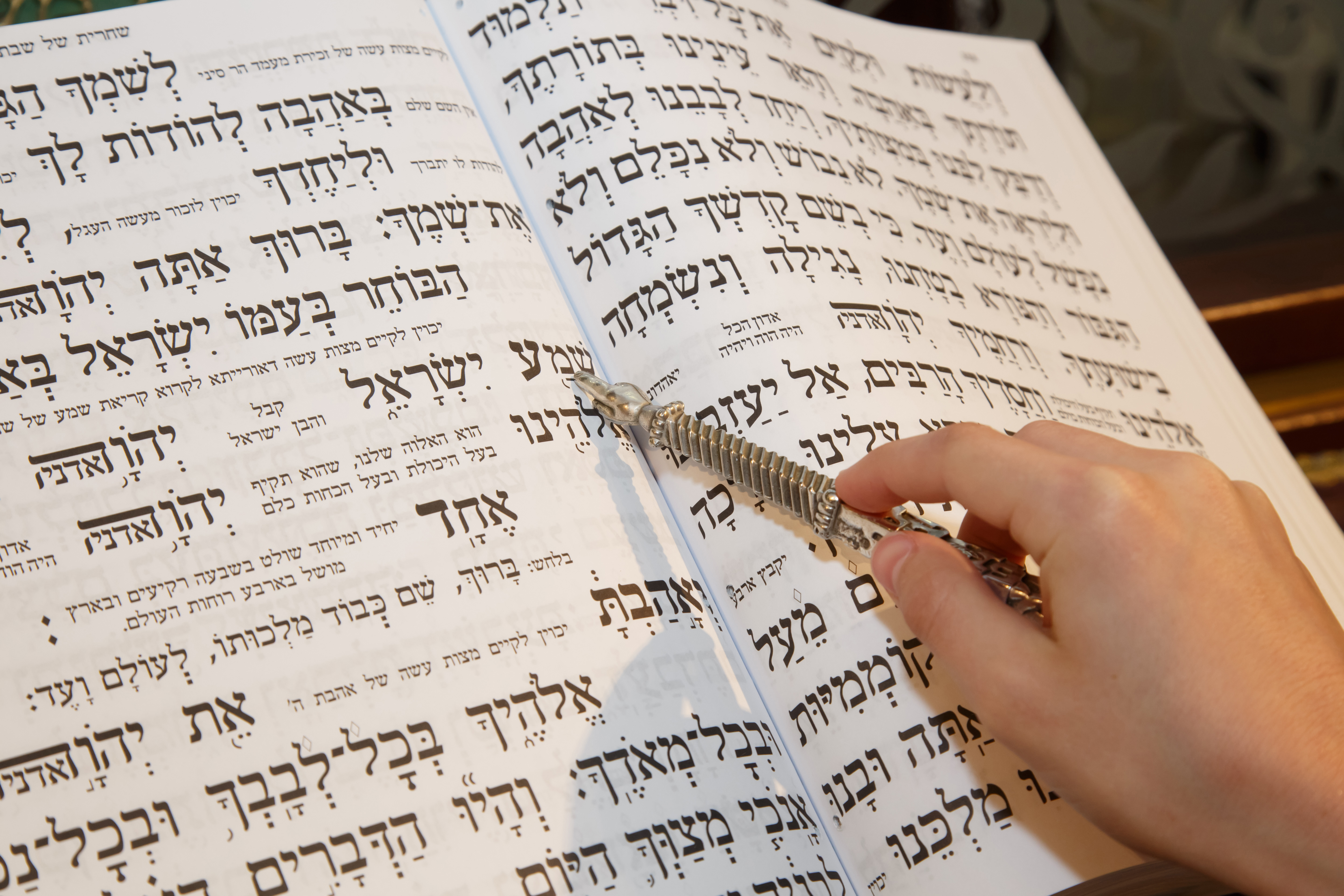
Leviticus 1:1–5:26 Parashat Vayikra

This is a gospel-oriented Torah study. Our goal is to connect the good news of Yeshua the Messiah (the gospel message) to its Hebraic, pro-Torah roots or foundations. The information given here is more than head knowledge. Understanding and wisdom (the right application of knowledge that is based on truth) is taught thus making biblical truth practical, relevant and applicable to your daily life. The truths of the Bible not only have the power to transform your life here and now for the better, but eventually to take you past the veil of death and into eternity.

This Torah study is subdivided in sections by topic in a magazine format thus making it easy to watch at several sittings.

May you be blessed as you watch this video.

For a free, printable adult and youth Torah study guide on this Torah portion (parashah), please go to http://www.hoshanarabbah.org/parshiot.html


                                                    — Light-Hearted First Day—

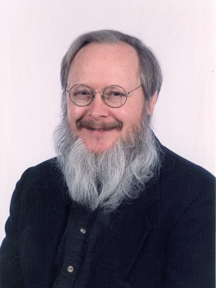
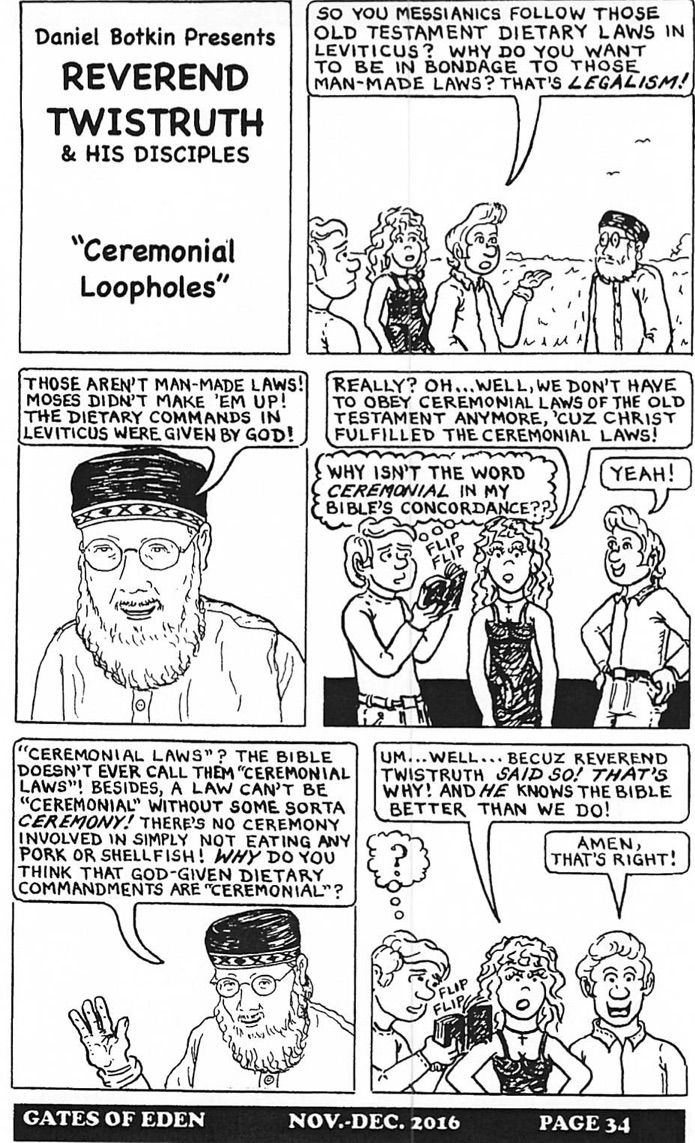
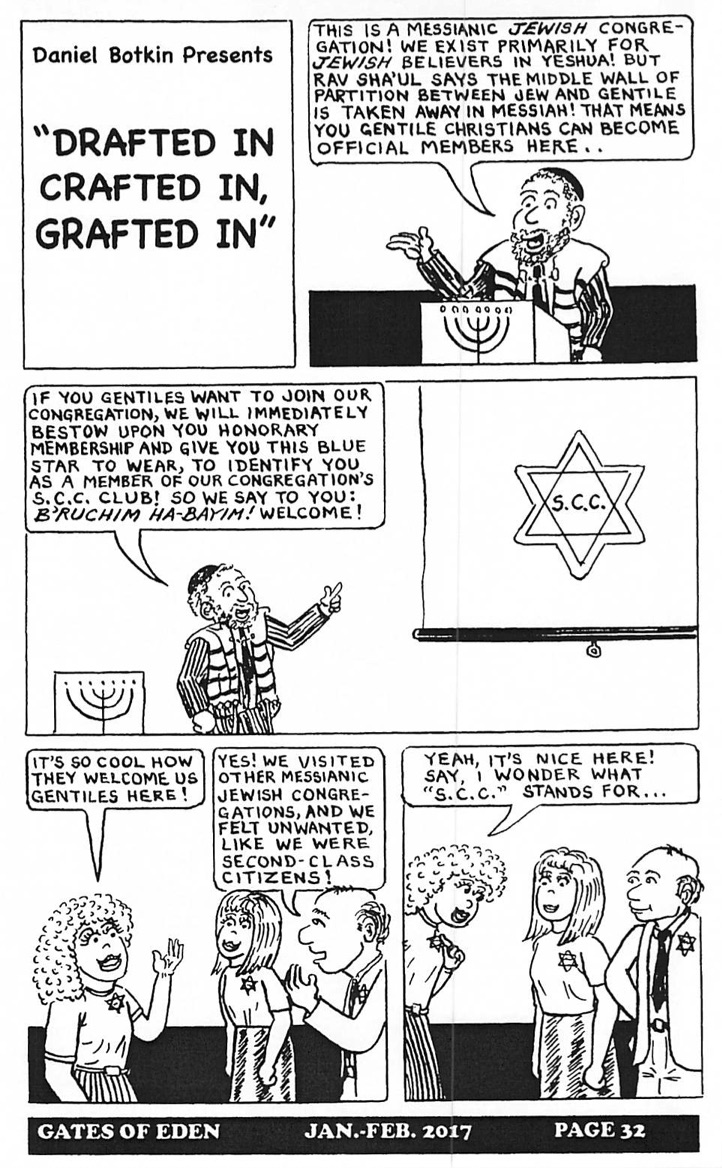
My good friend Daniel Botkin from Illinois has given me permission to reprint some of his cartoons on this blog. He is a long time Messianic, Hebrew roots pastor, and gifted and anointed Bible teacher, writer, artist, cartoonist and composer. He can be reached at GatesOfEden.org and at danielbotkin.com. I encourage you to subscribe to his magazine, The Gates of Eden—The Botkin Bimonthly. He is one of the most balanced Bible teachers out there. He’s also very funny, as the cartoons below show.


Blog Scripture Reading Schedule for 3-26 Through 4-1-17

Aside

THIS WEEK’S SCRIPTURE READINGS FOR STUDY AND DISCUSSION:

Parashat Vayikra —Leviticus 1:1 – 5:26 (6:7)*
Haftarah — Isaiah 43:21 – 44:23
Prophets — Isaiah 11:1 – 20:6
Writings — Proverbs 18:1 – 24:34
Testimony — John 15:1 – 19:42

Our new Scripture Reading Schedule for 2016-2017 is available to download!

Most of this week’s blog discussion points will be on these passages. If you have general comments or questions on the weekly Scripture readings not addressed in a blog post, here’s a place for you to post those. Just use the “leave a reply” link below.

The full “Read Through The Scriptures In A Year” schedule, broken down by each day, can be found on the right sidebar under “Helpful Links.” There are 4 sections of scripture to read each day. One each from the Torah, the Prophets, the Writings, and from the Testimony of Yeshua. Each week, the Torah and haftarah readings will follow the traditional one-year reading cycle.

* Verse numbers in parenthesis refer to the verse number in Christian English Bibles when they differ from Hebrew Bibles or the Tanakh.

Weekly Blog Scripture Readings for 3/26/17 through 4/1/17.


What do I believe about the Godhead? Greek Vs. Hebraic Logic


I just received an email from a man who watched one of my YouTube videos and liked everything I said, but didn’t care for the idea that, in his mind at least, I was a trinitarian. He is a man of science with a medical and computer background and indicated that he tries to understand the Bible purely from a logical, scientific approach. This was my response to him.  Wanted to share this in hopes that this might bless someone. Natan

I am not trinitarian in the traditional sense. There is no label for what I believe. I believe what the OT and NT both say. Elohim is echad (a compound unity) and has revealed himself as Father, Son and Ruach. The Bible presents the Ruach as the feminine component of the Godhead. Before the creation Elohim was a more singular entity, then in order to relate to man, split into a compound unity, still one, but separate, and in the olam habah will be back to one again more or less. This is, to the best of my understanding, what the Bible teaches. But this understanding still falls short of the truth. Man can’t understand the unfathomable. To quantify the Godhead by using silly man-made labels like trinity, binity or oneness, or whatever, is, in my opinion, to create a god in own image according to our own limited understanding. This is idolatry and violates the second commandment. Make of this what you will.

A Hebraic understanding of Elohim defies man-made labels and logic, because it is beyond human understanding. This is why your science-based Greco-Roman logic fails to comprehend the godhead. Greco-Roman logical is ideal for explaining science because it is linear and is based on syllogistic or plane (horizontally)-oriented reasoning. Hebraic logic is vertically based and is circular or cyclically in nature and is based on and uses block logic. Science needs Greek logic to put a man on the moon. But this kind of logic won’t explain the one who made the moon. That’s where Hebraic logic comes in. Even then, it too is limited by human linguistics which were invented to describe physical things, not  spiritual things.

I use a combination of both Hebraic and Greco-Roman logic. So did Paul, because he was schooled in both approaches. We need both approaches working together to reach humanity—the head or mind of man (Greco-Roman logic) as well as the heart or spirit of man (Hebraic logic). Truth and Spirit must work together to understand and approach Elohim as Yeshua told the woman at the well in John 4. The natural mind in its normal reasoning capacities using simple Greek logic can’t fully understand Elohim. Paul discusses this in 1 Cor 3:6-16. Paul goes on to say that both the Jews and Greeks stumble at the other’s approach when it comes to presenting the truth of the gospel (1 Cor 1:23), and that YHVH through the foolishness of preaching the gospel via weak vessels, the kingdom is advanced (1 Cor 1:18–25). I am that foolish person trying to preach the gospel, and my approach will likely offend (scandalize) both sides and illicit criticisms from both those who favor a more Aristotelian approach and those who want only the Hebraic approach. Yeshua instructed the righteous disciple of his to judge righteously by examining the fruits of the tree, and not the approach taken (Matt 7:15–20; John 7:24). YHVH’s approach throughout the Bible usually defies human logic. Those who are led by the Spirit will do the same. Those who rely solely on logic apart from faith and the Spirit will fall short of understanding and knowing Elohim, and will criticize and fail to understand the Spirit-led preacher.

May YHVH grant us the wisdom to discern his heart and truth from his, not man’s, flawed and limited perspective.


Parashat Pekudei Exodus 38:21-40:38


Exodus 38:21-40:38

Haftorah Reading

1 Kings 7:51–8:21

Testimony of Yeshua

  • On the ark of the testimony: cts 7:44; Revelation 11:19
  • On the priestly, wedding garments of the saints: atthew 22:12; Ephesians 5:27; Revelation 3:4–5, 18; 19:7–8
  • On the golden band or belt worn by the glorified Yeshua: evelation 1:13
  • On Yeshua, Our Great High Priest, carrying our burdens on his shoulders: atthew 11:28–30; Romans 8:34; 1 Timothy 2:5; Hebrews 7:24–25; 9:11–10:21; 1 John 2:1
  • On the saints’ breastplate of righteousness: phesians 6:14
  • On the 12 tribes of Israel represented in the New Jerusalem: evelation 21:12,19–21
  • On the saints receiving crowns:  Corinthians 9:25; Phil 4:1; 2 Timothy 4:8; James 1:12; 1 Peter 5:4; Revelation 2:10; 3:11 cp. 1 Peter 2:9; Revelation 1:6; 5:10; 20:6
  • On the saints having the name of YHVH written on their foreheads: evelation 14:1, 22:4–5
  • On the saints being holy: omans 6:19, 22; 2 Corinthians 7:1; Ephesians 4:24; 1 Thessalonians 3:13; 4:7; Hebrews 12:14
  • On the saints being spiritual menorahs for YHVH: atthew 5:14–16; Philippians 2:15; Revelation 1:12–13; 2:1
  • On the prayers of the saints being as sweet incense before YHVH’s throne: evelation 5:8; 8:3
  • On the temple of Elohim in heaven: ebrews 9:23–24; Revelation 11:19; 15:5, 8
  • On Yeshua’s sacrifice on the altar for our sins: ebrews 13:10–13; 1 John 2:2; Revelation 13:8
  • On the priesthood: ebrews 5:1–11; 7:1–8:6
  • On YHVH’s glory cloud:  Corinthians 10:1; Revelation 15:8

Outline of This Week’s Parashah

  • —38:21 The Accounting or Sum of the Materials (Gold, Silver and Brass) Used in Constructing the Tabernacle
  • —39:1 Aaron’s Priestly Robes
  • —39:2 The Ephod
  • —39:8 The Breastplate
  • —39:22 The Robe of the Ephod
  • —39:27 Tunics of Linen
  • —39:30 The Golden Head-Plate or Crown
  • —39:33 Moses Inspects the Tabernacle and Its Furnishings and Blesses Them
  • —40:1 YHVH Issues the Command to Set Up the Tabernacle on the First Day of the First Month of the Second Year After the Exodus From Egypt
  • —40:17 The Tabernacle Is Erected
  • —40:35 The Kavod or Glory of YHVH Fills the Tabernacle; The Glory Cloud Leads Israel Through the Wilderness

Study Questions for This Week’s Midrash (Torah Discussion)

1— 38:21, This is the sum of the Tabernacle. Compared to the gold and silver used in the Temples of Solomon and Herod, the amounts listed here in the construction of the Mishkan (Tabernacle) of Moses are insignificant. Both temples fell into enemy hands and were looted and destroyed. Not so with the mishkan. Additionally, the mishkan surpassed both temples in sanctity showing that YHVH places his presence not where there is wealth (or power, prestige, knowledge, acclaim, accolades, credentials), but where there is set-apartness and righteousness. What are your heart motives, priorities and orientation for serving YHVH—for wanting to be a spiritual temple or tabernacle for him to dwell in? Are you seeking to be set-apart and righteous out of a sincere and humble heart or out of a desire for power, prestige, wealth and acclaim in your life and using “sanctification” as an outward facade to look good to others? In 1 Corinthians 1:26–29 we read,

For you see your calling, brethren, how that not many wise men after the flesh, not many mighty, not many noble, are called, but Elohim has chosen the foolish things of the world to confound the wise; and Elohim has chosen the weak things of the world to confound the things which are mighty; and base things of the world, and things which are despised, has Elohim chosen, yes, and things which are not, to bring to nought things that are: that no flesh should glory in his presence.

 2— 39:1, The holy garments for Aaron. The vestments of the high priest (kohen hagadol) are symbolic of the robes of righteousness that saints should be wearing in preparation for the return of the Messiah. Gold symbolizes purity of heart. Blue symbolizes heaven and spirituality. White linen pictures robes of righteousness. White symbolizes purity and Continue reading →


Parashah Vayakhel — Exodus 35:1-38:20

Exodus 35:1-38:20

Haftorah Reading

1 Kings 7:13–26, 40–50

Testimony of Yeshua

  • On violating YHVH commands: ebrews 10:26–31
  • On giving to YHVH’s work:  Corinthians 9:1–15
  • On YHVH’s spiritual temple:  Corinthians 3:9–17
  • On spiritual gifts for the purpose of building up the spiritual house of Elohim:  Corinthians 12:4–11; James 1:17
  • On the ministry of the Tabernacle: ebrews 8:1–5; 9:1–28

Outline of This Week’s Parashah (Torah Portion)

  • —35:1 The Sabbath: No Work, No Fires
  • —35:4 The People to Contribute Materials for the Building of the Tabernacle
  • —35:10 The Israelites Invited to Participate in the Construction of the Tabernacle
  • —35:30 The Master Craftsmen Are Selected: Bezalel (of Judah) and Aholiab (of Dan)
  • —36:1 More Than Enough Workers and Materials Pour In
  • —36:8 The Work of Building the Tabernacle Begins: Making the Curtains
  • —36:19 Making the Cover
  • —36:20 Making the Planks (Walls) of the Tabernacle and Their Components
  • —36:35 Making the Partitions for the Interior
  • —36:37 Making the Screen for the Entrance to the Tabernacle
  • —37:1 Making the Ark of the Covenant
  • —37:6 Making the Cover (Mercy Seat) for the Ark
  • —37:10 Making the Table of Showbread
  • —37:17 Making the Menorah
  • —37:25 Making the Altar of Incense
  • —38:1 Making the Elevation Offering Altar
  • —38:8 Making the Bronze Laver
  • —38:9 Making the Linen Fence Around the Outer Courtyard
  • —38:18 The Screen of the Gate of the Courtyard

Study Questions for This Week’s Midrash (Torah Discussion)

1— 35:2, The seventh day … shall be … a set-apart day. In our journey through the Torah, the subject of the seventh day Sabbath keeps popping up. When YHVH said in Exodus 20:8 to “Remember the Sabbath day to keep it set-apart (Heb. kadosh),” he keeps reminding them of it so that they won’t forget it! What does this tell us about the importance YHVH places on the weekly Sabbath? With each reminder, he gives additional instructions about how to keep the Sabbath. (Quickly review YHVH’s instructions in the Torah up to this point pertaining to the Sabbath: Gen 2:2–3; Exod 16:23–30; 20:8–11.)

2— Exodus 35:3, Kindle no fire…on the Sabbath day. There are several prevailing viewpoints on the exact meaning of this passage. Let’s explore them.

The Orthodox Jews take literally the Torah’s prohibition to kindle no fire on the Sabbath. As such, many do not turn on a light switch or start their cars (i.e., fire in the spark plugs) on the Sabbath for fear of violating this command. To counter balance this viewpoint, the Torah does indicate that the priest lit the menorah in the tabernacle each morning, the Sabbath not excluded (Exod 27:21–21; 30:7). So, for ministry purposes, lighting a fire seems not to be prohibited.

There is also the viewpoint that since the next verse (Exod 34:4) begins YHVH’s instructions to build the tabernacle, the immediate context of the Sabbath-fire passage has to do with not starting fires that pertain only to one’s trade or job—in Israel’s case, their job was the building of the mishkan. Fires would have been needed for tanning hides, working with metal, and possibly bending wood and dying cloth along with other activities.

This we know for certain. On the Sabbath, YHVH’s people are not to bake, cook or prepare food from scratch (Exod 16:23), but reheating food seems not to be prohibited—something that is even permitted in some Orthodox Jewish circles today. What is the bottom line issue here? We are to cease creating on the Sabbath, and cooking food from scratch (as opposed to reheating) changes the chemistry of the food which constitutes creating something (i.e., transforming something from its original state into another state). So fires for cooking would have been prohibited, to be sure. Food must be prepared ahead of time on the sixth day.

Is this Torah command forbidding the lighting of fires for heat and light? Some would say yes, since part of preparing for the Sabbath involves insuring that your heating fire and Continue reading →

 

Let our robes of righteousness speak louder than our words!

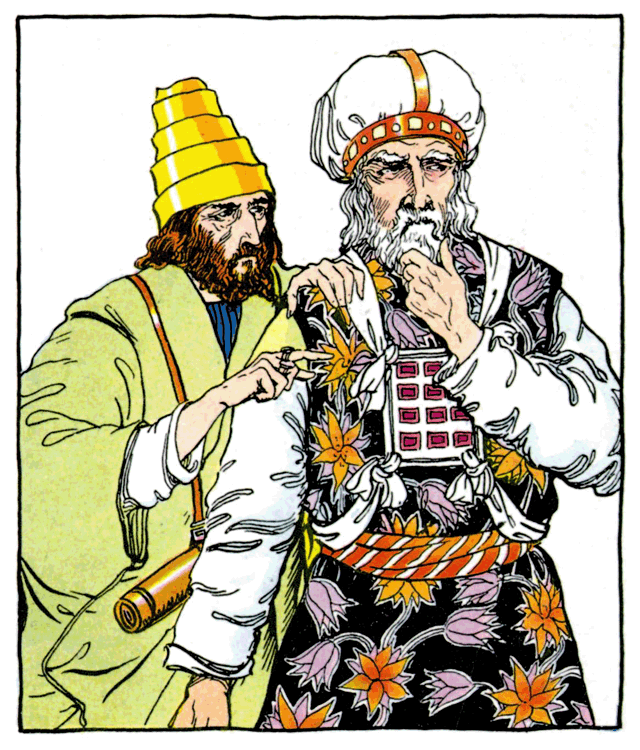
Exodus 39:1, The holy garments for Aaron. The vestments of the high priest (kohen hagadol) are symbolic of the robes of righteousness that saints should be wearing in preparation for the return of the Messiah.

Gold symbolizes purity of heart. Blue symbolizes heaven and spirituality. White linen pictures robes of righteousness. White symbolizes purity and sinlessness. Red represents blood—the blood of Yeshua that cleanses from sin. The high priest wore a belt that represents truth, according to Paul (Eph 6:14). White linen pants represented sexual purity. The white turban represented purity of thought and humility (the opposite of conceit). He wore a gold crown inscribed with the words, “Kadosh l’YHVH” meaning “Set-Apart to YHVH.” The dangling pomegranates represented the fruits of the Spirit of Elohim, which should be manifesting in the life of the saint. The golden bells jingled when the priest walked. As we walk through life, people should hear and see our good spiritual fruits.

All of our actions speak loudly and clearly as to who we are and what we believe. Also, Yeshua said that our words reveal the true condition of our heart (Luke 6:45). How do people really view us? What are we really like when we are alone—our thought life and our words—our secret life? Is there a discrepancy between our secret and public lives? If so why? How set apart and righteous are we … in reality?

If we are called to be a set-apart priesthood then hadn’t we better get busy cleaning up our act and start acting like one?

Jewish tradition tells us that a rope was tied to the leg of the high priest in Second Temple times so that while ministering in the innermost sanctuary of the temple if he was impure and YHVH struck him dead (as happened to Nadab and Abihu, the sons of Aaron, when they offered up strange fire) the corpse could be dragged out by the rope. Doesn’t all this show us that we should take being righteous and set apart seriously? Remember Hebrews 12:14: “Follow peace with all men, and holiness, without which no man will see the Master.”