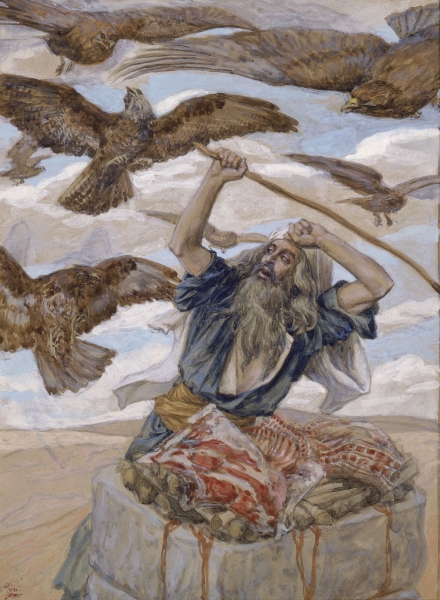
Psalm 50:5, Made/cut a covenant…by sacrifice. This refers to the method by which covenants were made in ancient times between two parties. This same ritual occurred when YHVH made (or cut) a covenant with Abraham in Genesis chapter 15 except that YHVH took all the responsibilities for fulfilling the covenant upon himself, for Abraham was asleep when this covenant was cut (Gen 15:9–10, 12).
What is the lesson in this for us? Simply this: this is the model for salvation. All Abraham had to do was to have faith in YHVH and all the blessings of the Abrahamic Covenant would fall upon him (Gen 15:6). We know from Paul’s discussion in Romans chapter four that the Abrahamic Covenant is the original biblical model for how an individual can receive salvation from Elohim.
We also know that when YHVH made his covenant with Abraham, the vision Abraham had while he was asleep prophetically pointed to Yeshua’s death on the cross and his initiating the new/renewed covenant as prophesied in the Tanakh (e.g. Jer 31:31–33; also see my notes at Gen 15:12–21).
Moreover, Yeshua at his last supper and subsequent crucifixion fulfilled this ancient prophecy as well as the spiritual types and shadows discussed in Psalm 50:7 and Genesis 15:9–21. At his last supper, Yeshua made a new covenant with his disciples through his body (the bread) and blood (the wine), which redeemed believers now commemorate when they take communion.
And as they were eating, Jesus took bread, and blessed it, and brake it, and gave it to the disciples, and said, Take, eat; this is my body. And he took the cup, and gave thanks, and gave it to them, saying, Drink ye all of it; for this is my blood of the new testament, which is shed for many for the remission of sins. (Matt 26:26–28)
And when he had given thanks, he brake it, and said, Take, eat: this is my body, which is broken for you: this do in remembrance of me. (1 Cor 11:24)
Prior to his death on the cross, Yeshua’s predictively explained the significance of his broken body and spilled blood as it relates to covenantal agreement between him and those who would place their faith in him (as Abraham did in Gen 15).
Continue reading