From: https://www.facebook.com/datetree?ct=t(EMAIL_CAMPAIGN_3_18_2018)&mc_cid=4d90412ed6&mc_eid=300f221fd5
|
||||||||||||
|



From: https://www.facebook.com/datetree?ct=t(EMAIL_CAMPAIGN_3_18_2018)&mc_cid=4d90412ed6&mc_eid=300f221fd5
|
||||||||||||
|
John 7:2, The Jews’ Feast of Tabernacles. A casual reading of this verse (and other similar references in the Gospels to the “Jewish festivals”) may lead one to believe that the biblical feasts are of Jewish origination and thus for the Jews only. This is a prevalent notion in the mainstream church. However, understanding the Gospel writer’s comment in the cultural and spiritual context in which it was written will shatter this erroneous concept.
A study of the Bible will first reveal that the biblical feasts were given not only to the Jews, but to all the tribes of Israel by YHVH himself when he gave them the Torah after the children of Israel left Egypt.
Second, in the first century, different religious sects had different calendars so that they observed the biblical feasts at different times. For example, the Samaritans had their own calendar that differed from that of the mainstream Jews. Moreover, the Dead Sea scrolls reveal that the Essenes toyed around with several calendars. Within mainstream Judaism, there was even a difference of opinion (between the Sadducees/Boethusians and Pharisees), for example, as to when to celebrate the Feast of Pentecost.
So when John uses the term, “the Jews’ Feast of Tabernacles” he’s not indicating that the feasts were of Jewish origination and thus belonged exclusively to the Jews, but rather which calendar he’s referring to or on which days certain feasts were to be observed.

The spring biblical feasts are fast approaching. Here are some resources that Sandi Lawrence (my wife and ministry partner) of Hoshana Rabbah Biblical Discipleship Resources has put together for you, so that you can plan to celebrate the biblical feasts of Elohim.
Earlier this week, Sandi and I made the four hour drive over the snowy Cascade Mountains to the high desert of Central Oregon to find a suitable venue for our fellowship and other friends to celebrate Sukkot 2018. We found what we were looking for and made arrangements. Here are a couple of photos from that trip.
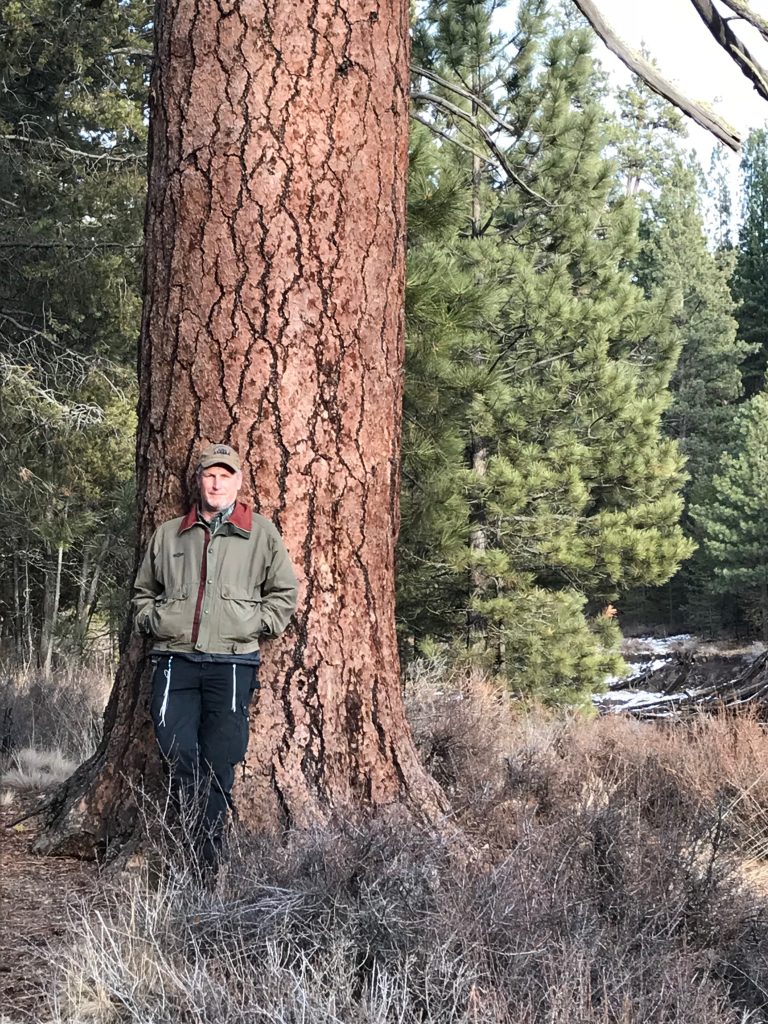
Nathan standing next to a giant ponderosa pine tree along the banks of the Deschutes River.
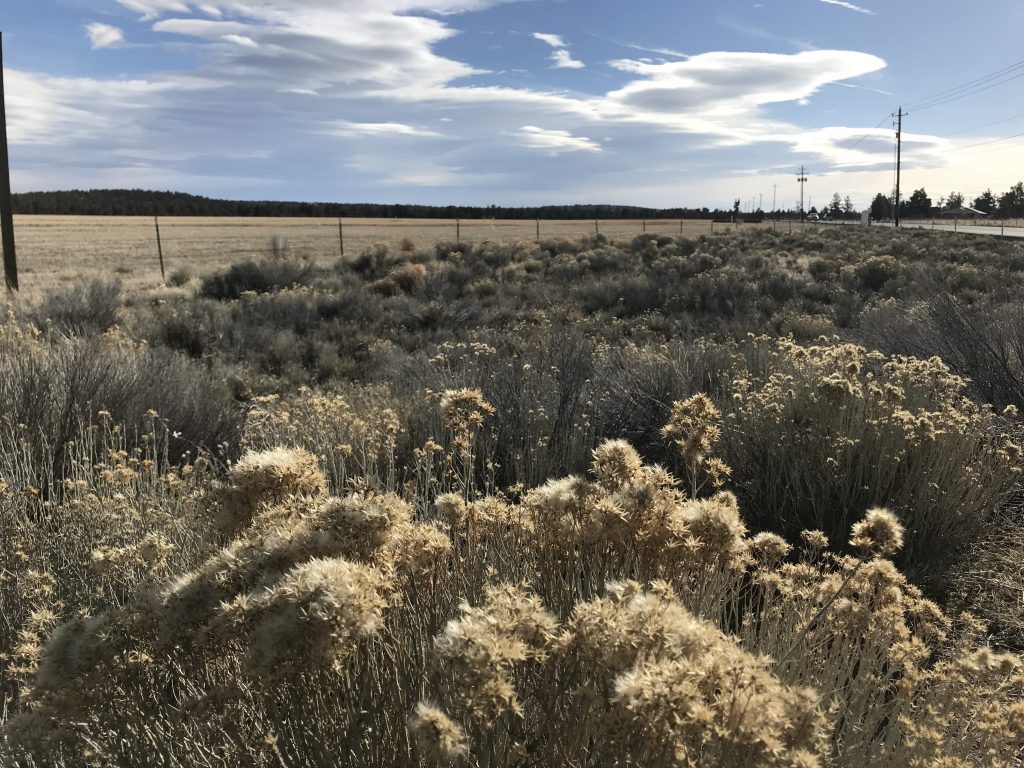
The high desert beauty of Central Oregon.

Exodus 12:2, Month. It is the Hebrew word chodesh (Strong’s H2320/TWOT 613b) meaning “the new moon, month, monthly, the first day of the month, the lunar month.” It is found in the Tanakh (Old Testament) 276 times and is translated in the King James Version as “month” 254 times, “new moon” (20 times), and “monthly” (1 time). We see that from these definitions that the terms “month” and “new moon” are synonymous. It has been understood for millennia that ancient Israelites began their month with the new moon.
Why was it important for the Israelites to know when the new moon occurred and when the month began? The dates of the annual biblical festivals that YHVH gave to Israel and instructed them to observe were determined based on when the new moon occurred (Lev 23:5, 6, 24, 27, 34).
The next question to answer is this: when does the biblical month begin? As we noted above, for modern astronomers the term “new moon” means something different than it did to the ancients, including those who YHVH inspired to write the Bible. Ancient calendars were determined by the moon, while modern ones are not. Some biblical expositors teach that the new moon begins when the moon is in conjunction or in line with the earth and the sun and is in its dark phase. Others believe that the month begins just after the moon has moved out of its dark phase and begins to show a sliver of light, which is called the visible or crescent new moon. Who is right?
Some Bible teachers claim that there is no place in the Scriptures that specifically states that the new moon begins at the first visible sliver after being dark for several days. Therefore, they reason, it is an assumption to say that it does (even though, as we will see below, this was the understanding of the ancient Israelites), and therefore, the new moon Continue reading