Passover (Heb. Pesach) is just around the corner and it is time to start preparing physically and spiritually. Pesach is the first step in YHVH Elohim’s plan of salvation or redemption to reconcile sinful man back to him. It is the first of seven steps in YHVH’s step-by-step plan of salvation as symbolized by the seven biblical feasts. Did you ever wonder how this amazing step-by-step process really works starting with preparing for Pesach? Let’s now find out.
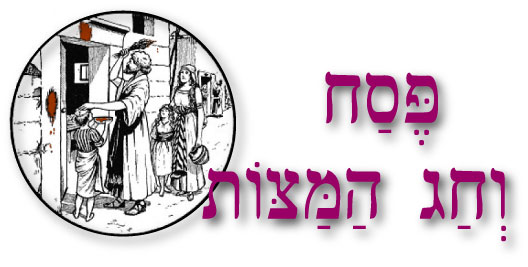
There is never a better time to begin repenting of sin and getting under the blood of the Lamb of Elohim than just before Passover. As the children of Israel applied the lamb’s blood to the door posts and lintels of their house, in a similar fashion but on a spiritual level, Scripture instructs the saints to apply the sin-cleansing and Satan-defeating blood of Yeshua afresh to their lives (i.e., to our thoughts as represented by the door lintel and to our hands or actions as represented by the door posts). Cleansing from sin occurs as we repent of our sins, and pray for and receive YHVH’s forgiveness. Our loving and forgiving Father in heaven will then cover over us, then wash away our sins by Yeshua’s blood (1 John 1:9; Rev 1:5).
In Egypt at the first Passover, YHVH judged all those who failed to put the lamb’s blood on the door posts of their houses. In other words, they weren’t under the blood of the lamb, but were still under the death penalty for the sins they had committed, since the wages sin is death (Ezek 18:4; Rom 6:23). Any unrepented of sin in our lives brings the curse of death on us. To the degree that we have sin in our lives is the degree to which the law of sin and death has a legal claim on us (Rom 8:3). (For the record, “the law sin and death” mentioned in Rom 8:3 IS NOT referring to YHVH’s Torah-law, which are his standards of righteousness that if a person does they will bring life, not death. No! Rather, the law of sin and death is referring to the serpent’s sting of death or the venom that he injected into the human race at the tree of knowledge in the Garden of Eden that brings separation from YHVH resulting in death due to disobedience to the Creator’s laws or commandments.) So now, before Passover, is the time to put sin out of our spiritual houses by repenting of sin by confessing it and seeking Elohim’s forgiveness under the blood of Yeshua, and then forsaking that sin through YHVH’s grace or the divine empowerment of his Spirit in us (1 John 1:9 cp. John 16:8; Jer 31:31, 33; Ezek 11:19; 36:22–27; Heb 8:10–12).
Let us now view through a spiritual magnifying glass of the Word of Elohim, let’s now view miraculous process of how to overcome sin. How do we go from being a lost sinner—the walking damned or the living dead (a spiritual zombie)—to becoming the glorified and immortalized children of Elohim? Passover is the first step in this glorious path that leads upward to our Father in heaven!
It works like this: When we confess and repent of our sins (i.e., the violations of YHVH’s Torah-commands; 1 John 3:4), Yeshua will pass over or forgive us of our past sins (Rom 3:25; Ps 103:8–12). From this point forward, it is up to us to embrace a new mindset and a new spiritual identity and reality; that is, we must reckon our old sinful man as having been crucified with Yeshua, in that we are now dead to sin, no longer slaves to sin; we have been freed from the power of sin, and made alive in our inner being to Elohim in Yeshua our Lord (Rom 6:7–11). Yeshua is the one who victoriously defeated the power or sting of sin, which is death, hell and the grave at the cross and through his resurrection (1 Cor 15:56–57; Col 2:13–15). Through our faith in him and our legal identification with his death, burial and resurrection through the symbolic ritual of baptism for the remission of sins, his victory is legally applied to us by the courts of heaven, which is how he has made us more than conquerors over sin and death (Rom 8:37; 6:1–14), such that the power of sin and death will no longer have dominion over us (Rom 6:12–14). YHVH now gives us strength through his enabling and empowering grace and the miraculous work of his Spirit in us and by the washing of the water of his word to resist and overcome the power of sin, that is, to not allow sin (that is, the violation of his Torah-commands) to control us any longer (Rom 6:12). He promises to give us a new, circumcised heart as he writes his laws or commandments on our hearts, so that we will be supernaturally inclined to love him by keeping his commandments (Jer 31:33; 24:7; Heb 8:10; 10:16; Ezek 36:25–27; Isa 51:7; Ps 40:8; 37:31; Deut 30:6; John 14:12 cp. Rom 7:22). What is that supernatural power that works in us to help keep us from sinning? It the Spirit of Elohim or the Comforter that Yeshua promised would come along side of us to aid us in the process of overcoming sin (John 14:16–18, 25–26; 15:26–27; 16:7–14).
To summarize, this whole supernatural and miraculous process of being victorious over sin is activated when we first acknowledge our sin, confess our sin, repent of our sin and then place our faith in Yeshua’s death, burial and resurrection. This occurs when we appropriate or reckon, by faith, our old sinful man to have been crucified with Yeshua, and then been resurrected in the newness of spiritual life with him. We now embrace the new identity that he has given us—a spiritual reality that he has imparted to us and has been legally recorded in heaven (Col 2:14)—that we are a new creation and are victorious over sin (Gal 2:20; 2 Cor 5:17), and have become Spirit-begotten children of Elohim. This whole process is summarized from beginning to end in Paul’s Epistle to the Romans chapters six through eight. The end result, if we continue in a right spiritual relationship with Yeshua the Messiah for the rest of our lives, is that our names will be recorded in Elohim’s Book of Life, and our physical bodies will be glorified—we will be given immortality—at the resurrection of the righteous dead, which occurs at the second coming of Yeshua.
This whole glorious salvation process and chain of events that transforms sinful humans from the walking dead into glorified and immortal children of Elohim begins at Passover which symbolizes the first step a person takes when he comes to faith in Yeshua the Messiah and begins to live as a saint, a set-apart or holy child of Elohim. This is the upward path of the righteous redeemed of Yeshua the Messiah.
Here are some things of which to repent:
Pride. Do you always think that you’re right? Your opinion is what matters the most? Do you have a hard time with those who do not see something your way, or when you do not get your way? Do you have an emotional reaction when people disagree with you? Do you criticize others and put others down (especially those who are closest to you), when they do not agree with you, or do not act the way that you think they should act? Do you belittle, mock, scorn and ridicule others? Do you focus on other people’s faults? Do you have a hard time identifying any sins that you have committed? Are you proud of your humility? Are you proud of how Torah-observant you are (compared to others)? Are you overly defensive when someone corrects you or challenges you in anything you say, do or think? Do you blame or accuse others when things do not go right (according to you) instead of taking personal responsibility for your carnal reactions? Are you proud of (instead of grateful to YHVH for) your achievements in life? Do you constantly have to be talking about yourself? Is much of what you do, say and think focused on yourself? These are all signs of pride. Pride is self-idolization. Elohim hates pride and calls it an abomination (Prov 6:16–17).
Ungratefulness and selfishness. Are you ungrateful? Do you have a hard time being thankful? Are you a complainer and grumbler? Are you unhappy or discontent about your place in life, where you live, and what you have? Do you always want more? Are your material possessions and personal belongings really important to you? Do you have a hard time sharing your time, talent or treasure with others, or giving things away? This is a form of self-idolatry, pride and idolization of things.
The love of this world. This sin involves our loving the things of the world more than the things of YHVH. Do we tend to bend or conform to the opinions of others, the trends, styles, customs, fads, fashions and mores of society rather than conforming our words, thoughts and actions to the Word, will, heart, mind and commandments of Elohim? Anything in our lives that we put ahead of YHVH and his Word is a form of idolatry. In this case, we are more concerned with what others think than what Elohim thinks about what we do. Our thoughts and actions are geared at trying to please ourself and gain the acceptance of others instead of pleasing Elohim (Jas 4:4; 1 John 2:15). Again, this is a form of idolatry.
Sins of the mouth. This sin include mean, selfish, unkind, angry, impatient, accusative, scornful, mocking, murmuring, egotistical, slanderous words and gossip. This is idolization of self. What matters most is what you have to say, how you feel, your opinions and you have the right to say what you want and when you want. This is also pride and egotism.
The lack of the fear of Elohim. Are you more concerned with what others think than what YHVH Elohim thinks about something? Do you do what you want to do when you want to do it? You view the commandments of Elohim to be more like suggestions than imperative commands? Do you pick and choose which commandments from Elohim you will follow and which ones you will disregard? If his commandments do not fit your lifestyle or you consider them to be inconvenient to follow, then you are lacking the fear of Elohim. To the degree that you disregard YHVH’s wise counsel in his Word is the degree that you fit the biblical definition of a fool. Again, anything in our lives that we put ahead of Elohim is idolatry and this makes us an idol worshipper. The Bible teaches us that the loving fear of Elohim is the beginning of wisdom and knowledge, and that it will help to keep us in his in paths of righteousness.
Ask yourself this: In everything that I do and say, am I advancing the kingdom of Elohim and bringing glory to Yeshua or am I doing the opposite? Am I being a river of life to all those around me, or am I dragging them downward by being a purveyor of negativity and darkness? Are my words, thoughts and deeds leading people to the light of YHVH Elohim and to Yeshua or away from them? If not, then we need to examine our lives, identify the areas of sin therein, repent of it, forsake it and begin to live a righteous, Elohim-centered, Torah-obedient life.
Passover is also the time to…
- Tell the redemption story. It is the responsibility of parents and elders to pass on to the next generation the Passover story (Exod 12:24–27). Explain how the Israelites were enslaved in Egypt (a metaphor for the world), to Pharaoh (a metaphor for Satan), and how YHVH delivered the Israelites from the judgment of the destroyer (YHVH’s judgment against sin) because they put the blood of the lamb on their doorposts (a picture of Yeshua’s sin-atoning death on the cross). In reality, this is the basic gospel message. This is what the Passover seder is all about and why we celebrate it.
- Begin studying and celebrating the YHVH’s biblical feasts. Prepare your heart and mind to obey YHVH by keeping his appointed times starting with Passover and the Feast of Unleavened Bread. Are you willing to obey his commands pertaining to these observances? How much do you love him (John 14:15)? How much do you want to know him (1 John 2:6–7)? Celebrating YHVH’s feasts help us to love him and to know him better.
- Examine yourself. At this time of the year, we must each examine ourselves to insure that we will not be partaking of the cup of redemption (i.e. the communion cup) unworthily (1 Cor 11:28).
- Rediscover the cross. It is time to rediscover the cross of Yeshua again and your place at its foot. It is also time to rediscover the power of the resurrected Yeshua in one’s life. Marvel at the miracle of the resurrection and consider the fact that you have access to Yeshua’s resurrected life through faith in him and through the work of his Set-Apart Spirit as you obey the Word of Elohim.
- Awaken from spiritual slumber and to and for new beginnings. Passover occurs in the spring at the beginning of the biblical year. Spring is a time of new beginnings physically and spiritually. It is the time of year for each of us to take stock of our life, assess any weaknesses and deficiencies you have, and then resolve to make the necessary changes. It is the time to make improvements through the power of YHVH’s grace, his Word, his Spirit all through a vibrant, daily relationship with Yeshua our Master and Savior.
- Clean your spiritual house. It is the time to deleaven our lives of sin. Passover is time of spring cleaning and deleavening our physical houses (Exod 12:15–20), and removing the leaven of sin from our spiritual houses as well (Pss 26:2; 139:1, 23–24). We must root out and eradicate the old sin habits from the crevices and dark areas of our life. In Scripture, leavening represents sin, pride, hypocrisy and false doctrine. Do the sinful practices, evil habits and illicit delicacies of Egypt still hold sway on you? Do any unclean spirits or filthy habits still have control over you? It is time to take control of these sins and to eliminate them and become wholly consecrated unto YHVH-Yeshua, his Word, his plans and purposes. It is time to seek first his kingdom and his righteousness (Matt 6:33). One cannot serve two masters at the same time (i.e. the world, the flesh and the devil and YHVH Elohim) and expect to be pleasing to YHVH (Matt 6:24). Passover is an excellent time to forsake all these things that drag us down spiritually and pull us away from our Father in heaven. It is time to move onward and upward spiritually!
- Renew our first love for Yeshua. Take this time to rediscover the glorious beauty of Yeshua our Heavenly Bridegroom (Rev 2:4–5). Now is the time to rekindle our first love passion and zeal for Yeshua and to repent of spiritual lukewarmness (Rev 3:15–21).