
Psalm 36 on Divine Revelation and How to Receive It

Psalm 36:1, An oracle [Heb. nah-oom] within my heart. Nahoom is from the verb meaning “to say or to whisper or, by implication, to utter an oracle.” The Spirit of YHVH will speak to a person from within their inner or personal spirit and give them divine revelation (see also Ps 13:2–3). This calls to mind Psalm 46:10, “Be still and know that I am Elohim,” or the still small voice of YHVH that Elijah heard in the entrance of the cave (1 Kgs 19:12; cp. Ps 4:4; Isa 8:6).

Psalm 36:7, Shadow of your wings. This is an example of poetic imagery or a simile in the Bible. Obviously, YHVH Elohim is not a winged, bird-like creature. The Scriptures contain many such examples where metaphors and similes are employed as poetic devices to describe supernatural aspects or characteristics of Deity where human language lacks the precise verbiage to do so. Often, Bible students come up with novel and even silly interpretations of Scripture when they take biblical poetic imagery and attach a literal meaning to it. When one does this, they can almost make the Bible say anything they want.

Psalm 36:8–9, River…fountain of life…in Your light. When we are in Elohim’s river of life, it is a fountain of life to us, and when we are bathed in the light of YHHV’s divinely revealed Truth, we will see light or Truth (cp. Pss 18:28; 44:3).

Psalm 36:9, In Your light [Heb. aur] we see light [Heb. aur]. In the Bible, the Hebrew aur  or ‘or is spelled two ways: in its complete or longer form as אור or, and in its defective or shortened form as אר. The Jewish sages recognize a deep spiritual truth in this anomaly in the Hebrew text of Scripture. The longer form of the word aur signifies the spiritual light or divine revelation and Truth that emanates only from YHVH Elohim and is given to those he chooses and who have a heart and mind to receive it. The word in its shortened form signifies light, truth or knowledge at a lower level and includes human knowledge minus divine revelation. In a most terse and cryptic manner, this verse speaks volumes! Let this revelation sink in.

But this chapter has even more to offer us in this regard. Let’s move onward and upward as we uncover this vein of gold in the solid rock of YHVH’s word. This whole psalm is about the pure and undiminished light of divine revelation that heaven gives only to a select few. For example, verse one opens with the words, “an oracle within my heart….” This is referring to a declaration or utterance that comes out of the innermost part of a godly person—that is, one’s personal spirit that is connected to the Holy Spirit of Elohim. That is to say, the saints are connected to their Creator in a most unique and special way in that they have a direct  communication pipeline to heaven! This is because they trust in YHVH, and they dwell under the shadow of his (spiritual) wings (v. 7). As a result, they are the recipients of his excellent lovingkindness (v. 7) and “[t]hey shall be abundantly satisfied with the fatness of thy house; and thou shalt make them drink of the river of thy pleasures. For with thee is the fountain of life: in thy light shall we see light” (vv. 8–9). Now if this does not brighten your day, bless you and encourage you to draw closer to YHVH Elohim and to abide continually in Yeshua the Messiah (read John 15:1–17), then what will?

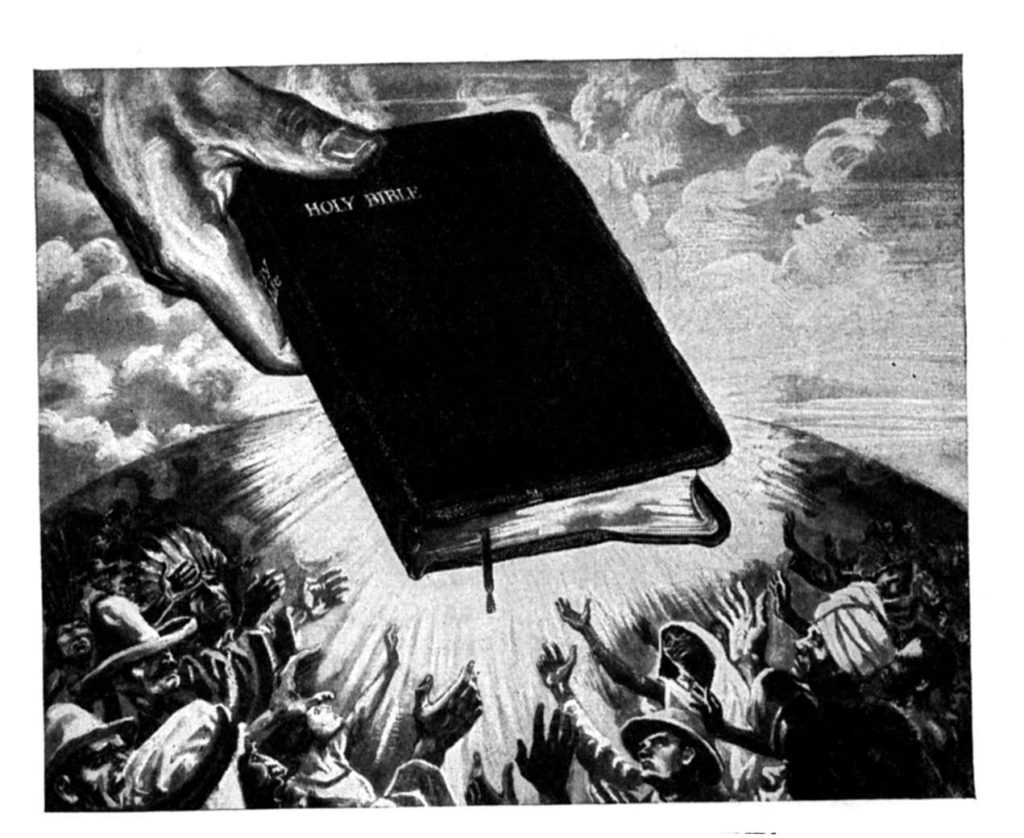
 

The Dynamics of Divine Revelation

Exodus 21–23, Basic principles of morality and righteousness. After having given the ten statements (or “ten commandments”), which forms the basic cornerstone of the whole Torah and out of which all the other Torah commands branch, Elohim now expands on these ten basic principles in chapters 21 to 23. This passage contains the basics of how to love YHVH Elohim and one’s neighbor as oneself (the golden rule). Exodus chapters 20 to 23 contain the basic laws and principles for a society to function smoothly at a high level spiritually. They form the foundation of societal governance, which the new nation of Israel needed in order to survive spiritually (in right relationship with Elohim) and to survive physically and morally as a holy or set-apart nation surrounded by heathen nations.

It is also interesting to note that YHVH didn’t give Israel all 613 Torah laws at once, but introduced them to Israel little-by-little on an as-need basis and so as not to overwhelm them all at once. It was like a parent teaching a child one step at a time on how to act like an adult. YHVH started with the ten statements of Exodus 20, then expanded these ten into the basic laws of chapters 21 through 23, and he then goes from there instructing the Israelites in ways of righteous living. This teaches us another truth about how YHVH operates with men: He reveals himself to those who seek him slowly, methodically over time. He and his ways are too transcendently great and expansive for the mind of man to encompass all at once.

For my thoughts are not your thoughts, neither are your ways my ways, saith YHVH. For as the heavens are higher than the earth, so are my ways higher than your ways, and my thoughts than your thoughts. (Isa 58:8–9)

This measured method of divine revelation is exactly how the apostles chose to reveal YHVH’s truth to the new Gentile converts in Acts 15—little by little. First they heard the gospel message and came to Messiah, then they were given basic rules to follow in order to enter into the fellowship of the saints, then they would learn the laws of Moses over time each Shabbat.

Learning the divinely revealed truths of Elohim and his ways of righteousness as found in the Bible is a step-by-step process that will last a lifetime.


The Basics of Progressive Divine Revelation

Learning the divinely revealed truths of Elohim and his ways of righteousness as found in the Bible is a step-by-step process that will last a lifetime.

Exodus 21–23, Basic principles of morality and righteousness. After having given the ten statements (or “ten commandments”), which forms the basic cornerstone of the whole Torah and out of which all the other Torah commands branch, Elohim now expands on these ten basic principles in chapters 21 to 23.

This passage contains the basics of how to love YHVH Elohim and one’s neighbor as oneself (the golden rule). Exodus chapters 20 to 23 contain the basic laws and principles for a society to function smoothly at a high level spiritually. They form the foundation of societal governance, which the new nation of Israel needed in order to survive spiritually (in right relationship with Elohim) and to survive physically and morally as a holy or set-apart nation surrounded by heathen nations.

It is also interesting to note that YHVH didn’t give Israel all 613 Torah laws at once, but introduced them to Israel little-by-little on an as-need basis and so as not to overwhelm them all at once. It was like a parent teaching a child one step at a time on how to act like an adult. YHVH started with the ten statements of Exodus 20, then expanded these ten into the basic laws of chapters 21 through 23, and he then goes from there instructing the Israelites in ways of righteous living. This teaches us another truth about how YHVH operates with men: He reveals himself to those who seek him slowly, methodically over time. He and his ways are too transcendently great and expansive for the mind of man to encompass all at once.

For my thoughts are not your thoughts, neither are your ways my ways, saith YHVH. For as the heavens are higher than the earth, so are my ways higher than your ways, and my thoughts than your thoughts. (Isa 58:8–9)

This measured method of divine revelation is exactly how the apostles chose to reveal YHVH’s truth to the new Gentile converts in Acts 15—little by little. First they heard the gospel message and came to Messiah, then they were given basic rules to follow in order to enter into the fellowship of the saints, then they would learn the laws of Moses over time each Shabbat.

Learning the divinely revealed truths of Elohim and his ways of righteousness as found in the Bible is a step-by-step process that will last a lifetime.


Can you trust your feelings? If not then what can you trust?

Should we make major life decisions based on our feelings? La decisin correcta Should we make moral choices that determine what is right and wrong based on our feelings? To what degree can we trust our feelings? If we can’t trust our feelings, then what can we trust?

In our modern culture, it is becoming more common for people to act or speak based largely if not totally on their feelings. For many, feelings have become their “moral compass” determining what is right and wrong and thus their actions. Is this a reliable standard to follow? If everyone is following their feelings, does this promote and insure peace and stability in a society over the long haul?

What are feelings? The dictionary defines feelings as “an emotional state or reaction; the emotional side of someone’s character; emotional responses or tendencies to respond; a belief, especially a vague or irrational one.” In short, Continue reading