Is YOUR belly your god, or is Elohim your God?

Leviticus 11:1–47, Let’s briefly discuss the subject of clean and unclean meats. The focal point of biblical dietary laws are holiness and separation. There are other issues here that need to be explored as well. How serious are you about obedience to YHVH’s commands, or is your belly your god? (See Phil 3:19; Rom 16:18.) Do your taste buds or the Word of YHVH rule your life? Remember, Torah covers all aspects of life: physical, spiritual, emotional, relational, civil, agricultural, political, jurisprudence, religious, and economic. ­Torah is a very holistic handbook on life. Are you one who takes the (humanistic) pick-and-choose approach to Torah-obedience? “I’ll obey only the biblical laws that suit me.” Such an approach is akin to what the serpent told Adam and Eve when he said, “You can have it your way … YHVH didn’t really mean what he said when it comes to obedience.”

Really now!

Really now!

The biblical kosher laws involve many areas such as health issues, holiness (not defiling the body, the temple of YHVH’s Set-Apart Spirit), and separation issues— how we’re to act, live, eat, worship, think, dress and talk differently than the heathens around us. The word kosher derives from the Hebrew word kasher/RAF (Strong’s H3787) meaning “to be straight, right, acceptable” (see Est 8:5; Eccl 11:6; 10:10). YHVH has called his people out of this world and sanctified (set-apart) them to be “straight, right and acceptable” to him. Therefore, YHVH hasn’t give us the liberty to act, speak, dress, eat and live the way the heathens do. He has called us to a higher standard. We can’t expect to be called the children of the Most High, and still live like the children of the world. We must choose whom we are going to serve (see Josh 24:15): YHVH or mammon and this world (Matt 6:24).

Leviticus 11:4, 47, Unclean. The word unclean is the Hebrew word tameh meaning “defiled, impure, polluted ethically, ritually or religiously” and the word clean is the Hebrew word tahor meaning “pure physically, ceremonially, morally, ethically.” In verse 43, YHVH says that in eating unclean meats one becomes abominable (or detestable, filthy). In Ezekiel 22:26, YHVH rebukes his people because, “Her priests have violated my Torah-law, and have profaned my set-apart (Heb. kadosh) things: they have put no difference between the set-apart and profane, polluted or common, neither have they shown difference between the unclean and the clean, and have hid their eyes from my sabbaths, and I am profaned among them.” In Leviticus 11:45, the Torah states, “For I am YHVH that brought you up out of the land of Egypt, to be your Elohim. You shall therefore be set apart, for I am set apart/holy.”

In 2 Corinthians 6:16–17, we read:

And what agreement does the temple of Elohim have with idols? For you are the temple of the living Elohim; as Elohim has said, “I will dwell in them, and walk in them; and I will be their Elohim, and they shall be my people. Wherefore come out from among them, and be you separate,” says the Master, “and touch not the unclean thing; and I will receive you.” (emphasis added)

The issue of clean or pure and unclean, polluted or abominable meats is not simply a dietary or health consideration, but a spiritual issue with YHVH. Both Moses (Lev 19:2) and the apostolic writers had a clear sense of the fact that without holiness no one will see YHVH (Heb 12:14), and that holiness or being kadosh or set-apart from the ways, lifestyles, ideologies of this world (i.e., from spiritual Egypt) is an absolute requirement of YHVH for his people. Is it possible to spiritualize away the concept of set-apartness and still be true to the Word of Elohim? Can one be spiritually sanctified (set-apart) through the atoning work of Yeshua at the cross, but then have a polluted lifestyle? Can one profess a righteous lifestyle and be set-apart without walking out that lifestyle? Can one follow the spirit of the law and violate the letter and still be acceptable to YHVH? What did James say about faith without works (Jas 2:20)? What did Yeshua teach at the Sermon on the Mount (Matt 5–7) about uniting the letter and the spirit of the law and practicing both? (Specifically read Matt 5:21–48 for the answer.)

Leviticus 11:10, 20, 23, 41, 42, Abomination. Heb. sheqets (Strong’s H8263) meaning “a detestable thing or idol.” It can also mean “to make abominable” or “contaminate.” This word is also used in connection with idolatrous practices, either referring to the idols themselves as being abhorrent and detestable in Elohim’s sight, or to something associated with the idolatrous ritual (TWOT, pp. 954–955; e.g. Jer 16:18; Ezek 5:11; 7:20; 2 Chron 15:8). Not only are the idols an abomination, but those who worship them become detestable as well (Hos 9:10). In fact, the word abomination in “abomination of desolation” as mentioned in Daniel 9:27 and 12:11 is the same Hebrew word. It is generally viewed that this prophecy was fulfilled when Antiochus Ephiphanes (a prophetic foreshadow of the Antichrist) set up an idol of Zeus in the Jerusalem temple (Ibid.). It should be clear that when YHVH uses sheqets (or its cognates) in relationship to certain practices (e.g., eating unclean meats or idol worship) that he is attempting to impress upon his people the extreme gravity of the sins they are committing against him.


 

What is sin and how to overcome it

Dealing With the “Leavening” in Our Lives

Throughout Scripture, leavening is a spiritual metaphor for sin, pride, hypocrisy, malice, bitterness and false religious doctrine (Pss 71:4; 73:21; Hos 7:4; Matt 16:6; Mark 8:15; Luke 12:1; 1 Cor 5:8–6; Gal 5:9). Even as a small amount of leavening agents in bread (e.g., yeast and various chemical agents) will quickly permeate bread dough causing it to rise, so a little sin can rapidly infect our lives (or like a quick spread cancer disease) and take us away from Elohim’s path of righteous-living.

Victory 21030574

The Scripture teaches us to be overcomers (Rom 12:21; 1 John 2:13–14; 5:4) eradicating the leavening of sin from our lives. We must overcome the world, the flesh and the devil (Jas 3:15). Yeshua admonished each of the seven Messianic assemblies to be overcomers (Rev 2:7,11,17,26; 3:5,12,21; see also Matt 24:13). For those who overcome, there will be great rewards—a spiritual inheritance; they will be sons of Elohim (Rev 21:7).

The Greek word for overcome is nikao (Strong’s G3528) meaning “to conquer, to get the victory, prevail” and is where the word nike comes from.

What Is Sin?

  • Sin is the anything that violates the Torah-instructions/laws of Elohim (1 John 3:4).
  • Sin is unrighteousness (1 John 5:17; YHVH’s Torah commands define what righteousness is, Ps 119:172).
  • Sin is not believing in Yeshua, who is the Torah-Word of Elohim incarnate (John 3:18; 16:9).
  • Sin is failing to do (or not to do) that we which we should be do (or not do) — i.e., sin of ommission (Jas4:17).
  • Sin is putting me-first (my desires, impulses), not YHVH first (his will) in our lives. It is humanism. It is following the lie of the devil: man can have it his way regardless of what YHVH’s Word says, and not suffer any consequences for it. This is the big lie from the serpent in the Garden.
  • Sin is a direct challenge to YHVH’s authority in our lives. It is arrogance and self exaltation against YHVH’s will. It involves lack of belief in his Word. It is putting my will above his Word.

Defining the Types of Sin Spoken of in Isaiah 53

Asham (Strong’s H817/TWOT 180b): means “guilt, offense, guiltiness, sin, trespass, Continue reading →


Blog Scripture Readings for 4-12 Through 4-18-15

Aside

THIS WEEK’S SCRIPTURE READINGS FOR STUDY AND DISCUSSION:

Parashat Shemini — Leviticus 9:1 – 11:47 
Haftarah — 2 Samuel 6:1 – 7:17 | 1 Samuel 20:18 – 20:42**
Prophets — Isaiah 44:1 – 50:11
Writings — Job 12:1 – 18:21
Testimony — Acts 10:24 – 15:21

Most of this week’s blog discussion points will be on these passages. If you have general comments or questions on the weekly Scripture readings not addressed in a blog post, here’s a place for you to post those. Just use the “leave a reply” link below.

The full “Read Through The Scriptures In A Year” schedule, broken down by each day, can be found on the right sidebar under “Helpful Links.” There are 4 sections of scripture to read each day. One each from the Torah, the Prophets, the Writings, and from the Testimony of Yeshua. Each week, the Torah and haftarah readings will follow the traditional one-year reading cycle.

** A different Haftarah is read when it is a special sabbath in Jewish tradition. This week is Shabbat Machar Chodesh.

Weekly Blog Scripture Readings for 4/12 through 4/18/15.


Purge out the old leaven, become a new lump of dough

Therefore purge out the old leaven, that you may be a new lump, since you truly are unleavened. For indeed Christ, our Passover, was sacrificed for us. Therefore let us keep the feast, not with old leaven, nor with the leaven of malice and wickedness, but with the unleavened bread of sincerity and truth. (1 Cor 5:7–8)

1 Corinthians 5:8, Leaven of malice and wickedness. Interestingly in the Torah, there are two Hebrew words used for leaven, which is a biblical metaphor for sin. The first word, chametz refers to the sin of malice (or ill-will, malignity, desire to injure, or bitterness), while seor, the second word, refers to wickedness or sin in general, which the Scriptures refers to as the violation of YHVH’s Torah commands (1 John 3:4). It is likely that Paul had this concept in mind when he wrote this verse.

chametz/ץמח, is a noun (Strong’s H2557) meaning “leaven, that which is leavened, bitter.” Chametz is from the root H2556 chametz/ץמח (a verb) meaning “to be sour, to leaven.” According to The Theological Dictionary of the Old Testament, the root word chametz designates the action and result of yeast, which ferments or sours bread dough. This idea of becoming sour is extended to a person’s negative attitude. For example, in Psalms 71:4 chametz is translated as cruel [and in Ps 73:21 as grieved]. The Torah strongly instructs that anyone eating chametz during Passover and the Feast of Unleavened Bread will be “cut off” from Israel (Exod 12:19–20). Exodus 12:39 notes that the daily bread the Israelites baked on the day they left Egypt was not leavened because they left Egypt in such haste that there wasn’t enough time for their bread dough to rise. Thus it had the symbolic value of teaching Israel that having been redeemed from Egypt they should leave their old life [and sinful, “sour” carnal nature] behind quickly and set out toward the Promised Land in a sin-free state. Leavened bread was also prohibited in connection with the sacrificial system (Exod 23:18; 34:25). Neither it nor honey could be burned with the meal (Lev 2:11), and it could not be baked with the fire offering (Lev 6:15). But leavened bread could be eaten with the thank offering (Lev 7:13) and with the first fruits offering on Shavuot or Pentecost. In later Jewish thought, leavened bread become a symbol of corruption and impurity, as also in Yeshua’s teachings (Pss 71:4; 73:21; Hos 7:4; Matt 16:2; Mark 8:15) and in one remark by Paul (1 Cor 5:8; TWOT, vol. 1, page 289).

se’or/ראשׂ (Strong’s H7603) means “leaven.” This is the generic term for leavening or leavened bread and is found five times in Scripture (Exod 12:15, 19; 13:7; Lev 2:11; Deut 16:4). In the first four references, se’or is used in parallel construction with chametz. In all places but Leviticus 2:11, it is used in reference to the Feast of Unleavened Bread, while in the former se’or is used in reference to the meal offering.

Paul juxtaposes malice, wickedness and leavening with sincerity, truth and unleavened bread. The former is sinful and unacceptable to Elohim and must be gotten rid of, while the latter is righteous and accepted of Elohim and must be cultivated in the saint’s life. The latter is copacetic to Elohim’s character, and the former is not. If the believer’s life is analogous to a lump of bread dough, then the malice and wickedness, like yeast, infects, sours and brings rottenness and causes the dough to be puffed up. This is Continue reading →


Chag Sameach!

Happy Last Day of the Feast of Unleavened Bread!

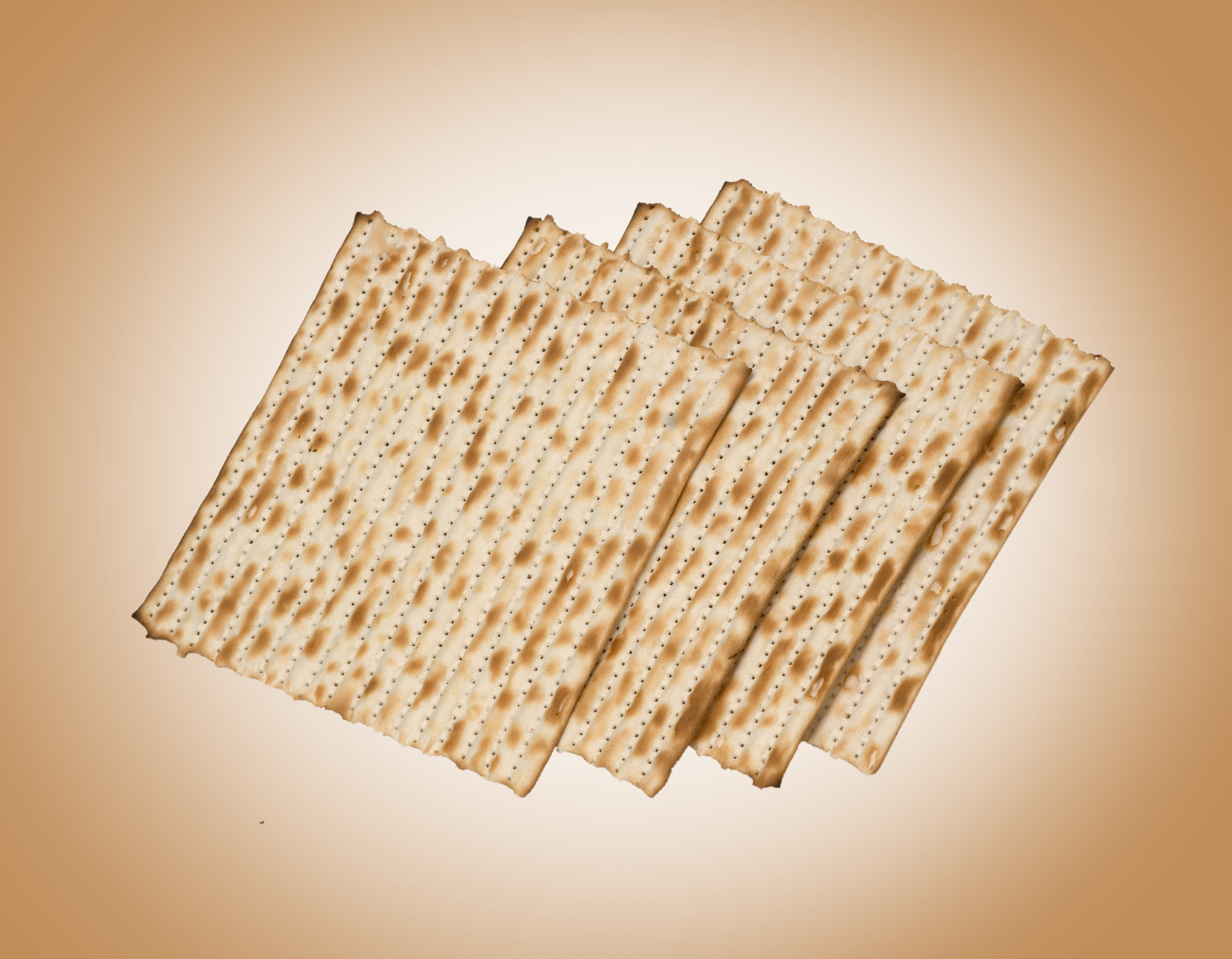
Close up of matza


The Feast of Unleavened Bread, the Wavesheaf Offering and the Resurrection of Yeshua

Chag HaMatzot (The Feast of Unleavened Bread): An Overview

Chag HaMatzot or the Feast of Unleavened Bread is the second annual festival on YHVH’s biblical calendar, and occurs on the fifteenth day of the month of the Abib, which is the day immediately following Passover (or Pesach, Lev 23:5–8). Because both of these feasts (Exod 34:25; Lev 23:2, 6) occur back-to-back, the Jews often refer to Passover and Unleavened Bread simply as Passover Week or some similar term that places the main emphasis on the Passover. But it must be noted that, though related, these two festivals are separate in meaning and purpose. Passover pictures Israel coming out of Egypt. Upon separating from Egypt, YHVH (the LORD) then commanded the Israelites to put all leavened food products out of their houses and to eat unleavened bread (flat bread) for seven days, hence the origins of the Feast of Unleavened Bread. Additionally, the first and seventh days of this week-long event are Sabbaths, and YHVH commanded his people to hold a set-apart convocation (or gathering) on these Sabbaths.

What, you may ask, is the purpose of putting leavening out of one’s home and eating unleavened bread products such as matzoh for one week? This seems like a curious request by YHVH of his people. Not surprisingly, the Creator of the universe has a reason for everything. The spiritual implications are enlightening and highly relevant to the disciples of Yeshua. In commanding his people to de-leaven their homes and lives, YHVH is teaching us an object lesson that applies to us as much today as to the Israelites of long ago.

Eating unleavened bread for seven days is a memorial, remembrance or reminder (Exod 13:6–9) of our coming out of our own spiritual Egypt. But how did unleavened bread enter into this picture? The Torah tells us that the Israelites left Egypt early in Continue reading →


Video: Feast of Unleavened Bread — More Biblical Insights

As we spend a lifetime studying the Bible, the Word of Elohim, we never stop learning. In this video, Natan Lawrence shares some fresh insights to help you to more fully appreciate the Feast of Unleavened Bread and to apply its timeless principles into your spiritual walk of being victorious in overcoming sin.