The Glorious Garments of the High Priest Point to Yeshua

Genesis 28–29

The Garments of the High Priest

(Some of this information is derived from Martyn Barrow’s tabernacle web site and from the ArtScroll Stone Edition Chumash along with several other sources as noted in the text.)
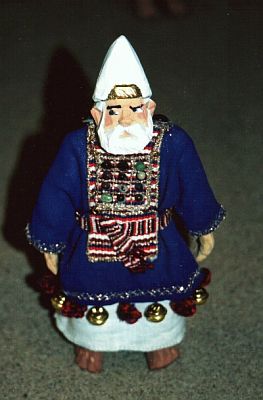
High Priest

The high priest was required to wear eight vestments while performing his duties in the tabernacle or else his service was invalid. The garments that the high priest wore along with those of the regular priests set them apart from the rest of Israel thereby elevating them in the eyes of Israel for the special and sacred work of Elohim they were doing.

The priestly attire was called the Eight Vestment (Sh’moneh G’dim) or the Gold Vestments since some of them contained gold. Actually, only seven of his vestments were specifically made for his duties as high priest. His linen breeches would have been worn anyway as a part of his regular dress, so they were not special as were the other seven garments. On certain parts of the Day of Atonement, the high priest wore only four vestments all made of white linen. The ordinary priests wore these four white vestments all the time.

As with so many things found in the tabernacle, the high priest’s garments comprised of four colors: sky blue, royal purple, blood crimson woven onto a background of pure snow white linen. Additionally, the high priest’s head plate was of gold, along with the 72 bells sown onto the hem of his Ephod, the golden chains holding the Breastplate to his shoulders, the bases to the shoulder stones and the gold thread woven into the Ephod. The color blue signifies godliness or heaven. Some see purple as signifying royalty or kingliness. Others see an additional meaning. Red and blue combine to make purple. Blue represents the divine while red speaks of the human, earthly or animal aspect of man (and of Yeshua). After all, red blood is the symbol of life and the name of the first man was Continue reading →


Back from Mexico

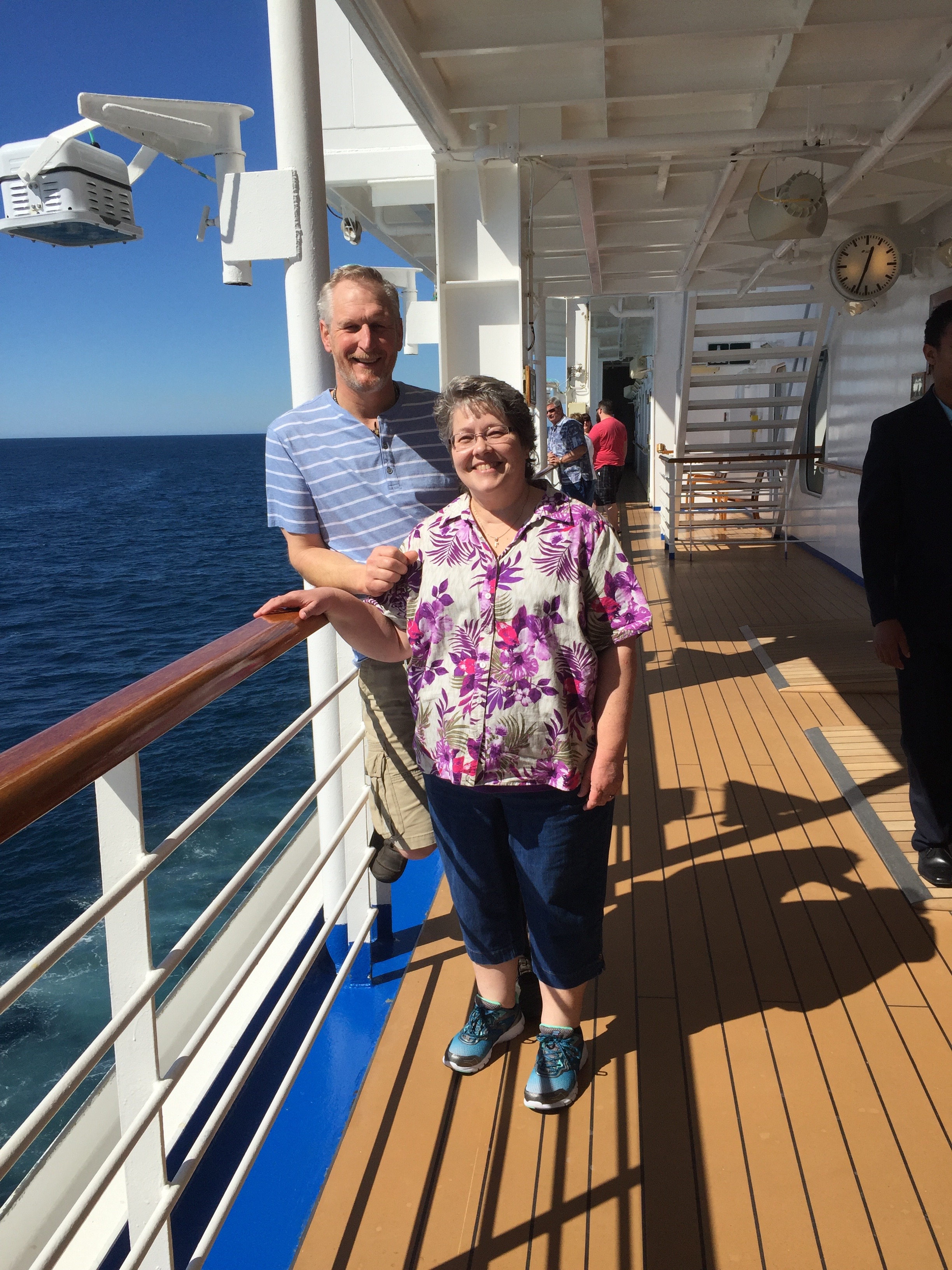
I’ve been gone  but now I’m back. Sandi and I just got back from our 25th anniversary cruise ship trip to the west Mexican Riviera (on the west coast of Mexico). We left a week ago Sunday and arrived back home yesterday (Sunday) evening.

Now it’s time to get back to work including catching up on your comments.

Here are several photos.

Love and blessings to everyone who’s part of this blog!

IMG_3167
IMG_3286IMG_3292


The Gospel of Yeshua in the Sanctuary of the Tabernacle of Moses

In this video, Natan begins to decode the mysteries of the Tabernacle of Moses and shows how YHVH’s plan of salvation and the gospel message of Yeshua are encrypted within the tabernacle’s ceremonies and furnishings. The focus of this teaching is on the tabernacle sanctuary. A free study guide is available at http://hoshanarabbah.org/pdfs/tabernacle.pdf. Be sure to check out our other videos on the Tabernacle of Moses.


Blog Scripture Readings for 2-14 Through 2-20-16

Aside

THIS WEEK’S SCRIPTURE READINGS FOR STUDY AND DISCUSSION:

Parashat Tetzaveh — Exodus 27:20 – 30:10
Haftarah — Ezekiel 43:10-27
Prophets — 2 Kings 10:1 – 16:20
Writings — Psalms 119:129 – 123:4
Testimony — Luke 20:54 – 24:53

Most of this week’s blog discussion points will be on these passages. If you have general comments or questions on the weekly Scripture readings not addressed in a blog post, here’s a place for you to post those. Just use the “leave a reply” link below.

The full “Read Through The Scriptures In A Year” schedule, broken down by each day, can be found on the right sidebar under “Helpful Links.” There are 4 sections of scripture to read each day. One each from the Torah, the Prophets, the Writings, and from the Testimony of Yeshua. Each week, the Torah and haftarah readings will follow the traditional one-year reading cycle.

Weekly Blog Scripture Readings for 2/14 through 2/20/16.


The Altar of Sacrifice

Altar of Sacrifice

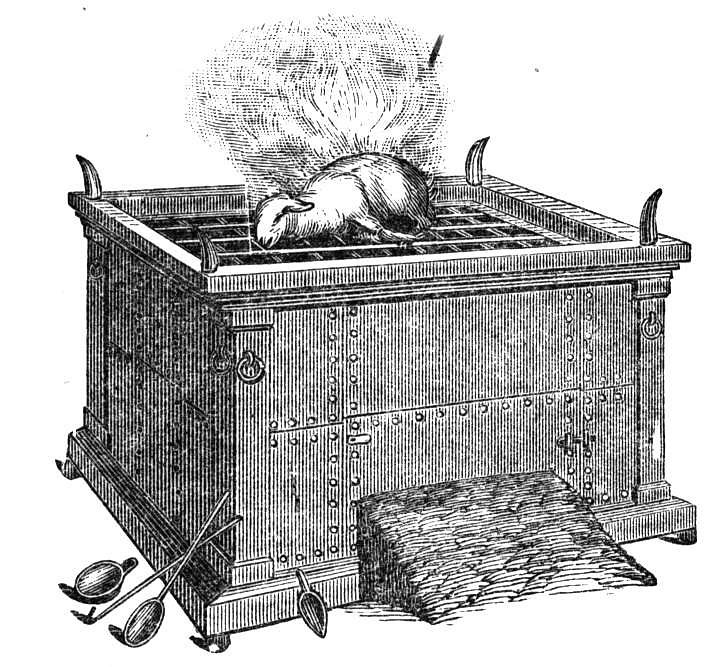
Exodus 27:1–8, An altar. Just inside the door of the tabernacle was the altar of sacrifice. It was made of acacia wood overlaid with bronze, which is a shadow picture of Yeshua bearing the judgment for men’s sins on the cross. The blood of the sacrifice was poured out on the ground at the base of the altar picturing Yeshua shedding his blood at the cross. Two lambs were offered at the altar morning and evening (Exod 29:38–42). This pictures our need to come humbly before our Father in heaven morning and evening in prayerful devotion as living sacrifices to confess our sins, to praise and thank him (Ps 51:16–17; Heb 13:15; 1 John 1:7–9).

The Altar of Sacrifice in More Details. Upon recognizing that the Person and work of Yeshua is the way into life, light and truth one must recognize that one’s sin liability keeps one from a personal relationship with one’s Creator; the broken fellowship with one’s Creator due to sin’s guilt and penalty (death) must be atoned for; this occurs the altar of the red heifer outside the gate of the tabernacle, which represents the work of Yeshua at the cross (Heb 13:10–13). There one was purified and made ready to come into the actual tabernacle. Upon doing so, the first thing one encountered when entering the tabernacle was the altar of sacrifice where both kosher animals and unleavened bread (made of the finest flour and the purest olive oil) were offered, and a fermented wine libation was poured Continue reading →


The Gospel Message in the Tabernacle of Moses — The Courtyard

In this video, Natan begins to decode the mysteries of the Tabernacle of Moses and shows how YHVH’s plan of salvation and the gospel message of Yeshua are encrypted within the tabernacle’s ceremonies and furnishings. The focus of this teaching is on the outer courtyard. A free study guide is available at http://hoshanarabbah.org/pdfs/tabernacle.pdf. Check out Natan’s other videos on the Tabernacle of Moses.


The Steps of Redemption Within the Tabernacle

tabernacle diagram

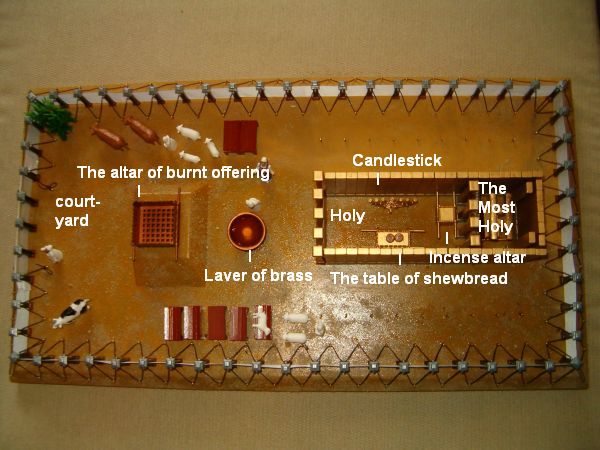
First Step of Eight: One is in a state of separation from his Creator because of sin. One sees the good news, the light of truth, the message of the cross, the multi-colored door and the luminescent walls of the tabernacle. As one takes his first steps to become separated or set-apart from the confusion, darkness, chaos, emptiness, lostness and death of the world one must first encounter the altar of the red heifer located outside the tabernacle (in later years on the Mount of Olives opposite the temple, Mishnah Parah 1:1ff). There the red heifer was slaughtered and burned and its ashes were used as a sin offering to bring about purification for uncleanness (Num 19:1ff). Yeshua was likewise crucified outside of the camp of Israel and the gates of Jerusalem (Heb 13:10–13). This altar represents the work of Yeshua at the cross. One cannot enter the tabernacle until one has been redeemed and purified by the blood of Yeshua. Even the Israelites killed the Passover lamb outside their homes on the afternoon of the fourteenth of the month of Abib The blood was then smeared on the doors of their homes. Once they entered the blood-smeared doors and were inside their homes they were safe from the death angel who simply passed over them. Likewise, when we enter through the gates of the tabernacle (which are crimson in color, as well as blue, white and purple—colors which point to the four Gospels and the four aspects of Yeshua’s mission as Redeemer) we do so saved and purified. This is the Passover (Pesach), which is the first of YHVH’s seven annual appointed times (moedim).

Second Step of Eight/First Step of Seven: Upon entering the tabernacle one immediately comes to the altar of sacrifice. After the lamb was sacrificed on the afternoon of Passover, that evening (the beginning of the fifteenth day of the first month, which was also the first day and a high Sabbath of the Feast of Unleavened Bread/Hag HaMatzot) the Continue reading →