Is your table an altar?

Luke 24:30, He sat at the table. (See also vv. 41–43; John 21:12–13). In Bible times, when a covenant of friendship had been broken, as had occurred when the disciples forsook Yeshua prior to his apprehension, the broken relationship would be restored by eating together. After his resurrection, Yeshua had at least three meals with his disciples in order to renew loving covenantal relationship with them (Manners and Customs, pp. 78–79).

Young Hispanic Family Saying Prayers Before Meal At Home

In Hebraic thought, one’s table is a sort of sacred altar where familial and spiritual communion occurs. You don’t just break bread with anyone—only your close friends. Additionally, when a prayer of thanksgiving is made over a meal, YHVH’s Presence is invoked making the meal a sort of spiritual act where heaven and earth commune together.

This is one reason why the Passover seder meal is of such serious significance. Only those of one’s spiritual family are to gather together at the seder where together they meet with Elohim. Furthermore, this is why Paul states in 1 Cor 5:9–11,

I wrote to you in my epistle not to keep company with sexually immoral people. Yet I certainly did not mean with the sexually immoral people of this world, or with the covetous, or extortioners, or idolaters, since then you would need to go out of the world. But now I have written to you not to keep company with anyone named a brother, who is sexually immoral, or covetous, or an idolater, or a reviler, or a drunkard, or an extortioner—not even to eat with such a person.  (emphasis added)


Is your life an altar of incense before YHVH?

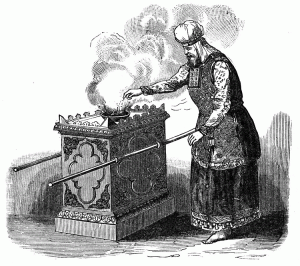
Exodus 30:1–10, Altar to burn incense. The golden incense altar was constructed of acacia wood covered in gold and was situated in front of the veil leading into the holy of holies (the most set-apart place) halfway between the menorah and the table of showbread.

Altar of Incense 25590039

Like the table of showbread, it had a golden crown around the top of it, which points to Yeshua being the head of the body of believers.

The priest burned incense on the altar twice daily, in the morning and the evening.

Scripture reveals that incense represents the prayers of the saints rising up to heaven before the throne of Elohim (Ps 141:2; Rev 5:8), which in the tabernacle is pictured by the mercy seat in the most set-apart place or oracle (d’veer). The altar of incense was a place of deep prayer, praise, worship and intercession and speaks directly to the intimate twice daily prayer life and devotions of the born-again believer before the throne of the Father in heaven.

At the altar of incense, preparation was made to enter the most set-apart place (holy Continue reading →


Shabbat Shalom! Beautiful Nature Scenes from Mexico

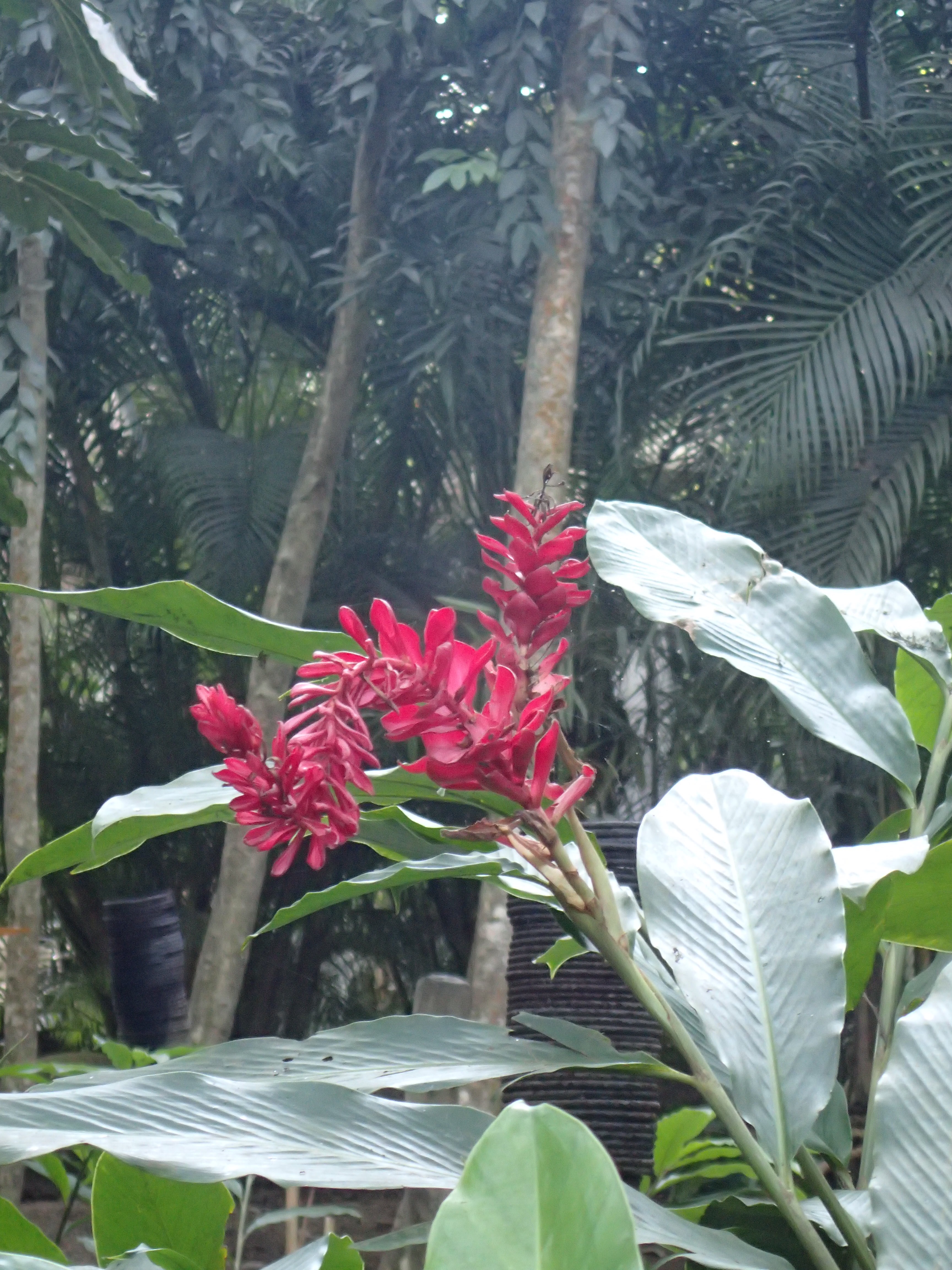
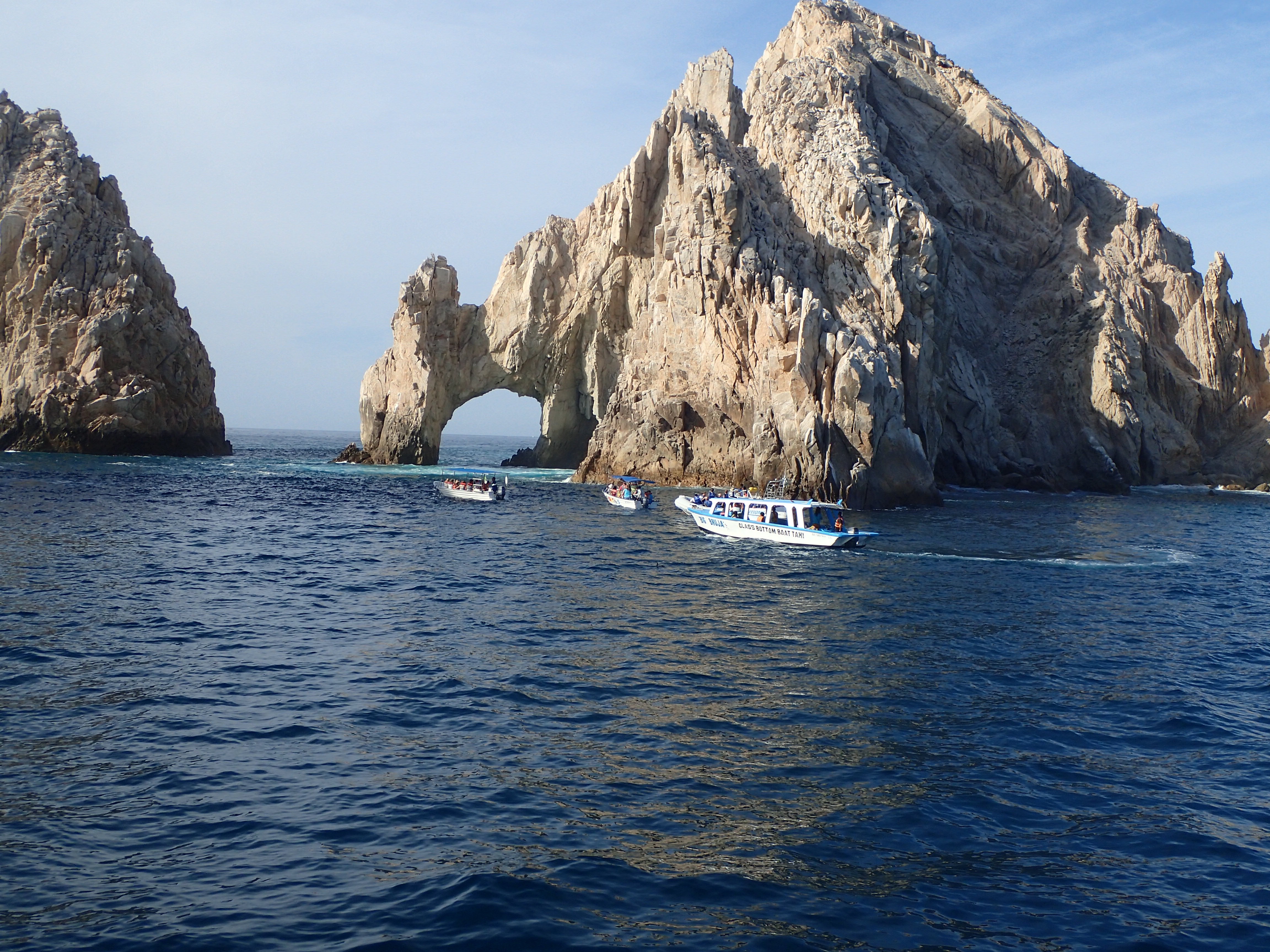
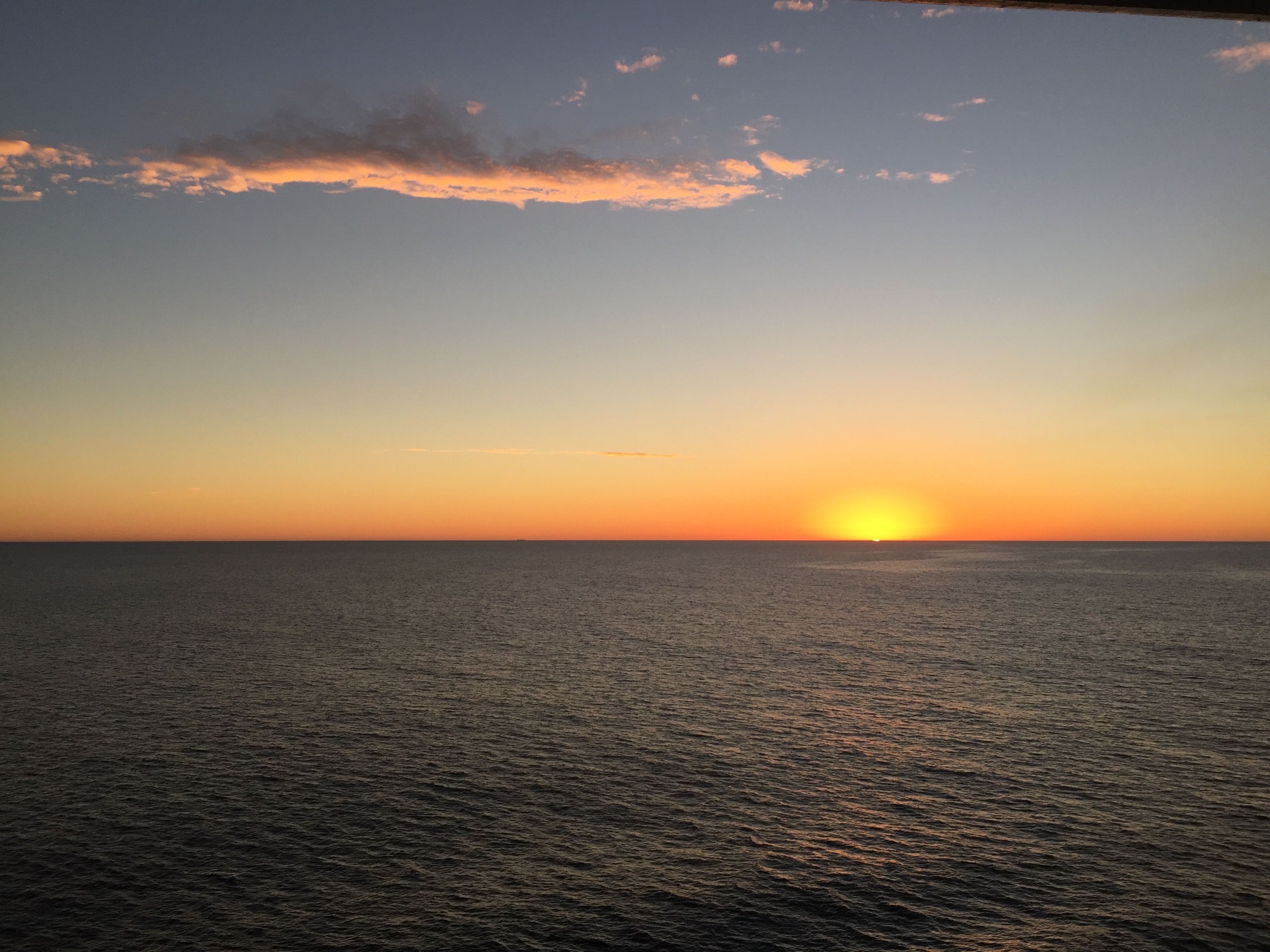
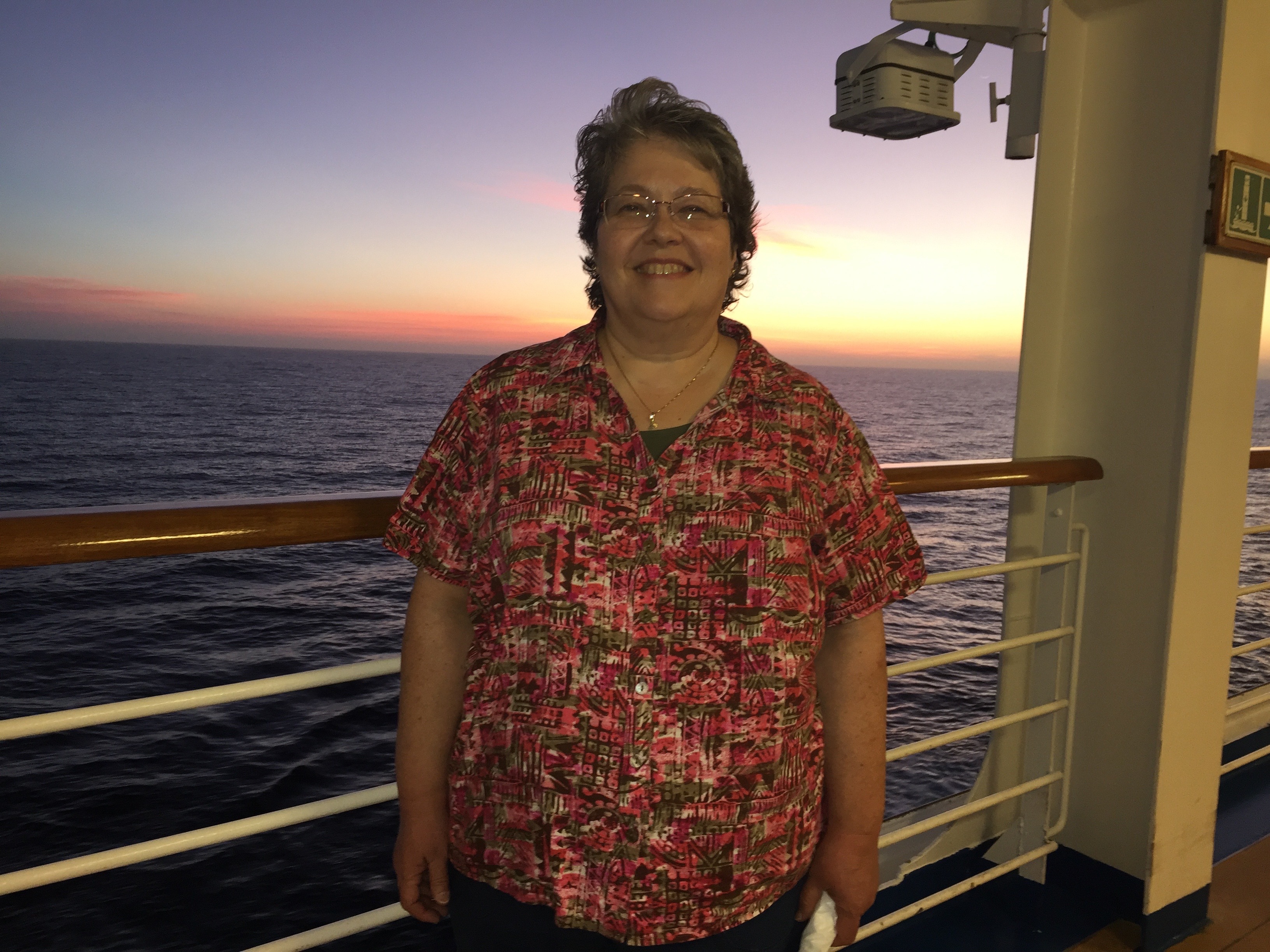
There are still beautiful things in this world. Here are photos of a few of them Sandi and I took on our recent 25th anniversary cruise to the Mexican Riviera. I never cease being overwhelmed in awe and joy and the splendors of YHVH Elohim’s creation.

OLYMPUS DIGITAL CAMERA

IMG_1829

OLYMPUS DIGITAL CAMERA

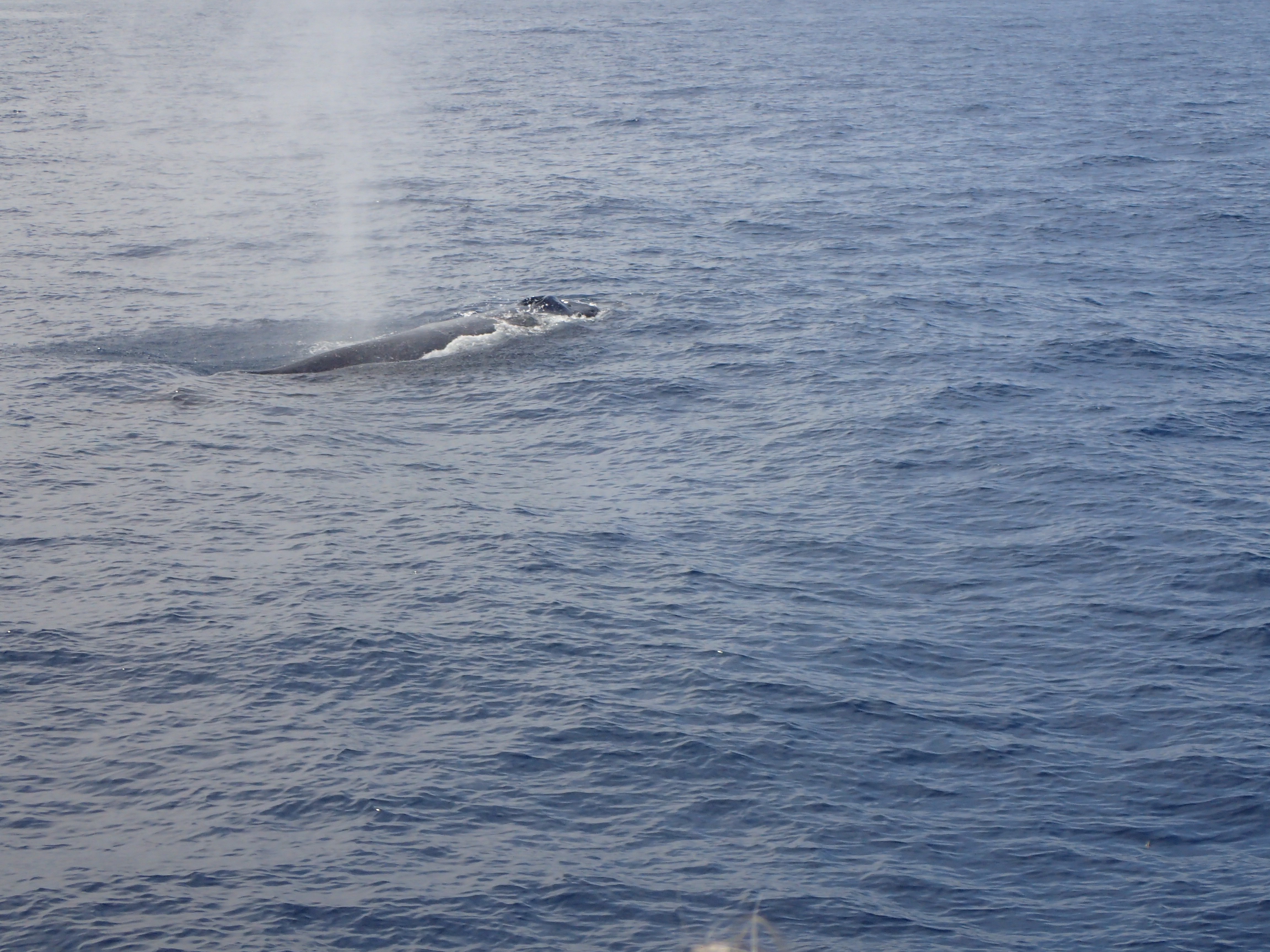
A humpback whale spouting

A humpback whale spouting

IMG_3172

_MG_1483

Try to ignore my feet and focus on the really beauty beyond!

Try to ignore my feet and focus on the real beauty beyond!

And the best of all…Sandi, my lovely bride and gift of heaven of 25 years!

And the best of all…Sandi, my lovely bride and gift of heaven of 25 years!


The Twice Daily Sacrifices Are a Picture of Our Daily Devotions

Exodus 29:38–42, In the morning…at twilight. (See also Lev 1:1–17 and Num 28:1–15.) This twice daily offering was known as the continual burnt offering (Heb. olah tamiyd), and was offered at the door of the tabernacle (verse 42). The word continual (Heb. tamiyd) means “continually.” The Hebrew word for burnt offering is olah meaning “ascent, stairway or steps,” and derives from the basic Hebrew verb, alah, meaning “to go up, climb or ascend.”

Prayer 16958564

In this offering, the fire consumes the entire animal, and the word olah refers to the smoke of this whole burnt offering ascending to heaven, which is a “sweet aroma” to YHVH (verse 41). The olah was an offering or gift (Lev 1:2, Heb. qorban) to YHVH and could be a bull, goat, ram, turtle dove or a pigeon as long as it was a perfect specimen without defect (Lev 1).

If an Israelite sinned, he could bring this gift-offering to the door of the tabernacle where he would place his hands upon the head of the animal, after which the priests would slaughter it, and sprinkle its blood around the altar of sacrifice just inside the door of the tabernacle (Lev 1:2, 4, 5). The meat was then prepared and arranged on the altar and entirely burnt (Lev 1:6–17). When the sinner laid his hands on the animal, it was as if he were transferring his sins onto the innocent, blemish-free animal, where upon YHVH accepted it as an atonement for the person’s sin (Lev 1:4).

The writer of Hebrews clearly teaches that this offering (along with all the other offerings in the sacrificial system) pointed to Yeshua, our Great High Priest, whose atoning death on the cross fulfilled all the types and shadows of the Levitical, sacrificial system (Heb 4:14–5:7; 7:1–10:18).

Besides the obvious antetypes pointing to Yeshua’s death on the cross, what else can we learn from the olah tamiyd offering rituals? What are the spiritual implications and the lessons to be learned for the redeemed believer living in the twenty-first century? Matthew Henry in his commentary on Numbers 28:1–8 sums it up very nicely: Continue reading →


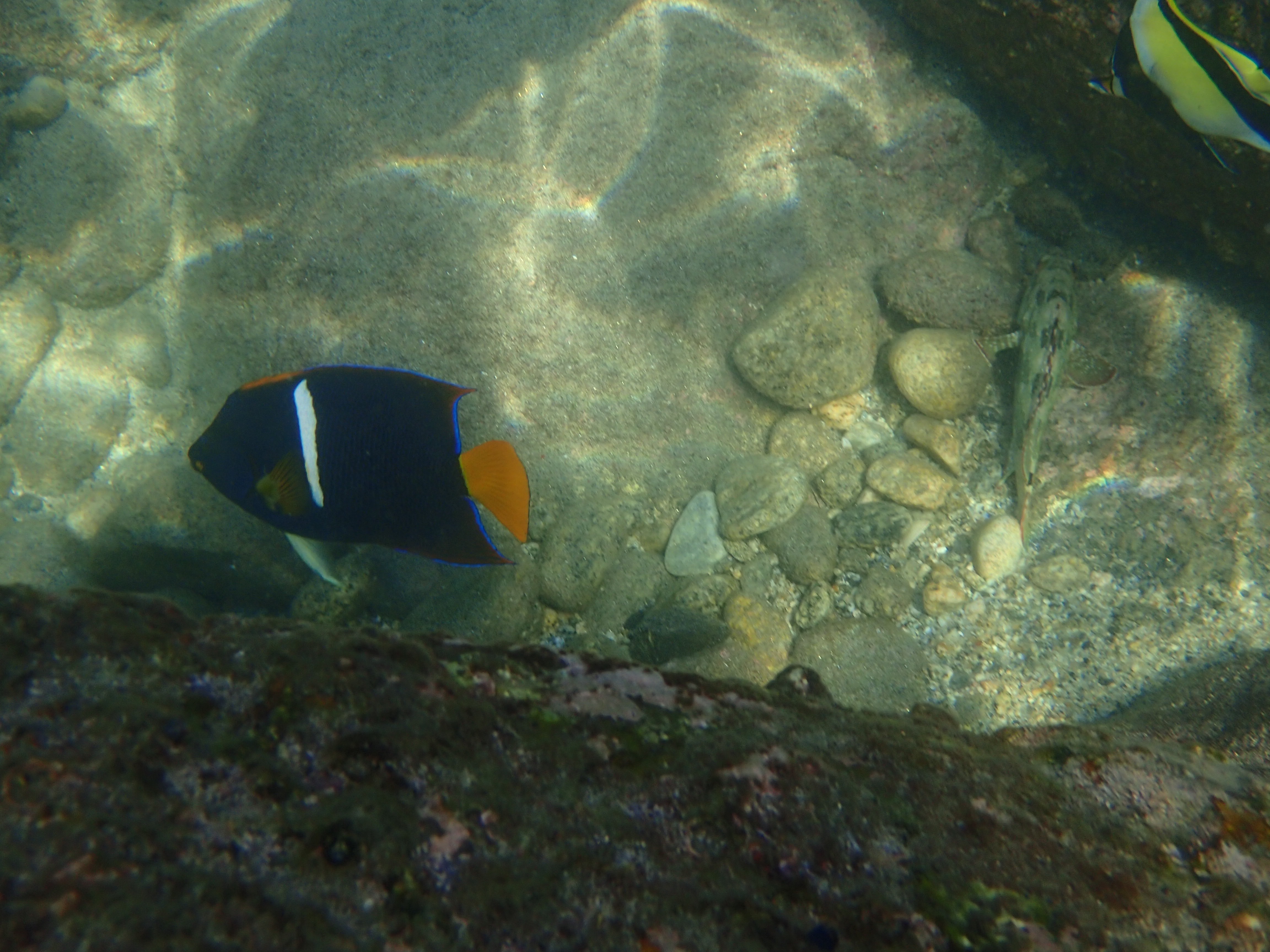
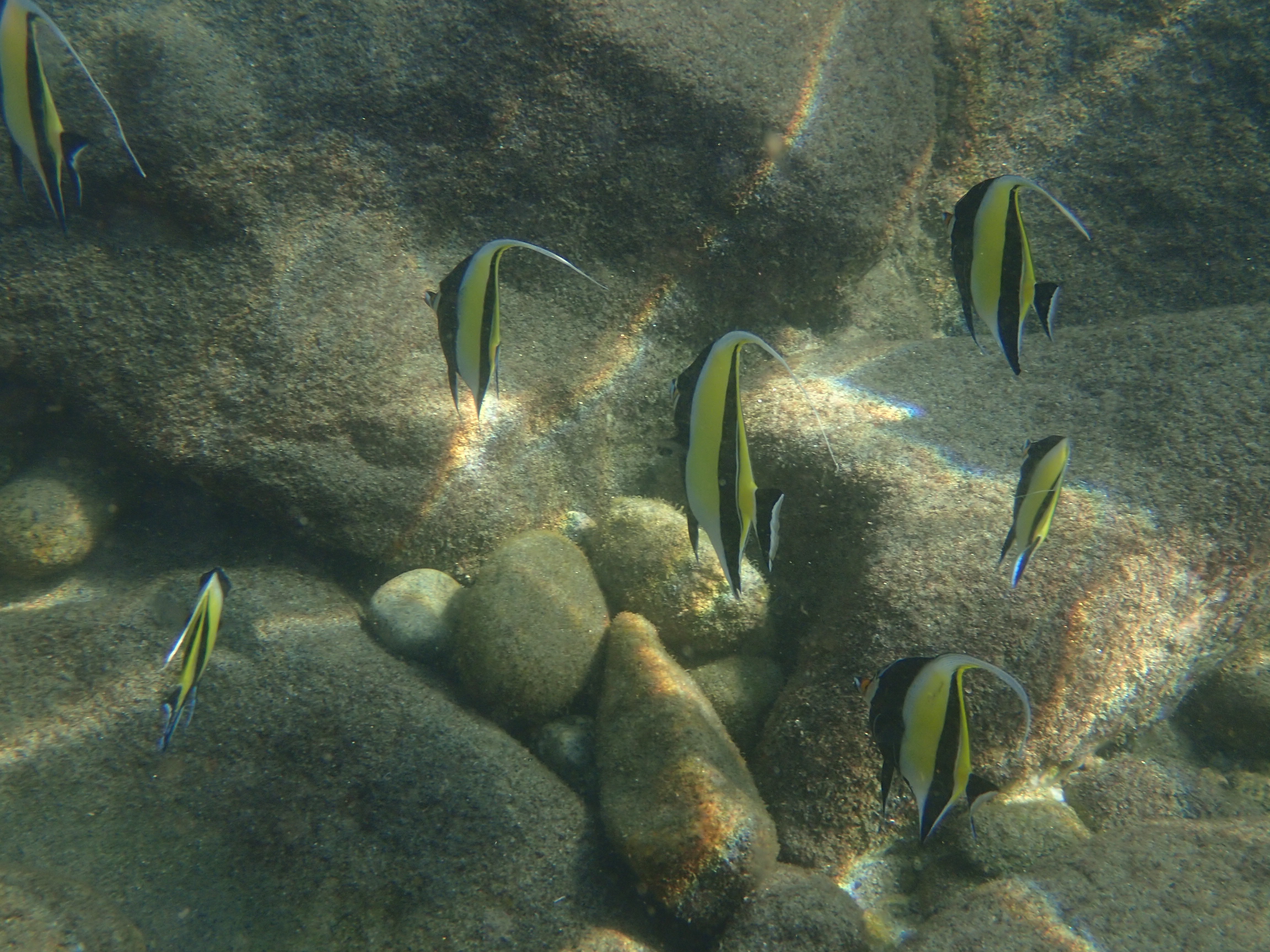
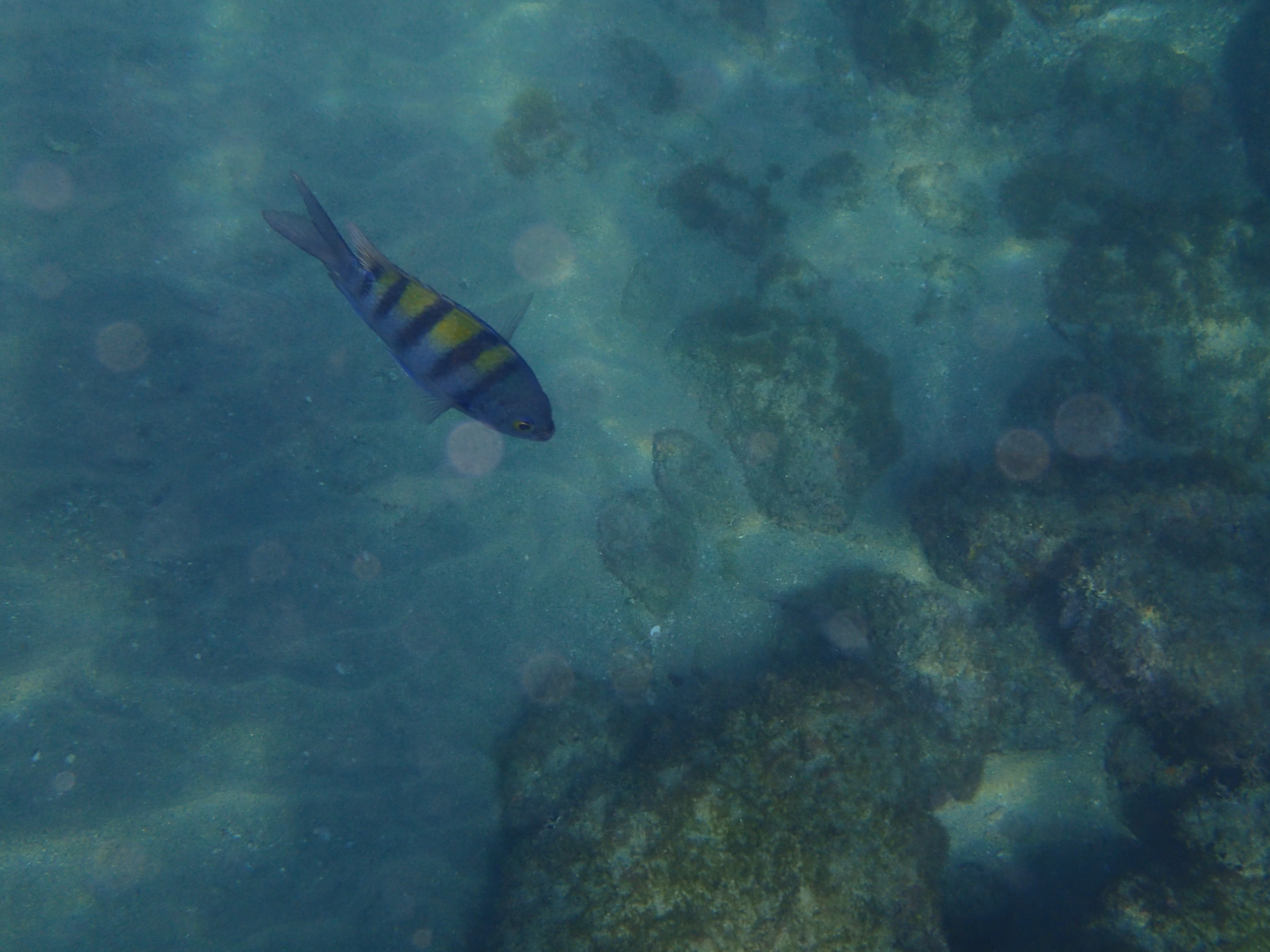
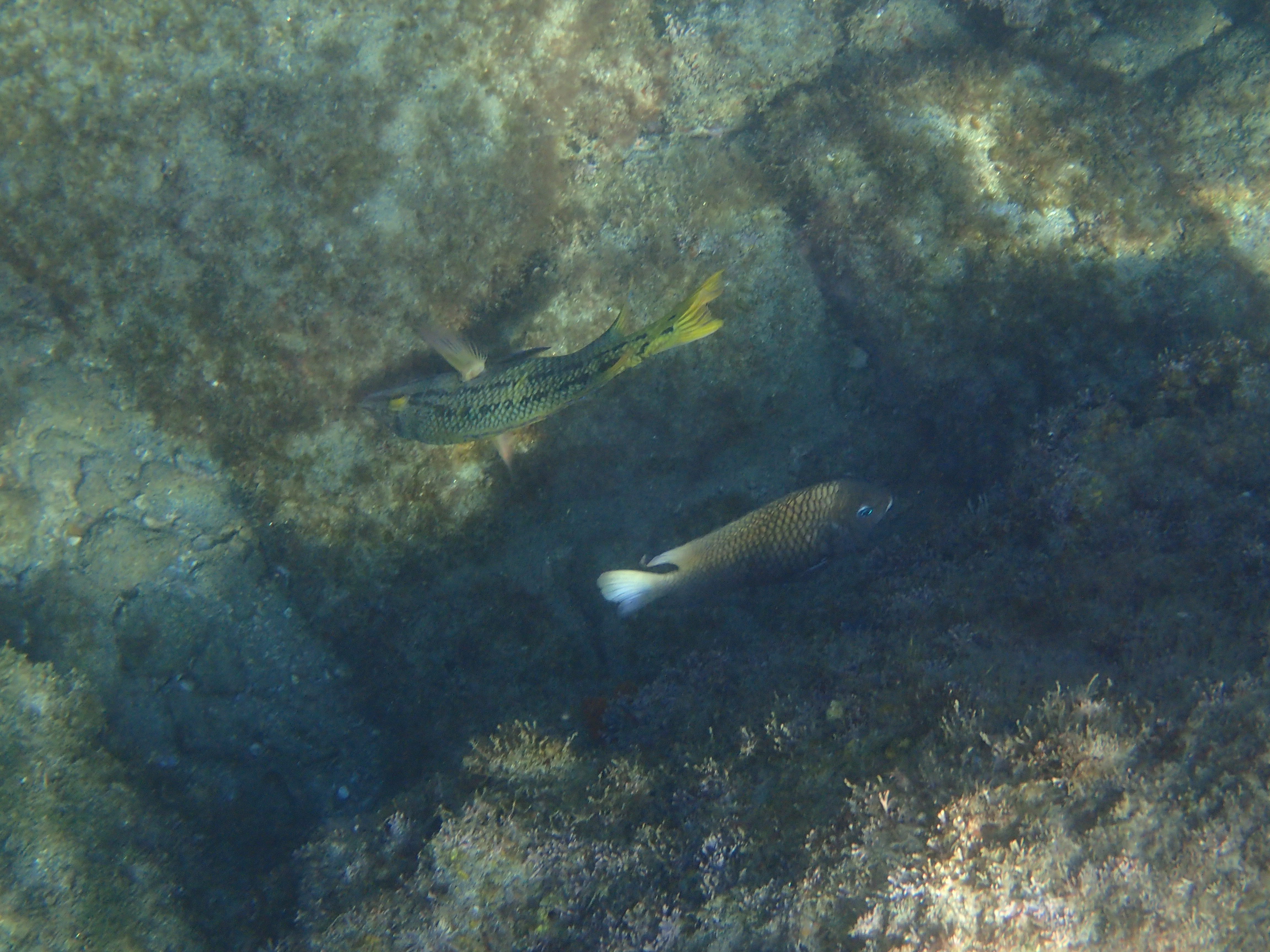
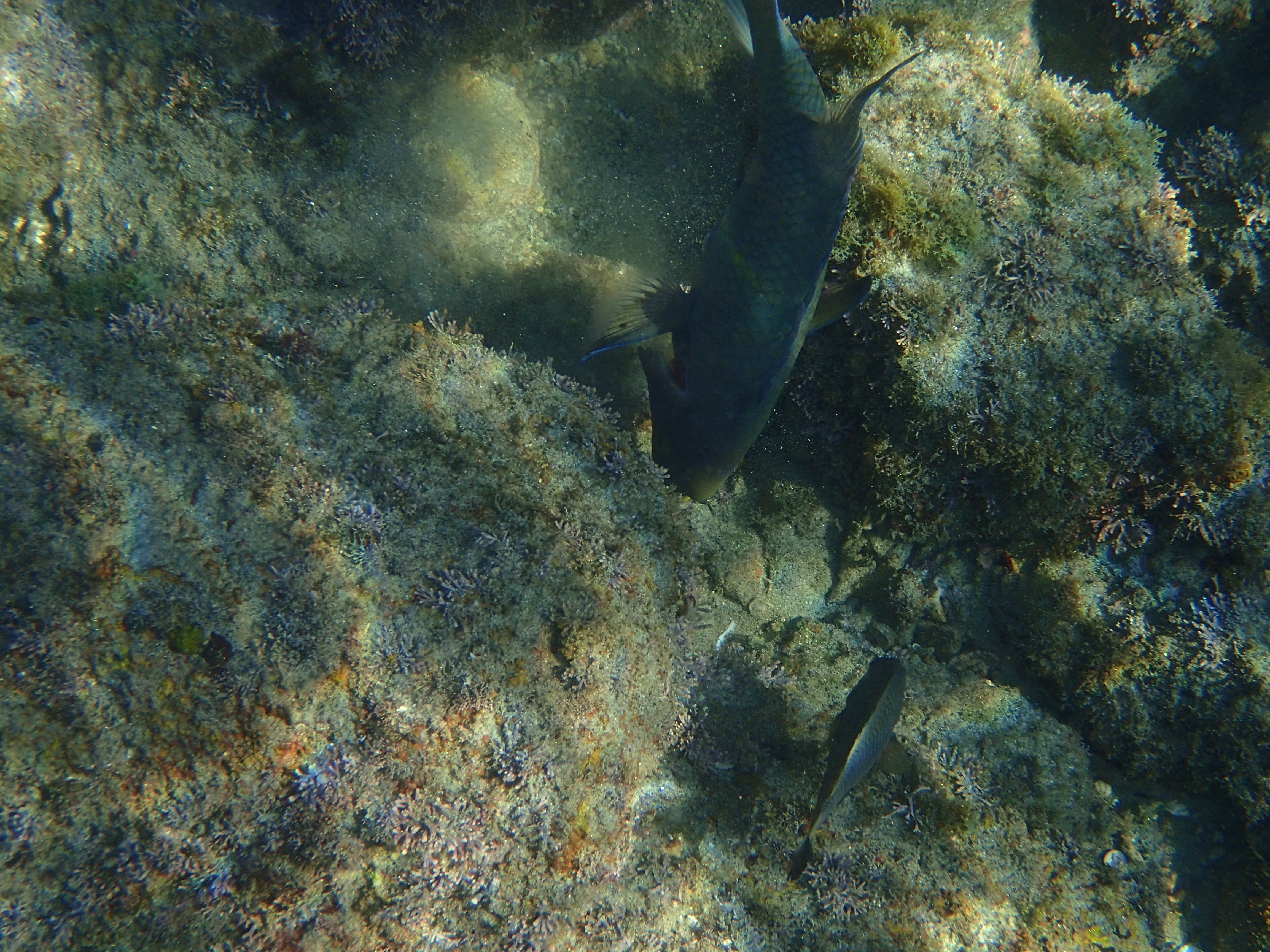
Underwater Tropical Fish Pics from Las Caletas, Mexico

After sailing into Puerto Vallarta, we took a boat to a small resort called Las Caletas. The photos below will explain better than any words this idyllic spot. I’ve never been to anyplace like this before. It’d be a great place to get shipwrecked to! All I would ask is that I have a camera, my Bible and maybe something to write on, so I can write psalms of praise to YHVH Elohim. On the cruise back to L.A., I wrote my latest psalm called the Psalm of the Sea on Shabbat, while sailing north off the coast of Baja California. Maybe I’ll share my poetic psalm with you?

IMG_3289

IMG_3256

IMG_3283

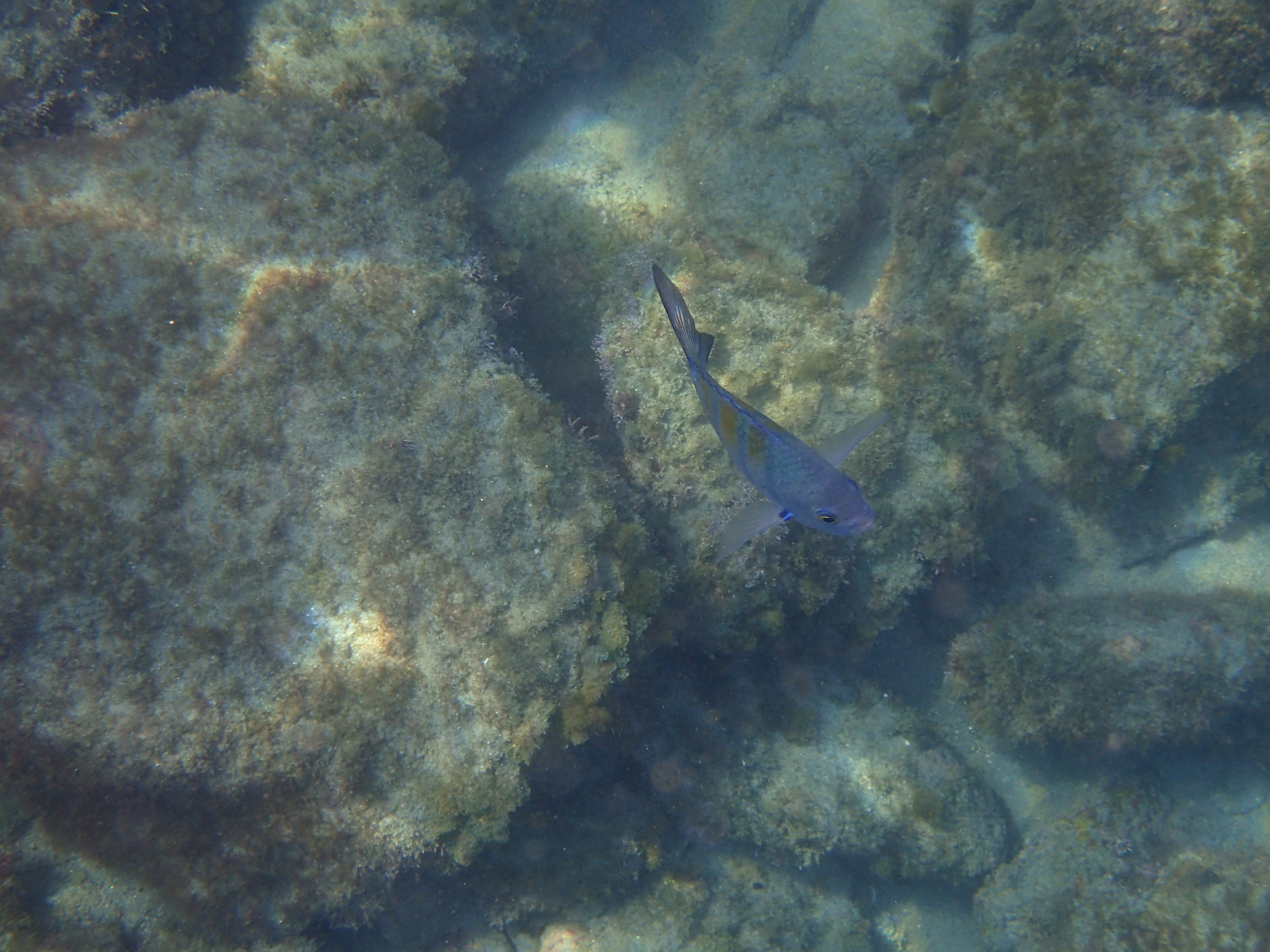
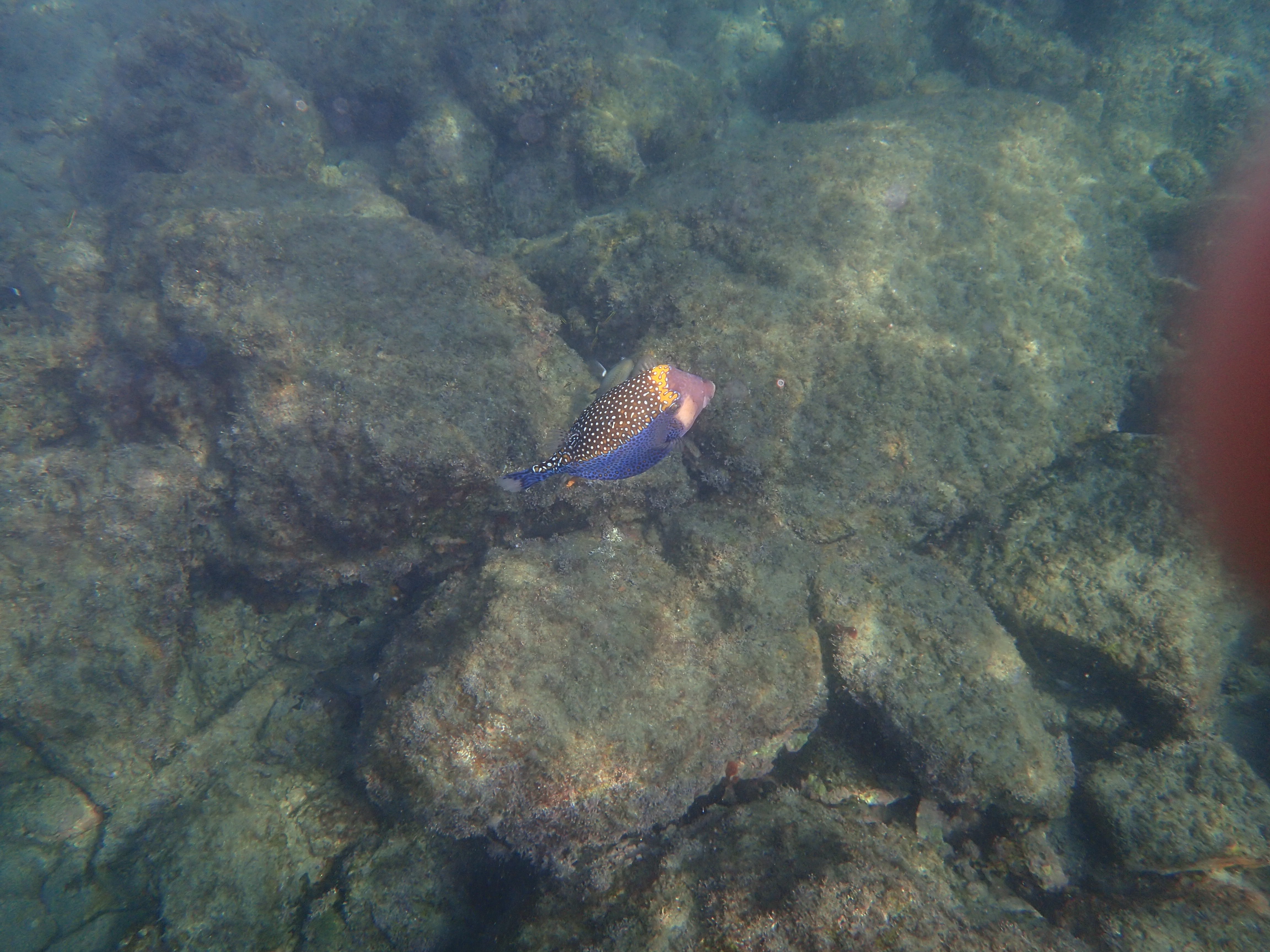
This is where I snorkeled and photographed tropical fish. The undersea beauty is just as beautiful as that of the land. I am perpetually in awe of YHVH’s creation wherever I go and whatever I see!

OLYMPUS DIGITAL CAMERA

OLYMPUS DIGITAL CAMERA

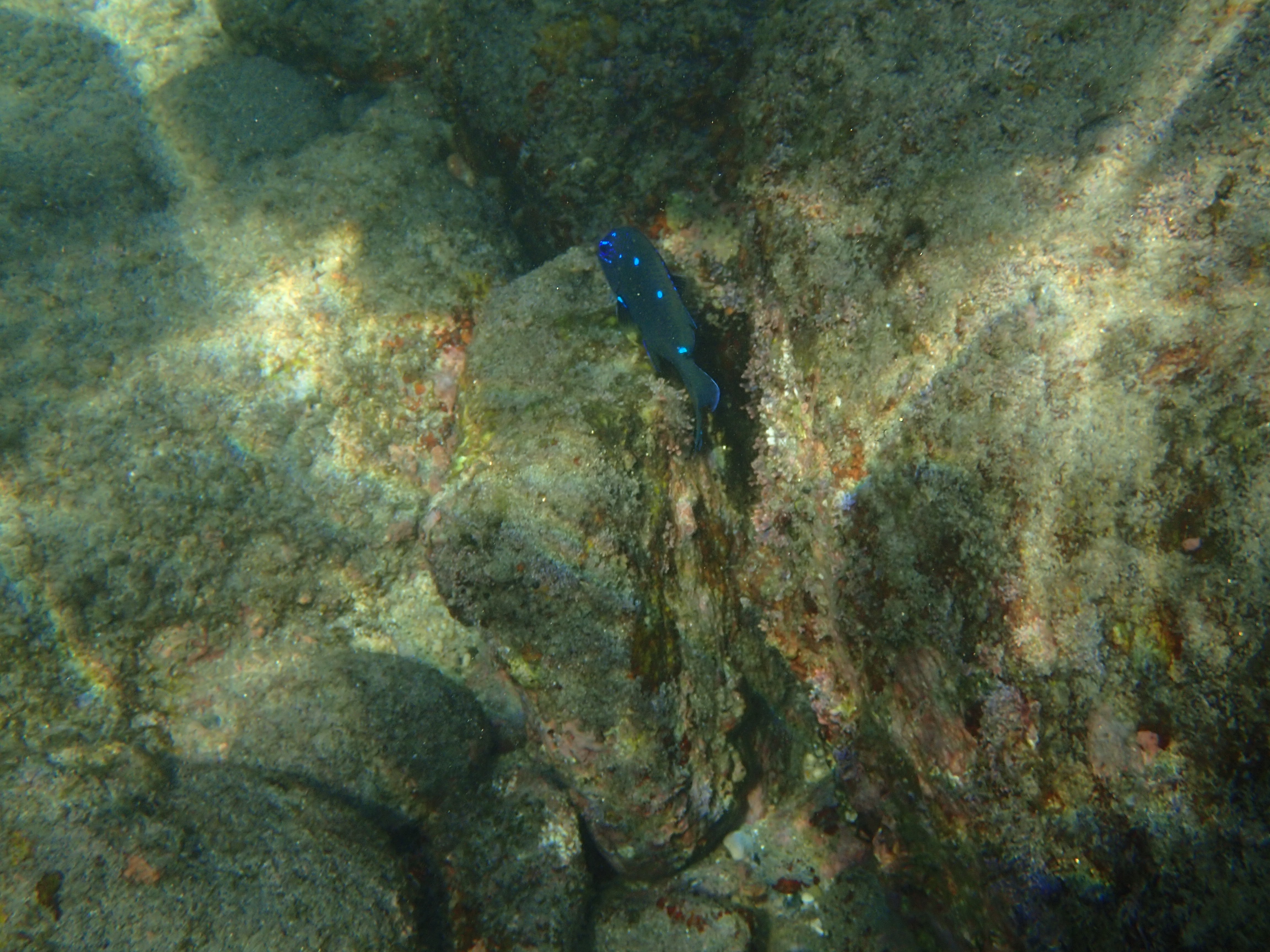
This fish had blue iridescent spots that glowed.

This fish had blue iridescent spots that glowed.

OLYMPUS DIGITAL CAMERA

OLYMPUS DIGITAL CAMERAOLYMPUS DIGITAL CAMERA

OLYMPUS DIGITAL CAMERA

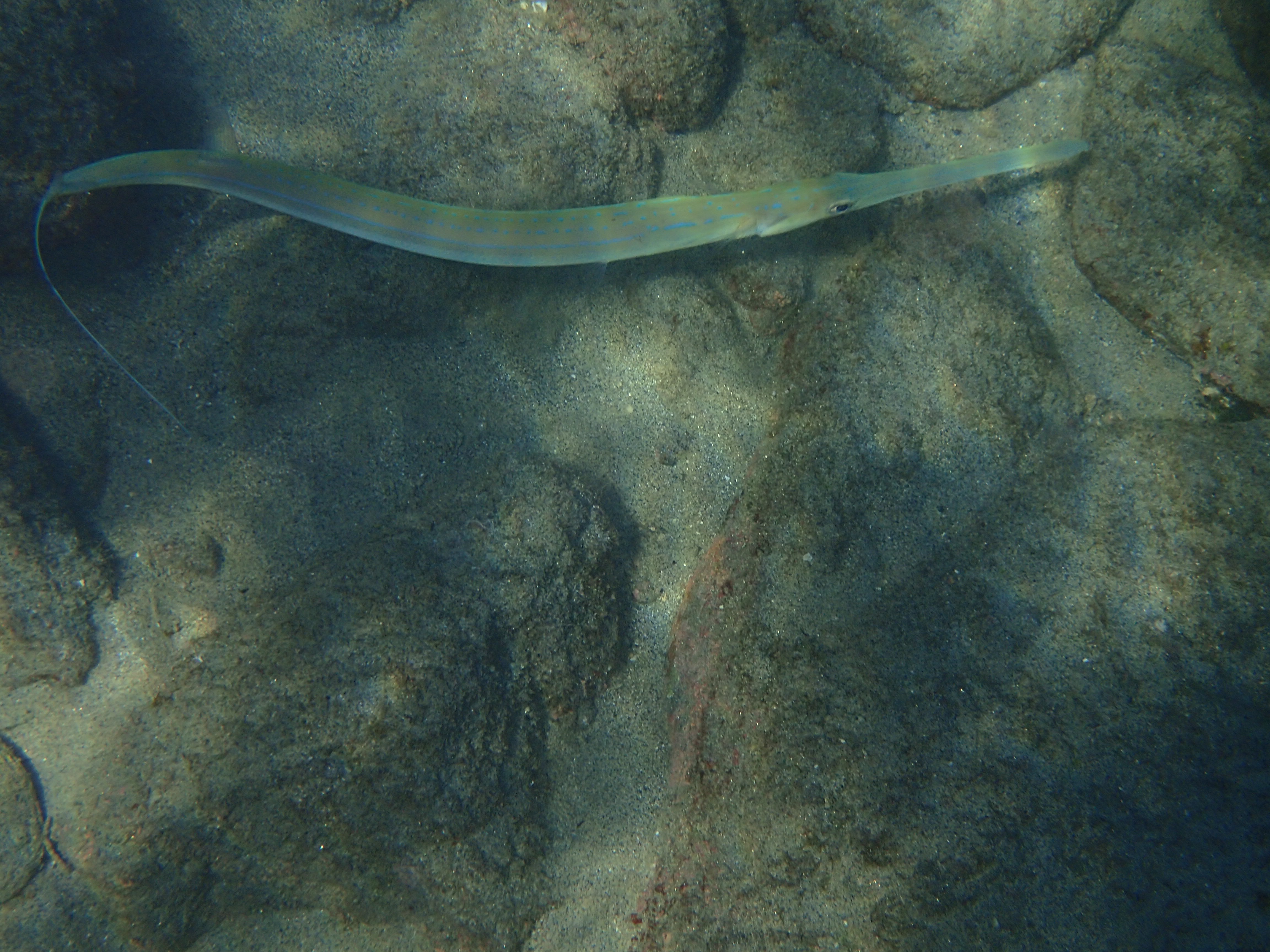
Though not very colorful, this was the most bizarre fish of all that I saw.

Though not very colorful, this was the most bizarre fish of all that I saw.

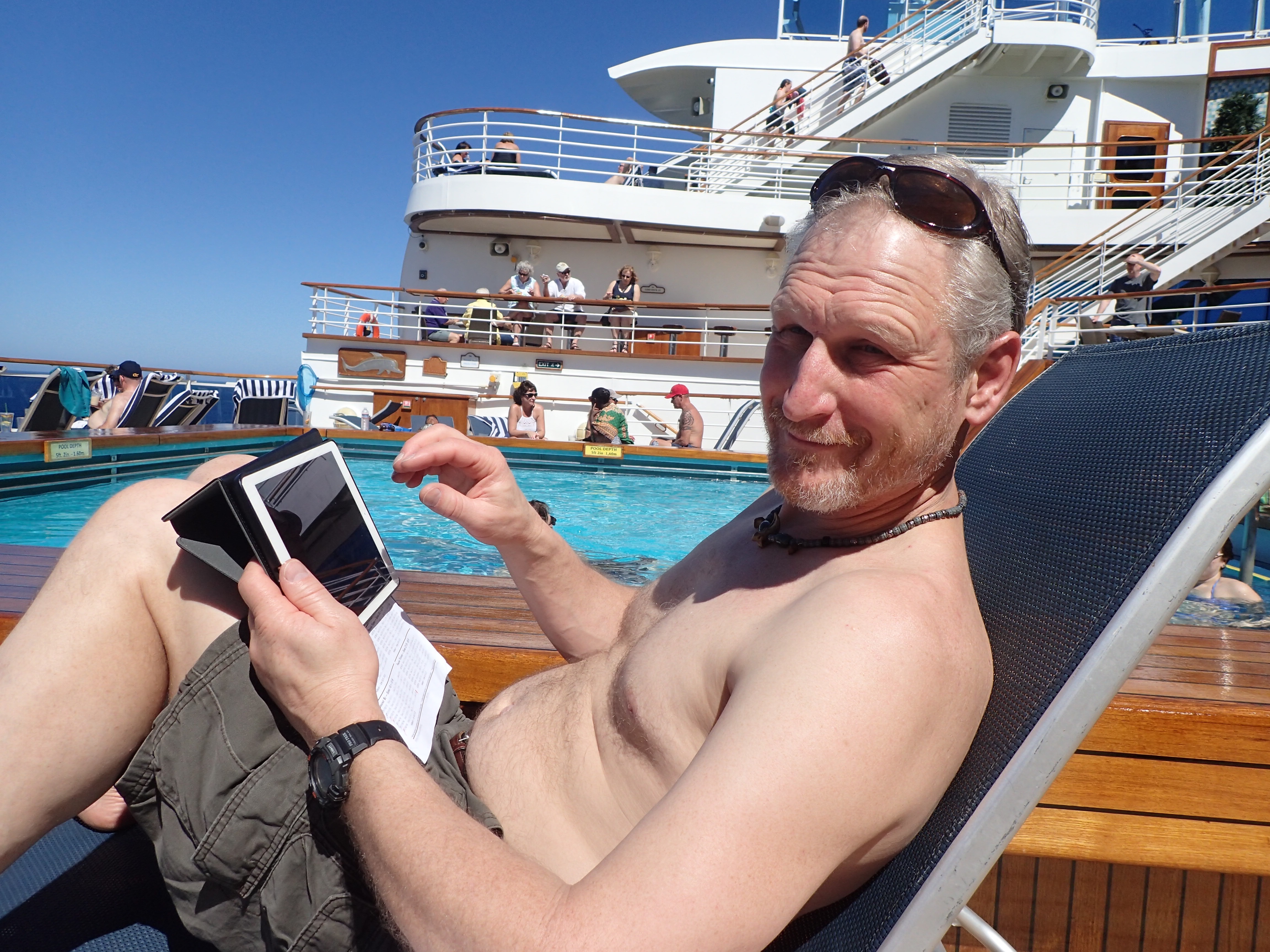
Sandi snapped this photo of me back on the ship. Yes, I'm reading my daily Scripture reading on my iPad! You can actually see the Hoshana Rabbah printed reading schedule underneath the iPad in my lap.

Sandi snapped this photo of me back on the ship. Yes, I’m reading my daily Scripture reading on my iPad! You can actually see the Hoshana Rabbah printed reading schedule underneath the iPad in my lap.

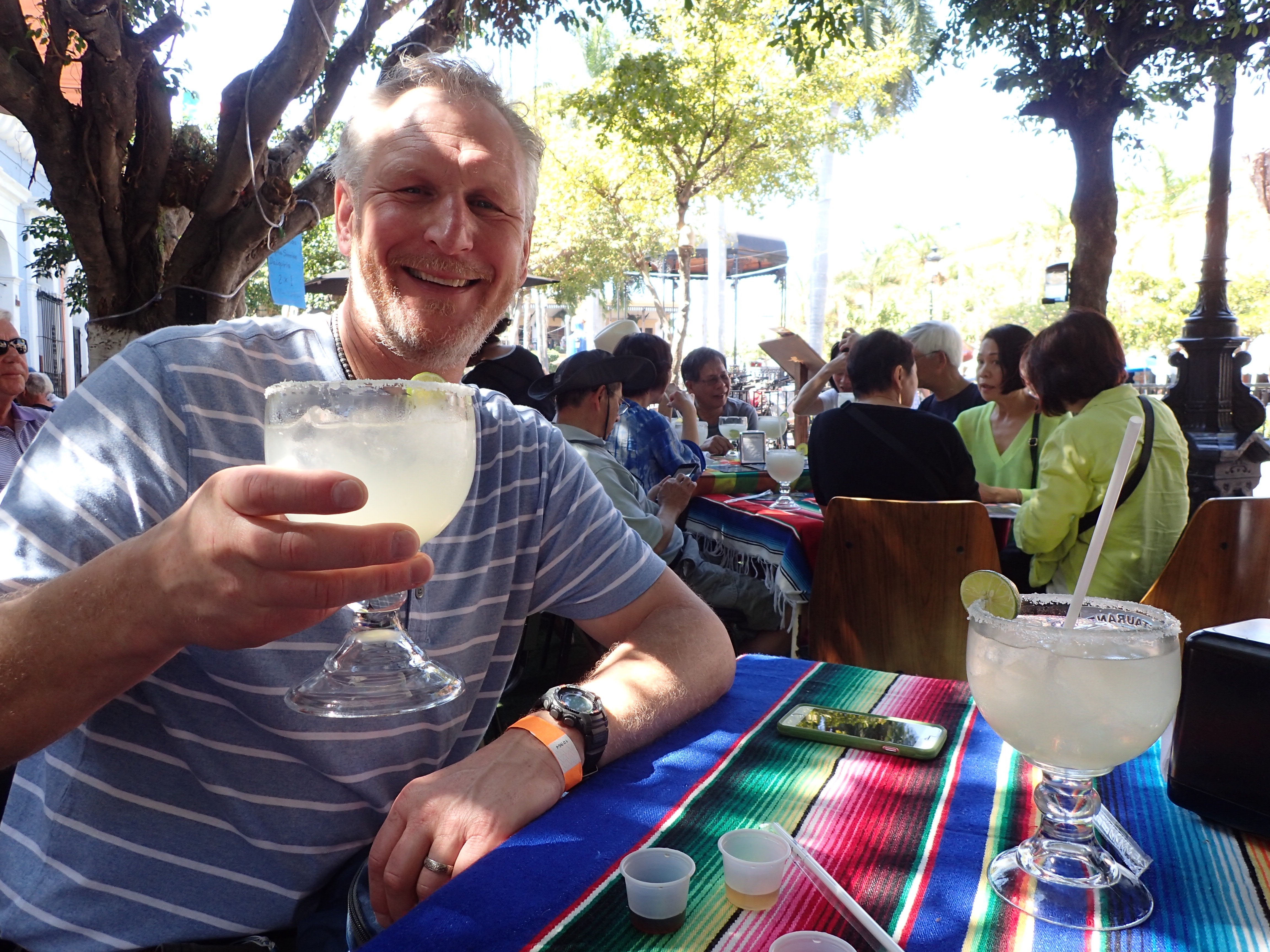
Sandi took this photo at a sidewalk cafe in Mazatlan. She needed to use the ladies room, and the price to do so was to purchase something to eat. Here I am with the national drink of Mexico. You won't believe the restrooms in Mexico! You have to search far and wide for a half-clean one that actually functions! I still have a sore spot and bump on my head from one a visited. In another, I had to put my plumbing skills to work by reaching into the toilet tank to manually work the flapper so it would flush. Oy vey!

Sandi took this photo at a sidewalk cafe in Mazatlan. She needed to use the ladies room, and the price to do so was to purchase something to eat. Here I am with the national drink of Mexico. You won’t believe the restrooms in Mexico! You have to search far and wide for a half-clean one that actually functions! I still have a sore spot and bump on my head from one a visited. In another, I had to put my plumbing skills to work by reaching into the toilet tank to manually work the flapper so it would flush. Oy vey!


Animals Pics from Mexico

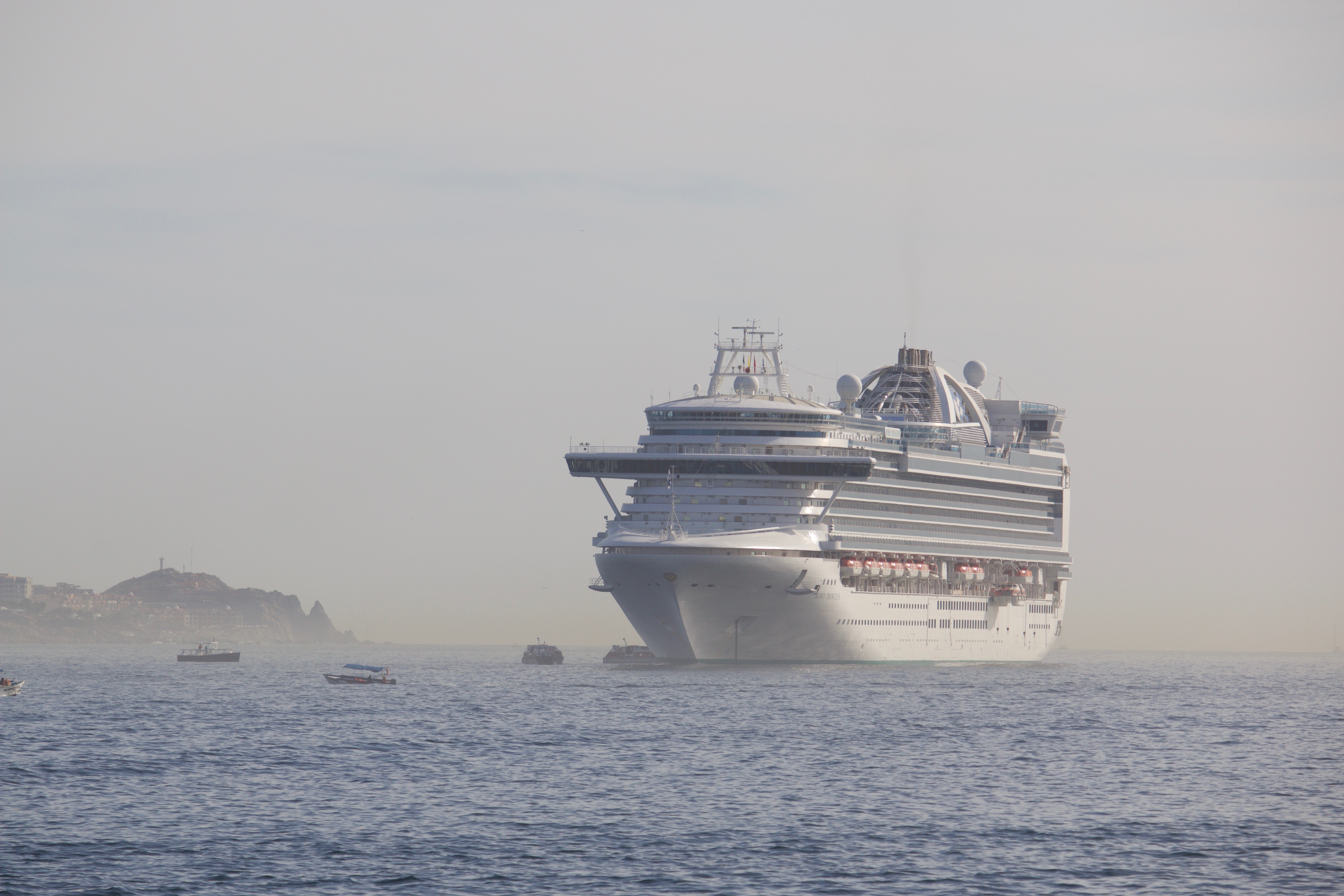
The Ruby Princess at Puerto Vallarta

The Ruby Princess at Puerto Vallarta

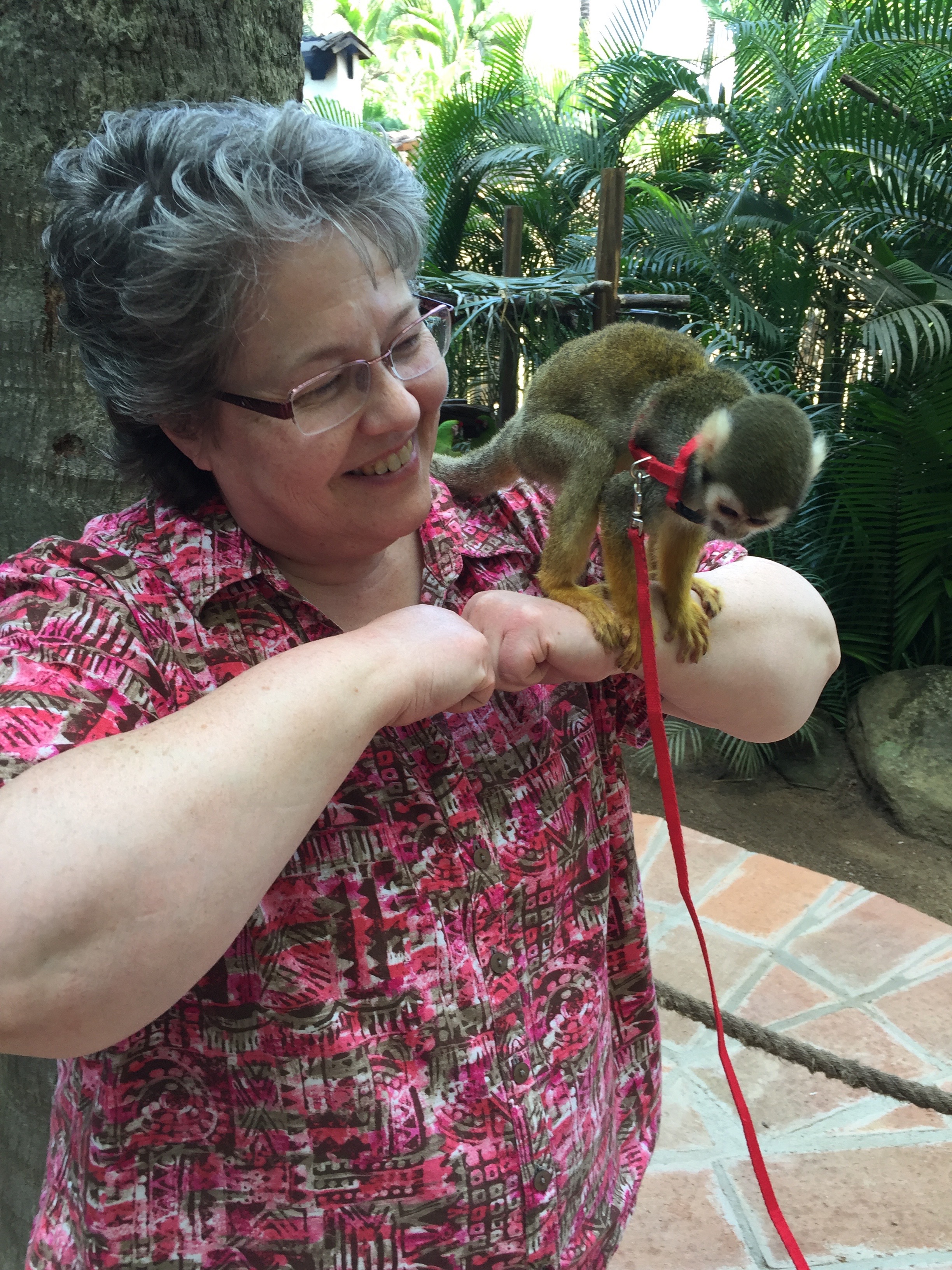
Sandi with her new boyfriend at Las Calitas.

Sandi with her new boyfriend at Las Caletas.

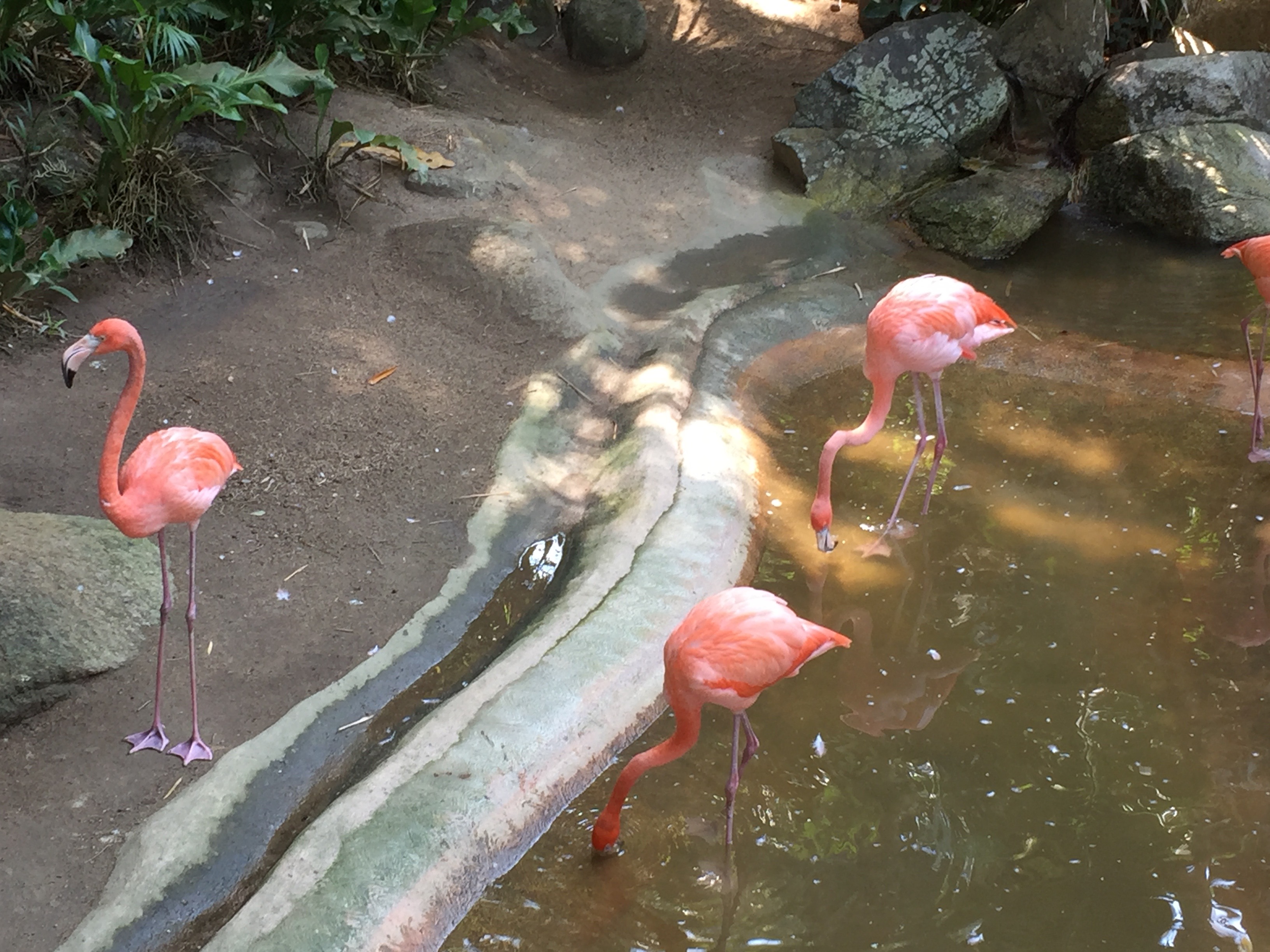
Pink flamingos at Las Calitas.

Pink flamingos at Las Caletas.

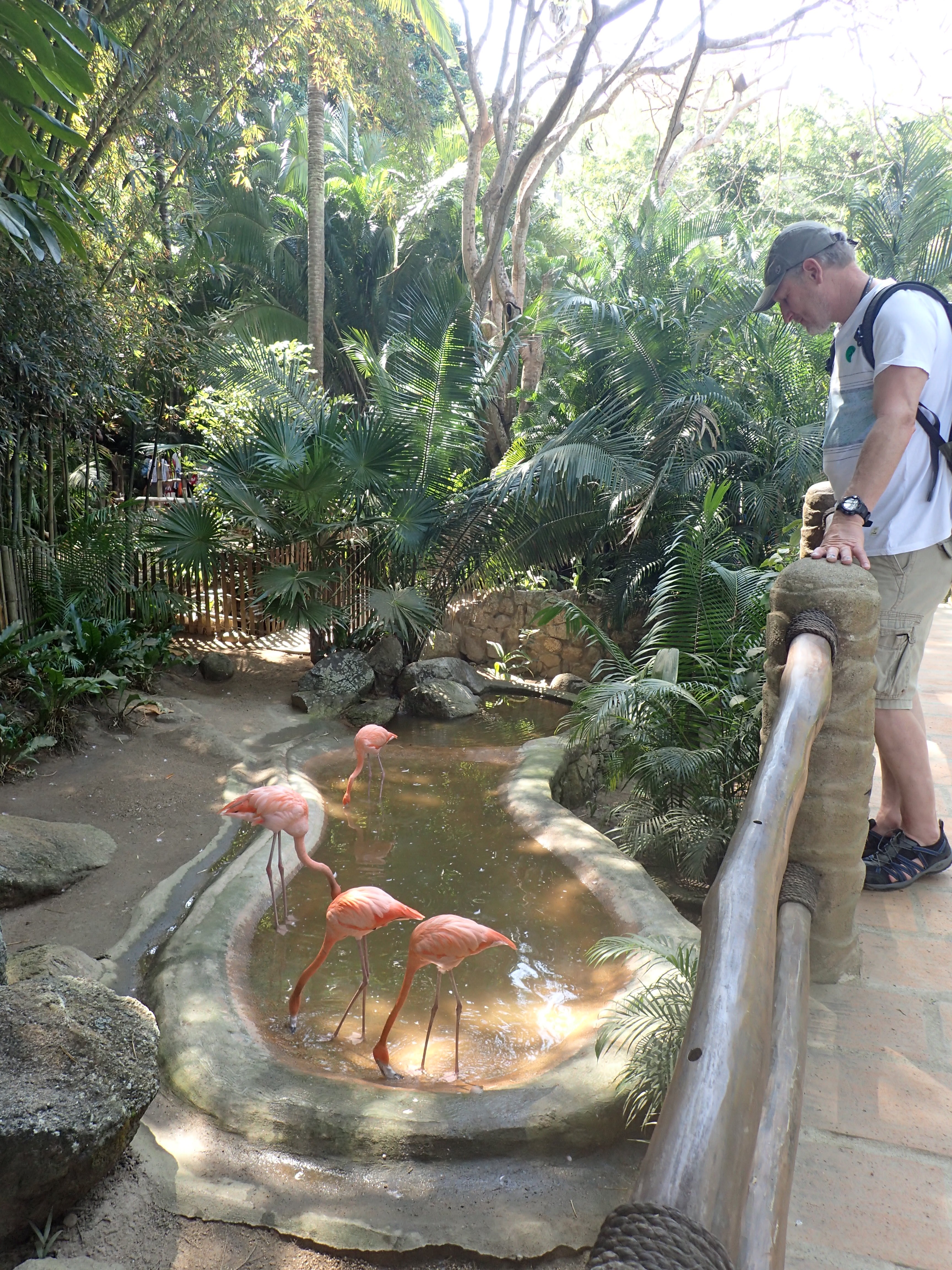
Natan admiring the pink flamingos at Las Calitas.

Natan admiring the pink flamingos at Las Caletas.

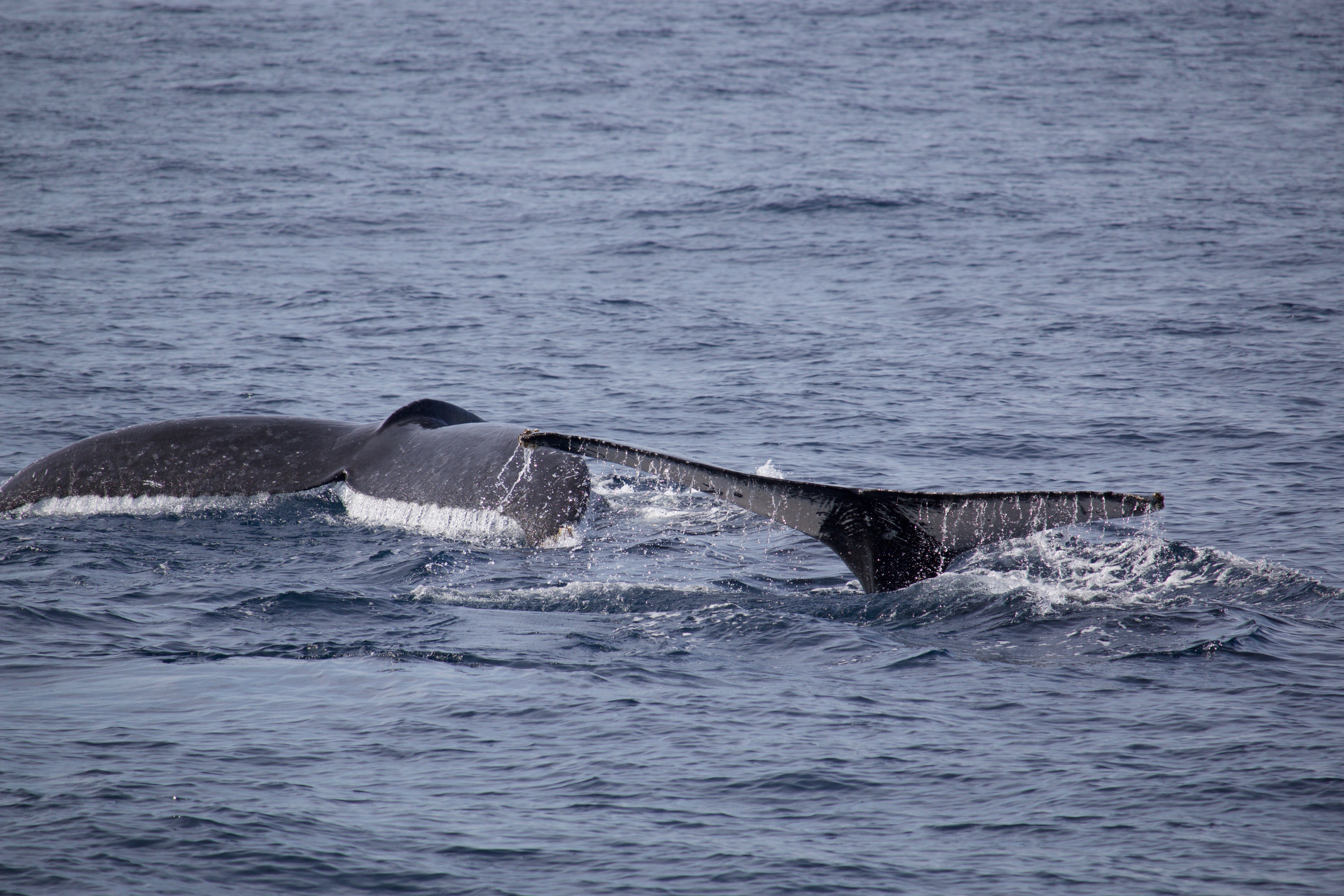
Two humpback whales diving at Cabo San Lucas.

Two humpback whales diving at Cabo San Lucas.

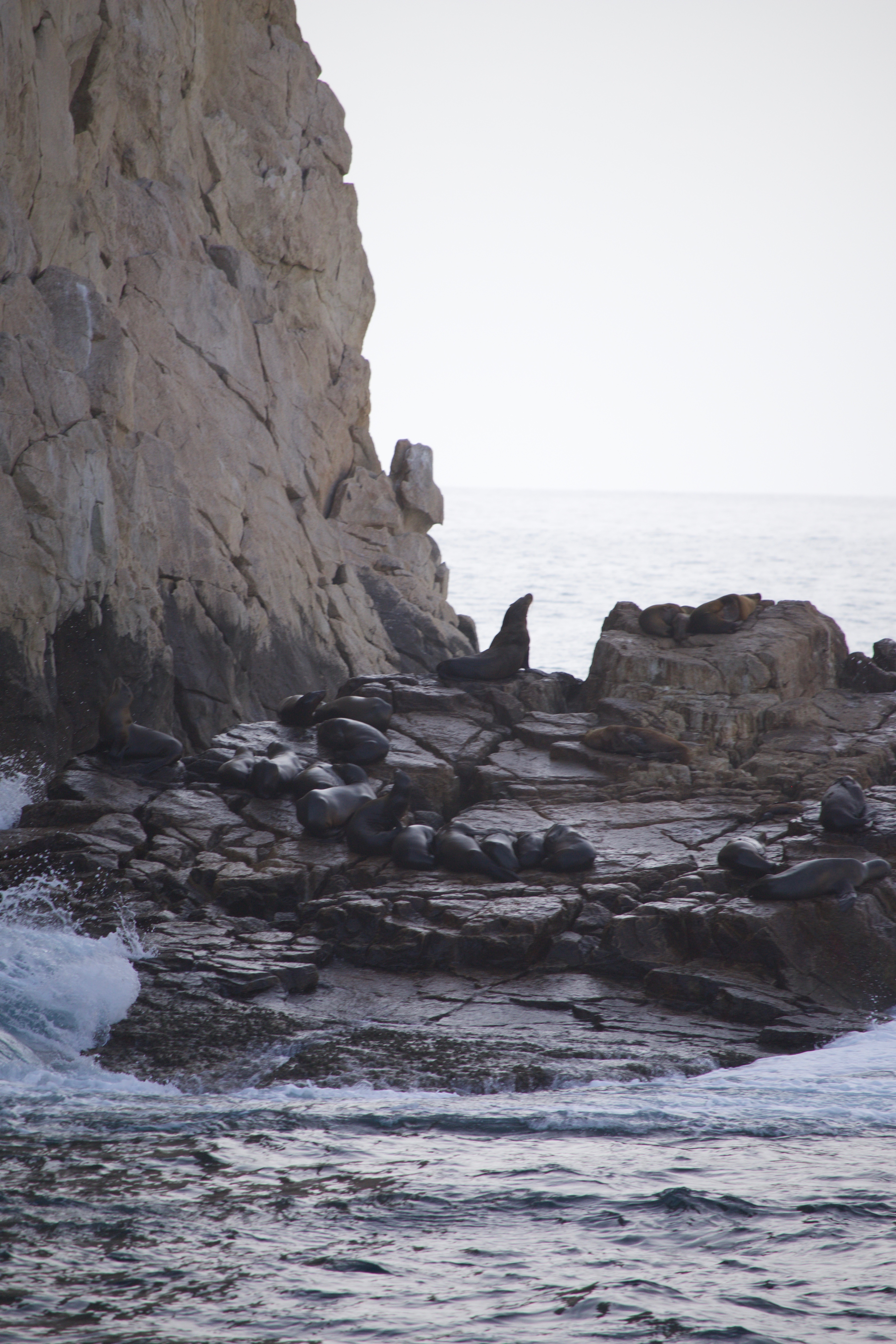
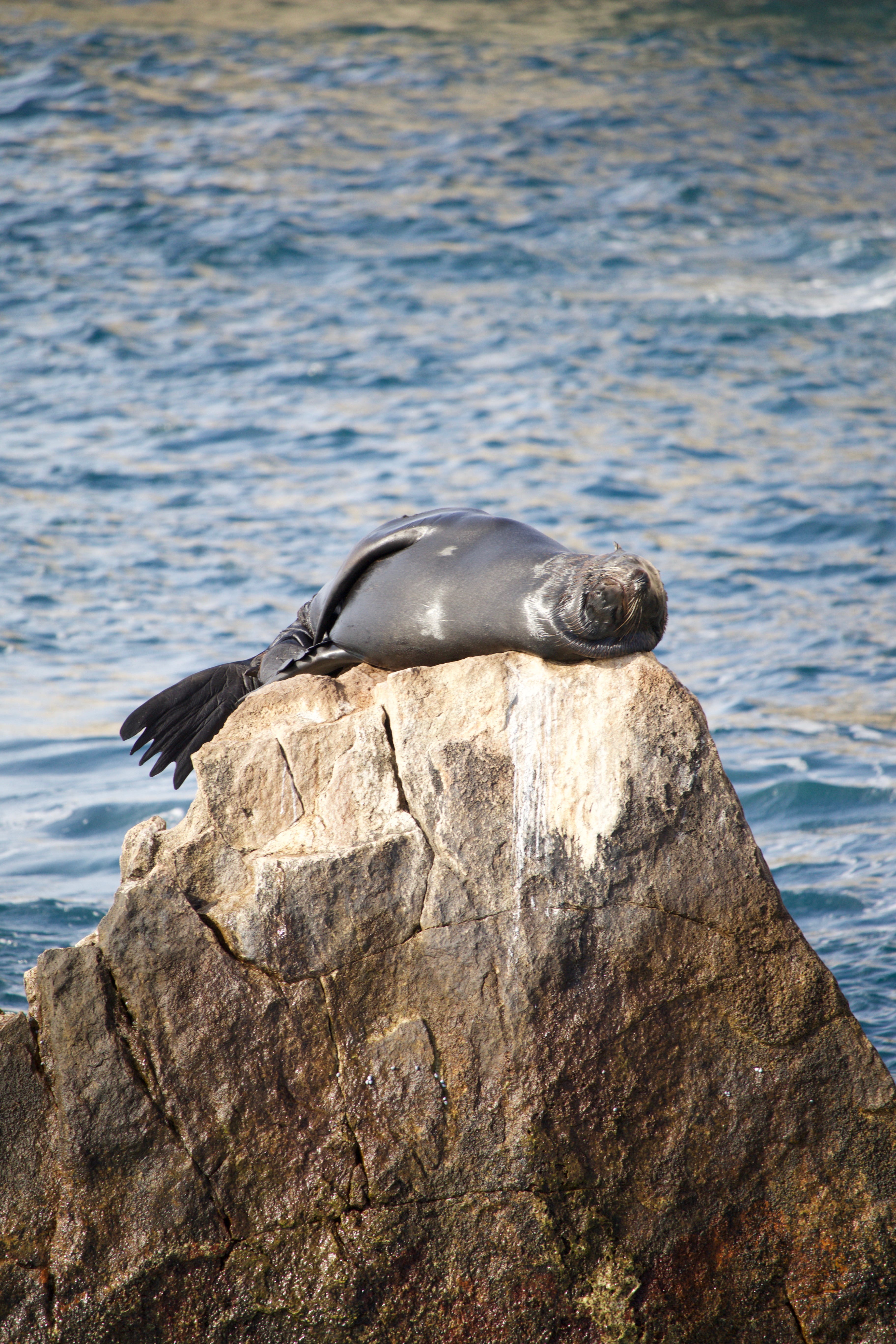
Seals on the rocks at Cabo San Lucas.

A new cruise drink: “seals on the rocks” at Cabo San Lucas.

Seal on a rock at Caba San Lucas.

Seal on a rock at Cabo San Lucas.

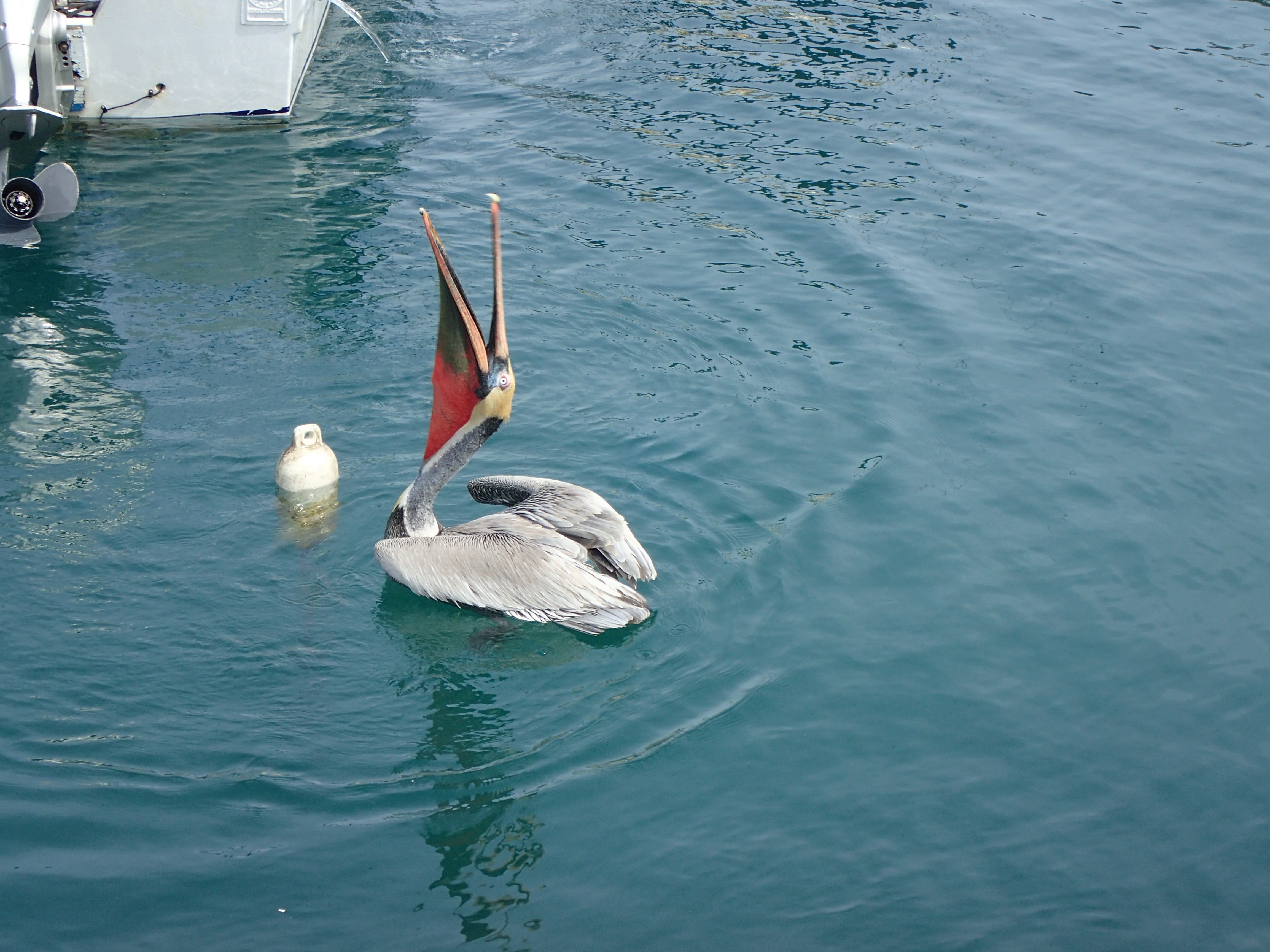
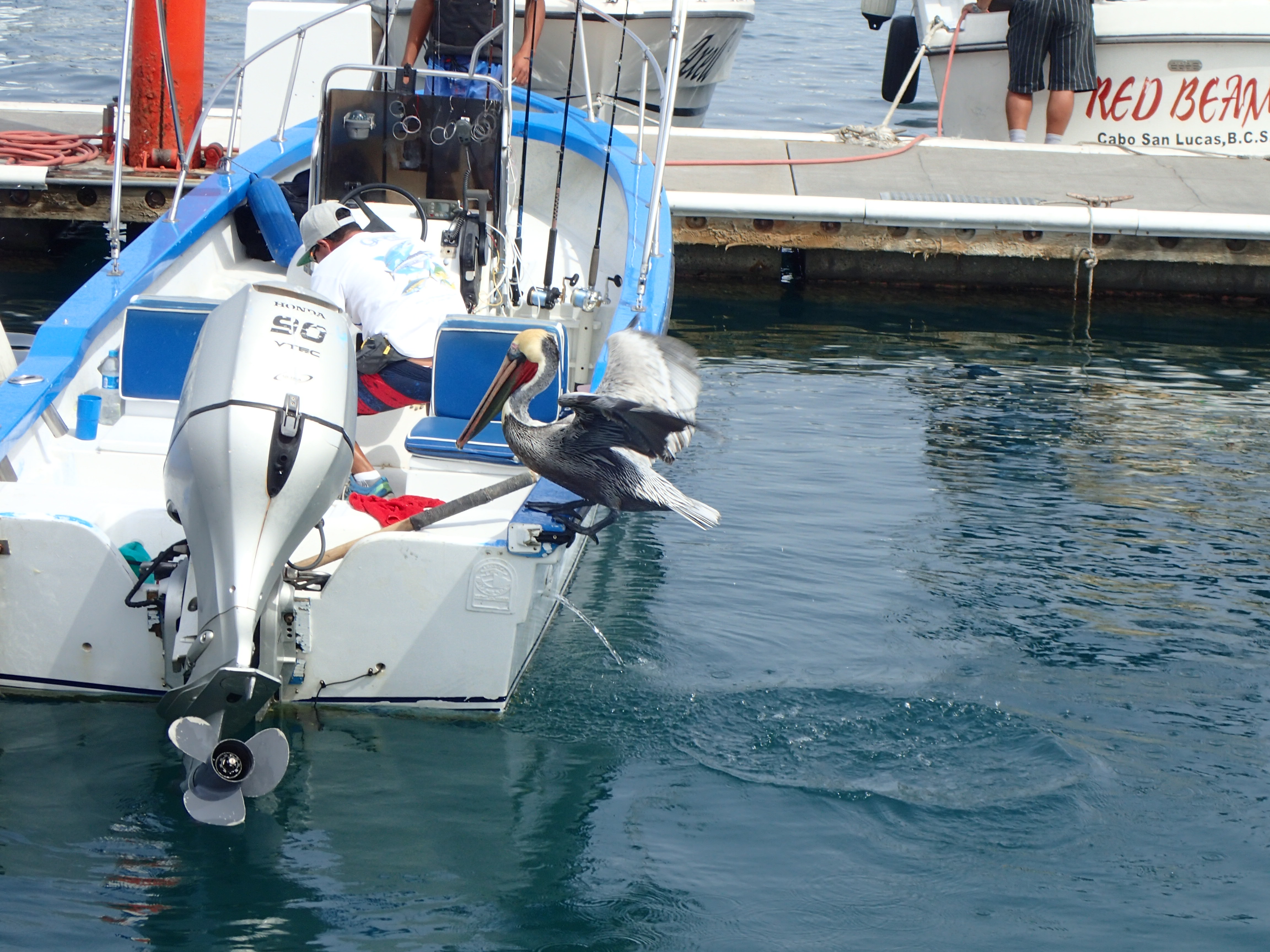
A pelican begging for food from a fisherman at Cabo San Lucas.

A pelican begging for food from a fisherman at Cabo San Lucas.

A pelican begging for food at Cabo San Lucas

A pelican begging for food at Cabo San Lucas

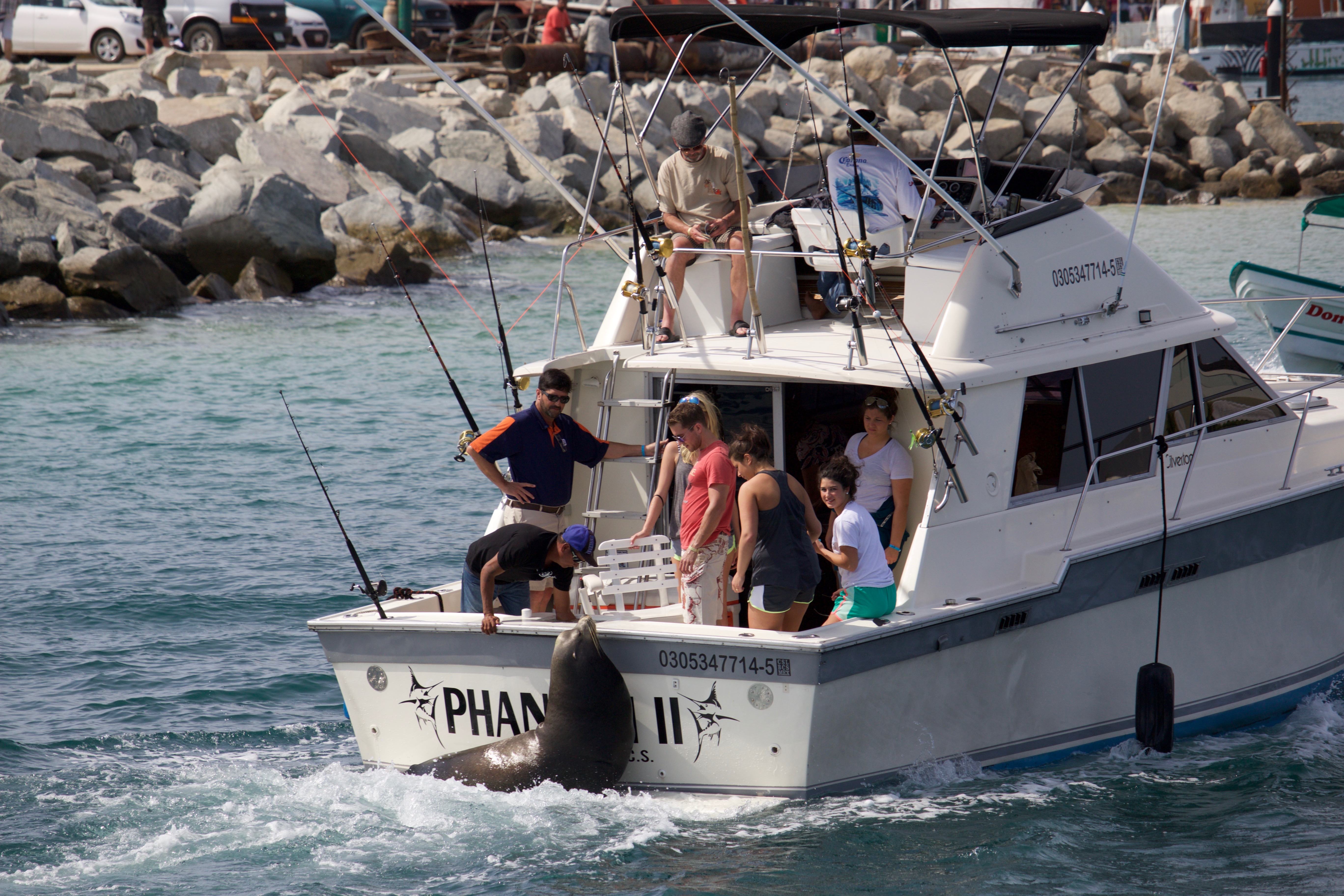
A twofer: a seal hitching a ride and getting lunch at the same time.

A twofer: a seal hitching a ride and getting lunch at the same time.

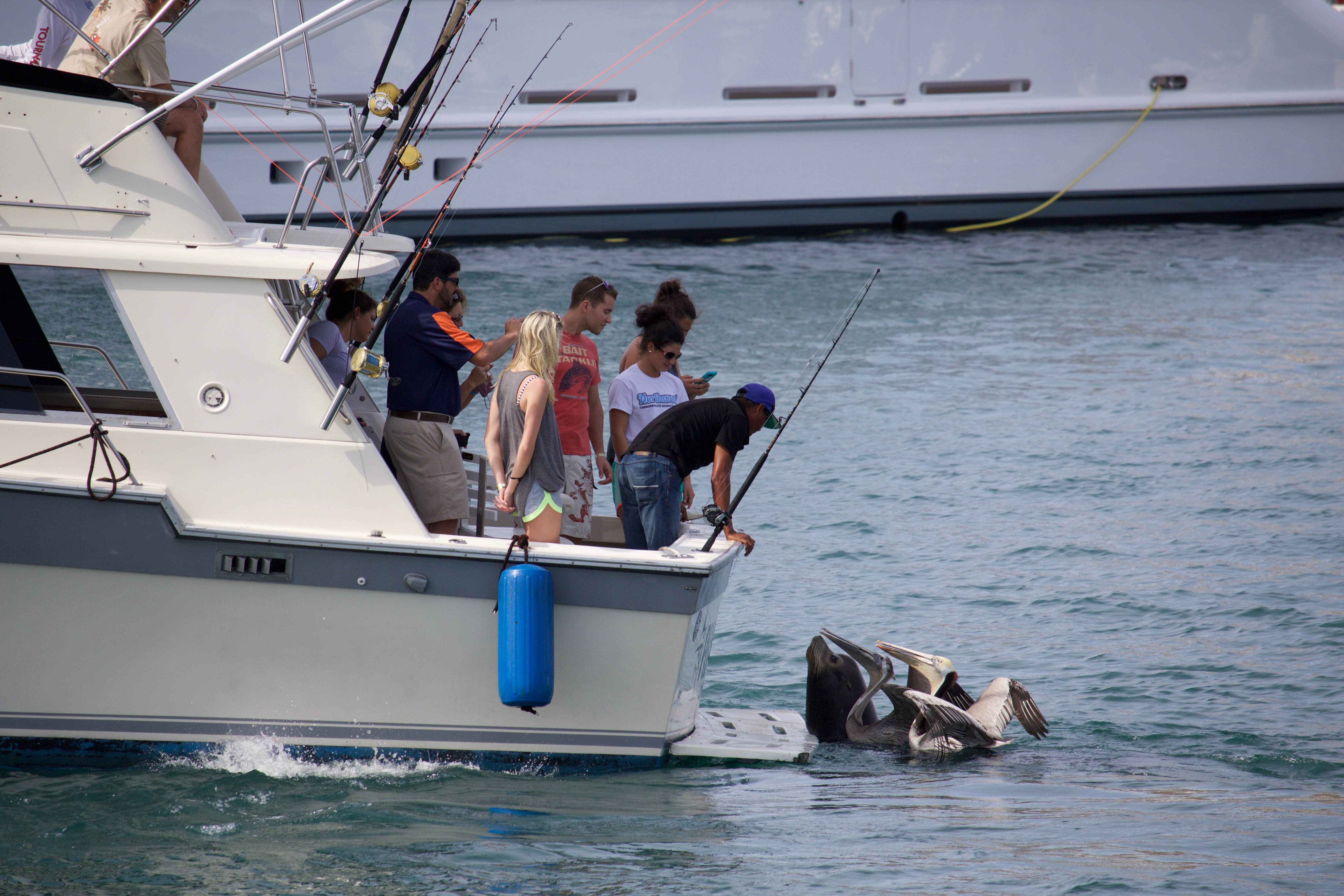
A seal and pelicans on public assistance at Cabo San Lucas.

A seal and pelicans on public assistance at Cabo San Lucas.

Stay tuned for some underwater exotic fish pics I took while snorkeling.


What is prophetic significance of the four horns of the altar?

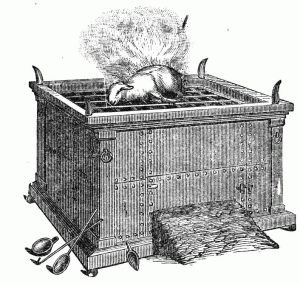
Exodus 29:12, Horns of the altar. The four horns of the altar of sacrifice was the place where the blood of atonement was sprinkled (also Lev 4:4, 17, 18, 25, 30, 34; 8:15; 9:9; 16:18).

Altar of Sacrifice

Horn in Hebrew is qeren meaning “horn, hill or ray.” This word is used to describe the rays of light rays emanating from the face of Moses after his encounter with YHVH (Exod 34:29) and the horns of an animal (Ps 69:31).

In ancient cultures, the horn was a metaphor for physical strength or spiritual power (Deut 33:17; 2 Sam 22:3; Ps 18:2). Elsewhere, YHVH is referred to as man’s “horn of salvation” meaning he is the strength of our salvation. The Hebrew word for salvation is yesha meaning “deliverance, rescue, safety, welfare, victory, prosperity.” The root of yesha is the verb yasha meaning “to save, to deliver, to give victory.” Not only is YHVH called our “horn of salvation” in the Tanakh, but this designation is applied to Yeshua as well in the Testimony of Yeshua (Luke 1:69).

Interestingly, Yeshua is a derivative of the Hebrew name Yehoshua (or Joshua), which also derives from yasha. It should be evident from this quick study that the horns of the altar are a picture of Yeshua, who is the horn or strength of our salvation and who shed his blood for our sins on the altar of the cross.

This being the case, why then are there four horns on the altar? This is likely symbolic of the four attributes of Yeshua, even as the four colors of cloth used throughout the tabernacle prophetically symbolize the same thing: crimson speaks to Yeshua’s humanity, purple to his kingship, blue to his divinity, and white to his sinlessness or righteousness.

Additionally, the Jewish sages view the four horns as symbolizing the four corners of the earth, for, in Hebraic thought, the earth is nothing more than a large altar dedicated to Elohim.

More importantly, the horns on the four corners of the altar prophetically and symbolically point to the fact that Yeshua’s blood poured out at the cross saves all humans (from the four corners of the earth who would trust in him) from their sins.