Blog Scripture Readings for 5/27 through 6/2/12

Aside

Numbers 34–36; Deuteronomy 1–5; Ezekiel 33–46; and Psalms 59–65

Most of this week’s blog discussion points will be on these passages. The full year’s Bible Reading Schedule can be found on the right sidebar under “Helpful Links.”

If you have general comments or questions on the weekly Scripture readings not addressed in a blog post, here’s a place for you to post those. Just use the “leave a reply” link below.


Blog Scripture Readings for 5/20 through 5/26/12

Aside

For the seventh week of seven weeks of the 50-day count of the omer.

Numbers 27–33; Ezekiel 19–32; and Psalms 52–58

Most of this week’s blog discussion points will be on these passages. The full year’s Bible Reading Schedule can be found on the right sidebar under “Helpful Links.”

If you have general comments or questions on the weekly Scripture readings not addressed in a blog post, here’s a place for you to post those. Just use the “leave a reply” link below.


When Was the Shofar Blown in Ancient Israel?

Psalms 47:5, Elohim has gone up with…the sound of the shofar. The shofar is an instrument unique to the ancient Hebrews and their descendants. In the Scriptures, we see that the shofar played a highly significant role in Hebraic culture. Below are some examples this instrument’s importance:

  • The very first time the Scriptures
    records the blowing of the shofar occurring was to herald YHVH’s giving of theTorah at Mount Sinai (Exod 19:16, 19 and 20:18).
  • The shofar was blown to usher in Yom Teruah. This was a call to Sabbath rest, a memorial of blowing trumpets, a set-apart convocation and marked the beginning of a ten-day period of self-examination and repentance culminating with the Day of Atonement (Num 29:1).
  • The shofar was blown to herald the Day of Atonement (Yom Kippur) to announce the Year of Jubilee. Every fifty years slaves were freed, debts were forgiven and land returned to the original owner (Lev  25:9-10 [verse 10 says, “Proclaim liberty throughout all the land to all its inhabitants” and is inscribed on the Liberty Bell.”])
  • Shofars were blown continually by seven priests before the Ark of the Covenant, as part of the battle plan to take the city of Jericho as the Israelites were entering the Promised Land (Josh 6:4–20).
  • Shofars were blown by Gideon to rally Israelites soldiers against the Midianites and again by his 300 soldiers in their battle against Midian (Judg 6:34 and 7:8,16,20).
  • Shofars were blown to welcome the Ark of the Covenant (representing the anointed and glorious presence of YHVH among his people) while David danced with all his might (2 Sam 6:15; I Chron 15:14).
  • The shofar was blown when a king was anointed (1 Kgs 1:34, 39, 41; 2 Kgs 9:13).
  • The shofar was blown when the Israelites swore an oath of allegiance to YHVH (2 Chron 15:14).
  • The shofar was blown to rally the troops (Num 10:9–10; Neh 4:18, 20).
  • Israel sounded the shofar in the time of war to be remembered by YHVH, to be saved from its enemies,  and rout the enemies of Israel by sending fear into their hearts and confusion into their camps (Num 10:9–10; Judg 7:20–22).
  • The shofar was blown to announce YHVH’s presence and to praise and worship Him (Pss 47:5, 98:6; 150:3; Isa 18:3; 27:13; Rev 1:10)
  • The shofar was blown to call people to repentance or fasting (Isa 58:1; Hos 8:1; Joel 2:1)
  • The shofar was blown to sound the alarm of war (Jer 4:19, 21; 6:1; 17; 51:27; Joel 2:1, 15).
  • The shofar was blown to sound the warning of danger (Amos 2:2; 3:6; Zeph 1:16; Hos 5:8, 8:1; Ezek 33:2-9; Isa. 58:1). The sound of the shofar is compared to a prophet’s voice.
  • The shofar was blown by YHVH (Zech 9:14).
  • The shofar was blown by the angels (Matt 24:31; Rev 8:2,3; 9:1,13–14; 10:7; 11:15).
  • The shofar was blown to announce the coming of a Jewish bridegroom to fetch his betrothed — a picture of Yeshua returning for his bride, the saints. All the righteous living and the righteous dead will receive glorified, resurrected bodies and will meet him in the air at the sound of the shofar. (Compare Matt 24:31; 25:6; 1 Cor 15:52;
    1 Thess 4:16; Rev 11:15–18).

When the righteous hear the sound of the shofar these things should be called to remembrance. The shofar is a powerful reminder of the mighty right arm of YHVH outstretched on behalf of his people. The sound of the shofar sends tremors of fear throughout the camp of the enemies of YHVH and his people and rallies the righteous to take courage and to rise up against evil knowing they will be victorious through faith in YHVH Elohim.

When was the first time you heard the sound of the shofar? How did it impact your life? How has the shofar affected your life since then?


Blog Scripture Readings for 5/13 through 5/19/12

Aside

For the sixth week of seven weeks of the 50-day count of the omer.

Numbers 20–26; Ezekiel 5–18; and Psalms 45–51

Most of this week’s blog discussion points will be on these passages. The full year’s Bible Reading Schedule can be found on the right sidebar under “Helpful Links.”

If you have general comments or questions on the weekly Scripture readings not addressed in a blog post, here’s a place for you to post those. Just use the “leave a reply” link below.


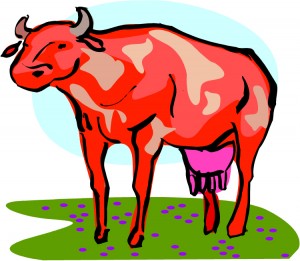
How the Red Heifer Relates to Yeshua’s Death on the Cross

How does the mysterious ritual of the red heifer relate to Yeshua’s atoning death on the cross? Below is a list points of how Yeshua’s death fulfilled every aspect of the curious red heifer ritual.

  • The heifer was to be pure red in color (Num 19:2). Red is the color of the stain of sin (Isa 1:18, “though your sins be as scarlet … red like crimson.”). Red is the color of the tzaaras skin infection dealt with in Leviticus 13:19, 24, 42–43. Red is also the color of clay earth out of which Elohim formed the first man naming him Adam (Strong’s H119/120) which means “ruddy, red, bloody or rosy in color.” Red is also the color of the Second Adam, Yeshua the Messiah, who was literally red, while being covered in his own blood while hanging on the cross as our sin sacrifice.
  • The red heifer was to be spotless and without blemish or defect (Num 19:2). More care was exercised in choosing a spotless cow than in any other sacrifice. This spotless purity represents Messiah Yeshua, the perfect, and sinless sacrifice.
  • The red cow had borne no yoke (Num 19:2). Similarly, Messiah was neither under the yoke of sin nor was beholden to or under bondage to any human, institution, government, religious system or anything else of an earthly nature.
  • The heifer was slain outside of the camp (Num 19:3). During the first and second temple eras the red heifer was slain on the Mount of Olives by the priests. The Mount of Olives was located off the Temple Mount and outside the walls of the city of Jerusalem (see The Pentateuch/Numbers, p. 329, by Samson Hirsch). Messiah Yeshua was sacrificed outside of the city gates of Jerusalem (Heb 13:12) and very possible, contrary to Christian tradition, on the Mount of Olives from which the front of the temple and the veil was clearly visible. Remember, the rent veil was visible from the place of crucifixion (Matt 27:51, 54; Mark 15:38–39).
  • The red heifer was to be slaughtered and then totally burnt (Num 19:5). This represents the burning and agonizing death and suffering of Messiah on the cross. Messiah suffered in body, soul and spirit (Isa 53) to atone for man’s sin.
  • The red heifer is just one more of the many shadow pictures that point to the Suffering Servant Messiah found in Torah. Other of these antetypes or prophetic shadow-pictures include: Continue reading →
 

Tzitzits Encounters of the Spiritual Kind

Numbers 15:37–41, Put a blue thread in the tassels of the corners. In this passage of scripture, YHVH instructs the Israelites to wear a tassel of blue thread attached to the four corners of their garments. Why? So that when they would look on these tassels they will remember to do all the commandments of YHVH and to be set-apart (or holy) unto Elohim. They were to wear tzitzit as a sign of being set-apart forever!

The tassels or tzitzits are not unlike the wedding ring one wears as a physical and outwardly visible reminder of one’s marriage vows and commitment to one’s spouse.

Yeshua wore tzitzits (see Matt 9:20; Mark 14:36; the Greek word for hem means “tassel”).

An unintended benefit of wearing tzitzit—other than fulfilling the Torah command to do so—is that when people see you wearing them, they will often ask you what they are. This has given us many opportunities to share the message of the Hebrew roots of the Christian faith with those around us. Though not their primary purpose, tzitzits can, nevertheless, become an evangelism tool. This has happened to me many times.

Please share with the readers of this blog spiritual encounters you have had while wearing your tzitzits.

For more information on the law of the fringes, read my article on the subject at http://www.hoshanarabbah.org/pdfs/tzitzit.pdf.



Blog Scripture Readings for 5/6 – 5/12/12

Aside

For the fifth week of seven weeks of the 50-day count of the omer.

Numbers 12–19; Jeremiah 43–52; Ezekiel 1–4; and Psalms 38–44

Most of this week’s blog discussion points will be on these passages. The full year’s Bible Reading Schedule can be found on the right sidebar under “Helpful Links.”

If you have general comments or questions on the weekly Scripture readings not addressed in a blog post, here’s a place for you to post those. Just use the “leave a reply” link below.