Dear Natan: How were the OT Israelites saved?

Questions from Mark:

Did the OT Israelites got saved through faith plus works?

Natan’s answer:

The answer is no. The biblical “formula” for initial salvation has never changed: it is and always has been salvation by grace through faith in Yeshua the Messiah.. Paul addresses this issue in Rom 4 in his discussion about Abraham being justified by faith. He also addresses it in his oft-quoted Eph 2:8 passage. But in verse 10 he goes on to say that the proof or fruits that we are actually saved is the “good works” that we are called to “walk in.” This may sound to some people like a grace plus works-based equation, but man-made labels of any kind are not helpful in explaining the deep mysteries of the gospel. All I can do is to point people to the Bible verses and then let the Word of Elohim speak for itself. Either people have the heart and mind to receive the truth or they don’t. I have no control over that. If people don’t agree with the Bible, then their argument is with the Bible, not with me. 
Moreover Yeshua said, “if you love me, keep my commandments” (John 14:6). We also have numerous other passages along similar lines that we could quote as well in this regard.
In several places in Romans, Paul said that we’re not justified by works, but then James goes on to say that faith without works is dead and that man is justified by works (Jas 2:14–26). So are Paul and James opposed to each other? Is the Word of Elohim divided? May it never be so. Paul is talking about one’s initial salvation, while James is talking about once one is saved they have to back up their salvation with righteous works. Sounds exactly like what Paul is saying in Eph 2:8 and 10 and in Rom 2:13. It’s also what Paul is saying about the fruits of the Spirit in Gal 5 being evidence of one’s life in the Spirit (i.e. that one is saved and in relationship with Yeshua). It is also what Each of those fruits of the Spirit are a Torah-principle, while the works of the flesh are also a violation of a Torah principle. All of this may all seem confusing to those who understand works, justification, salvation and faith from a typical linear and singular dimensional Christian viewpoint, but the apostles are discussing various facets, dimensions, aspect and levels of salvation that seems to have escaped many biblical teachers who have crammed the concept of “salvation” into a neatly labeled Greco-Roman theological box that, quite frankly, missed many of the finer points of the subject, and a result, has made many false converts to Christianity (as Yeshua discusses in the Parable of the Wheat and Tares and the Good Fish and Bad Fish Parable. The supernal and uninvestigatable concepts of the Creator of the universe don’t fit so neatly into our pathetically small man-made theological boxes. 
The bottom line is that the Bible teaches that one who knowingly and willfully disobey’s the commandments of Elohim either wasn’t saved in the first place, or lost their salvation along the way as Yeshua’s Parable of the Sower illustrates. So we aren’t saved by our good works, but our good works determine two things: whether we retain our salvation (for our good works are the very fruits of the Spirit’s activity in our lives) after being saved initially, and our good works secure our rewards in YHVH’s kingdom (Matt 5:19 and many other Scriptures). 
These are some important biblical truths that are often not taught in the mainstream church.


Stand Up Against Sexual Immorality!

Phinehas…took a javelin. Phinehas, the priest, rose up against evil—in this case, sexual immorality—and took a stand for righteousness, and YHVH commended him for it. Who are the Phinehases of today?

In standing against sin, Phinehas, the grandson of Aaron the high priest, was not acting as a self-appointed vigilante as it may appear. Rather, YHVH had given the priests, of which Phinehas was one, the authority to act as judges in Israel and to pronounce sentence in criminal matters (Deut 17:9–11). Additionally, Phinehas was doubly justified in his action against the fornicators, since he was an eyewitness of these sexual crimes, and the Torah teaches that the hand of the eyewitness was to be the first to rise up in executing judgment against the criminals (Deut 17:6; Ezek 44:24). So as an eyewitness and as a priest, he was legally justified in his actions. The priests and Levites were to act as Israel’s legal experts (Lev 10:10–11; Deut 24:8; 33:10; 2 Chron 17:9; 30:22; Neh 8:2, 8; Hag 2:11; Ezek 44:23; Mal 2:7) and to make determinations between the holy and the profane (Ezek 22:26; 44:23).

Who are YHVH’s priest on the earth today? According to Peter, and John the saints are those priests (1 Pet 2:7; Rev 1:6; 5:10; 20:6). As such, the saints presently possess the divinely mandated legal authority to fulfill the responsibilities of the priesthood of old when it comes to teaching the laws of Elohim to the nations in which they live (Lev 10:10–11). Moreover, Yeshua, our Great High Priest, has tasked his disciples with the responsibility and authority to judge righteously (i.e. to make judgments according to YHVH’s standards of righteousness, John 7:24), and to be spiritual fruit inspectors (Matt 7:15–20). Today, this responsibility is primarily exercised within the congregation of the righteous (1 Cor 5:12; 6:1–6). However, besides this, the righteous saints are to act as spiritual salt in this world and to be like a spiritual light on a hill for the world to see (Matt 5:13–16). This means that they are to preach the gospel to the world, to make disciples and to teach those around them all that Yeshua has commanded them (Matt 28:18–20; Mark 16:15–16). This means that the saints have heaven’s authority and commission to act as the spiritual and moral compass and conscience for the nations in which they live. This means that they will be standing against evil wherever and however they can as directed by the Spirit of Elohim, even as Phinehas did.

It is time that the righteous servants of YHVH Elohim begin to stand up in a more vocal and demonstrative way against the evil that is being foisted upon our society by those who are bent upon destroying the family, morality, and any vestiges of biblical standards of righteousness that may still exist around us. In Psalm 94:16, YHVH asks the question of his servants, “Who will rise up for me against the evildoers or who will stand up for me against the workers of iniquity?” With this in mind, the question we need to ask ourselves is this: If not me, who; if not now, when? If you have something worth living for, then do you have something worth giving your life for? If those who are caught up in demonically inspired religious systems are willing to die for their faith calling it “a holy war” and “martyrdom for their [demon] god,” can the saints of YHVH at least not take a verbal stand against the tide of evil that is sweeping our society?

The Bible is full of examples of YHVH’s servants standing against unrighteousness in their day and their receiving YHVH’s blessing for it. Several examples include the Hebrew midwives disobeying the edict of Pharaoh to commit infanticide (Exod 1:15–22), Phinehas executing judgment against the fornicators (Num 25:7–8), the three Hebrew children refusing to worship the golden image (Dan 3:8–18), Daniel violating the king’s edicts by praying to YHVH (Dan 6:10–12), John the Baptist criticizing Herod for his adultery (Mark 6:18), Yeshua turning over the money changers’ tables in the temple (Matt 21:12), and Peter and John for disobeying the Jewish leaders’ command to not preach the gospel (Acts 4:18–20). Many more examples could be given. Remember all the biblical prophets?

Do you not know that the unrighteous will not inherit the kingdom of God? Do not be deceived. Neither fornicators, nor idolaters, nor adulterers, nor homosexuals, nor sodomites, nor thieves, nor covetous, nor drunkards, nor revilers, nor extortioners will inherit the kingdom of God. And such were some of you. But you were washed, but you were sanctified, but you were justified in the name of the Lord Jesus and by the Spirit of our God. (1 Cor 6:9–11, emphasis added)


Flee sexual lusts and immorality!

Numbers 25:1, Commit whoredoms. Sexual immorality is the downfall of many who consider themselves to be strong, righteous and impervious to sinful temptation. There is a terrible price to pay for falling to sexual immorality as the Israelites found out. 

The enemy (the world, the flesh and the devil) knows our weaknesses and will do what its most to capitalize on them for our destruction. Romans 13:14 says, “But put on the Master Yeshua Messiah, and make not provision for the flesh, to fulfill the lusts thereof.” What doors of immorality have you kept open in your life to gratify the immoral cravings of the flesh? What spiritual stronghold exists in your life that the enemy can use to keep you under its thumb and from walking in the joy and freedom of the will of YHVH? It is time to cry out to YHVH for help and deliverance and to repent.

Setting immovable boundaries in one’s heart ahead of time is a major key to resisting sexual temptation successfully. It’s important to decide how far we can go without violating the spiritual guidelines the Scriptures lay out for us to stay righteous sexually, and then not allow ourself too get too close to those limits. For example, if you find yourself in a potentially compromising situation, flee that situation to alleviate the possibility of falling prey to moral compromise (2 Tim 2:22). 

Young people who are endowed with strong sexual urges need to bathe their minds in the godly admonitions found in Proverbs chapters one through nine (also note Eccl 11:9–10 and 12:1–14). Learning the ways of wisdom and the fear of Elohim as revealed in these chapters in Proverbs is a vital component to staying strong morally and being triumphant over the wicked temptations of the world, the flesh and the devil.


Balaam and His Modern Spiritual Descendants

Balaam—A Subverter of Divine Gifts and a Prophet of Babylon

The name Balaam means “destruction of people.” The Hebrew word bela means “destruction, confuse, confound.” The Hebrew word am means people, tribe, nation. The name Balak means “waster, to annihilate.” He was king of Moab; distant cousins to Israel through Lot, Abraham’s nephew. The world, as well as the modern Christian church, is full of such prophets.

Balaam was from Pethor, a city located on the northern Euphrates and Tigress Rivers areas called Mesopotamia in modern Syria and including modern Iraq to the south.

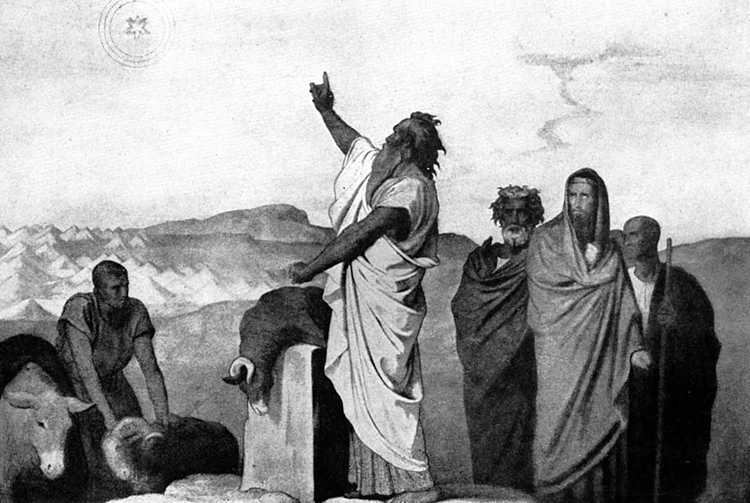
Balaam was a soothsayer or diviner (one who foretells or predicts events, Josh 13:22). The ArtScroll Stone Edition Chumash says that Balaam was a sorcerer, necromancer or wizard (one who consults evil spirits) and that the sublime prophecies he uttered over Israel were but temporary aberrations that YHVH granted him for the honor of Israel (ibid., p. 863). These prophecies also served to glorify YHVH in the eyes of the nations. Other commentators consider Balaam to have been a true prophet of YHVH gone bad. One may consider him to have been a bad prophet going good (i.e. learning obedience to YHVH). One could also consider him to have been a false prophet seeking personal fame and fortune but who, at the same time, had prophetic abilities that he misused by mixing paganism and the truth of YHVH. This seems to be the Scriptures’ view of Balaam, for 2 Peter 2:15 indicates that Balaam had some knowledge of the truth, but turned away from it loving instead the “wages of unrighteousness.” In the book of Revelation, we learn that Balaam attempted to lead the children away from Elohim and into idolatry. According to the Torah, this makes him a false prophet (Deut 13:5). YHVH commands false prophets to be put to death (Deut 13:5), and indeed, we read of Balaam’s death at the hands of the Israelites in Numbers 31:8.

YHVH used Balaam to instruct Israel in the righteousness of YHVH (Mic 6:5). YHVH can use anyone, even a secular or a false prophet or one’s enemy, to speak his words. He can even use a donkey to speak his word, as Balaam found out! YHVH is sovereign, all-powerful and always in control of everything.

Continue reading
 

Attaining Spiritual Maturity in the New Covenant

On Being Spiritual Mountain Climbers

From the time that YHVH revealed himself to the children of Israel while they were enslaved in Egypt, he has been calling his people to be spiritual mountain climbers. He first called the Israelites out of Egypt and up to Mount Sinai, and then up to Mount Zion in Jerusalem. He then called his people to come even higher yet to the upper room on the day of Pentecost, and he is now calling his people to come up even higher to the New Jerusalem that is above us and is the mother of us all. This highest mountain of YHVH is the ultimate source of our spiritual sustenance, the source of the river of life along which the trees of life are situated. From this spiritual wellspring comes all divine revelation and ultimately immortal life as children of the Most High.

The beginning of the upward spiritual journey of YHVH’s people is memorialized in the counting of the omer, which starts on First Fruits Day occurring during the Feast of Unleavened Bread and culminates fifty days later with the Feast of Weeks or Pentecost (Heb. Shavuot; Lev 23:4–16). Each new step in this journey is a stepping stone or a launch pad to the next. For the Israelites, the journey started at sea level in the flat-land river delta of Egypt (a metaphor for this world, Satan and death) and then continues climbing higher and higher until it reaches heaven itself—the abode of Elohim.

The problem is that most people only climb so far in their spiritual journey and then stop, or they grow weary along the way or become comfortably complacent at the level they have thus far attained and never move past that spot. This is dangerous! 

To not move forward spiritually is to stagnate and to die. YHVH wants a people that are on the move, who will obediently follow him wherever he leads, and not stop and park along the way only to construct their religious monuments with their fossilized customs, rituals and traditions. Heaven is a long way above the earthly plane, and YHVH wants children who will seek him no matter what, who have a heart to follow him no matter where, and no matter the cost. Although eternal life is a free gift from heaven, it won’t be given easily. It costs nothing, but, at the same time, it costs everything! Man must be willing to sacrifice his all—to lose his earthly life—to gain eternal life. YHVH refuses to give out his priceless gift of eternal life willy-nilly to anyone and everyone! YHVH requires that his saints be determined, tough and gritty mountain climbers who refuse to give up until that summit is reached. He has no pleasure in those who turn back, or refuse to go on. Only those who doggedly overcome the world, the flesh and the devil remaining lovingly loyal and obedient to him will receive the highest reward he has to offer.

The Spirit Versus the a Letter of the Law—the Two Covenants

Let’s now explore what it is to climb the mountains that YHVH has placed before us to ascertain where we are at on the journey and how far we have to go to reach the ultimate summit.

Continue reading
 

Is “the ministry of death” the Torah?

2 Corinthians 3:7, Ministry of death. Is this a reference to the Torah law that YHVH gave to Moses and the Israelites (and which was passed on down to us)? If so, which aspects of it are the “ministry of death”? Just previously in verse six, Paul is speaking about the new covenant and the letter bringing death and the spirit bringing life. What is he referring to here? Is the spirit of the Torah-law all that is applicable to the believer today, and not the letter?

If the Torah has been done away with, then why did Yeshua in his Sermon on the Mount excoriate the Jews for keeping the letter and not the spirit of the Torah? In fact, he strongly affirmed that his disciples must keep both the letter and the spirit of the Torah. To keep only the spirit would be tantamount to saying it’s all right to murder as long as you don’t hate the person, commit adultery as you don’t lust in the process, and so on. It should be plain to see that his notion is absurd. Yet this is what many Christians believe. They assert that they only have to keep the spirit of the law, but don’t have to keep the letter of the law (except the so-called “moral law”; i.e., don’t murder, steal, lie and commit adultery, etc.), and they will use this passage of Scripture to justify their belief. If this is not what Paul meant here, then what is he talking about when he is favoring the spirit of the Torah over the letter? If Paul is not referring to the Torah as the “ministry of death” in this passage, then to what is he referring? 

Paul references the stone tablets containing the Torah that Moses brought back the second time from Mount Sinai. Some aspect of this Torah (i.e. “the ministry of death”) brought the curse of death. Was it the Torah law itself, which tells man how to love Elohim with all of his heart, soul and strength and his neighbor as himself that brought death? It seems inconceivable and counter to the Torah itself that Paul would be referring to the aspect of the Torah that tells a man how to love his Creator and fellow man as causing death. After all, the Torah itself tells us that if a man follows the Torah, he will live and that Torah brings life (Deut 30:15, 19) ­—not death.

Conversely, disobedience to the Torah (or Torahlessness) is considered death (ibid.). So, in Paul’s mind, if he is to stay consistent with the Scriptures, Torah-obedience can’t be considered causing death. So what aspect of the Torah is Paul referring to then that kills? He must be referring to the penalty imposed on one for violating the Torah. Violating the Torah brings penalties and curses and sometimes even the death penalty (Deut 27 and 28). Elsewhere, the Scripture tells us that sin is Torahlessness (1 John 3:4). Moreover, the person who sins ultimately brings on himself the death penalty (Ezek 18:4; Rom 6:23) if he fails to place his faith in Yeshua and repent of his sins or violation of YHVH’s Torah-laws (Rom 6:23–26; 1 John 1:9). 

Continue reading
 

Let’s all grow up and stop acting like Balaam!

Face it, each of us acts a little (or a lot) like Balaam from time to time!

Numbers 22:21–22, A willful, selfish manipulator. Balaam was willful, greedy, arrogant, rebellious and presumptuous in the face of YHVH’s revealed will. Balaam was attempting to manipulate YHVH through soulish means for his personal gain, but YHVH always has the upper hand.

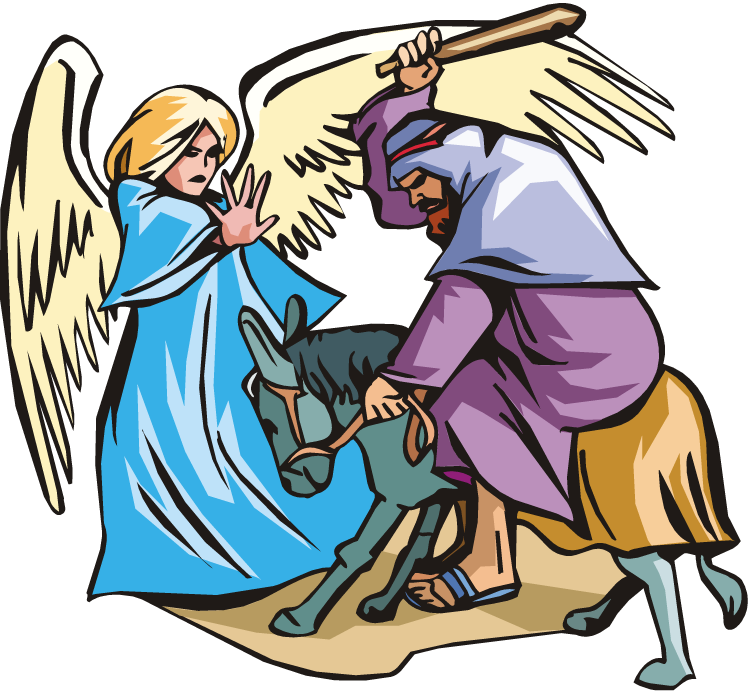
YHVH Elohim is sovereign over the affairs of men regardless of men’s machinations. The will of YHVH cannot be manipulated or bent to accommodate men’s selfish ambitions. After all, how can man—a created being—hope to play mind games with the Sovereign Creator of the universe and win? In the end, man will be humbled and YHVH will be exalted as was the case with Balaam—an arrogant and internationally acclaimed “prophet.” He was made to look like a fool through a talking donkey and all this occurred in front of the accompanying delegation of Moabite leaders. 

It was evident to all that Balaam was but a pawn in the hands of YHVH, and that if YHVH could make a brute beast speak, then he was certainly capable of putting his words into the mouth of mortal man, albeit a sorcerer. 

What lessons can we learn here? Is it wise to toy with or tempt Elohim or try to manipulate him to fit our will? How often do we attempt to bend his will to fit our own? How often do we attempt to push forth our own carnal and selfish agendas, and then attempt to convince ourselves and others that it is the will of YHVH? What are the end results? How many people go through life on this basis and never mature, since they continually act like wilful, bratty and rebellious children who always demand their own way and refuse to grow up spiritually? They have never learned to distinguish between their own carnal will and that of the Almighty. 

The good news is that when we finally submit to YHVH and let go of our own selfish agendas, it is then that we start to have the breakthroughs in our lives and begin to experience his joy, shalom and victory not to mention an intimate relationship with our Heavenly Father.