
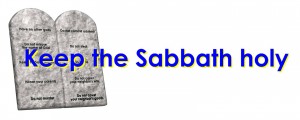
Exodus 31:13–17, My Sabbaths you shall keep. Note that Sabbaths is plural—a reference to not only the weekly Sabbath, but to the feast day Sabbaths as well. However, the seventh day Sabbath remains central to YHVH’s spiritual economy for his people. Why did YHVH designate it as a sign (“signal, distinguishing mark, banner,” Exod 31:12) between him and Israel? By keeping the Sabbath, from whom was Israel distinguishing itself? As YHVH’s set-apart people, Israel was distinguishing itself from the surrounding nations who did not keep the Sabbath.

What distinguishes us as YHVH’s set-apart people from the non-believing heathen around us?
Certainly our love for one another is a distinguishing mark, according to Yeshua (John 13:35). Yeshua also said that if we love him we will keep his Torah commandments (of which the Sabbath is the fourth of the ten commandments, John 14:15; Exod 20:8).
John was inspired to write that those who say they know Elohim and don’t keep his Torah-commandments (of which the Sabbath is a foundation stone) are liars and the truth is not in them (1 John 2:3–6). And finally, Yeshua told those who were Torahless (i.e., workers of iniquity or lawlessness) to depart from him, that he didn’t know them even though they claimed to be his followers and had done many religious works in his name (Matt 7:21–23). Although the Sabbath may not be the sign of the Renewed Covenant, it is a foundation stone of the Torah, and the keeping of it remains to this day for the saints of Elohim (Heb 4:9).
The ArtScroll Stone Edition Tanach translates verse 15 as follows:
For six days work may be done and the seventh day is a day of complete rest, it is sacred to [YHVH] … (emphasis added)
What is complete rest? What is the connection between “complete rest” and the idea of sacredness or being set-apart or kadosh? The people of YHVH are called to separate the kodesh from the common or profane:
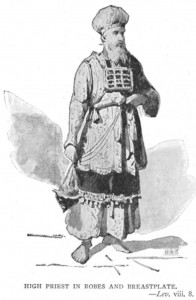
Her priests have violated my Torah, and have profaned my set-apart/kodesh things: they have put no difference between the kodesh and profane [common, polluted] neither have they showed difference between the unclean and the clean, and have hid their eyes from my Sabbaths, and I am profaned among them. (Ezek 22:26)
And [the priests] shall teach my people the difference between the kodesh and profane, and cause them to discern between the unclean and the clean. (Ezek 44:23)
What is common or profane? It is that which is commonly done on the other six days of the week. Have you made this complete separation in your life so that you can completely rest on the Sabbath? If not, what are the excuses you use? What does YHVH think about your reasons for not obeying him in light of his clear commands?




 What Yeshua was breaking was the Jews’ extra-Torah legal traditions that made the Sabbath a burden by prohibiting the alleviation of human suffering and need on this day (John 5:8–10). He was in no way violating the Torah, since there is no Torah prohibition from healing on the Sabbath or carrying one’s bed roll.