
New Video: One (Unchanging) Elohim, One People and One Law!
Reply


Exodus 12:23, Pass over. Heb. pasach/Jxp meaning “to skip over, limp, to be lame,” and hence, the Hebrew name for Passover, which is Pesach. The word pesach refers to both the lamb that was sacrificed on Passover day, and to the day itself.
Exodus 12:23, 27 cp. 6:6 (also Deut 5:15; 7:19), The destroyer…who passed over…he smote the Egyptians cp. Will redeem you with an outstretched arm. Who is the outstretched arm or YHVH? It is Yeshua (Isa 53:1 cp. Isa 52:10; 40:10; Ezek 20:34–35) who is at the right hand of Elohim (e.g. Rom 8:34; Col 3:1; etc.). We know that the preincarnate Yeshua, the Malak (mistranslated in most Bibles as Angel) or Messenger of YHVH led Israel through the wilderness. Likely, the preincarate Yeshua was the arm of YHVH’s judgment against Egypt’s firstborn, even as he will be the hand of Elohim’s judgment against the wicked in last days and at his second coming (Rev 19:15, 21).
Exodus 12:31, 33, Rise up, get you forth. YHVH was leading Israel out of Egypt, while Egypt was, at the same time, thrusting Israel out of that nation.
This verse marks the beginning of Israel’s exodus from Egypt. The later biblical prophets speak about end times Israel being scattered and enslaved in the nations of the world (i.e. Babylon the Great). However, as a result of a series of miraculous events and YHVH’s judgments against their captor nations, end times Israel is finally set free. Released, they will return to the Promised Land of Israel where Yeshua the Messiah will rule and reign over them. Many biblical prophets predict this glorious event happening, and the Jewish sages have tenaciously clung to this hope for two millennia. This event (actually, a series of events) has euphemistically been referred to as “the second exodus.” Many scriptures (e.g. Isa 11:10; 12:6; Jer 16:14–15; 23:7) refer to this when they prophesy of another exodus of Elohim’s people to occur in the last days which will be much larger in scope and will involve many more nations than the first exodus from Egypt.
Exodus 12:38, The mixed multitude. In the end times, the wheat and chaff or tares will be separated from each other in the wilderness of the peoples (Ezek 20:35–38). Yeshua discusses this purging process in his parable by the same name (Matt 13:24–30).
Exodus 13:3, Went out of Egypt…no leavened bread. What is the spiritual connection between coming out of Egypt and the memorial (v. 9) of eating unleavened flat bread? The keeping of the Feast of Unleavened Bread and the command to eat flat bread was to be an object lesson for successive generations Israelites as a sign and a memorial of what YHVH did against Egypt and of Israel’s deliverance (vv. 8–9). As the strong right arm of YHVH’s judgments (v. 3) pressed down upon proud and exalted Egypt until it was flattened as a nation, even so, YHVH’s judgment against the sin and idolatry in our lives demands that we become flattened, deleavened and contrite before him. He desires to squeeze or press out of us all the leaven of sin and pride that we have inherited from spiritual Egypt. In the Scriptures, since leavening puffs up and sours bread, it is a biblical metaphor for sin, which does the same to the human heart and mind. It causes bitterness, pride, insincerity, hypocrisy and giving rise to false teachings and doctrines of men. We must put out the leaven of sin from our lives and from our spiritual assemblies, as Paul admonishes. The Feast of Unleavened Bread pictures this process. The saints are to keep the feast not with the old leaven of malice and wickedness, but with the unleavened bread of sincerity and truth (i.e. the Torah, 1 Cor 5:8, read vv. 1–11 for context).
Exodus 13:18, 21, But Elohim led the people…and YHVH went before them…to lead the way. What are some other ways by which YHVH leads or speaks to his people?

Luke 13:12, Woman…spirit of infirmity. Sometimes Yeshua healed people who neither asked for it, nor evidenced faith to be healed simply that the glory of YHVH might be manifested. From time to time, we hear of miraculous healings and divine interventions that saved people’s lives occurring for no apparent reason. Perhaps YHVH likes to stir the pot of human affairs occasionally just to draw men’s attention to him, bring glory to his name and to raise men’s hopes a bit in pointing them to the fact that there is an Elohim who is sovereignly orchestrating things behind the scenes and who cares about humans.
Luke 13:15, Hypocrite. Yeshua was able to defend his actions and contradict the leader of the synagogue because he knew the Torah better than they did. This teaches us two things. First, just because one is a church leader doesn’t mean they know the Torah or the rest of the word of Elohim very well. Paul taught the “whole counsel of Elohim,” including the Torah. How many Bible teachers do that in our day? In fact, the New Testament as we know it didn’t even exist in Paul’s day; all he has was the Old Testament from which to teach. More often than not, the church’s modern day Bible teachers know religious tradition and doctrines of men better then the actual word of Elohim. Second, as a minister of the word of Elohim, one will need to defend it against those who are false teachers and who teach the doctrines of men that make of non-effect the Word of Elohim. To be able to do this, the Bible teacher must study and know YHVH’s word intimately down to the most minute details and better so than one’s opponents. On this score, Yeshua was preeminent, and was able to leave his accusers speechless and without rebuttals. As his disciples, we must endeavor to imitate his example.
Luke 13:18, Kingdom of Elohim. The kingdom of Elohim not only grows from a tiny seed to become like a mighty plant, but with it comes healing for the sick, sight for the blind, food for the hungry, liberty for the captives, happiness for the mourners and freedom for the oppressed. It literally becomes a shelter or a protective covering for those who seek refuge, for now, in its truth and hope, and, eventually, in its universal reality when it is established globally at Yeshua’s second coming.
Luke 13:30, First who will last. Many people have been caught up in religiosity even while professing the name of Jesus (Yeshua), but have not walked in righteousness (i.e. Torah obedience). As Yeshua states in Matt 5:19 and Matt 7:21–23, Torah obedience not only determines the level of one’s rewards in the kingdom of Elohim, but whether our faith in Yeshua is genuine. Its genuineness is determined by the fruits of our actions (John 14:15; 1 John 2:3–6; Jas 2:14–26; Rev 22:14). What we believe in and have a heart for, we will back up with actions. These are those who Yeshua will let into the narrow gate of his kingdom. The workers of iniquity or Torahlessness will be left outside the gate to Yeshua’s kingdom (Luke 13:27).
Luke 13:31, Some Pharisees came. Not all the Pharisees were the evil enemies of Yeshua. Some were genuinely questioning whether he was the Messiah or not. Some later became believers (e.g., Paul and the Acts 15 believers). These Pharisees were warning Yeshua of death threats and urging him to escape his enemies.
Exodus 12:15, Remove leaven from your houses. Leaven is a biblical metaphor for sin. How do we remove sin from our spiritual lives?
Throughout Scripture, leavening is a spiritual metaphor for sin, pride, hypocrisy, malice, bitterness and false religious doctrine (Pss 71:4; 73:21; Hos 7:4; Matt 16:6; Mark 8:15; Luke 12:1; 1 Cor 5:8–6; Gal 5:9). Even as a small amount of leavening agents in bread (e.g. yeast and various chemical agents) will quickly permeate bread dough causing it to rise, so a little sin can rapidly infect our lives (or like a quick spread cancer disease) and take us away from Elohim’s path of righteous-living.
The Scripture teaches us to be overcomers (Rom 12:21; 1 John 2:13–14; 5:4) eradicating the leavening of sin from our lives. We must overcome the world, the flesh and the devil (Jas 3:15). Yeshua admonished each of the seven Messianic assemblies to be overcomers (Rev 2:7,11,17,26; 3:5,12,21; see also Matt 24:13). For those who overcome, there will be great rewards—a spiritual inheritance; they will be sons of Elohim (Rev 21:7).
The Greek word for overcome is nikao meaning “to conquer, to get the victory, prevail” and Continue reading
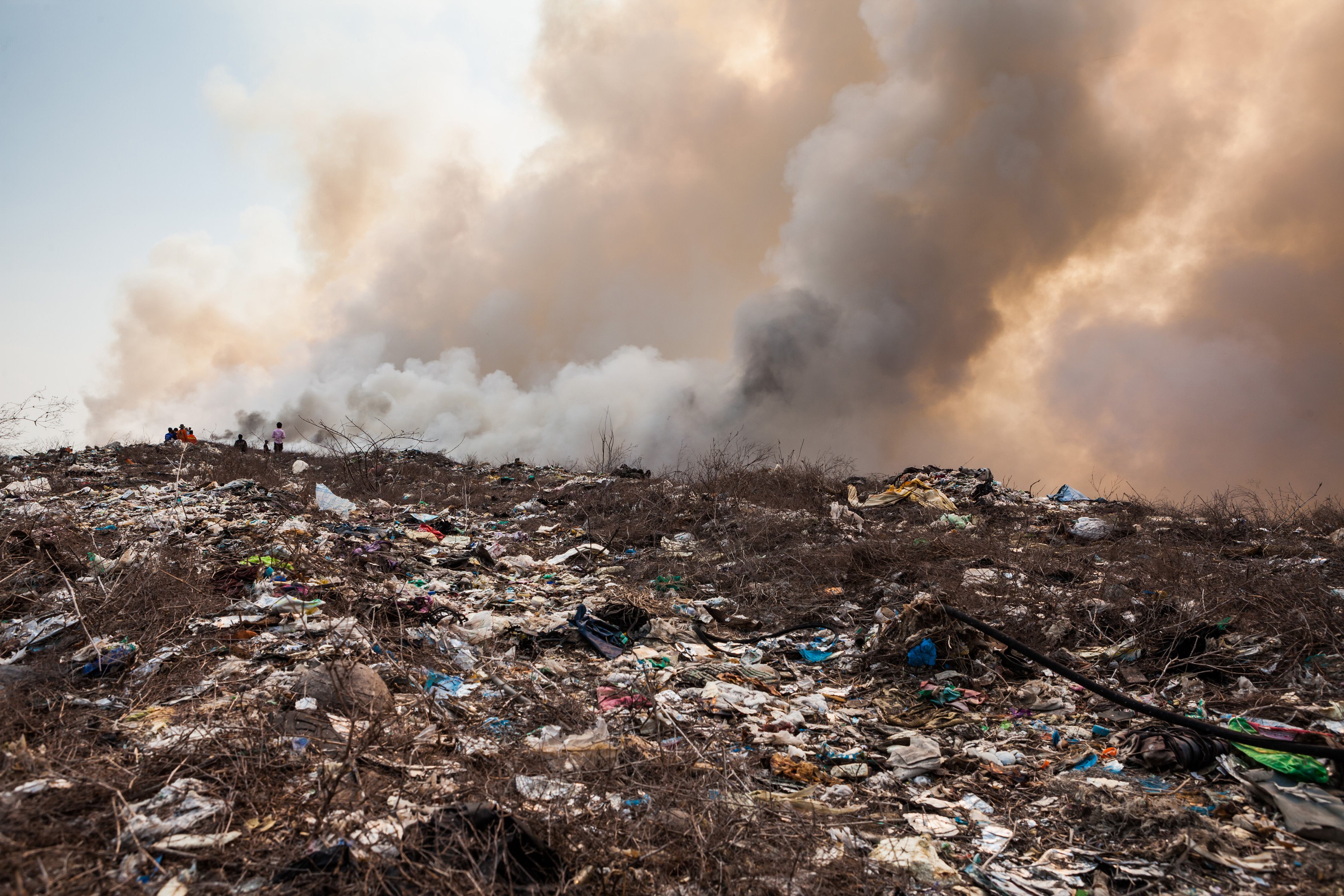
Luke 12:5, Killed…cast into hell [Gehenna]. There are two deaths: a physical and a spiritual death. All humans will die a physical death (Heb 9:27), but not everyone will die a second or spiritual death. This death is reserved for the unregenerate wicked and is called the lake of fire (Rev 20:12–15). The Hinnom Valley (Gr. Gehenna) on the west side of Jerusalem was a Hebrew metaphor for the fate of the wicked. The Jews used this valley as a refuse dump, and it was there that the bodies of dead animals and criminals were burned. Literally, at the white throne judgment after having judged the unregenerate wicked, YHVH will cast them into his spiritual garbage dump to be burned up (Rev 20:11–15).