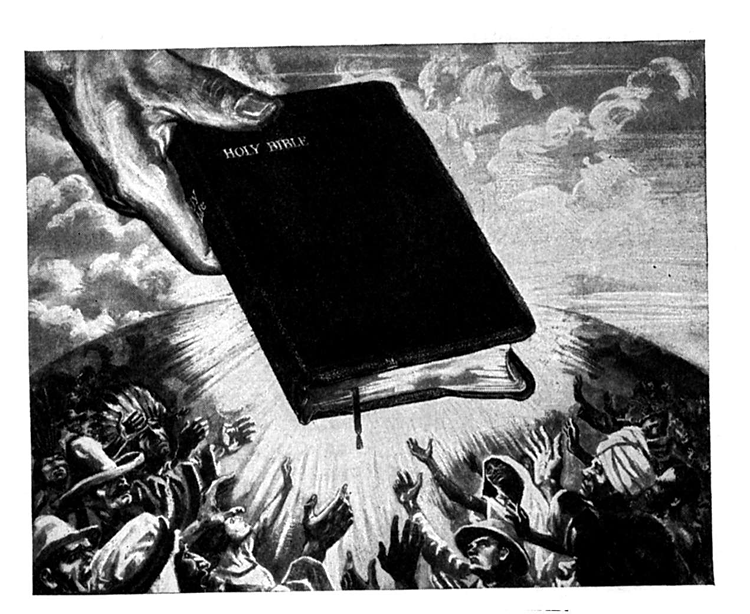
The Word Versus the word Explained

I get some really great comment on this blog that challenge and teach me. Some also accord me the excellent opportunity to instruct and exhort.

Today, a well-meaning individual loving challenged me in the comments section when I wrote in a recent blog post that the Word of Elohim is my best friend. He basically said that the words on the page were not his best friend, but the Person those words pointed to was his best friend. From a Western perspective, his is correct, but I didn’t write my blog piece from a Western perspective, but from Hebraic, biblical perspective. Let me explain. — Natan

What Is the Word/word of Elohim from a Hebraic Perspective?

The Word of Elohim is my best friend. The word of Elohim is not my best friend. Notice the difference between these two sentences? In the first sentence, Word is capitalized; in the second, it is not. In my post, I capitalized the word Word for a reason. You must not have caught that. There is a big difference between the two. People can religiously worship words on a page or a book. I worship him who wrote it and recognize them to be a his words, and a reflection of his very heart, mind, will and character.

Yeshua is the Word of Elohim. John 1:1–2, 14 says,

“In the beginning was the Word, and the Word was with Elohim, and the Word was Elohim. He was in the beginning with Elohim….And the Word became flesh and dwelt among us, and we beheld His glory, the glory as of the only begotten of the Father, full of grace and truth.”

Yeshua and his word are indivisible. To love his word is to love him. He is his word. This is Hebraic thought.

Hebraically, a person and their character and reputation are inseparable. They are who and what they are.

In our Western Greek mindset, we tend to separate a person’s word from them. This is not a biblical, Hebraic approach.

For example, the Hebrew word debar not only means “a word” but also “a thing.” Here there is no separation between form and substance. If there is no substance, there is no form.

In Greek thought, we tend to look at the outward appearance of something and separate it out from its substance or essence. For example, we look at a building and declare how beautiful it looks on the outside, or how handsome someone looks, or how good that cup or cave looks on the outside.

In Hebraic thought, we are told not to judge according to appearance, but according to righteousness (John 7:24)—to judge something by its fruit (Matt 7:16–20). We have to look at the heart of the matter, or the person, and make our judgments based on that. For example, Samuel saw how lovely David looked, but YHVH was looking at David’s heart, not his handsome appearance when he chose him to be king over Israel (1 Sam 13:14). Interestingly, when the heart is right, the outward appearances will be beautiful as well. It kind of follows!

Yeshua rebuked the religious hypocrites of his day for looking good on the outside, but looking hideous on the inside (for being a dirty cup or a whitewashed tomb). He also said that our words reflect the true condition of the heart (Luke 6:45).

So word and thing are the same thing in Hebrew.

In Hebrew thought, vanity is defined as one’s words and actions not lining up with each other. If a person says one thing, and does another thing, then it’s considered emptiness or vanity. It’s nothing—only hot air or wind.

So to bring this thing back full circle, Yeshua is his word and his word is him. That’s why the Word of Elohim is my best friend. It’s a whole lot more than words on a page to me—it’s the reflection of the mind, heart, character and will of the Author of the Bible which who he is. He and his words are inseparable.

We have a saying, “A man is only as good as his word.” This is a step in the right direction to understanding better the Hebraic approach in regards to someone and their words. In the Bible, Elohim IS the/His W/word!

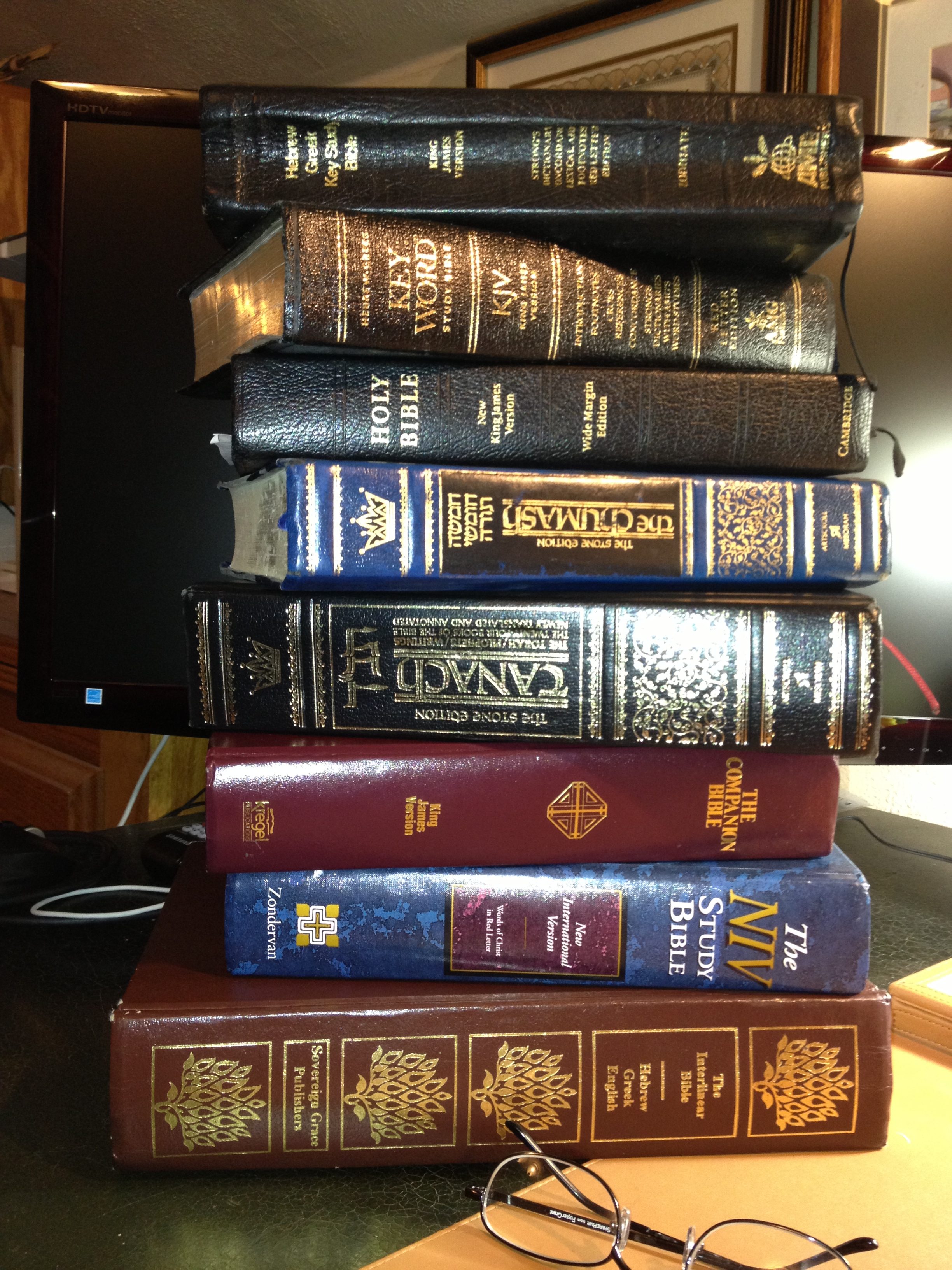
 

Which Bible Translation Do I Use?

Continually, people ask me what Bible translation I personally use when preaching and when writing. I wish there were a good answer to this question, but there isn’t. I’ve been asked this question many times over the years.

The Word of Elohim is something I take very seriously. It is something to be trembled before with a contrite heart (Isa 66:2). Sadly, there are numerous designer Messianic Bibles out there being peddled by money-grubbing charlatans or self-proclaimed experts who have just enough knowledge of the original languages to be dangerous, but not enough to competently translate a Bible. These individuals are duping those who know less than they do, and preying unsuspecting and naive people who are hungry for truth. They are proving the old adage that says “an ‘expert’ is simply someone who knows more than the next guy.” Most of these “translators” have little or no academic training or linguistic expertise in ancient biblical languages, yet this doesn’t stop them producing a constant stream of “new and improved” Bible translations. I actually have some academic background in foreign and biblical languages and have done translating work in both French and Koine Greek at the academic level, so I speak with some understanding on the subject. Yet, I am not an expert, and am not qualified to translate anything.

There is not a single Bible translation on the market today that I can unreservedly recommend. Some of the more popular ones have been translated by questionable individuals who have little or no linguistic training, yet they (dishonestly) refuse to disclose publicly what their qualifications are for translating the Bible. I find this to be a huge red flag to me. If you have linguistic qualifications, why not state them? If you don’t, it’s probably because you have none. I suspect that most of these self-proclaimed Bible translators simply sat down with a copyright free English version (e.g. the KJV) and along with the help of a concordance and a few other lexical aids, made a translation, which they now peddle for big bucks. This is dishonest and unrighteous.

Which Bible version do I personally use? I still use the KJV and NKJV, since at least they were translated by competent linguists. Because I’ve been studying Greek and Hebrew for more than 45 years, I know where all the translation biases are, and I know the Hebrew and Greek words behind many of the English words in our Bibles. As I’m reading the Bible (when preaching) or quoting (when writing), I start with the base of the NKJV, and as I am going along, I “clean” up the English. For example, I insert Hebrew words for the names of deity (i.e., God becomes Elohim, LORD become Yehovah, Jesus becomes Yeshuah, Christ becomes Messiah, Holy Spirit become Ruach HaKodesh, and so on). In cases where there are Hebrew or Greek words that the translators have translated into English using misleading words, based on the lexical meanings of the words I make changes. For example, in Romans 10:4, I change “end” to “final aim, goal.” This is totally consistent not only with the meaning of the Greek word telos but also consistent with biblical truth. Another example would be Matthew 5:17 where fulfill (Gr. pleroo) means “to fill up, to make full, to complete, to fill to the top.” In any place in both the Tanakh (Old Testament) or the Testimony of Yeshua (New Testament) where the word law occurs in referring to “the law of Moses”, I replace it with the Hebrew word Torah meaning “instructions, teachings and precepts [in righteousness of YHVH Elohim].” I could give many other examples, but hopefully the reader gets the point. I don’t carelessly or haphazardly substitute words, but do so full well recognizing the meanings of the words in the original languages, and how the biblical authors use them in the full context of the whole Bible. Again, I tremble before YHVH and his Word, I cringe at the thought of being labeled a false teacher, or bringing  curses upon myself for adding or subtracting from the Word of Elohim.


My Best Friend Can Be Yours Too

The Word of Elohim is like a best friend to me. I run to it for answers to all my life’s questions, and for wisdom, understanding and direction for all areas of my life.

The Word of Elohim  is always there for me. Like no human can do, it brings me comfort in times of personal distress. It lights my path in the darkness and confusion of life and guides me forward in uncertain and perilous times. It is my comfort zone and is always faithful to me. It encourages, strengthens and supports me when no human can or will. This is no indictment of humans. It simply is not possible for a human to meet all of one’s personal needs; only the Word of Elohim can do that because its source is divine and behind it stands the Creator of the universe Who is always there, is all-knowing, all-loving and all-powerful. With his Word comes his breath, power and anointing to transform lives. His Word points and leads to Him. Humans, despite their best efforts, will fail you, but the Word of Elohim is a faithful friend that will not let you down.

Put your faith and trust in the Word of Elohim. Join me in getting to know this Friend and enjoy the indescribable blessings that will come from such relationship!

Can anyone else relate to this too?


Mystery Babylon and the Rise of Neo-Baalism in the End Times

A  Normalcy Bias

For those of us living in prosperous and relatively stable societies, it’s easy to forget the words of  Yeshua’s apostle in 2 Peter 3:1–18,

1 Beloved, I now write to you this second epistle (in both of which I stir up your pure minds by way of reminder), 2 that you may be mindful of the words which were spoken before by the holy prophets, and of the commandment of us, the apostles of the Master and Savior, 3 knowing this first: that scoffers will come in the last days, walking according to their own lusts, 4 and saying, “Where is the promise of His coming? For since the fathers fell asleep, all things continue as they were from the beginning of creation.”

5 For this they willfully forget: that by the word of Elohim the heavens were of old, and the earth standing out of water and in the water, 6 by which the world that then existed perished, being flooded with water.

7 But the heavens and the earth which are now preserved by the same word, are reserved for fire until the day of judgment and perdition of ungodly men.

8 But, beloved, do not forget this one thing, that with YHVH one day is as a thousand years, and a thousand years as one day.

9 The Lord is not slack concerning His promise, as some count slackness, but is longsuffering toward us, not willing that any should perish but that all should come to repentance.

10 But the day of the Lord will come as a thief in the night, in which the heavens will pass away with a great noise, and the elements will melt with fervent heat; both the earth and the works that are in it will be burned up.

11 Therefore, since all these things will be dissolved, what manner of persons ought you to be in holy conduct and godliness, 12 looking for and hastening the coming of the day of God, because of which the heavens will be dissolved, being on fire, and the elements will melt with fervent heat?

13 Nevertheless we, according to His promise, look for new heavens and a new earth in which righteousness dwells.

14 Therefore, beloved, looking forward to these things, be diligent to be found by Him in peace, without spot and blameless; 15 and consider that the longsuffering of our Master is salvation—as also our beloved brother Paul, according to the wisdom given to him, has written to you, 16 as also in all his epistles, speaking in them of these things, in which are some things hard to understand, which untaught and unstable people twist to their own destruction, as they do also the rest of the Scriptures.

17 You therefore, beloved, since you know this beforehand, beware lest you also fall from your own steadfastness, being led away with the error of the wicked; 18 but grow in the grace and knowledge of our Master and Savior Yeshua the Messiah. To Him be the glory both now and forever. Amein.

It’s only natural for each of us to think that we’re pretty okay spiritually. This is our normal mental default mode. So did the Laodiceans in Rev 3. But what really matters is what YHVH thinks about us. He’s the Lawgiver and the Righteous Judge. That’s the  most important thing, since he’s the one to whom every knee will ultimately bow. He’s the only one who can grant eternal life.

The prophecies of the Bible will come to pass…sometime. There will be a generation that will see them fulfilled. This includes all the less popular prophecies! It’s safe to say that when these prophecies begin to come to pass, most people will be so caught up in the day to day affairs of life that they will be oblivious to them. This is the normal state of things. In the days of Noah, it was life as usual, until the flood came and washed them all away. The same thing will happen in the last days (Luke 17:26). Most people will be blind to what is really happening spiritually around them. This is because their time is consumed with raising their families, building their careers, preparing for retirement or their next vacation. The saints, on the other hand, are called to be children of the light, not darkness (1 Thess 5:1–9). Light is a biblical metaphor for YHVH’s divinely revealed truth including his Torah instructions in righteousness and following and obeying Yeshua who is the Living Torah Word of Elohim and the spiritual light of the world.

Because most people are living in spiritual darkness, the Mystery Babylon the Great world-ruling system is currently coming upon them unawares. This is why the Bible calls a mystery. It’s hidden, yet at the same time it’s in plain sight. Only those who eyes are spiritually open will see it. This global antichrist system will rise up slowly, imperceptibly and Continue reading


Blog Scripture Readings for 4-30 Through 5-6-17

Aside

THIS WEEK’S SCRIPTURE READINGS FOR STUDY AND DISCUSSION:

Parashat Achrei Mot–Kedoshim — Leviticus 16:1 – 20:27
Haftarah — Amos 9:7-15
Prophets — Isaiah 54:1 – 62:12
Writings — Job 22:1 – 28:28
Testimony — Acts 17:1 – 21:40

Our full Scripture Reading Schedule for 2016-2017 is available to download and print.

Most of this week’s blog discussion points will be on these passages. If you have general comments or questions on the weekly Scripture readings not addressed in a blog post, here’s a place for you to post those. Just use the “leave a reply” link below.

The full “Read Through The Scriptures In A Year” schedule, broken down by each day, can be found on the right sidebar under “Helpful Links.” There are 4 sections of scripture to read each day. One each from the Torah, the Prophets, the Writings, and from the Testimony of Yeshua. Each week, the Torah and haftarah readings will follow the traditional one-year reading cycle.

Weekly Blog Scripture Readings for 4/30/17 through 5/6/17.


A Smiling Spring Shabbat Greeting to Everyone Out There!

Consider the lilies, how they grow: they neither toil nor spin; and yet I say to you, even Solomon in all his glory was not arrayed like one of these. (Luke 12:27)

A happy Shabbat greeting to you from my personal Garden of Eden!

And now for a colorful Bible lesson from my garden…

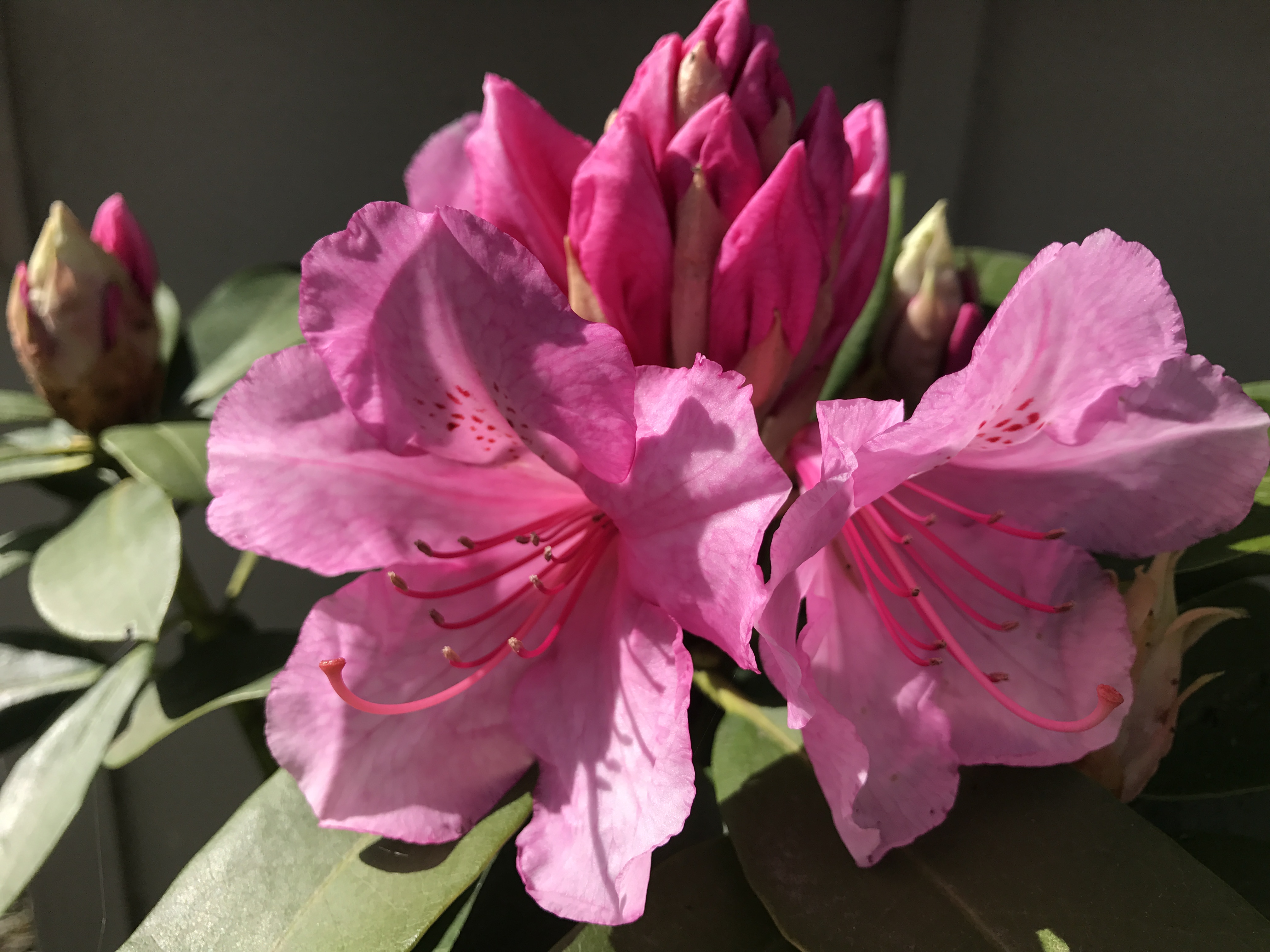
This is a prized rhododendron I inherited from my grandmother’s garden. Grandma was a godly woman who I miss greatly even though she has been gone since 1986. This flower reminds me of the great cloud of saintly witnesses that have gone before us to help make us what we are. I will be overjoyed to see  her in the first resurrection!

This azalea that adorns the front of my house is one giant bloom. May we be like this azalea always smiling and full of joy despite the cold, wet and cloudy circumstances life throws at us.

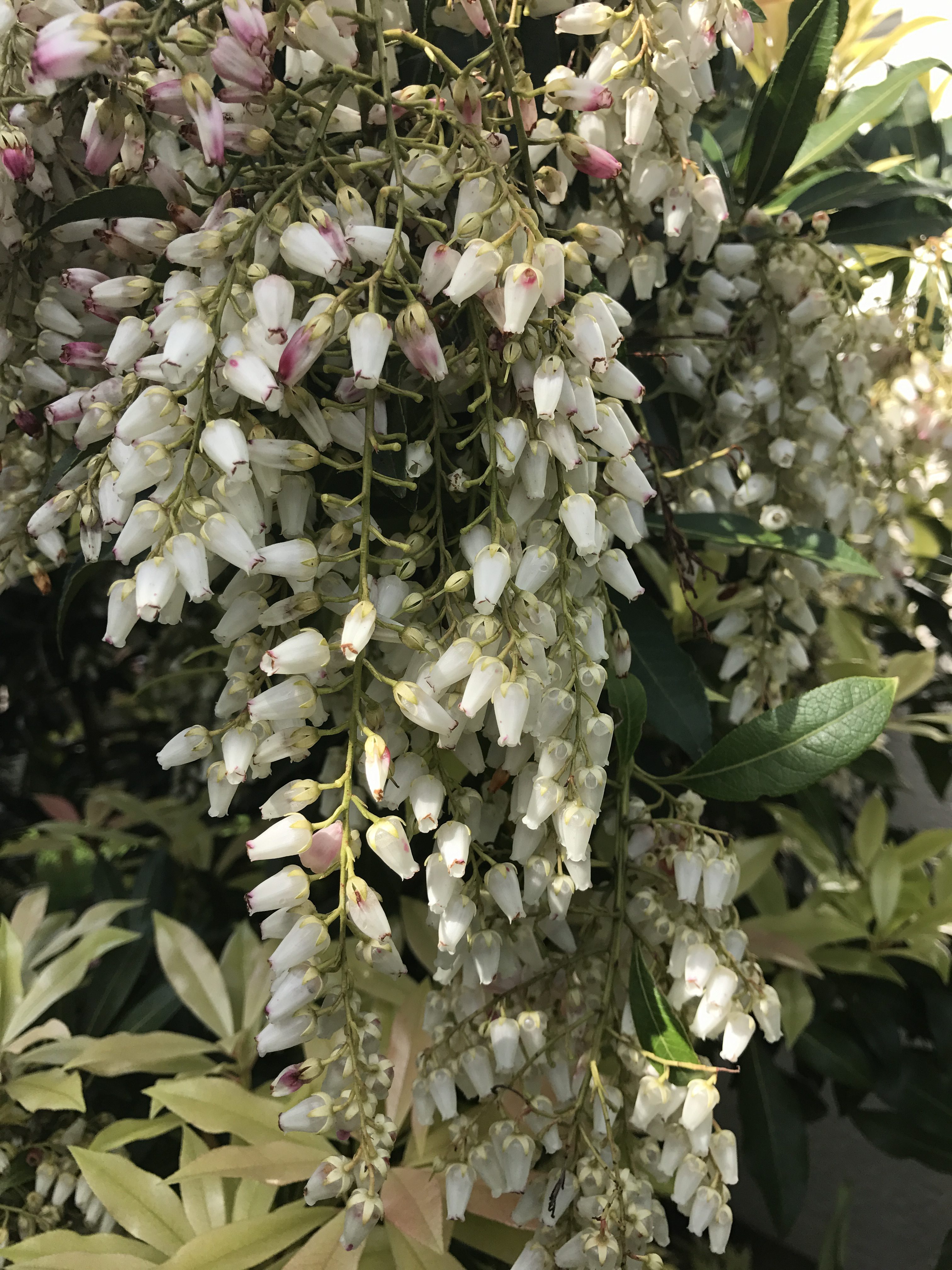
This pieris Japonica (commonly called an andromeda or lily of the valley shrub) come to us a gift from its native Japan. Yehovah’s loving gifts to brighten our lives come to us from far and near. Let us be ever grateful for his loving compassion and mercy!

This is my happy-faced pansy. It always seems to be smiling at passersby. Pansies get a bad rap! They’re not as frail as they look, but are one of the hardiest plants in the garden being able to withstand the winter cold quite easily. They’re also always smiling and happy. This one came up volunteer from seed. There’s nothing that’s pansy about pansies!

I love the hardy primroses that come in all sorts of gay colors to cheer up the garden (and me too!) during the closing days of the wet, bleak, gray and cold winter season. When we look around us at Yehovah’s creations, we can always find some loving gift from him to brighten our day.

Can’t remember the name of this flower. Just like when it comes to the Bible, I know a lot, but not everything! This no name flower teaches us to be humble and teachable like children, for none of us knows it all.

I salvaged this pink dogwood from a client who paid me to get rid of it. It now has a new home chez moi! Yehovah has salvaged us all spiritually and wants to give us a new home in his eternal kingdom. HalleluYah!

Pink dogwood flower close up. Solomon eat your heart out! This is how Yehvoah views each of us. Though part of greater redeemed Israel, each  of us is a unique flower in the eyes of our loving Heavenly Father.

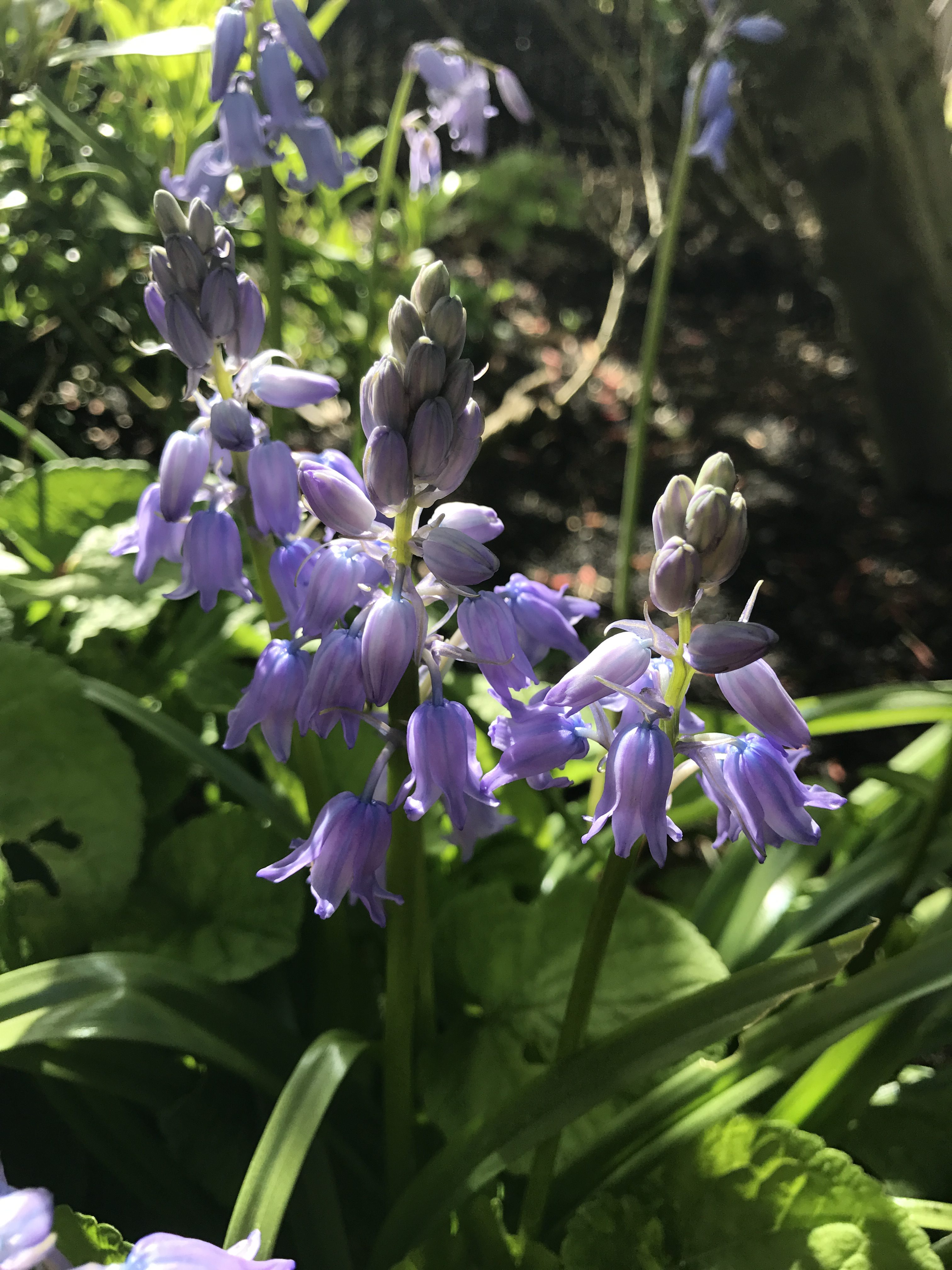
A wood hyacinth declaring the glory of Yehovah in its own way!

The bleeding heart is a wild native to our region. Don’t eat this plant; its name speaks of its lethal nature. Its beauty belies its deadliness—just like sin!

Laurustinus is an ornamental shrub that when it blooms is a mass of fragrant flowers. May Yehovah make his face to shine upon us, so that we can reflect his love and beauty to the world around us like this plant!

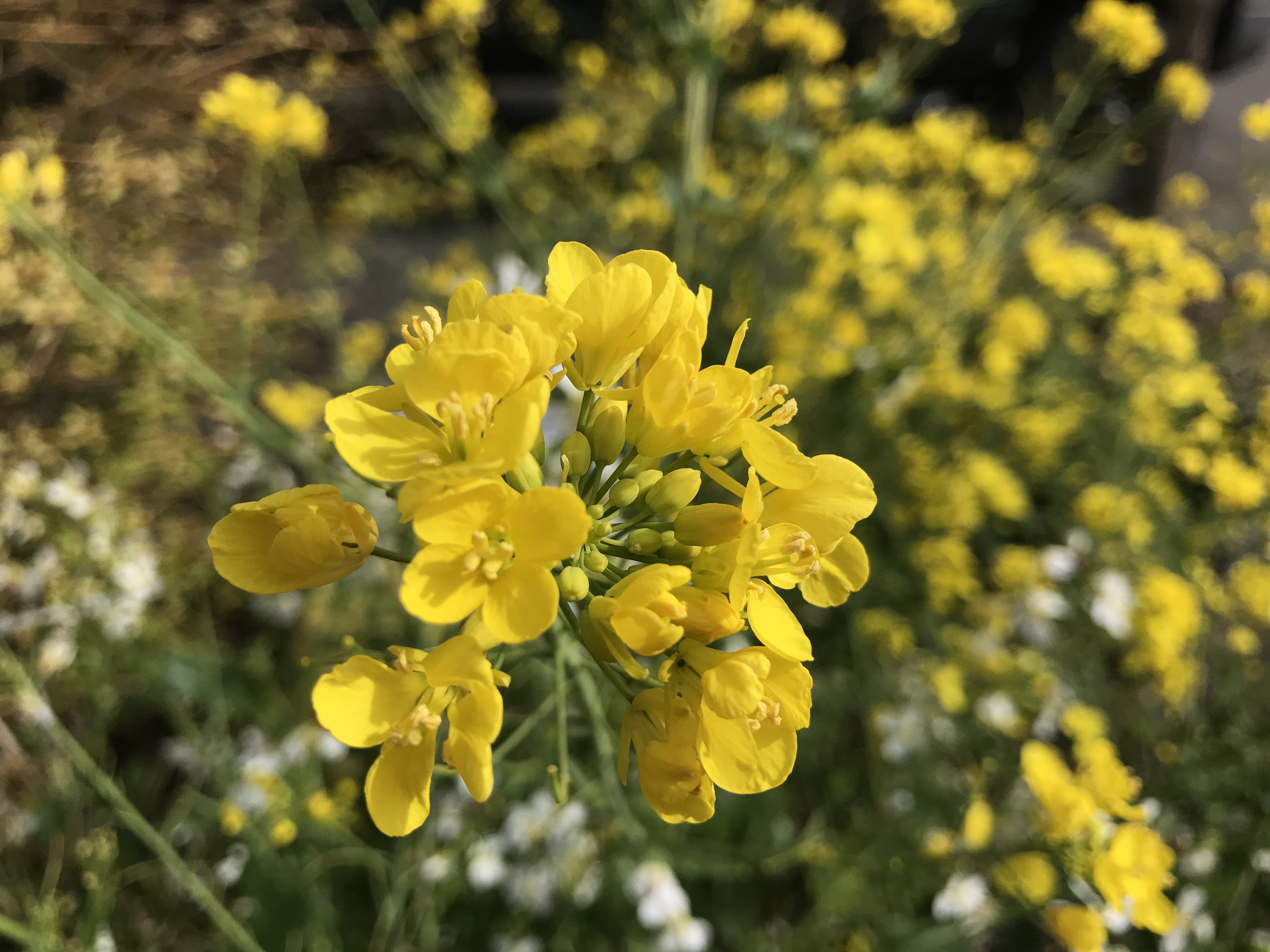
Finally, wild mustard has many spiritual lessons to teach us. It  grows everywhere around here (from roadside ditches to meadows) as a wild weed and  is highly edible and nutritious. In mild winters, it will bloom all season and continue blooming well into spring. I planted these next to the bright yellow fire hydrant that “adorns” the front of our house. When in bloom, the wild mustard hides this necessary eyesore. That’s called taking your lemons and making lemonade. We have to do that with the trying and nettlesome difficulties that face us in life, don’t we? Moreover, Yehovah found each of us in the highways and byways of this world and  transplanted us into his garden to bloom and grow for him for his glory and joy. This is one of my favorite flowers. One man’s weed or junk is another man’s treasure. To the world, we may be junk because of what we believe, Who we serve and what live out, but to Yehovah, the saints are his peculiar and priceless treasure because we’ve been bought with Yeshua’s precious blood! Baruch hashem Yehovah!


Are You “Rising Up to Play” on the Weekly Shabbat?

Exodus 32:4–5, Your gods…a feast to YHVH. This is the first example in the Scriptures of YHVH’s peoplemixing pagan practices (i.e. evil) with the truth of Elohim (i.e. good). We see that Satan the deceiving serpent was the first entity to defile good with evil when he questioned Elohim and tempted the first humans (Gen 2:9 cp. 3:1–6). The Hebrew word babel or Babylon means “confusion or mixture.” It is the mixing of evil with good, error with truth, darkness with light, death with life. In the end times, the saints must first recognize such mixture by knowing the difference between the holy and the profane and then be able to separate the two, and then come away from that which is evil or part of Babylon (Exek 22:26; 44:23; Rev 18:4; 2 Cor 6:14–17.) Though mainstream Christianity and Judaism are biblically-based religious systems, both have allowed pagan traditions, celebrations belief systems to insinuate themselves into their religious practices. In these end times, YHVH is calling his people away from everything that is unholy and unbiblical (Rev 18:4).

Exodus 32:5, A feast. Hebrew chag meaning “festival, feast, festival-gathering, pilgrim-feast or a festival sacrifice.” In the Torah (e.g. Lev 23; Deut 16:16), only three of the seven biblical holidays are referred to as a chag. They are the pilgrimage festivals (e.g. Ps 42:4) called the Feast of Unleavened Bread, the Feast of Weeks or Harvest of First Fruits, and the Feast of Tabernacles or Ingathering. Chag can also refer to a pagan festival as is the case in Exod 32:5 at the golden calf, or to the feast instituted by Jeroboam I to replace the Feast of Tabernacles (1 Kgs 12:32–33; The TWOT).

The verb chaggag, the root of chag, means “to hold a feast, hold a festival, make pilgrimage, keep a pilgrim-feast, celebrate, dance, stagger, to keep a pilgrim-feast, to reel.” Chagag primarily refers to celebrating the three biblical pilgrimage feasts, but can also refer to a pagan festival (1 Sam 30:16), or to sailers reeling to and fro on a ship as if drunk (Ps 107:27; ibid.).

Now let’s discuss the feast or chag that the Israelites made in honor of the gold calf. There is a strong likelihood that the day the Israelites dedicated to the worship of the golden calf was on the weekly Sabbath. The reasons to believe it was the Shabbat are as follows. Let us first assume that the Israelites received the ten commandments on Shavuot, which many of us believe was on a Sunday (i.e. 50 days after the morrow or day of the weekly Shabbat; see Lev 23:15–16). The next day—a Monday—(Exod 24:4), Moses built an altar and ratified the covenant with the Israelites (vv. 4–8). After that, Moses celebrated with the elders at the base of Mount Sinai (vv. 9–11). Next, Moses went up onto Mount Sinai to receive the tablets of stone (vv. 12–15). It had been six days since the glory of YHVH had been resting on the mountain (from Sunday to Saturday). On the seventh day or the weekly Shabbat, YHVH called Moses to enter the glory cloud where he remained with YHVH until his descent from Sinai. Moses was on the mountain from sometime Monday until Shabbat, when he entered the glory cloud. All total, Moses was on the mountain for forty days (vv. 16–18). At the end of 40 days, YHVH informed Moses of the people’s sin (Exod 32:7). If Moses ascended the mountain sometime on Monday, then the same time on Tuesday would have been day one. Forty days later was the weekly Shabbat. Moses descended the mountain after YHVH informed him of the people’s sin, and after forty days. This means that Moses descended on a Sunday. This also means that the people made a pagan feast to the golden calf on the Shabbat. Although the Bible never calls the Shabbat a chag, nevertheless, as we have seen above, the Bible refers to pagan celebrations as a chag. This is because pagan festivals were not solemn, but were often raucous, lewd, bacchanalian events—hence the term chag to indicate the festive nature of the event, though in a pejorative way.

Exodus 32:6, Play. Heb. tsachaq means “to laugh, mock, play, to laugh, to jest, to sport, make sport, toy with, make a toy of.” In this verse, the verb tsachaq is in its piel (intensive active form) and means “to jest, to sport, play, make sport, toy with, make a toy of” (The TWOT). If the Israelite’s festival dedicated to worship of the golden calf was on the weekly Shabbat (see notes above on v. 5), then YHVH’s displeasure against the Israelites was not only for their idolatry, but for their profaning his holy Sabbath by using it as a time for partying and for carnal sporting activities. They were mocking, making light of, toying with YHVH’s Shabbat, and were seeking their own sensual and carnal, if not, illicit pleasures on his day! This something that Scripture forbids (see Isa 58:13; 56:6).

Some reading this will justify themselves for their profaning the Sabbath by doing “their own pleasure” on that day as having nothing to do with golden calf worship. In reality, the golden calf was a form of or metaphor for Baal or self-worship—i.e., doing our own will or pleasure over that of Elohim’s. Make no mistake about it folks, this is the biblical definition of idolatry!

The Word of Elohim must be the final determiner of what we do or don’t do when it comes to our walk of righteousness—not our own carnal feelings and desires, which are heavily influenced by our fallen, carnal natures as well as the influence of the world and the devil and are thus antithetical to and rebellious against the will and Word of Elohim. It is the Word of Elohim that will judge us. Personal excuses and self-justifications will not pass muster before the throne of the Almighty and Righteous Judge of the universe on judgment day!