Prophetic Pictures in the Story of Noah

Genesis 6–8, Noah’s flood provides allegorical insights relating to end-times prophecy. 

In Matthew 24:37, Yeshua compares the end times to the days of Noah. The story of Noah has allegorical implications that give hints about end-times prophecy.
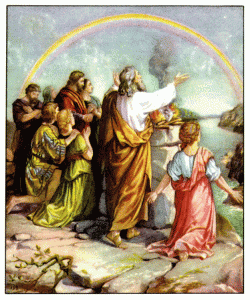
Noah and rainbow

In 1 Peter 3:18, we learn that the story of Noah is also a picture of salvation and water baptism. Noah is a prophetic type of Yeshua.

To start with, Noah building the ark is a prophetic picture of the redeemed believer working out his own salvation (Phil 2:12), yet while doing so according to YHVH’s exact plans or specifications (e.g., repentance from sin, faith in Yeshua, baptism for the remission of sins, and faithful obedience to YHVH’s commandments).

Noah builds an ark of safety from Elohim’s wrath or judgments against sinful man. The ark is a metaphorical picture of the believer’s salvation, and Noah is a spiritual picture of Yeshua. The flood is also a picture of water baptism for the remission of sins, which ceremonially pictures the death of the old sinful man, and the birth of the new spiritual man (Rom 6:3–6). Unregenerated sinful or carnal men perished in the floodwaters in Noah’s day, while the new, redeemed man (as pictured by Noah and his family) who had found grace in the sight of Elohim (Gen 6:8) found refuge on the ark. While the flood is a judgment against sinful man who has violated the Torah-laws or divine instructions of YHVH, the ark is a picture of the grace that YHVH offers to those who will repent of their sins (i.e. Torahlessness, see 1 John 3:4) and will turn to him through Yeshua. Since Noah found grace in the eyes of YHVH because he was “perfect in his generations” (Gen 6:8, 9), he was spared from YHVH’s judgments against sin (the wages of sin which is death, Rom 6:23). YHVH offers the same gift of grace to all men today (2 Pet 3:9).

The ark had three levels indicating the three levels of salvation rewards that YHVH offers to saints, which is analogous to the three sections in the Tabernacle of Moses. The highest level where Noah lived is the part closest to heaven, where YHVH abides, and is a picture of the kadosh hakadoshim (the holy of holies, also known as the d’veer meaning “oracle”), which was the place in the tabernacle from which Elohim spoke to the Moses and the Israelites. It is in that highest place that one hears Elohim’s instructions directly from him.

The unclean animals are a picture of lost and scattered Israelites returning to YHVH in the end times from the beast or heathen nations to where they have been scattered and where they have become like beasts of the field. In Peter’s vision of the sheet in Acts 10, the Gentiles are likened to unclean animals that YHVH has redeemed (e.g., the great and innumerable multitude or Rev 7, the lukewarm believers of Laodicea in Rev 3, the thief on the cross and the foolish virgins in Yeshua’s parable in Matt 25). The clean animals may represent the 144,000 of Revelation 7 and 14, and who are those saints who have remained faithful in keeping YHVH’s Torah commandments, while at the same time maintaining faith in Yeshua the Messiah (Rev 12:17; 14:12).

Noah escaping the wrath of Elohim may be a type of the second exodus of end-times Israelites from the nations of the world. As a mixed multitude joined Israel in the exodus from Egypt, so even within Noah’s family there was a mixed multitude containing a spiritual tare; namely, Ham who later fell into sin (Gen 9:22–27) and become the father of the evil Nimrod (Gen 10). Even Yeshua had Judas, a tare, among his select group, and Yeshua teaches that the tares would coexist with the wheat up until the end times (Matt 13:24–30).

The waters that flooded the world both came up from out of the bowels of the earth and down from heaven (Gen 7:11). Water is a biblical metaphor for the spoken word; namely, and it represents both the Word of Elohim from above, and the word (philosophies, thoughts, ideas, religions) of man that are counter to the Word of Elohim that have their source from below. In the last days, knowledge shall be increased, the devil shall spew out his mouth words or philosophies like a flood in an effort to spiritually drown the world and even the saints (Rev 12:15; Matt 24:14). Water can also be a judgment against men. YHVH will judge men for their words, philosophies and religions. Those who followed YHVH’s Word from heaven will be spared his wrath, while those who have subscribed to the words or philosophies of men from below will perish or be judged in a sea of men’s words that are often founded on doctrines of demons. Those who feed spiritually from the tree of knowledge (i.e., secular humanism and all the false religions and ideologies that have spawned from it) will die, while those who spiritually feed from the tree of life or the word of Noah (i.e. a prophetic picture Yeshua), the preacher of righteousness (i.e., the Torah, see Ps 119:172) will live. In the last days, the Word of YHVH will judge men, for when Yeshua returns to the earth on a white war stallion, the sword of the word of Elohim will be coming out of his mouth with which he will judge the nations (Rev 19:11–15).

It rained 40 days. This is another picture of judgment, since biblically, forty is the number of trials, testing or spiritual refinement.

The ark came to “rest” (Heb. nuach meaning “repose, settle down, be quiet”) on the mountains Ararat (Gen 8:4). From there, Noah built an altar and begin to rule the earth. This is a picture of Yeshua, at his second advent, coming to Zion or the Temple Mount where he will have his temple and will establish his kingdom on earth.

The word Ararat means “the curse is reversed.” The ark came to rest on Ararat during the Feast of Tabernacles or Sukkot. This is a picture of the saints coming to a place of rest at the beginning of the Millennium after the judgments of Elohim have been poured out on this earth against sin and wickedness.

The dove is a picture of the bride of Yeshua who follows the Spirit of Elohim. The dove coming from the top window of the ark is a picture of the bride of Yeshua coming back to earth from the first heaven to rule with Yeshua on earth. The dove left and came back on the seventh day — the Shabbat. This is a picture of the Millennium or the seventh millennia of man’s existence on earth. Several times in the story of Noah, it is mentioned about the dove finding rest or not finding rest. This is another picture of the Millennium — a time of rest for the saints or the bride of Yeshua.

The raven is a picture of the devil who feeds off of dead meat. He is also actively trying to kill, steal and destroy (John 10:10). Satan will be active at the end of the Millennium, as well, when he will be loosed and will incite Gog and Magog to come against Jerusalem (Rev 20:7–10).

Noah’s altar may well be a picture of the third temple (or Ezekiel’s temple).

According to Christian commentator Matthew Henry, the ark was an early Christian metaphor for salvation and YHVH’s delivering his people form evil and judgment against wickedness. We see this allusion in 1 Peter 3:20–22 where the flood is a picture of salvation, deliverance by baptism and the resurrection of Yeshua.

The ark was covered with pitch, which is a picture of the redeemed believer being covered by the blood of Yeshua to keep his spiritual ark from sinking under the judgment of Elohim against men’s sin. The blood of Yeshua keeps man from coming under (the penalty of ) the law even as the pitch smeared on the ark’s exterior kept it from sinking.

The name Noah means “rest.” Yeshua bids all who are heavy laden and need rest to come to him (Matt 11:28–30).

Noah was 600 years old when he went into the ark and the flood came. YHVH’s final judgment against wicked men will be at the end of the 6000 years of men’s rebellious tenure on this earth.

Noah didn’t leave the ark and set foot on the earth until YHVH bade him to do so (Gen 8:15). Likewise, Yeshua won’t return to the earth from heaven until the Father permits it.

The Noachic Covenant that Elohim made with all humanity (Gen 9:1) is a picture of the New Covenant being ratified in the Millennium with “all Israel.” No non-Israelites (i.e., no sinners) will be permitted to live, but will be burned up in the lake of fire at the end of the Millennium (Rev 20:11–15).

 

Build Your House on the Rock (of Torah)

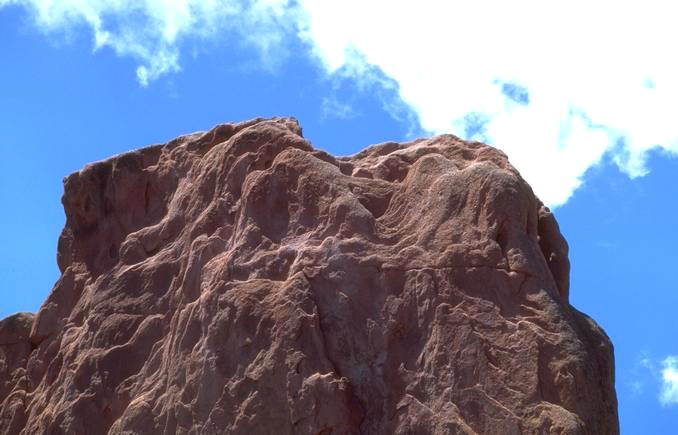
Matthew 7:24–27, House on the Rock. What is Yeshua saying here? The Bible equates Torah with wisdom (e.g., Deut 4:5–6; Ps 111:10; Prov 2:6). Therefore, a wise man is one who walks in the Torah. The same man will be called “greatest in the kingdom of heaven” (5:19), referring to one who keeps the Torah-commandments of Elohim and teaches men to do them, whereas the one who rejects Torah the Messiah Yeshua will reject him (verse 23).

Rock1- 1750660

A “house” in Hebrew thought is a reference to the temple of Elohim (1 Chr 6:48; 9:13, 26, 27; 22:2; 23:28; 28:21; 2 Chr 4:19; 5:1; Ezr 4:24; Is. 2:3; Matt 12:4; Mark 2:26) that was built upon Mount Moriah (originating from the Hebrew word moreh meaning “to teach”) from which the Torah-law (the righteous teachings or instructions) of Elohim was to go forth to the nations (Isa 2:3; Mic 2:4). We know from the Testimony of Yeshua that the saints are called the spiritual temple (or house) of Elohim (1 Tim 3:15; Heb 10:21; 1 Pet 4:17; 1 Cor 3:16; 6:19; 2 Cor 6:16; Eph 2:21). What we see here is that the “teachings” or “instructions in righteousness” (i.e., the Torah) of YHVH go forth from the temple or house of Elohim located on Mount Moriah for the benefit of the spiritual house or temple of the saints. Clearly stated, Yeshua is saying that the Torah-law of Elohim is for redeemed believers today during the “Church Age.” Continue reading


Will the Saints Go Through the Great Tribulation?

Genesis 7:9, After seven days. Noah was a preacher of righteousness for 120 years prior to the flood (Gen 6:3). He no doubt endured the mockery and persecution of those who did not believe his message about a coming flood, and the need for an ark of safety when that generation had never experienced rain or floods (Heb 11:7; 2 Pet 2:5).

Rain 20107088

In Genesis 7:4 YHVH allows Noah to experience seven more days of persecution before the rains of judgment come upon the earth after which YHVH shut Noah and his family up in the ark of safety (Gen 7:16) after which the ark “was lifted above the earth” (Gen 7:17).

Yeshua likens the end times just prior to his return to the days of Noah (Matt 24:37–39). Yeshua further teaches that his saints will not only go through tribulation on this earth (Matt 24:3–22), but that his people will even go through “great tribulation” (Greek: megathlipsis, v. 21).

After this, Yeshua teaches that the saints will be lifted up above the earth to meet him in the air after the great tribulation (Matt 24:29–31). The Scriptures reveal that Noah endured another seven days of tribulation before the wrath of Elohim was poured out upon the wicked inhabitants of the earth. This may be a prophetic picture of a seven-year tribulation period the saints will have to go through before the wrath of Elohim (which is different than the tribulation period) is poured out upon this earth (See Rev 11:15–18 [compare with 1 Cor 15:51–53] and chapters 15 and 16 where the seven last plagues are called the wrath of Elohim).

The Scriptures clearly teach that YHVH’s people will not have to endure his wrath (1 Thess 1:10; 5:9), but conversely teaches that all will go through tribulation (John 16:33; Acts 14:22; Rev 7:14). Scripturally, tribulation and wrath are two different words and concepts.


New Video: Wake Up! Look Up, Yeshua’s Coming Draws Near!

The cry is going out to the saints of Yeshua: Wake up! Don’t be discouraged by the crazy things going on around you in the world. Yeshua is coming, the bride must prepare herself. He’s at the door of a lukewarm church and is knocking to be let in. The Bible is true, and the end times prophecies are being fulfilled. The fall biblical feasts are a prophetic picture of this, so get your spiritual house ready!


Paul Says Keeping Torah Is Just as Easy as Following Yeshua!

Deuteronomy 30:11–14, Does YHVH’s Torah set an impossible standard by which we are to live? If so, we are logically compelled to ask ourselves this question: Would a righteous and just Creator who is a loving Heavenly Father give to his chosen people and children a set of standards that were humanly impossible to perform, then curse them for their inability to meet these standards? If so, then we must face the fact that Elohim is an unjust and a wicked tyrant! This simply is not true!

The Torah-Word of Elohim

The Torah-Word of Elohim

If Torah isn’t an impossible standard to follow, then what is the Torah’s purpose in our lives, and why does the Creator impose the Torah upon his people? We believe that the Torah sets a standard of faith, trusting in Elohim, and that if followed it provides a system of repentance and sacrifice for obtaining forgiveness from Elohim and restoring a condition of being considered righteous in his sight. The Torah also teaches man how to achieve peace on earth and good will toward men by showing humans how to love Elohim with all their heart, soul, mind and strength and their neighbor as themselves.

Paul quotes this same Deuteronomy passage in Romans 10:6–8 where he relates the Written Torah to Yeshua, the Living Torah or Word of Elohim incarnate (in the flesh). (Compare with John 1:1, 14.) He shows that they are one in the same and that Messiah Yeshua, through his life, came to reveal to man the righteousness of the Torah-law. This righteousness is available to us if we will but have a heartfelt faith in him (Rom 10:4, 9–10) and allow him to live out his righteousness in us through the empowering work of the Spirit of Elohim. In verses 11 through 21, Paul goes on to relate this very truth to being the central message of the gospel that Isaiah prophesied would be preached to redeem both houses of Israel to Yeshua their Messiah (Isa 52:7). Furthermore, in Romans 10:4 Paul reveals that Yeshua is the end goal, target of or the full flowering or embodiment of the Written Torah in human form.


The Stones Cry Out the Praises of Yeshua!

Deuteronomy 27:2, 4, 8, Set up great stones. On Mount Ebal on whole, un-cut stones, the Israelites were to write the Torah-law and then coat these stones with lime plaster. Elohim also told them to build an altar there where they were to make burnt and peace offerings. Why was Torah written on stones on Mount Ebal—the mountain of the curses? Why not on Mount Gerizim, the mountain of blessing?

Certainly this cannot mean that the Torah is a curse, for Paul calls it kadosh (holy), just and good in Romans 7:12. What could the stones represent?

Who is the Chief Cornerstone, the Stone the builders rejected (Ps 118:22; Matt 21:42; Acts 4:11; Eph 2:20), and the stone cut without hands (Dan 2:34)? What was the purpose of these offerings and to whom do the burnt and peace offerings point? Could lime plaster represent robes of righteousness? Who is clothed in robes of righteousness once sins have been atoned for? (Read Rev 19:7–8 cp. 3:5,18; Isa 61:10.) Who was wounded for our ­transgressions and bruised for our iniquities, had laid on him the iniquities of us all, and was made an offering for sin (Isa 53:5, 6, 10)? Who was the Living Torah, the Word of Elohim made flesh (John 1:1,14)? Who redeemed us from the curses of the law (Gal 3:13), which came upon us as a result of our sinning (sin is the violation of YHVH’s law, 1 John 3:4), and thus bringing a death penalty upon us (the wages of sin is death, Rom 6:23)?

Does it now make sense why the Torah and the altar were placed on Mount Ebal? This is another one of the many prophetic shadow pictures in the Torah pointing to the redemptive work of Yeshua at the cross. Does this strengthen your faith that Yeshua is indeed the Messiah, the Lamb of Elohim slain from the foundation of the earth? Who else could have fulfilled these prophecies?


Welcome to the Epistle to the Hebrews

Background of the Epistle to the Hebrews

A debate exists among scholars as to when the Epistle to the Hebrews was written. Some believe it was written just before the destruction of the temple in Jerusalem in 70 AD, while others maintain that it was written just after 70 AD. This author favors the former position since the author of Hebrews speaks of the sacrificial system in the present tense as if was still functioning (Heb 10:11; 13:10, 11).

65291190

At the same time, the author of Hebrews seems to be addressing the concerns of early believers that without the temple standing and the sacrificial system functioning, there is no longer remission for sins. He assiduously points out how the patterns and prophecies of the Tanakh are pointing to the greater priesthood of Messiah Yeshua in the heavenly tabernacle. As such, the author seems to have in view the destruction of the temple, yet while the temple is still standing.

Perhaps, the author was writing Hebrews in the four-year time period (between 67 AD to 70 AD) when the Romans besieged Jerusalem, then pulled away for one year, then rebesieged and destroyed the city in 70 AD. Or, he may have had in mind the prophecies Yeshua gave in his Olivette Discourse about the siege of Jerusalem and the destruction of the temple (Luke 21:20–21; Matt 24:2).

Main Themes

In his Epistle to the Hebrews, the author emphatically asserts that:

  • Yeshua is over all.
  • Yeshua is leading his people to the ultimate higher spiritual reality.
  • The Tanakh (Old Testament) validates the gospel message.

The Epistle to the Hebrews is about transformation, shifting, growing from a lower level to a higher level spiritually. It is about men coming closer to the reality of heaven in their spiritual walk; about men approaching and growing closer to Elohim. Continue reading