Hoshana Rabbah Blog

Midrash with Natan Lawrence

Hoshana Rabbah Blog

Respect Blood—Don’t Eat It!

Leviticus 7:26, Not eat any blood. YHVH revealed in the Torah that the life of flesh is in the blood (Lev 17:11). Therefore, the blood symbolizes the whole life of the living being. This is why the blood being poured upon the altar made atonement for the souls of men (Lev 17:11–12), since it represented and pointed to the shedding of Yeshua’s blood when he sacrificed his life on the cross in atoning for men’s sins. Respecting the blood is necessary not only because it symbolizes the sanctity of the life of man who was made in the Creator’s image (Gen 1:26 cp. 9:6), but more importantly, because of the blood of Elohim’s Son that was shed for man’s redemption (Lev 17:11). For one to eat the blood showed disdain for what the blood typifies. In times past, this was so important to YHVH that a violation of this prohibition resulted in banishment from the nation of Israel.

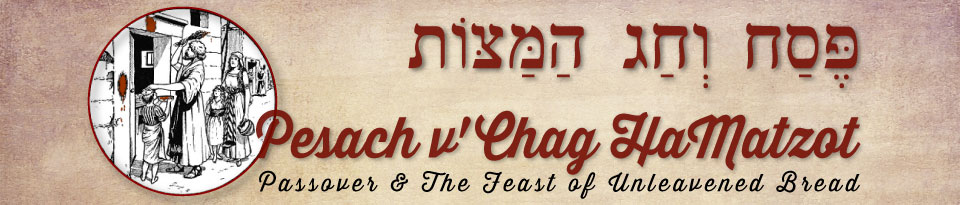
The blood was to be reserved for the sacrificial service, where it was used symbolically to represent Yeshua’s shedding his blood on the cross. The blood of a lamb was put on the door posts to protect men from YHVH’s judgment against sin (Exod 12:7, 13). Moses sprinkled the blood of oxen on the people symbolizing their coming into covenantal relationship with YHVH (Exod 24:5–8). Additionally, the blood of sacrificed animals was sprinkled throughout the tabernacle, on Aaron and his sons, and all around the altar to sanctify it. All these acts and uses of the blood were illustrative of the unrestricted cleansing power of the blood of Yeshua (Rev 1:5; 7:14; 12:11; 1 Pet 1:2, 19; Heb 9:12; 10:19–22; 12:24; 1 John 1:7; Matt 26:28), which is why YHVH expected his people to treat the blood with a reverence. Those who didn’t evidenced a heart of indifference for the set-apart or kadosh things of Elohim—an intolerable offence in the Creator’s eyes.

On the dark and satanic side, the blood of humans and animals is profaned through demonic rituals involving drinking it and even cannibalism. This is an abominable perversion of holy communion and was an aspect of ancient heathen religions (Ps 16:4; Ezek 39:17, 19 cp. Num 13:32), and is a practice in which the end time antichrist heathens of the Babylonian whore system will engage (Rev 17:6; 18:13, 24).


Growing Number of Americans Love Jesus but Don’t Go to Church, Barna Finds

Can anyone relate to this? I sure can! Personally, I’m rather burned out on the traditional church service model having been in church every weekend since I was born. 

I view as critically important that like-minded believers get together as often as possible—especially on the Sabbath and feasts, but not necessarily in a traditional churchy environment, which, quite frankly, isn’t really the biblical model, although there is nothing wrong with it. — Natan

From the Christian Post at http://www.christianpost.com/news/americans-love-jesus-dont-go-to-church-barna-179227/

The Christian Post

While an increasing number of Americans are reportedly abandoning the institutional church and its defined boundary markers of religious identity, many Americans still believe in God and practice faith outside its walls, a new Barna study has found.

RUNNER1928?WIKIMEDIA COMMONSParishioners sitting on church pews as seen from above.

Barna has released a report on the first of a two-part exploration of faith and spirituality outside the church, looking at the “fascinating segment of the American population who, as the saying goes, ‘love Jesus but not the church.'”

One-tenth of the population comprises those who self-identify as Christian and who strongly agree that their religious faith is very important in their life, but are “dechurched,” meaning they have attended church in the past, but haven’t done so in the last six months or more, the Barna study says, adding that only seven percent of the population belonged to this category in 2004.

More than 60 percent of the people in this group are women, and 80 percent are not millennials, between the ages of 33 and 70.

“This group also appears to be mostly white (63%) and concentrated in the South (33%), Midwest (30%) and West (25%), with very few hailing from the Northeast (13%),” the study reveals.

“This group represents an important and growing avenue of ministry for churches,” says Roxanne Stone, editor in chief of Barna Group. “Particularly if you live in a more churched area of the country, it’s more than likely you have a significant number of these disaffected Christians in your neighborhoods. They still love Jesus, still believe in Scripture and most of the tenets of their Christian faith. But they have lost faith in the church.”

What’s more, their beliefs about God are more orthodox than the general population, even rivaling their church-going counterparts, the study shows.

“For instance, they strongly believe there is only one God (93% compared to U.S. adults: 59% and practicing Christians: 90%); affirm that ‘God is the all-powerful, all- knowing, perfect creator of the universe who rules the world today’ (94% compared to U.S. adults: 57% and practicing Christians: 85%); and strongly agree that God is everywhere (95% compared to U.S. adults: 65% and practicing Christians: 92%).”

Furthermore, while they might not be comfortable with the church, this group still maintains a very positive view of religion, the study adds.

“When asked whether they believe religion is mostly harmful, their response once again stood out from the general population, and aligned with their church-going counterparts (71% strongly disagree, compared to 71% among practicing Christians and 48% among U.S adults).”

However, only 55 percent disagree, either strongly or somewhat, that all religions basically teach the same thing, much closer to the general population at 51 percent. Eighty-six percent of evangelicals disagree with the statement and believe in the distinctiveness of Christianity.

The study notes that this group falls outside of the characterization of “spiritual but not religious” folks. “But unlike practicing Christians and evangelicals, this spirituality is deeply personal—even private—with many preferring to keep spiritual matters to themselves: only two in five (18%) say they talk with their friends about spiritual matters often.”

For the study, Barna interviewed 1,281 U.S. adults via web-based surveys, in each of the 50 United States between November 4 and 15, 2016. The sampling error for this study is plus or minus 2.9 percentage points, at the 95% confidence level.

“The critical message that churches need to offer this group is a reason for churches to exist at all,” Stone concludes. “What is it that the church can offer their faith that they can’t get on their own? Churches need to be able to say to these people—and to answer for themselves—that there is a unique way you can find God only in church. And that faith does not survive or thrive in solitude.”


Leviticus 6:1—8:36 Parashat Tzav

This is a gospel-oriented Torah study. Our goal is to connect the good news of Yeshua the Messiah (the gospel message) to its Hebraic, pro-Torah roots or foundations. The information given here is more than head knowledge. Understanding and wisdom (the right application of knowledge that is based on truth) is taught thus making biblical truth practical, relevant and applicable to your daily life. The truths of the Bible not only have the power to transform your life here and now for the better, but eventually to take you past the veil of death and into eternity.

This Torah study is subdivided in sections by topic in a magazine format thus making it easy to watch at several sittings.

May you be blessed as you watch this video.

For a free, printable adult and youth Torah study guide on this Torah portion (parashah), please go to http://www.hoshanarabbah.org/parshiot.html


Blog Scripture Reading Schedule for 4-2 Through 4-8-17

Aside

THIS WEEK’S SCRIPTURE READINGS FOR STUDY AND DISCUSSION:

Parashat Tzav — Leviticus 6:1 (6:8)* – 8:36
Haftarah — Jeremiah 7:21 – 8:3; 9:22-23 | Malachi 3:4-24**
Prophets — Isaiah 21:1 – 28:29
Writings — Proverbs 25:1 – 31:31
Testimony — John 20:1 – 21:25; Acts 1:1 – 4:22

Our new Scripture Reading Schedule for 2016-2017 is available to download!

Most of this week’s blog discussion points will be on these passages. If you have general comments or questions on the weekly Scripture readings not addressed in a blog post, here’s a place for you to post those. Just use the “leave a reply” link below.

The full “Read Through The Scriptures In A Year” schedule, broken down by each day, can be found on the right sidebar under “Helpful Links.” There are 4 sections of scripture to read each day. One each from the Torah, the Prophets, the Writings, and from the Testimony of Yeshua. Each week, the Torah and haftarah readings will follow the traditional one-year reading cycle.

* Verse numbers in parenthesis refer to the verse number in Christian English Bibles when they differ from Hebrew Bibles or the Tanakh.

** A different Haftarah is read when it is a special sabbath in Jewish tradition. This week it is Shabbat HaGadol on the traditional calendar. Otherwise, the passages in Jeremiah would be read. We’ve included both here.

Weekly Blog Scripture Readings for 4/2/17 through 4/8/17.


Video: Preparing Your Heart for Passover


Preparing Ourselves for Passover


Repent of Sin and Get Under the Lamb’s Blood. As the children of Israel applied the lamb’s blood to the door posts and lintels of their house, so we must apply the sin-cleansing and Satan-defeating blood of Yeshua afresh to our lives (i.e., to your thoughts as represented by the door lintel and actions and to our hands as represented by the door posts). This occurs as we repent of our sins, and pray for and receive YHVH’s forgiveness. He will then cover our sins over or wash away our sins by Yeshua’s blood (1 John 1:9; Rev 1:5)

In Egypt at Passover time, YHVH judged all those who had failed to put the lamb’s blood on the door posts of their houses. In other words, they weren’t under the blood of the lamb, and they were still under the penalty of sin, which is death. Unrepented sin has a death claim on us all. To the degree that one has sin in their life is the degree that the spirit of death has a hold on one’s life. Now is the time to repent of sin by confessing it and seeking Elohim’s forgiveness under the blood of Yeshua and then forsaking that sin through YHVH’s grace.

Here are some things of which to repent.

Pride. Do you always think that you’re right? Your opinion is what matters the most? Do you have a hard time with those who don’t see it your way, when you don’t get your way? Do you have a fit when people disagree with you? Do you criticize others and put others down (especially those who are closest to you)? Do you belittle, mock, scorn and ridicule others? Do you focus on other people’s faults? Do you have a hard time identifying any sins that you have committed? Are you proud of your humility? Are you proud of how Torah-observant you are (compared to others)? Are you overly defensive when someone corrects you or challenges your opinion? Do you blame others when things don’t go right instead of taking personal responsibility for your actions? These are all signs of pride. Pride is self-idolization. Elohim hates pride and calls it an abomination (Prov 6:16–17).

Selfishness and self-absorption (putting self above others too much of the time). Are you ungrateful? Are you discontent about your place in life? Do you always want more? Are your material possessions and personal belongings really important to you? Do you have a hard time giving things away? This is a form of self-idolatry and idolization of things.

Love of this world over love of YHVH and the things that matter to him. This a form of idolatry. You’re concerned with what others think more than what Elohim thinks about things.

Sins of the mouth include mean, selfish, unkind, angry, impatient, egotistical words toward others. This is idolization of self. What matters most is what I have to say, how I feel, my opinions and I have the right to say what I want when I want. This is also pride.

The lack of the fear of Elohim. Are you more concerned with what others think than what YHVH Elohim thinks about something? Anything in our lives that we put ahead of Elohim is idolatry.

Ask yourself this: In everything that I do and say, am I advancing the kingdom of Elohim and bringing glory to Yeshua or am I doing the opposite? Am I being a river of life to all those around me, or am I dragging them downward by being a purveyor of negativity and darkness?

Tell the Redemption Story. It is the responsibility of parents and elders to pass on to the next generation the Passover story (Exod 12:24–27). Explain how the Israelites were enslaved in Egypt (a metaphor for the world), to Pharaoh (a metaphor for Satan), and how YHVH delivered the Israelites from the judgment of the destroyer (YHVH’s judgment against sin) because they put the blood of the lamb on their doorposts (a picture of Yeshua’s sin-atoning death on the cross). In reality, this is the basic gospel message.

Celebrate the Feasts. Prepare your heart and mind to obey YHVH by keeping his appointed times of Passover and Unleavened Bread. Are you willing to obey his commands pertaining to these observances? How much do you love him (John 14:15)? How much do you want to know him (1 John 2:6–7)? Celebrating YHVH’s feasts help us to love him and to know him better.

Examine Yourself. At this time of the year, we must each examine ourselves to insure that we will not be partaking of the cup of redemption (i.e. the communion cup) unworthily (1 Cor 11:28).

Rediscover the Cross. It is time to rediscover the cross of Yeshua again and your place at its foot. It is also time to rediscover the power of the resurrected Yeshua in one’s life. Marvel at the miracle of the resurrection and consider the fact that you have access to Yeshua’s resurrected life through faith in him and through the work of his Set-Apart Spirit as we obey the Word of Elohim.

A Time of Spiritual Awakening and New Beginnings. Passover occurs in the spring at the beginning of the biblical year. Spring is a time of new beginnings physically and spiritually. It’s the time of year to take stock of one’s life, assess any weaknesses and deficiencies you have, and then resolve to make the necessary changes. It is the time to make improvements through the power of YHVH’s grace, his Word, his Spirit all through a vibrant, daily relationship with Yeshua our Master and Savior.

The Season for Spiritual Housecleaning. It’s Time to Deleaven.  Passover is time of spring cleaning and deleavening our physical houses (Exod 12:15–20) and removing the leaven of sin from our spiritual houses as well (Pss 26:2; 139:1, 23–24). We must root out and eradicate the old sin habits from the crevices and dark areas of our life.

In Scripture, leavening represents sin, pride, hypocrisy and false doctrine.  Do the sinful practices, evil habits and illicit delicacies of Egypt still hold sway on us? Do any unclean spirits or filthy habits still have control over us? It is time to take control of these sins and eliminate them and become wholly consecrated unto YHVH-Yeshua, his Word, his plans and purposes. It is time to seek first his kingdom and his righteousness (Matt 6:33). One can’t serve two masters at the same time (i.e. the world and the flesh) and expect to be pleasing to YHVH (Matt 6:24).

It’s time to forsake all these things that drag us down spiritually and pull us away from our Father in heaven. It’s time to move onward and upward spiritually!

Time to Renew Our First Love For Yeshua. It is time to renew our first love for Yeshua our Heavenly Bridegroom (Rev 2:4–5). Now is the time to rekindle our passion and zeal for Yeshua and to repent of spiritual lukewarmness (Rev 3:15–21).

 

Parashat Vayikra—Study Guide

Leviticus 1:1-5:26 [6:7]

 Haftorah Reading

Isaiah 43:21–44:23

Testimony of Yeshua

  • On our victory over sin through Messiah: omans 8:1–13
  • Yeshua’s better sacrifice: ebrews 9:11–28; 10:1–22; 13:10–16

Overview of the Book of Leviticus/Vayikra

Key Points of Leviticus

  • Leviticus stands at the center of the Torah.
  • Its narrative covered probably only a month.
  • It is the first book of Torah that religious Jews start teaching their young children, since it is believed that those who are pure in heart (i.e., children) should be engaged in the study of purity (i.e., the laws of purification and atonement)—the central themes of Leviticus.
  • Even today, Leviticus remains the foundation for Jewish life, since it includes the laws pertaining to diet, the feasts, sex, marriage, family purity, and our relationship with our fellow man.
  • Leviticus is at the heart of the modern Jewish synagogue service, and forms the basis for the daily devotions of religious Jews. Jewish liturgical prayer is largely based on the tabernacle service outlined in this book.

Outline of Leviticus

  • The five main offerings (Lev 1–7)
  • The ordination of priests (Lev 6:8–7:38)
  • Laws of cleanliness (food, childbirth, diseases, etc., Lev 11–15)
  • Day of Atonement (Lev 16–17)
  • Moral laws regulating relationships between humans (Lev 18–20)
  • Regulations for priests, the offerings of the annual feasts (Lev 21:1–24:9)
  • Punishment for blasphemy, murder, etc. (Lev 24:10–23)
  • The Sabbatical year, Jubilee, land laws, slavery (Lev 25)
  • Blessings and cursings (Lev 26)
  • Regulations pertaining to vows made to YHVH (Lev 27)

Themes of Leviticus

  • Holiness (set-apartness) is the key theme of Leviticus. The set-apartness of YHVH and the need for man to become set-apart (Heb. kadosh; Lev 11:44).
  • The offerings and other ceremonies served to show the holiness of YHVH.
  • YHVH can only be approached through proper and prescribed protocols.
  • In Leviticus, spiritual set-apartness (holiness) is symbolized by physical perfection. All blemishes or defects symbolize man’s spiritual defects, which break his spiritual wholeness. Therefore, the religious system in Leviticus required:
    • Perfect animals for sacrifices (Lev 1–7)
    • Priests without physical deformity (Lev 8–10)
    • A woman to be ritually purified from hemorrhaging after childbirth (Lev 12)
    • Ritual purification from sores, burns, baldness (Lev 13–14)
    • Ritual purification from a man’s bodily discharges (Lev 15:1–18
    • Ritual purification after a woman’s menstrual cycle (Lev 15:19–33)
  • Those with certain diseases or ailments had to leave the camp (symbolic of leaving YHVH’s Presence—like Adam and Eve leaving the Garden of Eden after they had sinned). Israelites could be readmitted to the camp (symbolic of returning to YHVH’s Presence) only after certain protocols had been performed and the person had been pronounced whole by the priests.
  • In Exodus 19:6, YHVH calls for Israel to be a kingdom of priests. As such, they were to be a light to the nations and to show Elohim’s glory to the world (Deut 4:4–8). Israel was to be YHVH’s representation of YHVH’s kingdom on earth. Leviticus showed Israel how to walk in a set-apart (kadosh or holy) manner before YHVH and the world.

All Was Overseen by the Priests

The priests (Heb. kohenim) oversaw and controlled the sacrifices, rituals, ceremonies, and everything pertaining to the tabernacle.

It was their job to establish Israel as a kadosh (set-apart) nation, and to instruct Continue reading →
