Acts Chapters 2 through 6—Natan’s Commentary Notes

Acts 2

Acts 2:1, With one accord in one place. The location of this event was likely in the Solomon’s portico area of the temple mount, and not in the traditional site of the upper room located on Mount Zion in the City of David, which is southeast and outside of the temple mount area. (See notes at Acts 5:12.) Here, the disciples were gathered in one accord. This is likely the spot where the Acts 2 Pentecost gathering occurred.  The reasons for this supposition are these: First, this area was large enough to accommodate thousands of people (unlike the traditional upper room location on Mount Zion in the City of David). Second, people from many nations would have been passing through the city gates located in this area en route to the temple and would have heard Peter preaching. Third, mikveh pools were located just to the south of the Temple Mount (and are still visible today) where those who repented and believed could have been easily and quickly baptized.

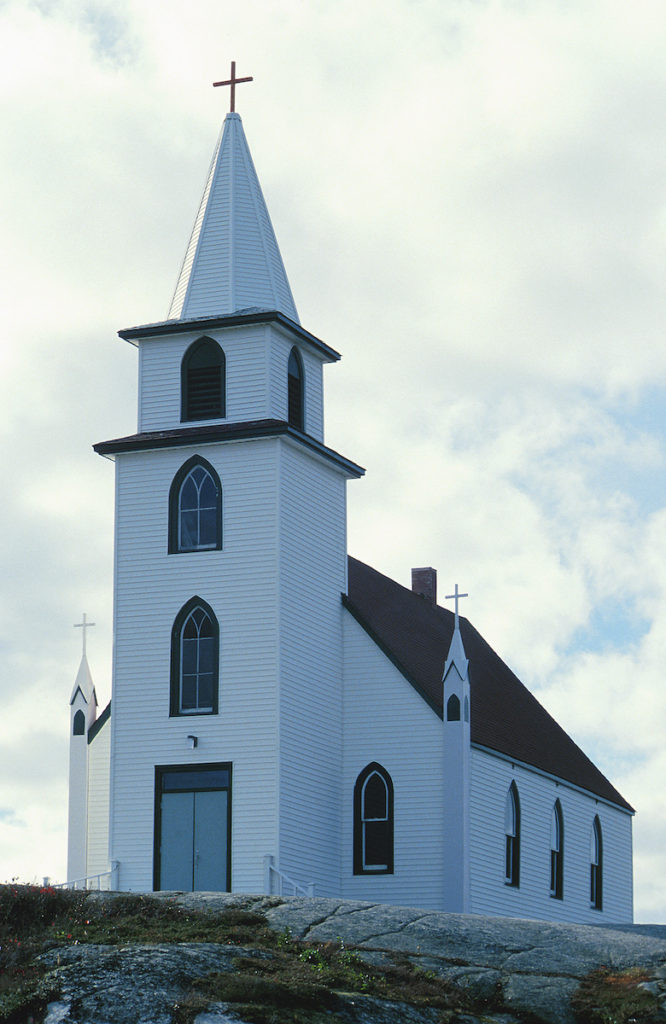
In one place. Where did the early believers hold their meetings? In “church” buildings? Not necessarily.

  • Acts 2:1 In one accord in one place. The upper room or on the southern steps of the temple?
  • Acts 3:1 At the temple at the hour of prayer at the Beautiful Gate.
  • Acts 3:11 Peter preaches in the temple area at Solomon’s Porch.
  • Acts 4:5, Peter preaches to the Sanhedrin.
  • Acts 4:31, The place or room where they were assembled was shaken.
  • Acts 5:11, The church was not a building, but the body of redeemed believers—the saints, set-apart ones.
  • Acts 5:12, The church met at Solomon’s Porch in the temple area—all in one accord.
  • Acts 5:42, Met daily in the temple and every house where they taught and preached Yeshua the Messiah.
  • Acts 8:3, The church met in houses (Greek oikos meaning “an inhabited house, home, any dwelling place, building of any kind.”
  • Acts 9:20, Paul preached Yeshua in the synagogues of Damascus.
  • Acts 10:22, 44, Meeting in Cornelius’ house, and the Spirit falls.
  • Acts 12:12, Gathered together praying in Mary’s house.
  • Acts 13:5, Peached the gospel in the synagogues.
  • Acts 13:13ff, Went into the synagogue on the Sabbath for the purpose of preaching the gospel, and on the next Sabbath as well (v. 44).
  • Acts 14:1, Preaching again in the synagogue.
  • Acts 15:21, Go to the synagogue each Sabbath to learn Torah.
  • Acts 16:13, Meeting by a river side, customary prayer was made on the Sabbath.
  • Acts 16:40, Lydia’s house a gathering place of the brethren.
  • Acts 17:3, Paul, as was his custom, reasoned with the Jews on the Sabbath in their synagogue.
  • Acts 17:5, A congregation in Jason’s house.
  • Acts 18:4, More reasoning with the Jews in the synagogue every Sabbath.
  • Acts 18:7, The house of Justice was a gathering place for the believers.
  • Acts 18:19, More preaching to the Jews in the synagogue.
  • Acts 18:24ff, Apollos preaching in the synagogue where Priscilla and Aquilla met him.
  • Acts 19:8, Paul continues to preach in the synagogues.
  • Acts 19:9–10, The disciples of Paul met daily in a school for two years.
  • Acts 20:8, Sabbath evening, meeting in an upper room.
  • Acts 28:23, In Rome, Paul preaches the gospel from his place of lodging.
  • Acts 28:31, From his own rented house, Paul preached the kingdom of Elohim and the gospel for two years.

Shavuot at Mount Sinai and Pentecost in Acts 2

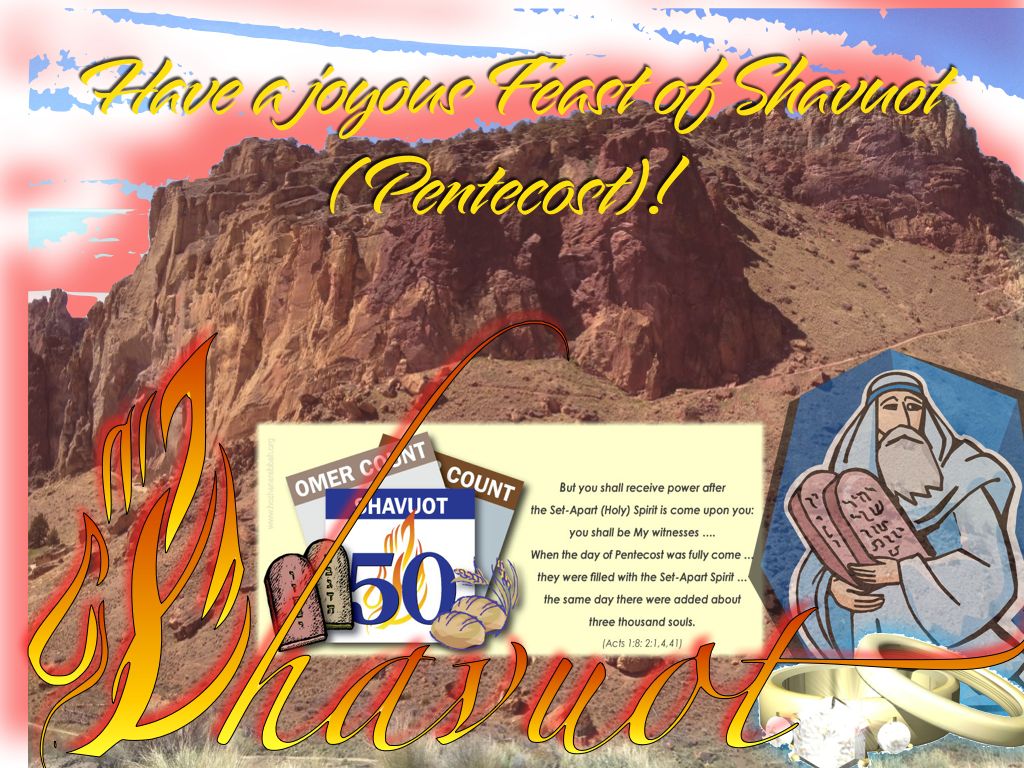
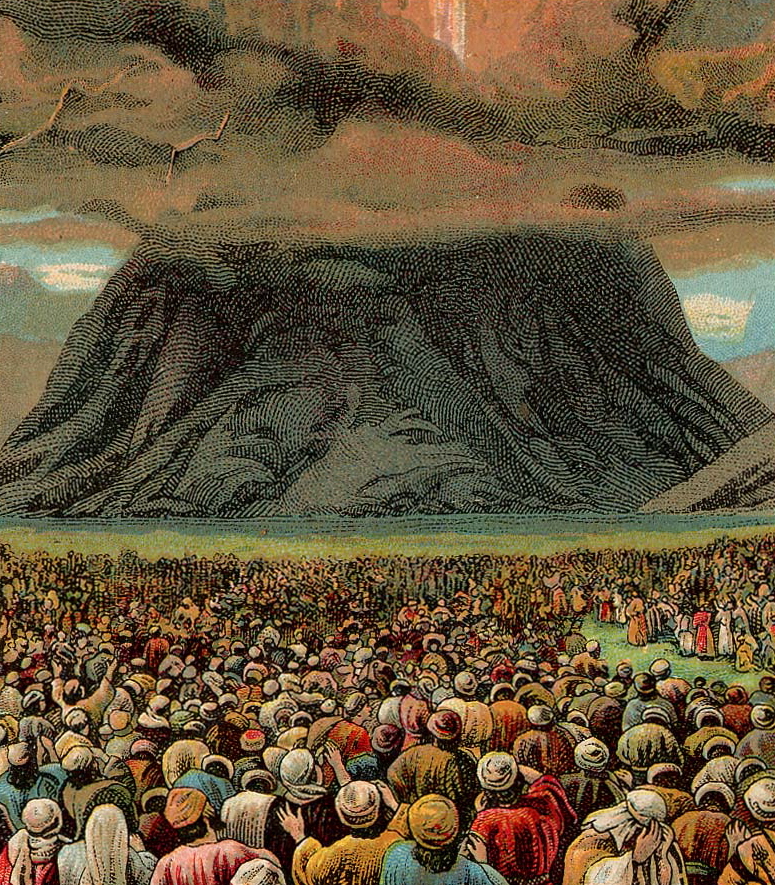
Although some 1500 years separate the first Pentecost at the foot of Mount Sinai and the one recorded in Acts 2, they are wonderfully linked to each both prophetically and spiritually. Few people understand this. In fact, one large branch of Christianity takes its name from Pentecost, yet it is safe to say that most Christians who claim the moniker of “Pentecostal” know little about the deeper implications of this term.

The first Pentecost is the foundation for and points to the latter one. Each was a watershed event for the people of YHVH that helped set their course of destiny for generations to come. We can learn much by studying these two events and understanding the spiritual implications for us as end time believers even though these events occurred thousands of years ago.

At the first Shavuot, the commandments of Elohim were written on two tablets of stone (Exod 24:12); on the Day of Pentecost, the same Torah was written on the heart of men by the Spirit of Elohim on Shavuot (or Pentecost, Acts 2:1–4; Heb 8:10). In 2 Corinthians 3:3 we read,

“Forasmuch as you are manifestly declared to be the epistle of Messiah ministered by us, written not with ink, but with the Ruach of the living Elohim; not in tables of stone, but in fleshly tables of the heart.” (2 Cor 3:3)

Interestingly, as YHVH inscribed the Torah on two stones at Sinai, likewise the human heart is also comprised of two “tablets,” or compartments, which physicians refer to as the “left heart” and the “right heart.” 

Continue reading
 

Chag Sameach (Joyous) Feast of Unleavened Bread!

Free resources from Hoshana Rabbah to make your celebration of the biblical Feast of Unleavened Bread (Chag haMatzot) more meaningful:


Bible Study and Discussion with Natan Lawrence TODAY

Join Natan today, Monday, (the first day of the Feast of Unleavened Bread on the biblical new moon, abib barley calendar) at 12 noon (US Pacific or West Coast time + one hour) or 7 PM UTC (Universal Coordinated Time). To join the conversation click this link: https://join.skype.com/UiDegA5gye5i.


How to Conduct a Communion Service the Way Yeshua Instructed

Communion or the Lord’s Supper Explained in Its Hebraic Context

The Importance of Memorials and Symbols

Obedient and truth-seeking disciples of Yeshua will want to love him by keeping his commandments (John 14:12), and by teaching and doing everything he commanded (Matt 28:20). They will be following Paul’s example to imitate Yeshua the Messiah (1 Cor 11:1) as well heeding John’s admonition “to walk just as [Yeshua] walked” (1 John 2:6). This applies to the important biblical ritual of communion as well. How can we celebrate communion just as Yeshua did it? How closely is your typical mainstream Christian church following Yeshua’s commandments when it conducts a communion or the Lord’s supper? We shall discover the answer below.

With regard to obeying YHVH’s commands, symbols and memorializations figure prominently in YHVH Elohim’s spiritual economy. Why is this? They are teaching aids. Physical humans need physical things to help them to comprehend spiritual truths and ideals. Using symbols, commemorations and memorializations is a method of teaching and relates to pedagogy, which is “the method and practice of teaching, especially as an academic subject or theoretical concept.” A effective teacher endeavors to build bridges of understanding between what the student knows and what the teacher wants to teach the student— between the known and the unknown, between what the student understands now and what the teacher wants his students to learn. A successful teacher learns the skill of building bridges of understanding with his students to bring them to a higher level of understanding. The same is true of YHVH Elohim as we works with humans to teach them about spiritual things.

On a spiritual level, YHVH Elohim, our Heavenly Teacher, employes similar pedagogic or teaching techniques as he endeavors to bring men to a higher level of understanding heaven’s spiritual truths and realities. The use of symbols and memorials as teaching tools is essential to this process of teaching and learning.

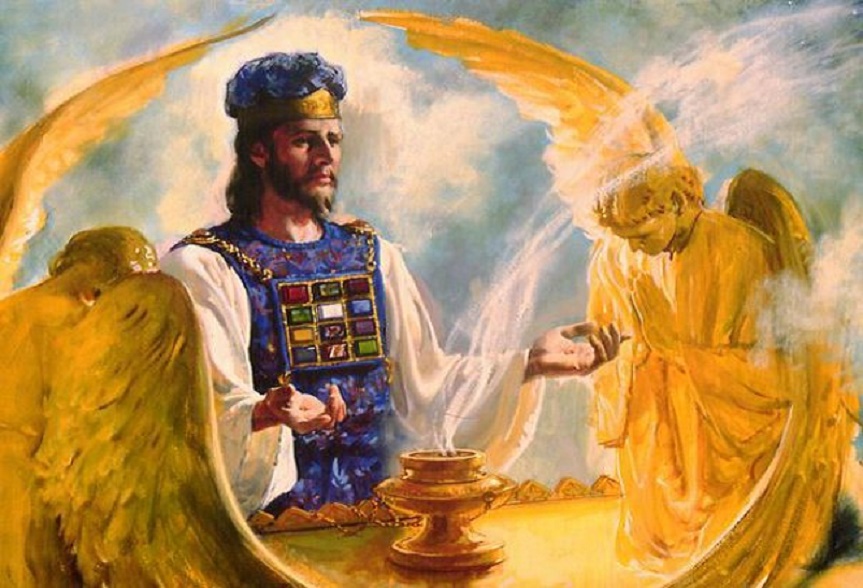
The Bible is full of symbols and memorials that represent or point to something else and act as teaching aids to assist humans in learning about Elohim and what he requires of us. For example, the very name of the Creator, YHVH (Yehovah), is a memorial, symbol or remembrance (Heb. zeker from zakar) of who Elohim really is (Exod 3:15). His name is a way for humans to connect with him. The same is true of each of our names. Our name is a label, a pointer, a symbol of who we are, but it’s not really us. Similarly, eating unleavened bread during the Feast of Unleavened Bread is a memorial (Heb. zikrown from zakar) of coming out of Egypt and putting sin out of one’s life (Exod 13:9). The twelve stones on the high priest’s breastplate were memorials (Heb. zikrown from zakar) of the twelve tribes of Israel (Exod 28:12). The grain offering that was made on the altar of sacrifice in the Tabernacle of Moses was a memorial (Heb. azkarah from zakar) or remembrance that prophetically pointed to Yeshua the Messiah’s death on the cross and the fact that he is the bread of life (Lev 2:2). Blowing shofars on the Day of Trumpets is a memorial (Heb. zikrown from zakar) of many things past, present and prophetically including the second coming of Yeshua and the firstfruits resurrection (Lev 23:24). In fact, the whole Tabernacle of Moses, the Levitical priesthood, the sacrificial system, the Sabbath and biblical feasts is a complex system of memorials, remembrances and symbols to point humanity to the higher, upward spiritual path, which eventually brings him to Yeshua the Messiah. This is so abundantly clear in the Bible. Why don’t more people see this? Why do so many Christians and their leaders have such an apathy, even antipathy for these things? It’s mind boggling, especially in view of the fact that these teaching aid memorial and symbols were ordained of Elohim himself!

The overarching purpose and meaning of the Hebrew word zakar and its derivatives is something that “gets men to think about something, to meditate upon something, to pay attention to something, to remember something, to mention something, to declare or proclaim something or to commemorate something” (see The TWOT on the meaning of zakar). 

Why do people need to remember something or to stop and think about something? Simply this. In the busyness of life, people forget a lot of things that they should remember, meditate on, ponder, be thankful for and learn from. The fact that people tend to forget important things is the whole reason we have national holidays, statues, gravestones, war medals, a national flag and anthem, birthdays and anniversaries, photo albums and other manmade traditions. Biblically, the same can be said of a Torah scroll, the Bible itself, the Sabbath, the biblical feasts, the cross as a symbol of something, the ritual of baptism and Passover, which had embedded in its observance the Lord’s supper (1 Cor 11:20), communion (1 Cor 10:16) or the Lord’s table (1 Cor 10:21). All of these remembrances or memorials are designed to cause us to pause and stop and to reflect on something that is beyond us (in the past or future) or above us. The memorialization of past events should cause us to better appreciate those who have gone before us and be thankful for our present blessings.  Such reflections can help us not to repeat the mistakes of past generations and at the same time learn from their wisdom. Simultaneously, things that memorialize future events (like the Sabbath and the biblical feasts) should encourage us onward and upward in our spiritual journey. They strengthen our faith and give us hope for tomorrow. Symbolic rituals like baptism and communion can help us to connect to present realities that relate to our upward spiritual walk and our relationship to Yeshua the Messiah—our Master and Savior.

What Does Communion Memorialize?

So what does the Christian sacrament of communion or the Lord’s supper memorialize? To its credit, the mainstream Christian church understands the basic meaning of communion quite well. But let’s review this basic understanding, while, at the same time, adding some Hebraic or whole Bible background information. This will hopefully help us to appreciate more fully this glorious sacrament, which, sadly, due to its frequent occurrence in many churches, can become banal ritual that is easily taken for granted.

Continue reading
 

Blog Scripture Readings for 3-28 Through 4-3-21

Aside

Parasha — No Parasha This Week
Haftarah —
Prophets — Isaiah 29:1 – 37:38
Writings — Job 1:1 – 7:21
Testimony — Acts 4:23 – 8:25

Our annual Scripture Reading Schedule for 2020-2021 with daily readings that began on 10/11/20 is available to download and print. The link to the previous 2019-2020’s Scripture Reading Schedule will still be available on the right sidebar under “Helpful Links” into next year. If you are using a mobile device or tablet, the link may be below, meaning you’ll need to scroll down instead.

Most of this week’s blog discussion points will be on these passages. If you have general comments or questions on the weekly Scripture readings not addressed in a blog post, here’s a place for you to post those. Just use the “leave a reply” link or the “share your thoughts” box below.

The full “Read Through The Scriptures In A Year” schedule, broken down by each day, can be found on the right sidebar under “Helpful Links.” There are 4 sections of scripture to read each day: one each from the Torah, the Prophets, the Writings, and from the Testimony of Yeshua. Each week, the Torah and haftarah readings will follow the traditional one-year reading cycle.

Weekly Blog Scripture Readings for 3/28 through 4/3/2021.


Free Passover Resources from Hoshana Rabbah


How the Church Divorced Itself From Its Book of Acts Roots

From A.D. 70 to A.D. 135 — How the Church Became Divorced From Its Hebraic Roots

What is called Christianity today in many ways is very dissimilar, and in many respects, outright antagonistic to the religion of the first-century, book of Acts believers. How did this come to be?

Many modern Christian churches prides themselves on being “a New Testament church,” yet what they practice and believe is often very different from and even opposed to the teaching and practices of the apostles and primitive, first century church. For example, life for the apostolic believers in Jerusalem revolved around the temple (Acts 2:463:15:19-215:42Acts 21:2622:1724:1825:826:21), and for those outside of the land of Israel, on most Sabbaths, they attended the local synagogue (Acts 13:1414:117:1–218:478192619:8). Not only did the first apostles and early believers notcelebrate any pagan influenced holidays such as Easter, Christmas, Halloween, Lent, and the rest, but they adhered to the Torah or law of Moses (see references below). The Book of Acts record is also clear that early believers kept the Bible festivals (as outlined in Lev 23Acts 2:118:21Acts 27:91 Cor 5:8Jude 12) of Passover, Unleavened Bread, Pentecost, Day of Trumpets, Day of Atonement, Feast of Tabernacles, and the Eighth Day.

What’s more, the book of Acts records that both Stephen and Paul were falsely accused of teaching that the laws and customs of Moses were nullified, and, as a result of this false accusation, both lost their lives defending Torah-obedience. 

A hundred other examples could easily be given showing how the Christian church has veered away from the Hebrew or Jewish roots of its faith, but hopefully, the reader gets the point.

So what happened to cause Christianity to veer so widely from the Hebrew or Jewish roots of its faith and to arrive at the place where it hardly resembles that religious faith from which it sprang? This is not an easy question to answer since one must look back nearly 2000 years and attempt to reconstruct the times in which our spiritual forefathers lived. Moreover, we must understand what was transpiring politically, religiously, and socially at the time to answer this question properly. It is also imperative that we understand the contextual social and linguistic fabric, the backdrop of history, and the parade of political and economic events which happened one after another between the years of A.D. 70 and A.D. 135. Then and only then can we understand how the church became divorced from its Hebraic roots and became Greco-Roman and Western in nature and combined itself with an admixture of with pagan and antibiblical doctrines along with pagan practices, traditions and beliefs.

Now, let us go back nearly 2000 years for a short lesson in history. The early church was Jewish and much of what they did centered around the synagogue and the temple. As already noted, references are made 25 times in the Book of Acts to the Jerusalem temple and 19 references to various local synagogues.

The Apostles Were Pro-Torah

Before commencing our trip back in his… (To continue reading this, go to https://www.hoshanarabbah.org/pdfs/ad70ad135.pdf)