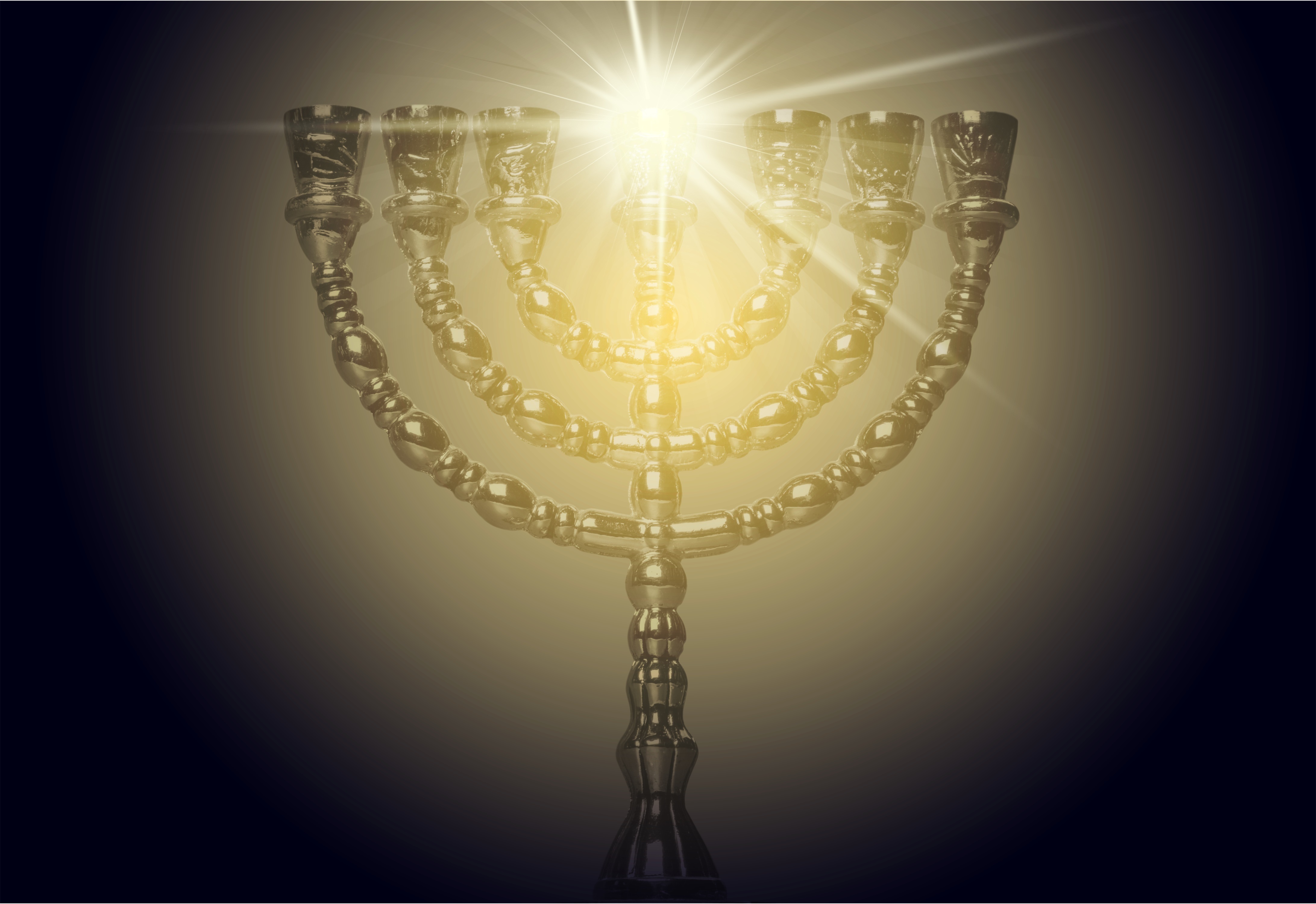
The Menorah—What should it mean to you?

Menorah.

Numbers 8:2, The menorah. The phrase toward the face of the menorah is an interesting one. The Jewish sages teach that the three wicks on the right and the three on the left were all directed toward the menorah’s central stem, thus concentrating light toward the center. The menorah symbolized that YHVH is the Source of all light (The ArtScroll Stone Edition Chumash, p. 775). What are the connotations of this for a believer in Yeshua? How did Yeshua describe himself? (See John 8:12; 9:5.) Moreover, what did he mean when he said that “I am the vine and you are the branches?” (John 15:5) What does this mean and how is this pointing to a type of human menorah? Now relate this to the seven Messianic assemblies of Revelation 2 and 3 being likened to menorahs (Rev 1:13, 20). Is Yeshua the center of all that we do? Do we place all of our focus on him? Can we say, as the Apostle Paul did, that “in him we live and move and have our being” (Acts 17:28)? Does the power of his resurrected life and anointing flow through you even as oil was in the menorah and sap flows through a tree to its branches?

Redeemed Israelites Are That Menorah

The Scriptures plainly states that Yeshua and his body of followers are likened to a tree of which the seven-branched menorah that adorned the mishkan (tabernacle) in the wilderness as well as the sanctuary of Solomon’s Temple is a picture. Furthermore, remember what Yeshua said in John 15:5? “I am the vine and you are the branches …” This is a perfect picture of the menorah, which has a central trunk with six (the number representing man) branches growing out of the trunk. Remember what Yeshua said in Matthew 5:14–15, that his followers were to be lights upon a lampstand on a hill for all the world to see—a clear allusion in the mind of anyone in Yeshua’s audience to the temple’s menorah (which was upon the Temple Mount like a light on a hill).

Additionally, when a redeemed believer in and follower of Yeshua is in a sacred state of worshipping his Master and Savior, he will often lift his arms heavenward. Not only is this the universal sign of surrender (in this case to one’s Heavenly Master), but when we lift our hands our bodies are actually forming a human menorah. By doing this, in worship we are acting out what we are—a lampstand to the world radiating forth the good news of the truth and love of Yeshua.

In fact, The Scriptures shows us that the menorah, and not the cross, is the symbol of Yeshua’s spiritual body of believers. We see this in Revelation 1:12, 20 and 2:1 where the seven congregations are symbolized as a seven-branched menorah! The menorah here is the symbol of the congregation of redeemed believers.

Though the cross is representative of the redemptive work Yeshua accomplished on our behalf, it is not the symbol of the body of believers, commonly called the “church,” but the menorah is! Furthermore, in Jewish thought, the menorah is analogous to an olive tree (the ancient temple menorah was constructed of hollow tubes of solid gold filled with olive oil that burned when lit), to which the Apostle Paul makes reference in Romans 11, as representing the tree of life (which ultimately represents Yeshua) into which all must be grafted if they are to be part the spiritual body of Yeshua and have his eternal life.

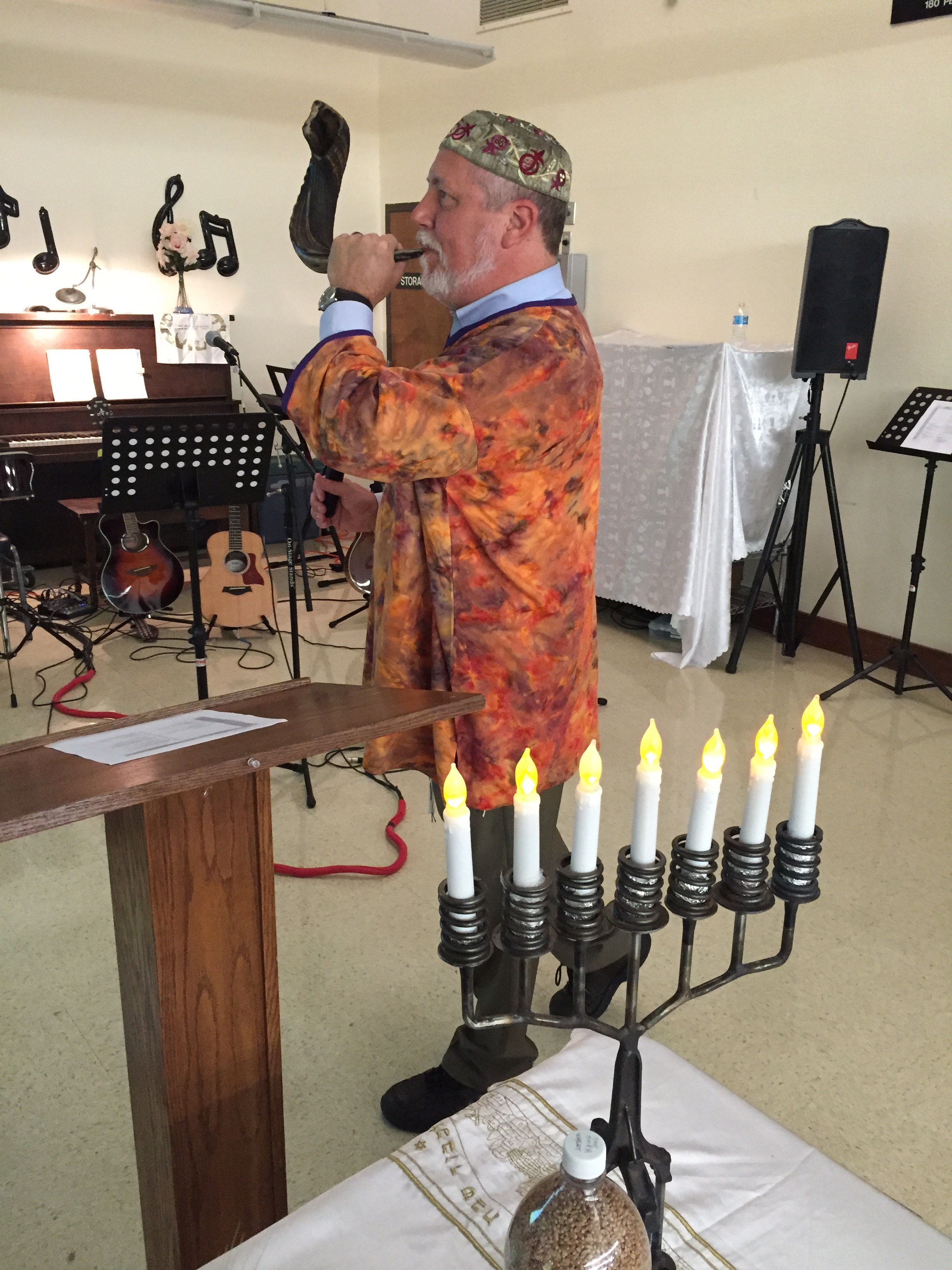
 

Pics from Shavout NW 2016

On June 12, 2016, Congregation Elim from Tigard, Oregon and friends of Hoshana Rabbah Biblical Discipleship Resources gathered together to celebrate the Feast of Pentecost (also known as the Feast of Weeks or Shavuot).

Please enjoy these photos we took of this wonderful experience connecting to our biblical, Hebraic roots at YHVH’s appointed time and commanded assembly.

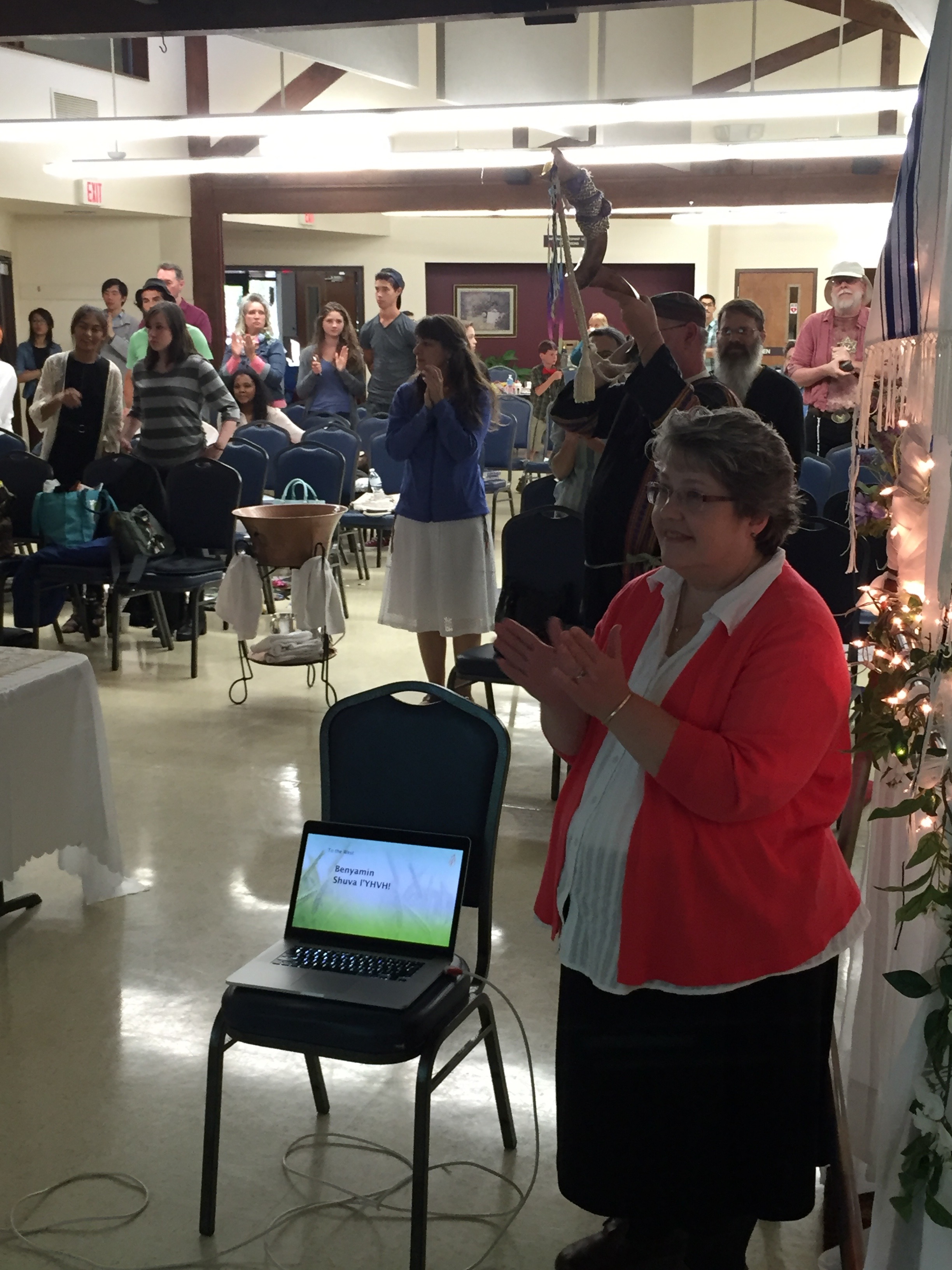
Calling the lost sheep of the House of Israel to return to to YHVH Elohim from the four corners of the earth

Calling the lost sheep of the House of Israel to return to to YHVH Elohim from the four corners of the earth

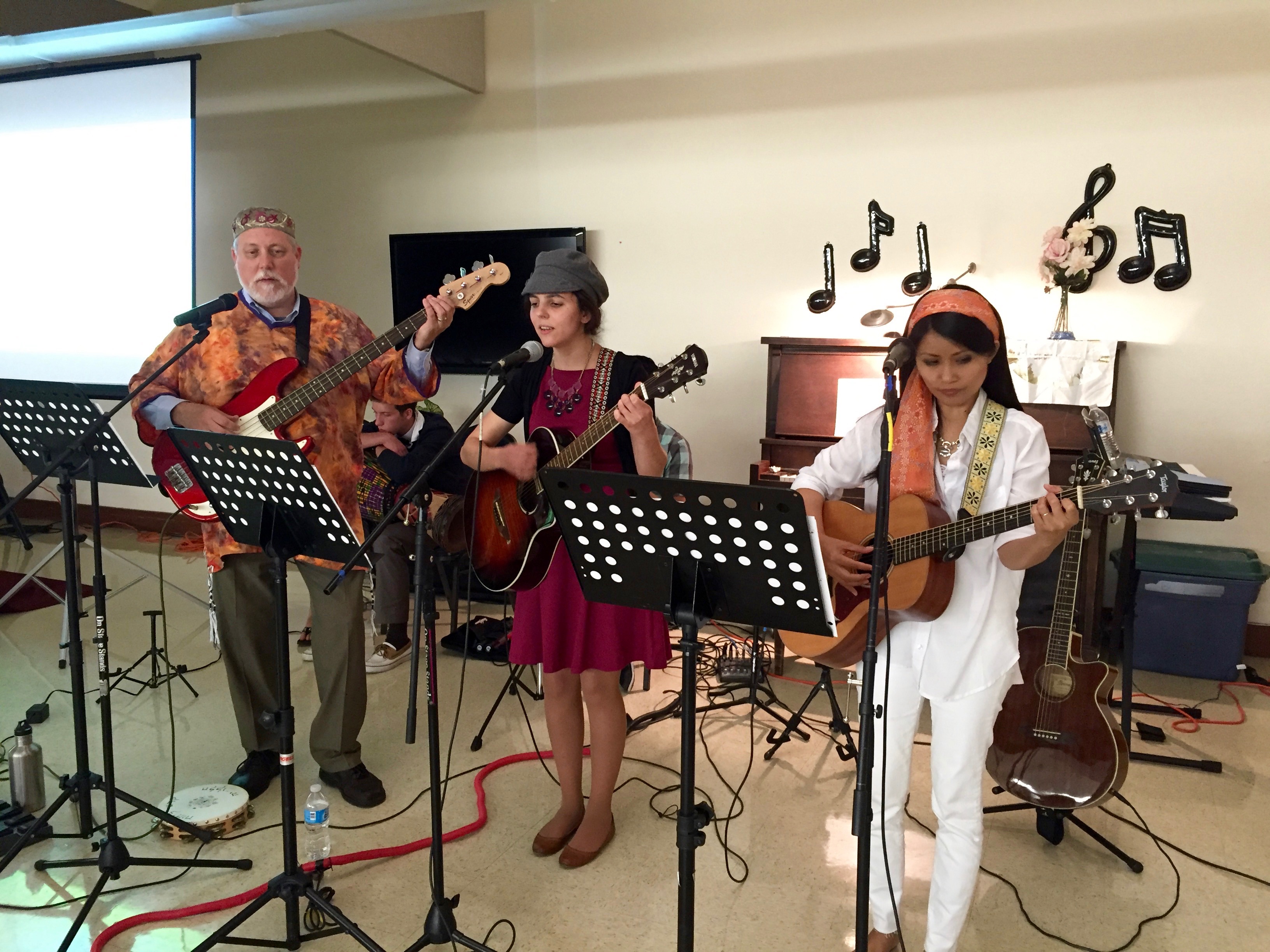
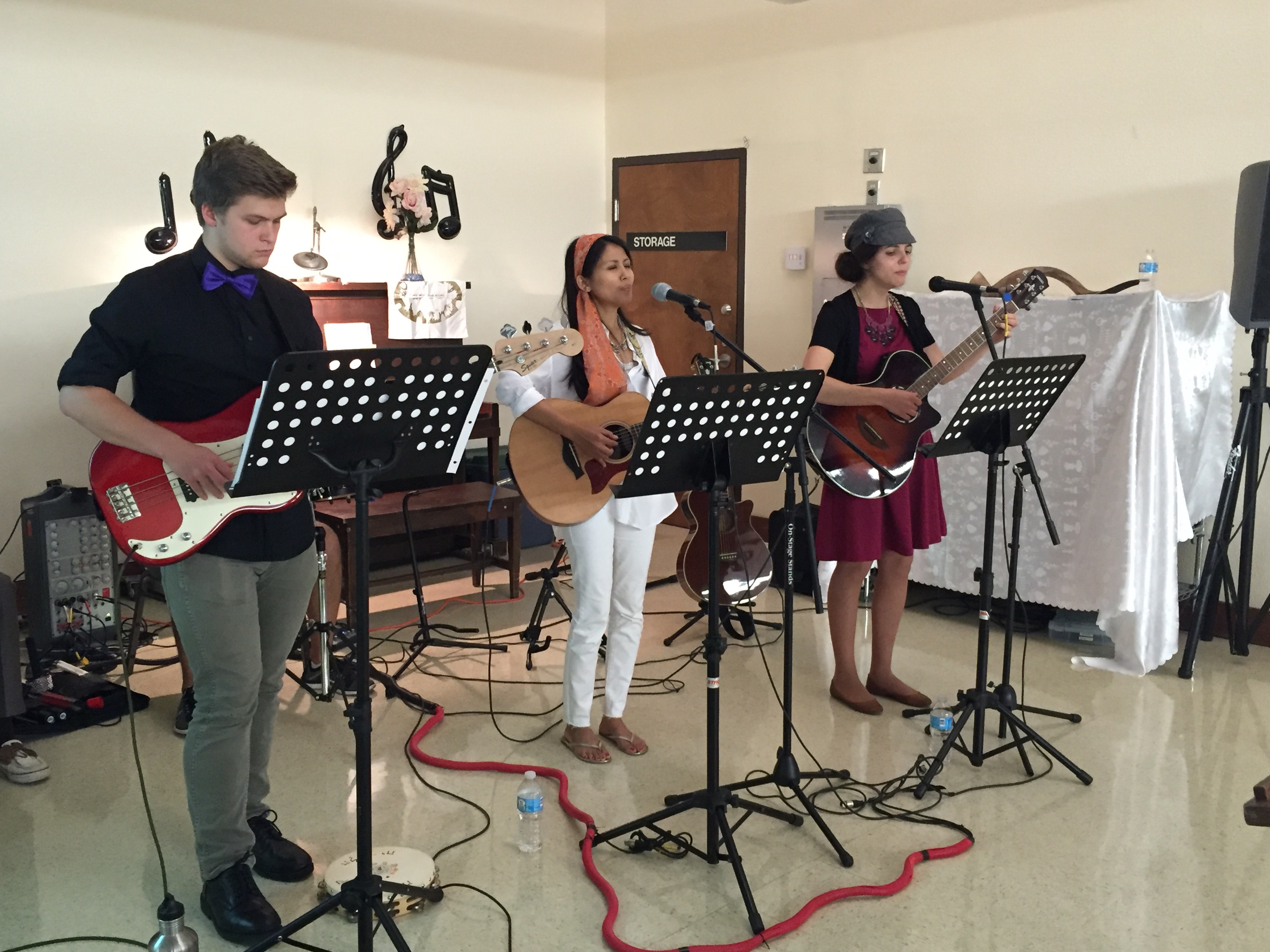
Part of our praise and worship team

Part of our praise and worship team

IMG_4095

Sandi at the controls as we gear up for the liturgical portion of our service.

Sandi at the controls as we gear up for the liturgical portion of our service.

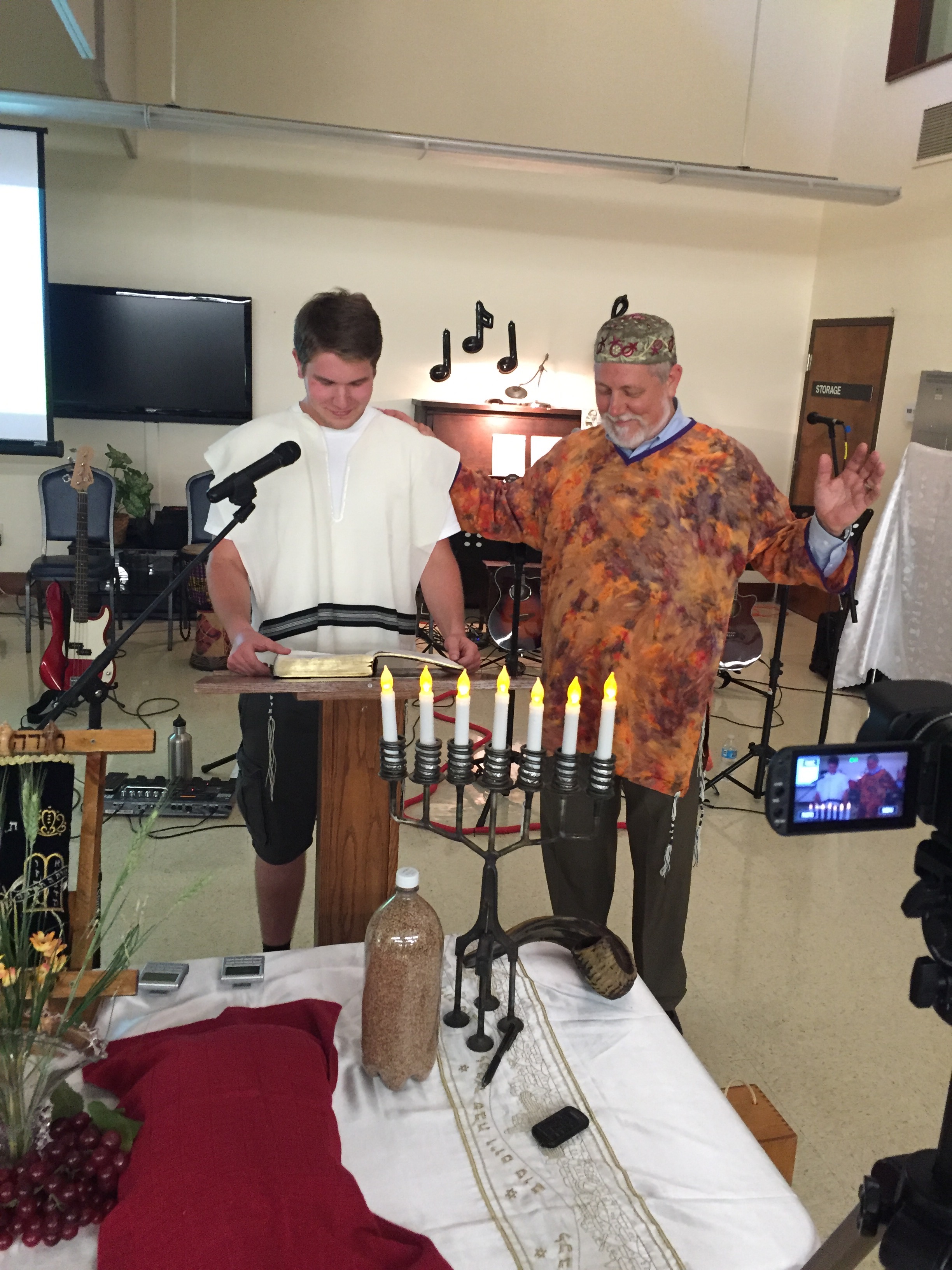
Dr. Joe and Aaron reading the ten commandments.

Dr. Joe and Aaron reading the ten commandments.

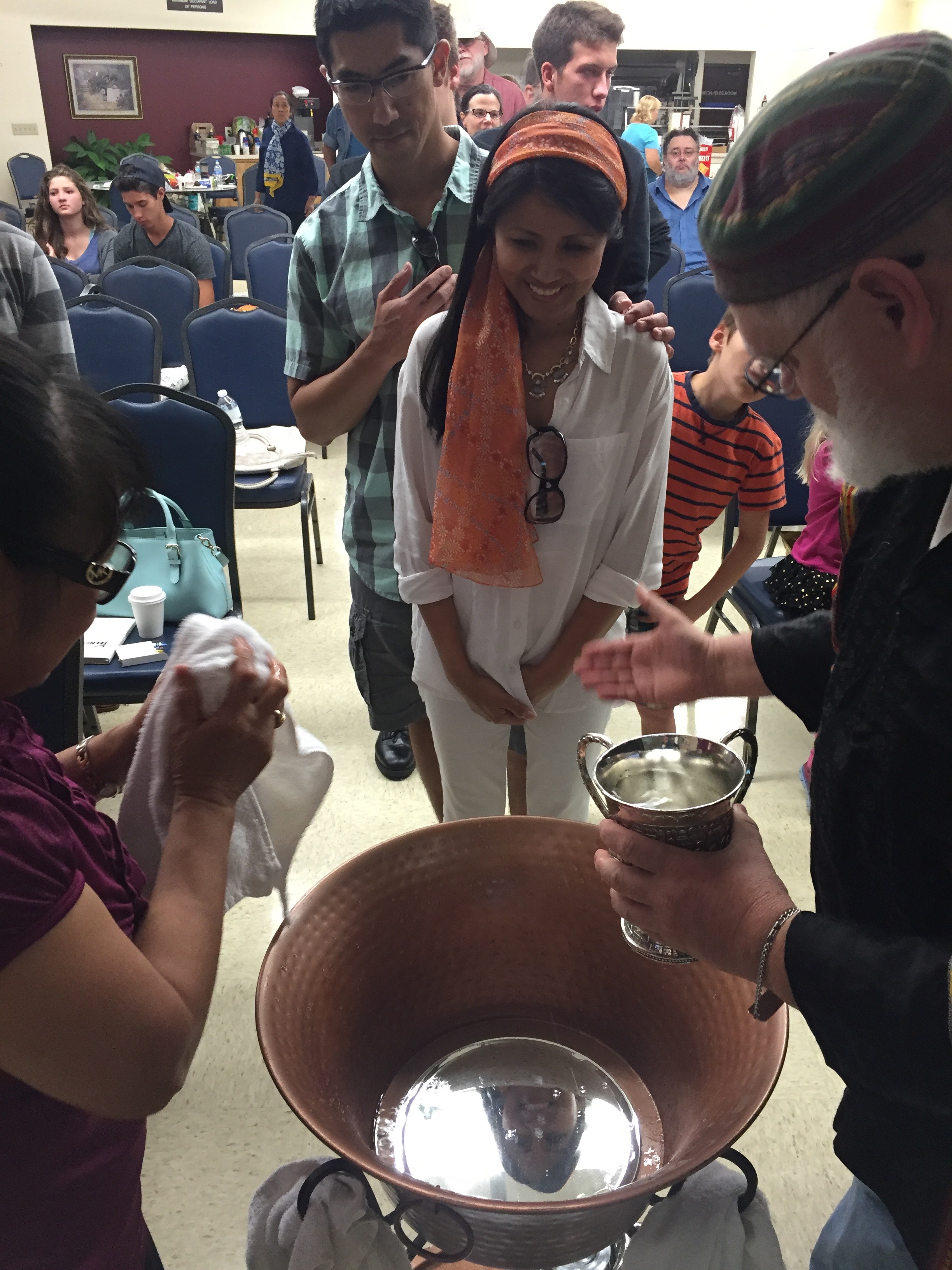
The hand washing ceremony

The hand washing ceremony

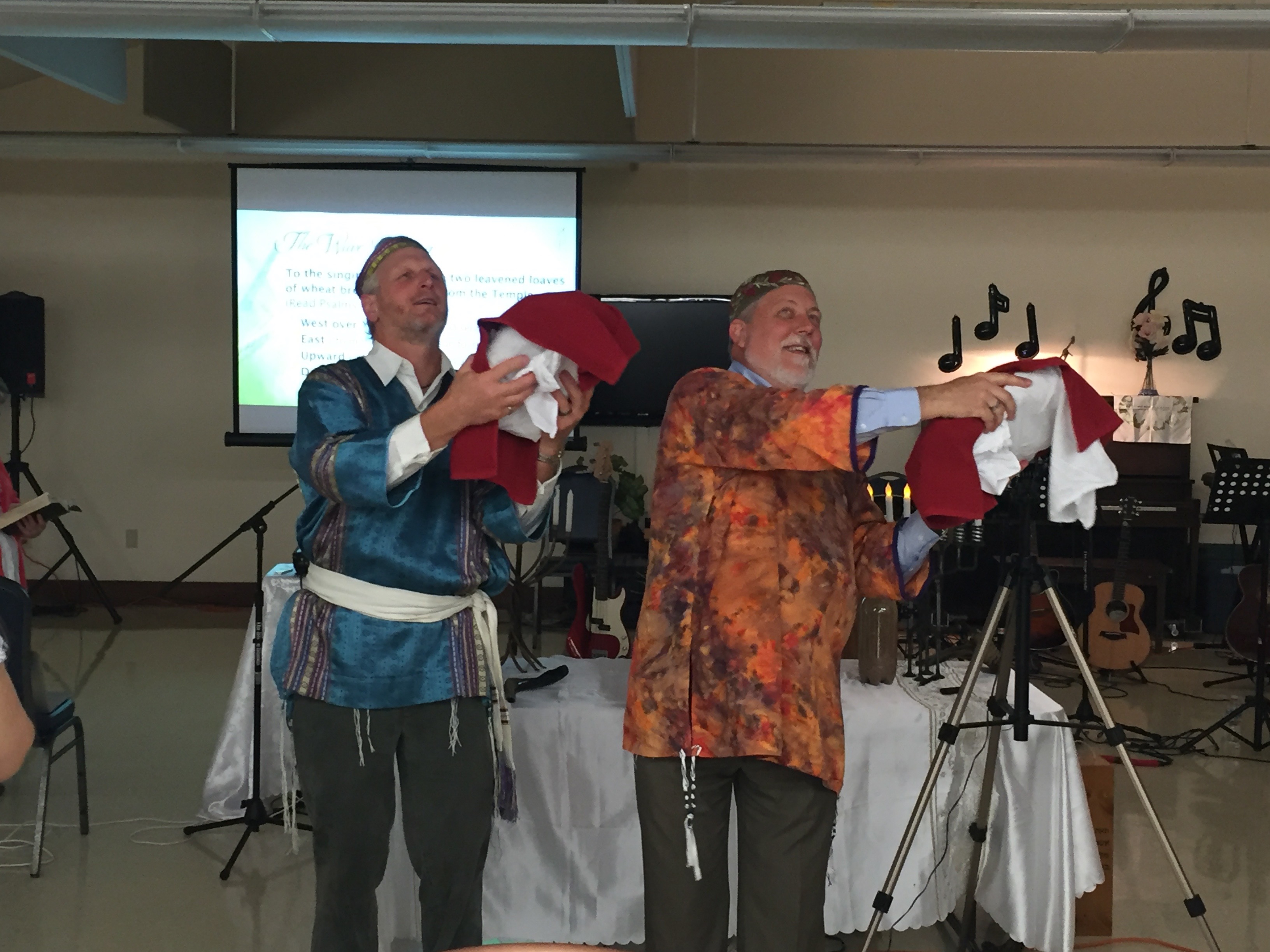
The bread waving ceremony

The bread waving ceremony

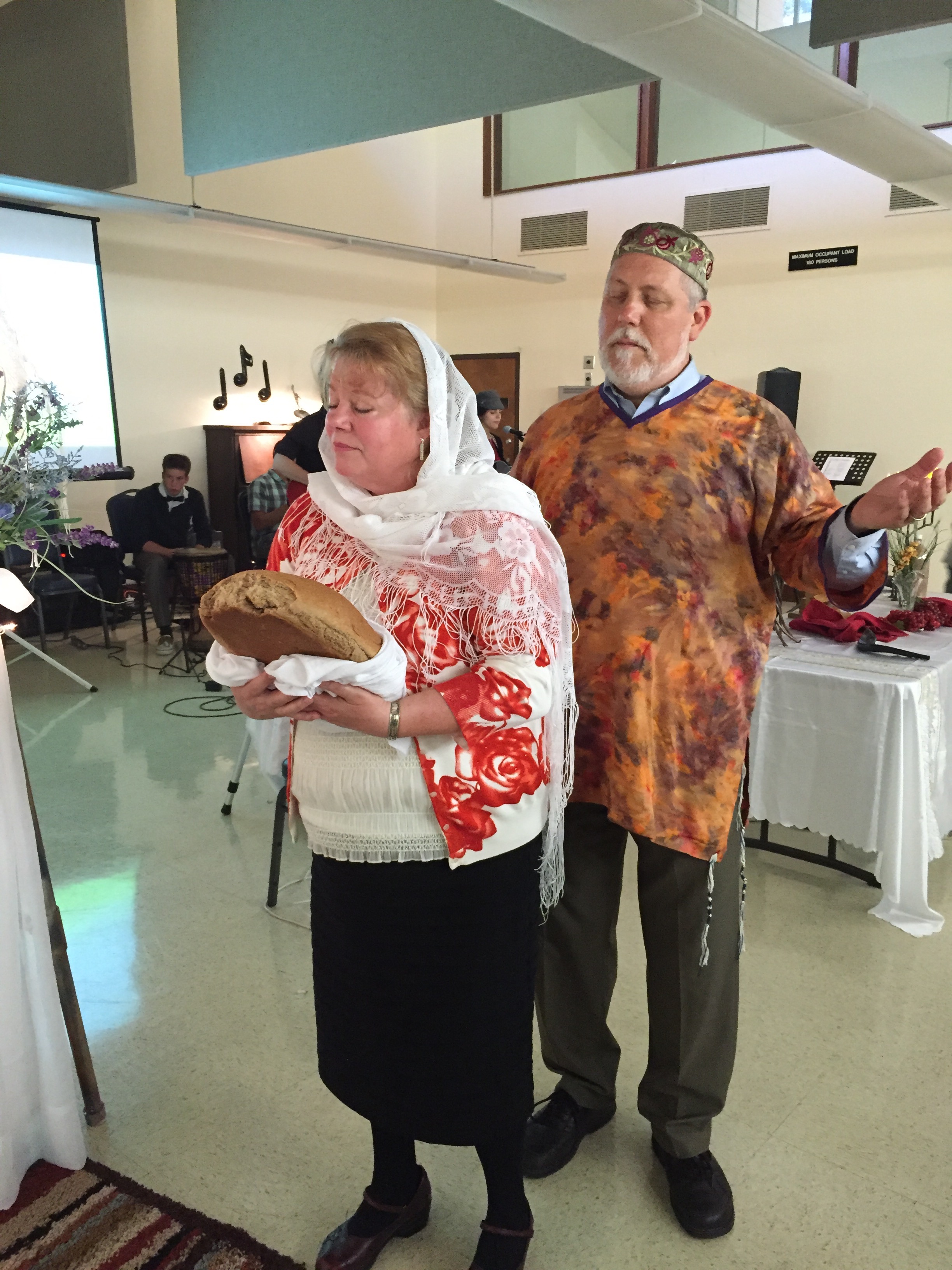
Dr. Joe and Heidi

Dr. Joe and Heidi

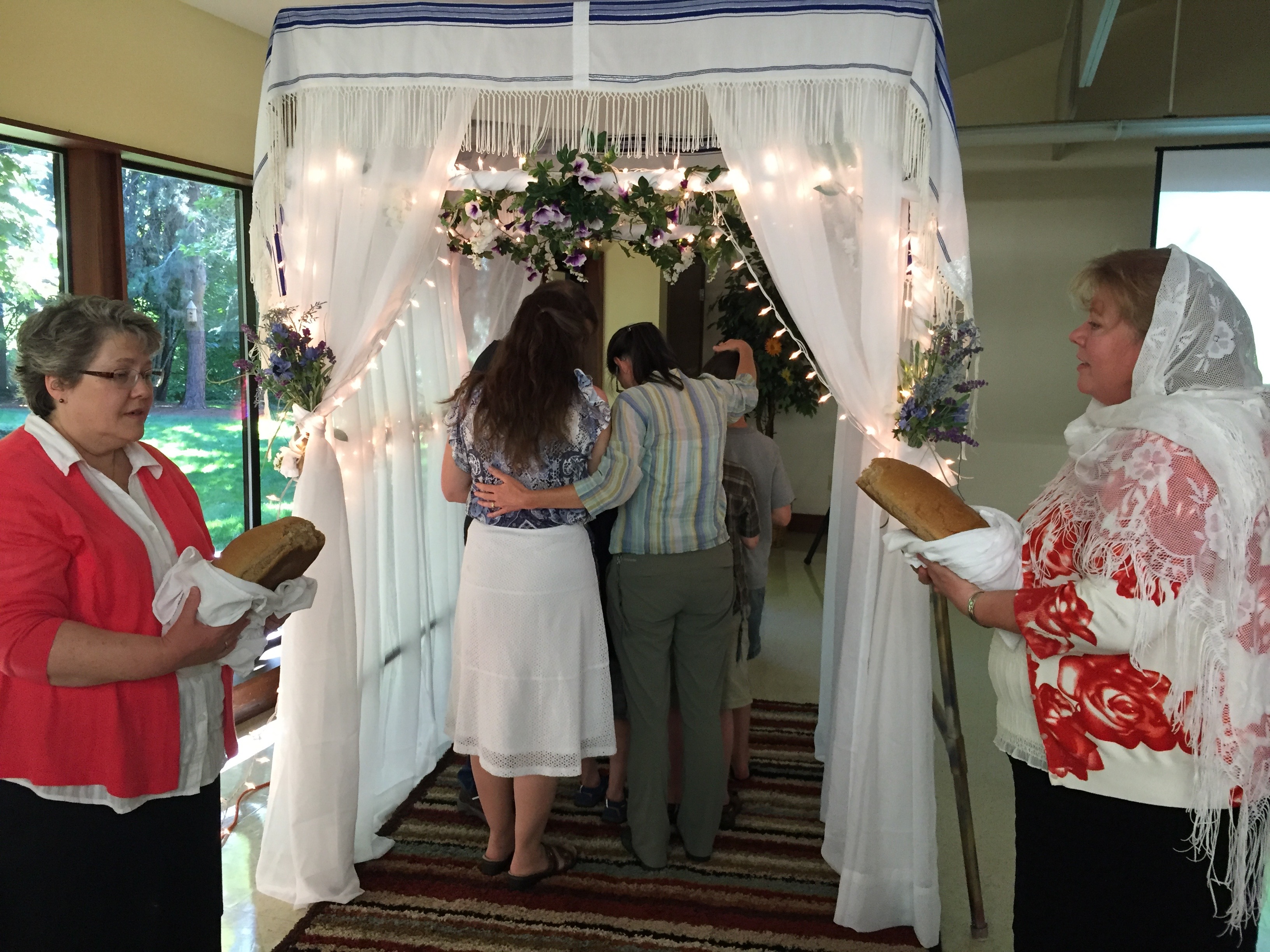
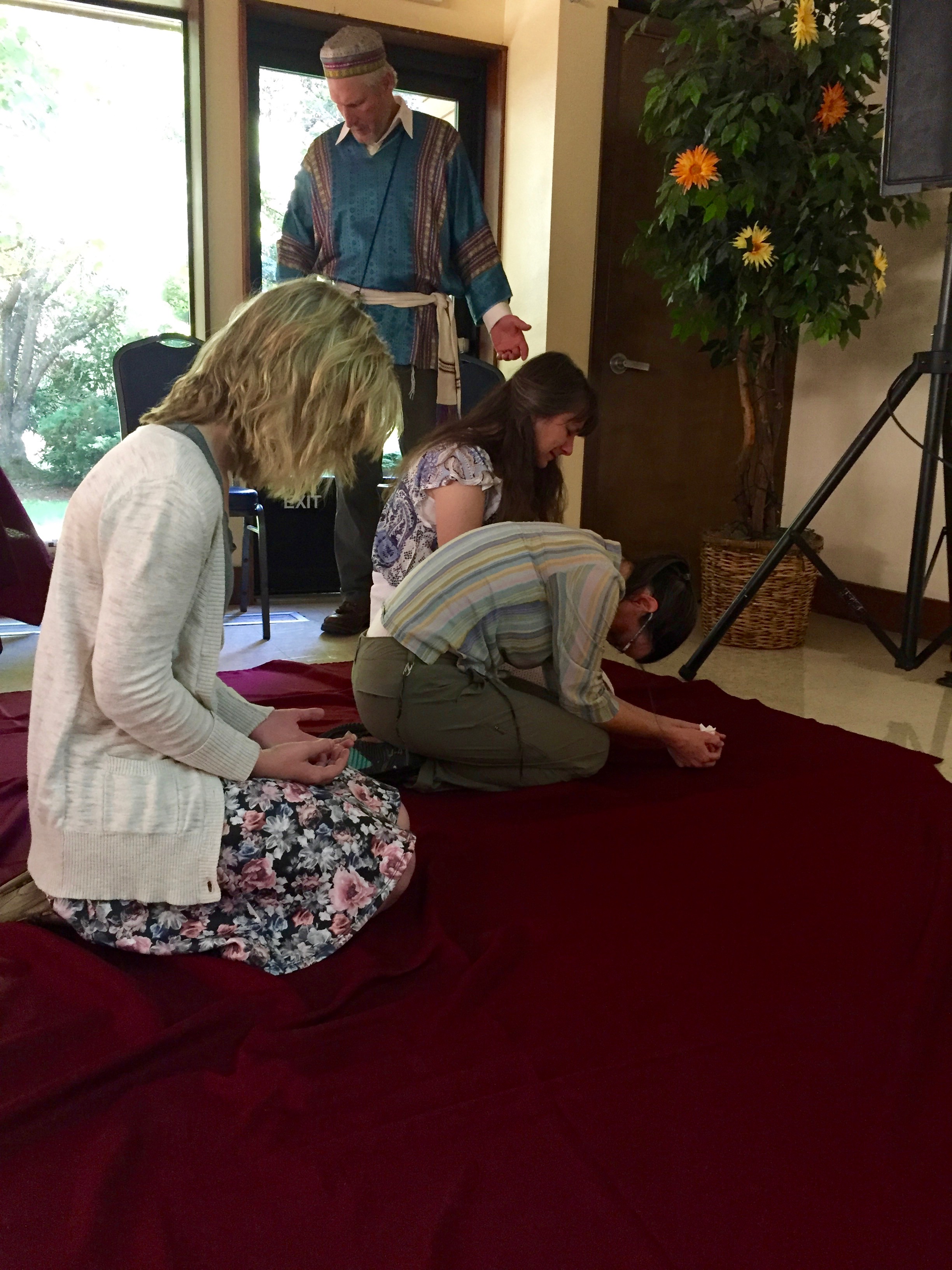
Seeking YHVH inside the marriage chuppah

Seeking YHVH inside the marriage chuppah

IMG_4110

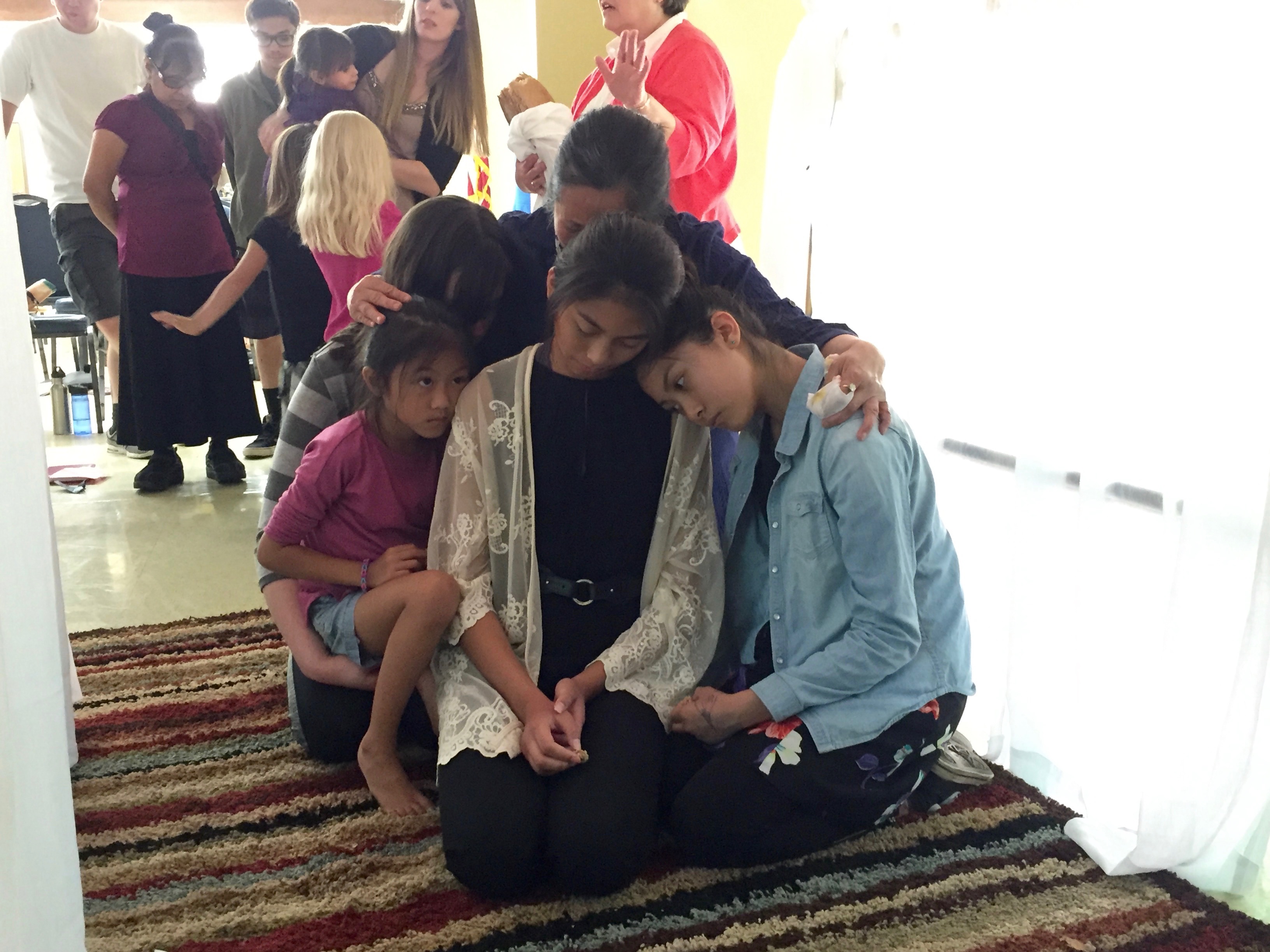
Seeking the face of YHVH through prayer

Seeking the face of YHVH through prayer


Blog Scripture Readings for 6-19 Through 6-25-16

Aside

THIS WEEK’S SCRIPTURE READINGS FOR STUDY AND DISCUSSION:

Parashat B’ha’alatkha — Numbers 8:1– 12:16
Haftarah — Zechariah 2:14 (10)* – 4:7
Prophets — Jeremiah 45:1 – 51:35
Writings — Ecclesiastes 2:1 – 8:17
Testimony — Romans 11:1 – 16:27

Most of this week’s blog discussion points will be on these passages. If you have general comments or questions on the weekly Scripture readings not addressed in a blog post, here’s a place for you to post those. Just use the “leave a reply” link below.

The full “Read Through The Scriptures In A Year” schedule, broken down by each day, can be found on the right sidebar under “Helpful Links.” There are 4 sections of scripture to read each day. One each from the Torah, the Prophets, the Writings, and from the Testimony of Yeshua. Each week, the Torah and haftarah readings will follow the traditional one-year reading cycle.

*Verse numbers in parenthesis refer to the verse number in Christian English Bibles when they differ from Hebrew Bibles or the Tanakh.

Weekly Blog Scripture Readings for 6/19 through 6/25/16.


What Is the Ultimate Goal of the Torah?

heaven

The Higher Torah and the Highest Torah Explained

The Torah is NOT the ultimate goal! The Torah, as wonderful as it is, points us to something even even better and higher!

What are the weightier matters of the Torah? Perfect obedience to the Torah is not the ultimate goal of the saint. The Torah is merely a vehicle to lead us to something. What is that? What is the greater Torah, the higher and the highest Torah? What really matters to YHVH when all is said and done???? The Gospel of Matthew (Matt 23:23) records that Yeshua rebuked the religious leaders of his day for their not following the higher Torah.

Woe unto you, scribes and Pharisees, hypocrites! for ye pay tithe of mint and anise and cumin, and have omitted the weightier matters of the Torah, judgment, mercy, and faith: these ought ye to have done, and not to leave the other undone.

What did he really mean by “the weightier matters of the Torah”?

The Deeper Meaning of the Word “Torah”

Almost every place where you see the word “law” in the Old Testament (or Tanakh), it is the Hebrew word “Torah.” This word is used 219 times in the Tanakh, and in almost every case it is translated in the KJV and in most other English Bibles as “the law.” Is this all this word means? Is “law” even its main definition according to the Hebrew?

Let’s begin to answer this question by asking another one. When you think of the term “the laws” what comes into our mind: good thoughts or bad thoughts? Do you think Continue reading


Abiding Under the Shadow of His Wings

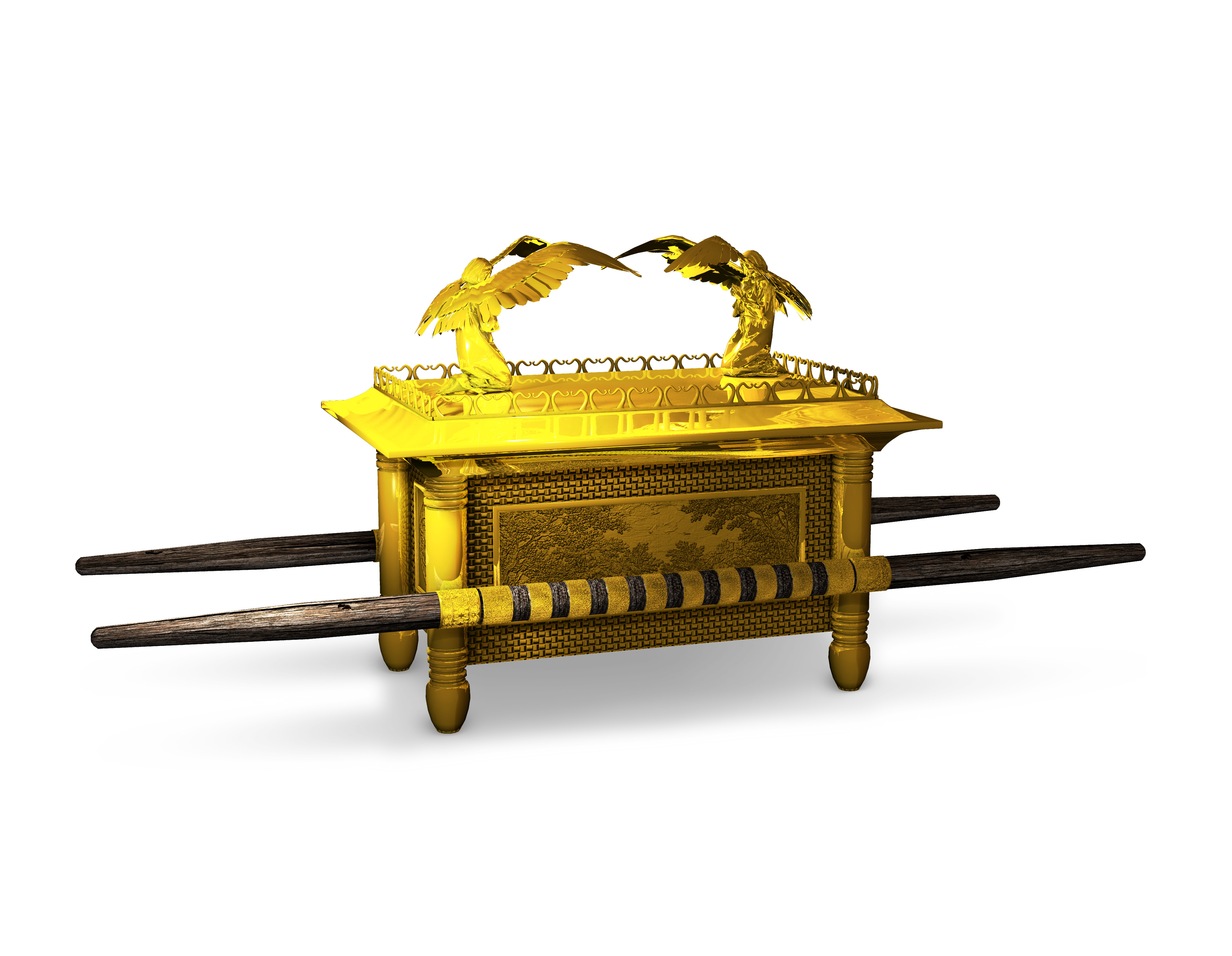
Ark of the Covenant

Numbers 7:89, When Moses. Moses going into the inner most sanctuary of the tabernacle is a lesson for us in experiencing intimacy with YHVH Elohim. The holy of holies in the tabernacle from which the voice of YHVH emanated pictured what? (See Rev 7:15.) The Tabernacle of Moses is a spiritual picture of what? (Read Eph 3:21–22; 1 Cor 3:16; 1 Pet 2:5.) If the saints are the temple of the Set-Apart Spirit, can they, like Moses, hear the voice of Elohim? (See what Yeshua said in answer to this question in John 10:3–5, 27 cp. Acts 8:29; 10:19; 11:12; 29:4.) How does YHVH now speak to his people? (Note John 16:13; 1 Cor 2:12.) How does the Spirit interact with man to speak the mind, heart and will of Elohim to humans? (See John 14:17; Job 32:8; Prov 20:27; Rom 8:16; Eph 3:16; 1 John 2:20, 27; 4:2–3; 1 Cor 2:10–14.)

A corollary passages to this verse is found in Psalms 61:4 where David speaks of abiding in YHVH’s tabernacle forever, and putting his trust in the shelter of YHVH’s wings. Consider this. Over the mercy seat on the ark of the covenant are the over-shadowing wings of the two cherubim, which is representative of Elohim’s throne and glorious Presence on earth (see Isa 37:16; Ezek 10:1–22; 11:22–23). It was in this place of intimate worship before the “Rock that his higher than me” (verse 2) that David sought shelter or refuge and deliverance from his enemies (verse 3). Phrases like, “under the shadow of your wings” is a Hebraism meaning “before YHVH in the place and state of worship” (see also Pss 17:8; 36:7; 57:1; 63:7; 91:1, 4). It was also in this place—between the cherubim—that Moses heard the voice of Elohim (Num 7:89), and that David would see the power or might, strength and glory or manifest Presence of Elohim in a prophetic, ecstatic or spiritual vision (Ps 63:2). The saints now have access to the throne of Elohim through prayer (Rev 5:8; 8:3).

Occasionally, YHVH will still communicate with his servants through an audible voice, dreams, visions, or an angelic visitation. But this is rare even as it was in biblical times. This is because YHVH is testing his people to see if they will walk by faith, not by sight (2 Cor 5:7), and will remain faithful to his written word. Currently, YHVH is refining, testing and preparing his bride for her marriage to him. Will she be faithful to him having never seen him? The time is coming, however, when she will be in YHVH’s blessed Presence forever, which is the object or end goal of her faith.

Voice of One…above the mercy seat. Think about this for a moment. The ark of the covenant upon which the mercy seat rested contained and was surrounded by several items, which give us an understanding as to what basis we are to come into YHVH’s Presence to hear his voice. The ark contained Aaron’s rod that budded, the golden pot of manna and the two tablets containing the ten words written by YHVH’s finger. Leaning up against the ark was the scroll containing the entire Torah that was given to the Israelites through Moses.

Together these items teach us that man can only come into YHVH Presence on the basis the Torah-word of Elohim of which Yeshua was the Living Manna from heaven, and upon which man must feed for his spiritual sustenance. Even as the manna was in a golden pot, so YHVH’s words should be within the heart of man. The ten words or commandments which were written by YHVH’s finger form the foundation of the Torah and need to be written on the heart of man. The heart of man contains two parts, like the two stone tablets, and man’s heart, until spiritually regenerated, is hard and stoney like the rock upon which the ten words were written.

YHVH is calling his servants to be a kingdom of priests of which Yeshua the Messiah is our Chief High Priest of which the rod, a symbol of the tree of life, is a prophetic picture. Under Yeshua’s rulership, his priests will exercise the authority in leading this world into obedience to and the worship of YHVH.

The Torah scroll leaning up against the ark shows us that obedience to YHVH’s instructions is dependent on our relationship with Yeshua through which his words must be written on our hearts by the indwelling presence of the Spirit of Elohim.

Moreover, when the high priest came into the holy of holies, he carried a censor filled with incense and sprinkled lamb’s blood on the ark of the covenant. This is pictures the saints coming into YHVH’s Presence only through the blood of Yeshua the Messiah who atoned for man’s sins, and through humble prayer like a contrite petitioner before a mighty king.


The Aaronic or Priestly Blessing Explained

Numbers 6:22–27, The Aaronic Blessing is about the power of blessing and the power of our words. The Scriptures teach us that our words can heal, build up and encourage, or kill, tear down and curse, that the power of life and death is in the tongue. What kind of words come from your mouth—especially to your spouse and children? Charity begins at home. How often do you speak blessings over your children and spouse? Do you bless those who curse you?

The Levitical priesthood was one of YHVH’s blessings or marriage gifts to his bride, Israel. It was given to her at the time of their marriage to him at Mount Sinai. The Aaronic or Priestly Blessings of Numbers 6:22–27 indicate that the priests were to be a conduit of YHVH’s blessings to his people. The ArtScroll Stone Edition Chumash correctly states it this way: “[The priests did not] have any independent power to confer or withhold blessings—only God can assure people of success, abundance, Continue reading


We all have been (or still are) an adulterous woman…

Adultrous Woman

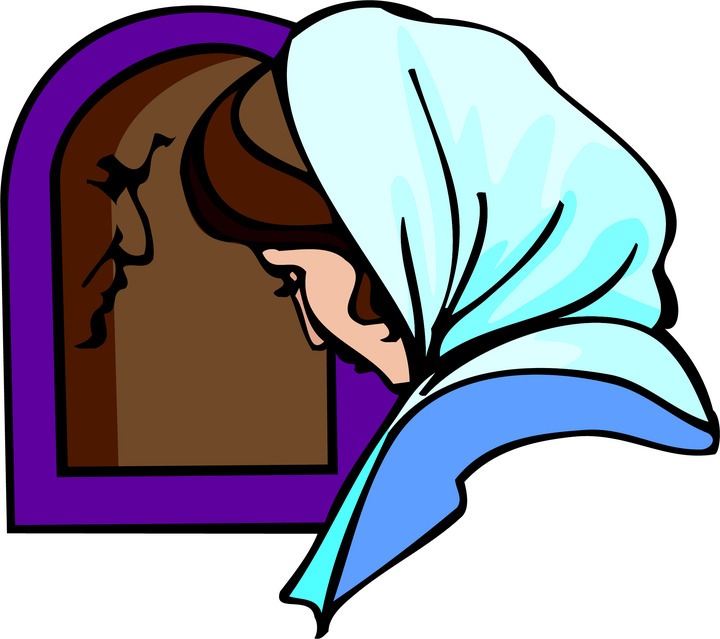
Numbers 5:11–31, This passages deals with a curious ritual involving wives suspected of adultery called the Law of Jealousies whereby the woman is hauled before the priest, her head is uncovered and, according to Jewish tradition, her dress is ripped open just above her breasts (b.Talmud Sota 7a). She then has the choice to drink a concoction of earth from the floor of the tabernacle mixed with the set-apart (kadosh) water from the bronze laver into which is dipped a piece of paper that contains the curses written on it. If she is guilty of the charges of adultery when she drinks the bitter waters, her belly shall swell and her thigh (Heb. yarek or side or loins,which are the seat of procreative power) shall rot as a result of a divine judgment. If she is guiltless, the bitter waters will have no effect on her. If she refuses to drink the bitter water and her husband still suspects her unfaithfulness, then he is free to divorce her, even though she has admitted no guilt. According to Jewish tradition, this legal procedure was carried out by Israel’s highest court in Jerusalem (Sota 7b).

Some biblical commentators see a parallel here between the adulterous woman and the trial and execution of Yeshua at the cross. After only a casual reflection on the issues, this may seem unlikely. But ponder this for a moment. Did YHVH liken his Continue reading