Church Activities Per the Testimony of Yeshua (NT)


Acts 13:14–15, A synagogue service. In that day as in our day, a typical Jewish Sabbath day synagogue service involved reading the from the Torah and the rest of the Tanakh and then hearing a teaching on what was read or on some other biblical subject. Add these Sabbath day activities to those mentioned in Acts 2:42, 47; 1 Tim 4:13; Eph 5:19–20; Col 3:16; Jas 5:13–14 and 1 Cor 14:26 and we have a list of activities the early believers did when they came together. These include

  • Teaching the word of Elohim (including the Torah), teaching doctrine, presenting the gospel (Acts 2:40–42; 1 Cor 14:26; 1 Tim 4:13)
  • Baptizing new converts (Acts 2:41)
  • Fellowshipping (Acts 2:42)
  • Sharing meals together (Acts 2:42
  • Praying for the sick (Jas 5:14)
  • Singing psalms (Gr. psallo meaning “to play on a stringed instrument a praise song to Elohim,  Jas 5:13) or to give a psalm (Gr. psalmos meaning “a striking, twanging, of a striking the chords of a musical instrument, of a pious song, a psalm, 1 Cor 14:26), for singing in general (1 Cor 14:15)
  • Confessing one’s sins one to another (Jas 5:16)
  • Praying for one another (Jas 5:16) or prayer in general (1 C or 14:14–15)
  • Turning those who are wandering from the truth back to Elohim (Jas 5:19)
  • Reading the Scriptures (1 Tim 4:13)
  • Exhorting (Gr. paraklesis meaning “calling near, summons, importation, supplication, entreaty, admonition, encouragement,consolation, comfort, solace,” 1 Tim 4:13)
  • Exercising the gifts of the Spirit (1 Cor 12) including speaking in tongues and prophesying (1 Cor 14:12, 26, 29, 39)
  • Giving spiritual revelations (1 Cor 14:26)

How many modern day churches do all of these things on a regular basis? If not, maybe it’s time to find a new church…


A (Hidden) Message in the Middle of the Torah

Leviticus 10:16, Diligently sought or inquired insistently (ASET). According to one Jewish tradition, these two words are the exact halfway mark of the words of the Torah. “This is to teach us that the entire Torah revolves around constant inquiry. One must never stop studying and seeking deeper and broader understanding of the Torah” (The ArtScroll Vayikra/Leviticus Commentary, p. 159).

How many times have you read a passage in the Word of Elohim many times only to receive a fresh revelation or to find a new nugget of understanding? This is because the Word of Elohim is spiritually alive! (Heb 4:12; John 14:25–26; 16:13; also Ps 119:30; Isa 55:11.)

It must be noted that other Jewish traditions place the center of the Torah in other passages as well. (These options are discussed in The Babylonian Talmud, Kiddushin 30a.) 

Study to shew thyself approved unto Elohim, a workman that needeth not to be ashamed, rightly dividing the word of truth. (2 Tim 2:15)


Have you paid your dues?

Leviticus 10:13, Because it is due. In the days before coinage, a man’s wages were weighed out in silver bullion or bartering occurred. In the case of the Levites (including the priests), they were given a portion of the offerings and sacrifices as their wages for serving the people. It is often the attitude of those in congregations that ministers should serve the people for free—without pay, and they are therefore negligent in giving. This is contrary to the Torah, which commands the Israelites to remunerate the Levites for their services (see Lev 27:30, 32). YHVH even calls the tithe to his ministers “their inheritance” (Num 18:21, 26).

Although the Testimony of Yeshua doesn’t overtly promote the concept of tithing per se, it does teach the Torah principle of giving to the ministry. For example, Paul instructed the believers in Philippi about giving. He addresses the issue of supporting his ministry and that by their faithfulness in giving to him it was in effect giving an offering (or a sacrifice) to YHVH, and that the Philippians would be blessed for this (Phil 4:16–19). He goes on to say that we are to give to those who spiritually feed us (1 Tim 5:17–18). Paul backs up this assertion by quoting a Torah principle here.

Let the elders that rule well be counted worthy of double honour, especially they who labour in the word and doctrine. For the Scripture says, “You shalt not muzzle the ox that treads out the corn,” and, “The labourer is worthy of his reward.”

What’s more, the Scriptures tell us that great blessings from heaven accrue to those who tithe or give to YHVH’s spiritual work on earth (Mal 3:10–11).

To not give, according to the Scriptures is called “robbing Elohim” (Mal 3:8–9). Those who refuse to give financially bring a curse upon themselves (Mal 3:9). Paul rebukes the congregation in Corinth for not supporting him financially, and states that he has “robbed” other churches who did support him, thus forcing him to use their offerings to pay his ministry expenses in Corinth (2 Cor 11:8–9). Corinth was not the only stingy congregation in the first century. The problem seemed to be widespread then (Phil 4:15) as it is today.


Blog Scripture Reading for 4-8 Through 4-14-18

Aside

THIS WEEK’S SCRIPTURE READINGS FOR STUDY AND DISCUSSION:

Parashat Shemini — Leviticus 9:1 – 11:47
Haftarah — 2 Samuel 6:1 – 7:17 | 1 Samuel 20:18-42**
Prophets — Isaiah 44:1 – 50:11
Writings — Job 12:1 – 18:21
Testimony — Acts 10:24 – 15:21

Our annual Scripture Reading Schedule for 2017-2018 is available to download and print.

Most of this week’s blog discussion points will be on these passages. If you have general comments or questions on the weekly Scripture readings not addressed in a blog post, here’s a place for you to post those. Just use the “leave a reply” link below.

The full “Read Through The Scriptures In A Year” schedule, broken down by each day, can be found on the right sidebar under “Helpful Links.” There are 4 sections of scripture to read each day: one each from the Torah, the Prophets, the Writings, and from the Testimony of Yeshua. Each week, the Torah and haftarah readings will follow the traditional one-year reading cycle.

** A different Haftarah is read when it is a special sabbath in Jewish tradition. This week it is Shabbat Machar Chodesh (Sabbath before Rosh Chodesh) on the traditional calendar with a special Haftarah reading of 1 Samuel 20:18-42.

Weekly Blog Scripture Readings for 4/8/18 through 4/14/18. This week is the first week of seven complete weeks of the count of the omer.


Christian Privilege: The Only Road to Salvation and Utopia

In our current American culture of educational system, mainstream media and establishment entertainment induced political correct group-think indoctrination, minority groups of every stripe and color are clamoring for special rights and privileges.

Due to the superior priority our culture is now placing on feelings over intellect, many special-rights groups are feeling marginalized and persecuted, whether based on reality or not. This persecution complex is leading to feelings of offense among many often resulting in expressions of anger and bitterness against those who hold to a traditional and majority viewpoint in the society.

This angst among the supposed offended is manifesting itself in “justifiable” verbal hate speech and, at time, even in criminal violence against the police, schools, churches, gun owners, whites in general and white men in particular, religious and social conservatives, Christians, Jews, various racial and religious minorities and the list goes on and on with more people groups being added to this hate list nearly every day. The list of those who are offended include some people of “color,” many women, some Moslems, illegal aliens, non-Christians, the LGBTQXYZ… folks, socialists, Marxists, etc., etc.

From those who feel disenfranchised and disadvantaged by the so-called majority who, it is boisterously asserted, maintain all the positions of power, wealth, authority, and influence, we hear such pejoratively employed terms as white privilege, male privilege, and, again, the list goes on—you fill in the blank. The finger pointing, blame game goes on and on until, it seems, that our society will become so fragmented into tiny special rights groups of offended people that every man’s hand will be on the throat of every one else.

The latest group to hate is Christians, and the latest term to hate term to emerge from the gunk on the bottom of the special rights, woe-is-me, swamp of vicitmization is “Christians privilege.”
Well, I for one happily embrace the term “Christian privilege.” This is because there IS an advantage to being a Bible believing follower of Yeshua the Messiah (aka Jesus Christ). This privilege includes forgiveness of sin, becoming the recipient of the Creator’s grace, a better life in this world and immortality in the next world, and the list goes on and on. Just read the Bible for a full understanding.

The wonderful thing is that this privilege is open to anyone free of charge regardless of gender, ethnic origin, socio-economic status, past religious affiliation, and past sinfulness. Anyone can get onboard this ship. All you have to do is choose it.

For all those who only want to complain and whine about everything and everyone that makes them feel uncomfortable and challenges you to grow up, I say this: GET OVER IT. Become an adult, stop blaming others for your poor decisions and take personal responsibility. Put down your teddy bears, coloring books, and turn off Mister Roger’s Neighborhood. If you can’t get over it, then too bad for you. It’s your problem, not mine. I guess the school of reality and hard knocks will have to awaken you from your feelings-based state of comatose lethargy sometime somehow.  

The article that follows explains how literally anyone can become a recipient of “Christian privilege” and experience both the supreme temporal and eternal benefits therefrom. — Natan Lawrence

Foreword 

I have a story to tell. It’s a beautiful story. It’s about you and me, and our Creator who loves us more than we can know.

First, let me confess something personal. My greatest desire in life next to spending eternity with YHVH-Yeshua my Messiah is to help to be a catalyst for spiritual revival on this earth. That is, to see the light of YHVH’s truth transformationally pierce the darkness of men’s lives causing a mighty river of life from heaven to flow on this earth bringing with it love, joy, peace and the abundant spiritual life that knowing Yeshua the Messiah and loving him by keeping his commandments. This passion burns like an unquenchable fire deep within my personal spirit and soul. I believe this a resonation of the heart of our Father in heaven. 

My next greatest life ambition is to see as many lukewarm modern-day Laodiceans disciples of Yeshua awake from their spiritual slumber and to fall in love with Yeshua the Messiah and to love and serve him for the rest of their lives. Spiritual revival and awakening begins at home—deep in your heart and mind, and it spreads from there outward to touch a dark, sick and dying world. 

My prayer is that the message that follows, by YHVH’s grace, will help to bring spiritual revival and awakening in someone’s life this day.

Made in Elohim’s Image to Experience Pleasure in a Paradise

The Bible reveals that humans were made in the image of Elohim—both male and female. He put the first humans in a garden to walk and to commune with him in a sin-free paradise called Eden. Few know what the word eden actually means. It is a Hebrew word that literally means “pleasure, delight, luxury, dainty and finery.” The seventh day Sabbath is a weekly memorial of this paradise lost, and both the Sabbath and the annual biblical festival called the Feast of Tabernacles or Sukkot are both prophetic pictures of the Eden that is to come at the end this age called the New Jerusalem, which will be a heaven-like paradise on earth.

In the mean time, the human desire for pleasure, delight, luxury and for communion with Elohim that Eden afforded is an indigenous and integral part of our spiritual DNA. Think about it. What human doesn’t desire this greatly and works hard to achieve this state of existence? Many humans work nearly a lifetime, so they can retire to their “golden years” and live off their investments and whatever pension they’ve managed to acquire. To many, it is considered heaven on earth to spend their retirement years on earth playing golf, traveling the world, partying with friends, working in their garden or just waking up late and Continue reading


DON’T READ THIS! (Unless You’re Serious About Your Spiritual Walk)

As we conclude the Feast of Unleavened Bread, it’s imperative that we don’t quickly pass over this sin thing. It’s not a popular subject with men, but it is with Elohim, so let’s get over our aversions and deal with it!

Get the leavening of sin out of your lives!

The Destructiveness of Sin


What Is Sin?

Here are several ways the Bible defines sin. These definitions are different ways of saying the same thing: rejections of and rebellion against the Word of Elohim.

  • Sin is the anything that violates the Torah-instructions/laws of Elohim (1 John 3:4).
  • Sin is unrighteousness (1 John 5:17; YHVH’s Torah commands define what righteousness is, Ps 119:172).
  • Sin is not believing in Yeshua, who is the Torah-Word of Elohim incarnate (John 3:18; 16:9 cp. John 1:1, 14).
  • Sin is failing to do (or not to do) that we which we should be do (or not do)— i.e., the sin of omission (Jas 4:17).
  • Sin is a direct challenge to YHVH’s authority in our lives. It is arrogance and self exaltation against YHVH’s Word and will. It involves lack of belief in his Word. It is putting my will above his Word. Sin is putting me-first (my desires, impulses), not YHVH first (his will) in our lives. It is humanism, which is self-rule and self-worship. It is following the lie of the serpent-devil told at the tree of knowledge in the Garden of Eden; that is, man can do whatever he wants regardless of what YHVH’s Word says, and not suffer any consequences for it.  

The Destructive Nature of Sin

There are many ways in which sin is destructive and destroys. Here are a few examples.

Sin is DESTRUCTIVE in that it causes separation (Isa 59:2). Sin leads a person away from Elohim who is sinless, perfect and holy. It caused Adam and Eve to be kicked out the Garden and to be separated from Elohim. It also destroys human relationships.

But your iniquities have separated between you and your Elohim, and your sins have hid his face from you, that he will not hear. (Isa 59:2)

Sin is DESTRUCTIVE and DISSIPATING to yourself and to others.

In regard to these, they think it strange that you do not run with them in the same flood of dissipation [or profligacy, prodigality], speaking evil of you. 1 Pet 4:4

Sin DESTROYS the effectiveness of our prayers (Isa 59:1–2; 1 Pet 3:7; Matt 5:23–24).

Sin DESTROYS your emotional stability. (Pss 51:7–12; 32:1–4).

Sin and profligate living DESTROYS one’s finances. Through profligate living, the prodigal son lost all his inheritance and ended up DESTITUTE (Luke 15:11–16).

Sin causes DISOBEDIENCE and is DISOBEDIENCE to YHVH and his Word. Disobedience is one of sin’s definitions (i.e., sin the violation of the Torah-word or instructions of Elohim, 1 John 3:4). 

Whosoever committeth sin transgresseth also the law: for sin is the transgression of the law. (1 John 3:4)

Sin is DEFILING and DEGENERATING in that it pollutes, corrupts and eventually destroys little-by-little by corrupting everything it touches. It corrupts  a person’s body, soul and spirit. The Bible likens sin to leavening in bread in that it puffs a person up (in pride) Continue reading


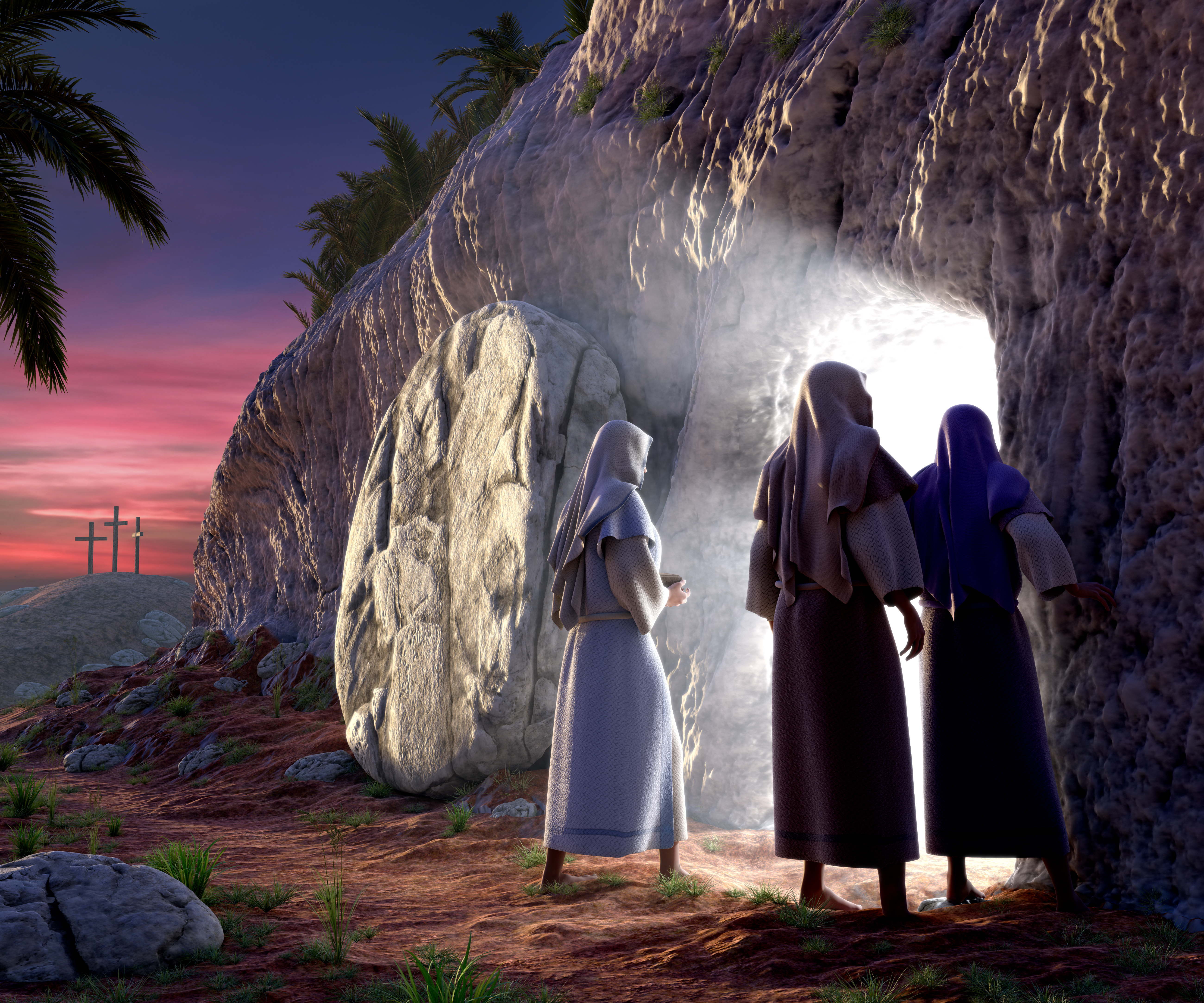
“The First Day of the Week”—Mian Sabbaton/Mia Ton Sabbaton Explained

Matthew 28:1, First of the week. 

Is this phrase only emphasizing that Yeshua’s resurrection was on the first day of the week, or is it also telling us something else? This verse reads:

 “In the end [Greek: de] of the sabbath [Greek: sabbaton], as it began to dawn [Greek: epiphosko] toward the first day [a supplied word which is not in the Greek] of the week [Greek: sabbaton], came Mary Magdalene and the other Mary to see the sepulchre.” (KJV)

The other parallel passages in the Gospel accounts include:

And when the sabbath [Greek: sabbaton] was past [diaginomai], Mary Magdalene, and Mary the mother of James, and Salome, had bought sweet spices, that they might come and anoint him. (Mark 16:1, KJV)

Now upon the first [Greek: mia] day [a supplied word which is not in original Greek] of the week [Greek: sabbaton], very early in the morning [Greek: orthros] , they came unto the sepulcher, bringing the spices which they had prepared, and certain others with them. (Luke 24:1, KJV)

Now one of the week, while still very early, they came on the tomb … (Luke 24:1, J.P. Green Interlinear)

The first [Greek: mia] day [a supplied word which is not in original Greek] of the week [Greek: sabbaton] cometh Mary Magdalene early, when it was yet dark, unto the sepulcher, and seeth the stone taken away from the sepulcher. (John 20:1, KJV)

According to Vine’s Expository Dictionary of New Testament Words, the Greek word shabbaton as used in Matthew 28:1, Mark 16:2, Acts 20:7,11 and 1 Corinthians 16:2 though translated in the KJV as “the first day of the week” literally and idiomatically means, “one of the sabbaths” signifying “the first day after the sabbath.” (p. 810)

Some scholars see this as a reference to the beginning count of the Feast of Weeks since in all the above references either that Feast or the Feast of Unleavened Bread is mentioned in the textual context of each passage.

The Interlinear Bible of J.P. Green translates sabbaton in Matthew 28:1, John 20:19, and Acts 20:7 as sabbaths, though he translates the same word not as sabbaths, but first of the week or of a week in Mark 16:2 and 1 Corinthians 16:2 respectively. Green translates the phrase containing sabbaton in Luke 24:1 as “But on one of the week, while still very early…” Likewise, Young’s Literal Translation reads, “And on the eve of the sabbaths, at the dawn, toward the first of the sabbaths…” The Bishops Bible of 1568 translates John 20:1 as, “The first day of ye Sabbothes, came Marie Magdalene early, when it was yet darke, unto the sepulchre, and sawe the stone taken awaye from the grave.”

On Acts 20:7, Vincent’s Word Studies in the New Testament admits that sabbaton is plural in the Greek, though he reference it as a singular word saying, “The plural [is] used for the singular, in imitation of Hebrew form. The noun Sabbath is often used after numerals in the signification of a week. See Matt 28:1; Mark 16:2; John 20:19” (vol. 1, p. 558).

The Greek word sabbaton, as noted, is from the Hebrew word shabbaton, which is from the Hebrew root word shabbat, which can mean “weeks of Sabbaths.” Shabbatown (Strong’s H7677, from H7676) means “a special holy day” and is used in reference to the weekly Sabbath, Day of Atonement, the sabbatical year, Day of Trumpets and the first and last days of the Feast of Tabernacles and is translated in the KJV as rest (8 times), sabbath (3 times). Examples of its usage include:

  • The weekly Sabbath: Exod 31:15; 16:23; 35:2; Lev 23:3
  • The Day of Atonement: Lev. 16:31; 23:32
  • The sabbatical year: Lev 25:4
  • The Day of Trumpets: Lev 23:24
  • The First day of the Feast of Tabernacles and the Eighth Day (Shemini Atzeret): Lev 23:34

What can we conclude from this? The word translated for first [as in “first of the weeks”] is the Greek word mia which, according to the Greek lexicons, refers to the cardinal number one and is not the ordinal number first, which is a completely different Greek word. Why would the writers of the Gospel accounts of the empty tomb emphasize literally week one? Could it be that they are referring to week one of the counting of the omer the seven weeks between the weekly Sabbath within the seven day festival of Hag HaMatzot (Feast of Unleavened Bread) and Shavout (Pentecost or the Feast of Weeks)? The Torah specifically speaks of the day after the Sabbath when the high priest would lift heavenward in a waving motion the freshly cut barley for Elohim to accept (Lev 23:9–14). This event, which would occur on the first day of the week (Sunday) would also commence the counting of the 49 days (seven weeks) of the omer concluding with the celebration of Shavuot (Pentecost, literally meaning to count fifty) on the fiftieth day (Lev 23:15–16).

It seems likely that not only did Yeshua resurrect just after the end of the Sabbath, and barely into the evening portion of the first day, but that he ascended to heaven on the first day, as well, when the priests were waving the barely omer—on Wave Sheaf or First Fruits Day.

Therefore, the Gospel writers were emphasizing a “morrow after the Sabbath” or first day (Lev 23:15) wave sheaf offering, which was a prophetic shadow-picture of Yeshua’s resurrection and ascension to his Father in heaven (John 20:17) to be accepted as the first of the first fruits of those resurrected from the dead (1 Cor 15:20–23) as well as the commencement of the counting of the seven weeks leading to Shavuot (Pentecost).

Interestingly, E.W. Bullinger, the noted late nineteenth-century British Bible scholar, linguist and author of the Companion Bible has come to the same conclusion. Bullinger says in his Companion Bible commentary on John 20:1, states that the phrase “On the first day of the week” should read “on the first (day) of the Sabbath.” He goes on to explain that this is passage is a reference to the Leviticus 23:15–17. On the day that the disciples found the empty tomb was “the first of the days for reckoning the seven Sabbaths to Pentecost. On this day, therefore, the Lord became the firstfruits (verses 10–11) of God’s resurrection harvest (1 Cor 15:23).” (The Companion Bible, p. 1570).