Biblical Humility—A Key to the Kingdom

What is definition of humility? The Bible teaches us that humility is more than a mere theological abstraction, or simply an individualistic and introspective reality. It is an aspect of the social order and requirement of the kingdom of Elohim (The International Standard Bible Encyclopedia, vol 2, p. 776). Humility is something that has to be learned, so that it becomes a state of one’s heart and mind and that then will translate into a lifestyle, which determines what a person says,  and how one thinks and acts.

The biblical truth of justification by grace through faith speaks to the central importance and reality of humility as evidenced in Yeshua’s Parable of the Publican and the Pharisee in Luke 18:9–14. The Pharisee’s lack of humility before Elohim entails arrogance towards others, resulting in rejection by Elohim. On the other hand, the publican who humbled himself before the Almighty by admitting his sinful condition and plight was justified in the courts of heaven. The people who know that their salvation is a result of Elohim’s grace do not act presumptuously toward others (ibid. pp. 776–777). The well-known saying, “There for the grace of God, go I” should be a conscious reality in the heart and mind of every Bible believer. The ISBE goes on to say, “The reign of God constitutes a realm in which all previous ideas of prestige, privilege, and protocols are transformed. To submit to God’s kingship is to participate in a new social reality. ‘Who is greatest in the kingdom of heaven?’ (Matt 18:1). The one who submits to the rule of God.”

What  Is Biblical Humility in More Detail?

Let’s now go further to define the word humility from a biblical Hebraic perspective.

Humility or humbleness is a modest or low view of one’s own importance. It is “a freedom from arrogance  that grows out of the recognition that all we have and are comes from God” (Nelson’s Illustrated Bible Dictionary). To the heathen Greek philosophers of the Continue reading


 

Some Dynamics of Divine Healing Explained

Luke 5:17, The power [Gr. dumanis] of YHVH was present. Sometimes the power of YHVH is present to heal people, sometimes it is not. There are many factors that determine if and when a person is healed divinely. These include such things as the sovereign will of Elohim for that person’s life, the faith of the individuals performing or receiving the healing, repentance of sin or the lack thereof, divine judgment, trials Elohim may be allowing in one’s life for character refinement (think righteous Job and Paul’s thorn in the flesh), and whether one is a saint or not and many more factors about which we may or may not be aware due to our limited human understanding of the spiritual dimension where Elohim operates.

Let’s now explore the healing activities of Yeshua to see what we can learn about the spiritual mechanics of divine healing. The Greek word dunamis in the phrase, “the power [dumanis] of YHVH was present” means “strength, power, ability” or, as often used in the Testimony of Yeshua, it can mean “miraculous power.” This statement by Luke is interesting when it comes to understanding the dynamics of Yeshua’s healing activities. Did Continue reading


What is the significance of “the month of the Abib”?

Exodus 9:31, The barley was in the head. Barley was cultivated as a grain crop in ancient Egypt, as well as in Israel, and grows wild like a weed throughout the region to this day. Several passages in the Scriptures witness to the fact that the barley was the indicator of which month was to be the first month of the year for the Israelites, so that they could determine when the biblical feasts were to be observed.

Observe the month of Abib, and keep the Passover unto YHVH your Elohim: for in the month of Abib YHVH your Elohim brought thee forth out of Egypt by night. (Deut 16:1, emphasis added)

Please notice, the definite article the proceeding the phrase “month of Abib.” The state of the barley determined the name of a specific month in the spring on YHVH’s biblical calendar. Months in the biblical Hebrew calendar have always been determined by the first visible sliver of the new moon from antiquity. This specific month is to be the beginning the biblical new year (Exod 12:2). The state of the barley simply determines which month is to be the first month of the biblical year. The month of the Abib is not so much the name of a month as it is a description of the month. Below are listed the other three places in the Scriptures where this phrase is found.

This day came you out in the month Abib. (Exod 13:4)

You shall keep the Feast of Unleavened Bread: (you shall eat unleavened bread seven days, as I commanded thee, in the time appointed of the month Abib; for in it you came out from Egypt: and none shall appear before me empty). (Exod 23:15)

The feast of unleavened bread shall you keep. Seven days you shall eat unleavened bread, as I commanded you, in the time of the month Abib: for in the month Abib you came out from Egypt. (Exod 34:18, emphasis added on all)

What does the word abib in the phrase “the month of the Abib (or Aviv)” mean? The Continue reading


To bless or curse: that is the question

Matthew 5:43–48, Loving one’s enemies vs. the imprecatory psalms of David. In the Davidic psalms, David writes numerous imprecations against his enemies where he implored Elohim to destroy his enemies (e.g. Ps 5:10; 6:10; 7:9; 35:26; 40:14; 55:15; 58:6–8…). How could a man after YHVH’s own heart wish so much ill upon those people intending his harm? How does this comport with Yeshua’s instructions hear to love your enemies and to treat them well? On second look, David’s imprecatory psalms may not be as incongruous with Yeshua’s teachings in his Sermon on the Mount as it may seem. Here are several points to consider in this regard.

All of David’s desires upon his enemies are directed to Elohim in the form of a prayer. As such, he is submitting his wishes to the ultimate will of the just and righteous Judge of the universe to have his way with David’s enemies.

David isn’t expressing his desires upon his enemies to his enemies. Rather, the issue is a matter of prayer, not direct confrontation.

The Bible clearly teaches in countless places that Elohim will bring judgment upon his wicked enemies. That judgment comes in many ways and many time frames. Some judgment is temporal, some is eternal.

The Bible also teaches that Elohim will repay his enemies for the evil they have done. They will reap the consequences of their sinful actions. In fact, Elohim even hates some of his enemies—the workers of iniquity (e.g. Pss 5:5; 11:5).

A case can be made from the Scriptures that the righteous are to hate the things that Elohim hates and love the things that he loves. In one place, David even talks about hating the enemies of Elohim with a perfect hatred (Ps 139:22).

So, in a general sense, the saint is to hate the workers of iniquity, the haters of Elohim and his ways. But it is not the prerogative of the saint to take matters into his own hands to execute judgment against his enemies. Scripture declares that vengeance alone belongs to Elohim, and he will repay (Ps 94:1; Rom 12:9).

Until then, we are to love our enemies when dealing with them face to face as Yeshua instructs here, and we are to even bless them and pray for them. Why is this? Praying for our enemies may or may not change their demeanor toward us or their persecuting us, but it will keep us from walking in unforgiveness, from becoming embittered, vengeful and hateful ourselves. By releasing them to YHVH to do what he will with them in his own time and way, we are freeing ourselves from negativity or the evil darkness that our enemies may unwittingly by trying to impose on us, which will blotch or taint our own soul with spiritual darkness.

There may, however, come a time when our enemies are so cruel, hateful and wicked that it is appropriate to pray an imprecatory prayer against them in the manner of David, who was often fighting for his life at the hand of his enemies. As we read in Ecclesiastes chapter three

To everything there is a season, A time for every purpose under heaven…And a time to heal; A time to break down…A time to love, And a time to hate; A time of war, And a time of peace. (Eccl 3:1, 3, 8).

May YHVH grant us the wisdom through the guidance of his Spirit to know what to do and when at all times.


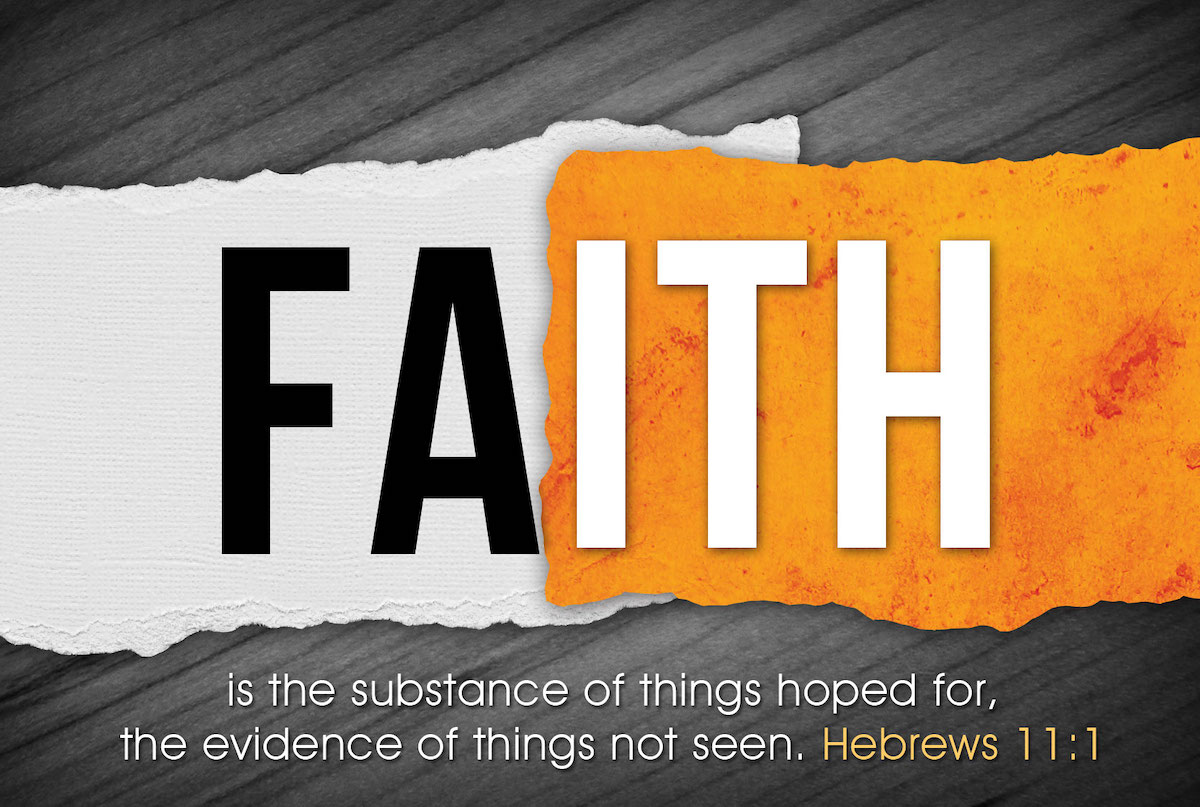
Are we walking by faith or by sight?

Exodus 6:9, They did not heed…because. When our eyes are totally focused on our circumstances and we fail to acknowledge Elohim in all things (Prov 3:5–6), and be thankful to him for all things (Eph 5:20; 1 Thess 5:18), we will fail to see the higher and grander purposes he is working out in our lives for his glory and for our blessing.

Now faith is the substance of things hoped for, the evidence of things not seen. (Hebrew 11:1)

For we walk by faith, not by sight. (2 Cor 5:7)


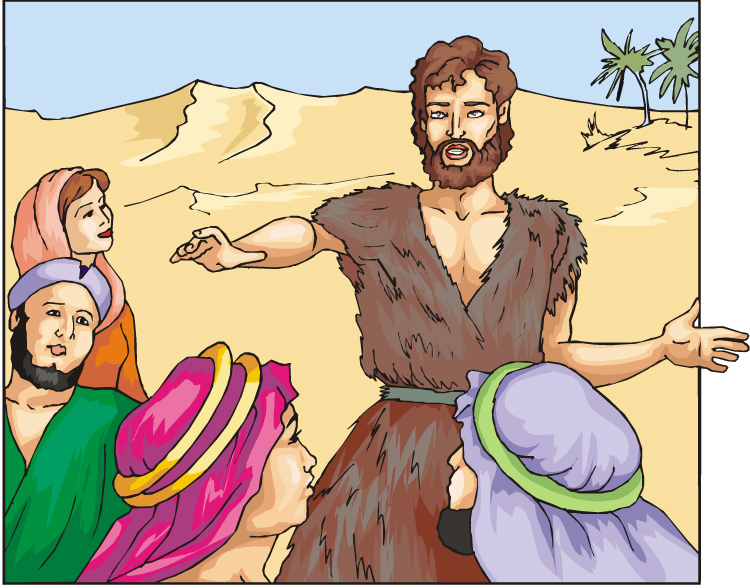
The radical message of John is still radical

Luke 3:7–17, Then he said to the multitudes. What’s really going on in this exchange between John the Baptist and the religious folks of his day? Let’s step back and look at the bigger picture.

The multitudes of Jews had to make the long, hot and arduous journey through the Judean mountains down to the Jordan River, which was the lowest spot on earth, to hear John the Baptist, who was the latest fad preacher to come on the scene. However, when they arrived at his lonely wilderness pulpit, instead of stroking their egos by complimenting them for their religious zeal, he excoriates them and calls them a brood of vipers. John confronts them by saying that if they don’t repent, the fires of YHVH’s judgment will consume them (John 3:7–9). John’s preaching pierces their hearts, and lays them low spiritually. In a proper response, they ask him what he expects them to do (John 3:10). John then preaches a message of social justice involving giving to the poor, being fair and honest in one’s business dealings, and if one is a government worker, then treat the citizens one serves with respect (John 3:11–14).

Interestingly, he doesn’t instruct these religious Jews in what many consider to be the Continue reading


Blog Scripture Readings for 12/30/18 Through 1/5/19

Aside

THIS WEEK’S SCRIPTURE READINGS FOR STUDY AND DISCUSSION:

Parashat Va’eira — Exodus 6:2 – 9:35
Haftarah — Ezekiel 28:25 – 29:21
Prophets — 2 Samuel 15:1 – 21:15
Writings — Psalms 89:1 – 94:23
Testimony — Luke 3:1 – 6:26

Most of this week’s blog discussion points will be on these passages. If you have general comments or questions on the weekly Scripture readings not addressed in a blog post, here’s a place for you to post those. Just use the “leave a reply” link below.

The full “Read Through The Scriptures In A Year” schedule, broken down by each day, can be found on the right sidebar under “Helpful Links.” There are 4 sections of scripture to read each day: one each from the Torah, the Prophets, the Writings, and from the Testimony of Yeshua. Each week, the Torah and haftarah readings will follow the traditional one-year reading cycle.

Weekly Blog Scripture Readings for 12/30/18 through 1/5/19.