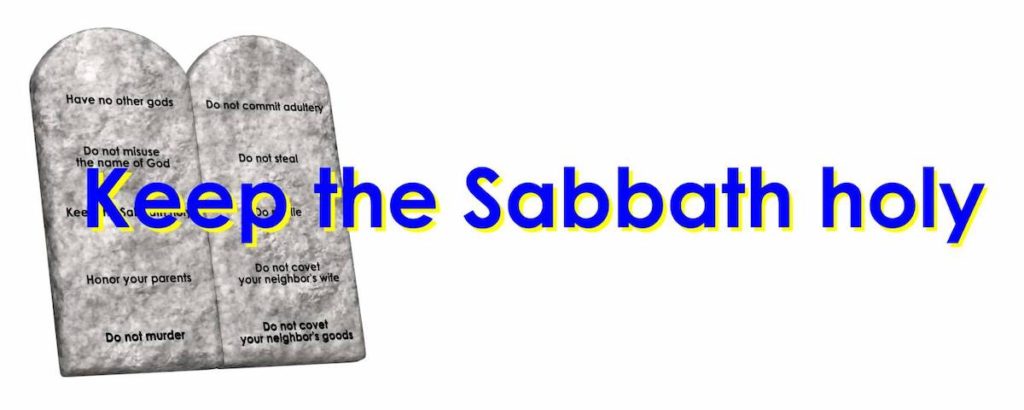
I get asked the question frequently, “What am I supposed to do on the Sabbath day?” The following Torah Scripture and gives us much a unique insight into the answer to this question.
Numbers 28:9, On the Sabbath day. Every Sabbath YHVH required double sacrifices to be offered. What can we learn from this seemingly minor, easily overlooked detail pertaining to the Levitical sacrificial system to enrich our Sabbath (Heb. Shabbat) experience? Much!
The Levites offering a double sacrifice on Shabbat was a foundational principle of the sacrificial system. This teaches us that we need to spend more time seeking YHVH on his set-apart or holy Shabbat. This means being a living sacrifice to YHVH. What are the ramifications of being a living sacrifice?
In this age of self-indulgence and self-centeredness, the subject of self-denial and being a living sacrifice is not a popular one, yet laying one’s life down or becoming a living sacrifice, is a fundamental principle of the Christian life—something about which Scripture speaks volumes! (Read the following: Rom 12:1; Pss 4:5; 27:6; 50:8–15; 51:17; 107:22; 119:108; Prov 15:8; 21:3; Jer 17:26; 33:11; Hos 6:6; 14:2; Jon 2:9; Mal 1:11; Matt 9:13; 12:7; Eph 5:2; Phil 2:17; 4:18; Heb 9:26; 13:15; 1 Pet 2:4.)
Self-denial is rooted in our covenantal relationship with our Yeshua, who is not only our Savior, but also our Master. When we become a disciple of Yeshua the Messiah and laid down our lives in the watery grave of baptism and accepted his payment for our sins, we covenanted to follow and obey him—to lay down our lives as well for him just as he did for us (Phil 2:5–8), that is, to become a living sacrifice to love, serve and to obey him regardless of what our carnal nature wants to do. As the apostle declared, we are not our own, but we were purchased with a price—the precious blood of Yeshua (1 Pet 1:18–19; Eph 1:4). This all translates into how we observe the Sabbath. On this set-apart day (i.e. it is set-apart from our normal, worldly activities), do we do what pleases our fleshly appetites or what pleases our Heavenly Master (Isa 58:13)?
So what types of activities should fill our Sabbath time that exemplify the Levites’ making a double offering on the Sabbath? Once again, please review the scripture verses listed above about being a living sacrifice. From these we learn that being a living sacrifice involves any activity that is a of worshipful and devotional nature toward our Heavenly Creator. Therefore, shouldn’t all of our Sabbath-day activities in some way point to YHVH, and in some way strengthen our walk with and relational ties to our Creator, and our relationship with others who are of the household of faith?
Let’s not forget an important truth: Keeping Torah is not about bondage (to a legalistic set of dos and don’ts); rather, it’s a vehicle to promote bonding and relationship (i.e. building loving relationship between man and his Creator, between man and his fellow man). Therefore, our Sabbath activities are about building spiritual relationships Elohim and our fellow man.