What is the eternal fate of “morally good,” but unsaved people?

1 Peter 4:6, Who are dead. (See also Rom 2:12–16; 1 Cor 5:5; Heb 12:23.) This verse seems to indicate that certain categories of dead and unsaved humans will stand before YHVH’s judgment seat (the white throne judgment of Rev 20:11–15), and will be accepted into his eternal kingdom at some basic level. Perhaps if their hearts showed a willing disposition toward YHVH while they lived, but they hadn’t gone all the way in choosing him for one reason or another, they will be rewarded for the good that they did in their lifetime and will be given an opportunity to accept Yeshua on judgment day. 

It is possible that these are the ones that Yeshua declared who would be least in his kingdom (Matt 5:19). Moreover, was Paul making a reference to these people in Romans 2:12–16 when he talks about those Gentiles who sinned without the law, and who will be judged based on whether they lived up to the basic law of Elohim written in their consciences? Will these people, who lived according to the basic tenets of the Torah (e.g. not stealing, lying, committing adultery, murdering, coveting, honoring parents, living according to the golden rule and, in their own way, and adhered to a concept of a Supreme Being before whom they walked in fear without worshiping idols) be given an opportunity on judgment day to make their faith complete by accepting Yeshua’s sacrifice for their sins? Possibly so. Perhaps this explanation would help us to understand Hebrews 12:23, which speaks of the spirits of just men made perfect, as well as the salvation of the thief on the cross (Luke 23:43).

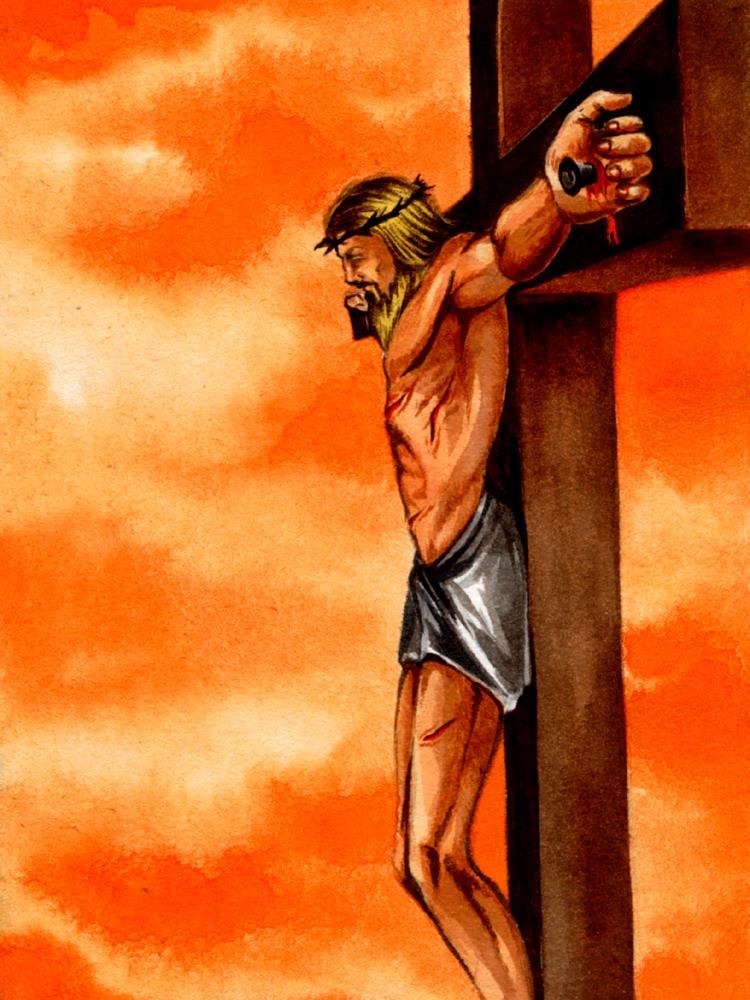
With regard to the thief on the cross who professed faith in Yeshua (Luke 23:43), let’s go one step further. Next to this thief was another thief whose heart remained obdurate toward Yeshua. It appears that on Golgatha (or Calgary), we have three categories of people, even as Peter describes three categories of people in 1 Peter 4:18: the righteous, the ungodly and sinners. The first category is self-evident. The second category seems to imply those who lived a decent life, but who never professed faith in Yeshua the Messiah, while the latter category were unrepentant and hard-hearted individuals who made no effort to live up to even the most basic standards of right and wrong (called the moral law) that was written in their conscience. This verse seems to describe these three categories of people on earth, which are the same three categories of people who were crucified on Golgatha: Yeshua the righteous, the repentant and ungodly thief, and the unrepentant second sinful thief.

With regard to those who never came to faith in the God of the Bible, different biblical-based religions treat these “morally good” but unsaved folks differently by pronouncing different fates on them. For example…

  • The Roman Catholic Church deals with these folks by consigning them to a non-biblical purgatory where, apparently, they can work out their salvation.
  • Rabbinic Judaism consigns these folks to the so-called Book of the Undecided as opposed to the Book of Life and the Book of the Dead. What happens to those in the middle book, is not clear in my mind, but I assume that they get a second chance.
  • The Protestants consign everyone to everlasting torture in hellfire who never accepted Yeshua while alive physically. There is no second chance for them.
  • Armstrongism (a small side branch of Protestantism) had these folks resurrected at the end of the Millennium where they were given “a hundred year period” to come to faith. 
  • My theory, on the other hand, proposes a middle of the road approach where the wholly wicked will be destroyed in the lake of fire, while those who lived faithfully according to whatever light of spiritual truth they had will eventually be given an opportunity to accept Yeshua. This seems to square with Paul’s statements in Romans 2:12–16 and the view of YHVH’s Elohim as being a more merciful and just Being.
 

Get “saved” now before it’s too late!

Leviticus 19:6–7, It shall be eaten. The terms first, second and third day are often significant prophetically (e.g. Hos 6:2; Gen 22:4; Luke 13:32; Exod 19:11, 15) referring to the salvific work of Messiah Yeshua that occurred at his first coming, and which will occur in the first, second and third millennia after his first coming. Day three would correspond with the beginning of year 7000—a date we must be very near. 

If Torah reveals that the peace offering was not accepted on the third day, what is this prophetically telling us? Leviticus 7:17–18 says of the same offering that the portion of the sacrifice which remains until the third day shall be burnt with fire, while 19:6–8 says that the person who eats the peace offering on the third day will “bear his iniquity” and “will be cut off from his people.” That is, the peace offering will be of no avail to that person and they will not have peace with their Redeemer.

Is a day coming when the door of opportunity for salvation will be shut (as was the case when the door of Noah’s ark was shut before Elohim brought judgment upon the earth by the flood, Gen 7:16), the period of grace that we are now in will end when the wrath of Elohim will be poured out upon the unregenerate (Rev 15–16) just prior to the return of Yeshua? Are you saved by the blood of Yeshua, the Lamb of YHVH? Have you repented of your sins (violation of YHVH’s Torah-laws [1 John 3:4]), and are you walking in a righteous and obedient relationship with your Heavenly Father through Yeshua the Messiah by the power of the Ruach Kodesh (Set-Apart Spirit)?

For he says, “I have heard you in a time accepted, and in the day of salvation have I succoured you: behold, now is the accepted time; behold, now is the day of salvation.” (2 Cor 6:2)


What’s the big deal with blood in the Bible?

Leviticus 17:7, Sacrifices to demons. Sa’ar, the Hebrew word for goat, refers to the Egyptian goat gods, or goat demons that were believed to inhabit the wilderness (The ArtScroll Tanach Series Vayikra Leviticus Commentary, p. 313; Keil and Delitzsch, p. 593). In several places, the KJV and NAS translate this word as satyr (e.g. Isa 13:21; 34:14), which, in Greek and Roman mythology was associated with Pan, the half goat and half man-like creature. These demonic forces were believed to be destructive causing fear and turbulence, murder and mayhem (ibid. The ArtScroll Tanach Series Vayikra). 

Interestingly, sa’ar and Se’ir as in Mount Seir, the home of Edom (Num 24:18), share the same Hebrew consonants and derive from the same root word. From this, the Jewish sages deduce that Edom, the descendents of Esau­—Israel’s perpetual enemies down through the ages (even to the last days)—was the embodiment of evil (ibid.). Additionally, in occult lore, there exists a creature called Baphomet, which is represented by a horned goat’s head inside of an inverted star or pentagram. There is an ongoing debate whether this symbol goes back to the satyr or is of more recent origination. However, it is well-documented that the use of blood (in sacrificial and cannibalistic rites) and its veneration is an important aspect of Satanic rituals even into modern times. This is one reason why YHVH forbad the Israelites from eating animal blood (verse 10). 

From this passage in Leviticus (and the surrounding verses), it should be clear that YHVH not only expected the Israelites to respect blood (see verse 11), but to properly dispose of it in a way that would preclude them from being tempted to engage in idolatrous and demonic rituals. In our notes under verse 11, we will see why YHVH valued the blood so highly. 

Additionally, this passage teaches us several things. First, the blood carries the life force of a living being and, as such, represents life. Second, blood must be shed to atone for sin, which shows us the gravity of sin. The Bible elsewhere declares that the wages of sin is death (Rom 6:23), and the soul that sins shall die (Ezek 18:4).

Leviticus 17:10, Eats any blood.This prohibition is so serious that the Torah repeats it three other places (Lev 3:17; 7:26; 17:14), and the apostles make it one of the four requirements imposed on new Gentile converts before allowed into the fellowship of believers (Acts 15:29). This law was so serious that not only was it imposed on the children of Israel, but upon the strangers that sojourned with them as well (Lev 17:10). The penalty for doing so was basically capital punishment—to be cut off from Israel (vv. 9, 14).Why is the eating of blood so onerous in the eyes of Elohim? The context of this verse involves prohibitions against the demonic practices of the neighboring Baal-worshiping heathens. Eating and then the letting of blood was something that figured prominently in the demonic religious rituals of the heathens and is something YHVH wanted to keep his people from practicing. (For a further discussion of this, see notes on Lev 17:1–14.) In YHVH’s spiritual economy, blood was to be reserved exclusively for the atonement of sin and was to be respected as such.

Continue reading
 

What Is the Old Testament Basis for the New Testament Message of the Gospel?

Brighten up your day with the following:

Isaiah 51:12–61:11 Explained 

The word gospel is one of the most common words in all Christendom. But what does it mean, and where does the concept originate? Most Christian believers would doubtless assume that the concept of the gospel is a New Testament one? As we shall soon see below, the term gospel (Old English for good news) originates in the Tanakh (Old Testament or OT) in the writings of the prophet Isaiah.

The word gospel itself is easily enough defined, but what about the concept behind the word? This will take us into another, deeper dimension of understanding this concept. Gospel or its synonyms are used 132 times in the Testimony of Yeshua (New Testament or NT). The word gospel literally means “good news or glad tidings.” Two Greek words (euaggellion and euaggelizo) are translated into English in the Authorized Version (KJV) via the following words: as a noun, gospel and as a verb, preach, bring good tidings, show glad tidings, declare, and declare glad tidings. As we can see, the word gospel is easily enough defined, but what really is the good news? Let us begin to answer this by seeing how the apostolic authors of the Testimony of Yeshua used this term:

  • Gospel of the kingdom or of Elohim (used five times, see Matt 4:23; 9:35; 24:14; Mark 1:14)
  • Gospel of Yeshua the Messiah or Yeshua (used 15 times, see Mark 1:1; Rom 1:16; 15:19; 1 Cor 9:12; Gal 1:7; Phil 1:27; 1 Thess 3:2)
  • Gospel of the grace of Elohim (Acts 20:24)
  • Gospel of Elohim (used five times, see Rom 1:1; 15:16; 2 Cor 11:7; 1 Thess 2:2,8,9)
  • Gospel of peace (Rom 10:15; Eph 6:15)

Besides these noun phrases just listed, in the majority of cases, the word gospel as found in the Testimony of Yeshua stands alone in its noun form as simply the gospel without any adjectival modifiers.

But again, what is the good news? One cannot read the Testimony of Yeshua without seeing that Yeshua the Messiah is at the center of this good news message. Thankfully, this same good news (or gospel) of “Jesus” has been at the center of the Christian message for two thousand years. This likely doesn’t comes as a new revelation to the reader. The famous passage of John 3:16 sums up this blessed message perhaps better than any other: “For Elohim so loved the world, that he gave his only begotten Son, that whosoever believes in him should not perish, but have everlasting life.” In brief, this good news of the Messiah (Acts 5:42; 1 Cor 1:23; 2:2; 2 Cor 2:12) involves understanding the spiritual significance of his death, burial and resurrection and how that relates to the redemption, reconciliation and salvation of sinful man through Yeshua’s shed blood at the cross of Golgatha. But is there more to the basic message of the good news that most have missed? There is more, much more as we are about to find out. Hopefully, this new understanding will activate and deepen your live for Yeshua the Messiah and for you Father in heaven who sent him to be a river of life to all those who will put their faith and trust in him!

Continue reading
 

Preach Messiah first and then the Torah (not vice versa)!

Acts 11:20, Preaching the Lord Yeshua. Yeshua instructed his disciples that if he be lifted up (John 12:32), all men would be drawn to him. This, of course, is a not so oblique prophetic reference to the method by which he would be killed, that is, by crucifixion, but is also a double entrendre referring to the subject matter and method that his disciples were to use when preaching the gospel. 

Notice, Yeshua didn’t say to preach the Torah-law of Moses per se. Rather, preach about him

Of course, when preaching about Yeshua, it automatically will follow that people will come into a loving and heartfelt compliance with the Written Torah because of their love for Yeshua, the Living Torah (John 14:15, 21) and their desire to know him and to imitate his perfect and beautiful life (1 John 2:3–6).


The Supreme Importance and Significance of Blood

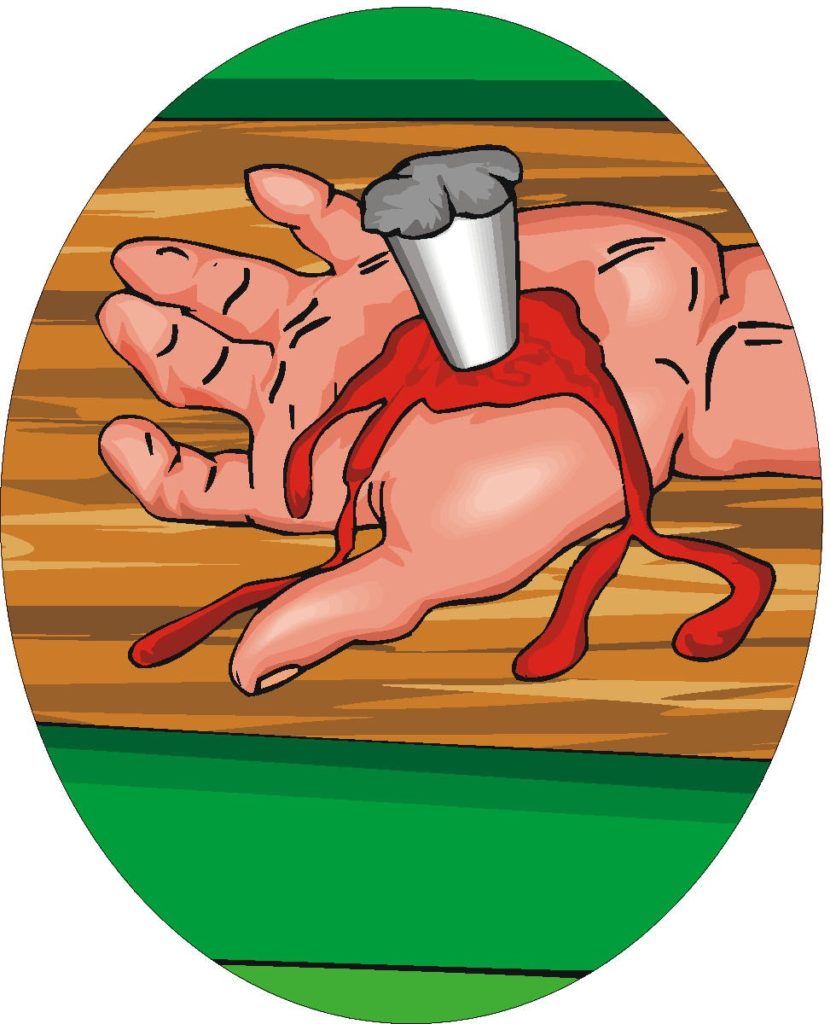
Leviticus 7:26, Not eat any blood.YHVH revealed in the Torah that the life of flesh is in the blood (Lev 17:11). Therefore, the blood symbolizes the whole life of the living being. This is why the blood being poured upon the altar made atonement for the souls of men (Lev 17:11–12), since it represented and pointed to the shedding of Yeshua’s blood when he sacrificed his life on the cross in atoning for men’s sins. Respecting the blood is necessary not only because it symbolizes the sanctity of the life of man who was made in the Creator’s image (Gen 1:26 cp. 9:6), but more importantly, because of the blood of Elohim’s Son that was shed for man’s redemption (Lev 17:11). For one to eat the blood showed disdain for what the blood typifies. In times past, this was so important to YHVH that a violation of this prohibition resulted in banishment from the nation of Israel.

The blood was to be reserved for the sacrificial service, where it was used symbolically to represent Yeshua’s shedding his blood on the cross. The blood of a lamb was put on the door posts to protect men from YHVH’s judgment against sin (Exod 12:7, 13). Moses sprinkled the blood of oxen on the people symbolizing their coming into covenantal relationship with YHVH (Exod 24:5–8). Additionally, the blood of sacrificed animals was sprinkled throughout the tabernacle, on Aaron and his sons, and all around the altar to sanctify it. All these acts and uses of the blood were illustrative of the unrestricted cleansing power of the blood of Yeshua (Rev 1:5; 7:14; 12:11; 1 Pet 1:2, 19; Heb 9:12; 10:19–22; 12:24; 1 John 1:7; Matt 26:28), which is why YHVH expected his people to treat the blood with a reverence. Those who didn’t evidenced a heart of indifference for the set-apart or kadosh things of Elohim—an intolerable offence in the Creator’s eyes.

On the dark and satanic side, the blood of humans and animals is profaned through demonic rituals involving drinking it and even cannibalism. This is an abominable perversion of holy communion and was an aspect of ancient heathen religions (Ps 16:4; Ezek 39:17, 19 cp. Num 13:32), and is a practice in which the end time antichrist heathens of the Babylonian whore system will engage (Rev 17:6; 18:13, 24).


A Hand from Heaven…Extended to YOU!

Leviticus 3:2, Without blemish. Heb. tamiym meaning “complete, whole, entire, sound, healthful, wholesome, unimpaired, innocent, having integrity.” Of this word, The TWOT states, [Tamiym r]efers to animals which are without blemish; also translates as such related adjectives as full, whole, upright, perfect. It represents the divine standard for man’s attainment.” Tamiyn occurs in the Tanakh 91 times, and the KJV translates it in a variety of ways: without blemish, perfect, upright, without spot, uprightly, whole, sincerely, complete, full. What can we learn form this and how does it apply to us?

First, here are some examples of how tamiym is used in the Tanakh:

  • Noah was a just, perfect or upright (tamiym) man (Gen 6:9).
  • YHVH admonished Abraham to walk perfectly or blamelessly (tamiym) before him (Gen 17:1).
  • The Passover lamb was to be without blemish (tamiym, Exod 12:5) as were all the other animals offered to YHVH as sacrifices (e.g. Exod 29:1; Lev 1:3, 10; 3:1, 6, 9; 4:3, 23, 28, etc.).
  • YHVH instructed the Israelites to be blameless (tamiym) before him by not being like the wicked, abominable and idolatrous nations around them (Deut 18:13).
  • Elohim is perfect (tamiym, Deut 32:4).
  • The people of Elohim are to fear him and to serve him in sincerity (tamiym) and truth and to put away the gods of Egypt (this world) and to serve Elohim (Josh 24:14).
  • David was blameless or upright (tamiym) before Elohim (2 Sam 22:24). Even thought David committed adultery, murder and egregiously disobeyed in some other areas, Elohim viewed him as tamiym because of he had repented of and turned away from his sins.
  • When a person is upright or blameless (tamiym) before Elohim, Elohim will be blameless (tamam meaning “to be complete, be sound, be unimpaired, be upright or to deal in integrity, to act uprightly) in response to that person (2 Sam 24:26).
  • The ways of Elohim are perfect (tamiym, 2 Sam 22:31).
  • Elohim makes the ways of the saint perfect (tamiym,2 Sam 22:33).
  • Those who walk uprightly (tamiym) will be allowed to dwell in the presence of Elohim (Ps 15:2).
  • The Torah-law of YHVH is perfect (tamiym, Ps 19:7).
  • YHVH blesses or withholds no good thing from the upright (tamiym, Ps 84:11 cp. Ps 119:1; Prov 2:21; 28:10, 18).
  • The righteous are to walk perfectly or blamelessly (tamiym) before Elohim (Ps 101:2, 6; 119:80; Prov 11:5).
  • YHVH delights in the blameless (tamiym) person (Prov 11:20).
  • The wicked abhor those who speak uprightly (tamiym, Amos 5:10).

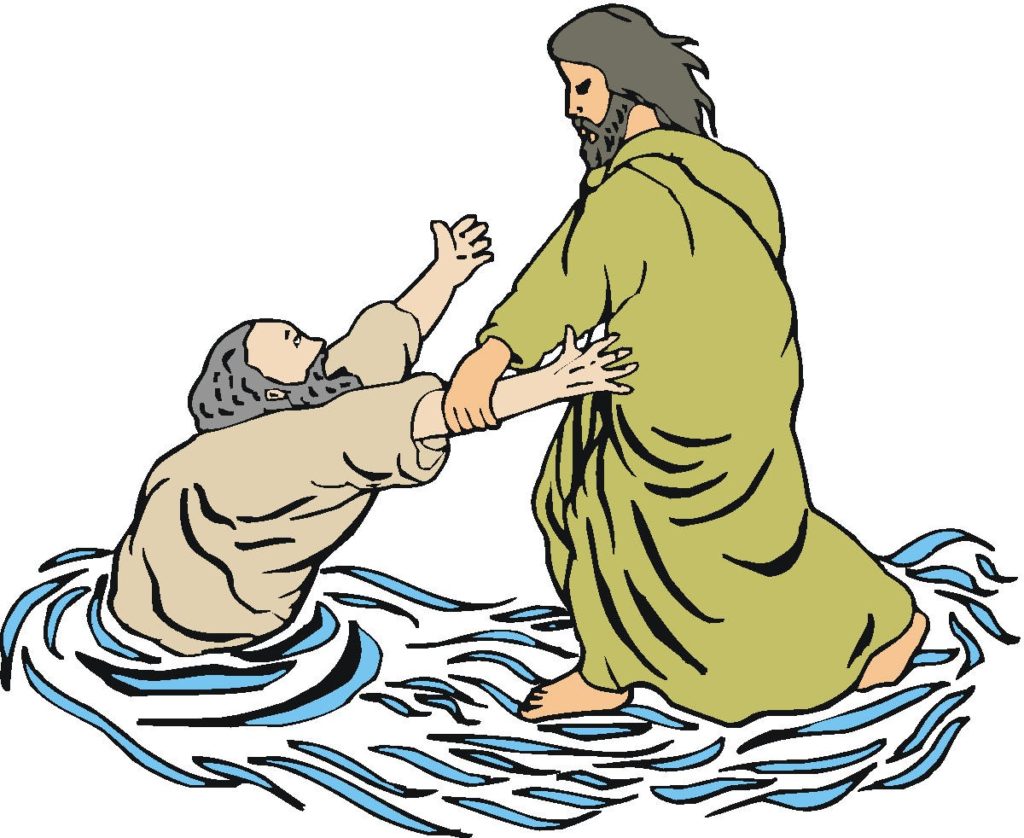
From the scriptural usages of tamiym it is evident that this not only describes the sterling character of Almighty himself, but is the high bar, gold standard for how the saints of the saints of the Most High are to be and to act as well. To have a relationship with our Father and Creator in heaven, we must endeavor to become like him—to meet him on his terms and on the transcendent plateau on which he exists. Yes, Scripture is clear that Elohim reaches his hand down from heaven to lift lost humans from the pit of their sinful existence, but it is only to lift them up. All day long he is continually extending his hand of mercy and grace to those humans who will reach out to him in humility and want to  brought up to his place of perfection and wholeness. Scripture is also clear that there is no other way to bridge the vast and cavernous gap that exists between humans and their Creator except through Yeshua the Messiah who is the way to our Father in heaven, and who is the ladder that all must climb to meet our Maker in heaven on his terms (John 14:6; 1:51). YHVH Elohim is reaching out to some of you right now through these words that you are currently reading. What are you going to do about it?


More Discussion on Sin, Its Consequences and Yeshua’s Atoning Death on the Cross

Continue reading