Numbers 9:6–11, Defiled by a human corpse. This passage can also be understood allegorically.
The second Passover is a prophetic picture pertaining to the lost and scattered sheep of the house of Israel who, like those individuals in this passage, had been journeying in exile (just like the prodigal son in Yeshua’s parable) among the Gentiles in a foreign land and away from the land and Elohim of Israel.
In the process of their spiritual wandering, they have become defiled by sin and death (likened here to touching a human corpse), since the wages of sin is death (Rom 6:23), and all men have sinned and fallen short of the YHVH’s glory (Rom 3:23).
While in exile (again like the prodigal son in the parable), they awake to their spiritual apostasy and want to come back home to observe the Passover (a picture of redemption or salvation). Passover is the only biblical festival for which YHVH’s allows a make up.
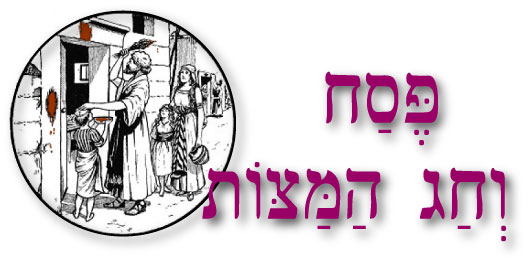
At the first Passover in Egypt, those who weren’t in their houses under the lamb’s blood-painted doors fell under the death penalty for sin and were killed. This teaches us that Passover is a picture of man’s obtaining salvation through the blood of Yeshua, the Messiah who is the Lamb of Elohim.
YHVH desires that all men be saved and come to know Yeshua the Savior, and Passover is a picture of this. This is why he gives men a second chance to keep the Passover—he wants all to be saved (John 3:16; 2 Pet 3:9), including his lost, scattered, exiled and prodigal children from the house of Israel.