
Video: Day of Atonement
Reply

Happy Yom Kippur!
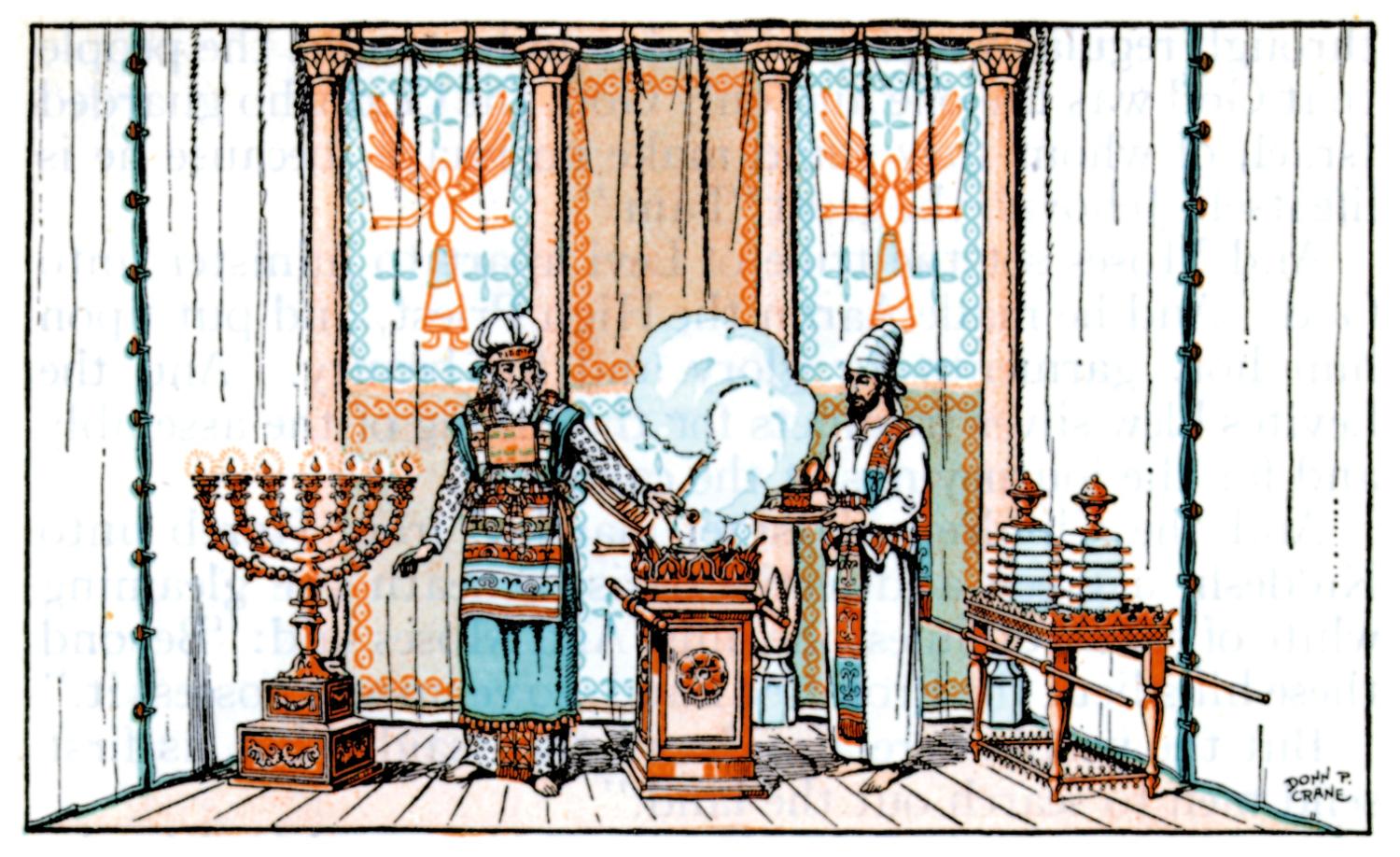
This coming Wednesday is Yom Kippur. Are you ready?
Yom Kippur
Yom haKippurim (literally, the Day of Atonements, plural) is not a one-time thing. The redeemed believer is covered by the blood of Yeshua at the time of their initial salvation, but needs additional covering every time they sin. We need this covering of blood on an individual and collective basis.
This pattern was set in Leviticus 16 when on the Day of Atonement, the high priest made atonement for his sins, those of his family, of the nation and even the Tabernacle of Moses itself due to defilement cause by men’s sins.
We’re all in this thing together. My sin affects you and vice versa. My sins are passed on down to successive generations, and unless I break the sin cycle through the means that YHVH has provided, this sin cycle will continue as it has from Adam to this day bringing corruption, ruination, division, strife and death to all men.
Atonement and At-One-Ment—It’s About Healing Broken Relationships
The English word atone means “to make amends or reparation of wrong or injury.” Atonement biblically means “to cover, purge, make an atonement (Heb. kaphar), make reconciliation, cover over with pitch.” As with many Hebrew words, kaphar means not only to cover over sin (by the blood of the Lamb), but it means “to reconcile and purge.” When we sin, we need the forgiveness of Yeshua and his blood to pay for or to cover over our sin debt. We also need to get purged of the inclination to sin in the first place. We also need to make amends with those we’ve injured in the process of sinning—to reconcile with them, to repair the damage, and to mend the breach in the relationship. When we sin, Continue reading
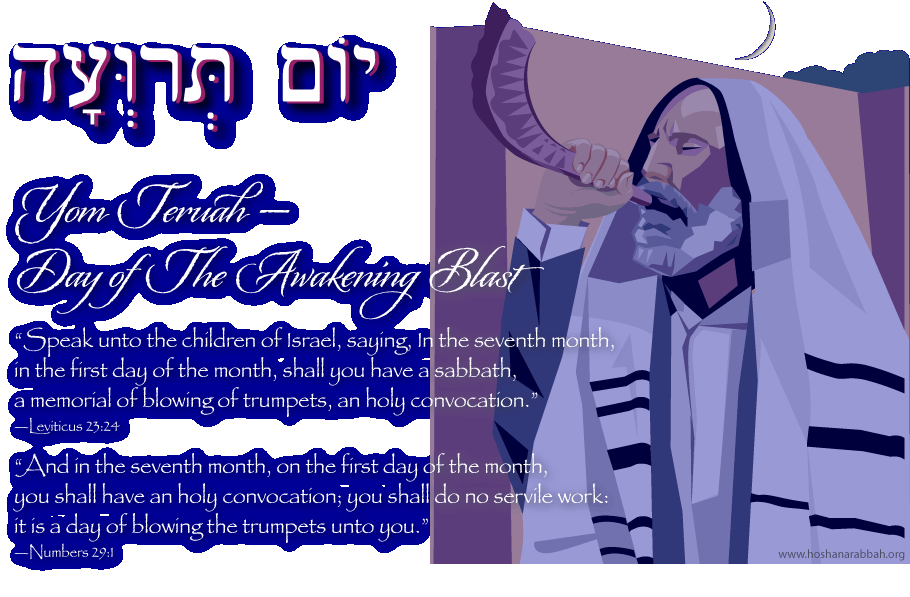 Main Yom Teruah Verses
Lev 23:23–25
Num 29:1
The Breath of Life and Yom Teruah
Without the life-giving breath of YHVH we are dead both physically and spiritually. As YHVH breathed the breath of life into Adam who then became a living being (nephesh), so when Yeshua breathed on His disciples (John 20:22) they came alive spiritually. YHVH breathed on the first century redeemed believers through the wind of the Ruach HaKodesh (the Set-apart Spirit) on the Day of Pentecost in Acts 2:2, and the congregation of renewed covenant believers was birthed. Similarly, on the day of Messiah’s second return (Yom Teruah), the shofar (called the last trumpet in Jewish thought, which comes just prior to the final or the great trumpet/shofar hagadol of Yom Kippur) will sound and the dead in Messiah will be resurrected. Again the breath of YHVH will revive the dead, which is similar to the breath of YHVH blowing over the Valley of Dry Bones in Ezekiel 37.
What can we learn from this? When YHVH breathes or blows on man, the supernatural pierces the natural dimension and the supernatural breaks the status quo of the natural and supernaturally empowers one to do that which he could not do in his own power naturally. We need YHVH’s divine breath to blow on us to empower us with his power and his ability to be and act supernatural in a natural world for his glory and the advancement of his kingdom!
When the shofar sounded in ancient Israel, it signaled that heaven and earth were about to meet, that divine power, the supernatural forces of heaven was about to break Continue reading
Here are links to some resources on the upcoming biblical appointed time called Yom Teruah (the Day of Trumpts/Shofars/Shouting):
http://www.hoshanarabbah.org/pdfs/yom_teruah.pdf
me>
Getting in Sync With YHVH Times and Seasons
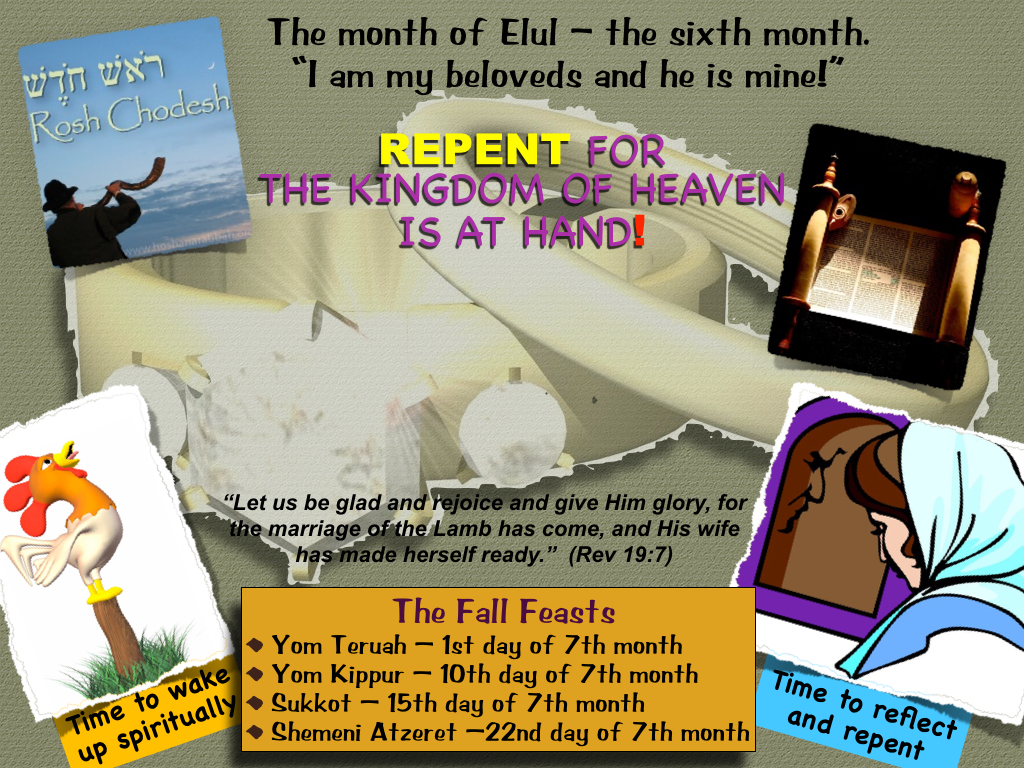
What are the forty days of teshuvah (the Hebrew word meaning “repentance”) all about? Let’s briefly explore this concept to see how why they occur when they do and how they relate to the fall biblical feasts and the second coming of King Yeshua the Messiah.
During these forty days, which begin on the first day of the sixth month on the biblical calendar and end on the Yom Kippur (the Day of Atonement), it is time for the redeemed believer to get his or her spiritual house in order for the upcoming biblical high holy days. Why? Because these holidays prophetically picture the second coming of Yeshua the Messiah and his gathering his people to himself, and the coming judgments upon the earth of the wicked and lukewarm, and the pouring out of YHVH’s wrath upon the wicked along with the destruction of Babylon the Great by Yeshua. They also point to the time when Yeshua will establish his millennial kingdom on this earth, and finally, the coming of the new heaven and new earth at the end of the millennium.
Furthermore, during the forty days of teshuvah, it’s time for YHVH’s people to awake from their spiritual slumber (1 Thess 5:1–8; Rom 13:11–14) and repent (or make teshuvah) from sin and turn back to wholehearted obedience to Elohim. The three months between the biblical feasts of Shavuot or Pentecost and Yom Teruah (the Day of Shofar Blasts) prophetically pictures the 2000 year time period between the first and advents of Yeshua the Messiah. As we near the end of this period, it is time to get ready for Yeshua’s second coming and to put off spiritual lukewarmeness by repenting of sin (Torahlessness) and by putting on the robes of righteousness and looking heavenward in anticipation of our Messiah’s coming. The forty days between the first day of the sixth month and Yom Kippur is the time to be doing this.
Why forty days and why now? According to the biblical record and Jewish tradition, Moses received the tablets of the ten commandments on Shavuot (the Feast of Weeks or