Sukkot NW 2016 Praise Report

70d-202

We’re back from Sukkot NW 2016 on the middle Rogue River near Grants Pass in SW Oregon. Here is a quick review of the event.

This was our fifteenth and final Sukkot NW. My wife and I founded this ministry in 2002 and every year we have gone to a beautiful location in the state of Oregon in YHVH’s creation and away from the Babylon of the big city to meet with him and to join with those who hunger for the kingdom of Elohim and his righteousness.

When we planted Sukkot NW, there were no other events like ours in Washington State or Oregon. Over the years, we have helped  to transmit this vision to many people and to train them how to do a Sukkot event, and now there are many such events going on around us. We praise Yah for this. It is now time for my wife and I to pass the baton to someone else and focus our energies on other ministry areas that need our attention. To our excitement, YHVH has gone ahead of us and has raised up another family to receive this spiritual calling, and plans are already being made for next year’s Sukkot in the NW region of the United States.

This year, we again rented Griffin Park on the Rogue River. People came in from as far away as Alaska and southern California, as well as Washington State and Continue reading →


Video: Shemini Atzeret or the Eighth Day and the New Jerusalem


Video: Shemini Atzeret—The Most Overlooked Biblical Festival


Video: The Feast of Tabernacles Explained


Sukkot—the Feast of Tabernacles—2016 Is Here! Rejoice

Sukkot and Shemini Atzeret—The Historical Roots of Our Faith, Present Relevance for Believers & Prophetic End-Time Implications

Spiritual and Ceremonial Aspects of Sukkot

Overview of the Season

Sukkot (also spelled “Succoth”) or the Feast of Tabernacle/Booths or Ingathering is the sixth of the seven annual feast days in YHVH’s plan of redemption for mankind. It occurs in the early fall of the year on the fifteenth day of the seventh month on YHVH’s biblical calendar fifteen days after Yom Teruah (the Day of Shofar Blowing) and five days after Yom Kippur (the Day of Atonement). This festival lasts for seven days and directly following it is a separate festival called Shemini Atzeret literally meaning “the Eighth Solemn Assembly” and commonly referred to as “the Eighth Day.”

We see in the early fall a rapid succession of biblical feasts with one coming right after another. It is a time of great energy, excitement and anticipation both in the natural realm and prophetically.

We also observe a transition from the somber and repentant, even frightening, mood of Yom Teruah and Yom Kippur to the joyous and celebratory mood of the Feast of Sukkot, and no wonder, for the first two fall festivals of YHVH represent a very dark and ominous time in human history—the end of the age with the judgments of Elohim being poured out upon the earth (Great Tribulation, Wrath of Elohim, Battle of Armageddon, and Satan being bound and cast into the bottomless pit). But this same period culminates in the return of the Messiah, Yeshua, to rule the earth during the Messianic Age as King of kings and Master of masters. The Feast of Tabernacles pictures this glorious epoch in the history of humanity’s tenure upon this earth—a time of unspeakable joy and triumph of good over Continue reading →


Video: The Kingdom of Elohim & Millennium Explained


Yom Kippur—The Historical Roots of Our Faith, Present Relevance for believers & Prophetic End Time Implications

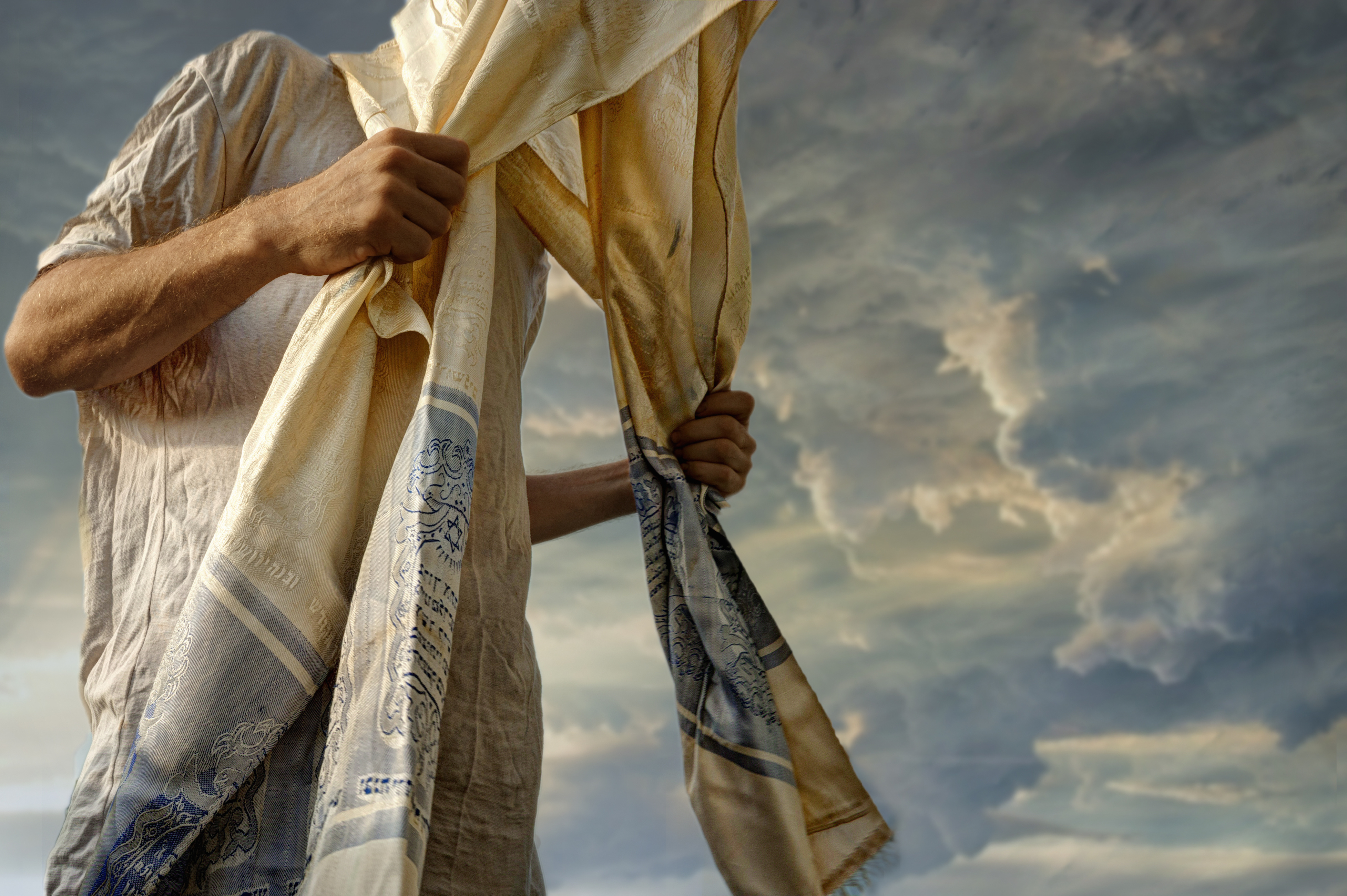
Jewish man engaged in morning prayers.

Introduction

Yom Kippur is a day of contradictions and contrasts: Joy and sorrow. Rewards for the righteous and judgments for the wicked rebels. Joy for the righteous when Satan and his demons, death and Babylon are destroyed by the King of kings.

On this day the high priest of ancient Israel went into the holy of holies of the Tabernacle of Moses (and later the temple in Jerusalem). There he sprinkled blood on the mercy seat (Heb. kapporet) and the ground seven times. Atonement was made for the high priest himself, his family as well as for all Israel. On this day the sanctuary, tabernacle, the priesthood and the all Israelites were cleansed. It represented corporate or community cleansing and entering into a deeper and more intimate relationship with YHVH.

The Passover and Day of Atonement are related though different:

Pesach (Passover) is the time of the sacrifice or atonement for personal sin—initial repentance from sins committed before being born again.

Yom Kippur (Day of Atonement) is the time of the atonement or covering of the individual’s as well as the corporate sins of Israel committed in ignorance (Heb 9:27) during the past year. On-going repentance is needed by the individual believer as well as the community of believers in order to stay in right-standing (called righteousness) before YHVH (1 John 1:9).

It is important to note that the shedding of innocent blood for the remission of sins is a central theme to both the Passover and the Day of Atonement (Yom Kippur) events. The question may rightly be asked, if one is saved by the blood of the Lamb (Yeshua) when he was sacrificed on Passover what need is there of further Continue reading →