Covenants of Promise: What and For Whom?

Ephesians 2:12, Covenants. The Apostle Paul makes a very interesting and often overlooked statement in Ephesians 2:12. For ­context we will quote the surrounding verses:

Wherefore remember, that you being in time past Gentiles in the flesh, who are called Uncircumcision by that which is called the Circumcision in the flesh made by hands; that at that time ye were without Messiah, being aliens from the commonwealth [citizenship] of Israel, and strangers from the covenants of promise, having no hope, and without Elohim in the world: but now in Messiah Yeshua ye who sometimes were far off are made nigh by the blood of Messiah. (emphasis added)

Paul, talking to the redeemed believers in Ephesus, states that they had been (past tense) Gentiles (comprised of various ethnic or people groups) without Elohim and without hope, but now, through the work of Yeshua at the cross, provision had been made for these alienated people-groups to become citizens of the nation of Israel. Elsewhere Paul refers to these (former) Gentiles as now being Israelites and defines them as heirs to the promises YHVH made to Abraham and calls them “seed” or descendants of Abraham (Rom 4:15; 9:8, 11; Gal 3:7, 14, 29).

Paul further says that these same people had been aliens from YHVH’s “covenants of promise” and relates this to the “Gentile” believers at Ephesus. We know that the principles laid out in this teaching apply to all the redeemed believers down through the ages. So what covenants of promise were these redeemed believers strangers to in times past prior to their conversion? Most in the church have been taught that the New Covenant is the only covenant that pertains to them, yet Paul spoke of covenants (plural) of promise. To what was he referring? The two main covenants of the Tanakh (the Old Testament) affecting the nation of Israel were the Abrahamic Covenant and the Mosaic or Sinaitic Covenant. Additionally, Jeremiah prophetically speaks of a New (Renewed) Covenant that YHVH would make with the two houses of Israel (Jer 31:31–33); that is, a refreshed version of a former (marital) covenantal agreement which Israel broke with YHVH (verse 32). These are the three principal covenants that the Scriptures reveals affect YHVH’s people. Clearly, Paul is referencing these three covenants in Ephesians 2:12 (see the Jewish New Testament Commentary, by David Stern, p. 583).

Which of the three covenants forms the bedrock upon which the others are based, and upon which Elohim predicated his glorious plan of redemption for mankind? In Romans four, Paul references the Abrahamic Covenant in discussing the means by which one is saved. In his discussion of the Abrahamic Covenant, Paul gives us no indications that the provisions of the Abrahamic Covenant are passé or invalid as pertaining to believers in Yeshua as relating to the New Covenant. He clearly shows us that this covenant forms the basis for man’s redemption (salvation) and subsequent relationship with his Creator.


 

Meet and hear Reuven Prager of Beged Ivri from Jerusalem

This Thursday night (July 31) at 6:45 Congregation Elim (14515 SW Hall Blvd., Tigard, Oregon, 97224) will be hosting Reuven Prager founder of Beged Ivri from Jerusalem. He will be doing a show-and-tell talk about the holy half shekel, the history of the talit (prayer shawl) and the biblical tzitzits (fringes or tassels), biblical first-century garments, the biblical anointing oils, spices and more. You don’t want to miss it. Every time I hear him, I come away with new information that helps make the Bible come alive.

After the lecture, you will have an opportunity to buy things like talits, tzitzits, biblical garments, head coverings, holy half shekels, jewelry, anointing oils, authentic 2000 year-old widow’s mites and much more.

To learn more about Reuven, here’s his website: http://www.begedivri.com. HIs Facebook page is https://www.facebook.com/reuven.prager.


Heaven in Oregon—Photos from My Backpacking Trip

Several days ago, three of my kids and I went for our annual trek into the high alpine country of the Oregon Cascade Mountains. We backpacked into Jefferson Park, which lies at the base of Oregon’s second tallest glaciated peak. The park is at the 6000 foot level and is filled with lakes and wildflowers. The park can get more than ten feet of snow in the winter and there were still large patches of snow throughout the area. We kept our food cold in a nearby snowbank. The first night we were there, it got down to freezing. After that, it warmed up to the 70s and 80s during the day. I hope you enjoy the photos.

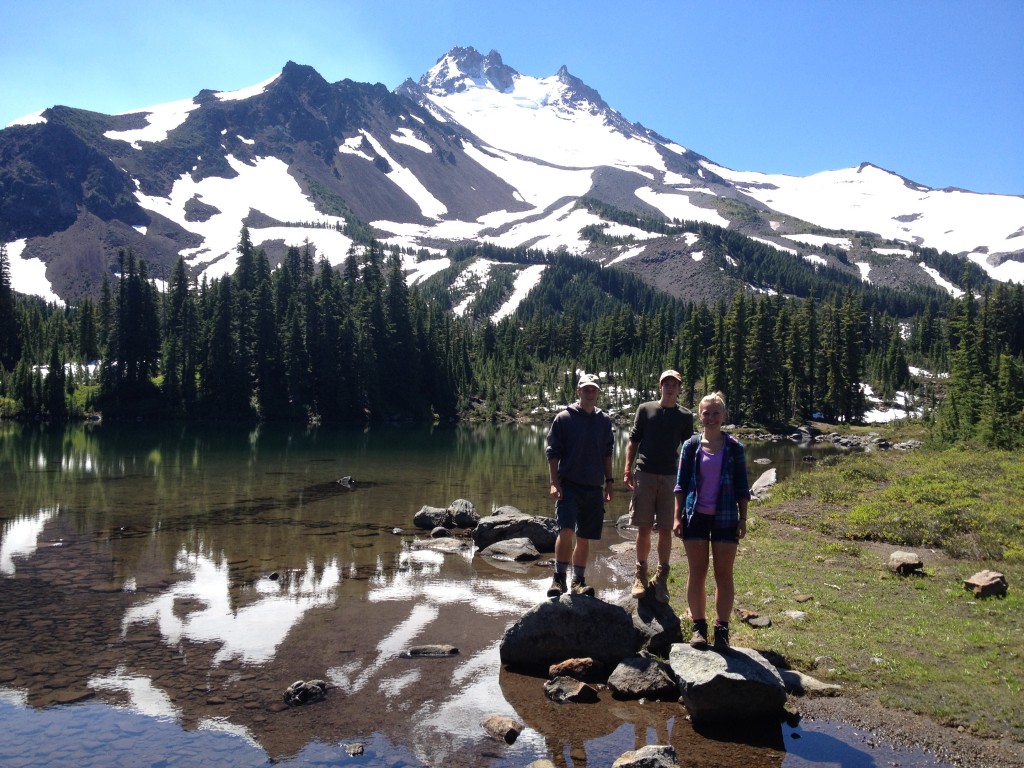
Mt. Jefferson and Bays Lake where we camped.

Mt. Jefferson and Bays Lake where we camped.


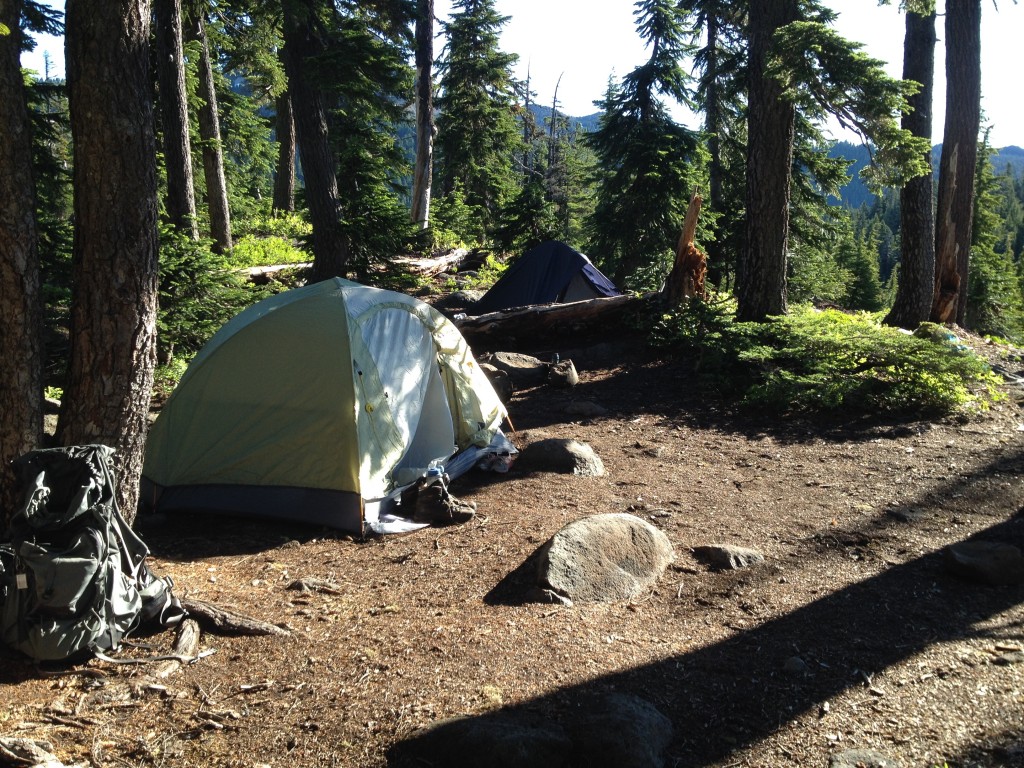
Our camp site.

Our camp site.


Our alpine kitchen.

Our alpine kitchen.


Jared, Kaleb and Kaelie

Jared, Kaleb and Kaelie


Our bath tub

Our bath tub

Our shower.

Our shower.


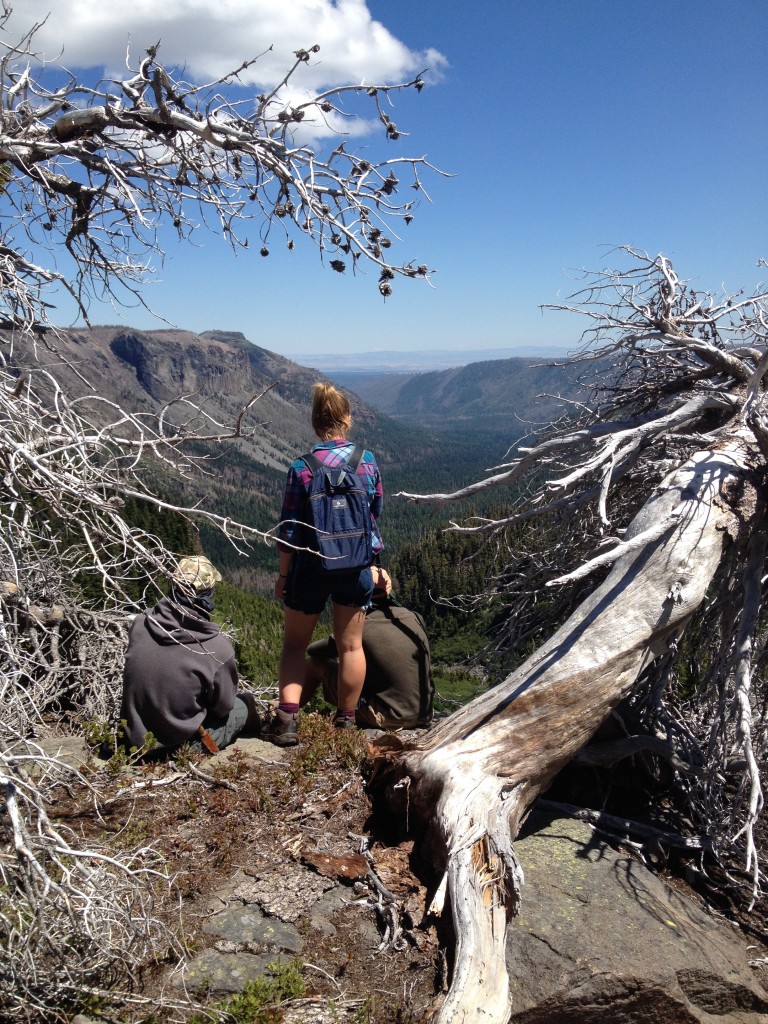
The kids looking towards eastern Oregon

The kids looking towards eastern Oregon


Wildflowers, Scout Lake and Mt. Jefferson

Wildflowers, Scout Lake and Mt. Jefferson


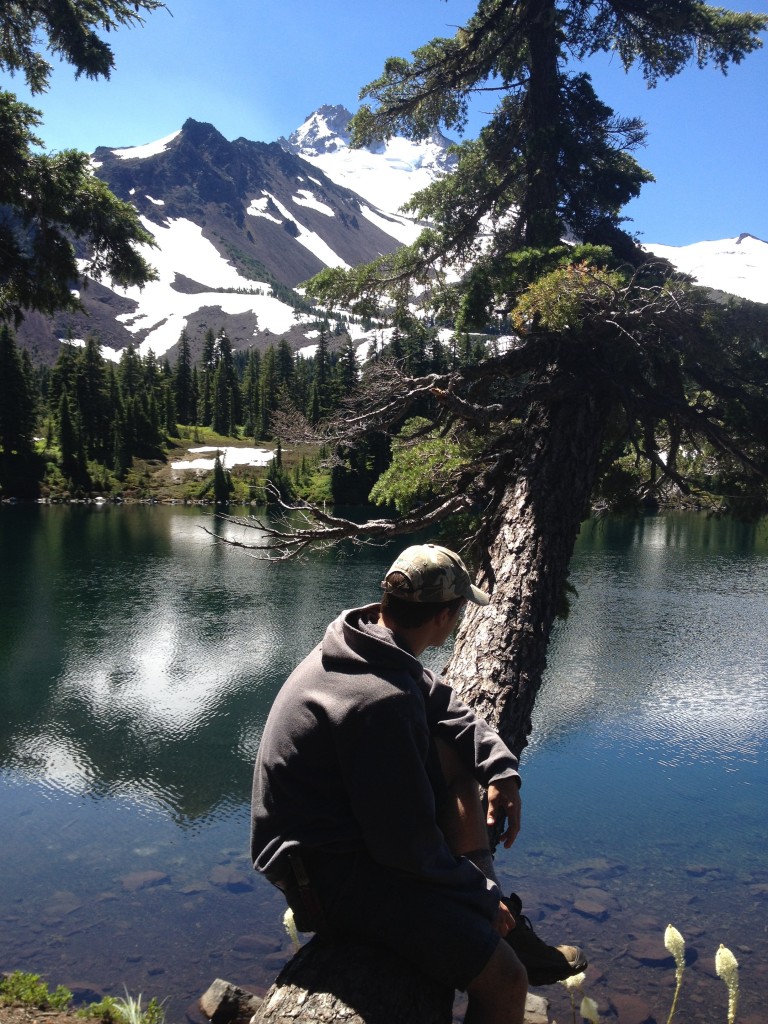
Jared communing with the Creator.

Jared communing with the Creator.


Sukkot NW 2014 in Oregon on the Rogue

copy-sukkot-nw-2014-960x250c

YOU are invited to join us for Sukkot Northwest in Oregon on the Rogue River. For details, please go to http://sukkotnw.org


Outline and Intro to Deuteronomy

Outline of Sefer Devarim—The Book of Deuteronomy: Moses’ Farewell Address

Chapter 1:1–5, Introduction

Chapters 1:6–4:40, First Discourse
Moses gives a veiled rebuke for sin and disobedience, and gives a review of the journey from Mount Sinai to Kadesh with exhortations to obedience.

65289264

Chapters 4:44–11, Second Discourse, Part 1
The religious foundations of the covenant, the spirit in which it is to be kept and the motives to right obedience are discussed. Moses shows how the covenant defines the relationship between YHVH and Israel and emphasizes the basic spiritual demands that such a relationship imposes upon Israel.

Chapters 12–26, Second Discourse, Part 2
The code of law dealing with:

  • Worship, Chapters 12:1–16:17
  • Government, Chapters 16:18–18
  • Criminal Law, Chapters 19:1–21:9
  • Domestic Life, Chapters 21:10–25
  • Rituals and the Sanctuary, Chapter 26

Chapters 27-30, Third Discourse

The enforcement of the Torah-law with its blessings and cursings; establishment of a fresh covenant between YHVH and Israel (i.e., the younger generation).

Chapters 31-34, The Last Days of Moses
Chapter 31, Committal of the law to the keeping of the priests.
Chapter 32, The Song of Moses (a prophecy about Israel’s future).
Chapter 33, Moses’ patriarchal blessing over the tribes of Israel.
Chapter 34, The death of Moses.

Overview of the Book of Deuteronomy/Devarim from Various Commentators
This last book of the Torah starts out with “These are the words which Moses spoke ….” The Hebrew name for Deuteronomy is Devarim meaning “words,” which is the plural form of devar meaning “word, speech, a matter or thing, a commandment, a report, a message, promise.” Note the similarity between the Hebrew word devar and the Greek word logos from John 1:1 (“In the beginning was the Word, and the Word was with Elohim, and the Word was Elohim.”). From this connection, we see that Yeshua was the Word of both the OT and the NT. He is the message of the entire Bible (Spirit Filled Life Bible, from the “Word Wealth” at Deut 1:1).

Deuteronomy is written similarly to the vassal-treaties formulated between captor and captive nations prior to 1000 B.C. It contains historical information, enumerates laws, and concludes with threats and promises (Hebrew Greek Key Study Bible, from the Continue reading →


Blog Scripture Readings for 7-27 through 8-2-14

Aside

THIS WEEK’S SCRIPTURE READINGS FOR STUDY AND DISCUSSION:

Parashat D’varim — Deuteronomy 1:1 – 3:22 
Haftarah — Isaiah 1:1–27
Prophets —Ezekiel 39:1 – 45:25
Writings —Nehemiah 5:1 – 11:36
Testimony — Galatians 6:1–18; Ephesians 1:1 – 5:33

Most of this week’s blog discussion points will be on these passages. If you have general comments or questions on the weekly Scripture readings not addressed in a blog post, here’s a place for you to post those. Just use the “leave a reply” link below.

The full “Read Through The Scriptures In A Year” schedule, broken down by each day, can be found on the right sidebar under “Helpful Links.” There are 4 sections of scripture to read each day. One each from the Torah, the Prophets, the Writings, and from the Testimony of Yeshua. Each week, the Torah and haftarah readings will follow the traditional one-year reading cycle.

Weekly Blog Scripture Readings for 7/27 through 8/2/14.


Secular Humanism: Defeating the Unholy Trinity in Your Life

Within each of us, there’s an unholy trinity trying defeat us spiritually and turn us into a spiritual slave to the kingdom of darkness and death. It’s a battle that we’re all fighting, and to be victorious, we must first recognize the enemy and how to defeat it. In this video, we’ll learn about secular humanism, and how this enemy can be defeated through Yeshua the Messiah.