Where was the upper room really located (probably)?

Many of us just finished celebrating the Feast of Shavuot/Pentecost. Did the Acts chapter 2 Pentecost event occur in the upper room as many suppose? If not, then where? What is the upper room? 

The following is a discussion on this subject based on some research I have just conducted. Enjoy! —Natan

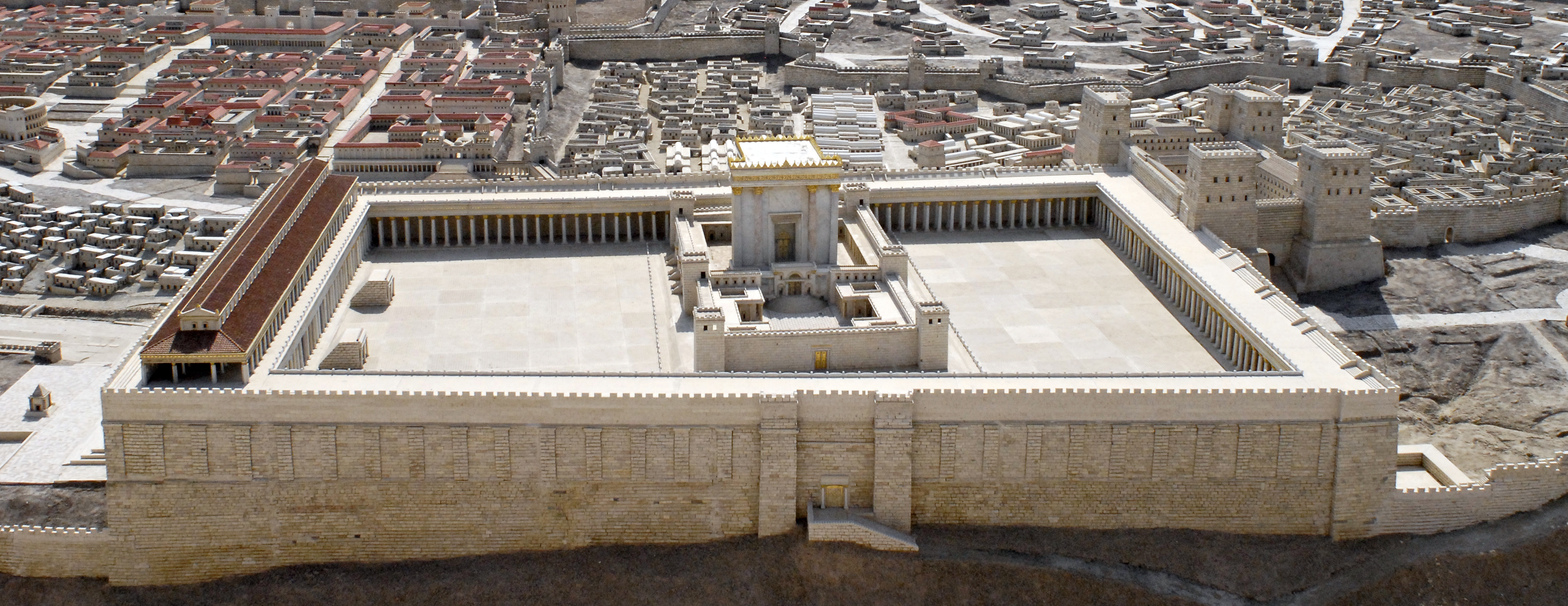
Acts 2:1, With one accord in one place. The location of this event was likely in the Solomon’s portico area of the temple mount, and not in the traditional site of the upper room located on Mount Zion in the City of David, which is southeast and outside of the temple mount area. (See notes at Acts 5:12.) Here, the disciples were gathered in one accord. This is likely the spot where the Acts 2 Pentecost gathering occurred.  The reasons for this supposition are these: First, this area was large enough to accommodate thousands of people (unlike the traditional upper room location on Mount Zion in the City of David). Second, people from many nations would have been passing through the city gates located in this area en route to the temple and would have heard Peter preaching. Third, mikveh pools were located just to the south of the Temple Mount (and are still visible today) where those who repented and believed could have been easily and quickly baptized.

Acts 5:12, Solomon’s porch/portico/colonnade. (See also John 10:23 and Acts 3:11.) This was a large covered area supported by marble columns which supported a wooden roof structure and was located on the east side of the temple mount area along the eastern wall that overlooked the Kidron Valley and faced the Mount of Olives just above the Garden of Gethsemane. This portico was built so that pilgrims and Levites visiting the temple would have a place to gather that was protected from the weather. Meetings and gatherings occurred here, and this was a gathering place of the early disciples as noted in Acts 3:11. There Yeshua taught and debated with the Jews (John 10:22–29). Here, the disciples were gathered in one accord (Acts 5:12). This is likely the spot where the Acts 2 Pentecost gathering occurred. (See additional comments at Acts 2:1.)

This portico (colonnade or cloister) that was located on the eastern wall and that existed in the time of Yeshua and the disciples was originally constructed by King Solomon according to Flavius Josephus.

These cloisters belonged to the outer court, and were situated in a deep valley, and had walls that reached four hundred cubits [in length], and were built of square and very white stones, the length of each of which stones was twenty cubits, and their height six cubits. This was the work of King Solomon, who first of all built the entire temple. (Josephus Flavius Ant. xx.9.7)

While the Babylonians destroyed the temple in their conquest of Jerusalem in about 586 B.C., if we are to believe Josephus, they apparently left Solomon’s Portico intact.

In the description of Solomon’s Temple and the complex including not only the temple itself, but its adjacent houses, upper chambers or rooms and inner chambers we read the following:

Then David gave to his son Solomon the plan of the porch of the temple, its buildings, its storehouses, its upper rooms, its inner rooms and the room for the mercy seat; and the plan of all that he had in mind, for the courts of the house of the LORD, and for all the surrounding rooms, for the storehouses of the house of God and for the storehouses of the dedicated things… (1 Chron 28
11–12; NASB)

We don’t know where these upper rooms were located in the temple complex, but if they were located in what later became known as Solomon’s Porch, which was still in existence in the first century, then this may give us a clue where the upper room that is mentioned in the Book of Acts was located, and where the gathering of the saints on the day of Pentecost occurred. In addition to Solomon’s Porch on the east side of the Temple Mount area, additional porticos were constructed subsequently by King Herod (in 16 B.C.) on all the other sides of the Temple Mount along the outside walls (Smith’s Bible Dictionary, p. 681; The International Standard Bible Encyclopedia, vol 4, p. 772). The portico on the south side was larger and taller than the others and was called the Royal Portico (ibid.; Jospephus’ Ant. xv.11.5). (For a further discussion on this, see notes at Acts 2:1.)


 

Angels or the Saints?

Are the “angels” Jacob saw in his dream angels or the saints?

I received the following question from S.P. in Owego, NY about something I wrote in a recent blog post. Here’s the question.
We read your blog of Happy Shavuot 2017. Great Article and agree how important it is to continue to go higher in our relationship with YHVH Elohim!
The following is from the section labeled “Following the Glory Cloud Onward and Upward”:
“The angels or, more correctly, the messengers going up and down that ladder that Jacob saw in his dream are the glorified bride-saints of Yeshua, who will be ruling and reigning with Yeshua from the New Jerusalem over his millennial kingdom.”
Would you be able to give us some references as to how you know that the angels going up and down the ladder are the glorified saints and that they are ruling and reigning with Yeshua from the New Jerusalem over his millennial kingdom?
Here’s my answer:
The word “angels” in reference to Jacob’s dream is the Hebrew word malak which simple means “messenger.” It can be a divine messenger such as an angel, or it can refer to the preincarnate Yeshua who is referred to in our poorly translated English Bible numerous times as “the Angel of the LORD/YHVH.” Obviously, Yeshua is not an angel in the traditional meaning of the word. He is, however, the messenger of  Elohim as the Word of Elohim sent to man. So angel simply means messenger. It can even be a human messenger as well.
Now go to John 1:51 where Yeshua says that the angels of Elohim are descending on the Son of Man—that’s Yeshua. From this we know that the ladder that Jacob saw was a metaphor for Yeshua who is the way of salvaston. He is the way to the Father. We must go through him to come to the Father. This is how we gain salvation. This obviously applies to humans, not to angels. The word for angels in John 1:51 is the Greek word angelos which is equivalent in meaning to the Hebrew word malak. It can mean a human messenger as well as an angelic one. From Yeshua’s statement, we know that it has to be referring to the saints who are YHVH’s messengers to the world. This, in my opinion, based on good evidence, is what Jacob saw.
To take this one step further, in the book of Revelation, there is strong evidence that the New Jerusalem will be hovering over the earth during the millennium. If this is the case, this will the habitation of King Yeshua who will be ruling the  earth. The glorified saints will be kings and priests helping Yeshua to rule and as such will to likely going to and from earth to the NJ to receive instructions and teachings from Yeshua which they will then come back to earth to implement during their millennial reign of the humans living on the earth at this time. I believe that this is what Jacob saw in his prophetic dream. This all may seem a bit suppositional to some, but it makes sense to me when we put all the pieces together.
Here is a link to an article I wrote on Jacob’s ladder dream and its spiritual and prophetic implications for those who want to go real deep on this fascinating subject: https://www.hoshanarabbah.org/pdfs/ladder.pdf
Sorry for the paragraph spacing issues in this blog. WordPress is having problems, which I can’t fix.
 

John 20:17, “Touch me not,” Explained

Recently I received an email from someone asking me to explain John 20:17 where Yeshua had a conversation with Mary Magdalene after his resurrection, but before his ascension to heaven and said the following:


Jesus said to her, “Do not cling to Me, for I have not yet ascended to My Father; but go to My brethren and say to them, ‘I am ascending to My Father and your Father, and to My God and your God.’”

John 20:17, Touch me not. Touch is the Greek word haptomai meaning “to fasten one’s self to, adhere to, cling to,” and can be used to refer to touching in a carnal and passionate way as between a man and a woman. Perhaps Yeshua didn’t want his disciples to cling to him as a wife clings to her husband, since, in a spiritual sense, they (and us) were/are only betrothed and not yet married to him yet. (The marriage of the saints to Yeshua will occur at his second coming.)

Additionally, Yeshua had not yet ascended to heaven where he would be accepted by his Father as the perfect, unspotted, undefiled and sinless sacrificial Lamb of Elohim. If a sinful human had touched him, this may have ceremonially defiled his state of perfect cleanliness.

In the Torah, for example, if a man touched a dead human carcass, he would become ceremonially unclean and need cleansing (Num 19:11–13). This was the law of the red heifer, which was a prophetic picture of Yeshua dying on the cross for our sins, which had to be perfect and blemish free (Num 19:1–10; Heb 13:10–12).

The lesson here is that all men are dead in their sins until they come into contact with Yeshua the Messiah, which is the lesson of the red heifer.

For additional information on the red heifer, here is a link to an article I have written on the subject: https://www.hoshanarabbah.org/pdfs/redheifer.pdf.
 

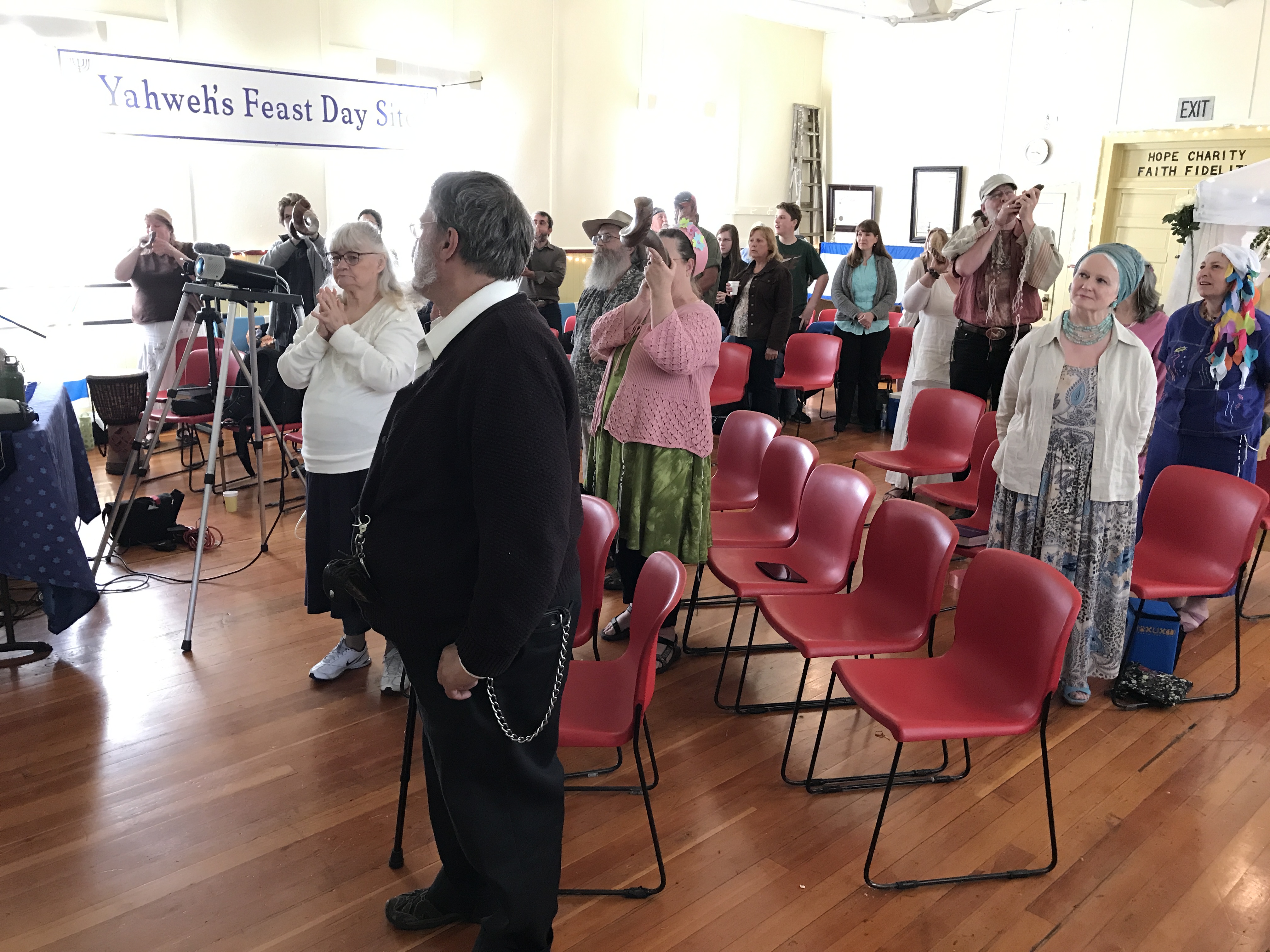
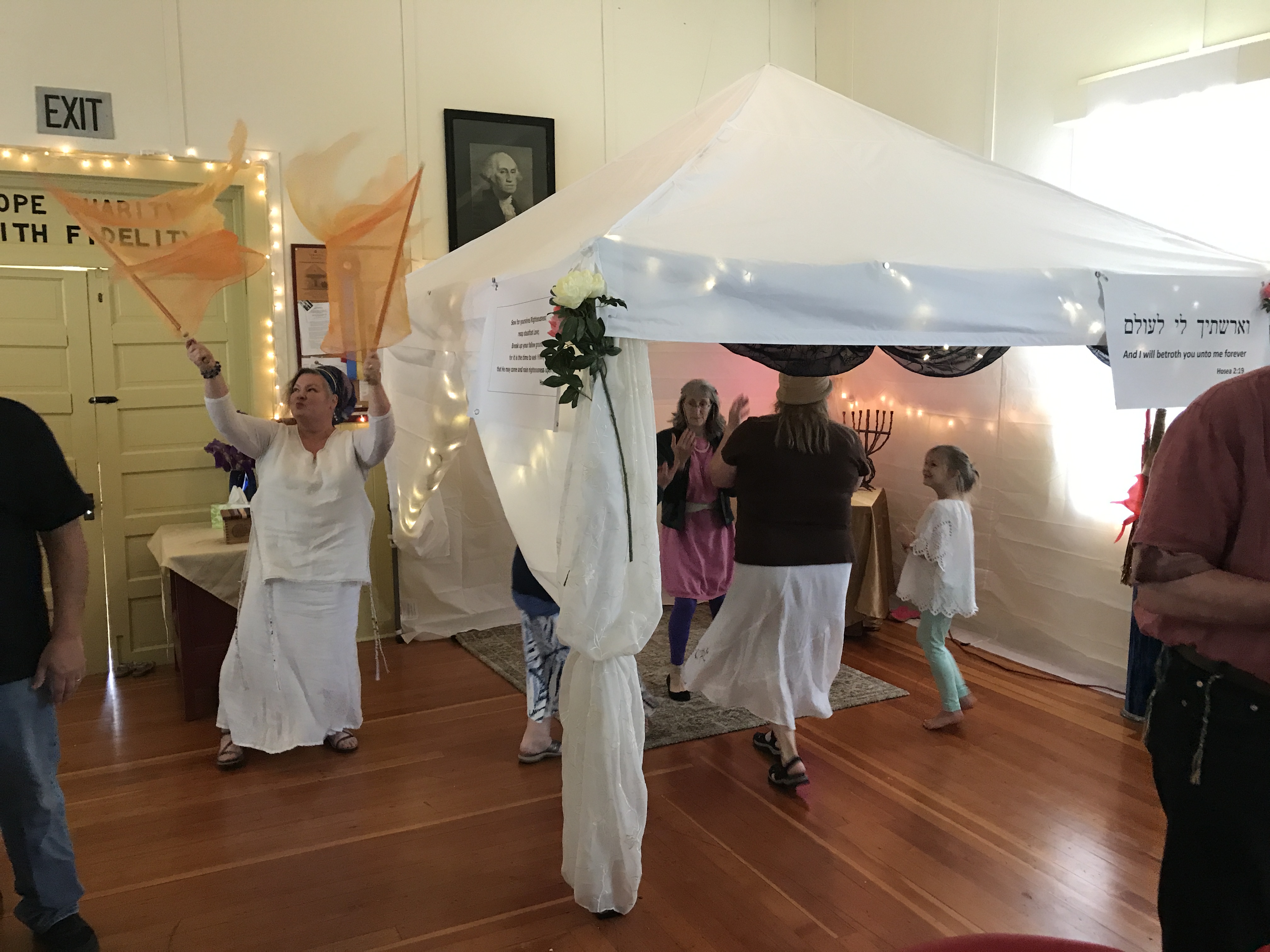
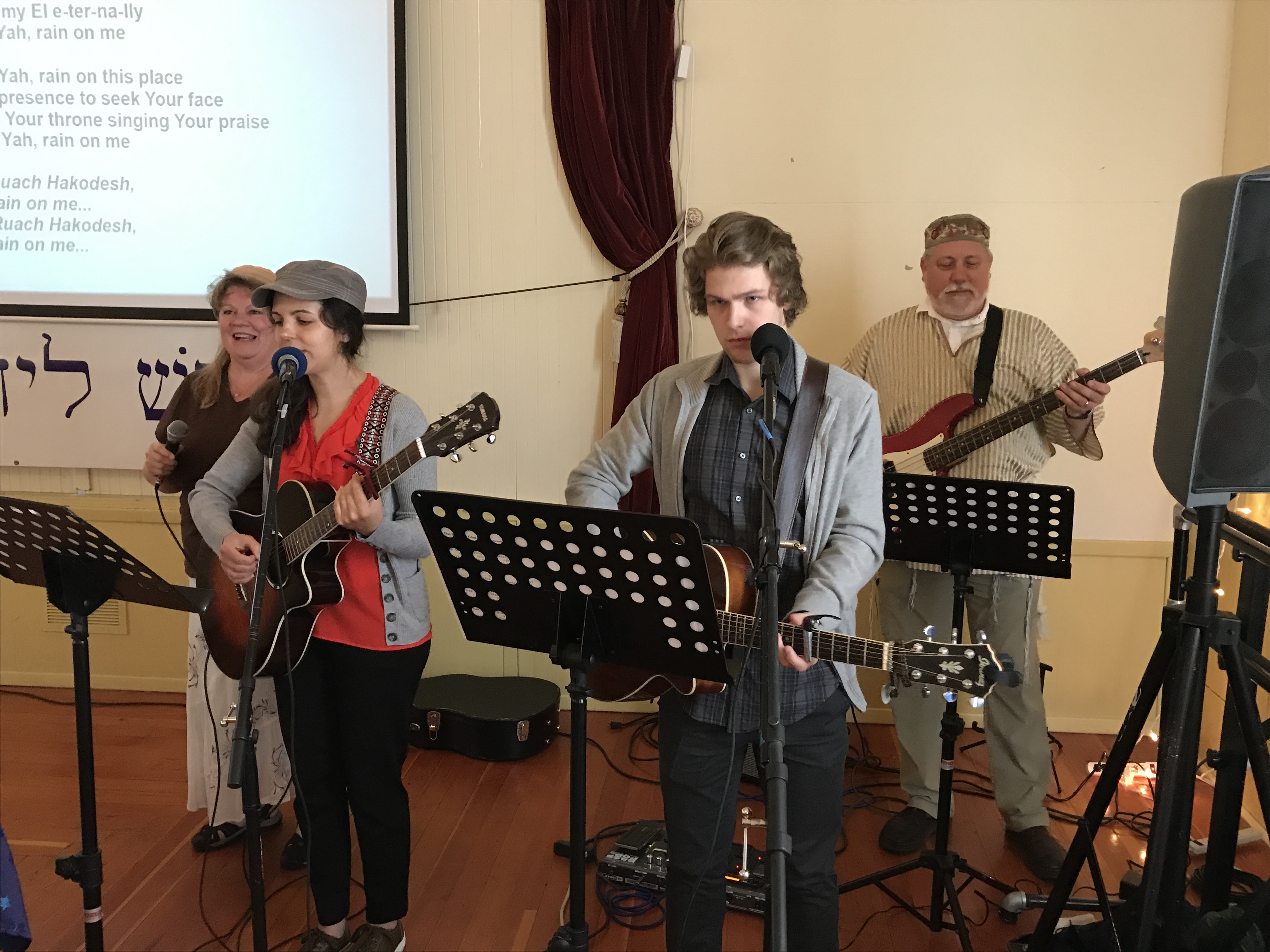
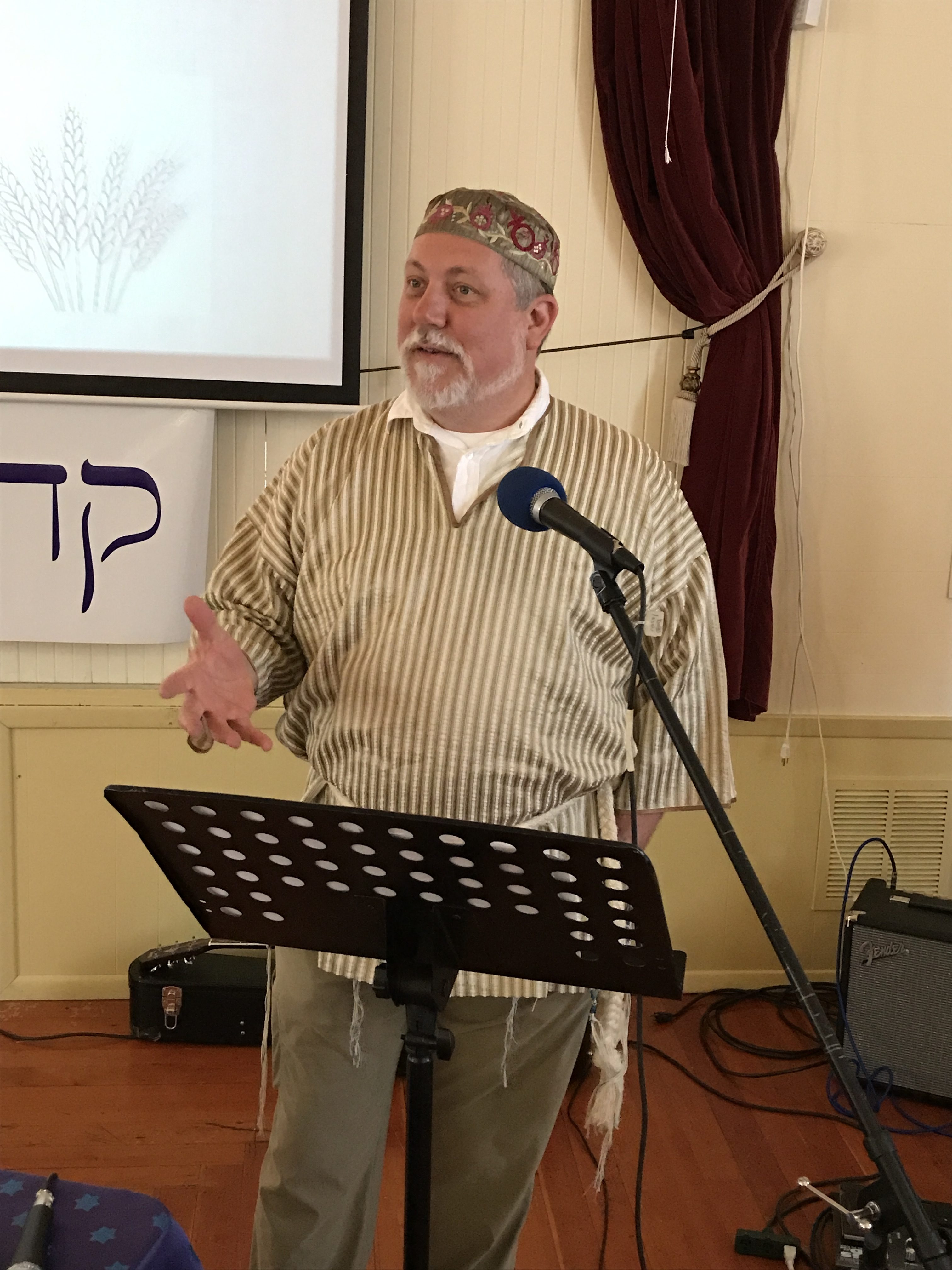
Shavuot Celebration 2017 in Vernonia, Oregon

Wish you were here! I’ll be uploading the video of my teaching soon. Stay tuned.

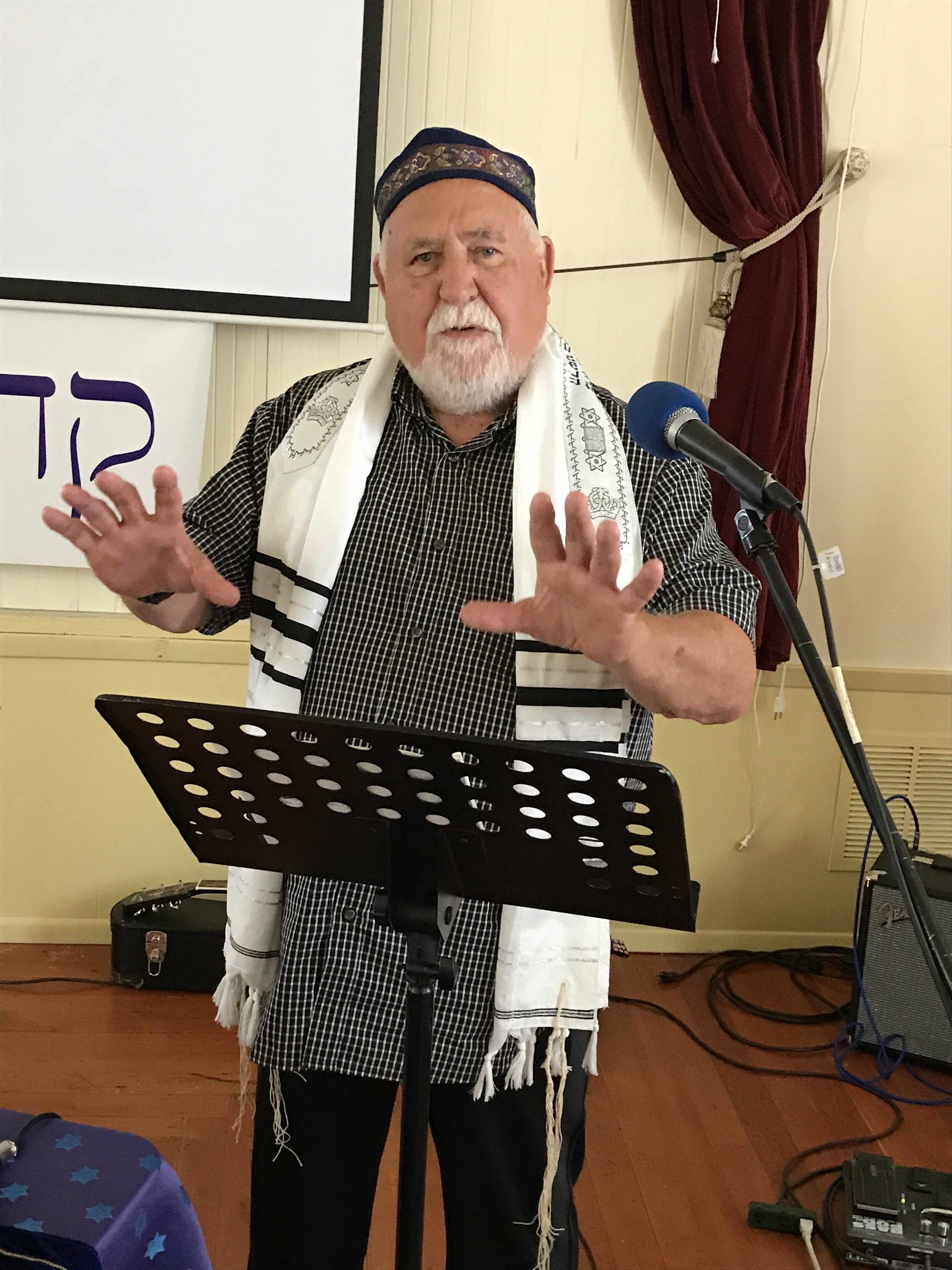
Dr. Joseph Dombek Jr. giving an overview of the Feast of  Shavuot/Pentecost.

Joseph Dombek Sr. teaching on being a bond servant of Yeshua.

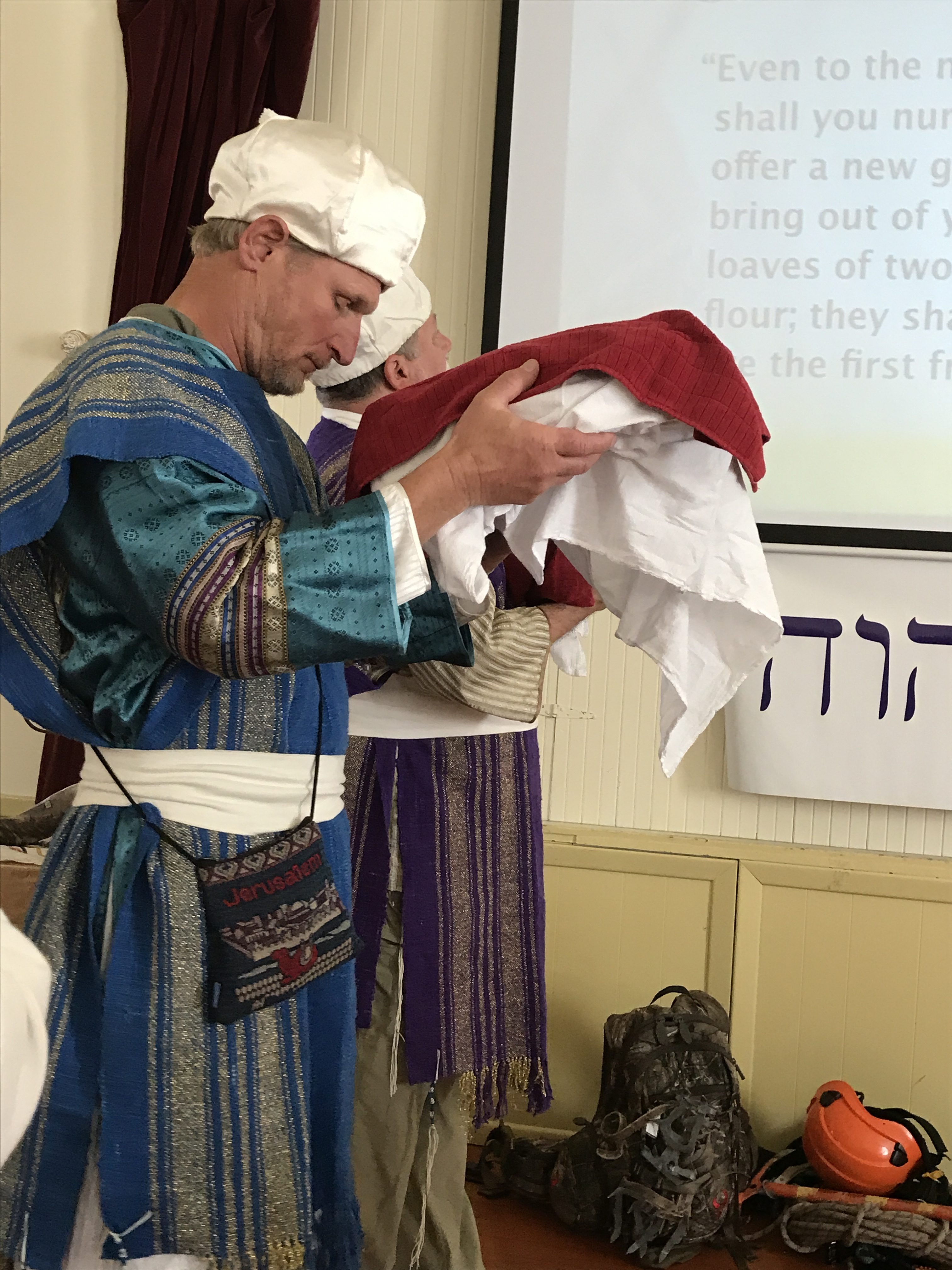
Natan Lawrence helping with the bread waving ceremony.

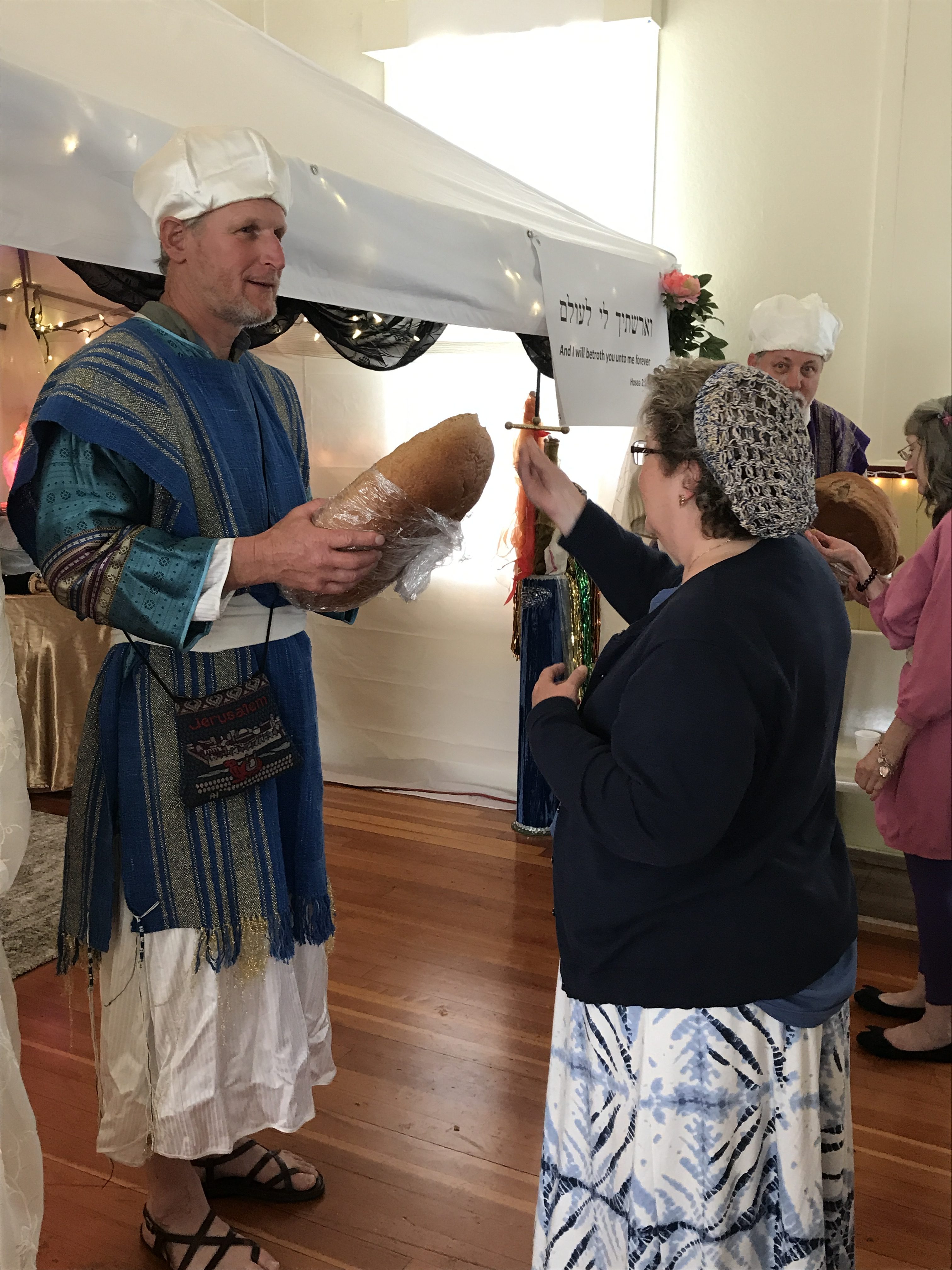
Natan Lawrence ministering the bread as Sandi Lawrence gets ready to enter the chuppah.

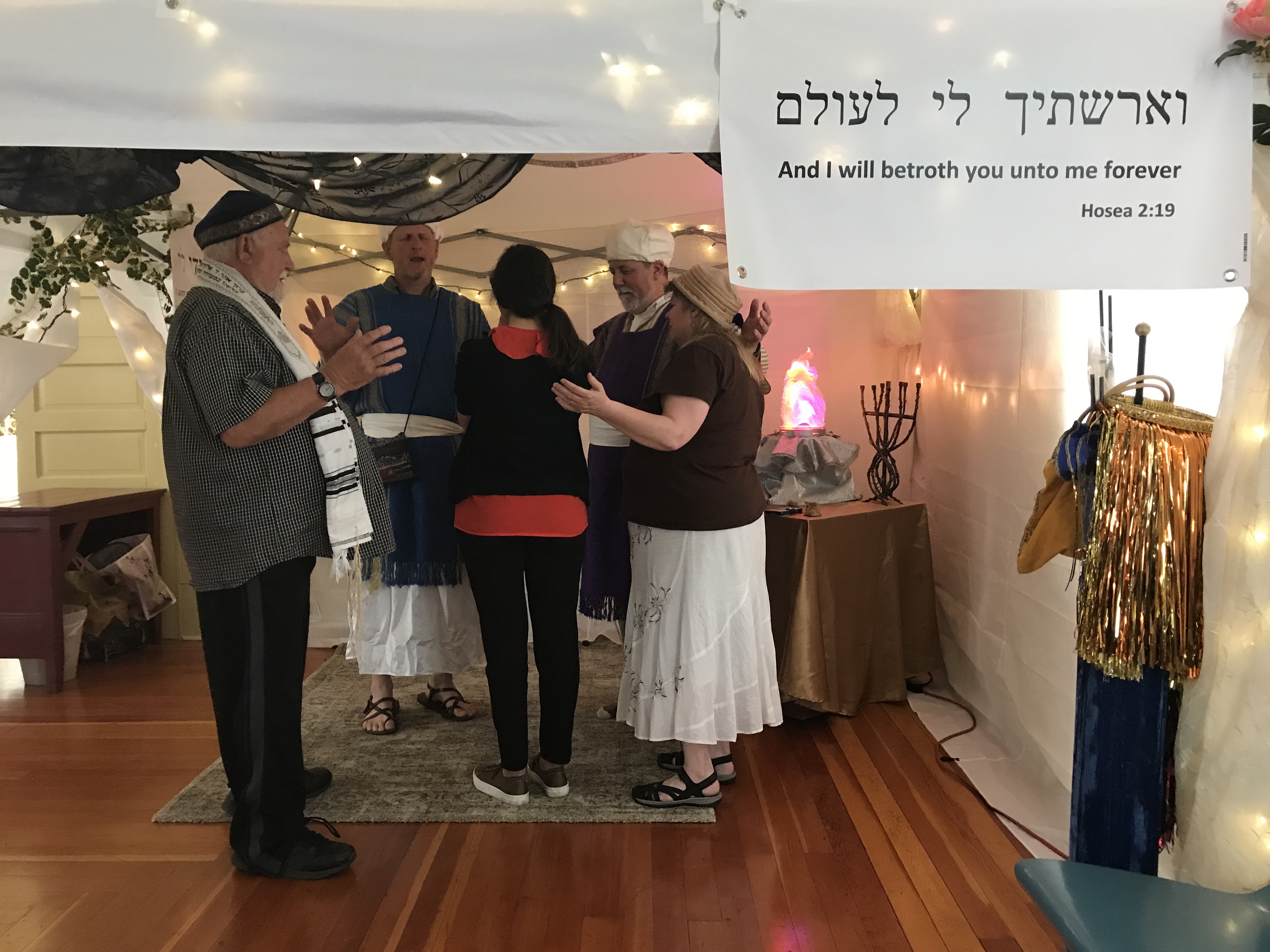
Prayer ministry in the chuppah.


Blog Scripture Reading for 6-4 Through 6-10-17

Aside

THIS WEEK’S SCRIPTURE READINGS FOR STUDY AND DISCUSSION:

Parashat B’ha’alatkha — Numbers 8:1 – 12:16
Haftarah — Zechariah 2:14(10)* – 4:7
Prophets — Jeremiah 26:1 – 32:44
Writings — Lamentations 3:1 – 5:22; Ecclesiastes 1:1 – 3:22
Testimony — Jude; Romans 1:1 – 6:23

Our full Scripture Reading Schedule for 2016-2017 is available to download and print.

Most of this week’s blog discussion points will be on these passages. If you have general comments or questions on the weekly Scripture readings not addressed in a blog post, here’s a place for you to post those. Just use the “leave a reply” link below.

The full “Read Through The Scriptures In A Year” schedule, broken down by each day, can be found on the right sidebar under “Helpful Links.” There are 4 sections of scripture to read each day. One each from the Torah, the Prophets, the Writings, and from the Testimony of Yeshua. Each week, the Torah and haftarah readings will follow the traditional one-year reading cycle.

* Verse numbers in parenthesis refer to the verse number in Christian English Bibles when they differ from Hebrew Bibles or the Tanakh.

Weekly Blog Scripture Readings for 6/4/17 through 6/10/17.


Happy Shavuot 2017—Sunday, June 4! Enjoy this fresh manna from heaven!

Attaining Spiritual Maturity in the New Covenant—On Being a Spiritual Mountain Climber

(This manna from heaven was revealed and downloaded to Natan in the back country of Alaska while sitting, Bible in hand, prayerfully, overlooking Little Port Walter on Baronov Island (75 miles SE of Sitka), and while on a boat in the Pacific Ocean in the Chatham Straights between Baronov and Admiralty islands.)

On Being Spiritual Mountain Climbers

From the time that YHVH revealed himself to the children of Israel while they were enslaved in Egypt, he has been calling his people to be spiritual mountain climbers. He first called the Israelites out of Egypt and up to Mount Sinai, and then up to Mount Zion in Jerusalem. He then called his people to come even higher yet to the upper room on the day of Pentecost, and he is now calling his people to come up even higher to the New Jerusalem that is above us and is the mother of us all. This highest mountain of YHVH is the ultimate source of our spiritual sustenance, the source of the river of life along which the trees of life are situated. From this spiritual wellspring comes all divine revelation and ultimately immortal life as children of the Most High.

The beginning of the upward spiritual journey of YHVH’s people is memorialized in the counting of the omer, which starts on First Fruits Day occurring during the Feast of Unleavened Bread and culminates fifty days later with the Feast of Weeks or Pentecost (Heb. Shavuot; Lev 23:4–16). Each new step in this journey is a stepping stone or a launch pad to the next. For the Israelites, the journey started at sea level in the flat-land river delta of Egypt (a metaphor for this world, Satan and death) and then continues climbing higher and higher until it reaches heaven itself—the abode of Elohim.

The problem is that most people only climb so far in their spiritual journey and then stop, or they grow weary along the way or become comfortably complacent at the level they have thus far attained and never move past that spot. This is dangerous!

To not move forward spiritually is to stagnate and to die. YHVH wants a people that are on the move, who will obediently follow him wherever he leads, and not stop and park along the way only to construct their religious monuments with their fossilized customs, rituals and traditions. Heaven is a long way above the earthly plane, and YHVH wants children who will seek him no matter what, who have a heart to follow him no matter where, and no matter the cost. Although eternal life is a free gift from heaven, it won’t be given easily. It costs nothing, but, at the same time, it costs everything! Man must be willing to sacrifice his all—to lose his earthly life—to gain eternal life. YHVH refuses to give out his priceless gift of eternal life willy-nilly to anyone and everyone! YHVH requires that his saints be determined, tough and gritty mountain climbers who refuse to give up until that summit is reached. He has no pleasure in those who turn back, or refuse to go on. Only those who doggedly overcome the world, the flesh and the devil remaining lovingly loyal and obedient to him will receive the highest reward he has to offer.

The Spirit Versus the a Letter of the Law—the Two Covenants

Let’s now explore what it is to climb the mountains that YHVH has placed before us to ascertain where we are at on the journey and how far we have to go to reach the ultimate summit.

In 2 Corinthians 3:1–18 we read,

1 Do we begin again to commend ourselves? Or do we need, as some others, epistles of commendation to you or letters of commendation from you? 2 You are our epistle written in our hearts, known and read by all men; 3 clearly you are an epistle of the Messiah, ministered by us, written not with ink but by the Spirit of the living Elohim, not on tablets of stone but on tablets of flesh, that is, of the heart. 4 And we have such trust through the Messiah toward Elohim. 5 Not that we are sufficient of ourselves to think of anything as being from ourselves, but our sufficiency is from Elohim, 6 who also made us sufficient as ministers of the new covenant, not of the letter but of the Spirit; for the letter kills, but the Spirit gives life. 7 But if the ministry of death, written and engraved on stones, was glorious, so that the children of Israel could not look steadily at the face of Moses because of the glory of his countenance, which glory was passing away [brought to an end, ESV; Gr. katargeo], 8 how will the ministry of the Spirit not be more glorious? 9 For if the ministry of condemnation had glory, the ministry of righteousness exceeds much more in glory. 10 For even what was made glorious had no glory in this respect, because of the glory that excels. 11 For if what is passing away [Gr. katargeo] was glorious, what remains is much more glorious. 12 Therefore, since we have such hope, we use great boldness of speech­ — 13 unlike Moses, who put a veil over his face so that the children of Israel could not look steadily at the end of what was passing away [Gr. katargeo]. 14 But their minds were blinded. For until this day the same veil remains unlifted in the reading of the Old Testament, because the veil is taken away in the Messiah. 15 But even to this day, when Moses is read, a veil lies on their heart. 16 Nevertheless when one turns to the Lord, the veil is taken away. 17 Now the Lord is the Spirit; and where the Spirit of the Lord is, there is liberty. 18 But we all, with unveiled face, beholding as in a mirror the glory of the Lord, are being transformed into the same image from glory to glory, just as by the Spirit of the Lord.

Let’s now explain this passage to understand better the transition between the “old” and “new” covenants and the differences between the two.

Verse 7, Was passing away [NKJV]/brought to and end [ESV], This phrase is the Greek word katargeo meaning “to render idle or useless, to vanish, to abolish, to put away, Continue reading →


Shabbat Shalom…Back from the Alaskan Frontier!

I just flew in from Sitka, Alaska and arrived home Thursday evening. I spent more than a week 75 miles SE of Sitka at a remote location called Little Port Walter, which is accessible only by boat or float plane. We flew in and out of LPW by float plane.

While there, I spent several days deep sea fishing, hiking into the subalpine areas behind and above LPW, sightseeing by boat the neighboring coastline, inlets, coves and fjords, filming the flora and fauna along with the pristine and majestic scenery, reading and writing, and catch and eating fish and more fish! Had an encounter with a grizzly bear (up close), while in the back country, swam in the ocean and a mountain lake, toured two fish hatcheries, helped to do scientific research of salmon, read my Bible and prayed, was given my Shavuot sermon/teaching (fresh manna from heaven), and conducted interviews of people who live and work in Alaska for my several upcoming videos on this once-in-a-lifetime trip.

Here are a few of my photos:

View from Little Port Walter Bay looking out toward Chatham Straight and the Pacific Ocean.


Nathan deep sea fishing in Alaska.

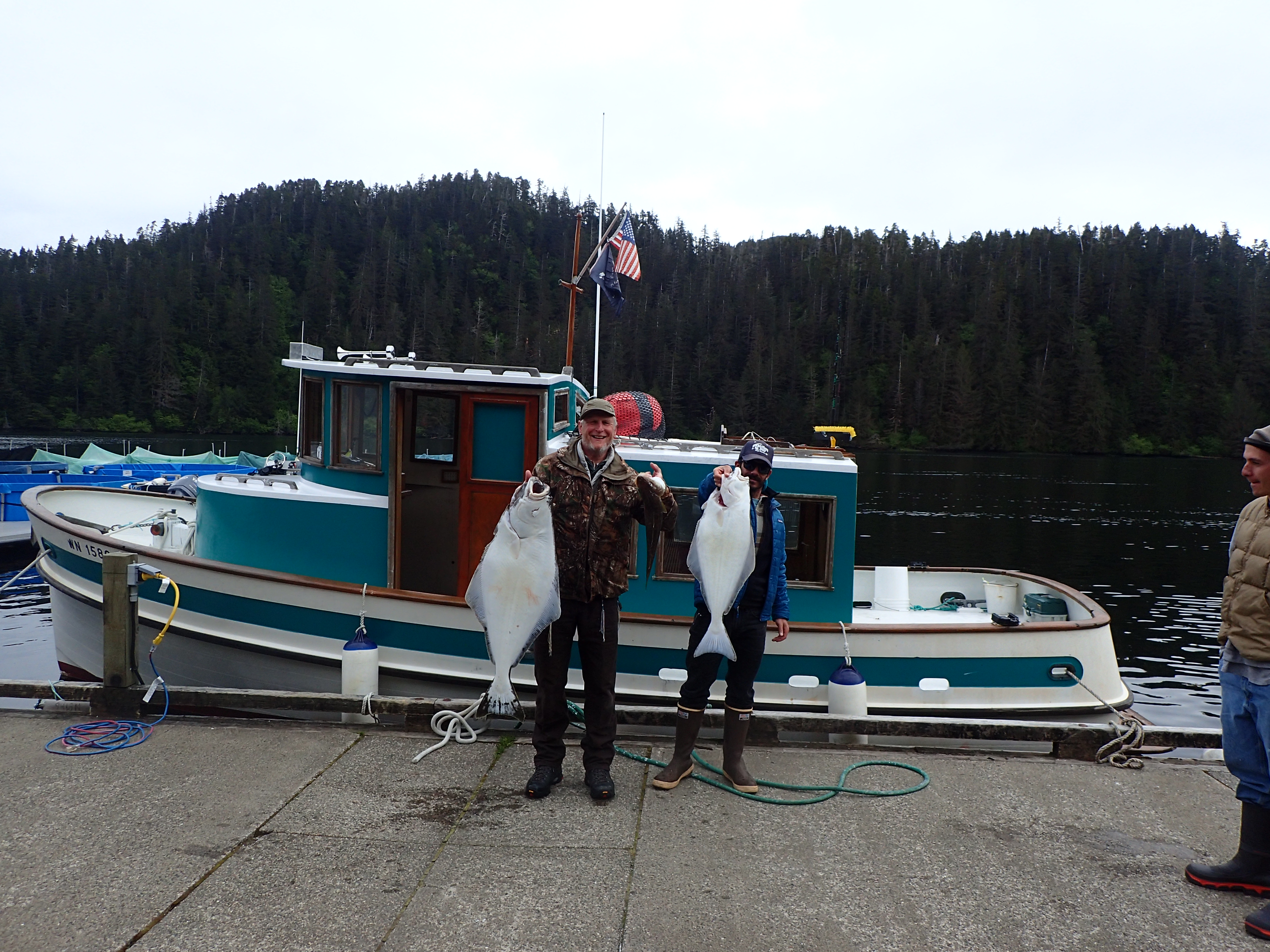
Nathan and Gary’s catch of the day.

Bob and Nathan’s catch of another day.

Our Alaskan wilderness backdrop while fishing.

Nathan journeling with Little Port Walter in the background.

The sign says it all!

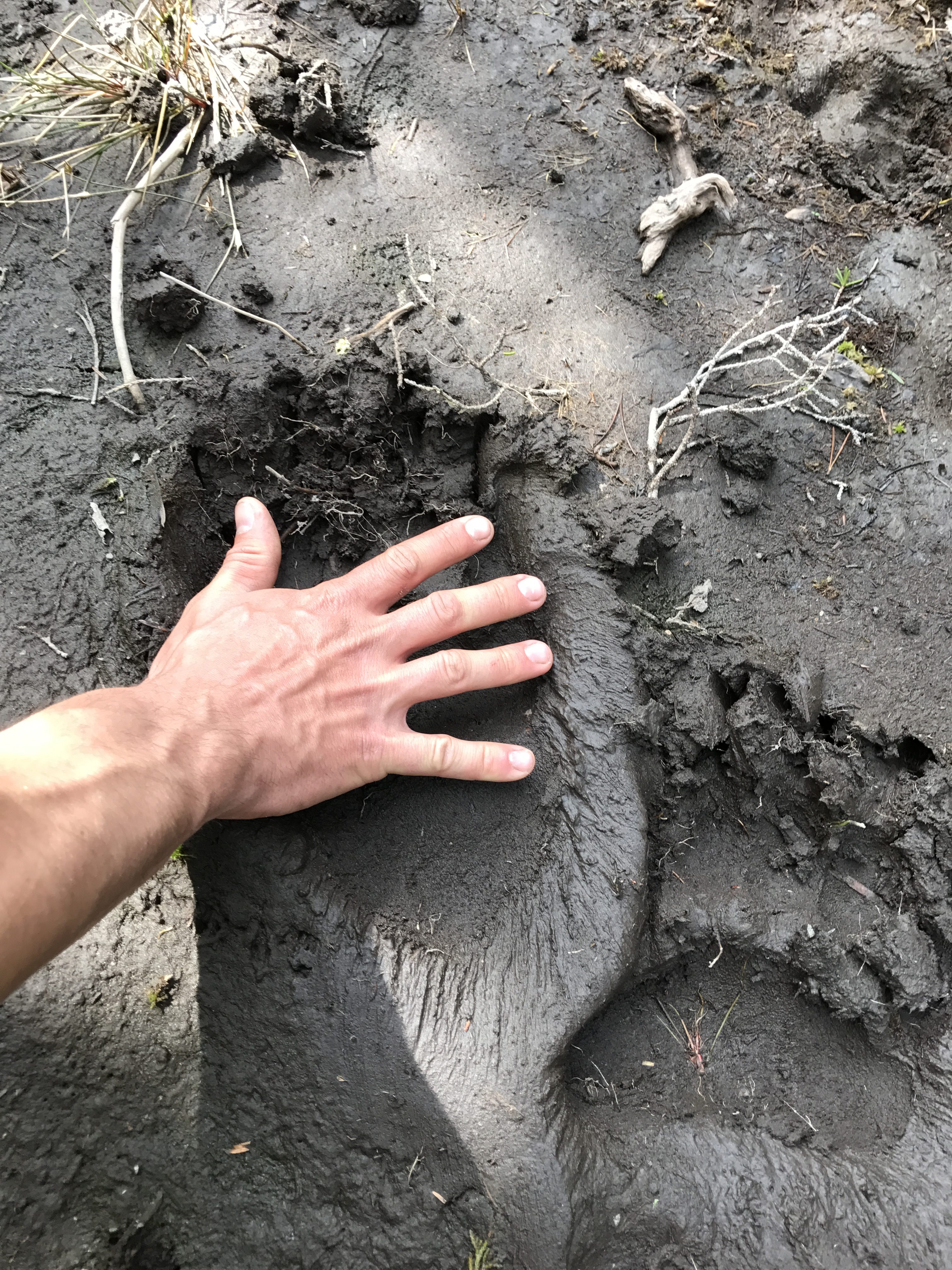
Fresh grizzly bear footprints on our trail while hiking into the back country.

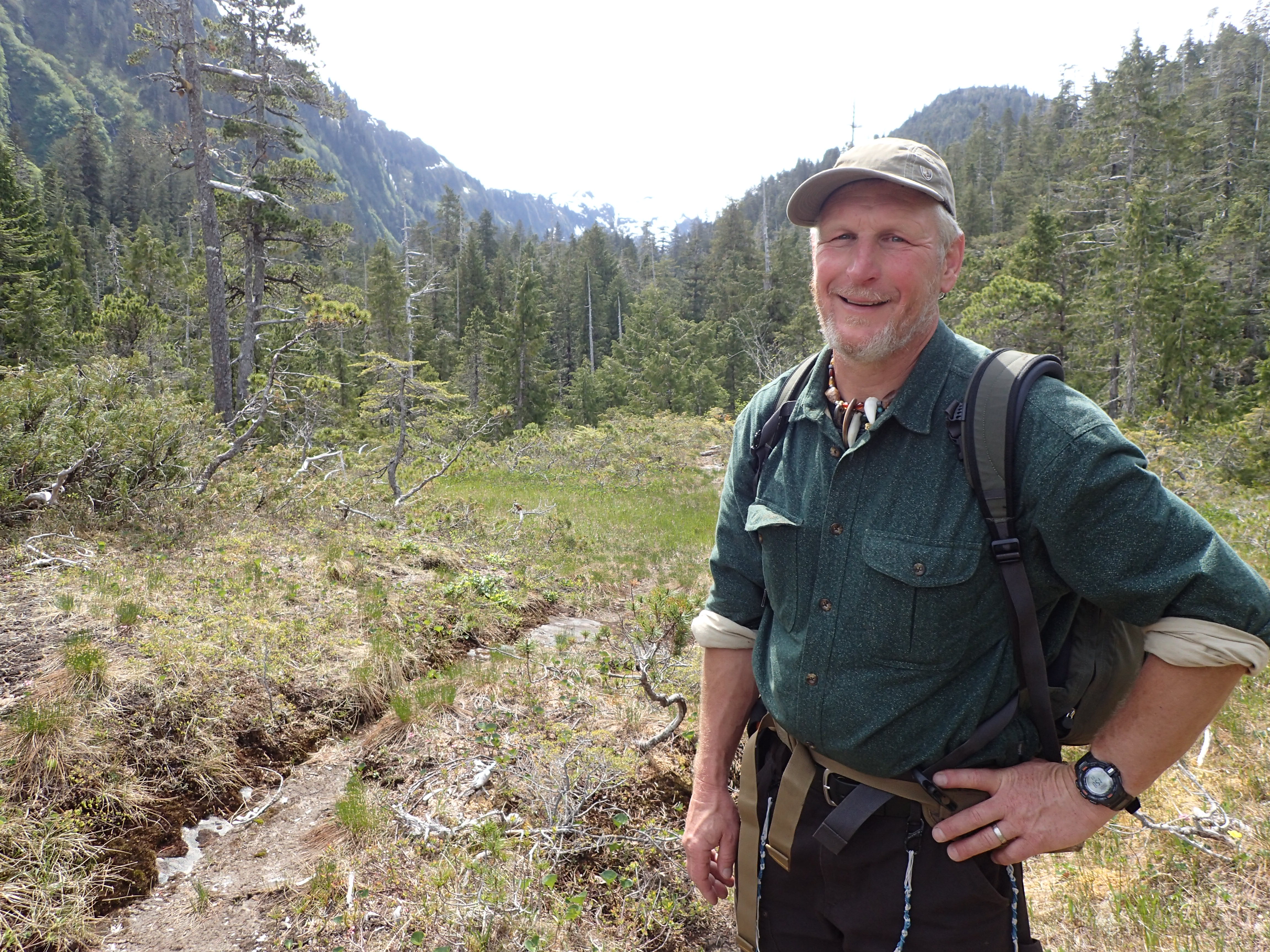
Hiking in the Alaskan back country.

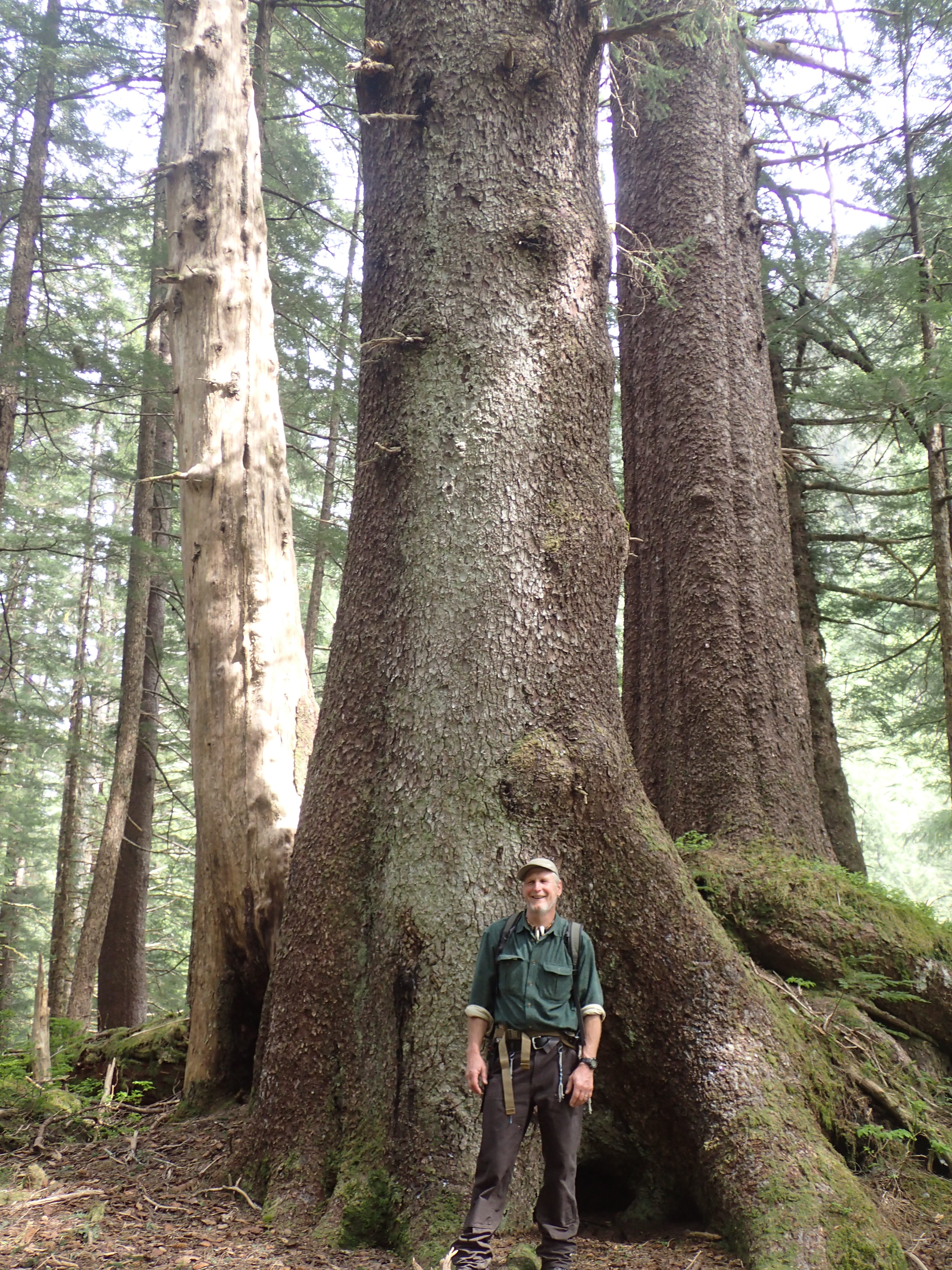
Nathan encounters a giant old growth Sitka spruce in the mountains of Alaska.

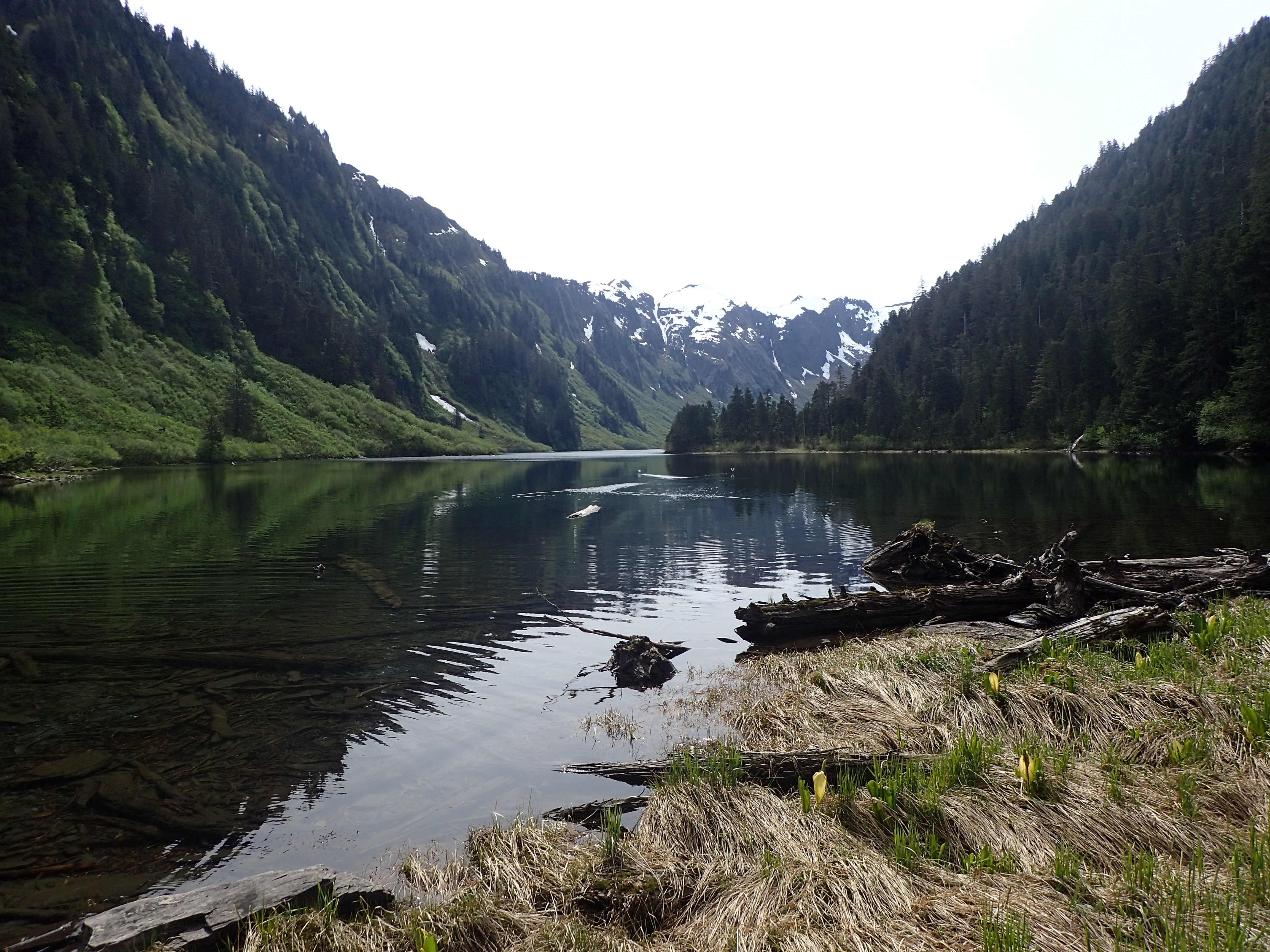
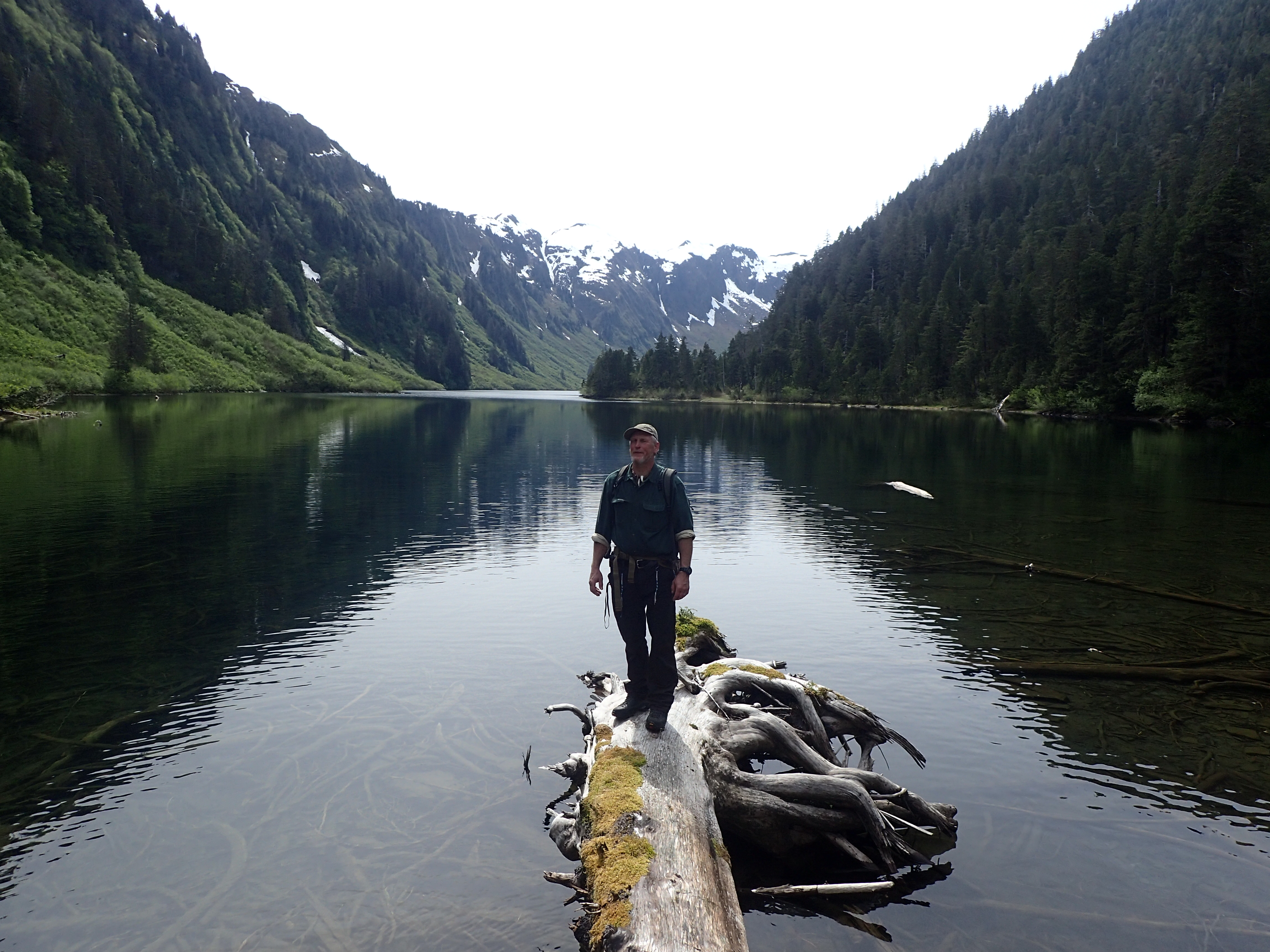
Sashen Lake—a pristine and unspoiled spot where almost no humans ever go. I drank water directly from the lake!

Nathan savoring Yehovha’s creation after having just taken a swim in the lake.

Hope you enjoyed these.

There are still places on the earth that man hasn’t ruined and where the voice of Yehovah’s  is louder than that of the world and the devil!

Shabbat shalom.