Lot and Sodom’s Liberation—A Severe Warning to Us All!

Genesis 14:14, Three hundred and eighteen trained servants. This was a venerable fighting force for a nomadic chieftain to possess. If each of these soldier-servants had a wife and two children, this would have represented more than 1200 people associated with Abram’s army alone. No doubt Abram’s entourage could have been much larger considering those soldiers who had larger families as well as elderly people.

The size of Abram’s personal community along with his wealth is likely why the sons of Heth referred to Abram as “mighty prince [Heb. nasiy meaning “one lifted up, chief, captain or leader”]” (Gen 23:6). This would have been true especially in consideration of the fact that Abram’s personal army probably marched about four hundred miles round trip to defeat the six Babylonian kings in his rescue of Lot (Gen 14:14–16). This was a tremendous feat for a local chieftain-warlord to accomplish. This accomplishment likely made Abram into a legend among the local Canaanites who would have greatly feared and respected him.

Abram’s rescue of Lot and the residents Sodom from the six Babylonian kings brings to remembrance YHVH’s later promise to Israel that he would put the fear of YHVH into the hearts of their enemies and that one Israelite would put a thousand of their enemies to flight and two would put ten thousand to flight (Deut 32:30 cp. Lev 26:8).

This promise is exemplified in the story of Gideon’s defeat of the Midianites by his band of three hundred men—a similar number to that Abram’s army. May YHVH’s servants in our day be walking in such righteousness and holiness before YHVH as to warrant this kind of favor from the Almighty to receive the same blessing when they go up against their enemies!

Not only was the freeing of Lot and the other Sodomites a specular and miraculous feat—a testimony of the power of the Elohim of Abraham, but it was a testimony to these people of Elohim’s grace and mercy in that he rescued the Sodomites despite their wickedness. In spite Elohim’s warnings and grace, they still refused to turn from the wicked ways necessitating Elohim’s later judgment and destruction of that wicked city. The lesson is this. Elohim as a just and righteous judge warns people first by bringing upon them judgments onto repentance before imposing upon them his severe and ultimate judgments unto death. The problem is that most sinners are willingly oblivious to the initial warning signs, which if heeded, would bring them to repentance, thus sparing them Elohim’s ultimate and most severe judgments.

YHVH’s methodologies don’t change; he is the same yesterday, today and forever. He warns people, gives them space to repent before judging them; he is not an unjust judge. Be assured, those wicked rebels who at the end of the millennial age will pass before Elohim’s white throne of judgment and who he will deem worthy to be cast into the lake of fire will have had plenty of warning and time for repentance (Rev 20:11–15). The fiery destruction of Sodom in the Dead Sea Valley, the lowest place on earth, is a prophetic picture of the final lake of fire judgment and should be a lesson to all humanity of what is to come if they fail to submit to Almighty YHVH.


 

Called to the ministry? Here’s what to do…

Do you have a ministry call on your life? If you’re a disciple of Yeshua, then you should. Yeshua has commissioned every saint to help fulfill the great commission to spread the gospel to the world. Below are some basic guidelines on how to know that you’re in the perfect will of Elohim for the ministry to which he has called you.

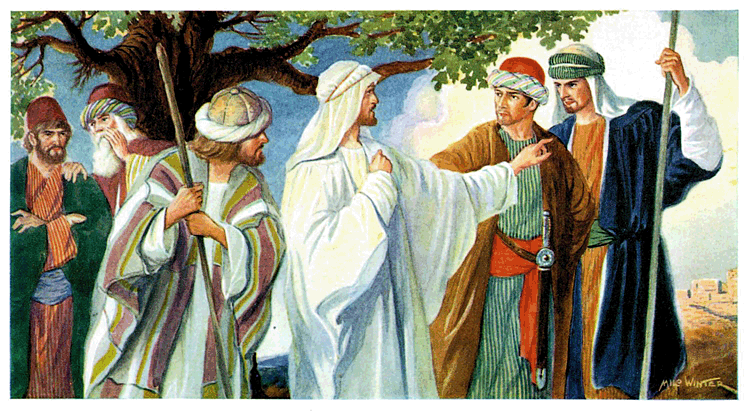
Matthew 10:5ff, Yeshua sent out. The Commissioning of the Twelve Disciples.

There are several steps one must go through when receiving a ministry commission from Yeshua. The following steps are based on Yeshua’s commissioning his disciples in Matthew 10. As modern-day disciples of Yeshua, we need to take these into consideration when assuming a ministry role. These are the requirements of his laborers who will work in his harvest field (see Matt 9:37 for context).

  • Yeshua calls one into the ministry (Matt 10:1). Some people go into the ministry as a career like any other job by their own choice. This is unbiblical. Involvement in Yeshua’s ministry is by his invitation only.
  • After calling one into the ministry, there is a time of training. This is the biblical norm. For some, it was five years (e.g. the Levites), or forty years (Moses and Joshua). David had a period of training before becoming king, as did Paul the apostle and Elisha. For Yeshua’s disciples, it was three-and-one-half years. The Matthew ten account is part of the disciples’ training program.
  • After calling them, Yeshua gives his disciples their marching orders by telling them where to go and not to go (Matt 10:5–6). They were to go to the lost sheep of the house of Israel, although, later on Yeshua instructed them to go the Gentiles. Paul even taught in several places that the lost sheep of Israel were to be found among the Gentiles, as the ancient biblical prophets predicted they would be.
  • Yeshua then instructs them what their ministry was to be (Matt 10:7–8). They were to do exactly as Yeshua himself did: preach the gospel of repentance and the kingdom of Elohim, and to heal the sick.
  • He then gives them instructions pertaining to travel arrangements — what they were to take on their journey, where they were to stay, and how to act when encountering resistance (Matt 10:9–15). This includes lodging, food and financial remuneration. On the latter point, today many itinerant evangelists flagrantly violate Yeshua’s strictures in this regard and have become nothing more than travelling salesmen and peddlers always with their hands out for financial gain. They have simply become merchandisers of the gospel, sadly.
  • Next, Yeshua warns his disciples against persecution (Matt 10:16–26). He assumes that persecution would be a natural result of preaching the gospel. Conversely, it could be assumed that something is out of spiritual order when one preaches the gospel and persecution doesn’t occur. 
  • Yeshua then instructs his disciples about fear — who to fear and not to fear. They are to fear YHVH, not men (Matt 10:27–31). This is an important point, since preaching the gospel to the lost can be intimidating, which is why so few do it. Yeshua promises divine protection for his disciples who preach the gospel as he has instructed (Matt 10:29–30).
  • The workman is worthy of his hire. Yeshua promises spiritual rewards to those who preach the gospel (Matt 10:32–33).
  • For those who are called into Yeshua’s ministry, he demands total commitment. One must put Yeshua first above all other human relationships. For this, expect rejection from family and friends (Matt 10:34–39). 
  • Again, Yeshua holds out the promise of spiritual rewards for those who heed his call to become a disciple who works in his spiritual harvest field (Matt 10:39 cp. Matt 9:37).
 

Yeshua’s Disciples—Multilingual?

Matthew 10:2–4, The names of the twelve. The disciples’ names reflect the multilingualism that had influence over Jews of the first century in the land of Israel. Likely, Yeshua and his disciples were multilingual. They spoke Hebrew and Aramaic and likely had some knowledge of Greek as well.

  • Simon Peter. Heb. Shimon (from shama) meaning “heard.” Gk. petros meaning “a rock or stone.”
  • Andrew. Gr. Andereas (from aner) meaning “manly.”
  • James. Heb. Jacob meaning “heal catcher, supplanter.”
  • John. Heb. Jochanan (Yah and chanan) meaning “YHVH has graced, shown mercy.” 
  • Philip. Gk. philoppos (philos meaning “friend” and hippos meaning “horse”) meaning “a friend or lover of horses.”
  • Bartholomaios. Aram. meaning “son of Tolmai.”
  • Thomas. Aram. meaning “coupled or joined together, twin.”
  • Matthew. Heb. Matthaios or Mattiyahu meaning “gift of YHVH.” 
  • Thaddaeus. Of uncertain origin. Could be Greek or Hebrew.
  • Judas. Heb. Yehudah meaning “praised.”
 

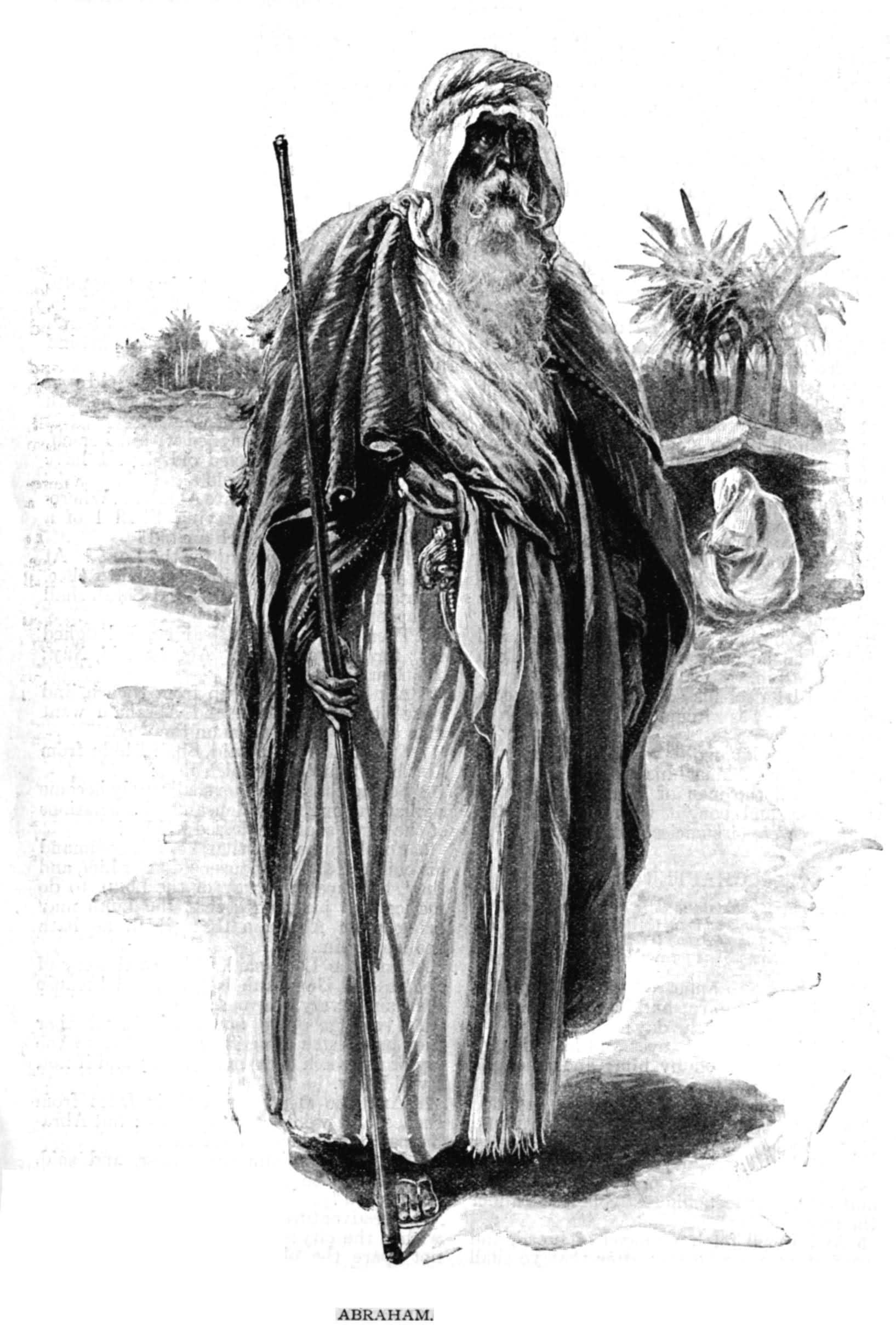
Abraham, a man of reluctant faith?

The story of Abraham leaving Babylon reveals the great mercy of Elohim in one man’s life. Romans 12:2 talks about finding the good, better and perfect will of Elohim for our lives. As much as we may respect and even venerate Abraham as the father of the faithful, it appears that he didn’t follow Elohim’s instructions perfectly at first. It wasn’t that Abraham was out of the will of Elohim, but that he may not have been in the perfect will of Elohim. Despite human weakness and reluctance to immediately follow the Creator’s instructions, YHVH was still merciful and gracious with the spiritual father of our faith.

Genesis 12:1, Get thee out of thy country. Did Abram immediately leave his father’s house and go directly to the country that YHVH would show him, or did he fulfill YHVH’s will for his life in incremental steps? (Compare Gen 11:31 with 12:1.) Did Abram leave his father’s house completely, or take part of his father’s house with him including his father and nephew? Haran is located in northern Mesopotamia and is nowhere near Canaan. When Abram finally made his way to Canaan minus his father, did he still have part of his kindred with him, something YHVH instructed him to leave behind (Gen 12:1)? Did his nephew Lot prove to be a help or a hindrance to Abram in fulfilling YHVH’s mission for his life in a new land?

What lessons can we learn from this account? First, YHVH is gracious to us even when we don’t obey him completely and immediately. Scripture still refers to Abraham as the father of the faithful or faithfulness (Rom 4:12, 16). Second, Abram was a man of prominence in Babylon (or Chaldea), was recognized as a mighty prince (Gen 23:6), and was 75 years old when YHVH asked him to leave the comforts of life in Babylon to trek across the desert to the backwoods region of Canaan. No doubt, this was not an easy move for Abram for the reasons stated above.

What did Yeshua tell his disciples about the sacrifices that would need to be made to be a follower of YHVH? (Matt 10:35–39). What did Yeshua say would be the eternal rewards of those, who like our father Abraham, set out in faith for a new spiritual destiny? (Matt 19:29) What physical obstacles stand in your way of fulfilling YHVH’s spiritual calling, mission and destiny for your life?

Presently, YHVH is calling his people out of the spiritual Babylon (Rev 18:4) of man-made religious systems that, to one degree or another, have supplanted the simple truths of YHVH’s word with doctrines and traditions of men. Anything that takes precedence in the hearts and minds of men that is contrary to the Bible is, by biblical definition, an idol. End times spiritual Babylon is full of idolatry. It is a confused mixture of truth and lies. YHVH called Abram out of Babylon, and he’s calling his people out of Babylon today to worship and obey him in Spirit and truth. His end time saints will be those who follow Yeshua the Messiah unconditionally wherever he goes (Rev 14:4–6). Their chief identification mark is that they follow the Torah-commandments of Elohim and have the faith of Yeshua—their lives have been transformed by the message of the gospel (Rev 14:17; 12:14).


New Video: The Biblical Difference Between Your Soul and Spirit


More Photos from Sukkot 2018 in Central Oregon

As promised, here are some more photos from our local Sukkot gathering this year.

The campground and our campsite.

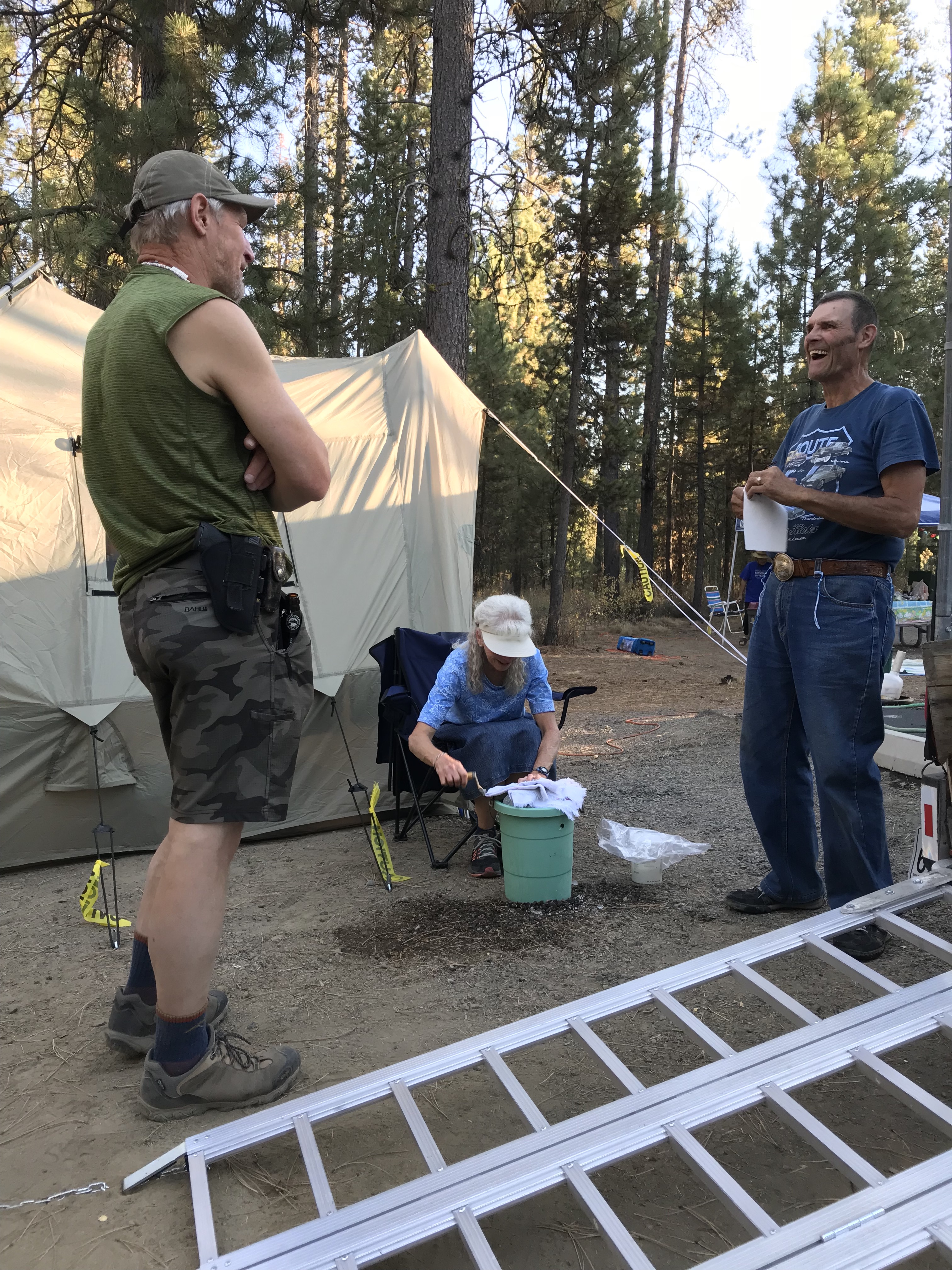
Natan talking to Rog while Dale (both from Nebraska) is making ice cream.

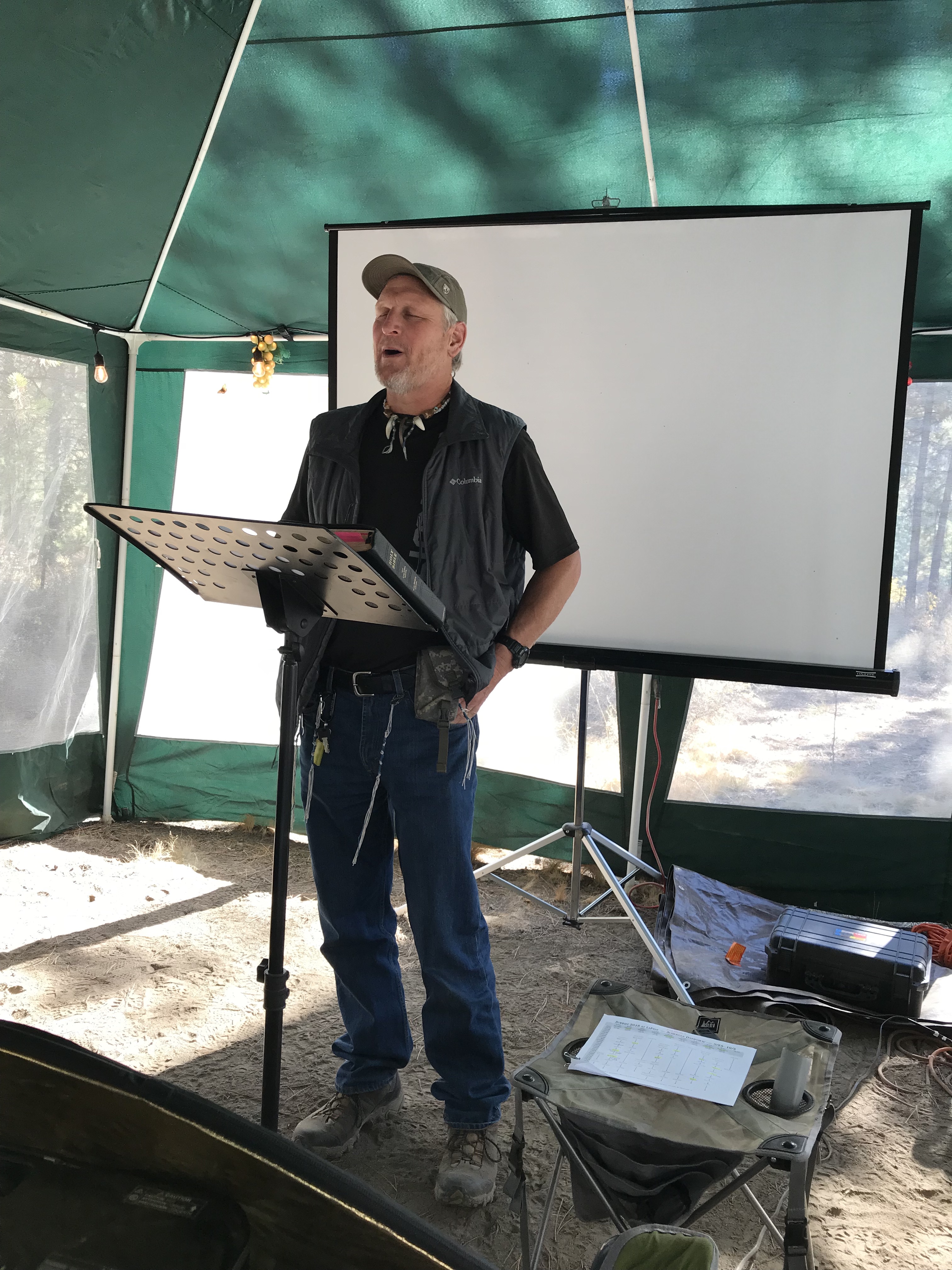
Natan giving a teaching.

Natan preaching next to the river.

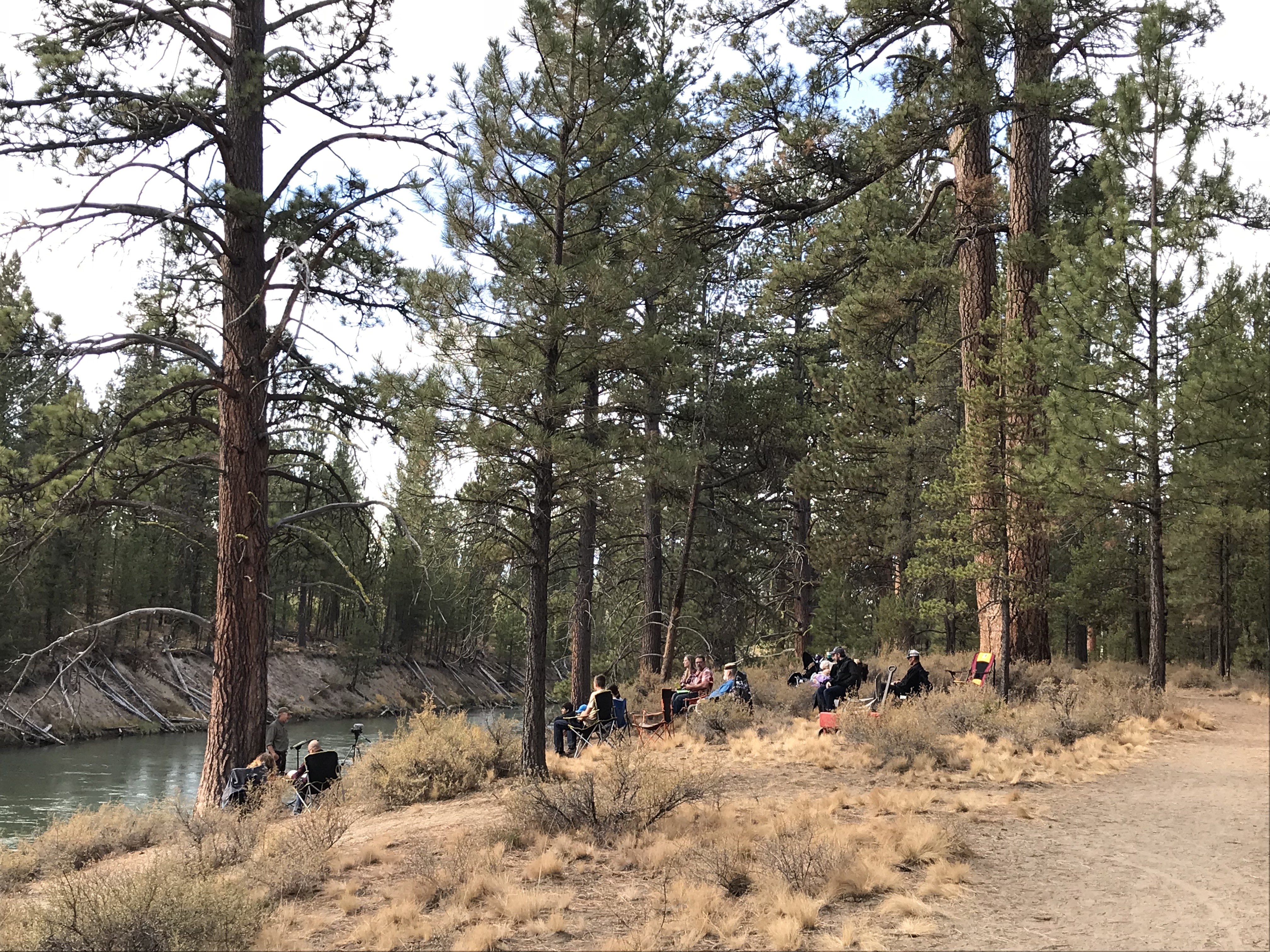
The congregation listening to Natan teaching by the river.

A local resident drops in to hear the Word of Elohim expounded.

As in Yeshua’s day, some folks only come to get fed physically, not spiritually.

Some of the congregation.

And now for some spectacular  outdoor scenes from the local area…

Fall Creek en route to the Green Lakes at the base of South Sister and Broken Top mountains.

Another view of Fall Creek.

The headwaters of Fall Creek.

At the 6,600 foot level at the Green Lakes at the base of South Sister.

Natan swimming in the 47 degree temperature waters of Fall River near the campground during a mountain bike trail ride with Sandi.

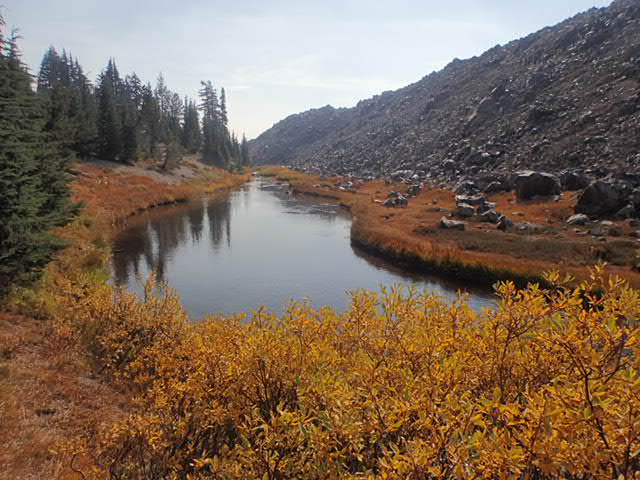
The fall colors of Fall River.


The Youth—Spiritual Revival Vs. Spiritual Reversal

While hysterical and mindless young people are demonstrating on the streets of my home city (Portland, Oregon) and elsewhere, vandalizing, terrorizing and defying law and order, at the same time, YHVH is raising up a corps godly young people whom he is spiritually energizing to carry the gospel forward and to be salt and light to our generation. It is my extreme joy and  privilege to be contributive in some small part to this spiritual revival.

At our Sukkot this year in the wilderness high desert mountainous region of Central Oregon, we saw this revival occurring. As posted last week on this blog, you were able to read confessionary praise psalms from two young men—my sons—a 19 and 20 year old. But there was more.

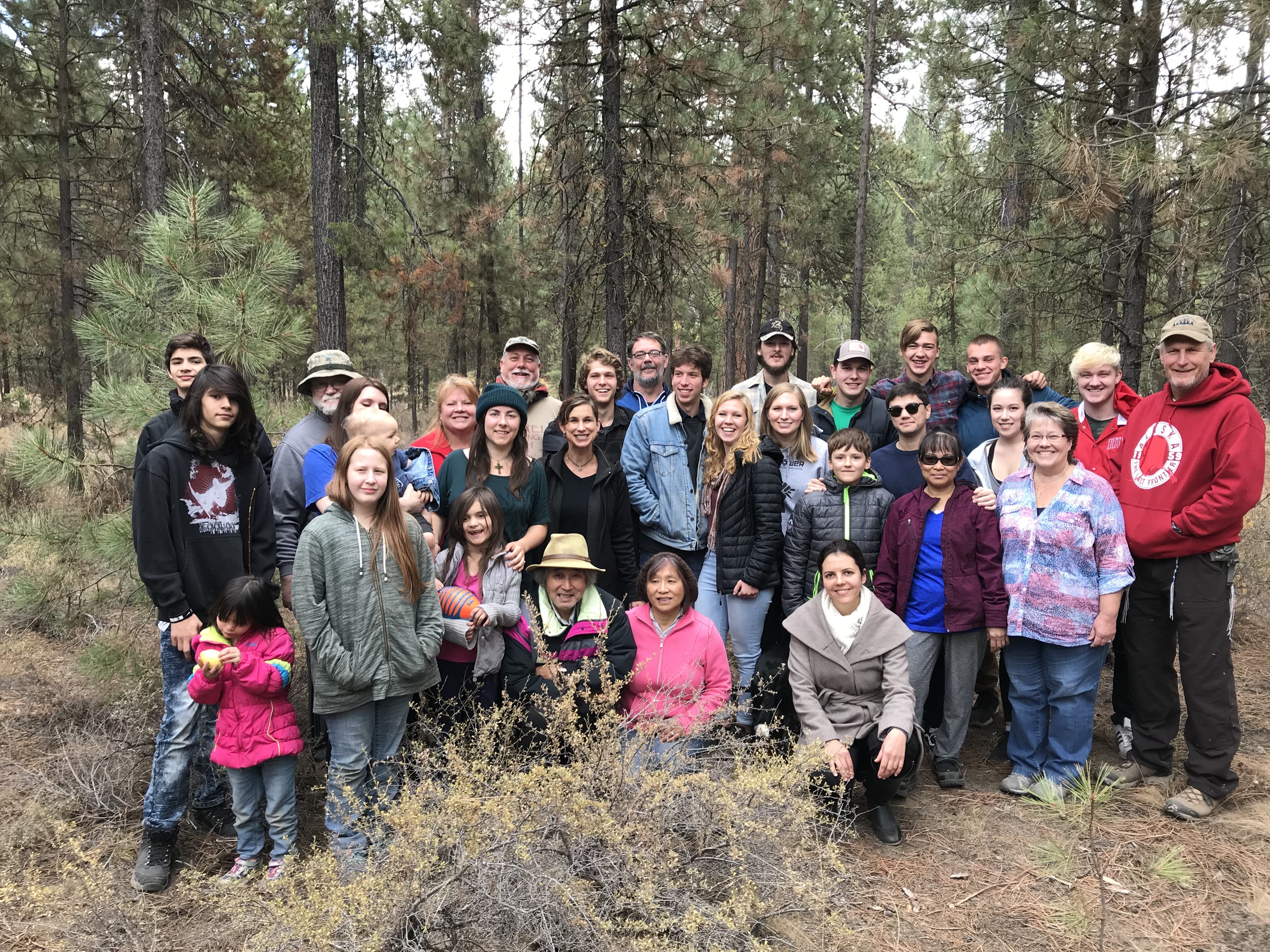
Here is a photo of the young people that were at our Sukkot this year. Some of them are on fire for Yeshua, and some of them haven’t made the commitment yet, but at least they were there to hear the Word and see the Spirit in action.

While some godless, law and order hating, leftist, “progressive”/communistic hooligan youths were marching on the streets in a city near us, not far away, away from Babylon, YHVH was raising up and anointing the next generation to carry the light and truth of his kingdom forward.

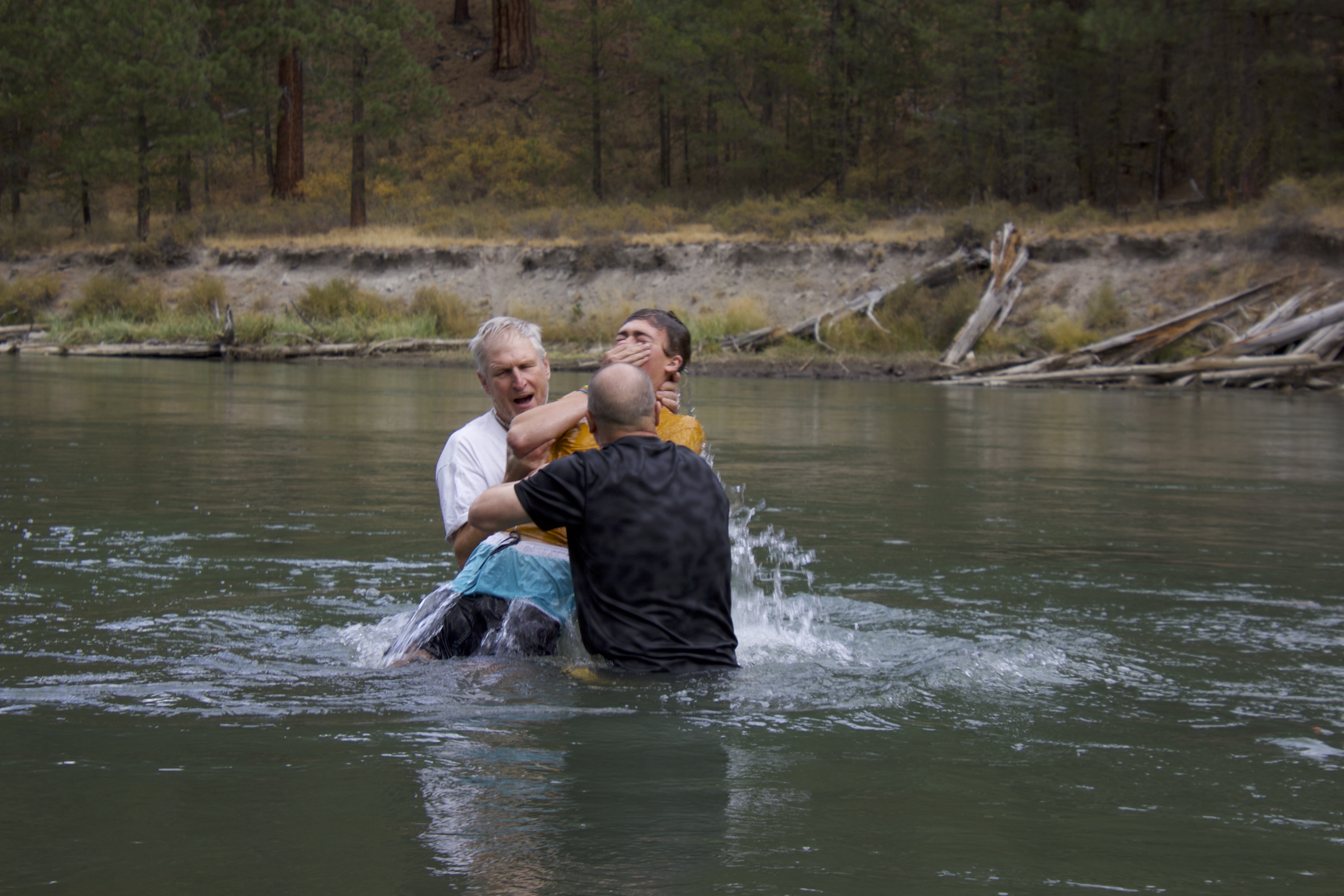
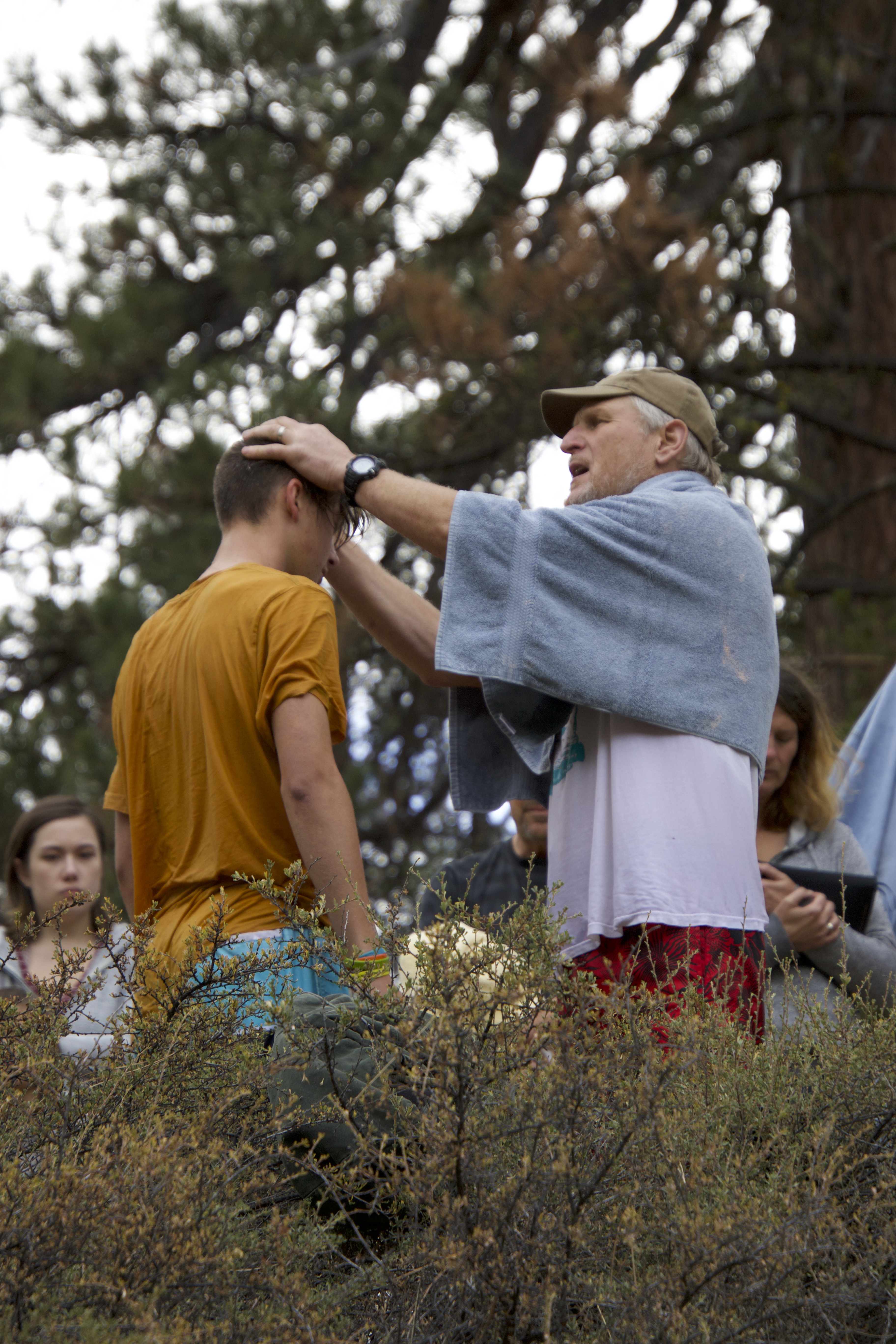
Below are pictures of the baptism of a young man that Elohim is raising up.

Young Nathanael’s river baptism.

Young Nathanael was not only baptized for the remission of sins, made a public confession of his faith in and determination to serve and obey Yeshua, but he was baptized in the Set-Apart Spirit, as well, with the initial evidence of an overflowing of joy.


Previous to this wondrous event, Nathanael had secretly asked for three signs from heaven to confirm his receipt of the baptism of the Spirit: the wind, the fire and the sun to shine on him. Heaven answered his request. After coming out of the water, a strong and gentle breeze suddenly began to blow on us briefly. It was noticeably dramatic, since there had been no breeze previously all day. Then he felt the fire in his body. Then the clouds parted (it had been cloudy all day, and was even raining a little earlier) and the sun came out shone directly on him. Wow! We serve an awesome Elohim. I found out about his request of heaven’s confirmation after the fact.

Next, we had our young Levitical and prophetic minstrels leading praise and worship several times during Sukkot.

Jared leading praise and worship with the help of Kaleb and young Raphael.

Be encouraged…the kingdom of Elohim is advancing, slowly and quietly. What are you doing to help this occur?