Yom Teruah 2019—Natan’s Teaching Notes

Insights, Meaning, Purpose, Thoughts, Reflections and Questions

Elohim created an idyllic, paradise garden and put the first humans into it. Sadly, man sinned and got kicked out of the garden. We now have the world as it is; it’s anything but a garden of peace! The world is a mess and what decent and loving person doesn’t know this? There is meanness, ugliness, combativeness, strife, contention, division, hatred, suffering, persecution, greed, lust, murder, hatred for what is good and righteous, unholiness, evil and darkness all around us, and it seem to be overtaking us like a tsunami. What can be done about this?

Most of us feel powerless to do anything about the state of conditions the world is currently in. A wise man once said that when the world is falling apart all around you, all you can do is to tend your own garden. In that  way, you’re making your little corner of the world a better place. If enough good people do this, who knows what might happen? It might be the mythical lever that’s big enough to move the entire world. 

The Word of Elohim is that lever. It shows us how to help transform the earth back into the Garden of Eden one life at a time starting with our life. So there is something we can do after all to combat spiritual evil and darkness and to help to make the world a more beautiful place. HalleluYah!

It all starts with having a spiritual relationship with Yeshua the Messiah and loving him by keeping his commandments including his sabbaths and feasts, which are the skeletal framework of his glorious plan of redemption and salvation for all humans. 

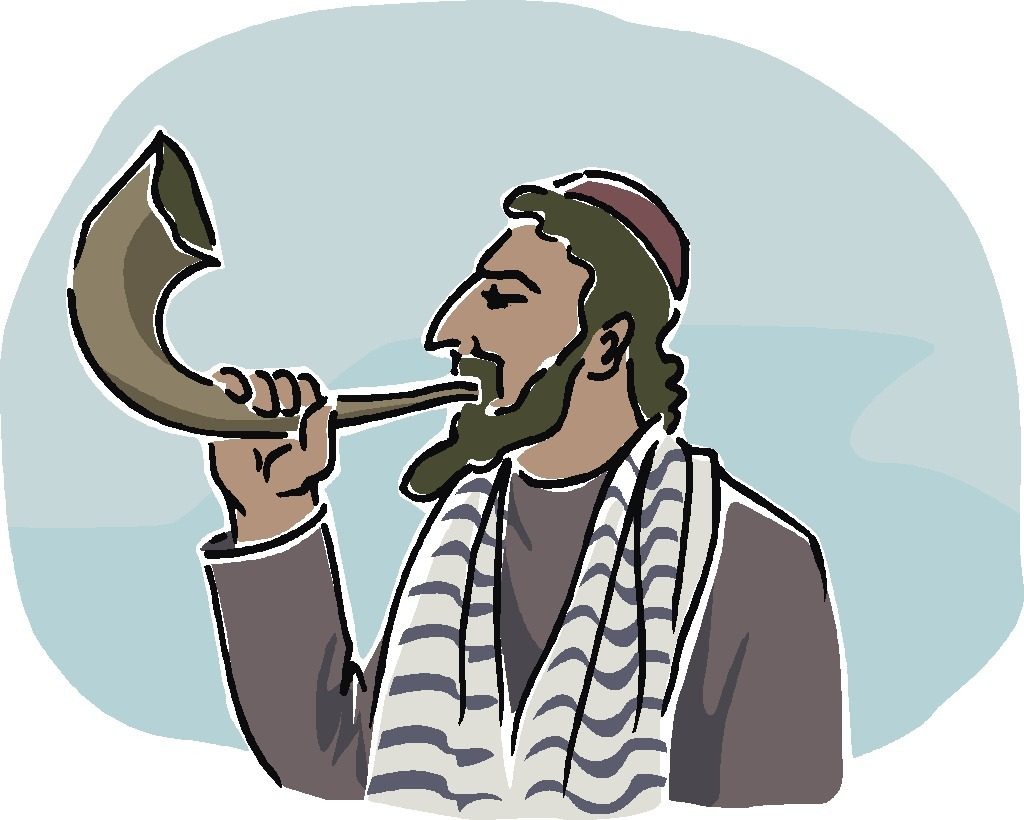
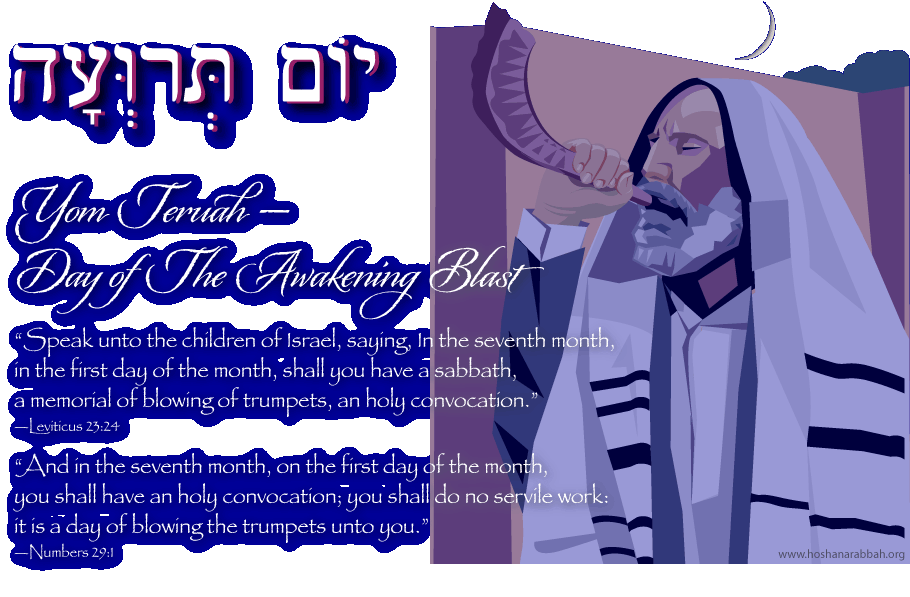
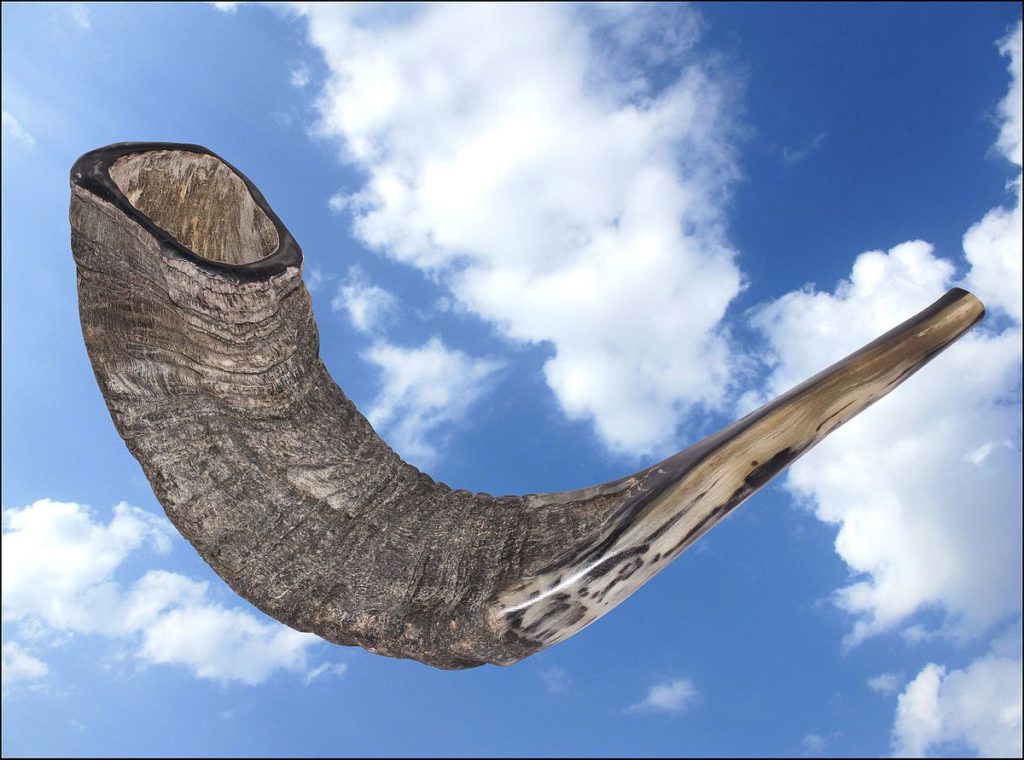
Today is the Yom Teruah or the Day of Trumpets or Shofar Blowing. What does that have to do with turning evil on its head and making the world a better and more beautiful place? Let’s find out…

Continue reading
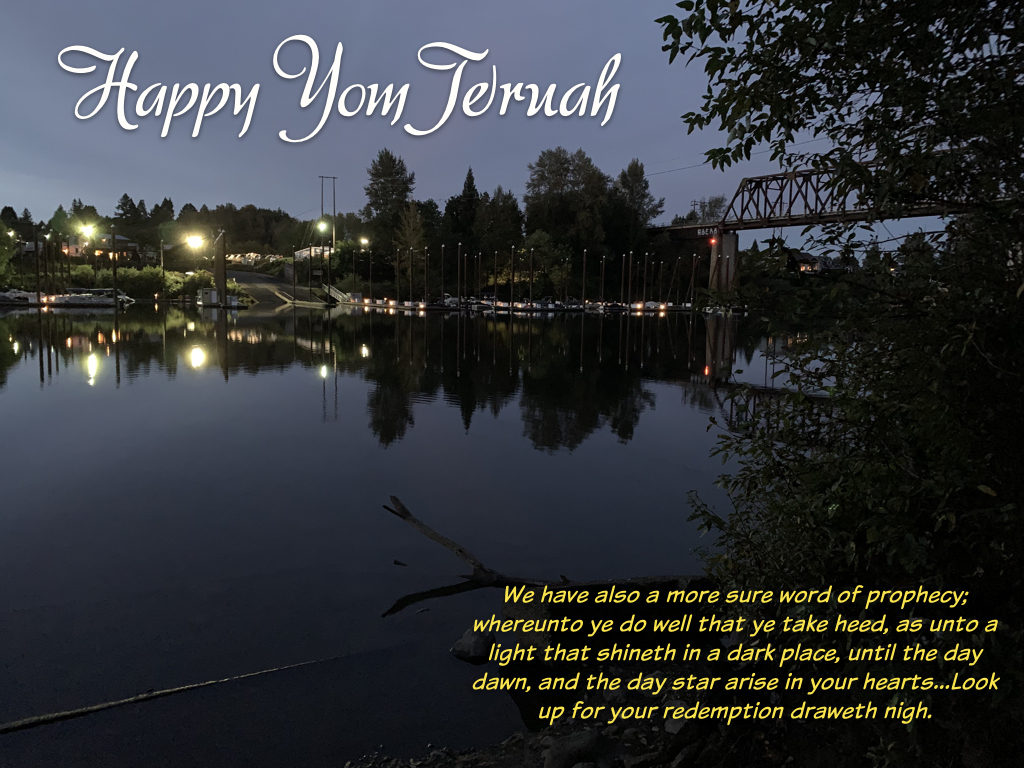
 

Have a Joyous Yom Teruah!

On my prayer walk this Yom Teruah morning, I took this photo of the river at the end of my street. I thought of these verses in anticipation of the second coming of Yeshua the Messiah, which this day prophetic represents.

I also had the privilege of praying for those who read this blog, as well as lifting up by name before the throne of YHVH Elohim many of you who regularly contribute to the comments section of this blog. Thank you and praise YHVH!

Have a wonderfully blessed and glorious day in the presence of our Heavenly King! May he make his face to shine upon you and grant you his shalom!


Yom Teruah Study Guides

Here is a link to my Yom Teruah study guide: https://www.hoshanarabbah.org/pdfs/yom_teruah.pdf

Here is a link to my YouTube channel with numerous teachings on the biblical feasts including Yom Teruah: https://www.youtube.com/playlist?list=PL5EzE5DQnrHfWWbczzkRo6IOnglxhbRfM

Stay tuned for my notes on the teaching that I will give tomorrow. I will post them shortly.


YHVH’s Plan of Salvation in the Biblical Feasts

An Introduction to the Biblical Feasts

The seven biblical feasts are a chronological step-by-step template of YHVH’s plan of redemption or salvation for mankind. This process begins with Passover — a picture of a believer’s initial salvation, and concludes with the Eighth Day — a picture of eternal life for each bonafide and glorified member of the spiritual family of Elohim. The first step in this spiritual journey starts with one’s turning their back on spiritual Egypt, which is the realm of the world, the flesh and the devil, and embarking on a life-long spiritual journey that leads one progressively to higher planes with the ultimate goal being the paradise of the New Jerusalem — literally a heaven on earth.

Sadly, the church system has failed to reveal these essential truths to believers. It has robbed the saints of their biblical, Hebraic and Torah-based heritage including an understanding of the biblical feasts and has replaced it with many lies. This has left believers without a full understanding of both their spiritual heritage and destiny. For most believers caught up in the Babylonian church system, it’s merely a matter of getting saved, doing some good works along the way and going to church. Beyond that, one bides their time standing on the street corner waiting for death or the rapture bus — whichever comes first — to take them to heaven. But is this all there is to the believer’s life? What is supposed to happen from the point of one’s initial salvation until they “get to heaven”? Hmm?! Now there’s a good head-scratcher for most!

Thankfully, YHVH hasn’t abandoned his spiritual children to wander aimlessly through the wilderness of life. He has a plan for each of us. From start to finish, this plan is revealed in YHVH’s seven biblical feasts. The understanding of this can literally revitalize one’s spiritual life imbuing it with purpose and meaning. An otherwise one-dimensional, monochromatic and monophonic movie called life suddenly comes to life in full-3D, multi-dimensional, polyphonic surround-sound with high definition color. That’s the energizing power that comes with an understanding of the biblical feasts.

Once a follower of Yeshua understands the plan of salvation in the biblical feasts, these festivals become the focal point of the year. Plans and preparations are made well in advance to celebrate them as they serve as the rendezvous points of the spiritual body, family or community of believers.

All these feasts have Yeshua at the center, and so they bring us closer to him.

YHVH’s feasts act as a spiritual road map to show us where we’ve come on our spiritual journey, where we’re at, and where we’re going on to. Furthermore, they help us to understand what we need to be doing along the journey. They provide us with a sense of direction, and a hope for the future. 

Continue reading
 

Reasons for Celebrating YHVH’s Biblical Feasts

silhouette people jumping at sunset

The biblical pilgrimage or aliyot (singular: aliyah) festivals are Passover (Pesach) and Unleavened Bread (Chag haMatzot) and the Feast of Weeks or Pentecost (Shavuot) in the spring and the Feast Tabernacles (Chag haSukkot) in the fall. At these feasts, the Torah, the Word of Elohim, commands all of YHVH’s his people Israel to come up (or make aliyah) to the place where YHVH has chosen to place his name. There they are to worship and serve him as they fellowship with joy with their Israelite brothers from far and near.

What are the reasons and benefits for YHVH’s people to faithfully and obediently celebrate his holy or set-apart feasts as he has commanded in is Set-Apart Word?

  • The biblical feasts are a prophetic shadow-picture of things to come (Col 2:16–17; Heb 10:1). When they were given to ancient Israel they pointed forward to future events that would occur to the nation of Israel including redeemed believers. The spring feast days, for example, point to Yeshua the Messiah’s first coming, while the fall feast days point to his second coming leading into the Messianic Age (Millennium) and into eternity beyond.
  • All the biblical feasts point to Yeshua. Yeshua is the Hebrew name for Jesus and means “salvation.” All the biblical festivals point to the various stages or steps of the path of salvation that believers find themselves on. 
Continue reading
 

Happy Yom Teruah!

The new moon was sighted by multiple witnesses this past evening marking the first day of the seventh month on the biblical calendar. This means that Yom Teruah, the Day of Trumpets/Shofars, will be on Monday, September 30. A joyous Yom Teruah to all!

My family and I (at least the ones who can make it) will be celebrating Yom Teruah at home as a high holy day Shabbat. This means that I will be shutting down my business, no work, and spending the day with YHVH and our family focusing on the meaning of the day.

Ten days from now, on the tenth day of the seventh biblical month, will be Yom Kippur on Wednesday, October 9. Five days after that will be Sukkot, the Feast of Tabernacles, starting on Monday, October 14 and lasting until Sunday, October 20. The first day of Sukkot is a high holy day Shabbat. Shemini Atzeret, the Eighth Day, another high holy day Shabbat, will be Tuesday, October 21.

As I have done my entire life (since 1960), except for several years in the 1990s when I was part of the Sunday church world and failed to honor the Sabbath and biblical feasts, I, along with my wife, will be taking the time off from our daily work to honor these divinely mandated, set-apart times and to be with YHVH Elohim and his people.

May YHVH bless you as you honor and obey him by celebrating these appointed times!


Blog Scripture Readings for 9-29 Through 10-5-19

Aside

Parashat Vayelekh — Deuteronomy 31:1-30
Haftarah — Hosea 14:2-10; Micah 7:18-20; Joel 2:15-27**
Prophets — Zephaniah 3; Haggai; Zechariah 1:1 – 4:14
Writings — 2 Chronicles 16:1 – 22:12
Testimony — Revelation 4:1 – 10:11

Most of this week’s blog discussion points will be on these passages. If you have general comments or questions on the weekly Scripture readings not addressed in a blog post, here’s a place for you to post those. Just use the “leave a reply” link or the “share your thoughts” box below.

The full “Read Through The Scriptures In A Year” schedule, broken down by each day, can be found on the right sidebar under “Helpful Links.” There are 4 sections of scripture to read each day: one each from the Torah, the Prophets, the Writings, and from the Testimony of Yeshua. Each week, the Torah and haftarah readings will follow the traditional one-year reading cycle.

** A different Haftarah is read when it is a special sabbath in Jewish tradition. This week it is Shabbat Shuva (Sabbath of Return) on the traditional calendar. Otherwise, Isaiah 55:6 – 56:8 would be read.

Weekly Blog Scripture Readings for 9/29/19 through 10/5/19.