What is the Second Exodus?

Understanding the Second Exodus
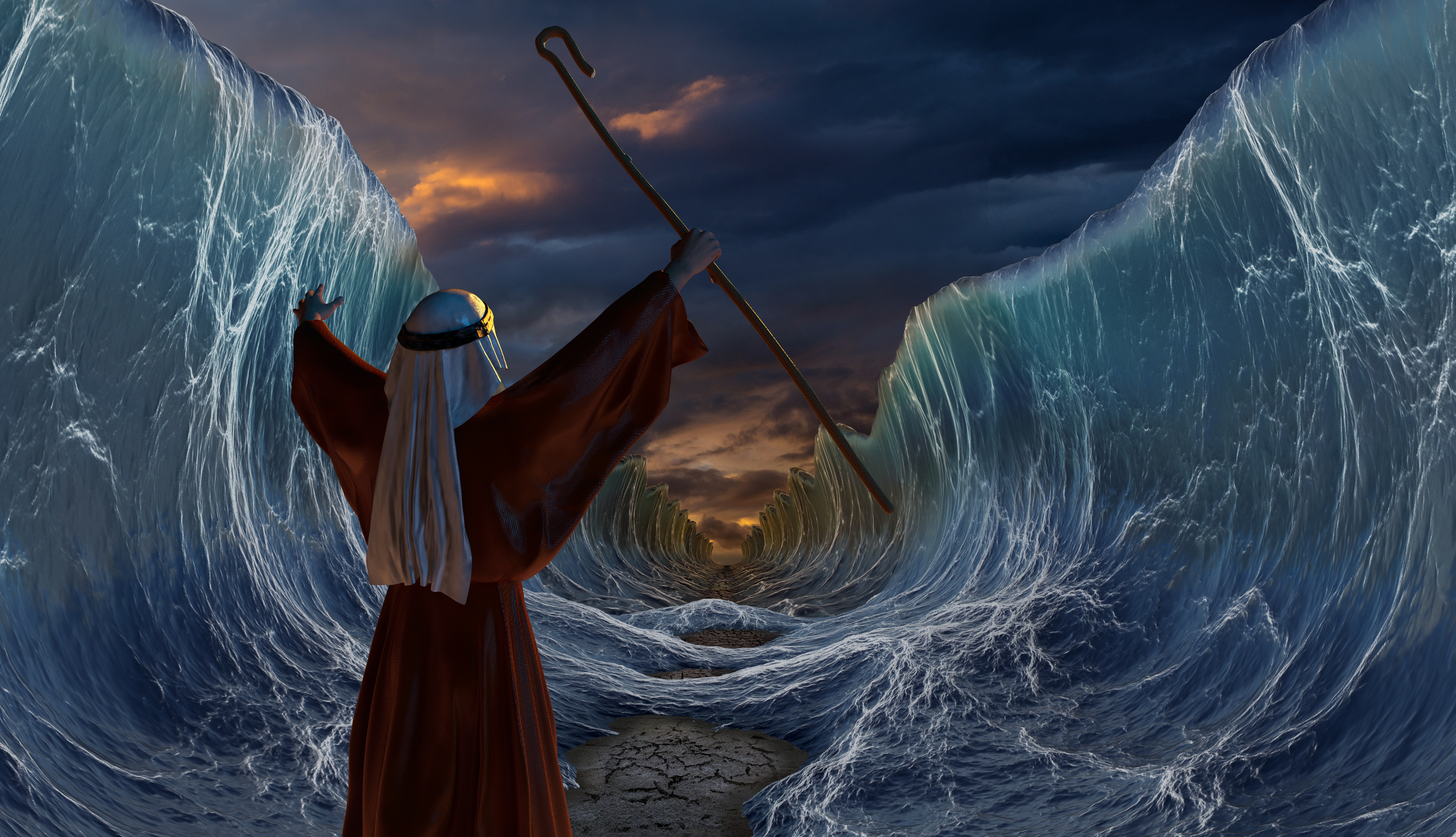
The concept of the Messianic Age in Hebraic thought involves an understanding of the first and final redemptions, which are two separate events. The first redemption or first exodus occurred when the Israelites obeyed the Word of Elohim and placed the blood of the lamb on the door posts of their homes resulting in YHVH delivering them out of Egypt. It is understood by redeemed believers that Israel’s exodus from Egypt was prototypical of one’s placing their faith in Yeshua (the Lamb of Elohim) who redeems them from sin’s death grip through his shed blood at the cross, and then leads them out of their spiritual Egypt of sin and worldliness toward the promised land of a new spiritual life in Messiah Yeshua.

By contrast, the final redemption or second exodus is a series of events that will occur at the end of the age prior to the return of Messiah Yeshua at the beginning of the Messianic Age (or Millennium).

For those who have placed saving faith in Yeshua the Messiah, at the final redemption, the redeemed believers will receive their spiritual or glorified bodies at the resurrection of the dead, which occurs at the second coming of Yeshua. After that, they will rule and reign with Yeshua for a thousand years during the Messianic Age.

Now let’s explore some of the biblical prophecies that pertain to the second exodus. This will yield us more clues as to the timing of the return of Ephraim to the land of Israel.

Isaiah 11:10–12:6

Although consisting of two chapters, this passage of the Scriptures is part of the same prophecy and speaks about the coming of Messiah, and the regathering of the outcasts of Israel from the nations to which they have been scattered. Below is a list of the salient points that pertain to the second exodus along with my commentary.

11:10, The root of Jesse (the Messiah) will be an ensign or banner to the Gentiles of the nations. We know that Yeshua was that root of Jesse who commanded his followers to preach the gospel to the Gentile world. The gospel has gone to the entire Gentile world only in the 20th century via the means of modern travel and mass communications.

11:11, Here, the prophet seems to be talking about another group of people — a remnant of his people (the outcasts of Israel, verse 12) as opposed to the larger group of Gentile believers from among the nations (who have heard the gospel message) referred to in verse 10. YHVH will recover his people ­— the remnant of Israel — the second time (i.e. the second exodus) from all lands including the islands of the sea (North and South America, England, Australia, Japan, etc.).

11:12, YHVH will set up an ensign or banner for the nations and shall assemble the outcasts of Israel and the dispersed of Judah. Yeshua is that banner. Even though Yeshua is the ensign for the Gentiles of the nations and for the remnant outcast of Israel who are scattered among the nations, only the outcasts of Israel will be regathered along with the dispersed of Judah.

Continue reading →
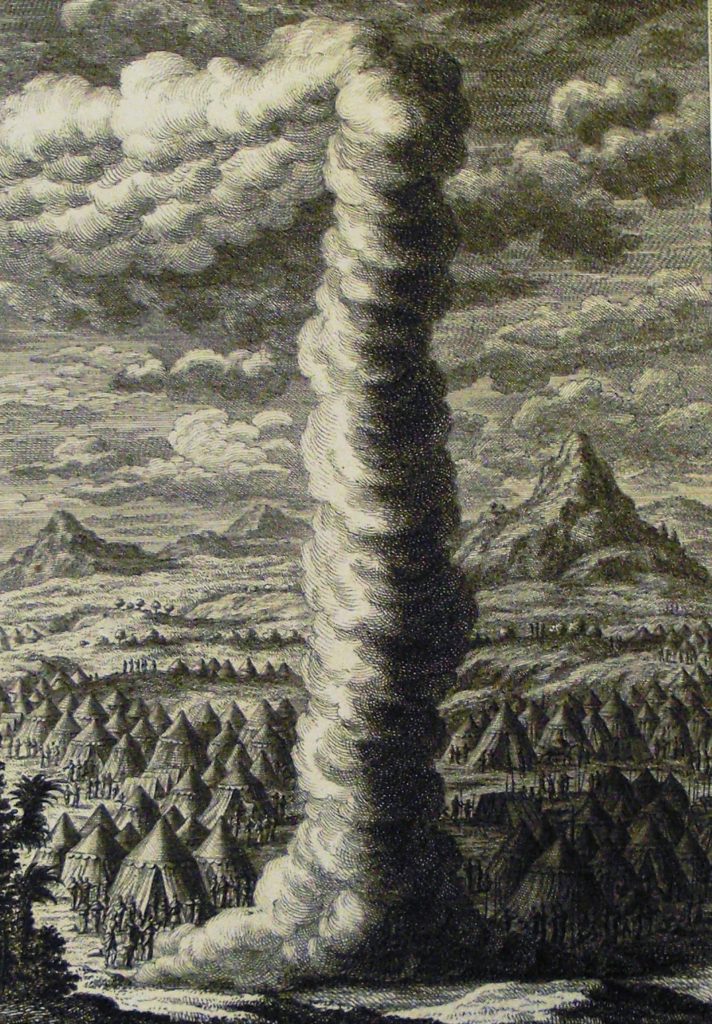
 

How does Elohim lead his people?

Exodus 13:18, 21, But Elohim led the people…and YHVH went before them…to lead the way. What are some other ways by which YHVH leads or speaks to his people?

  • Through his Word (Ps 119:105).
  • By his Set-Apart Spirit who leads us to into all truth (John 16:12).
  • Through his divinely appointed leaders (Eph 4:11–16).
  • By directing the steps (through life’s circumstances) of a righteous man (Ps 37:23–24; Prov 16:9).
  • By directing the hearts of men (Prov 21:1).
  • Through prophetic words (Num 12:6).
  • Through dreams and visions (Num 12:6).
  • Through wise counselors (Prov 24:6).
  • Through Divine Messengers from heaven (e.g. Judg 6:11–14; 13:3).
 

Turn on the light and pass the salt, please

Luke 14:1, House of one of the rulers. Yeshua was invited to a Sabbath meal at the home of a Pharisee who was a ruler (likely a wealthy member of the Sanhedrin). Had Yeshua been a typical man, he would have engaged in the customary small talk of a polite and gracious dinner guest not wanting to offend his host. Yet Yeshua was not there to schmooze—to curry anyone’s favor in an effort to gain personal influence. As he required his own disciples to maintain a salty or spicy demeanor at all times (Matt 5:13; Luke 14:34–35), he was definitely up to the task to lead his disciples by example. The following discussion that Yeshua initiates is what some may consider to be a prime example of how to insult one’s host and the other guests. 

First Yeshua confronts a controversial issue head on by asking a question, and then by healing one of the other invited guests on the Sabbath, which was a Pharisaical taboo, though not contrary to the Scriptures (Luke 14:2–6). 

Next, Yeshua takes some of the guests to task who were prideful social elites and religious status-seekers. He challenges them to humbles themselves and let Elohim exalt them in the eyes of men (Luke 14:7–14). 

Yeshua then raises the discussion around the table to a higher level when he tells the Parable of the Great Supper (Luke 14:15–24). Doubtless, a few of the guests were made to feel awkward, since they likely resembled some of the characters in Yeshua’s story. 

Continue reading →
 

NathanTalks #1—My Miraculous Healing: Crippled to Walking & Praising Elohim

In 1987, Nathan fell about 30 feet out of a tree and shattered his ankle bones. After two bone grafts, he was still crippled with a broken ankle three years later. In 1990, his surgeon scheduled a third bone graft. Nathan refused and walked out of the doctor’s office, putting his faith in Yeshua to heal him. Three months later was standing on top of Mount Saint Helens. Divine healing is real. If Nathan was healed miraculously, you can be too! Listen to this talk and be inspired.


Blog Scripture Readings for 2-2 Through 2-8-2020

Aside

Parashat Beshalach — Exodus 13:17 – 17:16
Haftarah — Judges 4:4 – 5:31
Prophets — 1 Kings 6:1 – 12:33
Writings — Psalms 108:1 – 116:19
Testimony — Luke 14:1 – 18:17

Our new annual Scripture Reading Schedule for 2019-2020 with daily readings is available to download and print. If you are still working through 2018-2019’s Scripture Reading Schedule, the link will still be available on the right sidebar under “Helpful Links”. If you are using a mobile device or tablet, the link may be below, meaning you’ll need to scroll down instead.

Most of this week’s blog discussion points will be on these passages. If you have general comments or questions on the weekly Scripture readings not addressed in a blog post, here’s a place for you to post those. Just use the “leave a reply” link or the “share your thoughts” box below.

The full “Read Through The Scriptures In A Year” schedule, broken down by each day, can be found on the right sidebar under “Helpful Links.” There are 4 sections of scripture to read each day: one each from the Torah, the Prophets, the Writings, and from the Testimony of Yeshua. Each week, the Torah and haftarah readings will follow the traditional one-year reading cycle.

Weekly Blog Scripture Readings for 2/2 through 2/8/2020.


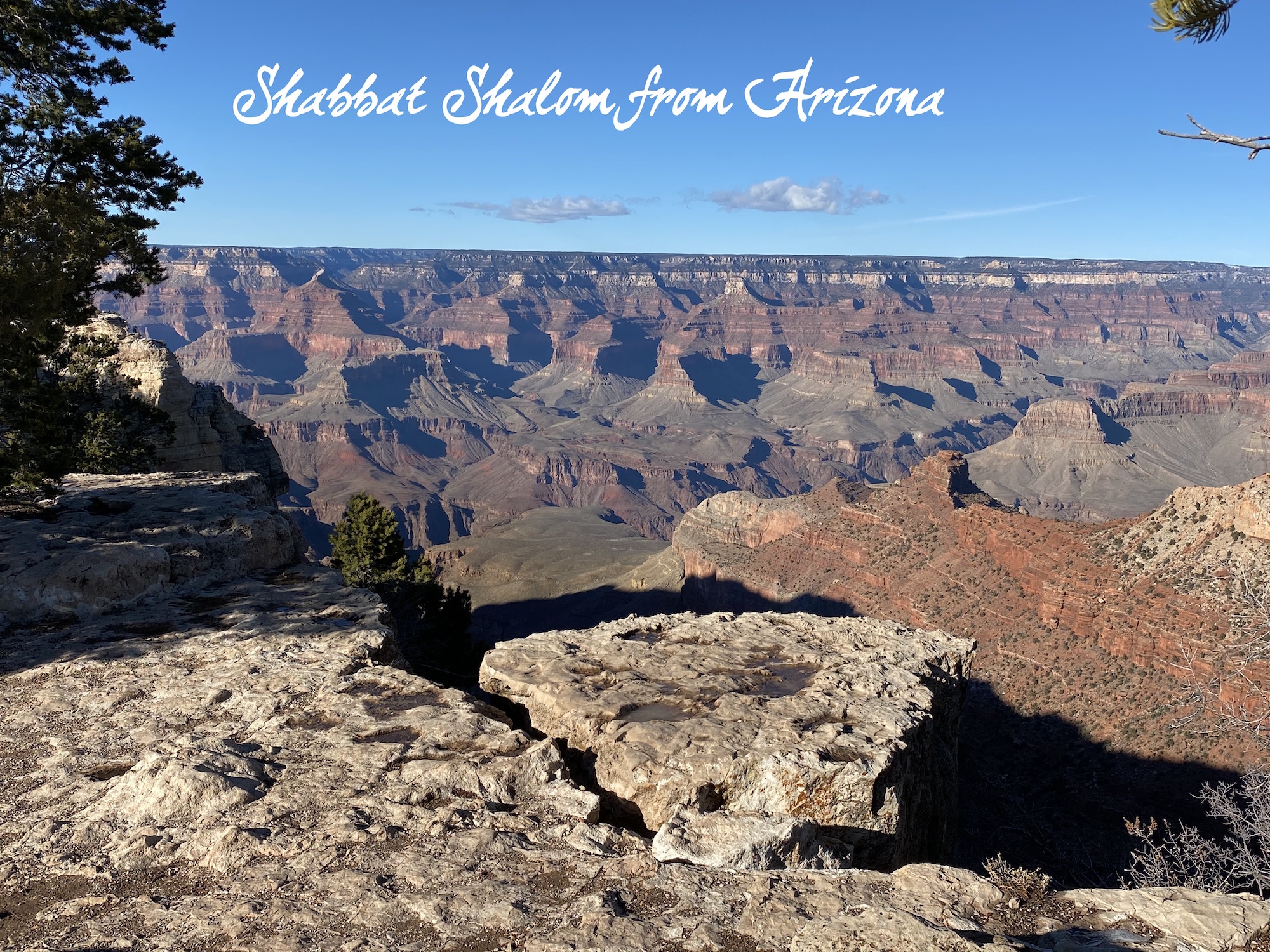
Shabbat Shalom from Arizona, USA!

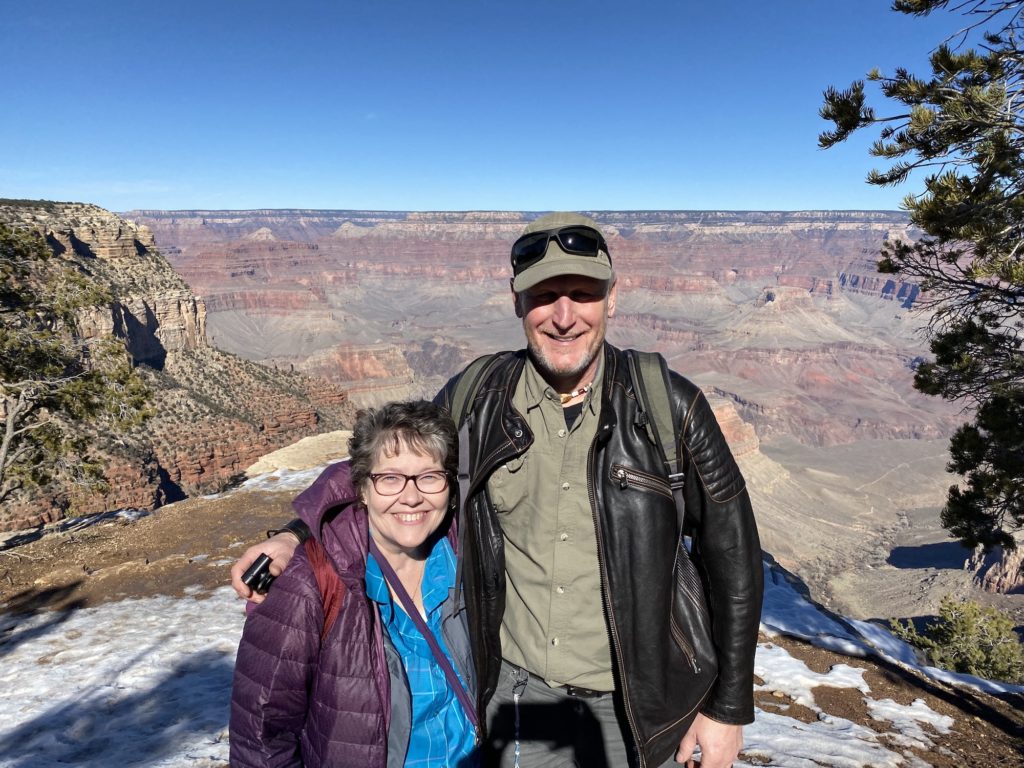
Actually, Sandi and I were in sunny Arizona last Shabbat, and we’re back in rainy Oregon this Shabbat, but oh well, who cares anyway, right?

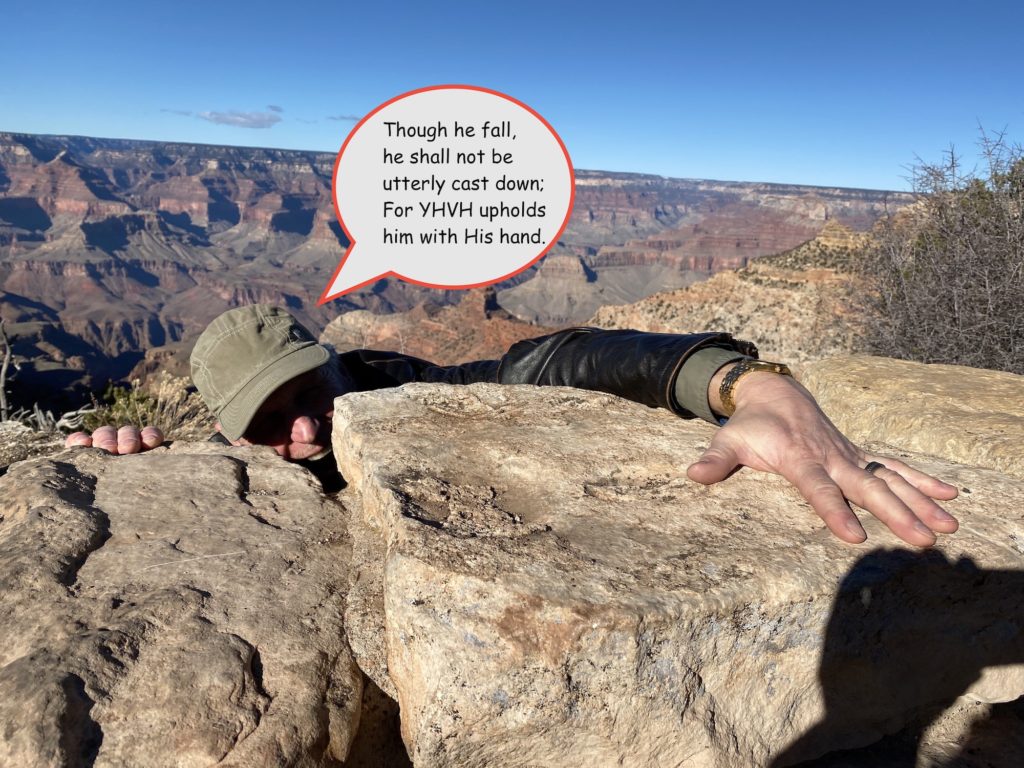
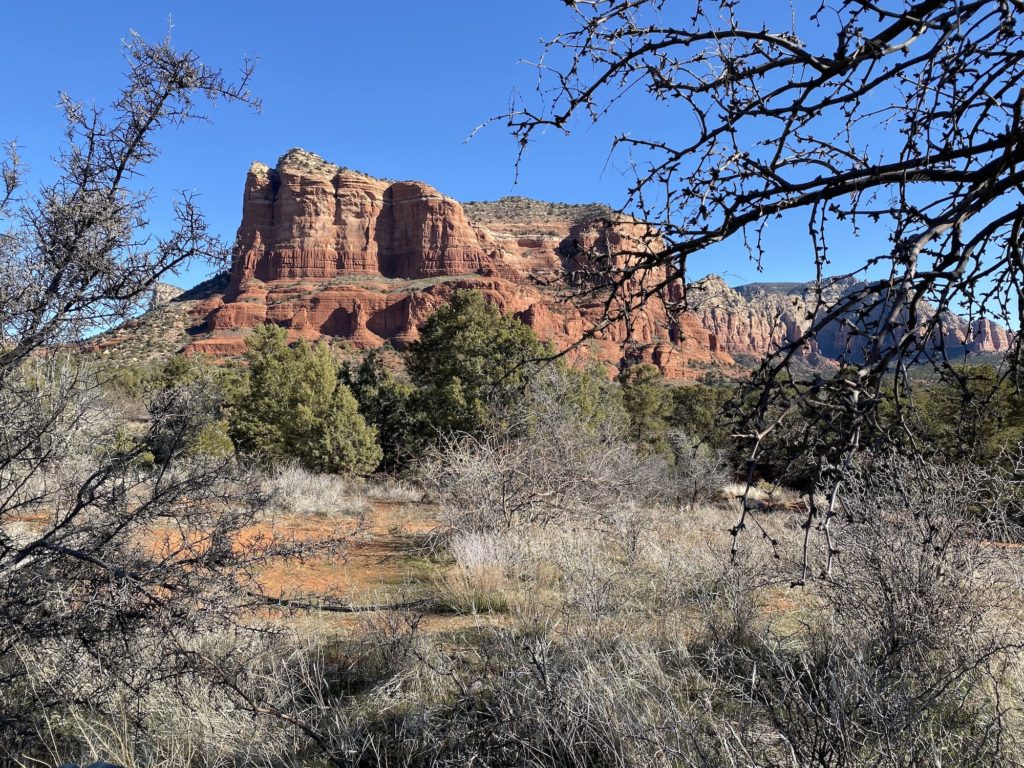
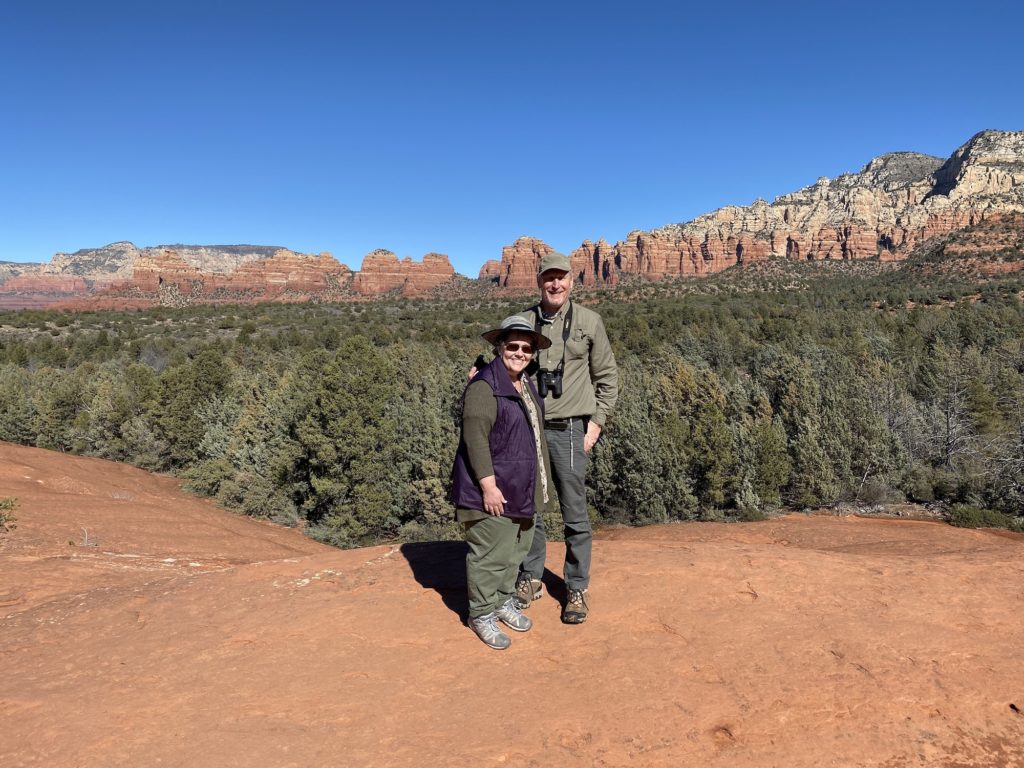
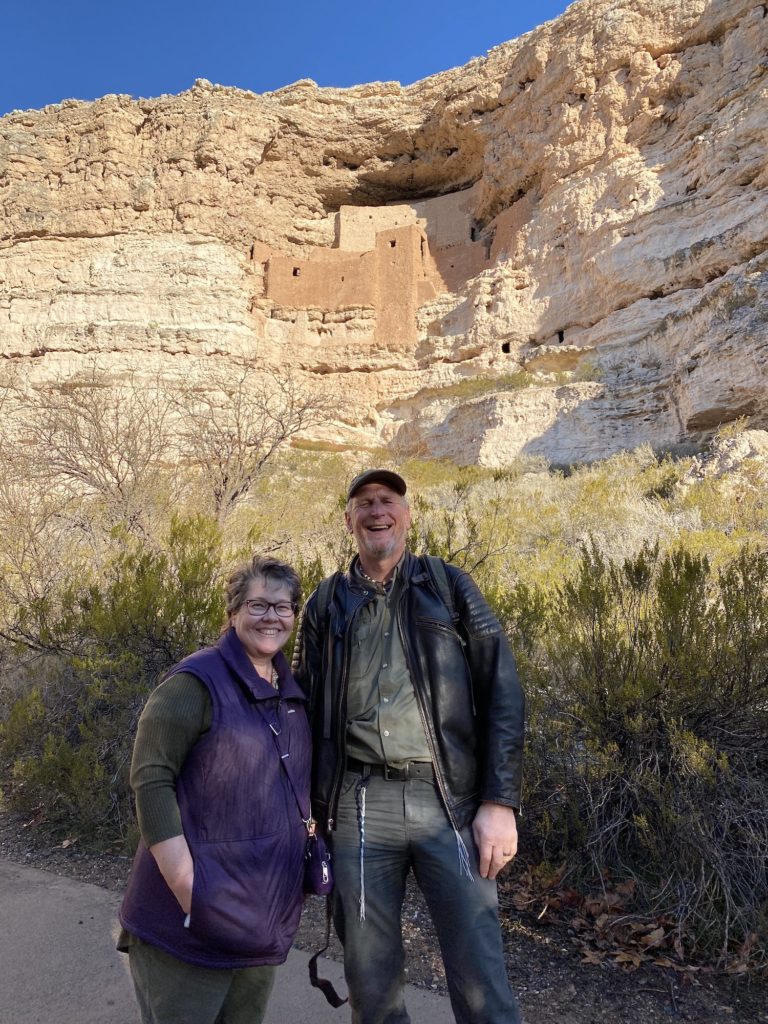
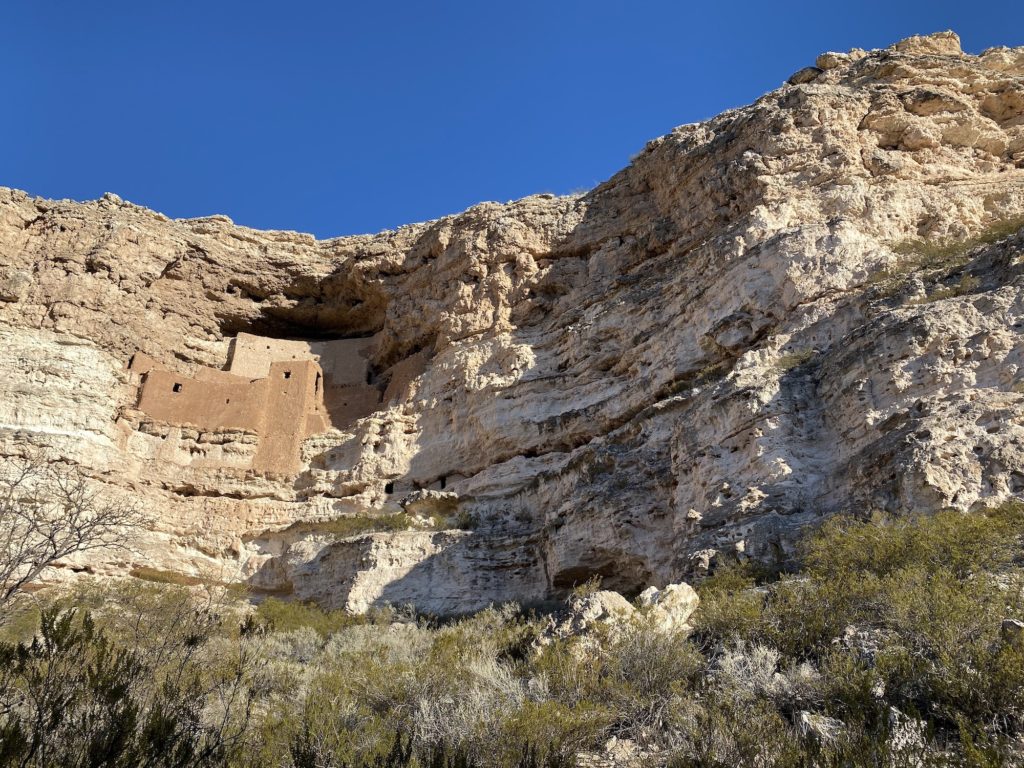
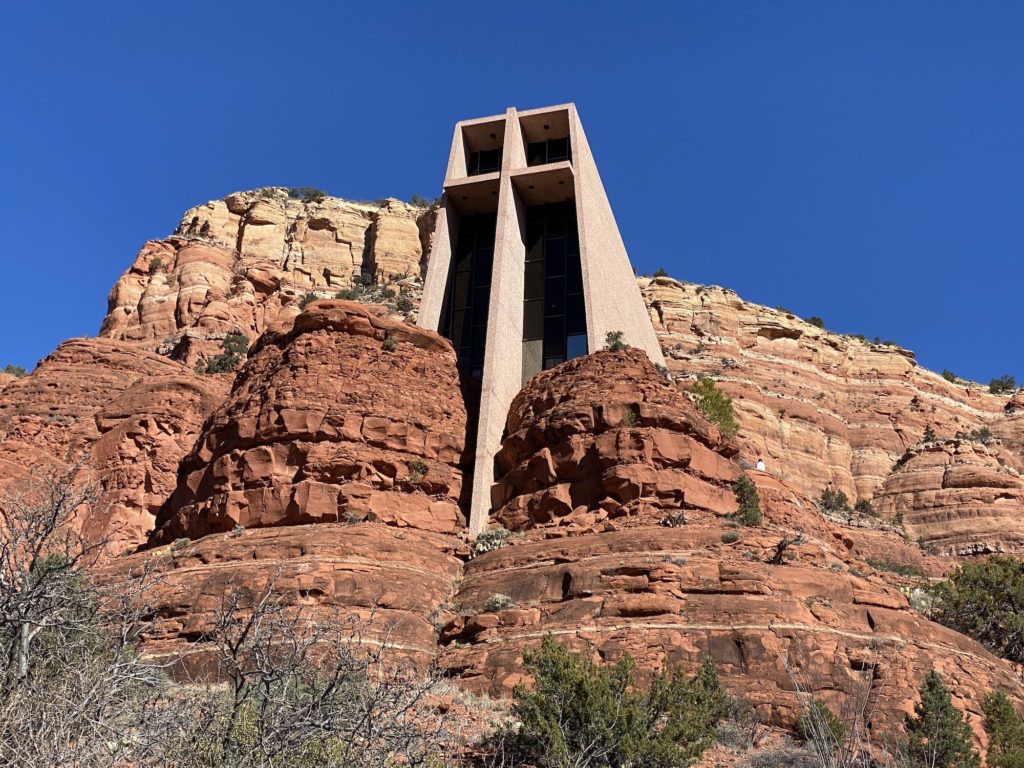
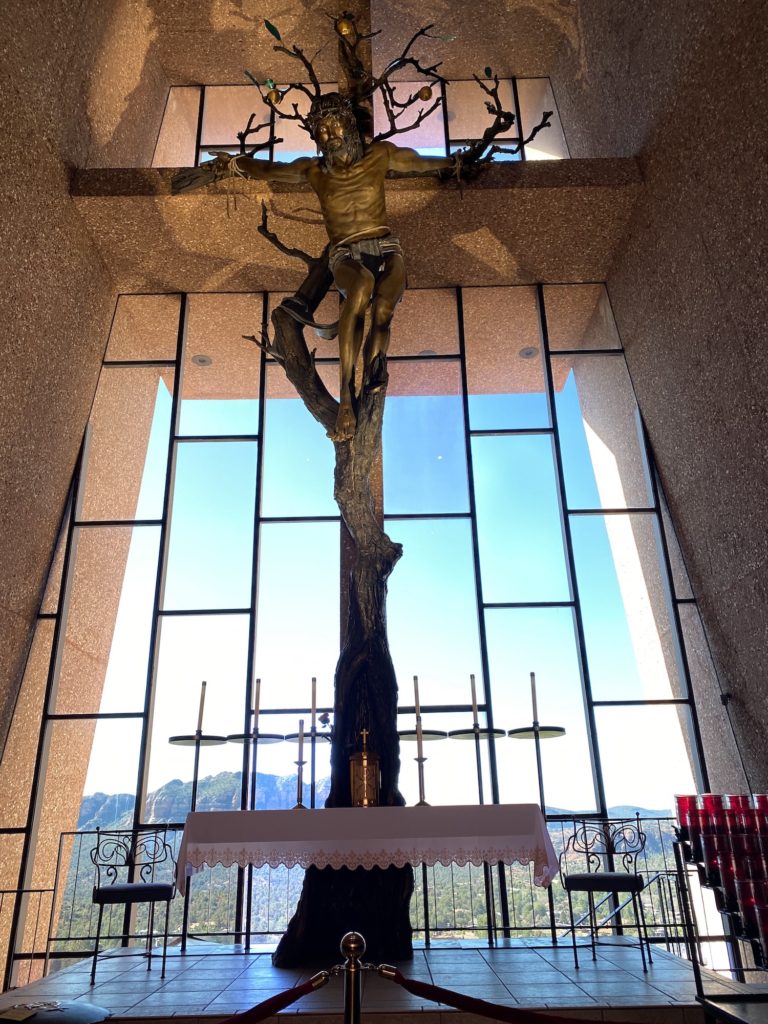
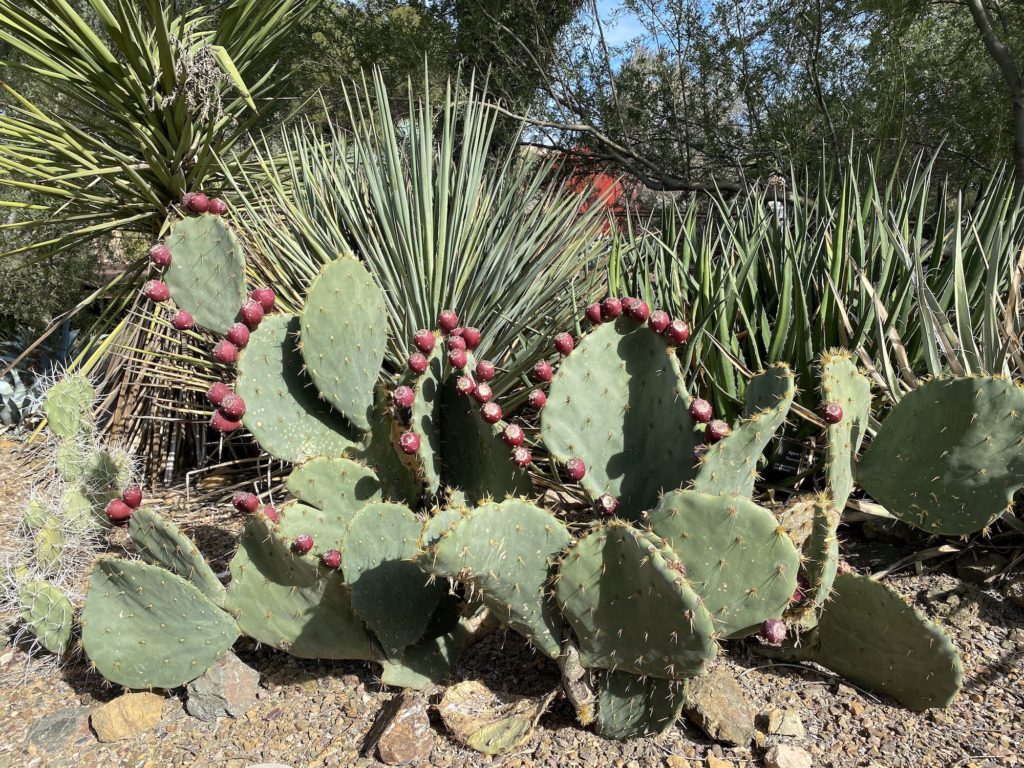
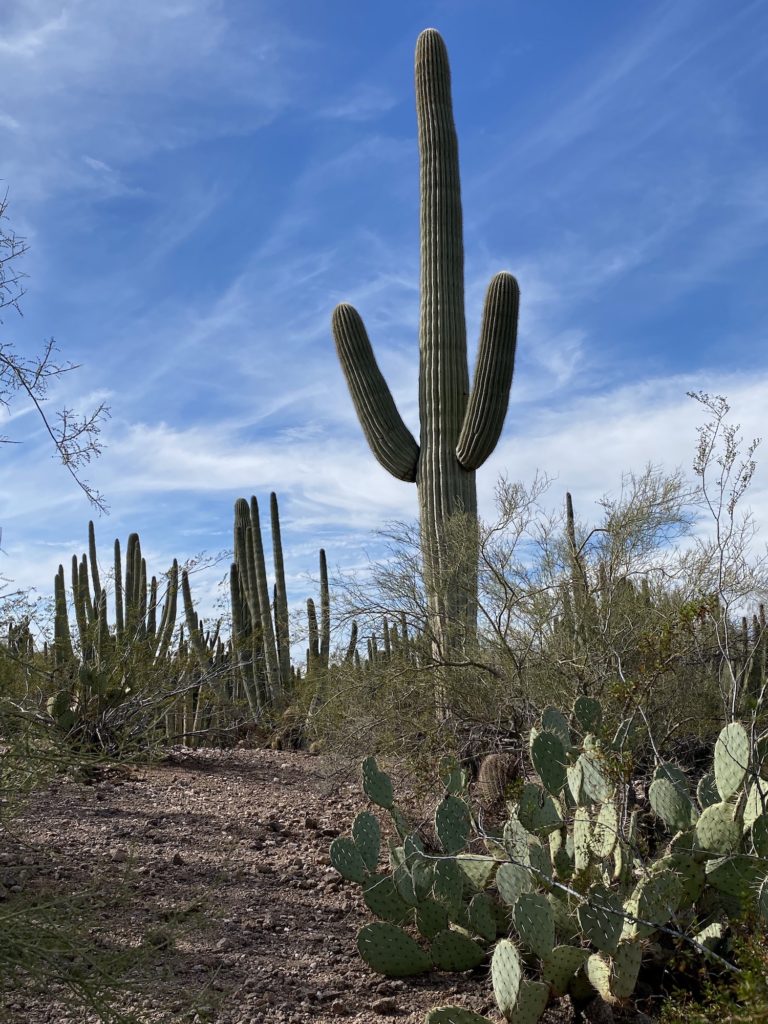
So are you as sick of hearing about impeachment, coronavirus, Democrat, Republican, LGBTQXYZYUCK, gay pride, terrorism, climate change, etc. and ad nauseum as I am? Well, if you are, then wash your brains out with some pics of astounding scenery from America’s forty-eighth state. This was Sandi’s first trip to AZ and my second (it was decades ago and I barely saw anything then). We were captivated and enraptured by Arizona’s unique beauty and we fell in love with the desert—at least in winter time. Not sure we’d feel the same when it’s 110 F (43 C) for months during the summer!

Please enjoy these photos on this Shabbat and remember that while the world is falling apart all around us (as Scripture predicted it would just prior to the second coming), we can find great solace in Elohim’s creation, which in every way points to him and to the fact the he is still the Sovereign King of the universe, and all of his laws that govern his creation are in force despite the silly and puny machinations of humans, who hate and resist the Creator of Just Judge or the universe!

The Grand Canyon
The red rock country of Sedona, Arizona
Montezuma’s Castle near Sedona
Church of the Holy Cross, Sedona
Prickly pear cactus

Saguaro cactus
 

When does a biblical month and new year start and why is it important for YOU to know?

Why is it important to know when the biblical month and new year start? Because as more people are leaving the non-biblical traditions of man that they have been taught in their churches (including the non-biblical Christian holidays) and return to the truths of the Bible (including the biblical holidays), they need to know when to celebrate YHVH’s appointed times or feasts. This means that one needs to have a basic understanding of the biblical calendar, which is different from the world’s calendar in use today. The article below (along with other articles that I’ve written on the subject which you can find at https://www.hoshanarabbah.org/teaching.html#feast) will help to explain this.

Exodus 12:2, Month. It is the Hebrew word chodesh (Strong’s H2320/TWOT 613b) meaning “the new moon, month, monthly, the first day of the month, the lunar month.” It is found in the Tanakh (Old Testament) 276 times and is translated in the King James Version as “month” 254 times, “new moon” (20 times), and “monthly” (1 time). We see that from these definitions that the terms “month” and “new moon” are synonymous. It has been understood for millennia that ancient Israelites began their month with the new moon.

Why was it important for the Israelites to know when the new moon occurred and when the month began? The dates of the annual biblical festivals that YHVH gave to Israel and instructed them to observe were determined based on when the new moon occurred (Lev 23:5, 6, 24, 27, 34).

The next question to answer is this: when does the biblical month begin? As we noted above, for modern astronomers the term “new moon” means something different than it did to the ancients, including those who YHVH inspired to write the Bible. Ancient calendars were determined by the moon, while modern ones are not. Some biblical expositors teach that the new moon begins when the moon is in conjunction or in line with the earth and the sun and is in its dark phase. Others believe that the month begins just after the moon has moved out of its dark phase and begins to show a sliver of light, which is called the visible or crescent new moon. Who is right?

Some Bible teachers claim that there is no place in the Scriptures that specifically states that the new moon begins at the first visible sliver after being dark for several days. Therefore, they reason, it is an assumption to say that it does (even though, as we will see below, this was the understanding of the ancient Israelites), and therefore, the new moon should be determined from its conjunction with the earth and sun while it is in its dark phase. While on the surface, this may seem like a valid argument, one important verse in the Scriptures, however, and some simple logic quickly disproves this notion. It is Genesis 1:14.

And Elohim said, “Let there be lights in the firmament of the heaven to divide the day from the night; and let them be for signs, and for seasons [moedim/biblical festivals], and for days, and years.”

In this verse we see that the sun and the moon are “signs” for seasons, days and years. The word “sign” is the ­Hebrew word owt (Strong’s H226; TWOT 41a) meaning “sign, signal, mark, token, emblem, signboard, standard.” In the Tanakh, owt describes such visible (not invisible) signs as Noah’s rainbow (Gen 9:12–13, 17), Cain’s mark (Gen 4:15), circumcision (Gen 17:11), and the Sabbath (Exod 31:13, 17; Ezek 20:12). In addition, owt is used some 80 times in the Tanakh to refer to miraculous signs. These include the plagues of Egypt (Exod 7:3; Deut 4:34, etc.), the sign of the virgin birth of the Messiah (Isa 7:11, 14); YHVH miraculous signs to Gideon (Judg 6:17) and King Hezekiah (2 Kgs 20:9; Isa 38:7). In addition, Aaron’s rod that budded was a sign or token (Num 17:25). Many more examples could be given.

Continue reading →