Yom Kippur 2017— Opening the Treasure Chest! (Pt. 1)


The Gospel Proclaimed in Leviticus 23:27–32

By Ya’acov Natan Lawrence
Hoshana Rabbah Biblical Discipleship Resources
www.hoshanarabbah.org

Let’s explore Leviticus 23:27–32 where we find the command to observe the Day of Atonement (Heb. Yom Kippur) to see what surprising nuggets we can find here. In the simplicity of this text, we will discover outlined the entire gospel message of salvation prophetically foreshadowed some 1500 years before the birth and death of Yeshua the Messiah.

The text of Leviticus 23:27–32 is highlighted in bold with explanations following.

27 Also the tenth day of this seventh month shall be the Day of Atonement [Heb. kippur]. 

This day is about atoning, reconciliation and purging, which is the meaning of kippur. Purging who of what? We’ll soon find out.

It shall be a holy convocation for you;

Yom Kippur is a commanded assembly or a sacred convocation for YHVH’s people. It was made holy not by men, but by the Creator of the universe. Men can’t make anything holy, for men aren’t holy. Only the Holy (Heb. Kadosh) One of Israel can do this. The Day of Atonement is also a divine appointment (Heb. moed, Lev 23:2) as determined by the YHVH Elohim. It is a time when the Creator demands to meet with his people. Humans who miss it defy the Creator’s commands.

…you shall afflict your souls,

Afflict is the Hebrew word anah meaning “to oppress with the idea of humility or meekness in mind coupled with the idea of a suffering life rather than with one of worldly happiness and abundance” (The Theological Wordbook of the Old Testament, vol. 2, p. 682).

First, what is your soul? It is who you are. It is what makes you unique. It is your personality, your emotional makeup, your mental abilities and your willpower. Your soul determines what you say, do and think. Yeshua called it the heart of man (Matt 12:35; 15:19). It is attached to and in charge of the human body.  It tells the body what to do, saw and think. The soul is the source of sin in the human (Ezek 18:4).

Why does YHVH command his people to afflict their souls (i.e. to go one day without food and water) on Yom Kippur?

The reason for this is that the soul must be put down, or sublimated and brought under the control of the Word and Spirit of Elohim if man is to have a spiritual relationship with the Creator, which can eventually result in man receiving eternal life and membership into his heavenly kingdom. Yeshua taught his disciples that “he who finds his life will lose it, and he who loses his life for [Yeshua’s] sake will find it” (Matt 10:39), and that “whoever desires to save his life will lose it, but whoever loses his life for [Yeshua’s] sake will find it” (Matt 16:25). The sinful soul (the mind, will and emotions) of men is what prevents man Continue reading


Yom Kippur—Past, Present and Future

Yom Kippur—The Historical Roots of Our Faith,
Present Relevance for believers & Prophetic End Time Implications

Ya’acov Natan Lawrence
Hoshana Rabbah Biblical Discipleship Resources, Portland, OR

Introduction

Yom Kippur is a day of contradictions and contrasts: Joy and sorrow. Rewards for the righteous and judgments for the wicked rebels. Joy for the righteous when Satan and his demons, death and Babylon are destroyed by the King of kings.

On this day the high priest of ancient Israel went into the holy of holies of the Tabernacle of Moses (and later the temple in Jerusalem). There he sprinkled blood on the mercy seat (Heb. kapporet) and the ground seven times. Atonement was made for the high priest himself, his family as well as for all Israel. On this day the sanctuary, tabernacle, the priesthood and the all Israelites were cleansed. It represented corporate or community cleansing and entering into a deeper and more intimate relationship with YHVH.

The Passover and Day of Atonement are related though different:

Pesach (Passover) is the time of the sacrifice or atonement for personal sin—initial repentance from sins committed before being born again.

Yom Kippur (Day of Atonement) is the time of the atonement or covering of the individual’s as well as the corporate sins of Israel committed in ignorance (Heb 9:27) during the past year. On-going repentance is needed by the individual believer as well as the community of believers in order to stay in right-standing (called righteousness) before YHVH (1 John 1:9).

It is important to note that the shedding of innocent blood for the remission of sins is a central theme to both the Passover and the Day of Atonement (Yom Kippur) events. The question may rightly be asked, if one is saved by the blood of the Lamb (Yeshua) when he was sacrificed on Passover what need is there of further shedding of blood for the remission of our sins on atonement? After all, Yeshua died once and for all (as the writer of Hebrews notes in 10:10) and why does the redeemed believer need to revisit the idea of atonement and blood sacrifice all over again at Yom Kippur?

When speaking of Yeshua sanctifying or making the unsaved sinner righteous through the offering of his body once and for all at the time of one’s conversion (Heb 10:10), the writer of Hebrews is speaking of Passover, which is symbolized by the red heifer altar that was outside the door of the tabernacle (Heb 13:10–13). This altar pointed to the cross upon which Yeshua shed his blood. As one had to be cleansed at the altar of the red heifer from the defilement of death before entering into the tabernacle, so we now we can’t come into the divine presence of Elohim except first coming by way of the cross. The Tabernacle of Moses was a spiritual picture of coming into such a spiritual relationship.

The priests of old came into the tabernacle’s outer courtyard by way of the red heifer altar, but they didn’t stop there. After following the correct protocols, they could continue into the tabernacle itself — a spiritual picture of coming into an intimate relationship with YHVH. Similarly, the newly redeemed believer upon first visiting the cross of Yeshua in his spiritual journey upward shouldn’t stops at this point growing in intimacy with his Creator. From the outer court of the tabernacle one is invited to enter into the holy place and eventually into the inner most part of the tabernacle, the holy of holies where the very Presence of YHVH abides. This represents the throne room of YHVH in heaven, to which the redeemed now have access by way of the blood of Yeshua.

The writer of Hebrews encourages believers not just to stay in the outer courtyard where Continue reading


Some Insights on the Azazel Goat Ritual of Leviticus 16

Yom Kippur, the Day of Atonement will be next Sunday, (Oct 1). Here is my response to a question a YouTube viewer asked me about  the scapegoat (azazel goat) ritual of Leviticus 16.   Natan

Understanding the Yom Kippur Rituals. Understanding and interpreting the rituals of Lev 16 can be perplexing and complicated task. This is because often encrypted in certain scriptural passages the deep and open-minded Bible student will find multiple levels of meaning and prophetic fulfillments. The serious biblical researcher understands this and is not put off by any seeming discrepancies between a surface or literal fulfillment of a scripture vis-à-vis its prophetic fulfillment. An example of this would be the virgin and child prophecy of Isa 7. There was both a historical or immediate fulfillment of this prophecy and a future one relating to the coming Messiah.

Moreover, we must keep something else in mind when dealing with biblical passages that are difficult to understand because they contain figurative language of a prophetic nature that often employ typologies )(types and shadows). By definition, a type is a person or thing that represents someone or something else. When dealing with prophetic types in Scripture, the type never perfectly mirrors that to which it is prophetically pointing. The type is merely a shadow of what is to come (Col 2:17; Heb 10:1; 8:5), and therefore it is neither a perfect representation of the reality nor its there a perfect one-to-one correlation between the two. However, there are enough similarities to deduce a correlation between the two, even as a shadow is the shape and outline of the image it represents, but it doesn’t contain all the details of it.

Having laid these things out, it is the opinion of many biblical scholars including Alfred Edersheim that the Yom Kippur ceremonies of Lev 16 were completely fulfilled by Yeshua at his first coming. Alfred Edersheim, the Jewish 19th century rabbinic Jewish scholar turned Christian scholar and educator, lays this out quite nicely in his book “The Temple and Its Ministry” in his chapter on Yom Kippur.

There can be no doubt, as Edersheim asserts, and I agree, that Yeshua perfectly fulfilled the Yom Kippur rituals at his first coming with regard to his atoning for man’s sin. The writer of the Epistle to the Hebrews, more importantly, is clear on this as well. There is no more redemptive work that he needs to done. Yeshua was the perfect sacrifice once and for all. Period. As such, at Yeshua’s second coming, he will not need to perform any further redemptive work. So, for example, the high priest coming out of the sanctuary on Yom Kippur in Lev 16 before dealing with the azazel goat can have no bearing on redemption whatsoever, or else the writer of Hebrews lies when he says that Yeshua’s work of atoning for sin was complete.

However, when Yeshua comes back, he will come as the righteous Judge. Indeed the Testimony of Yeshua (New Testament) tells us that Yeshua judged Satan at the cross, but additionally, when Yeshua returns, he will enforce that judgment. Satan will be cast into the abyss and eventually into the lake of fire along with his rebellious comrades both spirit and mortal beings.

Furthermore, there is something else to consider with regard to the scapegoat ritual that may have prophetic implications relating to the second coming of Yeshua. It just so happens that there are a number of ancient Jewish apocryphal writings including 1 Enoch that tell us that the name of the angel that led the pre-flood rebellion of angelic beings, who then defiled humanity and introduced all kinds of evil into the world as per Gen 6:2–4 necessitating Elohim to destroy that world and its evil inhabitants in the flood was Azazel. Some scholars, such as Dr. Michael S. Heiser and others affirm that the reason that the scapegoat’s name in Lev 16 was Azazel was that Yeshua came not only to redeem man from the sin at the fall in Eden, but from the sin introduced by Azazel and his evil cohorts in the pre-flood world. It’s an intriguing idea that had a lot of currency in second temple Jewish literature and even among the apostolic writers. Heiser documents this pretty well from biblical and extra-biblical sources in his book entitled “Reversing Hermon,” which I highly recommend. So, to put a finer point on this issue, when Yeshua returns, he will pronounce judgment not only on Satan but on Azazel et al as well along on their nephilim offspring, who so villainously corrupted the world with all sorts of evil under which humanity has been suffering ever since. Therefore, Yom Kippur eschatologically, in part, is about final judgment of this age that Yeshua will impose on Satan and his spirit and human minions.

It is also interesting to note that the second temple Jews had the non-biblical tradition of leading the azazel goat out of the temple, through the eastern gate, across the bridge over the Kidron Valley, over the Mount of Olives and into the Judean wilderness on the other side to the east, where the goat was then pushed over a cliff and fell to its death. The Jews may have had some prophetic inkling here. When Yeshua returns, we read in the Book of Revelation that he will cast Satan into the bottomless pit. In a sense, Azazel represents Satan, thought not primarily, since Lev 16 says that the azazel goat made atonement for the Israelites’ sins—something only Yeshua did, NOT Satan. However, Satan brought sin into the world, and Yeshua took that sin on himself to pay the death penalty for our sins, and he became sin of which the serpent in the wilderness (a picture of Satan, the nachash or seprent) was a prophetic picture and to which Yeshua, somewhat surprisingly, likened himself in John 3:14 in his discourse with Nicodemus.

Now let’s add another interesting tidbit about the azazel goat ritual of Lev 16. Originally, the Torah commands that the goat be released into the wilderness, presumably to wander until it starved to death. However, a thousand or more years latter, by the time of the second temple era, the Jews, instead of simply releasing the goat as the Torah prescribes, they pushed it over a cliff where it plunged to its death. What’s going on here? Why the change? In partial answer to this question, Edersheim (ibid.) speculates, and I think correctly so, that the azazel goat was released into the wilderness to teach the Israelites that the sacrificial system of the old or former covenant was insufficient to once and for all deal with the sin issue—something that the writer of the Epistle to the Hebrews makes abundantly clear. In Lev 16 we read that the high priest would confess the sins of the people over the azazel goat before it was led out to the wilderness and released. This illustrated the fact that the sacrificial system under the old covenant didn’t really blot sin out, and only put it aside temporarily until Yeshua the perfect sacrifice, to which all the animal sacrifices pointed, came. However, as already noted, the Jews eventually evolved this ritual, so that the goat was pushed over a cliff. This seems to speak of not only Yeshua’s death on the cross, but also of Satan—the chief perpetrator of sin—being judged at Messiah’s second coming by being bound and cast into the bottomless pit (Rev 20:1–3).


 

Blog Scripture Readings for 9-24 Through 9-30-17

Aside

THIS WEEK’S SCRIPTURE READINGS FOR STUDY AND DISCUSSION:

Parasha — There is no Parasha Reading this week
Haftarah — Isaiah 57:14 – 58:14**
Prophets — Zephaniah 1:1 – 3:20; Haggai 1:1 – 2:23; Zechariah 1:1 – 6:15
Writings — 2 Chronicles 23:1 – 29:36
Testimony — Revelation 9:1 – 15:8

Our full Scripture Reading Schedule for 2016-2017 is available to download and print.

Most of this week’s blog discussion points will be on these passages. If you have general comments or questions on the weekly Scripture readings not addressed in a blog post, here’s a place for you to post those. Just use the “leave a reply” link below.

The full “Read Through The Scriptures In A Year” schedule, broken down by each day, can be found on the right sidebar under “Helpful Links.” There are 4 sections of scripture to read each day. One each from the Torah, the Prophets, the Writings, and from the Testimony of Yeshua. Each week, the Torah and haftarah readings will follow the traditional one-year reading cycle..

** A different Haftarah is read when it is a special sabbath in Jewish tradition. This week it is Yom Kippur on the traditional calendar. Leviticus 16:1-34 & Numbers 29:7-11 is traditionally read as the Torah Portion on Sabbath that falls on Yom Kippur with Isaiah 57:14 – 58:14 for the Haftarah.

Weekly Blog Scripture Readings for 9/24/17 through 9/30/17.


Blog Scripture Readings for 9-17 Through 9-23-17

Aside

THIS WEEK’S SCRIPTURE READINGS FOR STUDY AND DISCUSSION:

Parashat Ha’Azinu — Deuteronomy 32:1–52
Haftarah — Hosea 14:2-10; Micah 7:18-20; Joel 2:15-27**
Prophets — Micah 7:1-20; Nahum 1:1 – 3:19; Habakkuk 1:1 – 3:19
Writings — 2 Chronicles 16:1 – 22:12
Testimony — Revelation 2:1 – 8:13

Our full Scripture Reading Schedule for 2016-2017 is available to download and print.

Most of this week’s blog discussion points will be on these passages. If you have general comments or questions on the weekly Scripture readings not addressed in a blog post, here’s a place for you to post those. Just use the “leave a reply” link below.

The full “Read Through The Scriptures In A Year” schedule, broken down by each day, can be found on the right sidebar under “Helpful Links.” There are 4 sections of scripture to read each day. One each from the Torah, the Prophets, the Writings, and from the Testimony of Yeshua. Each week, the Torah and haftarah readings will follow the traditional one-year reading cycle..

** A different Haftarah is read when it is a special sabbath in Jewish tradition. This week it is Shabbat Shuva (Sabbath of Return) on the traditional calendar. Otherwise, 2 Samuel 22:1 – 22:51 would be read.

Weekly Blog Scripture Readings for 9/17/17 through 9/23/17.


Today’s Sermon Is by the Flowers in Natan’s Garden

Where I live, after an intensely hot summer that began while it was still technically spring, and probably the driest summer in my lifetime, the cold nip of fall is finally in the air. HalleluYah!

With the arrival of the autumn season, we are reminded of the inexorable movement of cycles of the creation that YHVH Elohim, the Creator, set in motion many thousands of years ago. No matter what man does, he cannot stop these cycles. This points to the omnipotence and sovereignty of Elohim, and at the same time illustrates the smallness and weakness of men.

Think about it. The great and proud leaders of the world with all of their political, military, religious and economic power cannot stop the turning of the seasons or the flowers from blooming!  All that they are and pretend to be is merely a superficial facade speaking to the silliness and vanity of humans. The Creator sits in heaven and just laughs at them (Read Psalm 2.) In the big spectrum of things, how can we really take them seriously? YHVH Elohim is still in charge in spite of who they think they are. This fact alone should give us reason for a selah moment. 

As I stroll through my garden, I see the flowers blooming, the grass growing, the nuthatches and chickadees carefully selecting seeds out of the the bird feeder, the squirrels jumping from tree to tree, the robins eyeing and then carefully pulling earthworms out of my well-watered grass, and I hear the wind rustling in the trees overhead. All these cycles of life that YHVH set into motion a long time ago continue as they have and man can do nothing about it. Each is fulfilling its divine purpose and destiny as the Almighty ordained. Each one, like a symphony, plays its part in the orchestra of life as conducted by our Father in heaven, and man is powerless, thankfully, to do anything about it! The only thing that the right-minded person can and should do in response is to stop, reflect and to worship Elohim and take hope that he’s still the one who’s in charge—not men!

With the arrival of fall, the fall flowers celebrate the arrival of YHVH’s fall biblical festivals (the Day of Trumpets/Yom Teruah, the Day of Atonement/Yom Kippur, the Feast of Tabernacles/Sukkot and the Eighth Day/Shemini Atzeret. Are you getting ready to celebrate the fall festivals that prophetically point to the second coming of Yeshua, the resurrection and glorification of the saints, the marriage of the Lamb and the establishment of his millennial kingdom on this earth after having destroyed the Babylon the Great New World Order end times Antichrist system?

Please join my family and I along with the flowers in my garden in rejoicing over the arrival of fall and the autumn biblical feasts!

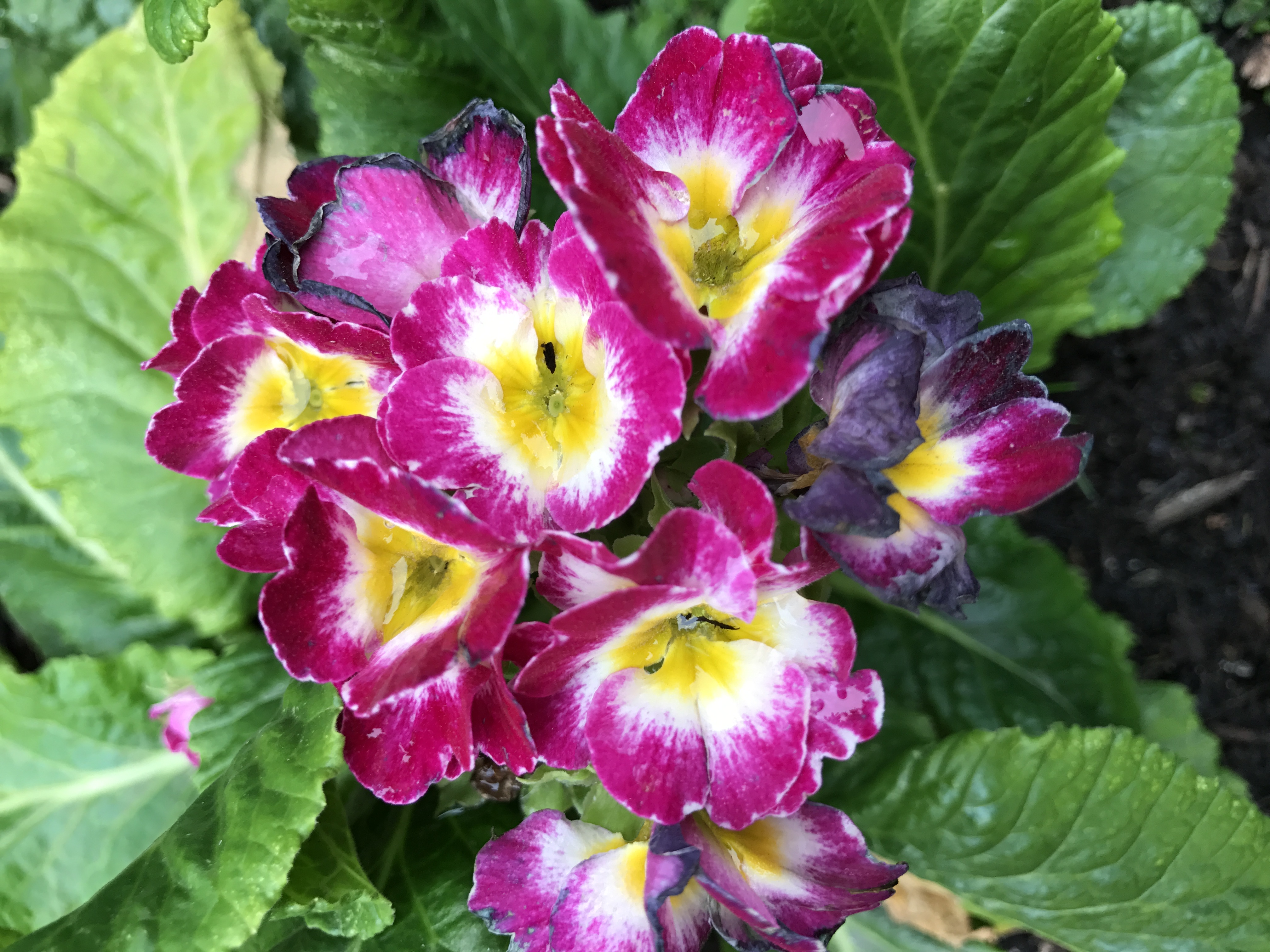
My primroses are finally awaking after quietly sleeping all summer. Yah, help us to awake to you to the joy of your fall feasts after having come through our own long, dry season of spiritually lukewarm sleepiness!

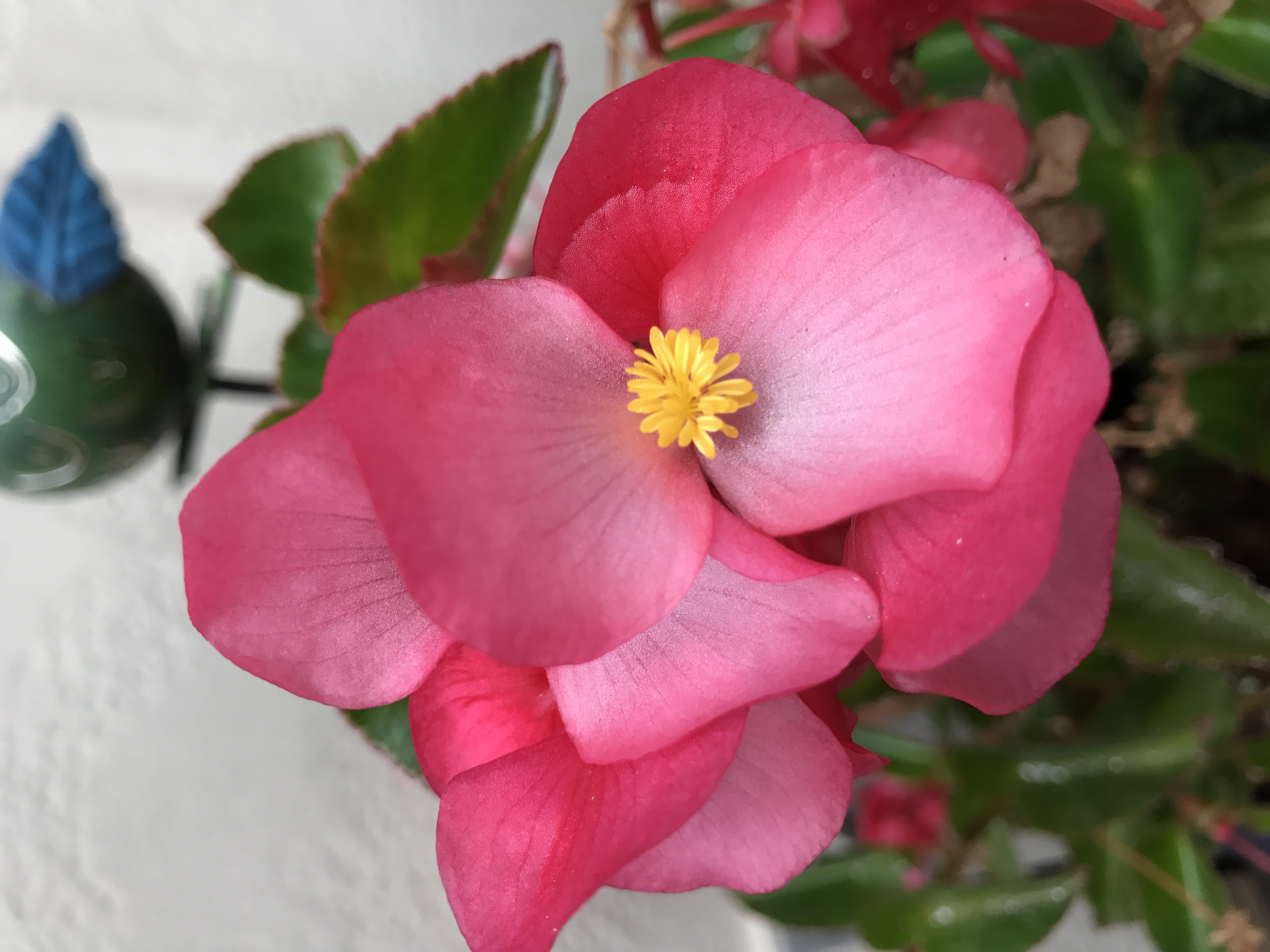
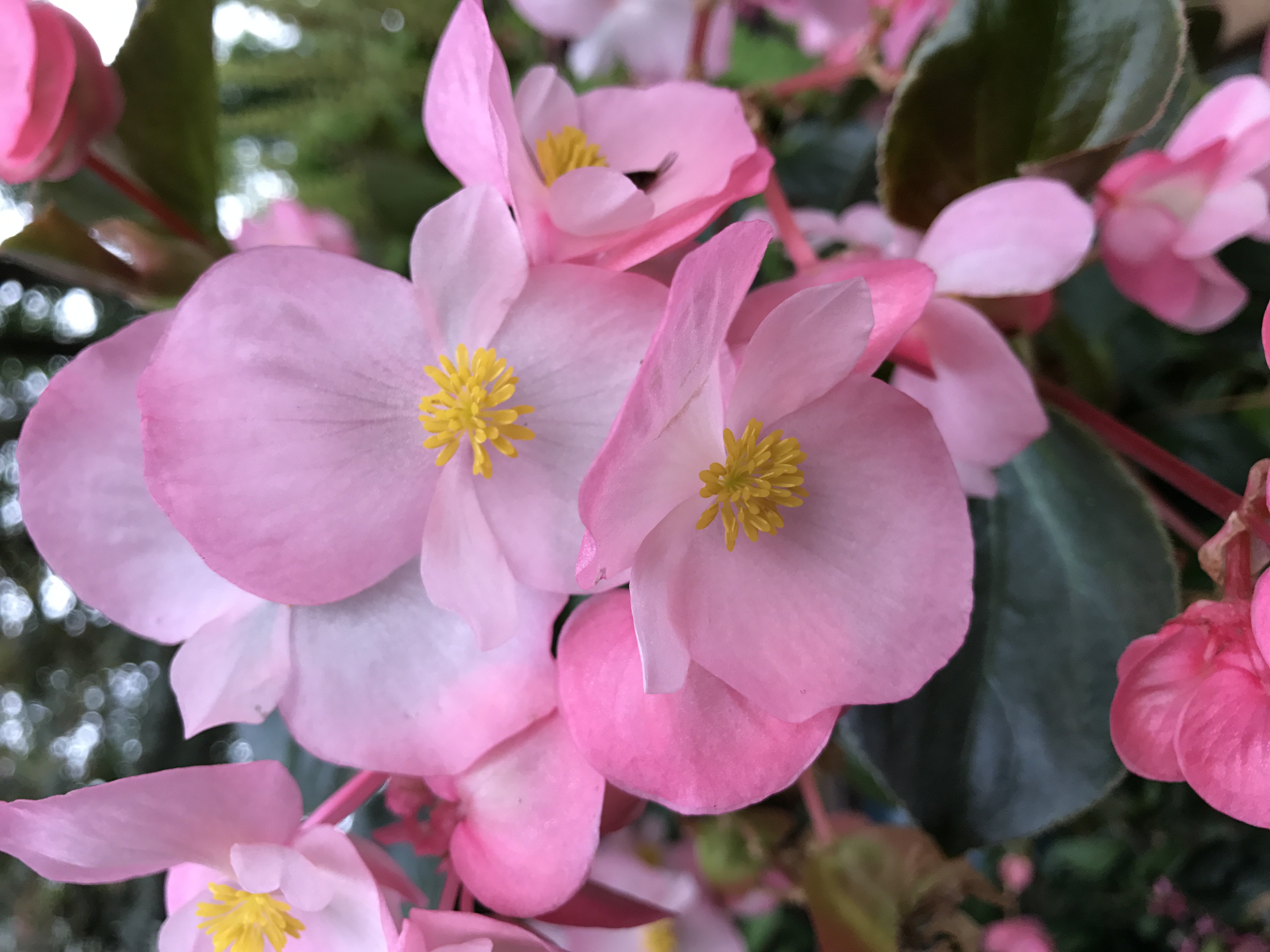
Despite the intense summer heat, my begonias have been blooming faithfully and non-stop all season long. Yah, help us to bloom for you even in the spiritual desert drought that surrounds us!

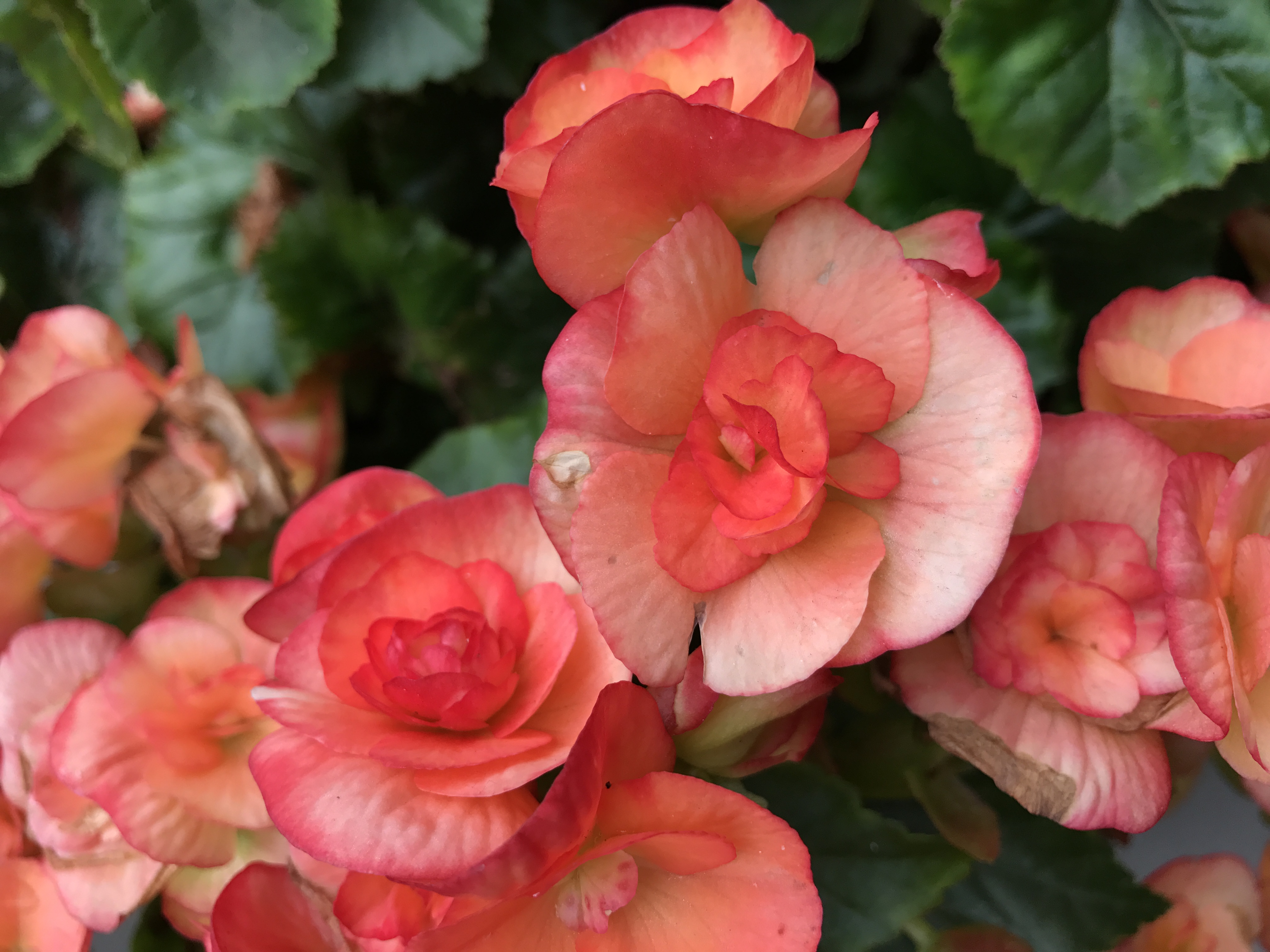
More ever-blooming begonias bursting with joy and life. Yah, may your joy be our strength at all times no matter what happens to us.

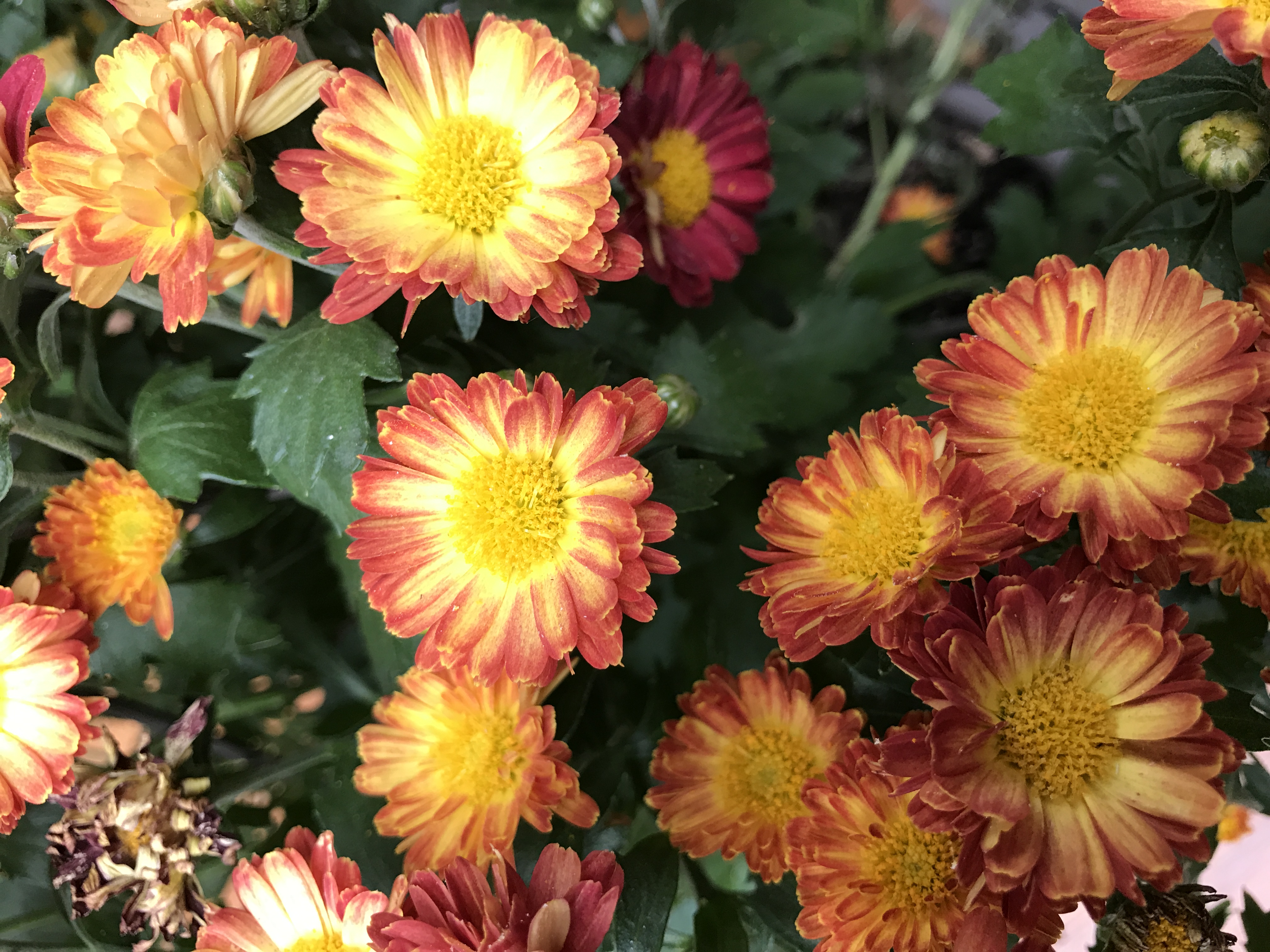
As the cooler weather of fall arrives, the chrysanthemums come alive bursting with joy to encourage all those who gaze upon them. Yah, as the days get darker and colder spiritually, help us to be lights shining in the gross darkness of this world!


The chrysanthemums are a hardy fall flower that can withstand all but the most severe frost. They keep blooming despite rain and cold. Yah help us to bloom brightly during the cold, dark gloomy seasons of life, so that those around us can see and marvel at the inner fire of your Spirit that buns brightly inside us.

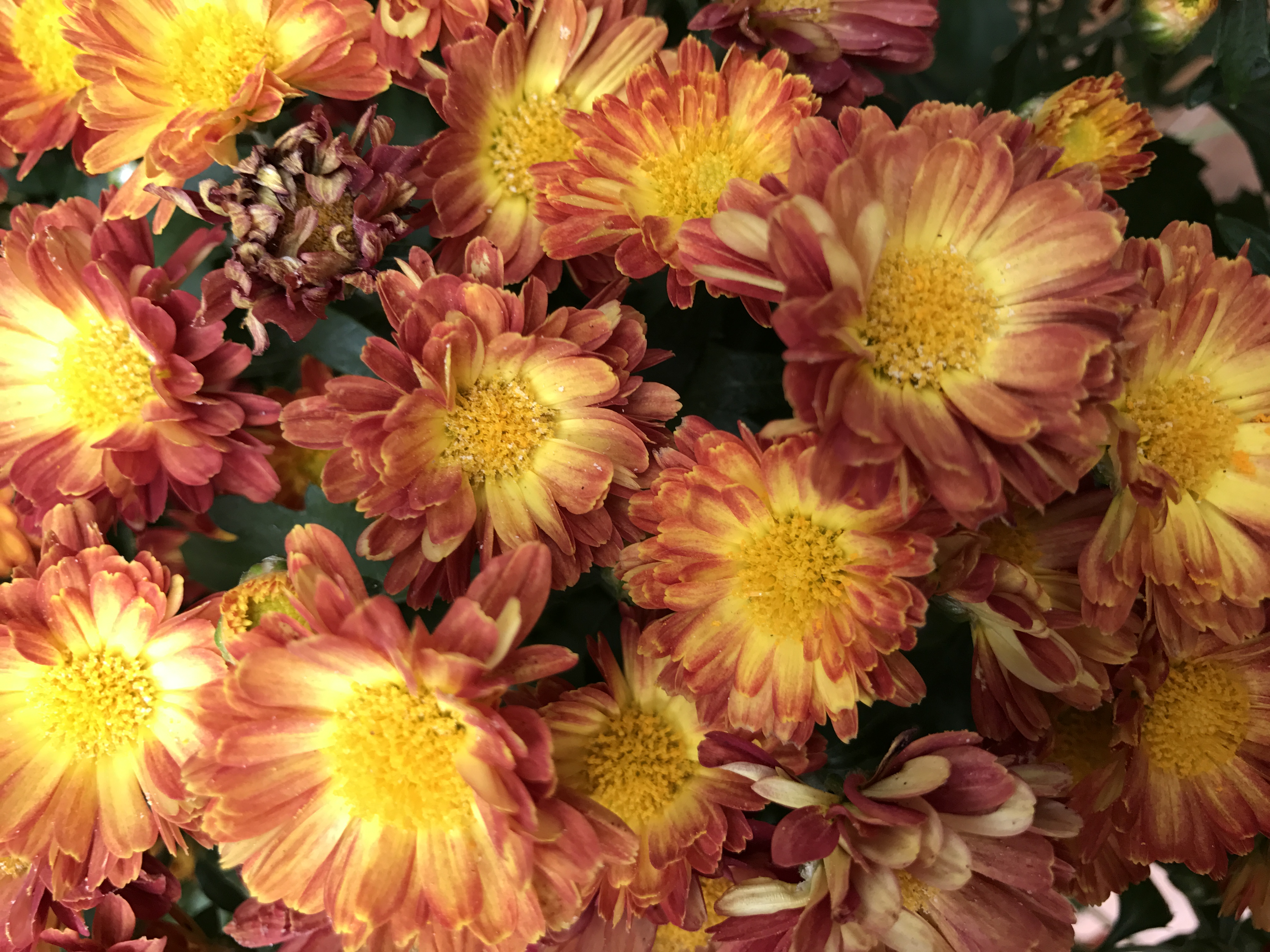
More mums smiling happily at the world. Yah help us to keep smiling perpetually for you!

Not sure what these flowers are. Maybe someone knows. But who cares. They’re beautiful and that’s all that matters. They glorify their Creator by growing and blooming where they’ve been planted. Yah, help us to do the same!

More begonias showing not a care in the world by just doing what they do best—blooming! Yah, help us to keep our eyes continually on Yeshua and to do what you’ve called us to do for the glory of your kingdom.

Look at this gorgeous and sumptuous dahlia! What joy and pleasure it brings to all who gaze upon it. Yah, help us to be like a beautiful flower garden that you’re pleased to gaze on and which brings you great joy!

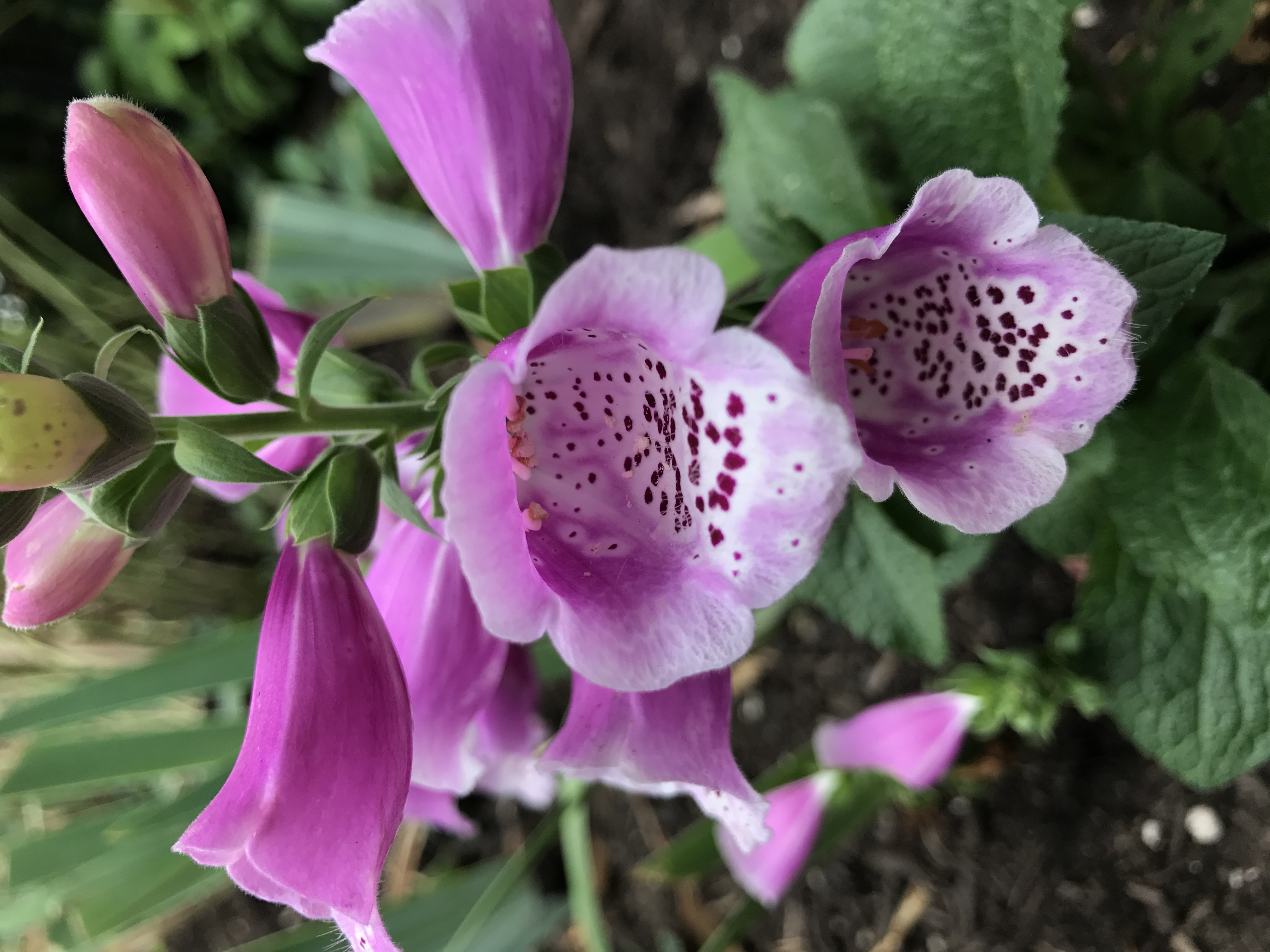
This foxglove has taken a beating this summer, but I keep watering it and it keeps blooming. Yah, pour out the water of your Spirit on each of us, so that we can continue to bloom through the hardships and rigors that life throws at us!

This plant (again, I forgot the name of it—someone please tell me) isn’t a flower, but it’s leaves look like flowers. The tag on it said it would grow to only 18 inches tall. Well, it’s now almost 4 feet tall and 3 feet wide! It has greatly expanded and overgrown the pot I planted it in. It’s obviously a happy, healthy plant. Yah, help us not only to grow and bloom joyfully where you’ve planted us, but to expand our borders as we help to advance your kingdom to those around us!