1 Corinthians and Head Coverings—What Is Paul Really Saying Here?

1 Corinthians 11:1–16, On head coverings for men and women. In Hebraic biblical culture, it was common for a married (or betrothed) woman to wear a veil or head covering to indicate that she was taken sexually or belonged to a man, even as a wedding ring now publicly telegraphs this idea.

At the same time, the Bible nowhere forbids men from wearing hats. It was common in biblical times for men and women to wear head coverings to protect themselves from the weather, since many of their activities occurred outdoors. In fact, the Torah commands the Levites to wear head coverings (like turbans) while ministering in the tabernacle. The Levitical priesthood no longer exists, and the Melchizedek priesthood is now in operational and includes both male and female saints, so the Levitical dress requirements are no longer applicable. Whether a man wears a head covering now while ministering is a matter of personal choice, for the Bible neither commands or prohibits it. So why does Paul instruct women to wear a head covering while ministering?

Similarly, the Bible nowhere prohibits men from having long hair.  If this were true, then the Nazirites with the Torah-prescribed long hair would have been in violation of Elohim’s laws.

To properly understand Paul’s comments in this passage, we must understand some cultural and historical context. First, Corinth was an extremely libertine and licentious city sexually, since it housed a pagan temple dedicated to the goddess of fertility whose worship involved ritual or cultic prostitution and various sex acts. This was socially acceptable and even a social requirement, and a source of revenue for the temple. Second, the Torah and Hebraic biblical culture were very strict about maintaining the distinction between the genders. Any blurring of the lines was forbidden. This is why the Torah forbids crossdressing or one gender wearing the clothes pertaining to the other gender. These two contextual points must be considered when reading Paul’s instructions in this chapter. In other words, men were not to wear veils that covered their faces, while women were to either have long hair or to have head coverings as expressions of their feminity. A study of the Greek words in this chapter bear out this explanation.

With the cultural context in view, Paul was likely prescribing dictums for the Corinthians saints that would help to clearly maintain the distinctions between male and female in accordance with the Torah light and in light of the sexual immorality occurring in the city. For example, temple prostitutes would cross dress to snare people unwittingly into same sex liaisons.

There may be some other spiritual issues that Paul was addressing as well as Dr. Michael Heiser points out in his book, Reversing Hermon. There is historical evidence that the ancient Greek medical experts associated a woman’s hair with her genitalia and her ability to conceive children, and that her hair was viewed as the counterpart to a man’s testicles. At the same time, the Bible is very clear that genitalia is to be covered while one is ministering to Elohim (Exod 20:26; 28:42–43 cp. Isa 6:2), and bodily discharges that proceeded from that area of the human anatomy was considered unclean thus making one unacceptable to YHVH (Lev 15:2, 19; Ibid. page 133). Modesty and cleanliness were the operative issues here when coming into the presence of Elohim. As such, a woman wearing a head covering while engaged in ministry (praying and prophesying or preaching) in the congregation was an issue of modesty and propriety (Ibid. p 135). Heiser goes on to address the meaning of Paul’s curious statement in 1 Cor 11:10, that a woman’s head needs to be covered “because of the angels.” What on earth is Paul talking about here? What piece of information are we missing to help us to understand this enigmatic statement? Heiser explains,

Paul wanted women to have their heads covered as a sign that they were sexually taken, that they belonged to a man, their husbands. Why? Because of the angels. Apparently, Paul was concerned  that if women didn’t show this sign of sexual fidelity and “ownership,” a woman could be at risk of sexual violation by angels. After all, it happened before (Gen 6:1–4). Paul didn’t want to see such a violation of cosmic order happen again (Ibid. page 135).

Biblical author, Gary Wayne, in his book The Genesis 6 Conspiracy, approaches the issue of woman and head coverings from a slightly different angle, while at the same time keeping Heiser’s view in mind. He suggests that since in the context of women’s head coverings, Paul makes the point that the woman came from man and not man from woman (1 Cor 11:8–9), for this reason and because of the angels women need to have a sign of authority on her head (v. 10). “The New Testament is recognizing that without a seal of authority, women are fair game for angels, at least for the misguided fallen angels [or demons].” This was the opinion of the early church father Tertullianus (A.D. 160–230)  who instructed women  to wear veils not to entice the dark angels who loved women because of their beautiful hair (Ibid. p. 18). If this is correct, then a woman who wears a head covering will be less likely to suffer from spiritual demonic attacks that one who doesn’t.

SaveSave


New Video: The Alaskan Frontier—Sitka to Little Port Walter (May 2107)

Enjoy amazing and inspiring video from my recent trip to Alaska.

Travel from Sitka, Alaska to Little Port Walter by float plane, then enjoy videos of deep sea sport fishing pulling in the big ones, a tour of king salmon fish hatchery, grizzly encounter while hiking in the mountains, graphic and colorful underwater video of marine life and stunning video of plants, animals, mountains, seashores, flowers and more. Soli Deo Gloria!


New Video: How to Find Inner Peace

Watch and share. Trying to reach more souls for Yeshua’s kingdom. Shabbat shalom!

I shot the footage for this video on my recent backpacking trip into the mountains.

Natan


Blog Scripture Readings for 7-2 Through 7-8-17

Aside

THIS WEEK’S SCRIPTURE READINGS FOR STUDY AND DISCUSSION:

Parashat Balak — Numbers 22:2 – 25:9
Haftarah — Micah 5:6 – 6:8
Prophets — Ezekiel 2:1 – 8:18
Writings — Daniel 3:1 – 9:27
Testimony — 1 Corinthians 11:1 – 15:58

Our full Scripture Reading Schedule for 2016-2017 is available to download and print.

Most of this week’s blog discussion points will be on these passages. If you have general comments or questions on the weekly Scripture readings not addressed in a blog post, here’s a place for you to post those. Just use the “leave a reply” link below.

The full “Read Through The Scriptures In A Year” schedule, broken down by each day, can be found on the right sidebar under “Helpful Links.” There are 4 sections of scripture to read each day. One each from the Torah, the Prophets, the Writings, and from the Testimony of Yeshua. Each week, the Torah and haftarah readings will follow the traditional one-year reading cycle.

Weekly Blog Scripture Readings for 7/2/17 through 7/8/17.


From My Bible Commentary on Revelation 20, 21 and 22

Shalom everyone!

In my as yet unpublished commentary on the whole Bible, I have about a thousand pages long commentary on the NT or Testimony of Yeshua alone. Parts and pieces of this I share from time to time on this blog.

For fun and, hopefully, to bless a few readers, I decided to share my commentary notes on Revelation chapters 20 to 22. These notes are unpublished and not formally edited, so if you find any typos, kindly let me know.

I hope this is a blessing to someone and will get you thinking a little! This ought to keep some of you going for awhile! 😉

Natan

Revelation 20

Revelation 20:1, Bottomless pit. (See notes at Deut 32:22; 2 Pet 2:4; Rev 9:1. Also see notes at Isa 14:18–21.)

Revelation 20:4, A thousand years. This is but one of six references in the Bible to the Millennium lasting for one thousand years. The other references are found in the surrounding verses (vv. 2, 3, 5, 6, 7). These are more than enough references to meet the biblical criteria of establishing a truth in the mouth of two or more witnesses. Even then, some biblical students still question the idea of the Millennium and categorize it as a NT concept only and, therefore, feel they can disregard it. This is a shame and shows naive ignorance with regard to the Word of Elohim. An understanding of the prophetic implications of the seventh day Sabbath should settle this discussion once for all. In Hebraic thought, the seven days of creation picture the time man will be on this physical earth. Six days (for six days or six thousand years) man does his own work, while on the seventh day (or one thousand years) he rests and fellowships with Elohim. This is a picture of the millennial rest, which the Jewish sages have long called the Messianic Era, which is to come. The Millennium is not uniquely a Christian or NT concept, but is rooted in Judaism going back before the Christian era. The writer of Hebrews makes reference to this in Heb 7 when he compares Joshua taking the Israelites into the Promised Land with Yeshua taking the saints into the Sabbath, millennial rest of our spiritual inheritance.

Revelation 20:5, The rest of the dead. This phrase is a parenthetical thought. Before and after this phrase, the author is discussing those who will be part of the first resurrection, which occurs at Yeshua’s second coming. Later in the same chapter, John goes on to discuss what happens to the rest of the dead (vv. 12–13).

Revelation 20:7–21:1, Events after the Millennium. The events in these verses appear to be chronological and occur after the Millennium. In Rev 20:2ff John seems to be receiving a f pre-millennial flashback vision. (See my discussion on these verses.)

Revelation 20:8, The four corners. These rebels who will inhabit the millennial earth have removed themselves as far as possible from Jerusalem, which is the seat of King Yeshua’s rule and the at the center of the earth.

Revelation 20:9, Fire came down from heaven. If the New Jerusalem, the seat of Continue reading →


Shabbat Shalom Everyone…

I’m still here, though I’m still not posting much presently. Am reading all comments and answering when needed.

This is the busy time of the year in my tree service business. Working about 10 to 12 hours  per day. Pretty tired when I get home. Not as young and energetic as I used to be, but still going strong.

Since retiring from pastoring, I’ve been on a sort of sabbatical from ministry. Trying to move into YHVH’s more perfect will for my life as I transition into the next phase of my life as almost an empty-nester and preparing for being grandparents in, hopefully, the not too distant future.

For the past 27 years that I’ve been in non-stop ministry, I’ve been primarily feeding others spiritually. In the last 17 years, I’ve written about 80 teaching articles (on our website), written and published two complete Torah commentaries in 54 lessons, published more than 2000 posts on this blog not including comments, and made nearly 400 videos on our YouTube channel. This teacher is now stepping back a bit to get refreshed and taught from the Teacher from above, so I can be part of helping to move the body of Yeshua forward spiritually to the next level. This takes time and patience—waiting on YHVH as the psalmist puts it.

The Messianic Hebrew roots movement has kind of stalled out spiritually. This is of great concern to me. I want to be part of the next move to help prepare the way for Yeshua’s return. So I’m trying to step back and listen to heaven.

As my busy work schedule permits, I’m doing a lot of reading and studying in the Word. I’m confident that good things will come out of it. I’ll share a little here and there on this blog as I am able.

Love and blessings in Yeshua to everyone!

Natan


I will lift up mine eyes unto the mountains…

I will lift up mine eyes unto the hills/mountains, from whence cometh my help. My help cometh from Yehovah, which made heaven and earth. He will not suffer thy foot to be moved: he that keepeth thee will not slumber. Behold, he that keepeth Israel shall neither slumber nor sleep. Yehovah is thy keeper: Yehovah is thy shade upon thy right hand. The sun shall not smite thee by day, nor the moon by night. Yehovah shall preserve thee from all evil: he shall preserve thy soul. Yehovah shall preserve thy going out and thy coming in from this time forth, and even for evermore. (Psalm 121:1–8)

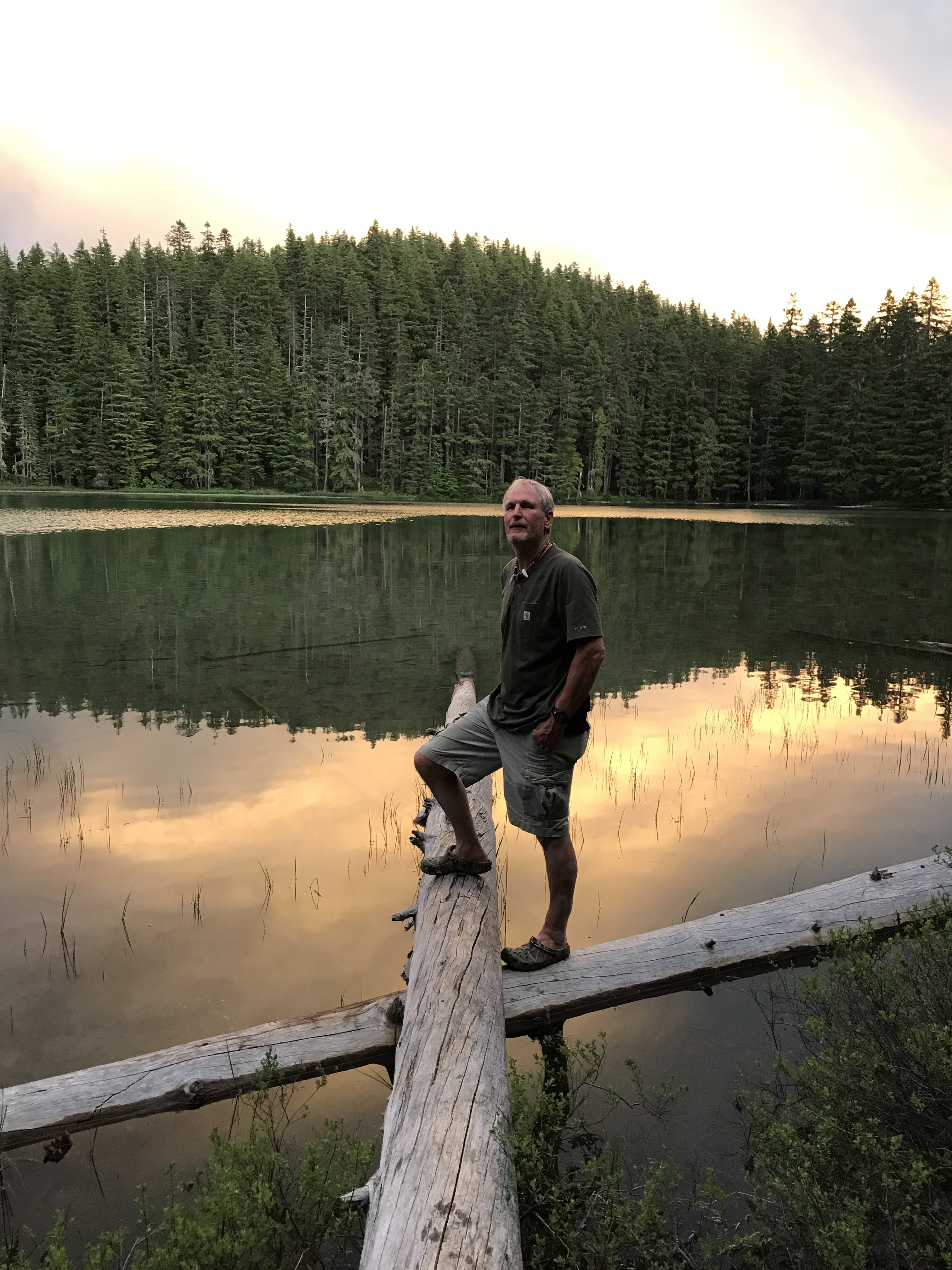
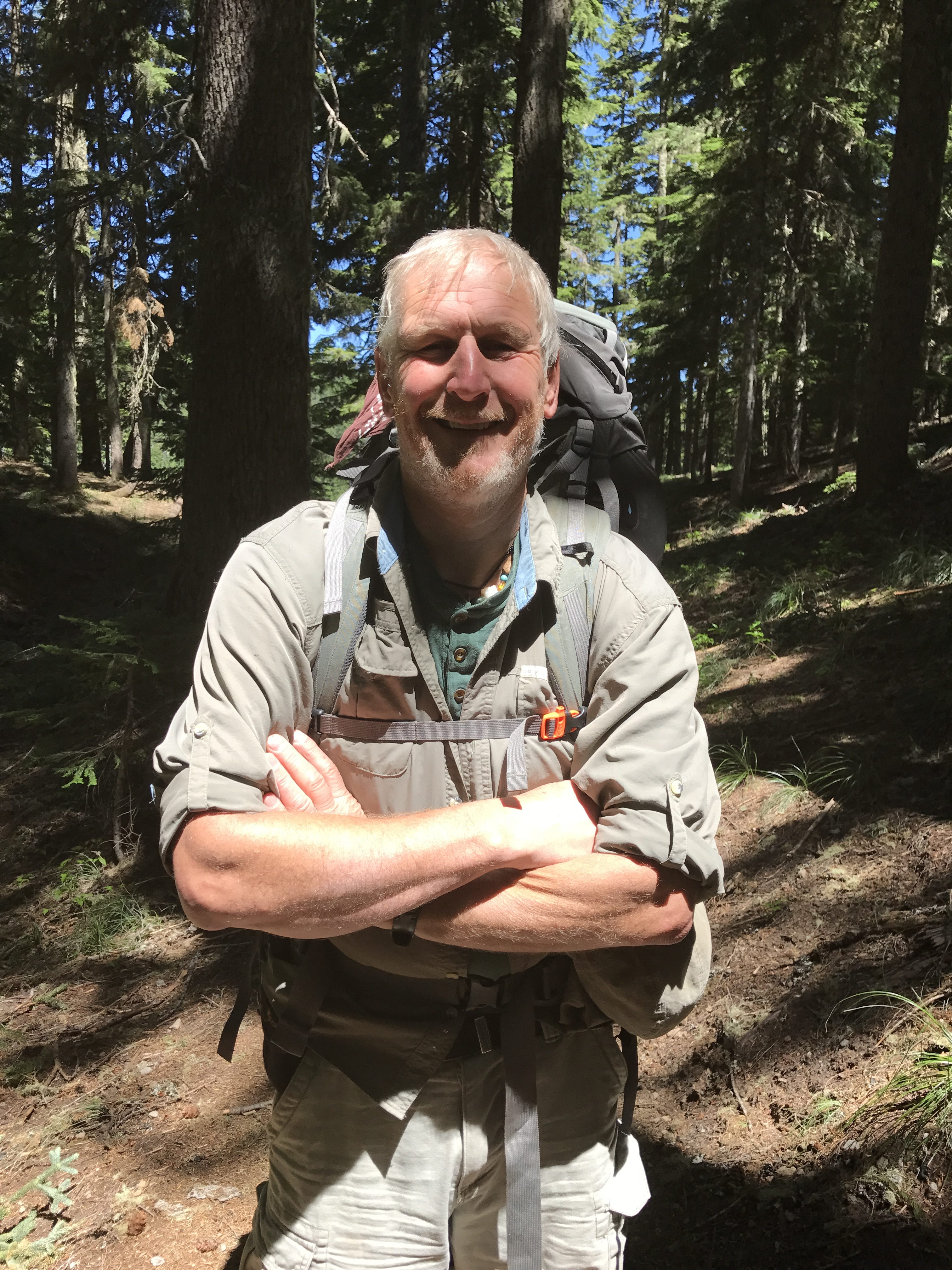
Just returned from my first backpack trip of the season into the Cascade Mountains near Mount Hood that are about one-and-a-half hours from my house. Accompanying me were several of my boys. We hiked into a small mountain lake where we hung out swimming, having Bible studies, praying and hiking. I also taught them some wilderness survival and bushcraft skills.

I was up early every morning with my Bible in hand watching the sun come up over the hills shining on the lake and our camp. it’s always amazing how it’s easier to hear the voice of YHVH when we get away from the physical and spiritual noise of the city. The awesome splendor of his creation literally surrounds and envelops a person, so that all one can do is think about him and revel in the beauty of his nature and lift up one’s hands in quiet and reverent praise to the of the one who created it all! Soli deo gloria!!!

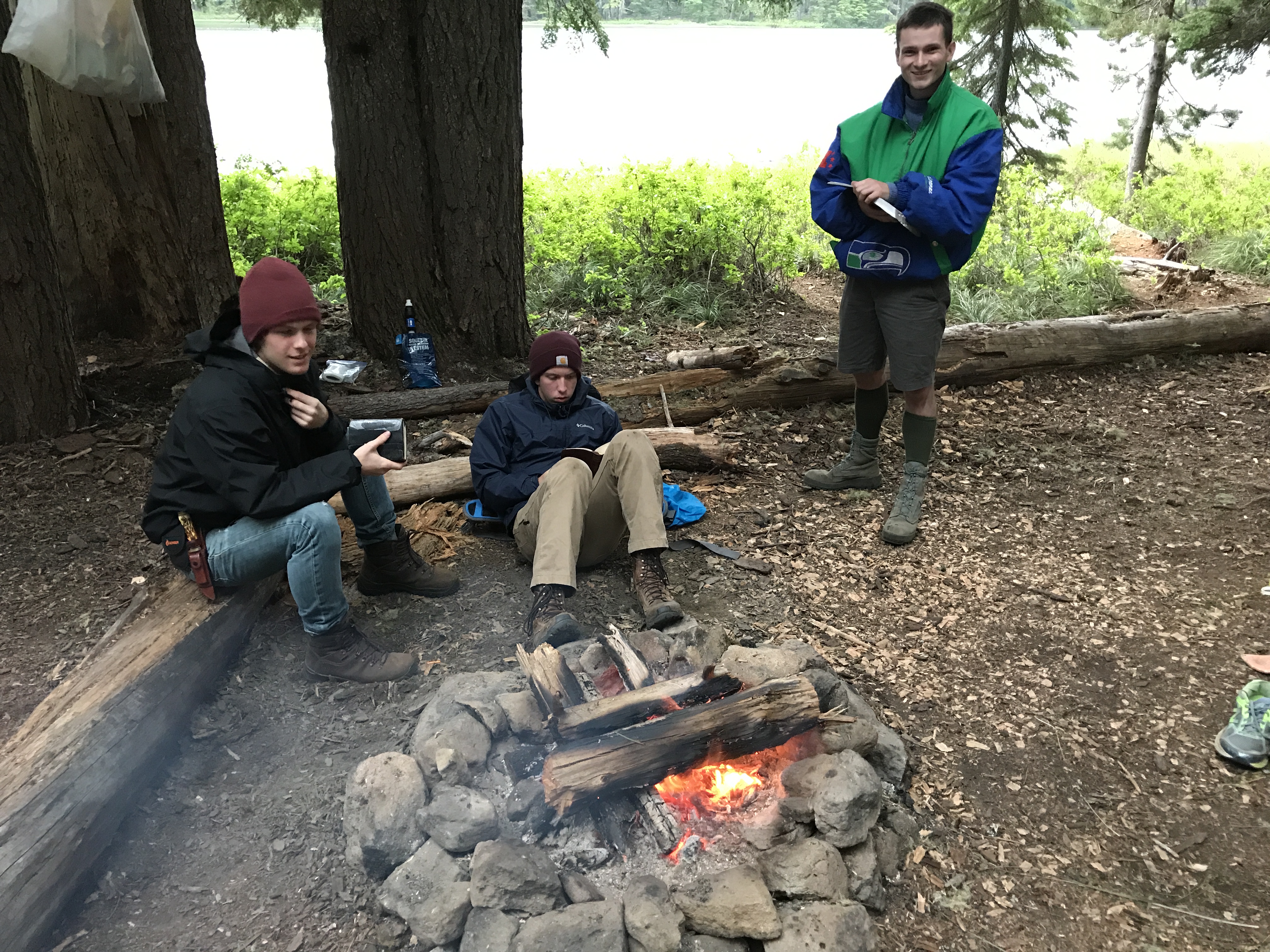
One evening around the campfire, Kaleb led us in a Bible study on Revelation 21. As a result of that, after a sunrise swim the next morning in the lake’s pristine waters, I then let the Ruach wash me in the water of the Word of Elohim, and I was blessed with some wonderful insightful revelations from that chapter, which I will share with you in the near future.

Please enjoy these photos.

Sunrise over the lake

Sunset over the lake

Jared, Kaleb and Ryan with Bibles in hand as we study the word of Elohim around the campfire

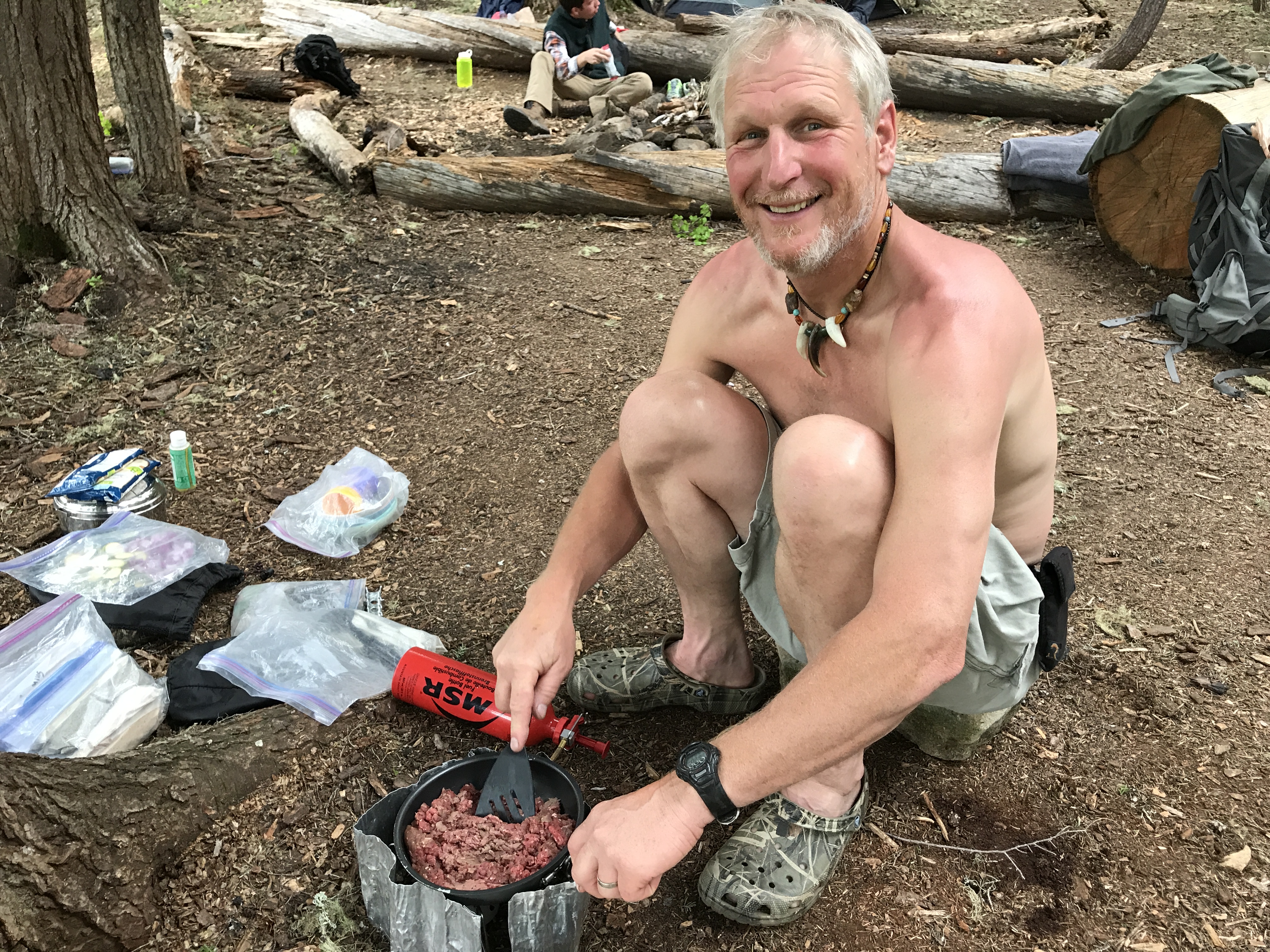
A panoramic view of our campsite at lake’s edge with Natan cooking dinner in our camp kitchen

I’m never happier than when I’m away from the city and up in Yehovah’s creation. My family has been trekking these same mountains for more than 100 years!

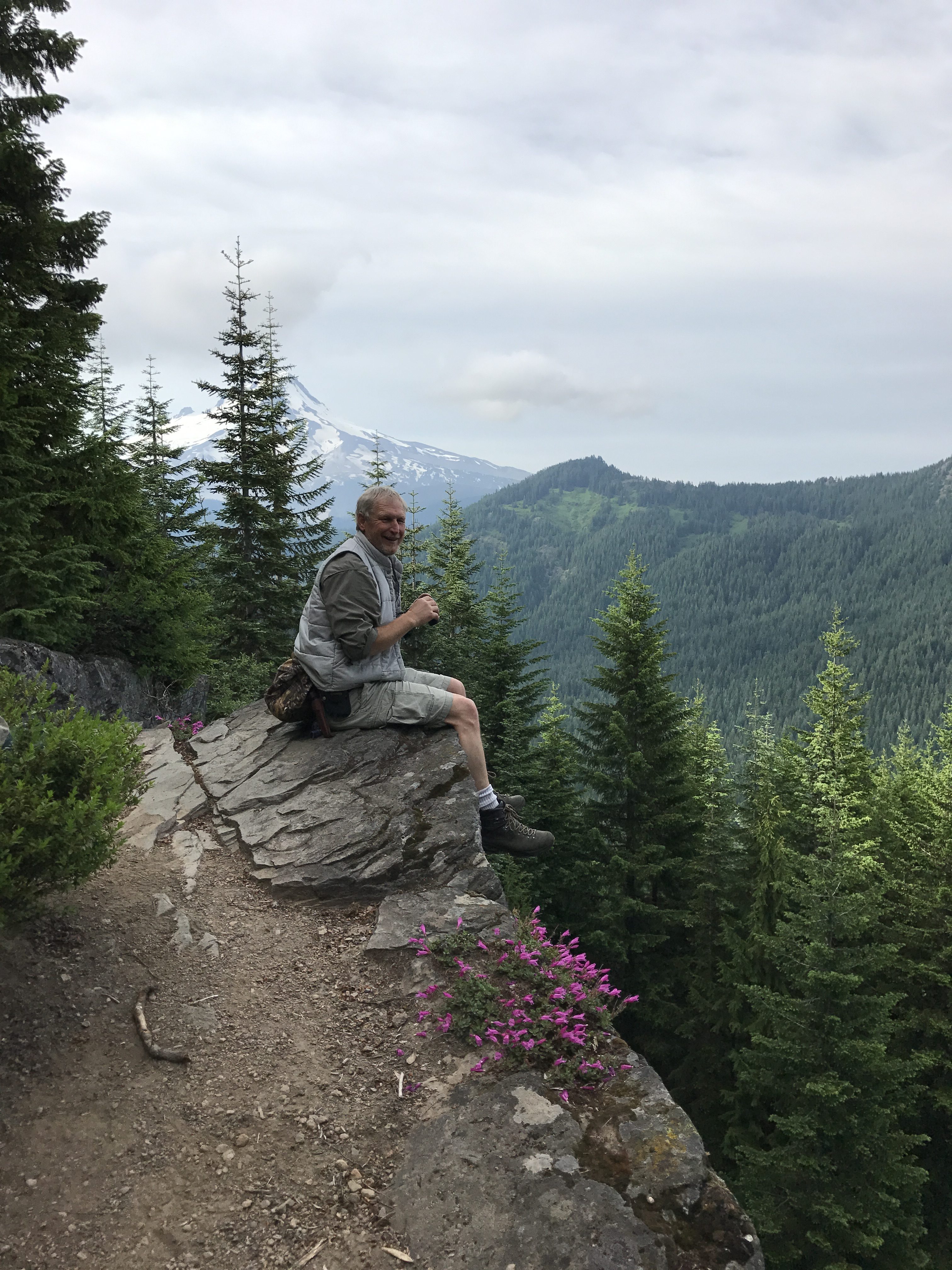
Natan dangling his feet over a vertical fifty foot cliff with Mount Hood in the background

May our love for Yeshua and his word burning be like hot coals! When I take my kids into the mountains, this is the passion I try to impart in them: love for YHVH’s creation and his Word!