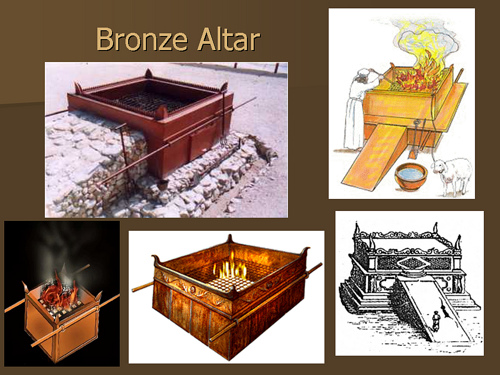
Leviticus 6:9, Shall be on the hearth. It took most of the day (see v. 12) and all night to burn up an animal completely. Similarly, Yeshua hung on the cross for a long time—from sometime after the third hour (9 AM) until the ninth hour (3 PM). Not only this, but from the six hour (12 PM) to the ninth hour (3 PM) when Yeshua died, darkness come over the earth (Matt 27:45; Luke 23:44). Both the burnt offering and Yeshua’s time on the cross encompassed hours of daylight and darkness.
Leviticus 6:17, No leaven. Why does YHVH stipulate this prohibition? The main Jewish commentaries are unable to answer this question. It is not until we understand the spiritual implications of leavening as revealed in the Testimony of Yeshua that this prohibition makes sense. Leavening is a Hebraism for false doctrines, hypocrisy and sin (Matt 16:1–5, 12; Luke 12:1; 1 Cor 5:1–5). Unleavened bread, on the other hand, is a metaphor for sincerity and truth (1 Cor 5:5, the last words of the verse). This is why unleavened bread is consumed at communion on Passover, for it is a symbol of Yeshua’s sinless life that he offered up on the cross for sinners (Matt 26:26), and it symbolizes what should be the heart of the saint.
Leviticus 7:6, Every male…may eat it. Why were the priests allowed to eat some of the offerings? What’s this all about? Let’s answer this question with a question. Why do believers in Yeshua eat the communion elements, and what do they represent? Is there a Continue reading