Paul (and the Bible) on Physical and Heart Circumcision

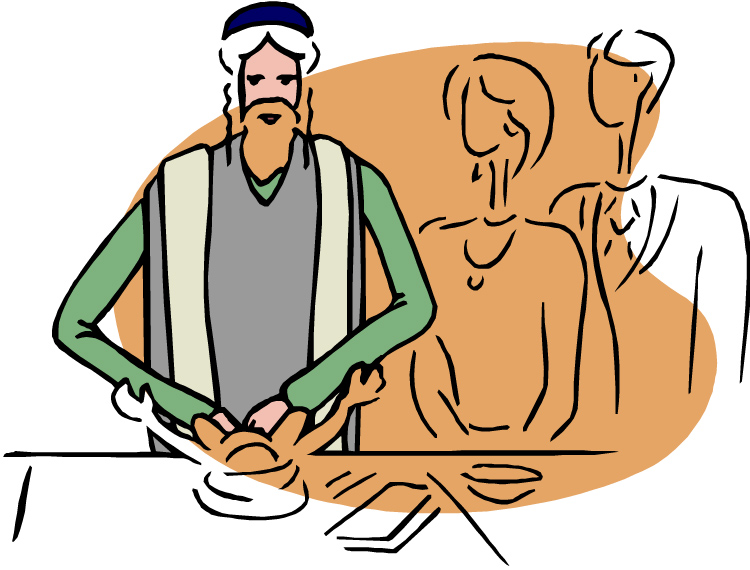
1 Corinthians 7:18, Let him not be circumcised. In this chapter, Paul advises believers to remain in whatever physical state they were spiritually called (verses 20, 24). To the unmarried, remain unmarried (verses 1, 8). To those who are married, remain married (this is Paul’s advice, not YHVH’s, verse 10), even if one is unequally yoked in marriage (verses 12–16). To those who are circumcised, remain in that state and vice versa (verse 18). If called as a slave, remain as one (verses 21–23).

With regard to circumcision, Paul’s advice doesn’t require strict adherence as his circumcision of Timothy shows (Acts 16:1–4). In that case it was more expedient for the preaching of gospel to the Jews that Timothy be circumcised, so as not to be a stumbling block to the Jews who had a high view of circumcision. This type of circumcision was acceptable, since it was not done as a salvation requirement for Timothy.

1 Corinthians 7:19, Circumcision is nothing, and uncircumcision is nothing. What is Paul saying here? Is he confused, or does he have a larger principal in view? Paul’s bottom line in all of his writings is that circumcision is not a salvational requirement. If it were, then, obviously, women could not saved! As we shall see, however, the Scriptures teach that in the future, for those in certain ministry situations, circumcision will be a requirement (Ezek 44:7, 9). To understand the issue, let’s briefly discuss what the Scriptures say about circumcision.

Some will say that circumcision of the heart (Rom 2:29) is a “New Testament” invention that happily has replaced physical circumcision. This is not quite true, for YHVH has desired his people to have circumcised hearts from the time of Moses (Deut 10:16; 30:6) and Jeremiah (Jer 4:4). What’s more, YHVH will require the priests who will serve in his millennial temple (an archetypal model of YHVH’s plan of salvation through Yeshua’s death on the cross) to not only be circumcised in the heart, but in the flesh as well (Ezek 44:7). Not only that, but all those who will enter that sanctuary, both Israelite and non-Israelite, must be circumcised physically and spiritually (Ezek 44:9). 

Physical circumcision is not a requirement for salvation, and Paul teaches that redeemed believers not only can be saved without undergoing the rite of physical circumcision, but that all (including women) are circumcised through Messiah’s circumcision (Col 2:10–13; see also Phil 3:3), even as each person has “died” to sin and has been resurrected to new spiritual life through faith in and identity with his death, burial and resurrection (Rom 6:3–8).

Paul never disparages physical circumcision, except when false teachers make it a requirement for salvation, or when those who are physically circumcised parade it as a mark of spiritual superiority. Paul goes on to say that physical circumcision, however, is a sign, mark or token, and a seal (placed on someone) or an impression or stamp made by a signet ring signifying ownership, something which distinguishes one from others and by which one is known (Rom 4:11). Circumcision was a sign of Abraham’s righteousness and the faith he had in YHVH and a mark of YHVH’s “ownership” of Abraham. Faith precedes circumcision, but when one is circumcised, one commits to walk in the faith and righteousness of Abraham, and to enter into a deeper, more committed and more intimate (covenant-based) walk with YHVH Elohim. Perhaps physical circumcision as a mark of a deeper and more committed relationship with YHVH is the reason it, along with heart circumcision, will be required of all who will be allowed to not only minister in, but also to visit the millennial temple (Ezek 44:7, 9). In the past, the temple represented YHVH’s presence on earth, and it was viewed as a sort “the gateway to heaven.” In ancient times, those who sought the privilege of visiting this special and set-apart spot had to prepare themselves physically and spiritually to approach the Creator. They had to be ritually and spiritually pure, and physical circumcision was an aspect of this. For those of the priesthood who will be ministering in the millennial temple, physical circumcision will still be a requirement to fulfill covenantal, ritual cleansing and the requirements of spiritual types and shadows, for which that institution will be used to teach the unsaved peoples of the earth during the Millennium the truths of YHVH’s plan of salvation as it did in the past. Physical circumcision will be an outward sign that will (literally) go before the priest showing that he has committed himself to putting a way the filth of the world as represented by the foreskin.

Now if one is circumcised and doesn’t follow the Torah, then it’s as if he weren’t circumcised at all (Rom 2:24–29). In YHVH’s spiritual economy from Genesis to Revelation, YHVH always looks primarily at one’s heart attitude rather than at outward show involving religious rites, rituals and ceremonies. However, Yeshua clearly teaches in his Sermon on the Mount that YHVH not only prefers heart, or spirit of the law obedience, but letter of the law obedience also. He desires his people to love him with all their heart, soul, mind and strength, which involves both a letter and the spirit of the law obedience. 

While physical circumcision is not a requirement for salvation (much like water baptism), in doing so, one is demonstrating one’s desire to be obedient to all the Word of YHVH including the commands of Torah. Yeshua clearly stated that not one jot or tittle of the Torah has been nullified, and that those who keep all of YHVH’s Torah commands will obtain a higher reward in his eternal kingdom than those who do not (Matt 5:17–19), and they will be able to approach closer to him in his temple in the Millennium.


Numbers 16—The Dynamics of Pride and Rebellion and Elohim’s Response

Numbers 16:1–3, Took men…rose up…gathered together against. Notice a progression (or downward spiral) of actions on the part of Korah and his rebels. They separated themselves from fellowship, rose up against Moses, gathered together others of like mind and falsely accused leadership of wrong doings. This is the world’s formula for achieving political (humanistic) power and domination. It is the opposite method of advancing in YHVH’s kingdom where the way down is the way up; that is, when one lays one’s life down in service, spiritual reward, advancement and blessing will occur for that person (Matt 20:27; 23:10).

Rebels, like Korah, tend to separate themselves from fellowship, seek out other like-minded rebels, and then rise up in defiance and accusation against godly leadership. Again, this leads to political power. The way of spiritual power is laid out in Acts 2:42–47 where the followers of Yeshua continued steadfastly in the apostles’ doctrine, in fellowship, breaking bread together, in prayer and sharing their goods with one another. The result was real spiritual power authority and anointing from heaven, and not power based on usurpation, human pride, degradation of others and self-promotion. This can only happen as people forsake not the assembling of themselves together (Heb 10:25), function according to the place and spiritual calling within the spiritual body of Yeshua submitted one to another as they walk in the spiritual light YHVH’s instructions in righteousness—the Torah.

Additionally, Yeshua taught that true power in the kingdom of Elohim is a result of one laying one’s life down for his brother and serving him in love and humility. Such a person will be elevated to a position of influence and authority because he has learned to serve others in love and selflessness rather than seeking to be served, which stems from a heart of selfishness and pride (Matt 20:25–28; 23:11–12).

The Jewish sages note that Korah and his band of malcontent had come under the power of resentment, which grew and festered until open rebellion broke out. Korah was a fellow Levite and cousin of Aaron who was among those “overlooked” for the priesthood and who were relegated to being “mere” assistants to the priests. He was also a firstborn of his household (Exod 6:21), and when the tabernacle sacrificial service was inaugurated Aaron’s sons replaced the firstborn Israelites in offering sacrifices. Furthermore, Dathan, Abiram and On were of the tribe of Reuben, the first-born child of Jacob. These men had their own grudge, since Reuben had lost his birthright as the firstborn son to the sons of Joseph because of sin (note 1 Chron 5:1). 

What do we see here? Resentment (a function of pride and selfishness) leads to bitterness, which then leads to separation, then to uprising, then to accusation, then to rebellion against YHVH-ordained authority, then to attempted usurpation of authority, and eventually it leads to judgment and death. Is this not the path Lucifer took in his rebellion against YHVH Elohim? (Read Isa 14:12–23.)

Numbers 16:5–6, Who is his…take censers. Incense is a biblical metaphor for the prayers of men coming up before YHVH’s throne (Rev 5:8; 8:3). YHVH accepts some men’s prayers as holy and rejects the prayers of other men whom he deems not to be holy. The story of Korah teaches us that YHVH doesn’t hear the prayers of self-centered, self-seeking, prideful Continue reading


Blog Scripture Readings for 6-10 Through 6-16-18

Aside

THIS WEEK’S SCRIPTURE READINGS FOR STUDY AND DISCUSSION:

Parashat Korach — Numbers 16:1 – 18:32
Haftarah — 1 Samuel 11:14 – 12:22
Prophets — Jeremiah 45:1 – 51:64
Writings — Esther 3:1 – Esther 9:32
Testimony — 1 Corinthians 1:1 – 7:24

Our annual Scripture Reading Schedule for 2017-2018 is available to download and print.

Most of this week’s blog discussion points will be on these passages. If you have general comments or questions on the weekly Scripture readings not addressed in a blog post, here’s a place for you to post those. Just use the “leave a reply” link below.

The full “Read Through The Scriptures In A Year” schedule, broken down by each day, can be found on the right sidebar under “Helpful Links.” There are 4 sections of scripture to read each day: one each from the Torah, the Prophets, the Writings, and from the Testimony of Yeshua. Each week, the Torah and haftarah readings will follow the traditional one-year reading cycle.

Weekly Blog Scripture Readings for 6/10/18 through 6/16/18.


Blog Scripture Readings for 6-3 Through 6-9-18

Aside

THIS WEEK’S SCRIPTURE READINGS FOR STUDY AND DISCUSSION:

Parashat Sh’lach L’cha — Numbers 13:1 – 15:41
Haftarah — Joshua 2:1-24
Prophets — Jeremiah 38:1 – 44:30
Writings — Ecclesiastes 8:1 – 12:14; Esther 1:1 – Esther 2:23
Testimony — Romans 10:1 – 16:27

Our annual Scripture Reading Schedule for 2017-2018 is available to download and print.

Most of this week’s blog discussion points will be on these passages. If you have general comments or questions on the weekly Scripture readings not addressed in a blog post, here’s a place for you to post those. Just use the “leave a reply” link below.

The full “Read Through The Scriptures In A Year” schedule, broken down by each day, can be found on the right sidebar under “Helpful Links.” There are 4 sections of scripture to read each day: one each from the Torah, the Prophets, the Writings, and from the Testimony of Yeshua. Each week, the Torah and haftarah readings will follow the traditional one-year reading cycle.

Weekly Blog Scripture Readings for 6/3/18 through 6/9/18.


Blog Scripture Readings for 5-27 Through 6-2-18

Aside

THIS WEEK’S SCRIPTURE READINGS FOR STUDY AND DISCUSSION:

Parashat B’ha’alatkha — Numbers 8:1 – 12:16
Haftarah — Zechariah 2:14 (10)* – 4:7
Prophets — Jeremiah 31:1 – 37:21
Writings — Ecclesiastes 1:1 – 7:29
Testimony — Romans 3:1 – 9:33

Our annual Scripture Reading Schedule for 2017-2018 is available to download and print.

Most of this week’s blog discussion points will be on these passages. If you have general comments or questions on the weekly Scripture readings not addressed in a blog post, here’s a place for you to post those. Just use the “leave a reply” link below.

The full “Read Through The Scriptures In A Year” schedule, broken down by each day, can be found on the right sidebar under “Helpful Links.” There are 4 sections of scripture to read each day: one each from the Torah, the Prophets, the Writings, and from the Testimony of Yeshua. Each week, the Torah and haftarah readings will follow the traditional one-year reading cycle.

* Verse numbers in parenthesis refer to the verse number in Christian English Bibles when they differ from Hebrew Bibles or the Tanakh.

Today is the 50th day of the counting of 
50 days from the day of the waving of 
the Omer on the morrow after the Shabbat. Today is the morrow after the 7th Shabbat. Chag Shavuot — Feast of Weeks —Pentecost is fully come. HalleluYah!

Weekly Blog Scripture Readings for 5/27/18 through 6/2/18.


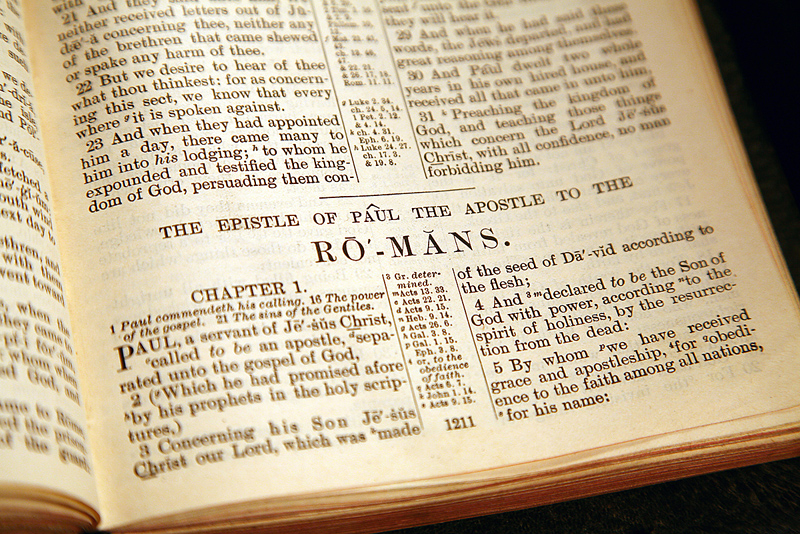
Overview of Paul’s Epistle to the Romans

The Gospel, the Torah, & the Israelite Nation Reunited

The following overview of Romans is a radical departure from what the mainstream church teaches. Read it and see if what follows doesn’t unite the truth of the Bible from beginning to end, instead of pitting one section of the Bible against the other, which is  approach the church typically takes when presenting the teachings of Paul.

The Main Themes of Romans

This is perhaps the only book in the Bible that is organized systematically like a theological textbook from beginning to end with each point leading to the next. This is not how biblical books are typically arranged.

In this epistle, there are several main themes.

Pre-eminently, Elohim is the Just Judge of the universe to whom all are accountable (both Jews and Gentiles). This concept alone is huge, since most humans don’t want to believe they’re accountable to anyone except their own egos.

The Torah is Elohim’s standard of righteousness by which he will judge the deeds of all men (both Jews and Gentiles) fairly. If people can accept the fact that there is a supreme Being to whom they’re accountable for their actions, then it’s a short next logical step to accept that such a Being (Elohim) has laws that man must follow if he’s not to run afoul of that Being.

Next, Paul counters a religious system that purported to explain who that Being was and what he required of sinful man. This was Judaism. The problem is that Judaism had perverted the truth of Elohim into a racially exclusive, legalistic, works-based salvational system. Paul attempts to correct this error, and restore this religion to its original truth.

Paul then presents the gospel message of salvation by grace through faith in Yeshua the Messiah is at the center of YHVH’s process to redeem sinful man.

Before Elohim, the Creator of the universe, there is no racial inequality between Jews and Gentiles. Elohim isn’t a racist. All are equal before him. All are sinners, and all need Yeshua. 

Paul’s Epistle to the Romans keeps Yeshua and the gospel message front and center, Continue reading


Blessings from Heaven Through the Priestly Blessing

Numbers 6:22–27, The Aaronic or Priestly Blessing. The Aaronic Blessing is about the power of blessing and the power of our words. The Scriptures teach us that our words can heal, build up and encourage, or kill, tear down and curse, that the power of life and death is in the tongue. What kind of words come from your mouth—especially to your spouse and children? Charity begins at home. How often do you speak blessings over your children and spouse? Do you bless those who curse you as Yeshua instructed his disciples to do?

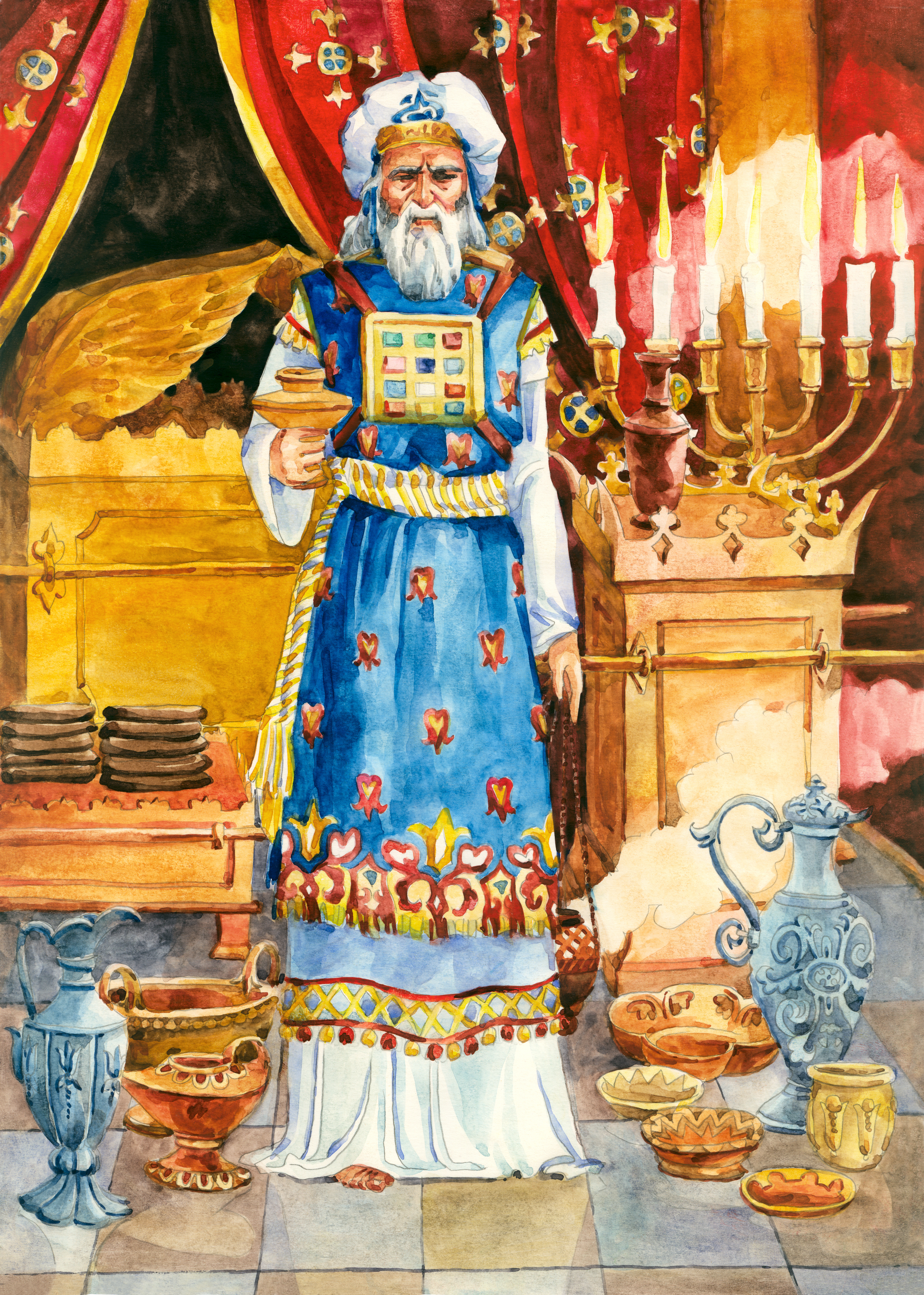
The Levitical priesthood was one of YHVH’s blessings or marriage gifts to his bride, Israel. It was given to her at the time of their marriage to him at Mount Sinai. The Aaronic or Priestly Blessings of Numbers 6:22–27 indicate that the priests were to be a conduit of YHVH’s blessings to his people. The ArtScroll Stone Edition Chumash correctly states it this way: “[The priests did not] have any independent power to confer or withhold blessings—only God can assure people of success, abundance, and happiness—but that part of their Temple service is to be the conduit through which God’s blessing would be pronounced on His people” (p. 762). Hirsch in his commentary on the priestly blessing states that it is Jewish tradition for the human instrument conveying the blessing to raise his hands (vertically and not horizontally) to heaven while reciting this blessing so as not to give the people the impression that the priest is conveying the blessing, but that it is coming from heaven (The Pentateuch Numbers, p. 99, Judaica Press). The Jewish sages further note that in Numbers 6:22–23, the Torah uses the word saying three times to emphasize the fact that the blessings flow from YHVH to the Israelites and are to be passed on to subsequent generations. The saints are YHVH’s priesthood now (“a chosen generation, a royal priesthood, a kadosh nation, a peculiar people,” 1 Pet 2:9). Are you an instrument of blessing everywhere you go? Do you ask YHVH to use you every day to spread the light of his truth and his love to others?

The Aaronic Blessing can be subdivided into three sections:

(a) The First Blessing: May YHVH bless you and safeguard you. The Jewish sages take this to refer to the material and physical blessings that Torah obedience brings as enumerated in Deuteronomy 28:1–14. This includes good health, wealth, divine protection and victory over enemies. YHVH’s blessing and his safeguarding of those blessings from those who would kill, steal and destroy them go hand-in-hand. The sages teach that “the best way for someone to preserve his wealth is to use it for charity and good deeds. That assures him of God’s continued blessing” (ibid. p. 763).

(b) The Second Blessing: May YHVH illuminate his countenance for you and be gracious to you. The sages teach that this illumination refers to the light of the Torah and they cite Proverbs 6:23, “For the commandment is a lamp and the Torah is a light.” Compare this with what John said about Yeshua in John 1:1–14; 8:12; 9:5 about Yeshua being the Light of the world. YHVH’s grace also involves him granting his people Torah knowledge, wisdom and understanding to utilize Torah properly and fully; to use the insights gained therefrom to comprehend his purposes (ibid. p. 763).

(c) The Third Blessing: May YHVH lift his countenance and establish peace/shalom for you. In Hebraic poetic symbolism, the idea of YHVH’s face or countenance shining toward his people is a metaphor of divine grace and favor. Contrariwise, when his face is turned against his people, this represents divine disapproval and shame upon his people (For examples of this in the Scriptures see Pss 4:6; 31:16; 67:1 cp. Lev 17:10; 20:5, 6, 17; Deut 31:17; 2 Chron 30:9; Ps 34:16 ; Jer 44:11; Ezek 7:22.). The sages note that peace is an essential component of the other blessings, for what good is physical blessings and spiritual insight if one’s life is devoid of peace? What is the Jewish concept of peace? It is balance, which is the absence of strife between the opposing forces in one’s life. Sin disrupts this balance and causes strife and warfare as well as creating a barrier between YHVH and his people (Read what Yeshua, the greatest and only true Rabbi of all, taught about this in Matthew 5:23–24.). When such strife and barriers exist causing the negation of peace, what are some things one must do to restore the peace? After all, Yeshua said, “Blessed [Happy] are the peacemakers …” Does peace just happen or is it necessary to exert effort to create it? Can there be peace where there is sin (i.e. Torahlessness)? Does it logically follow that the more our ways line up with the Torah of YHVH, the more our ways are pleasing to him, the more peace we will experience in all our relationships? (Read Proverbs 16:7.)