Cathedrals—What does YHVH think about them?

On our recent trip to Europe, my wife and I visited a number of cathedrals some of the pictures of which I shared recently on this blog. They are amazing and impressive structures! I promised then that I’d have a few thoughts on my experiences in these churches, so here they are.

A picture of St. Peter’s Basilica, the Vatican in Rome, that I took in 1981.

As a frequent traveler, I’ve had the privilege of visiting Catholic and Protestant cathedrals and churches on four continents in many countries over the past forty years. As a Bible expert who also has a broad knowledge of Western religious and cultural history and is an academically trained artist, these monumental edifices, constructed at great effort and expense ostensibly for the “glory of God,” have captured my fascination. And not mine only, but those of tourists worldwide, since in nearly every city where these great churches exist, they are top tourist attractions, even to this day in our agnostic, secular humanistic and rabidly materialistic world. Why this fascination with things religious? (That’s a discussion for another day.) What we will discuss here is, more importantly, what does Elohim think of these architectural endeavors of men to reach him? Are these a sort of manmade ladder trying to reach the gates of heaven?

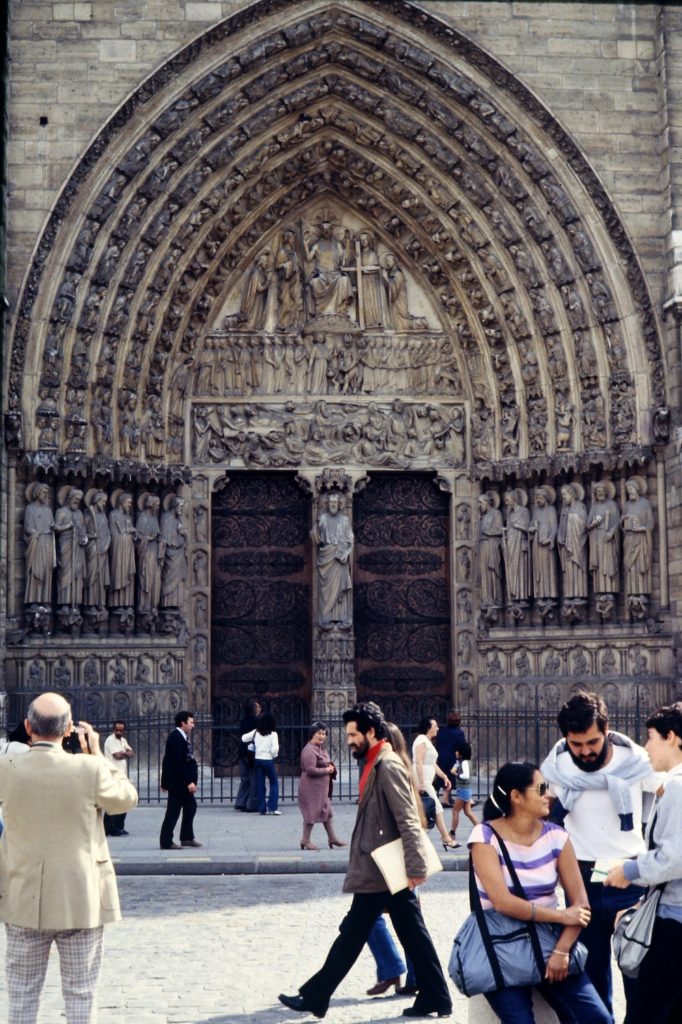
My ventures into cathedrals, Gothic and otherwise, have occurred in England, Ireland and Scotland including St. Paul’s and Westminster Abbey in London. I also have also visited many in France including Notre Dame Cathedral (before and after the great fire of 2019) and Sacré Coeur both in Paris.  My footsteps have also echoed in cathedrals in Switzerland and Italy (including San Marcos in Venice, the Duomo di Firenze in Florence and St. Peter’s in Rome) as well as in Mexico and New York City among other places.

My first trip to Europe was in 1980 where I spent a year studying in Switzerland. During spring break, I ventured into Italy where I spent several days in Rome. By this time, I had visited many cathedrals including Westminster Abbey and St. Paul’s in London,  Notre Dame in Paris, and St. Mark’s in Venice, but nothing prepared me for St. Peter’s Basilica in the Vatican. Upon arriving in Rome, I fought my way on foot through a terrifying melee of cars that the inhabitants of that city call normal traffic, and finally found my way to St. Peters Square known as the Vatican. I walked inside of St. Peter’s Basilica, and, overwhelmed, my jaw needed a crutch as I stood transfixed unable to move not unlike one of the numerous marble statues that adorn the place. After what seemed like an eternity, I collected my emotions and sat down on a simple wooden, nondescript chairs (in stark contrast to the wealth and opulence that surrounds them) set out for worshippers, where I remained motionless and almost spell-bound drinking in the awesomeness of the place. My emotional response struck me as strange, since neither I nor my family are Catholic, and, quite frankly, I, at best, had been apathetic toward that church, and even harbored antipathy toward Roman Catholicism. After 45 minutes of just sitting there, I remember thinking, “I can’t take all of the immensity of this place in at one sitting,” and suffering from cognitive and emotional overloading, I  resolved to come back the next day to absorb the rest of it. And I did.  The majesty, immenseness and artistry of it all was too much to fathom on my first visit.

Scroll forward nearly 40 years, I recently found myself in several European countries again visiting cathedrals. Like magnets drawn to steel, my wife and I were attracted to these cathedrals. After dealing with the initial awe of entering any cathedral, one of the first questions to enter my mind was this: what does Elohim think of this colossal and superhuman building projects? What is his perspective?

Immediately a flood of impressions would begin to flood my mind.

First, this cathedral, pick one, anyone, is a monumental and colossal endeavor; it’s a sort of Tower of Babel-like affair on man’s part to reach God.

Second, this is a massive stone, wood, glass and metal endeavor on the part of a religious institution to exert influence and control over the people for the purpose of money and power; it’s an attempt to control the masses of largely ignorant and uneducated people often for selfish carnal and greedy purposes on the part of many religious overlords. Additionally, it seems to be an attempt by a church system to impress and awe its sheep-subjects through grandiose building projects and, at the same time, to hold these same people beholden to church leadership through fear of losing one’s eternal salvation resulting in an eternity burning in hellfire should they be disloyal to said leadership.

Third Gothic cathedrals and similar churches wow the senses in a multiplicity of ways:

  • Their soaring architecture causes one to look up—heavenward. Not a bad thing.
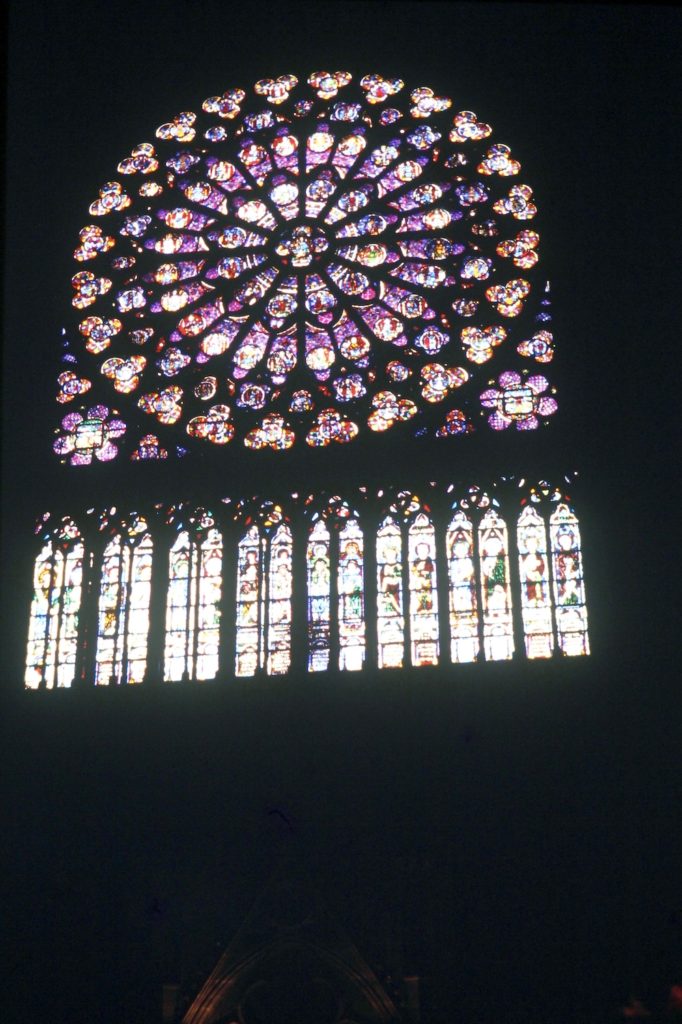
  • Their stained glass windows tell biblical stories though in an extremely abbreviated and a caricaturised way. Again, not necessarily a bad thing.
  • Their stonework evokes solidity, power, stability, strength, endurance and permanence, which reflects the religious institution that commissioned, built and maintains them.
  • The artwork of the cathedrals including the engineering of the building itself from the marble flooring and mosaics, up to the ornate altars with their marble statuary, metalwork, intricate wood carvings, the hand-hewn masonry, and the stained glass all serve to lift the human senses, elicit jaw-dropping awe and wonderment, but in what? In the works of men or in Elohim or both? Is this a good or bad thing? This depends on your point of view.
  • And then there is the grandiosity of the organ music along with celestial sounds of choirs of men and angelic-sounding boys, which fills these massive cavernous stone, wooden and lead echo chambers in almost divine polyphonic reverberations penetrating not only the edifices themselves, but, in many cases, the stoney hearts of the hearers. For many, including me, this music is soul food that also refreshes my spirit and is attractive because of its beauty as well as its biblical themes. It draws the soul inward and heavenward. Is this not a good thing? Who cannot be deeply moved by this? 

How could such a monumental and amazing human endeavor such as the construction of Gothic cathedrals that, in some cases, took hundreds of years and thousands of people to build, and the religious institutions that built them be totally devoid of God or Elohim? What peasant who lived and died in the shadow of one these immense structures, some of whose towers reached nearly 300 feet heavenward and dominate the skyline for many miles around, in their right mind would deign to question whether this was a God-thing or not? To question might mean losing one’s eternal salvation if not their land and property and, possibly even their physical life.

Even though the Creator of heaven and earth does not and cannot dwell in any building made by human hands, still, worshippers of the Creator, by whatever name they call him, need a place to gather out of the cold, dark and rain to seek him collectively. Why not make such a place as beautiful as possible, so that he can be worshipped in the beauty of holiness? 

After all, didn’t the Almighty commission the children of Israel to build him a tabernacle and later a temple for him to dwell in the midst of them, and a place where they could congregate to give him his due? 

So what does YHVH Elohim think of all of this?

It would be foolish and presumptuous of me to assume that I have the definitive answer to this questions, but as I pondered these questions, while wandering around in several cathedrals on my latest trip to Europe, several strong impressions floated to the top of my mental pool of thoughts.

True, these churches were, I suspect, to one degree or another, built to impress and control the masses for the benefit of the religious and regnal elite, and although they were often built to satiate human greed, lust for power and wealth at the people’s expense, is it all bad? There is some good in nearly everything if we just look for it. 

In contradistinction to the secular and religious leaders who orchestrated the building of these cathedrals, what about the common people?

 Yeshua’s view of the religious leaders of his day, was anything but positive, and I too share a similar view of institutionalized religion and most of its leaders—a system which the book of Revelation calls “Mystery Babylon,” which is comprised of both good and evil, holy and polluted, and a conglomerate of both biblical and pagan elements, and which Scripture metaphorically represents in unglowing terms as a spiritual whore. 

Yet, even though Yeshua often eviscerated and rebuked the religious leaders of his day, he, at the same time, treated the little people who had been caught up in these leaders’ religious systems and schemes with tenderness and grace. 

Similarly, behind the building of these mighty churches were often the nefarious and ungodly schemes of men to financially rape and control for selfish purposes the common people who came to worship and to seek Elohim in their own simple, naive and uneducated way. Therefore, I cannot judge the hearts of those who in simplicity of heart came (and still come) to seek Elohim the only way they knew. This includes both peasant and lord, as well as many monks, priests and nuns. Who is in the place of Elohim to know much less evaluate how he will judge them in that day for their religious efforts directed the best they knew toward him?

All I know is this: there for YHVH Elohim’s grace go you, me and everyone else who has ever lived. This I also know, I could have been born as one of those hapless and illiterate peasants who was irrevocably tied to the land on which they and generations before them had toiled in impoverished anonymity. I could have been birthed into this untouchable caste class slaving away my entire life for the benefit of the church and nobility under the shadow of their cathedrals and churches (which exist in nearly every town) and castles, with little options in life to do anything else, to go anywhere else or to know anything else. 

With these realities in mind, I tend to think that the Elohim of mercy and justice will judge the people more favorably than many of us may think.  Even though many of us have left traditional churchianity with an acrimonious taste in our mouths, and some of us, sadly, even still harbor a supercilious heart attitude toward our Christian brethren, we might want to rethink our position in light of a gracious Elohim. If you hold a negative if not bitter disposition toward the church, I am praying that you will find the heart of our magnanimous and gracious Father in heaven who causes it to rain (a blessing, not a curse) on all people including the just and the unjust, at the very least, and, at the most, is even now regathering his lost sheep of the house Israel from many places in many lands out of many churches in preparation for the second coming of our Messiah. The very people Yeshua commissioned us to help regather or those who are going to these churches and cathedrals. Many of you used to go there too, but YHVH in his mercy has opened your eyes and you’ve heard his voice to “come out her my people”  (Rev 18:4) He will yet do the same for many of them.

In conclusion, to be sure, the most glorious church building on earth is nothing at all compared to the most common place and taken-for-granted regularly occurring aspect of Elohim’s creation such as a sunset, a lily flower, a starry heaven, a waterfall or a snow-capped mountain, a mountain stream, a butterfly, the human body, a loving human family and a saved person whose name is written in the Lamb’s book of life. The most opulent and extravagant Gothic cathedral is little more pile of refuse compared to these. This speaks to the greatness of our Elohim and to men’s puny efforts to give him the honor, praise and worship he is due. Give YHVH Elohim the glory!
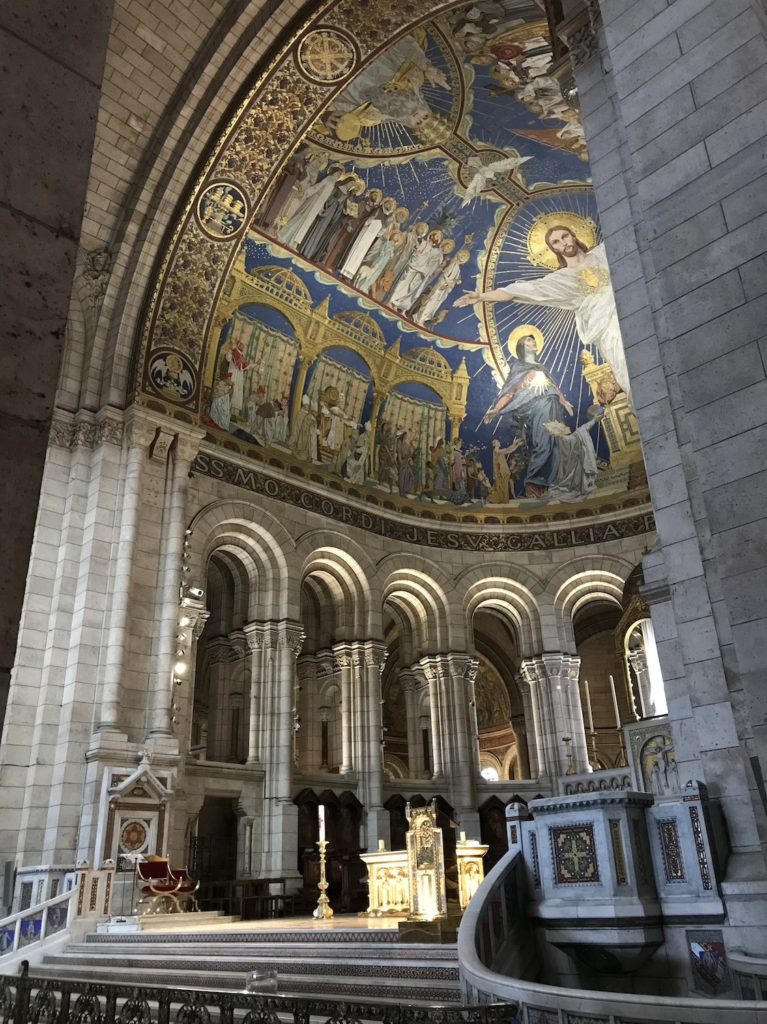
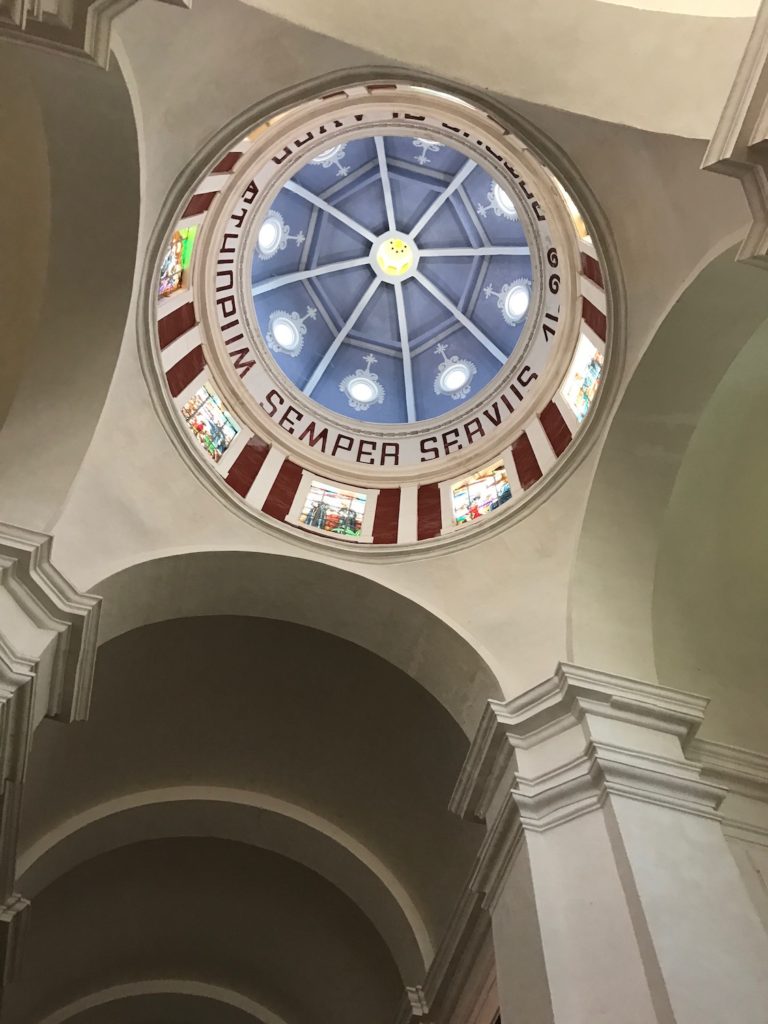
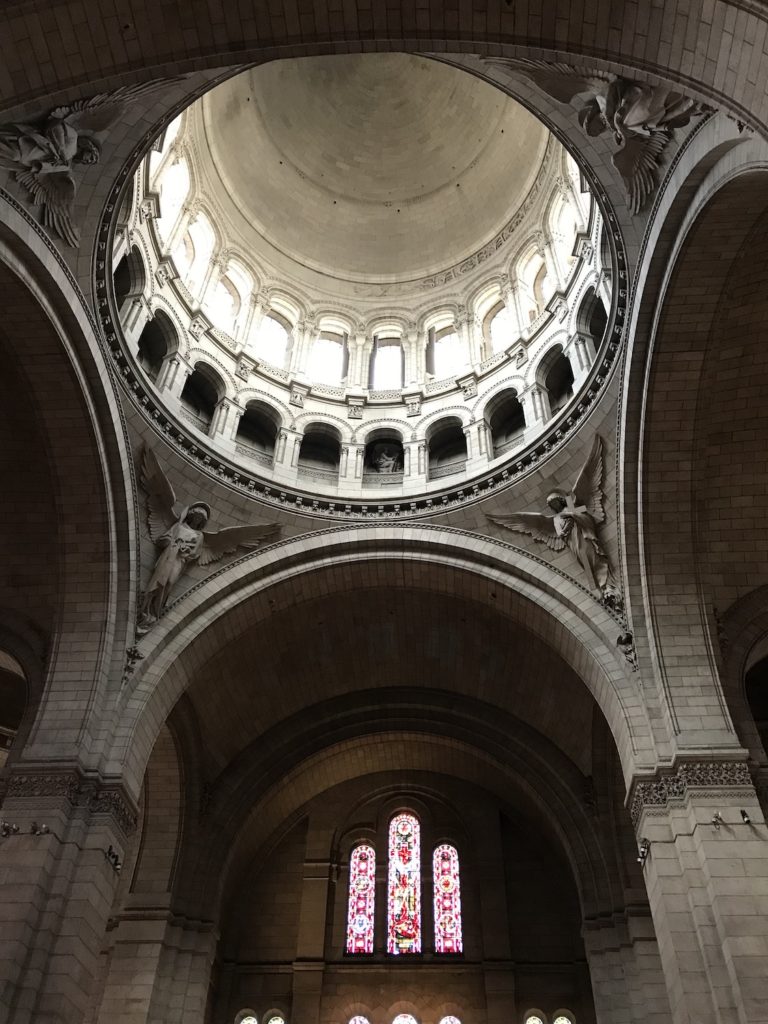
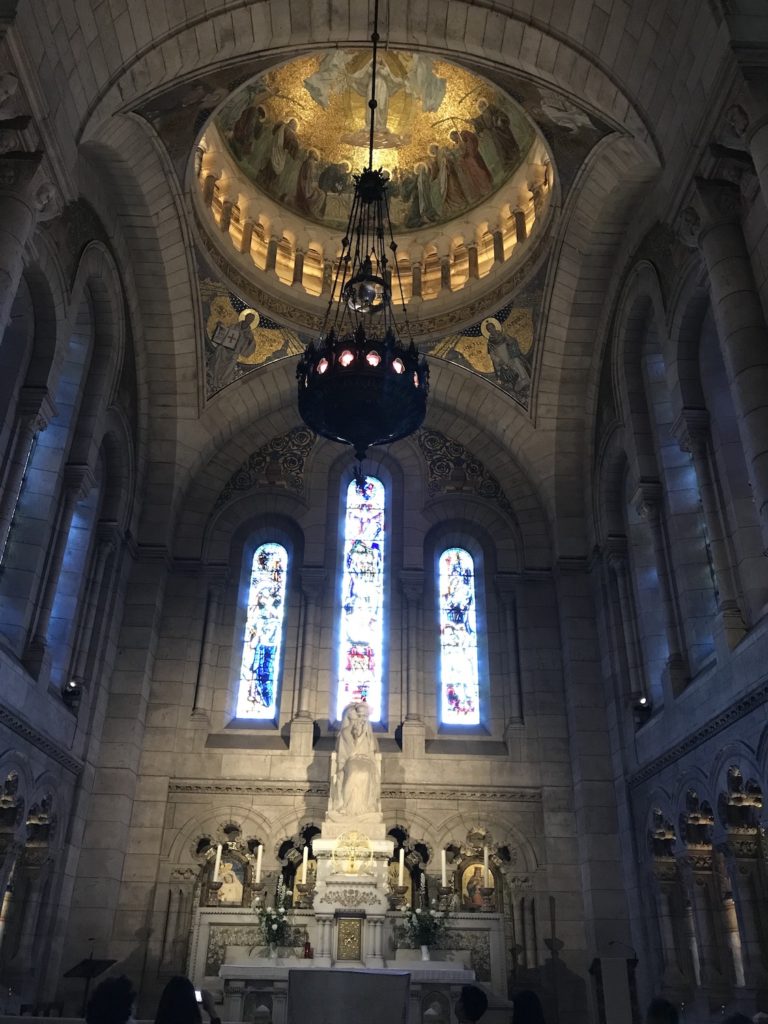
Sacré Coeur, Paris 2019
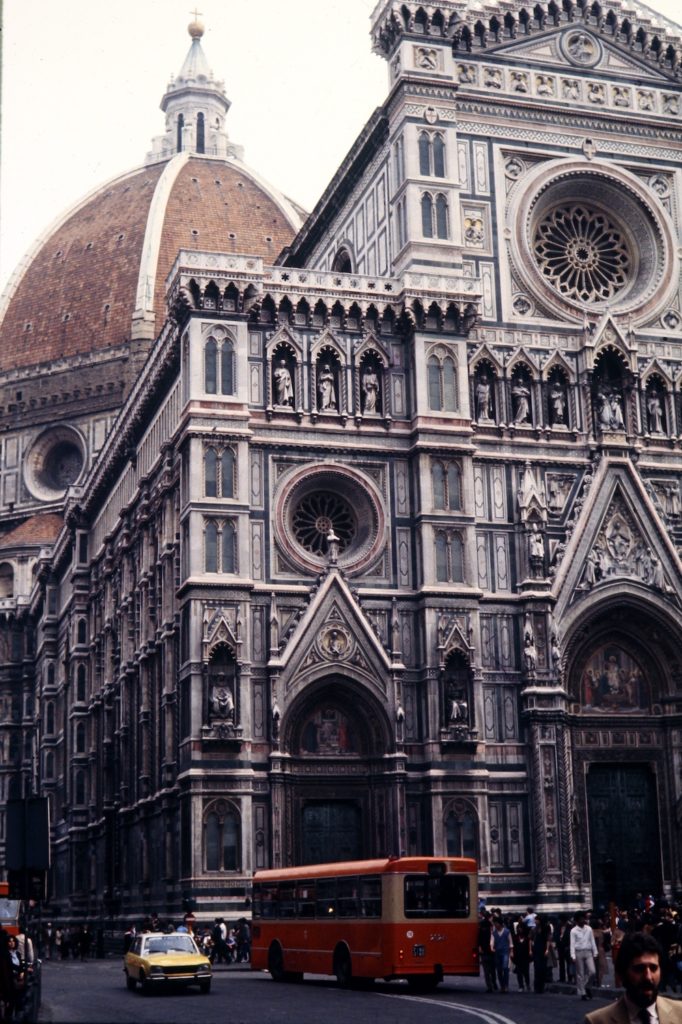
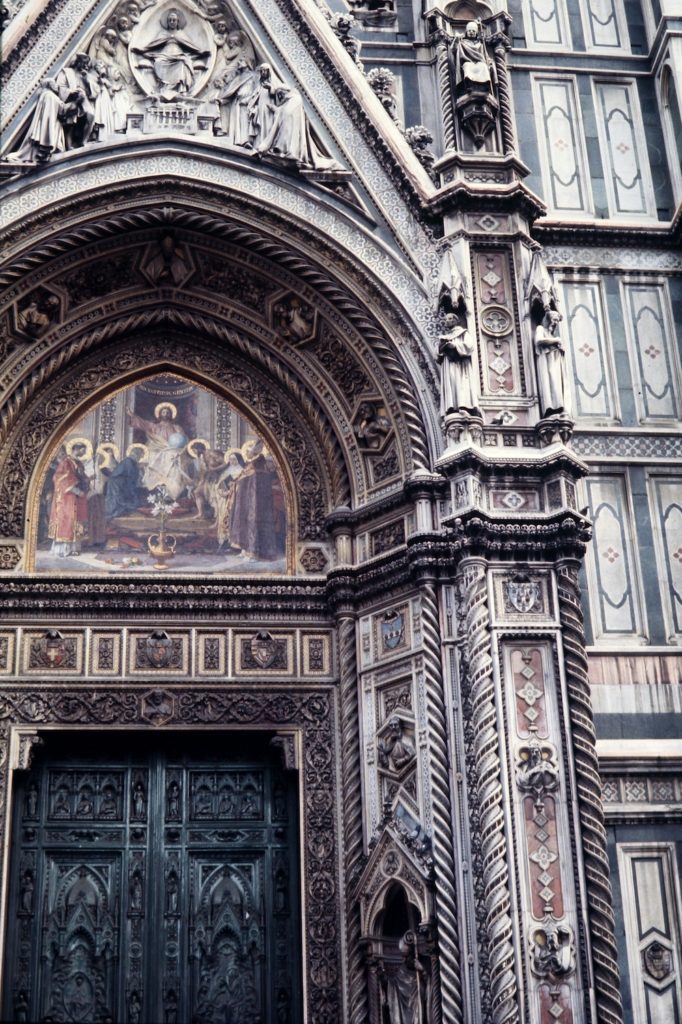
The Cathedral in Florence, Italy 1981
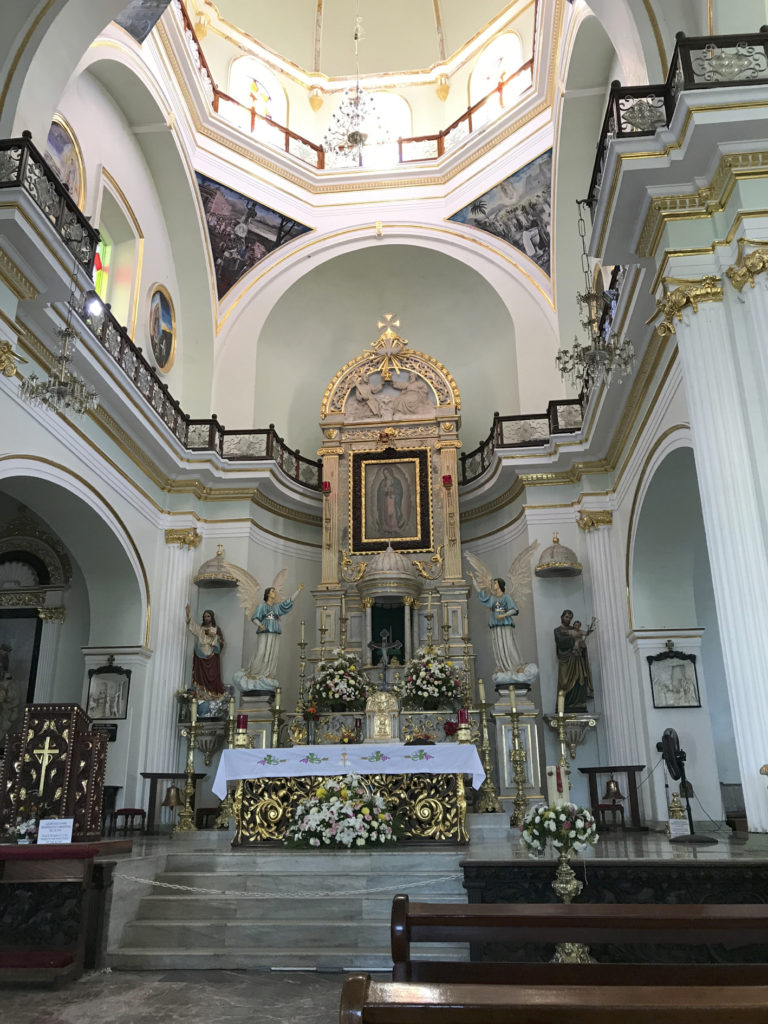
Cathedral in Puerto Vallarta, Mexico 2019
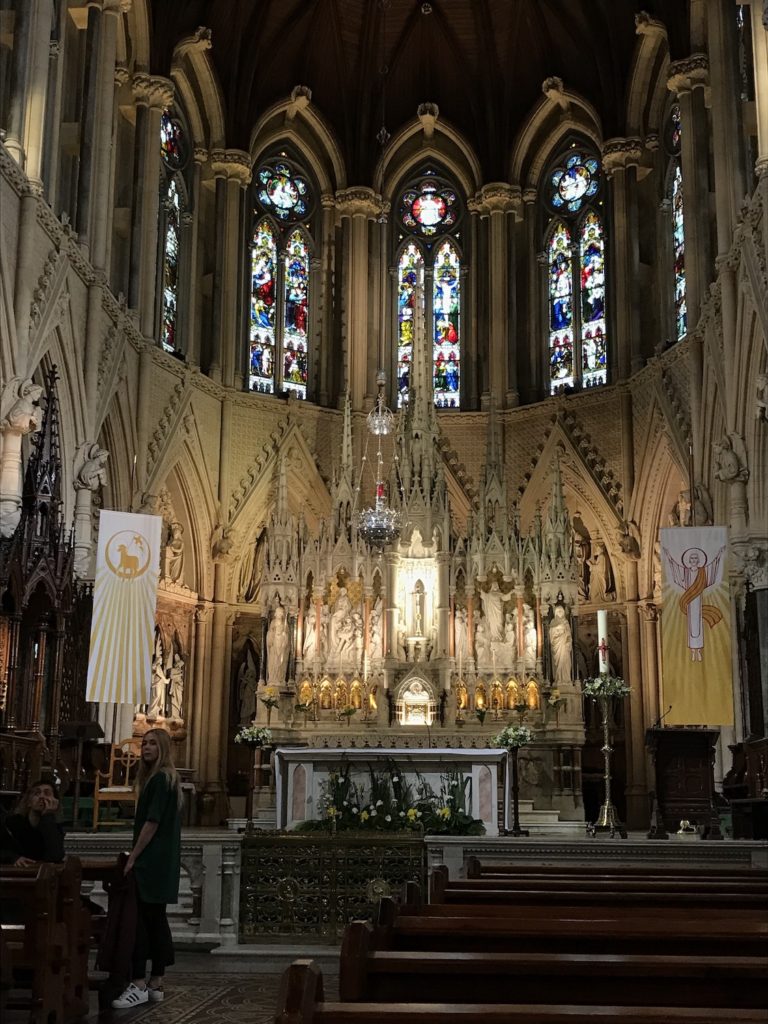
Notice how this cathedral in Cobh, Ireland dominates the entire skyline of the city and can be seen for miles around. Geographical prominence is typical of many cathedrals.
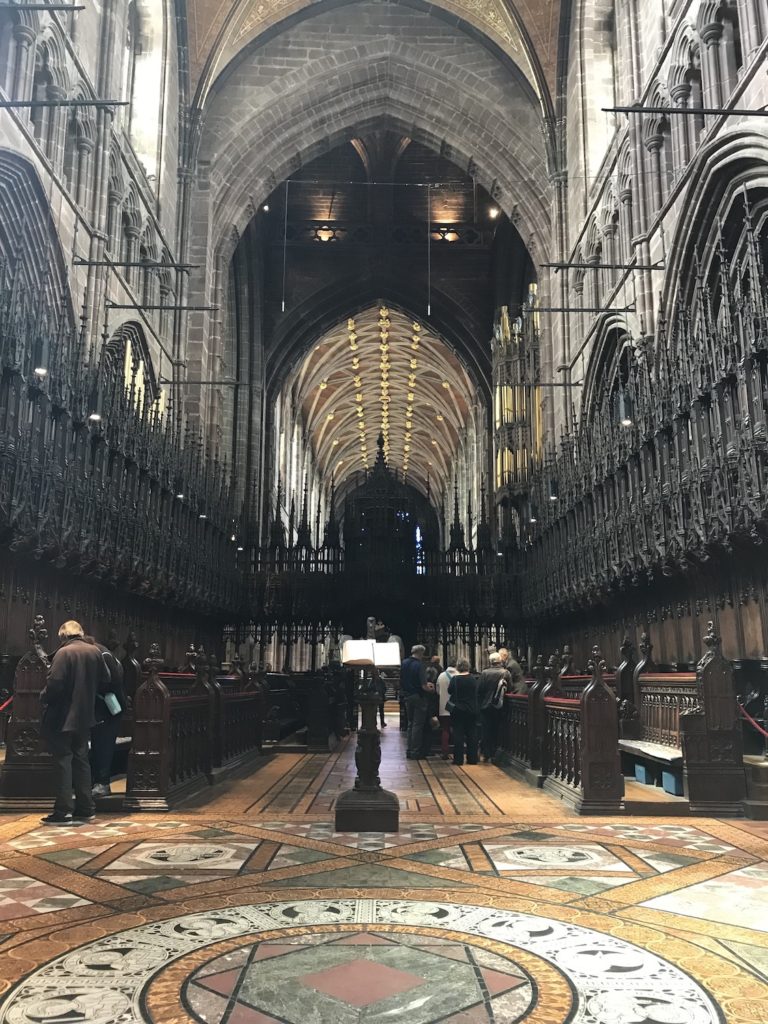
Cathedral in Chester, England 2019
Cathedral in Florence, Italy taken by Natan in 1981
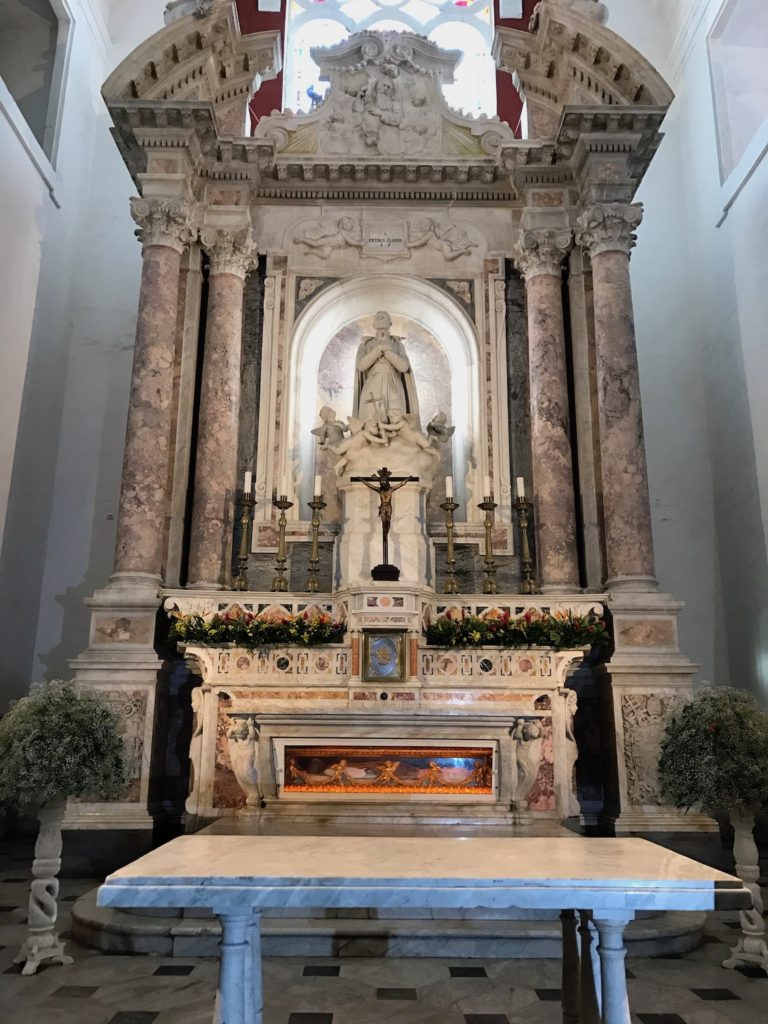
Cathedral in Cartagena, Colombia 2016
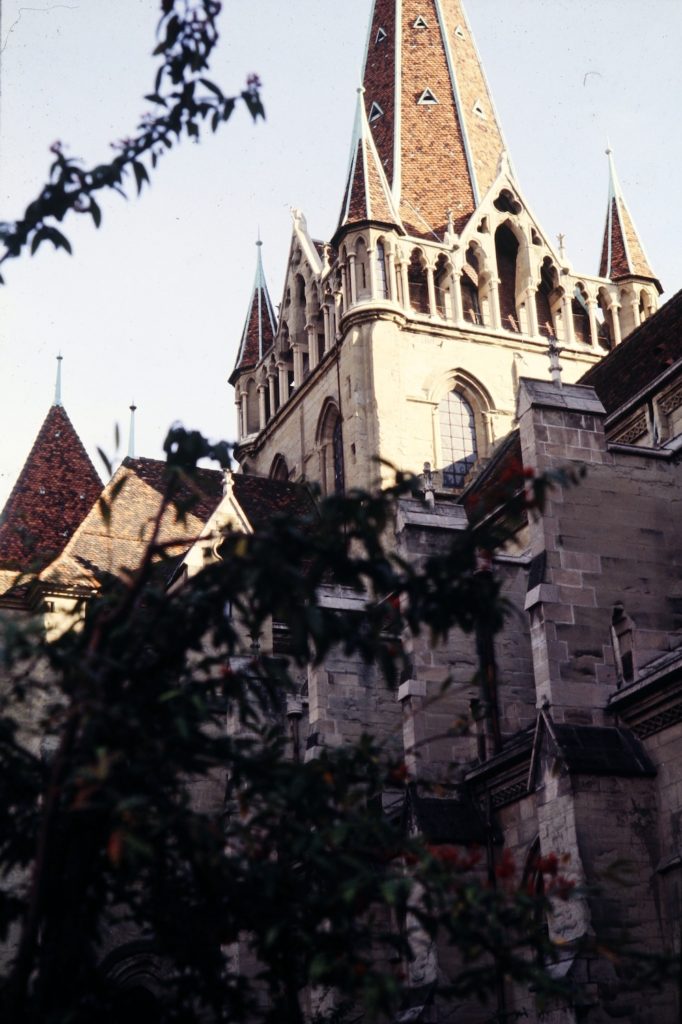
Cathedral in Lausanne, Switzerland near where Natan lived in 1980


Sacré Coeur, Paris 2019
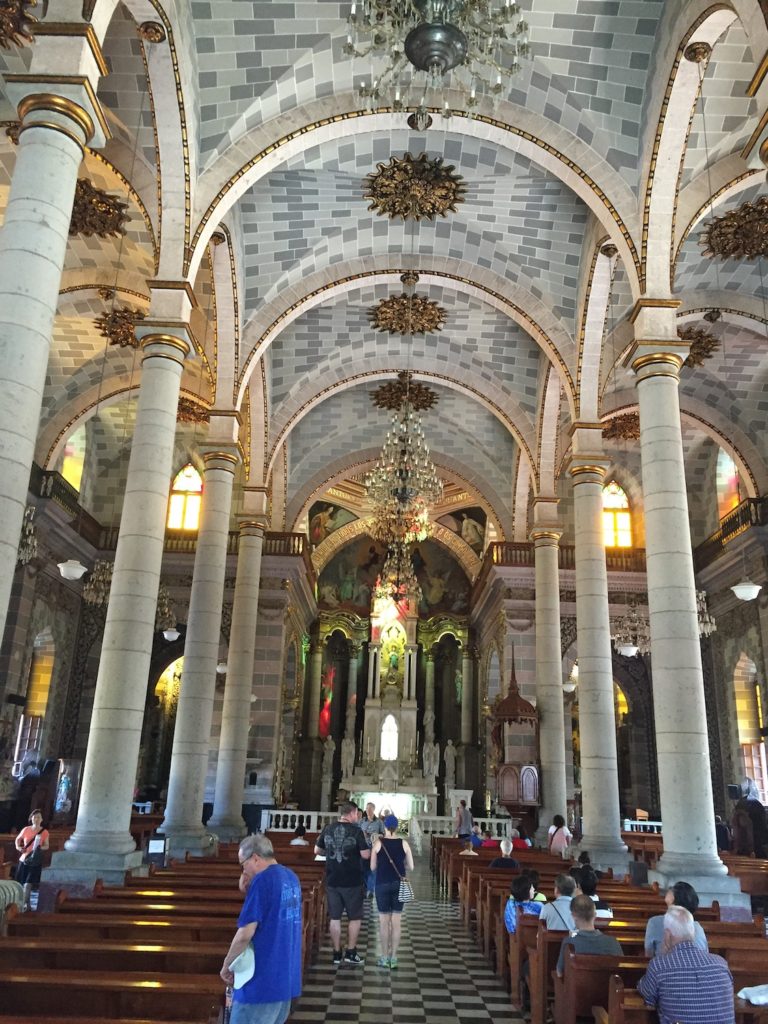
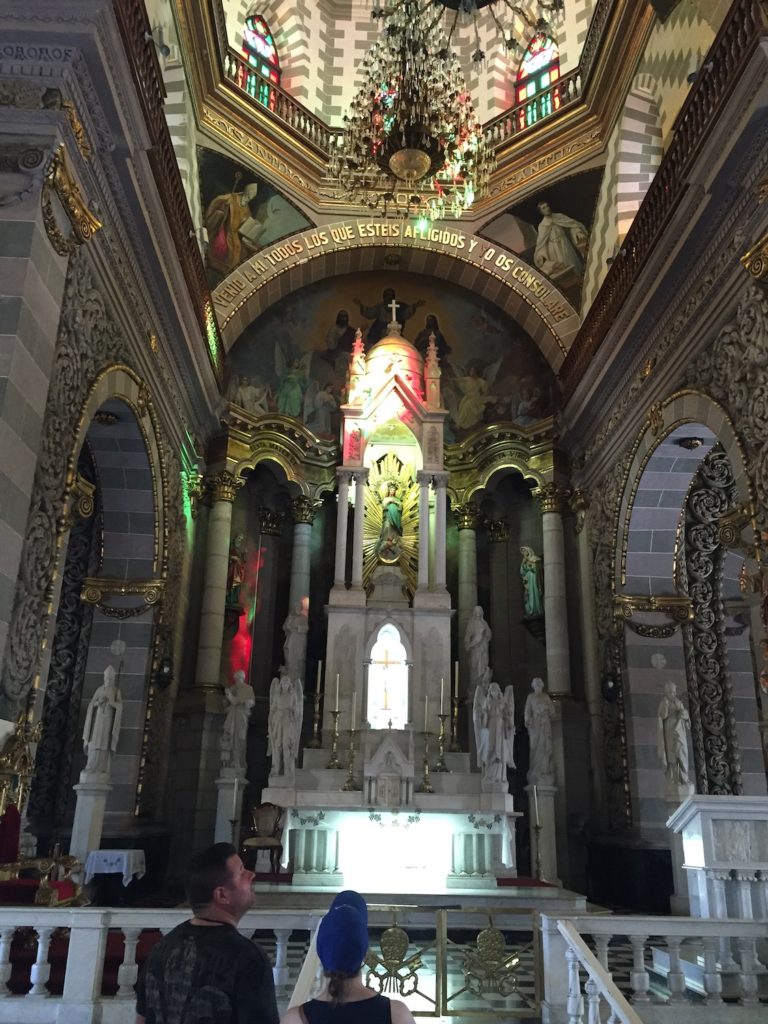
Cathedral in Mazatlan, Mexico 2019
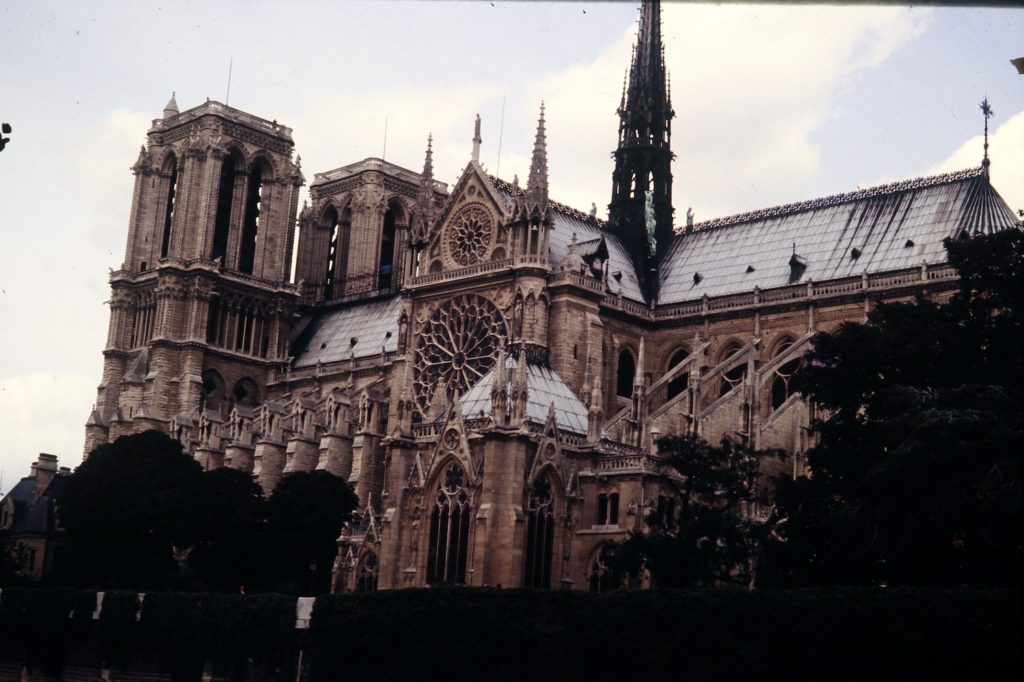
Notre Dame, Paris taken by Natan in 1980
 

Clean and Unclean Meats or Vegetarianism?

Romans 14:2, One man has faith…eats vegetables. Is Paul teaching in this passage that it is permissible for believers to eat “all things” including unclean meat, which includes rats, bats, scorpions, lizards and cockroaches? 

First let’s examine the greater context of Romans 14:2, which is 14:1-15:6. Messianic Jewish biblical scholar David Stern in his Jewish New Testament Commentary states that among believers there are two groups: those with “strong faith” and those with “weak faith.” The latter are depicted in this passage as feeling they must abstain from meat or wine and/or observe certain days as set-apart (kadosh), while the former feel no such compunctions.

Stern continues, it is clear from this passage itself that the “weak” cannot be equated with Torah-observant Messianics. Nothing in YHVH’s Torah-law requires an Israelite to be vegetarian (verse 2). It is argued that kosher food might not have been available in Rome, but Rome had a large Jewish colony (Acts 28:17), and it is unthinkable that it would not have had a shochet (ritual slaughterer). Also nothing in Torah requires one to refrain from wine (verse 21); the only exception are Nazirites during the period of their vow and cohanim (priests) on duty. On the contrary, wine drinking is so much a part of Jewish ritual that is lent an aura of sanctity that, at least until recently, made alcoholism very uncommon among Jews.

In Sterns opinion, the weak are believers, either Gentile or Jewish, who have not yet grown sufficiently in their faith to have given up attachment to various pagan ascetic practices and non-biblical Greek or Jewish calendar observances. (This is not a reference to the biblical feasts or appointed times that YHVH spells out in his Torah-law.) He then lists four types of people who fit into this category: (1) Gentiles who want to avoid the appearance of evil by maintaining physical and emotional distance from anything that reminds them of their previous idolatrous practices… who want to avoid the trappings of their former sinful way of life. (2) Gentiles who adopted elements of Jewish practice as part of their faith along with believing in Yeshua. They have, as it were, bought what they considered a whole package and have not yet unwrapped it and decided what is really important for them. In the first century the phenomenon was common enough to require considerable attention among the early believers (Acts 15 and the whole book of Galatians, for starters). (3) Gentiles or Jews who have brought into their faith practices found in other religions with which they are familiar. These practices often appeal to their religiosity but are irrelevant or even contrary to the gospel. (4) Finally, Messianics who have not grasped how the incorporation of the Renewed Covenant into Elohim’s Torah and the presence of the Set-apart Spirit in themselves alters the way in which the Torah is to be applied. They therefore feel a compulsiveness about observing ceremonial and ritual details. When their faith grows stronger they will be free not from the Torah-law but from legalistic compulsiveness (Stern, pp. 431-434).

On the phrase in Romans 14:2, “One man has faith … eats vegetables,” Messianic Jewish biblical teacher JosephShulam writes that the references to “vegetables” (and thus to “meat” by contrast) most likely relates to the problems associated with food offered to idols; vegetarianism was not a religious or theological issue per se during the Second Temple period. The Jewish believers’ sensitivities derive from extensions or “fences” against the possibility of idolatry and or from traditional interpretations concerning kashrut (the laws concerning clean and unclean animals and ritual slaughtering), as well as the laws concerning ritual purity. To exclude meat from one’s diet was a solution to those who doubted the origin of meat, its method of slaughter, and the possibility that it might have been offered to idols before sale in the market. When the “weak” person refrains from eating food that has been offered to idols, Paul considers him in effect to question whether Elohim has more power than the idol (A Commentary On the Jewish Roots of Romans, pp. 457-458).

So contrary to popular opinion, Romans 14 is not discussing whether or not it is permissible to eat unclean meats, but rather vegetarianism as opposed to meat eating as a means of avoiding eating meat sacrificed to idols. So once again, in examining the Hebraic and historic cultural context of the passage we see that the traditional Christian interpretation of this passage as an invalidation of the biblical kosher laws is erroneous and a matter of men’s traditions making of none effect the plain Word of YHVH (Matt 15:7-9 and Mark 7:7-9).

Romans 14:14, Nothing is unclean in itself. In this verse, is the Apostle Paul declaring that there is no longer a distinction between clean and unclean foods, therefore making void the biblical dietary laws? Let’s analyze the contextual and linguistic aspects of this passage to see what Paul is really saying here.

The word unclean (koinos) in this verse can also mean “common,” and in three places in the Apostolic Scriptures the two words “common” and “unclean” are used side by side; q.v. Acts 10: 14, 28 and 11:8, which says, “But I said, Not so, Master: for nothing common [koinos] or unclean [akathartos] has at any time entered into my mouth. “From this example, we see that unclean in Romans 14 can also mean “common” as we find in Acts 11. The word for unclean in Acts 11:8 is an entirely different word; therefore, akathartos is a reference to unclean meat, as proscribed by the Torah. Koinos, on the other hand, cannot mean unclean meat in Romans 14, or else Acts 11:8 would be a superfluous and unexplainably redundant in using two words that mean exactly the same thing. The word koinos is used elsewhere in the Apostolic Scriptures not to mean “unclean,” as in “unclean meat,” but “unclean” as in unwashed hands (Matt. 7:2), or “common,” as in something that is shared commonly among people (Acts 2:44; 4:32; Tit 1:4; Jude 3). Of the seven places this word is used in the Apostolic Scriptures it never means unclean meat.

In David Stern’s Jewish New Testament Commentary, on Romans 14 he states that Paul is not abrogating the biblical dietary laws. On verse 14, Stern states that Paul is referring to ritual purity, not whether something is unclean (nonkosher) meat or not. What is ritual purity? It is a reference to either how something was slaughtered, and whether it was bled properly, or whether the meat had previously been sacrificed to idols before being sold in the public meat markets—a common practice in that day in pagan cities.

Furthermore, Paul could not have been advocating eating swine, and other unclean meats, without making himself into a total hypocrite and liar, since in several places in the Book of Acts he strongly states (toward the end of his life) that he was a Torah-observant Jew and walked orderly and kept the Torah (Acts 21:20), and that he had not broken any of the Torah laws (Acts 25:16), which would have included the dietary laws contained in the Torah. 

Let’s also keep an important point in mind when speaking of YHVH’s biblical dietary commands: When some­one gets born again or regenerated spiritually their digestive system does not change. Eating unclean or biblically unkosher meat is, from a purely medical standpoint, deleterious to one’s health regardless of whether one is a believer in Yeshua or not.


The Two Silver Trumpets and the Two Houses of Israel

Numbers 10:1, Two trumpets of silver.What is the significance of the two silver trumpets? They were used to gather the assembly (verse 2), to move the camp (verse 5), to prepare the people for war (verse 9), and to celebrate YHVH’s feasts (verse 10). Why were there two trumpets with which to call the children of Israel to assembly? The procedure for using trumpets as a procedure to summons or signal the nation of Israel was an eternal decree (verse 8, also see The ArtScroll Stone Edition Chumash, p. 783). 

The Jewish sages teach that the sounding of these silver trumpets is directly linked to Yom Teruah (the Day of the Shofar or Shouting) in the fall, which is symbolic of the return of Yeshua and the regathering of his people Israel. 

So what do these two silver trumpets represent prophetically? Who is being called? Are those trumpets being sounded now in a spiritual sense and who is responding to the call?

As to the significance of the two silver trumpets, Batya Wootten suggests, in her book, Israel’s Feasts and Their Fullness, that the trumpets spiritually symbolize voices (Rev 1:10; Isa 58:1). She goes on to note that historically there have been two people groups on earth who have been testifying about the goodness of the Elohim of Abraham, Isaac and Jacob. These are the Christians and the Jews—both of whom worship the same Elohim as revealed in the Scriptures. Israel was called to be YHVH’s witnesses on earth (Isa 43:10). YHVH then divided the twelve tribes of Israel into two nations or houses, They were the House of Judah and the House of Ephraim who would be later represented by the Jews and the Christians, respectively. According to Torah, truth must be confirmed in the mouth of two or more witnesses before it can be believed (Num 35:30; Deut 17:6; 19:15; John 8:17; 2 Cor 13:1). Wootten says that these “two witnesses” have not been sounding their voices in unison, but instead have been fighting and denying one another. Yet the Apostle Paul states that there is to be one new man in Messiah Yeshua (Eph 2:15) not two men—a Jewish and a Christian man. These two witnesses have to come together before Yeshua can return to this earth to establish his eternal kingdom here (Acts 1:6–8 cp. Acts 3:21). Wootten notes that the two silver trumpets were hammered out of one piece of silver (Num 10:2). In the Bible, silver symbolizes refinement and redemption. Hammered trumpets tell of the Father molding his people through affliction (Jer 9:7; Dan 11:35; Zec 13:9; Hos 1:10; Mal 3:3, Ibid. pp. 219–228). Before the one new man can become the glorious bride of Yeshua, refinement, repentance and reunification must occur. This is happening now with YHVH’s people and will continue to happen until the return of Yeshua.


Finding the Will of Elohim for Your Life

Romans 12:2, Prove… Good …Acceptable…Perfect. 

I beseech you therefore, brethren, by the mercies of Elohim, that ye present your bodies a living sacrifice, holy, acceptable unto Elohim, which is your reasonable service. And be not conformed to this world: but be ye transformed by the renewing of your mind, that ye may prove what is that good, and acceptable [well-pleasing], and perfect, will of Elohim. (Rom 12:1–2)

Let’s first define some words in verse two.

Prove is the Greek word dokimazo signifying “to test, examine, prove, scrutinise (to see whether a thing is genuine or not), as metals, to recognise as genuine after examination, to approve, deem worthy.” 

Good is the Greek word agathos meaning “of good constitution or nature, useful, salutary, pleasant, agreeable, joyful, happy, excellent, distinguished, upright, honourable.”

Acceptable is the Greek word euarestos and means “well pleasing, acceptable.” 

Perfect is the Greek word teleios (related to telos, see note on 10:4) signifies “a goal-oriented action, that which is complete, whole, brought to its end, lacking nothing necessary to completeness, that which is perfect.”

In this passage of Scripture, Paul’s juxtapositioning of these three words suggests the grammatical construction of the good (the nominative), better (the comparative) and best (the superlative).

What does this teach us? An amazing truth regarding the merciful graciousness of YHVH Elohim! Within the limits of the plan that YHVH has for each of our lives, there are different paths that we can take as Romans 12:2 indicates. The choice is ours. We can take the good path, the acceptable or better path or the best or perfect path. 

As to which path is the perfect will of Elohim for us, we have a clue in verse one as to which path that is. Let’s unpack verse one, so that we’ll better understand verse two. 

What Paul is teaching here us here is that to the degree that we become a living sacrifice for Yeshua by denying our sinful passions and submitting to the will of Elohim (v. 1), and to the degree that we allow the Spirit of Elohim to renew our minds into conformity to the mind of Yeshua by the “brainwashing” influences of his Spirit and the washing of his word (Eph 5:26) is the degree to which we will find ourselves walking in the perfect will of Elohim. This is a process. As we become deconformed or deprogrammed to the ways and thinking of the world (v. 2), and as we accept the wisdom from above, which is pure, peaceable and gentle as opposed to worldly, sensual and demonic resulting in bitter envying, self-seeking and resistance to the truth of Elohim (Jas 3:13–18), is the degree to which we will be able to prove or determine YHVH’s complete or perfect will for our lives (Rom 12:2).

In the bigger perspective, YHVH Elohim has a path for each of his saints to walk in. That path is based on Torah as David discusses in Psalm 119 (e.g. Ps 119:30, 32, 33, 35, 105), as well as the rest of YHVH’s written word from Genesis to Revelation. Within that path, YHVH gives a person room or liberty to wander from one side or the other without falling into the ditch on either side of the road. On several occasions, Moses urged the Israelites to go neither to the left or to the right (Deut 5:32; 17:11, 20; 28:14). Moreover, Yeshua talked about a narrow and a wide path—one leading to life and other leading to destruction (Matt 7:13–14). The wider our spiritual walk, the more likely we are to veer off the path and fall into the ditch of destruction on either side of the path of life. When we veer too far to one side or the other, we begin feeding from the tree of the knowledge of good and evil. This is a dangerous place to be spiritually, for we know to do good and are drawn to the good, but, at the same time, we are enticed by the evil and may begin to find pleasure in it. Unless something wakes us up, the evil will eventually win out leading to eternal death. Adam and Eve found this out the hard way.

Yeshua characterized the narrow path that is pleasing to the Father as being spirit and truth (John 4:23–24). Truth taken to the extreme produces legalism, judgmentalism and a letter-of the-law approach to obedience. Spirit taken to the extreme results in licence to sin based on the false idea of extreme grace.

There are perhaps no examples in the entire Bible of a person walking consistently in the perfect will of Elohim. For example, Job was a righteous—the most godly, righteous and blameless man on the earth (Job 1:8). He was definitely a good (Gr. euarestos, Rom 12:2) man, but not perfect or complete (Gr. teleios, Rom 12:2) in the eyes of Elohim. YHVH allowed him to be tested to bring Job to a higher level in his spiritual walk. Similarly, Lot was anything but a perfect man. He may well have been the epitome of a lukewarm, world and flesh-appeasing believer, yet he had enough faith in YHVH to leave wicked Sodom and the Scriptures refer to him as a “just” and “righteous” man (2 Pet 2:7). Both Jephthah and Samson committed some glaring sins for which they paid a dear price, but Scripture commends them for their faith (Heb 11:32). Likewise, David failed on several occasions to walk in YHVH’s perfect will and even gave in to the temptation to commit murder, and adultery and to number Israel in direct violation of Elohim’s commandment, yet he repented of his sin and the Bible deems him a righteous man. Moreover, Peter denied Yeshua thrice—a grave sin against the Messiah—but was forgiven. All of these saints fell short in one way or another of Elohim’s highest standards of righteousness, but they did the best they could and YHVH blessed them for it.

It is the heart of Elohim for his servants to achieve the highest standard of righteousness possible. For example, Yeshua instructed his disciples to “be becoming perfect” (Gr. teleios, Matt 5:48), and told them that their righteousness must exceed that of even the Pharisees (Matt 5:20). Attaining to this high level is a process that will last a person’s lifetime, and will likely never be achieved by anyone. How many humans ever consistently attain a spiritual walk that can be characterized as “the perfect will of Elohim” (Rom 12:2). Only one that we know of: Yeshua the Messiah!

In the mean time, Elohim is dealing with imperfect humans, which is why we need his never-ending grace and mercy (and the righteousness of Yeshua to be attributed to our spiritual account). 

The fact is that to the degree that one submits to the word and will of Elohim is to the degree that one will find Elohim’s perfect will for their life. When we fail to live our lives as a living sacrifice before Elohim (Rom 12:1) meaning that we are willing to lay down our own will and accept the will of Yeshua even as he accepted his Father’s will for his life when he went to the cross (Luke 22:42), then we’ll have to spend more time in the wilderness of our spiritual wanderings learning some hard lessons before the Father can bring us into the Promised Land of his perfect will for our lives. 

When we choose to go against the will of Elohim and choose our own sinful will instead, we’re treading on dangerous ground. We may eventually come back to our Heavenly Father’s good or perfect will for our lives, or we may not. At times, we may be pulled away from Elohim and his righteous standards by the sinful influences of the world, the flesh and the devil as was the prodigal son in Yeshua’s parable (Luke 15:11–31). Hopefully, we’ll repent of our unrighteousness and return to our Father in heaven as the son in the parable did and not remain a spiritually lost prodigal forever.

Let’s close with this ancient adage. Good, better, best. Never let it rest. ‘Til your good is better and your better is best. 


Does YHVH’s pillar of fire lead you?

Numbers 9:15–23, The cloud. The cloud covered the sanctuary by day and a pillar of fire covered it by night. How does this relate to us and to our spiritual walk? Who is YHVH’s spiritual sanctuary now? (Look up 1 Cor 3:16; 6:19.) Who and what is the pillar of fire that gave light in the darkness of the night to the Israelites and that now gives us light? (Read John 1:4–9; 8:12 cp. Ps 119:105 and John 1:1–3.) Where does the fire of YHVH abide now? Over us or in us? (See Acts 2:1–4.) To be filled with the Spirit of Elohim means being filled with Yeshua’s Spirit, which guides us in the ways of YHVH from the inside of us (read John 16:13).

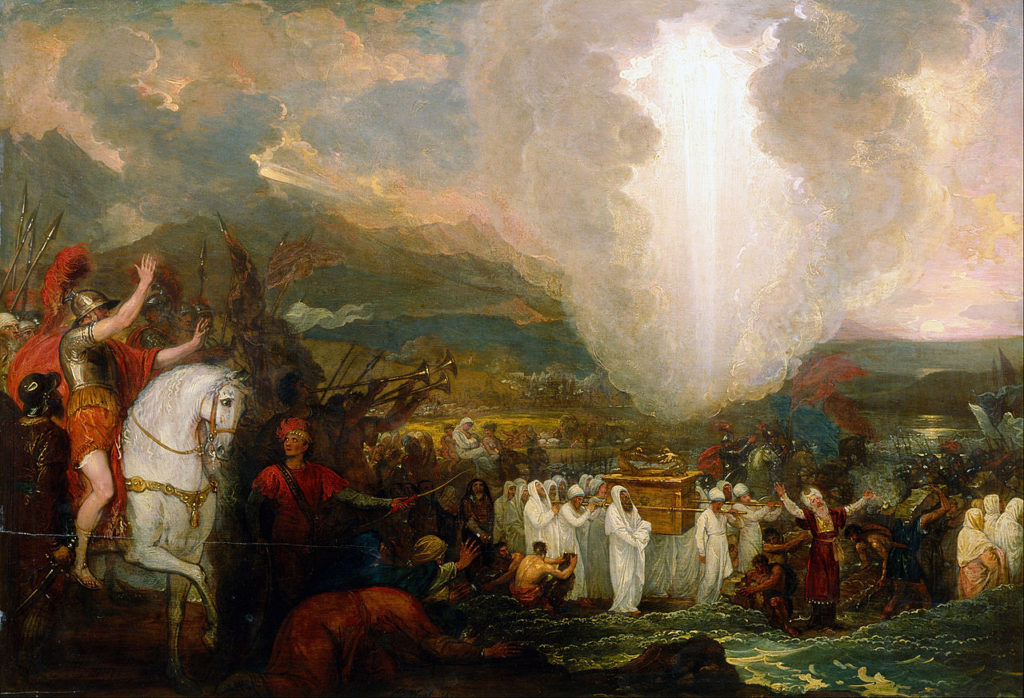
Numbers 9:22–23, Abode … rested … journeyed.How do these concepts relate to our spiritual walk? How do we know when to rest or abide, and when to journey? How does YHVH show us his will for our lives? Matthew Henry in his commentary on this passage says, “Thus we are taught to see [Elohim] always near us, both night and day. As long as the cloud rested on the tabernacle, so long as they continued in the same place. There is no time lost, while we are waiting for [Elohim’s] time. When the cloud was taken up, they removed, however comfortably they were encamped. We are kept at uncertainty concerning the time of our putting off the earthly house of this tabernacle, that we may be always ready to remove at the command of [YHVH]. It is very safe and pleasant going when we see [Elohim] before us, and resting where he appoints us to rest. The leading of this cloud is spoken of as signifying the guidance of the blessed Spirit.” (Read Pss 37: 3–7, 23–24; 73:24; Prov 3:6; Rom 8:14.) Are we ready to lay our lives down, die to self, and to follow YHVH’s perfect will for our lives no matter how much it may stretch our faith?

Some Additional Insights on the Pillar of Fire That Guided the Israelites

In Exodus 13:21 we read,

And YHVH went before them by day in a pillar of a cloud, to lead the way; and by night in a pillar of fire, to give them light; to go by day and night.

Then in Exodus 14:19 it is written,

And the Angel of Elohim, which went before the camp of Israel, removed and went behind them; and the pillar of the cloud went from before their face, and stood behind them.

Who is this “Angel” of Elohim (in other places he is called “the Angel of YHVH”)? Angel is an unfortunate translation. The Hebrew word for angel is malak and simply means “a heavenly or a human messenger.”Prophetically this word can refer to human messengers such as the one coming in the spirit of Elijah prior to Messiah’s coming, as well as to the Messiah himself (“Messenger/Malak of the covenant” in Mal  3:1). In Genesis 32:22–30, Jacob wrestles with a man the Scriptures identifies as the Malak of YHVH (Hos 12:3–5) and whom Jacob called Elohim (Exod 32:30). This same Individual redeemed Jacob (Gen 48:16) and is identified with the Malak of Elohim … the Elohim of Bethel (31:11 and 13) and appeared to Moses at the burning bush (Exod 3:2). Now we find this same figure leading Israel in the wilderness. Again who is he? Stephen in Acts 7:37–39 identifies the Messiah (i.e. “that Prophet” Moses mentioned in Deut 18:15) with the “Angel” or Heavenly Messenger which spoke to the children of Israel from Mount Sinai and who gave them the “living oracles,” who the Israelites later rejected for pagan gods. Paul elsewhere said of that same Personage that the Israelites did “all drink the same spiritual drink, for they drank of that spiritual Rock that followed them: and that Rock was Messiah” (1 Cor 10:4).

Of that pillar of fire that led them we see that it gave them light. Light, in the Scriptures, is synonymous with Torah (see YHVH’s Instructions in Righteousness, A Messianic Believer’s Introduction to the Torah at http://www.hoshanarabbah.org/pdfs/torahprimer.pdf ). We have seen that Yeshua the Messiah is the Light of the World—the Word of Elohim in living form (personified).

In Nehemiah 9:12 and 19 we read:

Moreover you led them in the day by a cloudy pillar; and in the night by a pillar of fire, to give them light in the way wherein they should go.… Yet you in your manifold mercies forsook them not in the wilderness: the pillar of the cloud departed not from them by day, to lead them in the way; neither the pillar of fire by night, to show them light, and the way wherein they should go. (emphasis added)

Light in the Scriptures is a metaphor for the Torah while the term the way (Hebrew, derek) means “the way of Torah righteousness.” The Scriptures uses the term way(s)/derek as a reference to the Torah in the following passages (and many more, as well):

Therefore you shall keep the commandments of YHVH your Elohim, to walk in his ways, and to fear him. (Deut 8:6)

And now, Israel, what does YHVH thy Elohim require of you, but to fear YHVH your Elohim, to walk in all his ways, and to love him, and to serve YHVH your Elohim with all your heart and with all your soul. (Deut 10:12)

For if you shall diligently keep all these [Torah] commandments which I command you, to do them, to love YHVH your Elohim, to walk in all his ways, and to cleave unto him. (Deut 11:22)

And a curse, if you will not obey the [Torah] commandments of YHVH your Elohim, but turn aside out of the way which I command you this day, to go after other gods, which you have not known. (Deut 11:28)

I have chosen the way of [Torah] truth; your judgments have I laid before me. (Ps 119:30)

I will run the way of your [Torah] commandments, when you shall enlarge my heart. (Ps 119:32)

Teach me, YHVH, the way of your statutes; and I shall keep it unto the end. (Ps 119:33)

The Messenger of Elohim from within the pillar of fire not only directed the Israelites in the way (Exod 13:21; Deut 1:33); they should go, but the Messenger spoke to Moses from within the pillar as well:

And it came to pass, as Moses entered into the Tabernacle, the cloudy pillar descended, and stood at the door of the Tabernacle, and YHVH talked with Moses. And all the people saw the cloudy pillar stand at the Tabernacle door, and all the people rose up and worshipped, every man in his tent door. And YHVH spoke unto Moses face to face, as a man speaks unto his friend. And he turned again into the camp, but his servant Joshua, the son of Nun, a young man, departed not out of the Tabernacle. (Exod 33:9–11)

And YHVH descended in the cloud, and stood with him there, and proclaimed the name of YHVH. (Exod 34:5)

And YHVH came down in a cloud, and spoke unto him, and took of the spirit that was upon him, and gave it unto the seventy elders, and it came to pass, that, when the spirit rested upon them, they prophesied, and did not cease. (Num 11:25)


The menorah, not the cross should be the Christian symbol

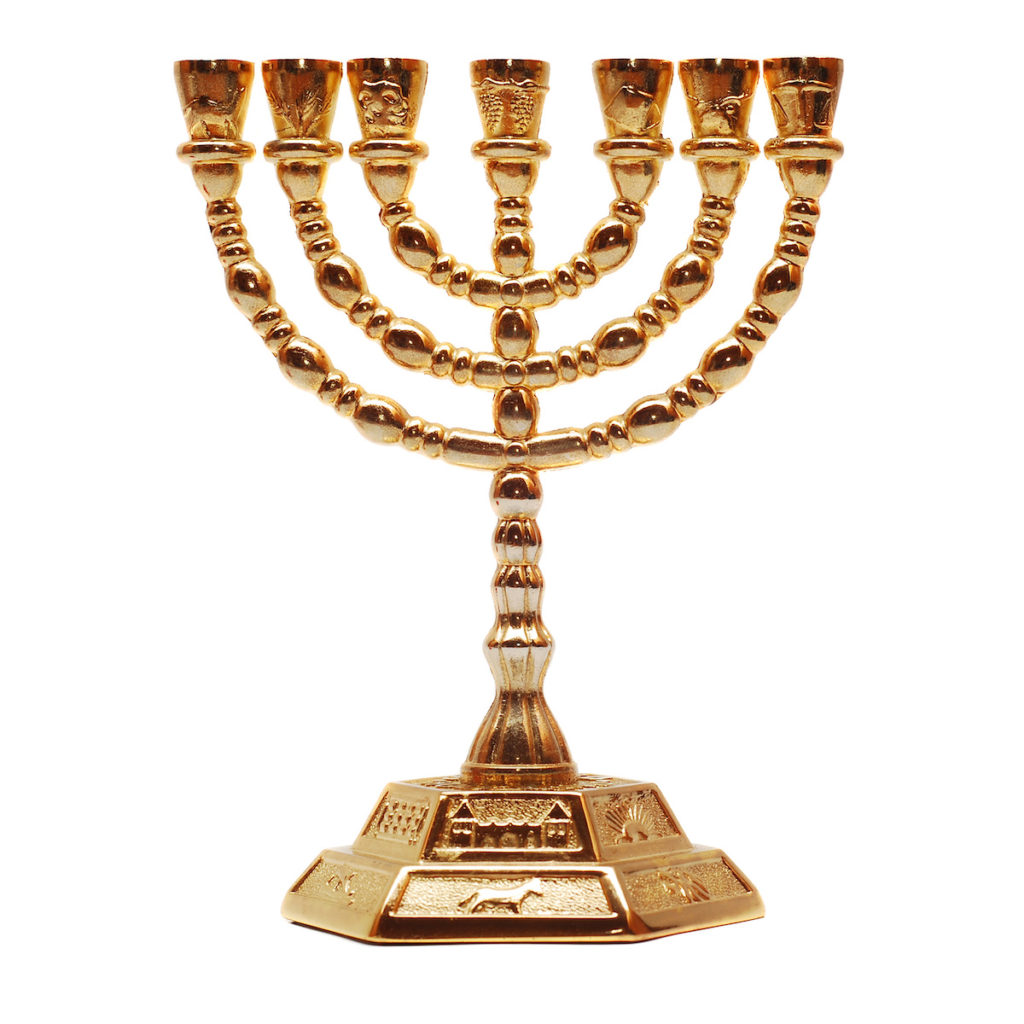
Numbers 8:2, The menorah. The phrase toward the face of the menorah is an interesting one. The Jewish sages teach that the three wicks on the right and the three on the left were all directed toward the menorah’s central stem, thus concentrating light toward the center. The menorah symbolized that YHVH is the Source of all light (The ArtScroll Stone Edition Chumash, p. 775). What are the connotations of this for a believer in Yeshua? How did Yeshua describe himself? (See John 8:12; 9:5.) Moreover, what did he mean when he said that “I am the vine and you are the branches?” (John 15:5) What does this mean and how is this pointing to a type of human menorah? Now relate this to the seven Messianic assemblies of Revelation 2 and 3 being likened to menorahs (Rev 1:13, 20). Is Yeshua the center of all that we do? Do we place all of our focus on him? Can we say, as the Apostle Paul did, that “in him we live and move and have our being” (Acts 17:28)? Does the power of his resurrected life and anointing flow through you even as oil was in the menorah and sap flows through a tree to its branches?

Redeemed Israelites Are That Menorah

The Scriptures plainly states that Yeshua and his body of followers are likened to a tree of which the seven-branched menorah that adorned the mishkan (tabernacle) in the wilderness as well as the sanctuary of Solomon’s Temple is a picture. Furthermore, remember what Yeshua said in John 15:5? “I am the vine and you are the branches …” This is a perfect picture of the menorah, which has a central trunk with six (the number representing man) branches growing out of the trunk. Remember what Yeshua said in Matthew 5:14–15, that his followers were to be lights upon a lampstand on a hill for all the world to see—a clear allusion in the mind of anyone in Yeshua’s audience to the temple’s menorah (which was upon the Temple Mount like a light on a hill).

Additionally, when a redeemed believer in and follower of Yeshua is in a sacred state of worshipping his Master and Savior, he will often lift his arms heavenward. Not only is this the universal sign of surrender (in this case to one’s Heavenly Master), but when we lift our hands our bodies are actually forming a human menorah. By doing this, in worship we are acting out what we are—a lampstand to the world radiating forth the good news of the truth and love of Yeshua.

In fact, The Scriptures shows us that the menorah, and not the cross, is the symbol of Yeshua’s spiritual body of believers. We see this in Revelation 1:12, 20 and 2:1 where the seven congregations are symbolized as a seven-branched menorah! The menorah here is the symbol of the congregation of redeemed believers.

Though the cross is representative of the redemptive work Yeshua accomplished on our behalf, it is not the symbol of the body of believers, commonly called the “church,” but the menorah is! Furthermore, in Jewish thought, the menorah is analogous to an olive tree (the ancient temple menorah was constructed of hollow tubes of solid gold filled with olive oil that burned when lit), to which the Apostle Paul makes reference in Romans 11, as representing the tree of life (which ultimately represents Yeshua) into which all must be grafted if they are to be part the spiritual body of Yeshua and have his eternal life.