Our new annual Scripture Reading Schedule for 2020-2021 with daily readings that begins this week is now available to download and print. The link to the previous 2019-2020’s Scripture Reading Schedule will still be available on the right sidebar under “Helpful Links” into next year. If you are using a mobile device or tablet, the link may be below, meaning you’ll need to scroll down instead.
Most of this week’s blog discussion points will be on these passages. If you have general comments or questions on the weekly Scripture readings not addressed in a blog post, here’s a place for you to post those. Just use the “leave a reply” link or the “share your thoughts” box below.
The full “Read Through The Scriptures In A Year” schedule, broken down by each day, can be found on the right sidebar under “Helpful Links.” There are 4 sections of scripture to read each day: one each from the Torah, the Prophets, the Writings, and from the Testimony of Yeshua. Each week, the Torah and haftarah readings will follow the traditional one-year reading cycle.
** A different Haftarah is read when it is a special sabbath in Jewish tradition. This week it is Shabbat Machar Chodesh on the traditional calendar. Otherwise, Isaiah 42:5 – 43:10 would be read.
Weekly Blog Scripture Readings for 10/11 through 10/17/2020.
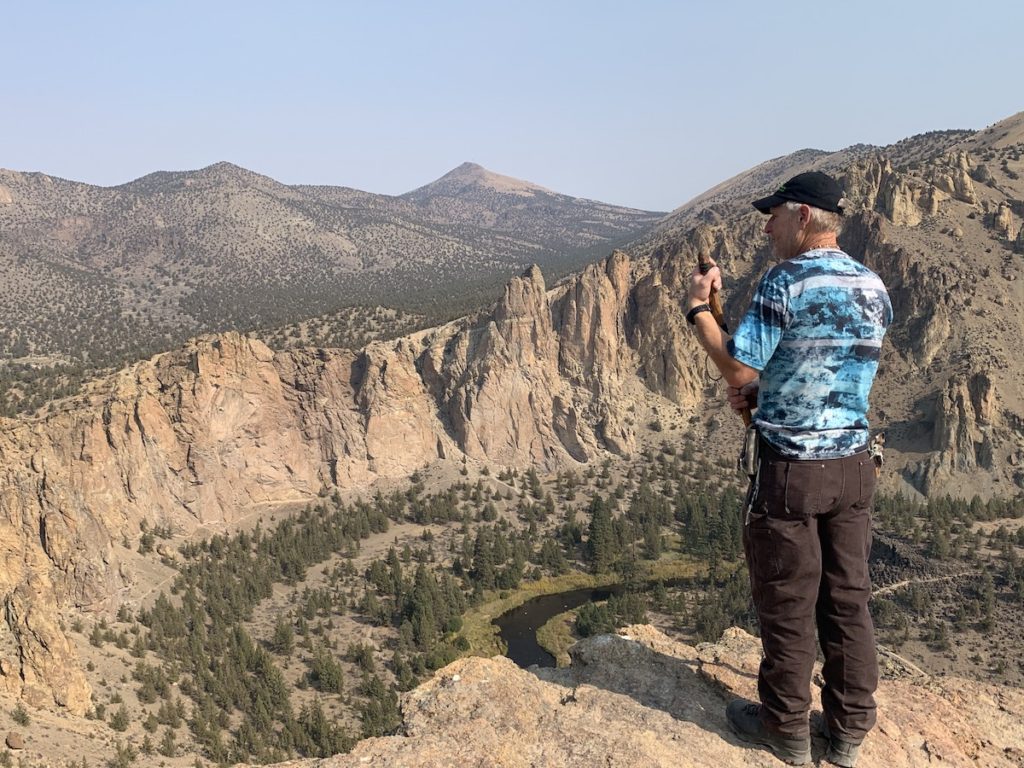
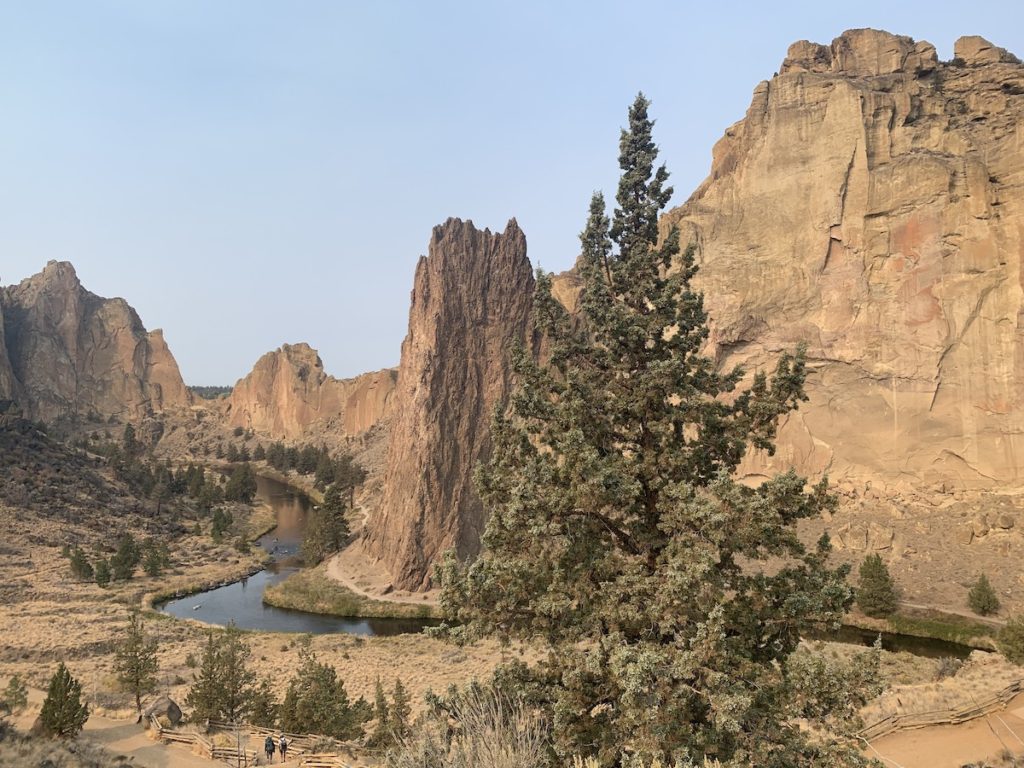
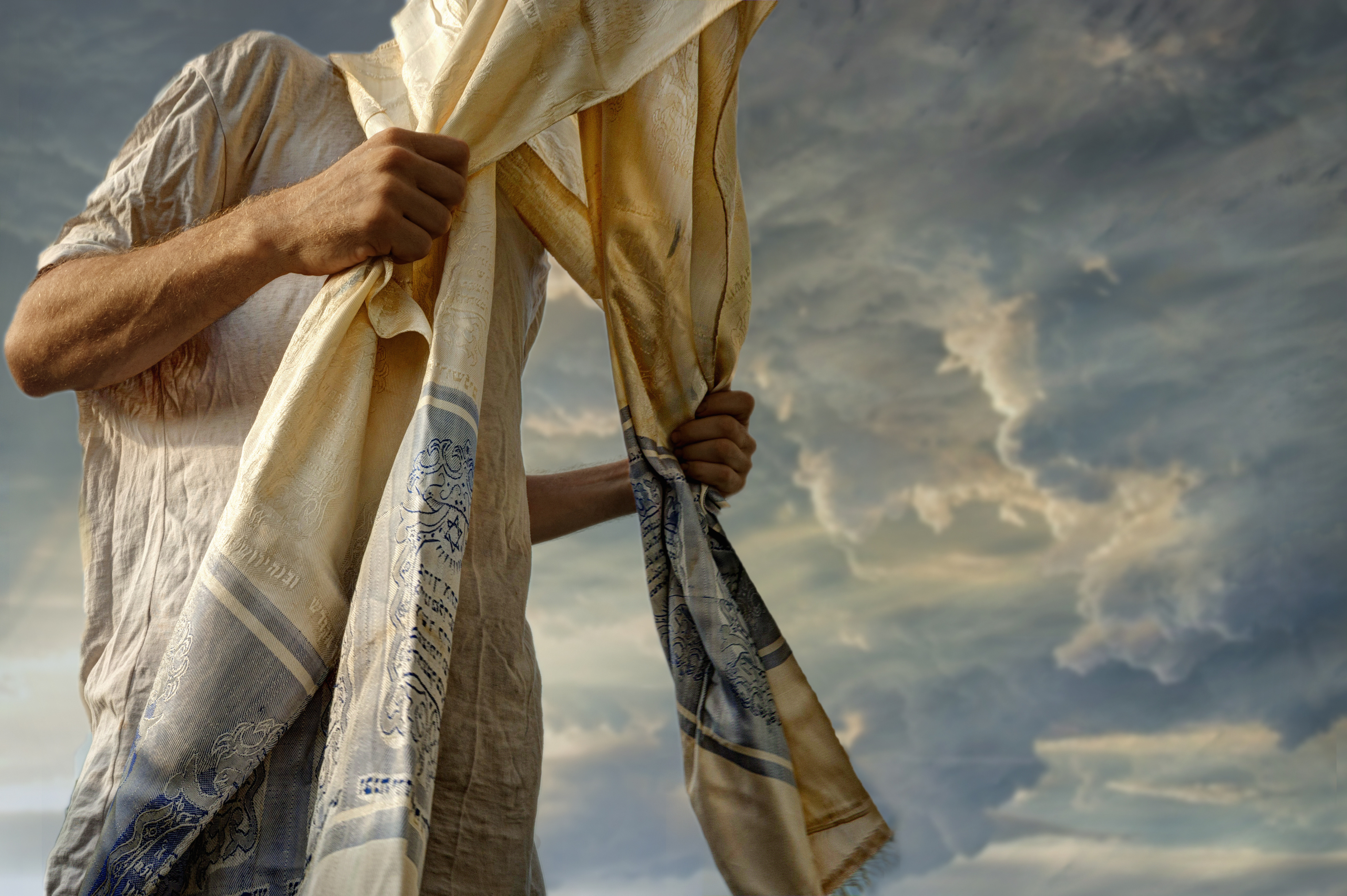
Moses overlooking the Promised Land? Well not quite, but a happy thought nevertheless. It is Nathan overlooking the high mountain desert of Central Oregon atop Smith Rocks—Oregon’s “Mount Sinai”—where he and his family are celebrating Sukkot/the Feast of Tabernacles 2020.
Hello everyone. Hope you’re having a great Sukkot wherever you may be.
My first Sukkot was in 1960, and I’ve been privileged to celebrate Sukkots in various places in the U.S., in Canada and in France. I’ve been apart of Sukkot gatherings with thousands of attendees, and in many with only small groups of hundreds, tens or just my family as is the case this year.
For our family and since I was a little child, the Feast of Tabernacles has always been the highpoint of our year. And it well should be because of what this biblical feast represents in Bible prophecy—a coming time called the Millennium when Yeshua has returned, and has destroyed the New World Order which the Bible refers to as Mystery Babylon the Great with all of its Satan-worshiping and Elohim-hating cast of character. During this time, which some forward-thinking people have referred to as “the world tomorrow”, Yeshua will establish his world-ruling kingdom and rule with his resurrected and glorified king and priest saints teaching the physical humans on this earth the ways and Truth of YHVH Elohim. At this time, Satan will have been bound and placed in the abyss for 1000 years and the world will be at peace as the glory of YHVH covers the earth as the waters cover the sea. It is this paradisiacal time that Sukkot prophetically portrays.
Each year at Sukkot, traditionally my family and I have vacated the city where we live (our “Babylon”) for some beautiful and idyllic place on earth where we can enjoy a small foretaste of Yeshua’s millennial kingdom. This is also why we colloquial refer to Sukkot simply as “the Feast,” for it is a time to rejoice in YHVH Elohim and the blessing he has lovingly and graciously bestowed on us during the past year. Sukkot also represents and points to the marriage feast of the Lamb of Elohim.
In preparation for this “vacation,” we save our feast tithe (or a biblically mandated “vacation fund”) as Scripture commands to help finance our time “away from it all.” During this time, we follow Scripture and use our money to bless others, and to buy whatever our hearts desire and to feast joyfully including with “wine and strong drink.” As we read,
You shall truly tithe all the increase of your grain that the field produces year by year. And you shall eat before the LORD your God, in the place where He chooses to make His name abide, the tithe of your grain and your new wine and your oil, of the firstborn of your herds and your flocks, that you may learn to fear the LORD your God always. But if the journey is too long for you, so that you are not able to carry the tithe, or if the place where the LORD your God chooses to put His name is too far from you, when the LORD your God has blessed you, then you shall exchange it for money, take the money in your hand, and go to the place which the LORD your God chooses. And you shall spend that money for whatever your heart desires: for oxen or sheep, for wine or similar drink, for whatever your heart desires; you shall eat there before the LORD your God, and you shall rejoice, you and your household. You shall truly tithe all the increase of your grain that the field produces year by year. And you shall eat before the LORD your God, in the place where He chooses to make His name abide, the tithe of your grain and your new wine and your oil, of the firstborn of your herds and your flocks, that you may learn to fear the LORD your God always. But if the journey is too long for you, so that you are not able to carry the tithe, or if the place where the LORD your God chooses to put His name is too far from you, when the LORD your God has blessed you, then you shall exchange it for money, take the money in your hand, and go to the place which the LORD your God chooses. And you shall spend that money for whatever your heart desires: for oxen or sheep, for wine or similar drink, for whatever your heart desires; you shall eat there before the LORD your God, and you shall rejoice, you and your household. You shall not forsake the Levite who is within your gates, for he has no part nor inheritance with you. (Deuteronomy 14:23–27)
Now some more Hebraic-minded saints declare that it’s impossible to keep the biblical feasts including Sukkot exactly how the Torah commands, and so they take the minimalist approach to scriptural obedience and use this as a justification for not doing the feasts at all. Over the years I have directly confronted this mindset and shown from Scripture how YHVH favors and desires a heart that is inclined to serve him “the best we can” regardless of our location or circumstances. Instead of finding reasons and excuses why we can’t obey him by keeping his feasts, I prefer to look for every reason why we can obey him. This shows him that our hearts are inclined toward obedience and we are endeavoring to love him in so doing. If we fall short in our obedience, his grace covers us. This is a better approach and heart and mind orientation than that of looking for any excuse not to obey him. And truthfully, YHVH has blessed our family immensely both physically and spiritually as he have endeavored to obey him the best we can as imperfect as it may be.
So some of you may be wondering what we do during Sukkot. For the 18 years Sandi and I pastored a local congregation, we sponsored regional Sukkot gatherings where dozens up to a couple of hundred feast-goers came and celebrated. During this time, we scheduled daily meetings, teachings, praise and worship gatherings, family events and activities, group meals and much more. Needless to say, this kept Sandi and I busy organizing, setting up, tearing down, and overseeing and leading. It has been a couple of years since we “retired” from that, and after we did, it all died since no one was willing pick up that mantle and carry on that work. It was a lot of hard work that few were willing to help us with. Since then, because we have no congregation or group to meet with, we simply gather together as a family, which is our own personal tribe where I am the “patriarch.” During Sukkot, on the high holy day Shabbats, I lead my family in prayer, Bible study and music as we endeavor to rest and keep the sanctity of the day. During the rest of the week, we do our best to keep our hearts and minds on the meaning of Sukkot while, at the same time, building family relationships by engaging in fun activities.
So why am I sharing all of this with you? Simply for this reason. Perhaps our example of how we celebrate Sukkot will inspire you and yours to do the same and to find the blessing therein even as we have. We have found that whenever we obey YHVH, there is always a blessing to be found including temporally vacating spiritual Babylon, meeting with Elohim at his appointed times, building relationships with family and friends, and inspiring ourselves to look upwards toward him and toward a future better world that is coming soon where Yeshua the Messiah will be the King of kings.
HalleluYah! Maranatha!! Yeshua come quickly. The grace of our Master Yeshua the Messiah be with you all. Amein
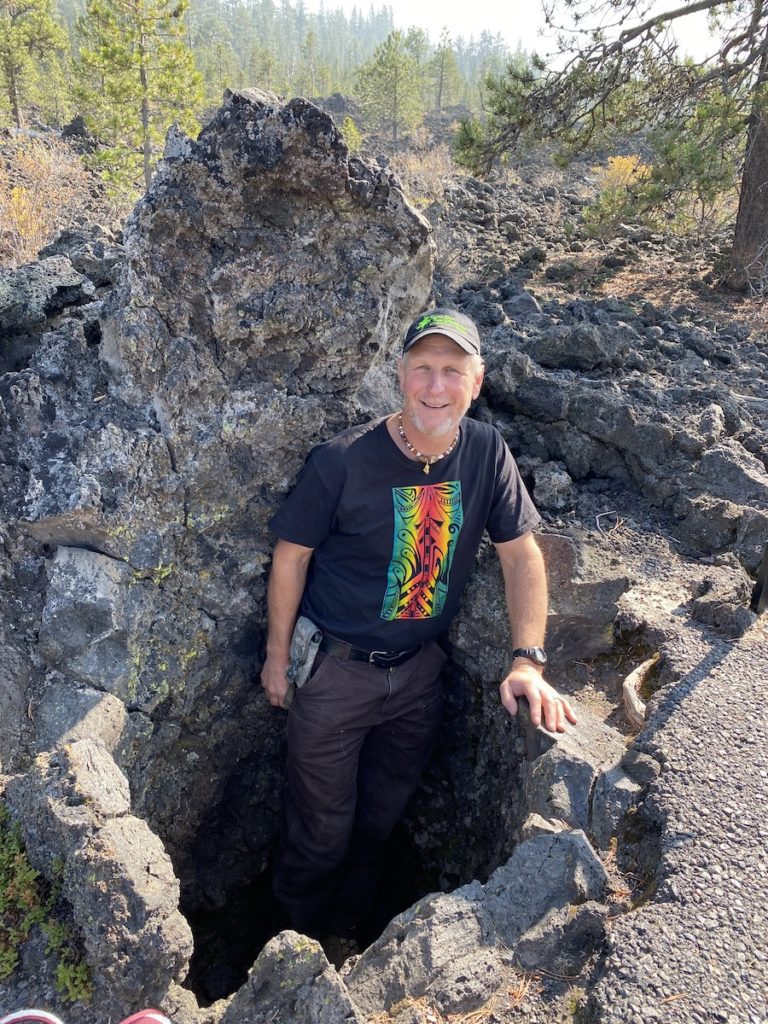
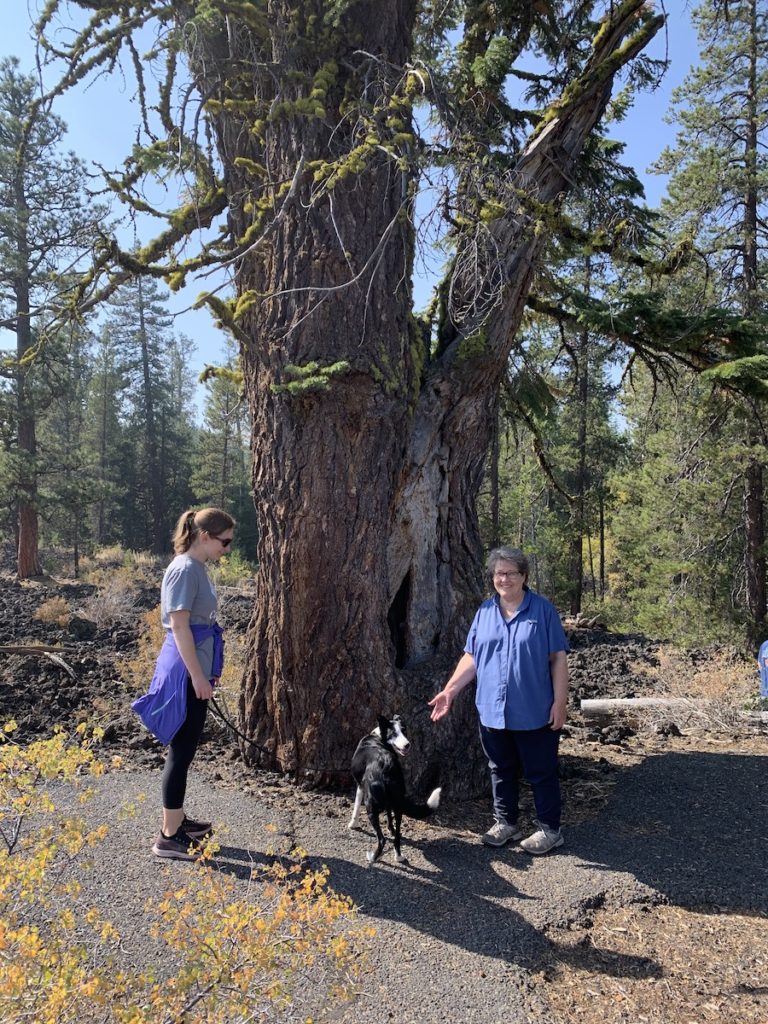
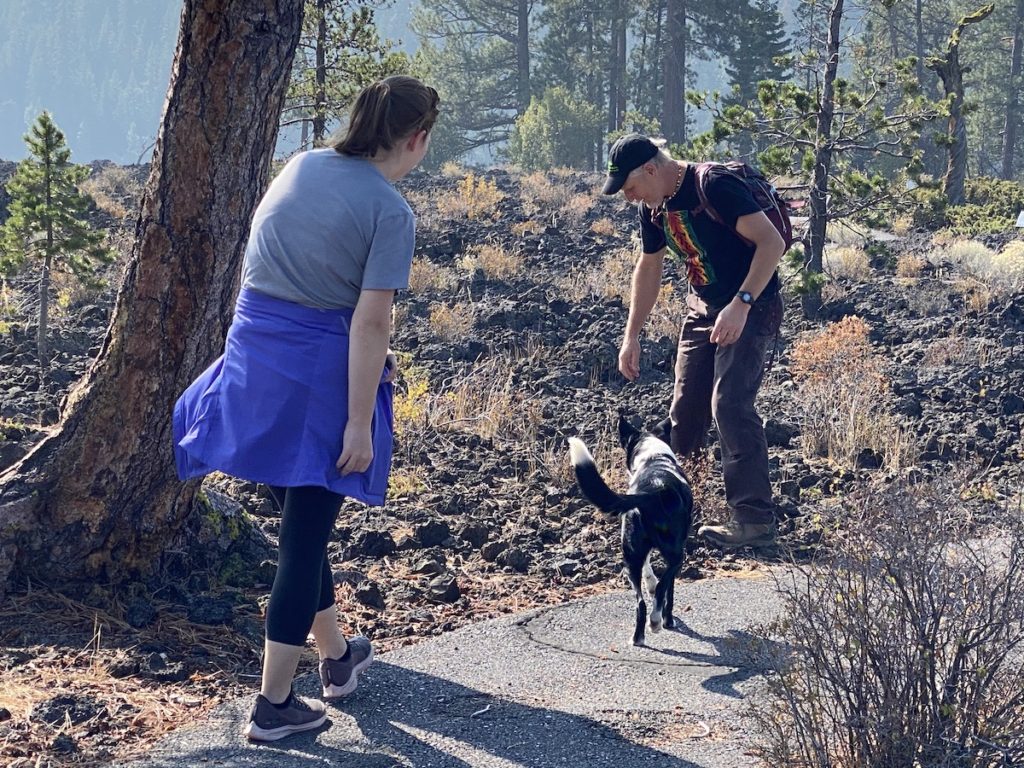
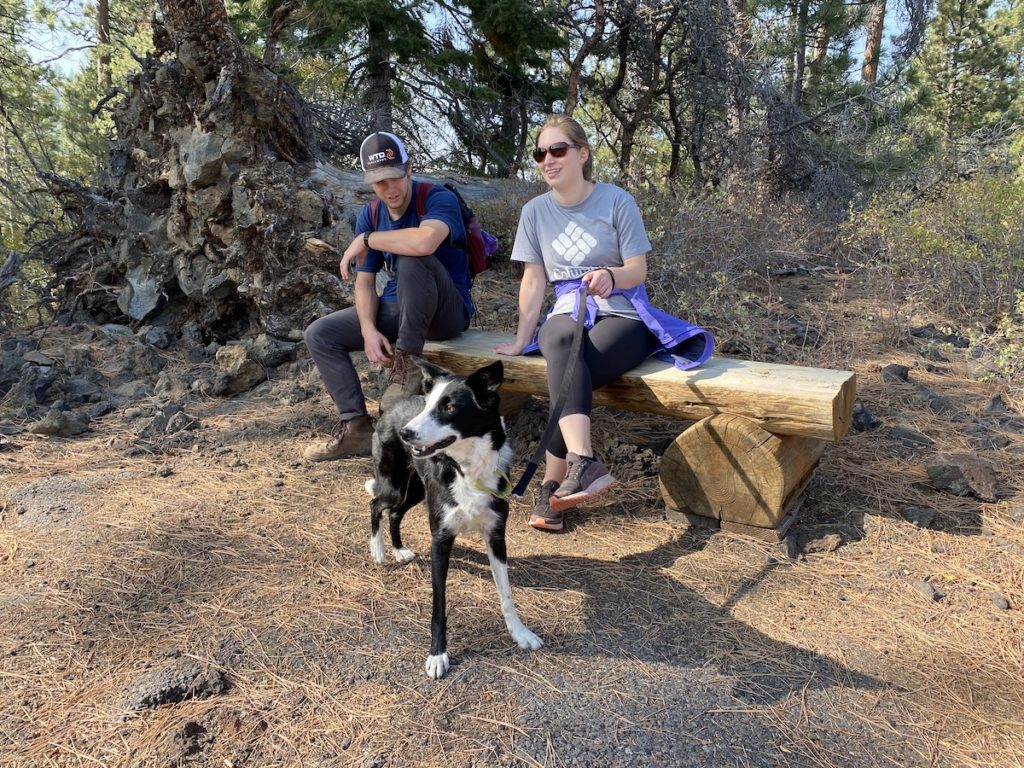
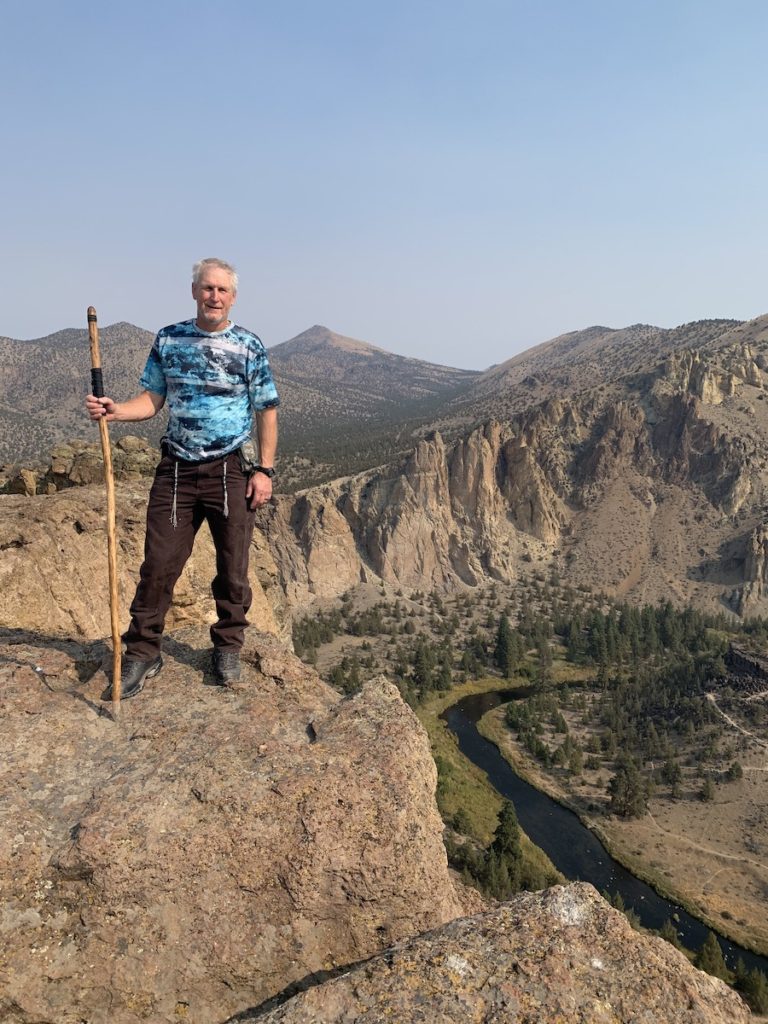
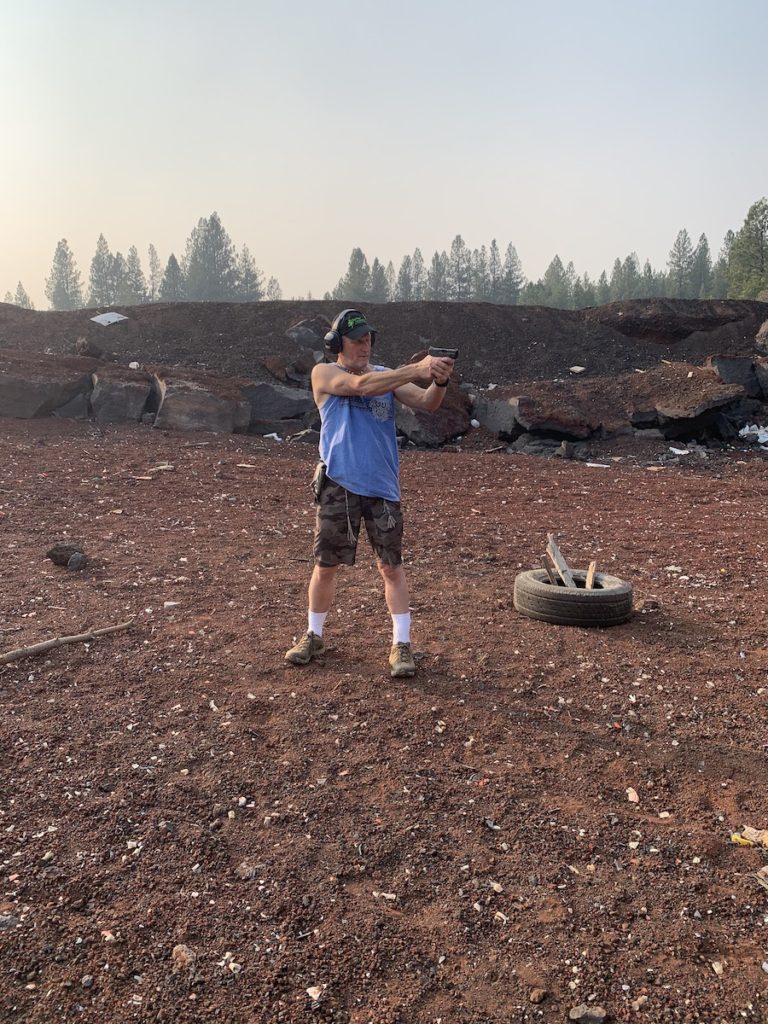
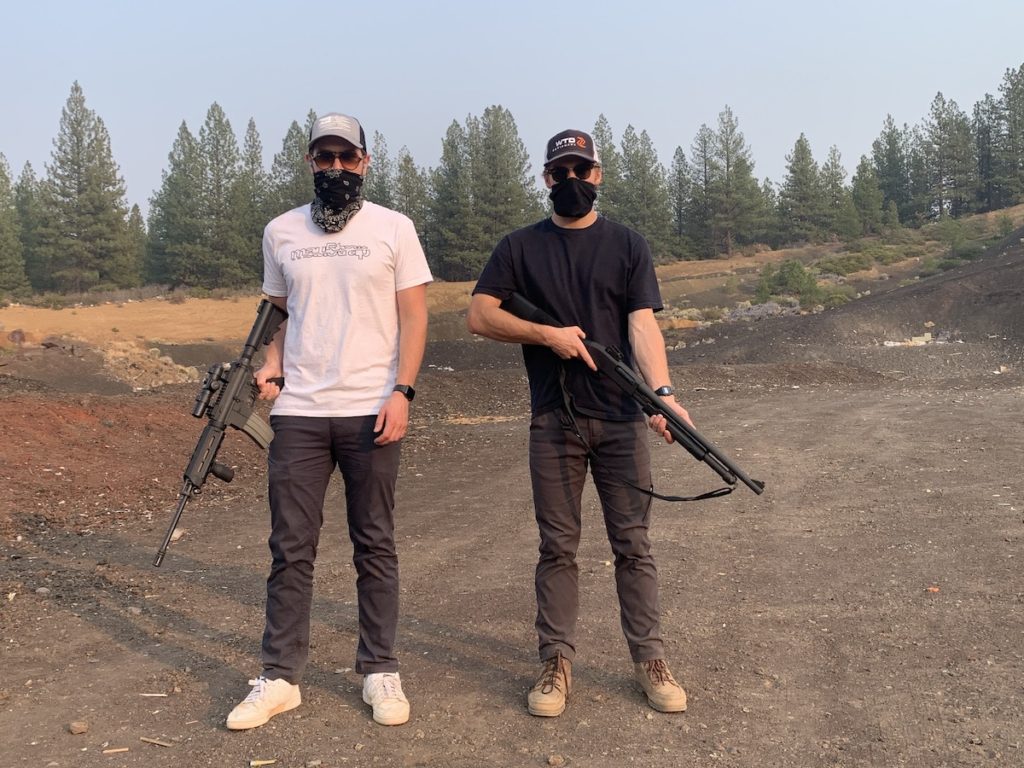
Nathan at Lava Cast Forest standing in a hole made as lava flowed around trees thousands of years ago.Our daughter Lucy, Sandi and Charlie the dog out for a hike in the mountains.Nathan playing stick with Charlie our grand-dog.Jared, Lucy with Charlie.Smith Rocks State Park—Oregon’s Mount Sinai. Jared and I started a the bottom and did the Moses thing and hiked to the top.Nathan at the top of Smith Rock, our local “Mount Sinai.”Natana and his sons doing a very guy and American thing at a local shooting range.Nathan trying out Aaron’s AR-15.Aaron and Jared at the shooting range being politically correct with their Covid-masks. Although they may look like Antifa terrorists, they’re very anti-Antifa and all the wickednesss that it represents.
What happens after the return of Yeshua to this earth — after he has put down all of his enemies in battle (Zech 14:1–3; Rev 17:14; 19:11–21)? This we know. He shall set his feet on the Mount of Olives (Zech 14:4) even as he ascended from the same place (Acts 1:9–12), and YHVH-Yeshua shall become king over the earth (Zech 14:9). He shall be King of kings (Rev 17:14; 19:16) and rule with a rod of iron over the whole earth (Rev 12:5; 19:15) for one thousand years (Rev 20:2, 3, 4, 6, 7). This is commonly referred to as the Millennium. This is the earth that Yeshua declared that the meek would inherit (Matt 5:5).
A Quick Overview of the Millennium
What will the 1000 year-long Millennium be like? The Scriptures give us some insights into life on earth during this time.
Elohim will live with his people. (Ezek 37:26–28)
David will rule as King over Israel (Ezek 37:24–25)
YHVH’s annual feast will be kept by all people (Ezek 46:3–6; cf. Col 2,16–17)
YHVH’s government will be established on Mount Zion in Jerusalem: Torah will go forth from Mount Zion and the nations will go up to Mount Zion to worship YHVH in the house (temple) of YHVH (Mic 4:1–2)
A Highway of YHVH, or a highway of holiness will lead to Zion. (Isa 35:8–10)
Whether literal or spiritual, living waters will flow from Jerusalem and Yeshua’s throne. Water was flowing from under the threshold of the temple toward the east (Ezek 47:1; Zech 14:8)
On the bank of the river there were very many trees on each side (Ezek 47:6–9)
People will live to a very old age. (Isa 65:20)
Crowds of people will flock to Jerusalem. (Zech 2:1–4; Isa 49:14)
The temple in Jerusalem will be rebuilt. (Zech 6:15; 14:20–21; Hag 2:6–9)
The Messiah will be king over the whole world. (Zech 6:9–13; Isa 11:1–5; Rev 20:6; 5:9–10)
The nations which do not want to serve and obey YHVH will be destroyed. (Isa 60:12; Zech 14:16–19; Isa 9:5–7)
What Happens After the Millennium?
After the thousand years is completed, Satan the devil who has been bound in the bottomless pit (Rev 20:1–3) will be released briefly to test those on earth as to their faithfulness to King Yeshua (verses 7–8). The devil will then be cast into the lake of fire forever (verse 10).
Next is the final judgment day — commonly called the great white throne judgment. At that time, all the dead, and any others who have died in Yeshua and have yet to receive their reward of eternal life, will be raised from the dead to stand before the Almighty. Those whose names are not written in the Book of Life will be cast into the lake of fire (Rev 20:11–15).
As discussed earlier, I believe that the New Jerusalem will come into view at Yeshua’s return where it will be hovering over the earth during the wrath of Elohim period and during the 1000 year-long Millennium. However, the Scriptures speak of a new heavens and new earth (Isa 65:17; 66:22; 2 Pet 3:13; Rev 21:1).
Before this happens, something very dramatic must first happen.
The Heavens and Earth to Pass Away; Arrival of New Heavens and Earth
So far, Sandi and I have been enjoying a joyously restful Sukkot in Sunriver, Oregon with the snow-covered Cascade points to the west and the pine, juniper and sagebrush high desert to the east.
Our days have been filled with resting, relaxing with three of our four children and the spouses of two of them. On the first high holy day Shabbat, we had a Bible study and our daughter and her husband in another state joined us via FaceTime through a laptop computer. We prayed, waved our lulavim and sounded the shofar. We will do the same thing on the last high day Shabbat along with singing songs accompanied by our son who plays guitar. At our home, we’re having a little Sukkot-oriented Bible study each day to help us to keep our upward focus on YHVH. For myself, I start out each with prayer—often a walk or bike ride by the river along with a Bible study. Of our course, I’m privilege to interact with some of you through this blog as well and to hear how your are doing at this season of our joy. I’ve also had the privilege of speaking with some scattered Feast-keeping friends in different states via phone. The rest of the time, we are filling our days with feasting on good food, and fun indoor and outdoor activities with our family.
Along the way, we’ve had the chance to visit with several of my less Hebraic-minded cousins who are also celebrating the Feast here. At one time many decades ago, four generations of our family (more than 30 of us) would celebrate Sukkot together when we were all in the same church. Over the years, after church splits, and churches coming and going, many of my family members have either died, abandoned their faith, or are now in different churches or none at all (like Sandi and me). After all of this, a few of us who are left have kind of gotten together when we can to socialize a bit. Tonight we’ll host a couple of our cousins over for a barbecue dinner, and on Friday I’ll be going to lunch with two of my older guy cousins who I grew up with and who now are grandfathers.
Wow, it’s hard to imagine how much water has flowed under the bridge over past 60 years of my life. We all have our own stories to tell of the good, the bad and ugly, so to speak. My head spins in amazement of all that I have seen in this time. But through it all, I give praise and thanksgiving to YHVH Elohim who, for some reason, has kept me on his straight and narrow path, and kept me seeking him. To be sure, I am an and inexorable “God-chaser!!! I just can’t help myself, for it has been my destiny since I was a child. To YHVH be all the glory.
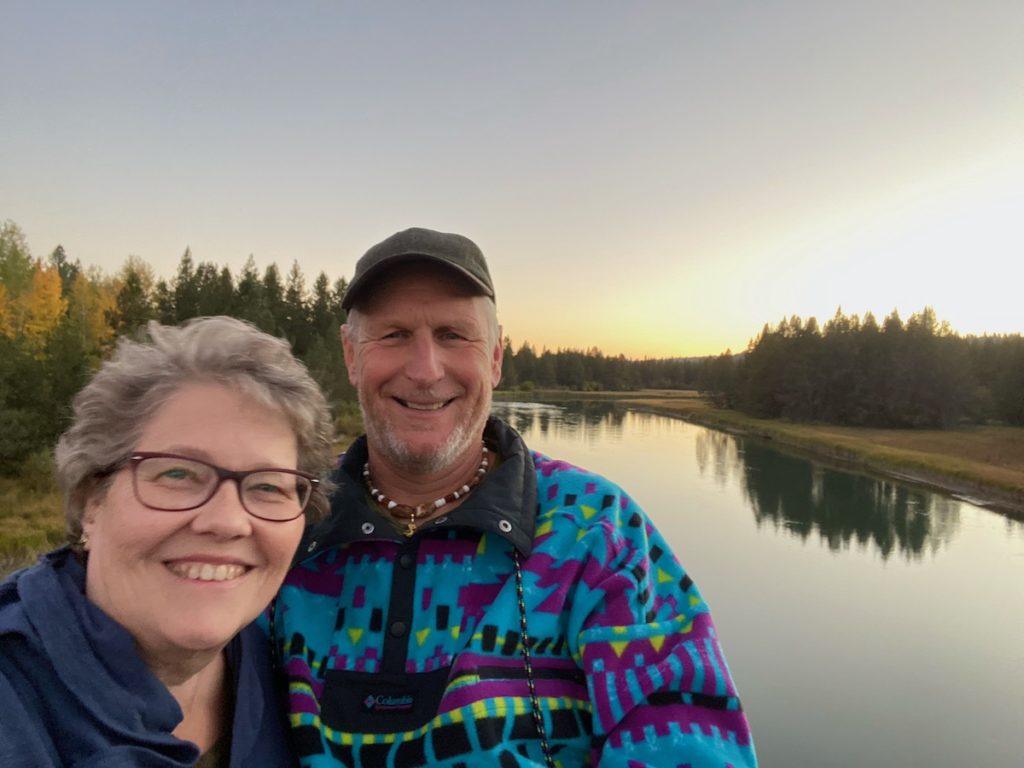
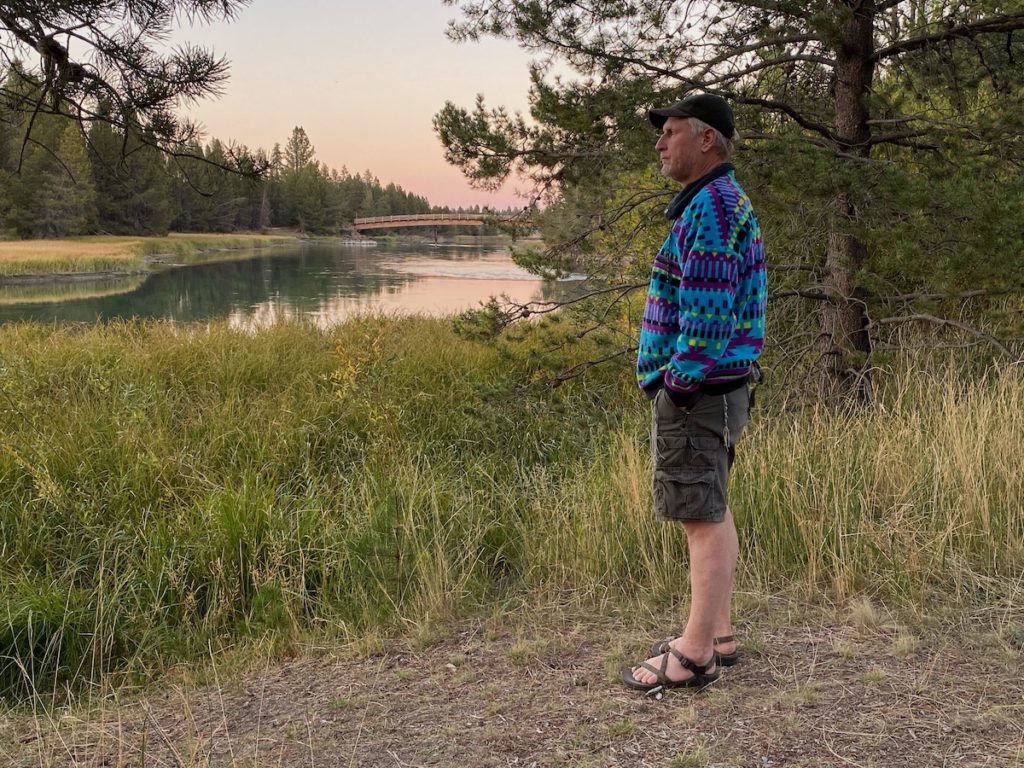
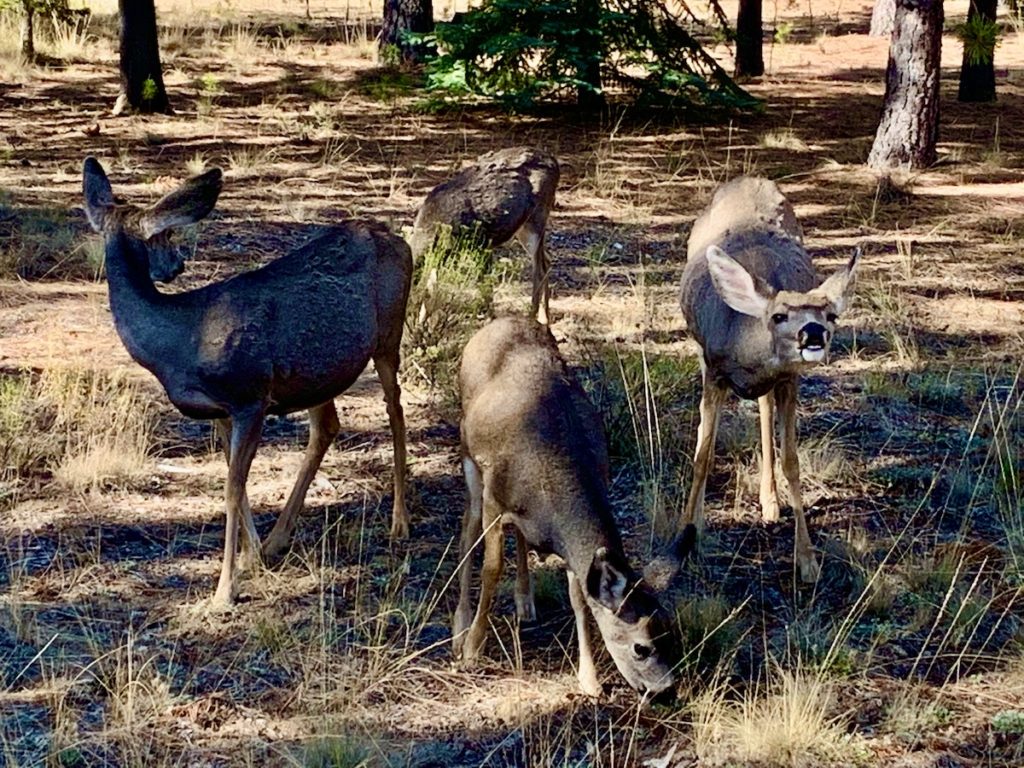
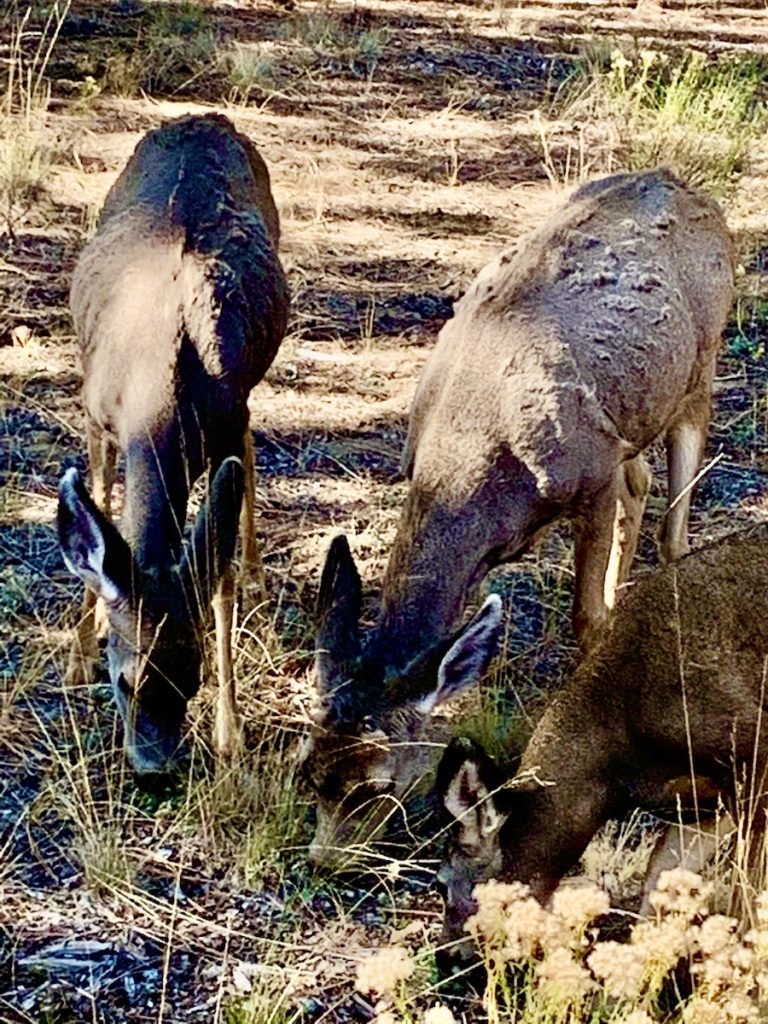
Nathan and Sandi enjoying a walk along the river.A quiet moment of reflection in YHVH’s outdoors.Deer regularly stroll past our backdoor.
Our new annual Scripture Reading Schedule for 2020-2021 with daily readings that begins next week on 10/11/20 is now available to download and print. The link to the current 2019-2020’s Scripture Reading Schedule will still be available on the right sidebar under “Helpful Links” into next year. If you are using a mobile device or tablet, the link may be below, meaning you’ll need to scroll down instead.
Most of this week’s blog discussion points will be on these passages. If you have general comments or questions on the weekly Scripture readings not addressed in a blog post, here’s a place for you to post those. Just use the “leave a reply” link or the “share your thoughts” box below.
The full “Read Through The Scriptures In A Year” schedule, broken down by each day, can be found on the right sidebar under “Helpful Links.” There are 4 sections of scripture to read each day: one each from the Torah, the Prophets, the Writings, and from the Testimony of Yeshua. Each week, the Torah and haftarah readings will follow the traditional one-year reading cycle.
Weekly Blog Scripture Readings for 10/4 through 10/10/2020.
Joshua 1:7-9 Only be strong and very courageous, that you may observe to do according to all the law which Moses My servant commanded you; do not turn from it to the right hand or to the left, that you may prosper wherever you go. This Book of the Law shall not depart from your mouth, but you shall meditate in it day and night, that you may observe to do according to all that is written in it. For then you will make your way prosperous, and then you will have good success. Have I not commanded you? Be strong and of good courage; do not be afraid, nor be dismayed, for YHVH Elohim is with you wherever you go.”
Chazak, chazak, v’nitchazek. Be strong, be strong, and may you be strengthened!
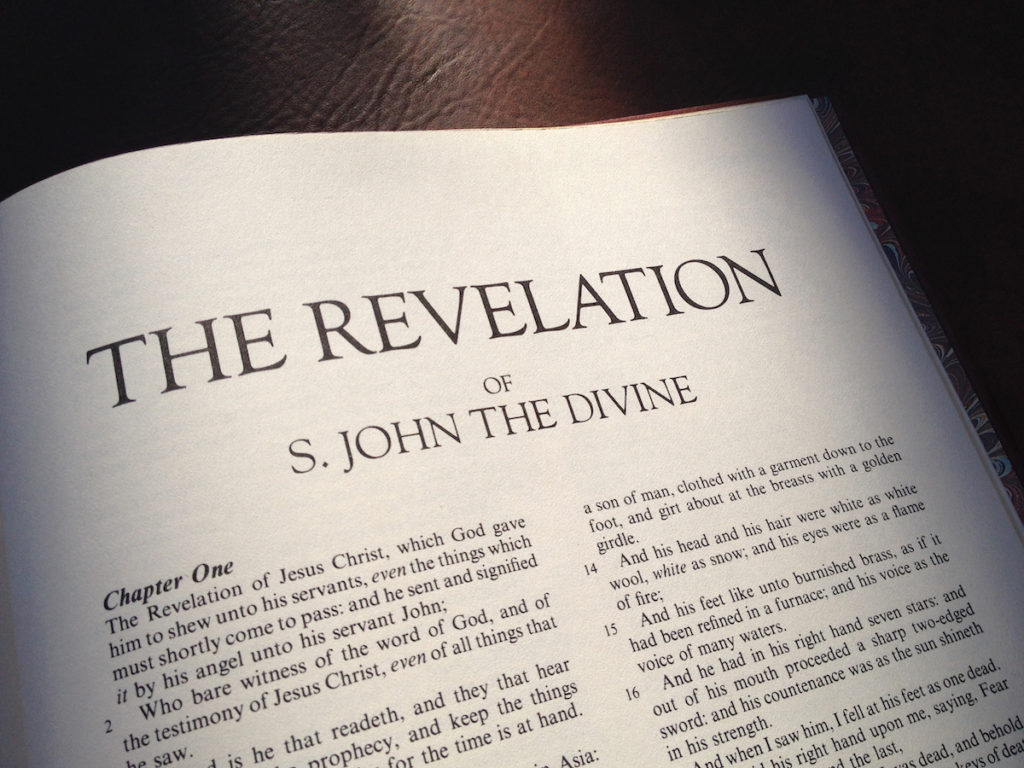
Revelation 8:11, Wormwood.There is much speculation as to what this wormwood star is. One consideration is that Satan is the star who fell from heaven (Luke 10:18 cp. 12:9 and Isa 14:12). He is the archenemy of YHVH who has led men into rebellion against his Torah by perverting the Word of Elohim as he did at the tree of knowledge with Adam and Eve. In the Tanakh, the term wormwood is used as a poetic metaphor for the curses that come upon the people of YHVH when they forsake his Torah (Jer 9:13–15; Deut 29:18). The star in this verse falls upon one-third of the fresh waters. Waters can be taken as a metaphor for the peoples of the earth (Rev 17:15). Interestingly, one-third of the earth’s population professes to be Christian, which holds as a fundamental tenet the rejection of the Torah.
Revelation 9
Revelation 9:1, A star fall from heaven.Likely this is referring to Satan when he is finally, once and for all, cast out of heaven. Yeshua spoke of this in Luke 10:18 when he likens Satan’s fall from heaven to a streak of lightening or a shooting star coming out of heaven.
Key to the bottomless pit. In the end times just prior to the second coming of Yeshua the Messiah, Elohim will give Satan the freedom to release evil spirits imprisoned in the abyss who will go forth to torment men as part of YHVH’s wrath against rebellious men. Perhaps this relates to the perennially enigmatic and troubling passage found in Jude 6 (cp. 1 Pet 3:18–20; 2 Pet 2:4). It seems that the evil, locust-like spirits may be the fallen angels that either rebelled with Lucifer and or were the ones who interacted with humans in the antediluvian world (Gen 6:4–6; Jude 6; 1 Pet 3:18–20; 2 Pet 2:4).
Revelation 9:1, Bottomless pit.(See notes at Deut 32:22; 2 Pet 2:4.) This Greek term (abussos phrear) indicates a large, cavernous hole, pit or abyss with a small opening or orifice like a well and is found several other places in the book of Revelation (Rev 9:2, 11; 11:7; 17:8; 20:1, 3). The bottomless pit is analogous to the deepest sheol in the Tanakh (Deut 32:22; Ps 86:13; Isa 14:15) or tartaroo (2 Pet 2:4), and is the place where the angels who rebelled in the time of Satan’s rebellion are being held in chains of restraint awaiting their judgment day (see 2 Pet 2:4). This is also where Satan will be cast at the beginning of the Millennium (Rev 20:1–3), and is to be distinguished from the lake of fire where Satan (and presumably his demons) will be cast at the end of the Millennium to be tormented forever (Rev 20:10).
This passage indicates that YHVH will open the bottomless pit and allow the evil spirits imprisoned therein to torment men for a period of time as part of his judgments against wicked men.
Revelation 9:2, Smoke.Wherever this pit is, it appears to be a place of fire, heat and smoke. The opening of the pit by Satan first releases so much smoke that it darkens the sun and air, if the terminology here is to be taken literally rather than figuratively. If the latter, then the smoke reference cold refer to the global spiritual obfuscation that will occur. This phenomenon is the first sign that the demons of the pit are about to be released. After this follows their release and their tormenting of unredeemed humans. This is the wrath of Satan against humanity that precedes the wrath of Elohim. Since Elohim is permitting these demons to torment humans, it is, in reality, an extension of his judgment or wrath against the wicked. Since unsaved humans have rejected Elohim, and more and more are becoming enamored with and turning to outright Satan worship, Elohim his turning them over to the powerful forces of darkness they are seeking over him. These humans will discover what it’s like to live in a hellish world where those they wish to serve have full reign to torment them—a world devoid of the protective grace of a merciful Creator.
Revelation 9:3, Locusts.These locusts don’t fit the description of the Joel 1 locusts, which destroy all vegetation. These locusts do not (v. 4). Perhaps the vegetation of Joel 1 is a symbolic metaphor. If so, then is the vegetation of Rev 9:3 also symbolic? If so, how do we still reconcile these two passages, since the symbolic analogy of the one would be opposite the other?
These locusts are likely hybridized theriomorphic or animal-shaped descriptions of demonic spirits that have been released from the abyss where they have been kept imprisoned since their rebellion (see 1 Pet 3:19; 2 Pet 2:4), but who will be released to torment rebellious men as part of Elohim’s end time judgments.
Revelation 9:3, Power.(Gr. exousia) These scorpion, humanoid demons have the divine permission, physical and mental power, the authority and right, the ability and strength to torment unredeemed men.
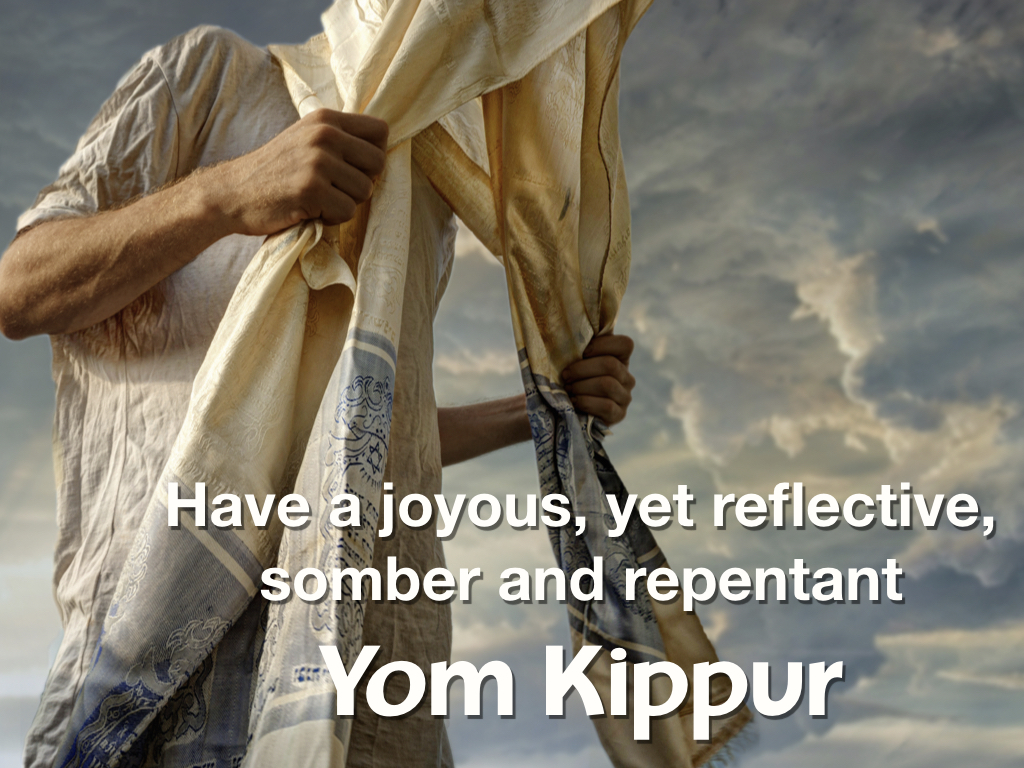
Tomorrow (for some people reading this, it is already tomorrow), Monday, September 27, 2020 it is Yom Kippur or the Day of Atonement. This year both the biblical new moon calendar and the traditional Rabbinic Jewish calendar match up, so that Yom Kippur falls on the same day on both calendars. So regardless of which calendar you follows here are some free resources to help you to celebrate this day with a heart and mind of purposeful intent.
The new moon in Israel was spotted ten days ago, and according to the Torah, the Day of Atonements is to be kept on the tenth day of the seventh month (Lev 23:26).
Biblical months always start on rosh chodesh when the first visible crescent of the new moon is spotted in the land of Israel. As a point of reference, those who follow the traditional rabbinic or Hillel II calendar (invented in ca. AD 360 and was approved by Roman emperor Constantine) are celebrating Yom Kippur today, which is two days too early, according to the new moon sighting in Israel. In reality, they are are celebrating Yom Kippur on the eighth day of the new month, not the tenth day according to the Scriptures (Lev 23:26).
While those who are celebrating Yom Kippur today are following the spirit of the law, they’re not following the letter of the law, since, technically, today is NOT Yom Kippur. In his Sermon on the Mount, Yeshua clearly states that all of the Torah is to be followed (Matt 5:17–19), and that our righteousness is to exceed of that of the Pharisees, which includes their modern day descendants (the rabbinic or Orthodox Jews, Matt 5:20), and that we are to follow not only the spirit, but also the letter of the law (Matt 5:21–48).
Moreover, Yeshua enjoined his disciples (and us) to follow the Word of Elohim and to reject any manmade traditions that in any way contravene Elohim’s Written Word (Matt 15:6–9and Mark 7:6–9, 13). Sadly, both our Christian and rabbinic Jewish brethren have, in too many areas, not followed the instructions of the Messiah instead preferring obedience to their manmade traditions instead of Elohim’s Word.
In Romans 12:1–2, Paul the apostle of Yeshua the Messiah states that each disciple of Yeshua must discern what is the perfect will of Elohim based on his Written Word and then must willingly lay down his or her life as a living sacrifice and do that will. In reality and quite honestly, very few people achieve walking out the perfect will of Elohim consistently in their lives. Most of us are walking out Elohim’s good or the better will, and only from time to time his perfect will. While celebrating the biblical feasts on the manmade traditional Jewish Hillel II calendar is certainly a step in the right direction, and may, indeed, be the good will of Elohim, it’s not his perfect will according to his Written Word. May the reader honestly ponder these truths and evaluate his or her walk and heart before Elohim. Are we really willing to lay down our lives as living sacrifices and to say, “Yes Lord, thy will be done, not mine!”? Or is it more convenient to just follow men’s traditions and the convenient inclinations of our fallen natures?
Enter ye in at the strait gate: for wide is the gate, and broad is the way, that leadeth to destruction, and many there be which go in thereat: Because strait is the gate, and narrow is the way, which leadeth unto life, and few there be that find it. (Matt 7:13–14)
In this ministry, as truth seekers no matter the cost and in an effort to follow the Scriptures—the Written Word of Elohim, we chose many years ago to follow the Word of Elohim instead of men’s unbiblical traditions. That’s why we’re celebrating Yom Kippur on Friday instead of Wednesday.
Love and blessings in the glorious name of Yeshua the Messiah.
Natan
Yom Kippur Videos
Yom Kippur—Past, Present and Future
Yom Kippur—The Historical Roots of Our Faith, Present Relevance for believers & Prophetic End Time Implications
Ya’acov Natan Lawrence Hoshana Rabbah Biblical Discipleship Resources, Portland, OR
Introduction
Yom Kippur is a day of contradictions and contrasts: Joy and sorrow. Rewards for the righteous and judgments for the wicked rebels. Joy for the righteous when Satan and his demons, death and Babylon are destroyed by the King of kings.