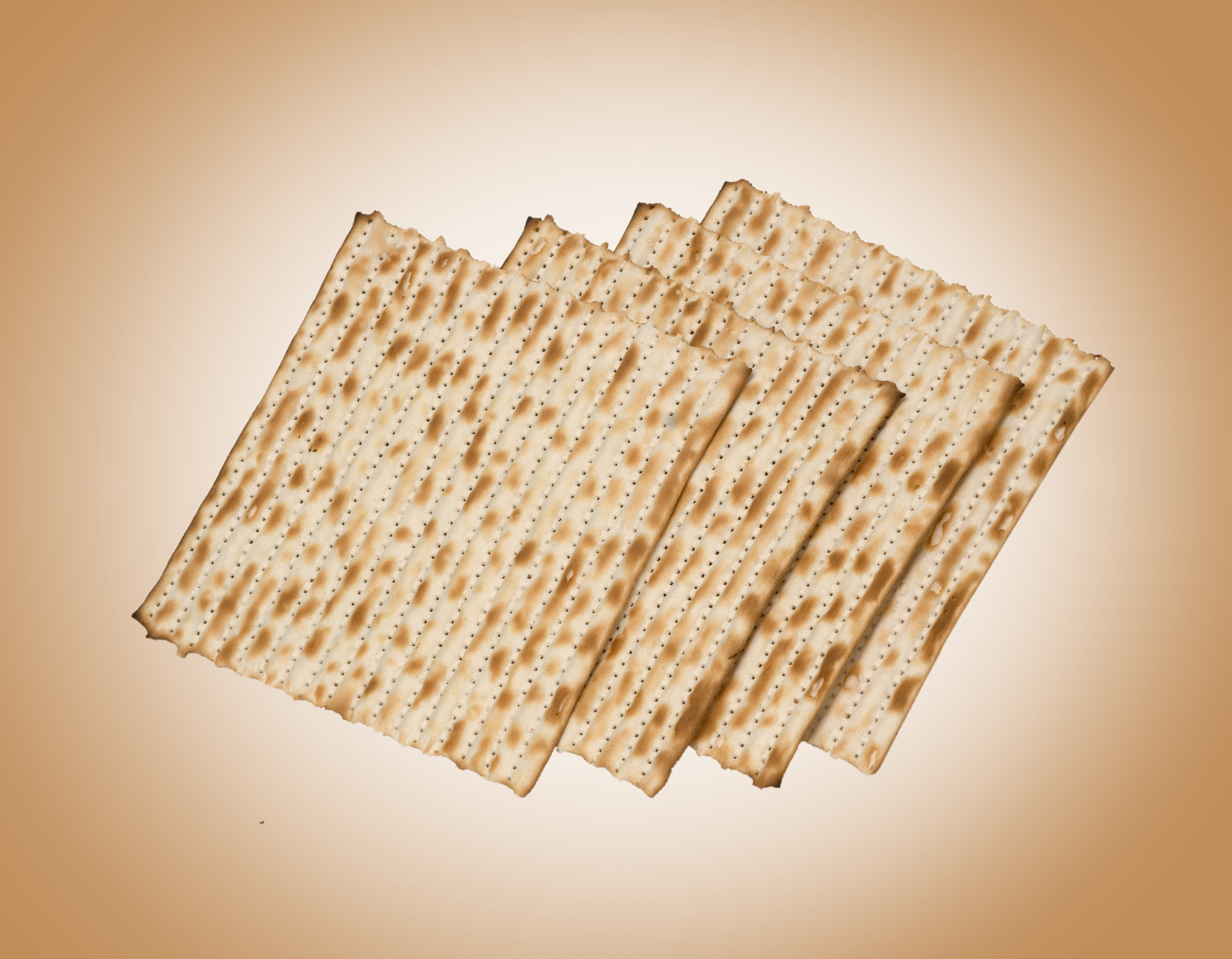
Therefore purge out the old leaven, that you may be a new lump, since you truly are unleavened. For indeed Christ, our Passover, was sacrificed for us. Therefore let us keep the feast, not with old leaven, nor with the leaven of malice and wickedness, but with the unleavened bread of sincerity and truth. (1 Cor 5:7–8)
1 Corinthians 5:8, Leaven of malice and wickedness. Interestingly in the Torah, there are two Hebrew words used for leaven, which is a biblical metaphor for sin. The first word, chametz refers to the sin of malice (or ill-will, malignity, desire to injure, or bitterness), while seor, the second word, refers to wickedness or sin in general, which the Scriptures refers to as the violation of YHVH’s Torah commands (1 John 3:4). It is likely that Paul had this concept in mind when he wrote this verse.
chametz/ץמח, is a noun (Strong’s H2557) meaning “leaven, that which is leavened, bitter.” Chametz is from the root H2556 chametz/ץמח (a verb) meaning “to be sour, to leaven.” According to The Theological Dictionary of the Old Testament, the root word chametz designates the action and result of yeast, which ferments or sours bread dough. This idea of becoming sour is extended to a person’s negative attitude. For example, in Psalms 71:4 chametz is translated as cruel [and in Ps 73:21 as grieved]. The Torah strongly instructs that anyone eating chametz during Passover and the Feast of Unleavened Bread will be “cut off” from Israel (Exod 12:19–20). Exodus 12:39 notes that the daily bread the Israelites baked on the day they left Egypt was not leavened because they left Egypt in such haste that there wasn’t enough time for their bread dough to rise. Thus it had the symbolic value of teaching Israel that having been redeemed from Egypt they should leave their old life [and sinful, “sour” carnal nature] behind quickly and set out toward the Promised Land in a sin-free state. Leavened bread was also prohibited in connection with the sacrificial system (Exod 23:18; 34:25). Neither it nor honey could be burned with the meal (Lev 2:11), and it could not be baked with the fire offering (Lev 6:15). But leavened bread could be eaten with the thank offering (Lev 7:13) and with the first fruits offering on Shavuot or Pentecost. In later Jewish thought, leavened bread become a symbol of corruption and impurity, as also in Yeshua’s teachings (Pss 71:4; 73:21; Hos 7:4; Matt 16:2; Mark 8:15) and in one remark by Paul (1 Cor 5:8; TWOT, vol. 1, page 289).
se’or/ראשׂ (Strong’s H7603) means “leaven.” This is the generic term for leavening or leavened bread and is found five times in Scripture (Exod 12:15, 19; 13:7; Lev 2:11; Deut 16:4). In the first four references, se’or is used in parallel construction with chametz. In all places but Leviticus 2:11, it is used in reference to the Feast of Unleavened Bread, while in the former se’or is used in reference to the meal offering.
Paul juxtaposes malice, wickedness and leavening with sincerity, truth and unleavened bread. The former is sinful and unacceptable to Elohim and must be gotten rid of, while the latter is righteous and accepted of Elohim and must be cultivated in the saint’s life. The latter is copacetic to Elohim’s character, and the former is not. If the believer’s life is analogous to a lump of bread dough, then the malice and wickedness, like yeast, infects, sours and brings rottenness and causes the dough to be puffed up. This is Continue reading →