

Isaac—A Character Sketch
Isaac was successful and blessed. (Gen 26:12–14, 29)
Isaac was obedient to his father.
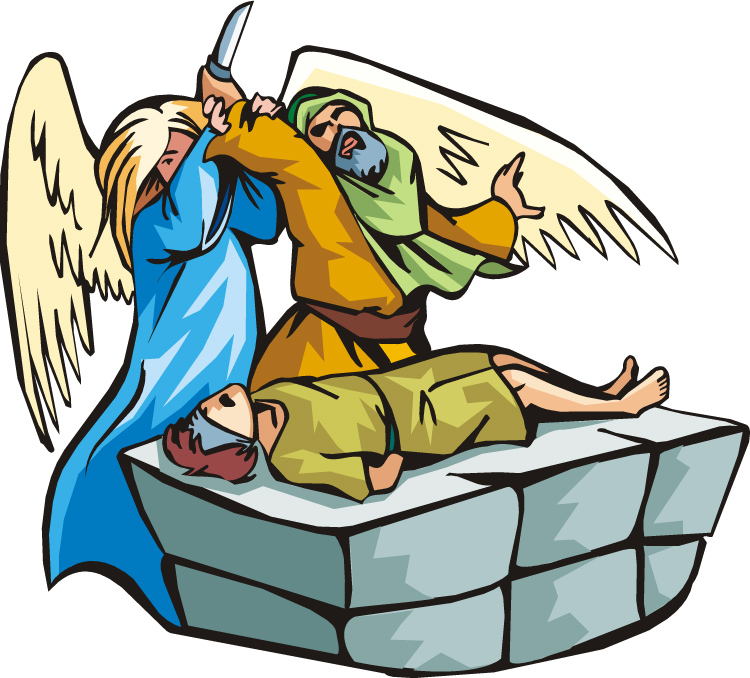
- At age 37 Abraham bound Isaac to the altar (in Heb. this event is called the akeidah or the binding, Gen 22).
- Isaac was obedient to marry Rebekah, his parents’ choice, unlike Esau who married a heathen girl.
- He trusted and had faith in his parents, even as he trusted his life with his father at the akeida.
- He had deep and personal relationship with YHVH (e.g., Gen 24:63; 26:24).
- Here we learn that obedience to and faith in and love for our parents leads to devotion to YHVH. Honoring one’s parents is the beginning step in learning to honor YHVH and to entering into relationship with him. That is why the fifth commandment to honor one’s parents is placed after the commands to love Elohim. In Genesis 24:63 and 25:21, (see The Stone Tanach rendering of this verse as well as The ArtScroll Beresheis, p. 1048, which says Isaac prayed abundantly and urgingly, i.e., persistent prayer, a penetrating prayer or request), we see that Isaac had a deep and personal relationship with his Creator.
He had strong faith.
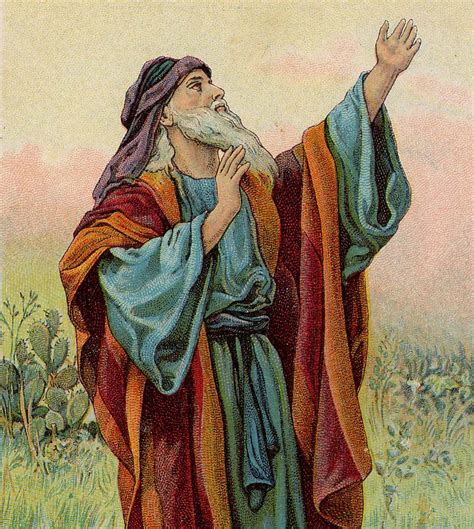
- Though childless and barren, Isaac and Rebekah kept their faith in the promises of YHVH alive (Gen 25:19–26). In verse 21 we see Isaac seeking YHVH for the answers to life’s dilemmas and tough problems (he had a vibrant and abiding relationship with his Heavenly Father). The same can be said of Rebekah (v. 22).
- Though the local Philistines opposed Isaac in the digging of wells and even vandalized his property, he was a peacemaker and refused to feud over his legal rights to these wells. He avoided strife and quarreling with his neighbors (Gen 26:15–22). After digging the third well, YHVH brought comfort to Isaac’s weary soul (Matthew Henry’s Commentary, p. 38).
- Isaac was charitable toward his unsaved neighbors. Though Abimelech and his people had wronged Isaac, he did not rebuke them for stealing the first two wells. Was this a sign of Isaac’s meekness or weakness? Some biblical scholars say no (e.g., Matthew Henry) and some say yes (e.g., Gleanings in Genesis by Arthur Pink, p. 233). Whatever the case, Isaac was meek and operated under a philosophy of peace through strength (Gen 26:16, 29). He was willing let his neighbors defraud him, even as Abraham did of Lot, trusting that YHVH would bless him in the long run. He repeatedly turned the other cheek when wronged in honor preferring others (Rom 12:10)
What are some comparisons between the three patriarchs?
- Abraham was the man of the altar. He built altars as a form of worship to YHVH. The altar is mentioned more times in connection with Abraham than the other two patriarchs. Abraham established a pattern of worship in his life, thus setting an example for his descendants to follow.
- Isaac was the man of the well. Wells are mentioned seven times in connection with Isaac. In the Bible, water wells along with springs and rivers are a metaphorical picture of salvation, of a blessed life, of the Holy Spirit, of the Word of Elohim and of abiding in the presence of and receiving spiritual life from Elohim.
- Jacob was the man of the tent. The tent is mentioned more times in connection with Jacob. A tent speaks of the home as a place of habitation and raising a family.
- When all taken together, the lives of Abraham, Isaac an Jacob teach us the importance of a life dedicated to worshipping YHVH and putting him firsts in one’s life, of abiding in his presence and seeking the spiritual life that he has to offer through his word and Spirit, and then creating a home atmosphere where these values are passe onto our children.
What are the spiritual implications of the altar, the well and the tent in the Tabernacle of Moses?
The Abrahamic Covenant is the covenant of salvation (by grace through faith, see Rom 4). The spiritual significance of the altar, well and the tent are expressed in the layout of the Tabernacle (or tent) of Moses in the wilderness, which is a picture of the steps one must take to receive YHVH’s free gift of salvation or redemption from sin’s death penalty. In one’s spiritual journey toward YHVH Elohim, one must come to the altar of sacrifice (a picture of the cross), and then to the bronze laver (a picture of baptism or immersion for the remission of sins, spiritual cleansing, the washing of the water by the word, and receipt of the Holy Spirit). Afterwards, one enters the tent or tabernacle to commence a deeper and more intimate relationship with YHVH. Do we not see this progression in the lives of the patriarchs? They went from the altar to the well, and then into the tent (later the Tabernacle of Moses wherein were the 12 loaves of bread representing the 12 tribes of Israel) from which sprang the 12 sons or tribes of Jacob the tent-dweller?
This shows us how we come into a spiritual relationship with our Father in heaven: We have to start with an encounter with Yeshua at the cross. From there, we ritually cleansed through baptism which among other things, pictures our being the washed in the water of Elohim’s Word and being filled with and led by his Holy Spirit. From there, we enter into an intimate relationship with YHVH as we come into his home (the tabernacle is a picture the new heavens and the new earth with the holy of holies picturing the New Jerusalem).
Rebekah—A Character Sketch
Continue reading