What is the significance of “the month of the Abib”?

Exodus 9:31, The barley was in the head. Barley was cultivated as a grain crop in ancient Egypt, as well as in Israel, and grows wild like a weed throughout the region to this day. Several passages in the Scriptures witness to the fact that the barley was the indicator of which month was to be the first month of the year for the Israelites, so that they could determine when the biblical feasts were to be observed.

Observe the month of Abib, and keep the Passover unto YHVH your Elohim: for in the month of Abib YHVH your Elohim brought thee forth out of Egypt by night. (Deut 16:1, emphasis added)

Please notice, the definite article the proceeding the phrase “month of Abib.” The state of the barley determined the name of a specific month in the spring on YHVH’s biblical calendar. Months in the biblical Hebrew calendar have always been determined by the first visible sliver of the new moon from antiquity. This specific month is to be the beginning the biblical new year (Exod 12:2). The state of the barley simply determines which month is to be the first month of the biblical year. The month of the Abib is not so much the name of a month as it is a description of the month. Below are listed the other three places in the Scriptures where this phrase is found.

This day came you out in the month Abib. (Exod 13:4)

You shall keep the Feast of Unleavened Bread: (you shall eat unleavened bread seven days, as I commanded thee, in the time appointed of the month Abib; for in it you came out from Egypt: and none shall appear before me empty). (Exod 23:15)

The feast of unleavened bread shall you keep. Seven days you shall eat unleavened bread, as I commanded you, in the time of the month Abib: for in the month Abib you came out from Egypt. (Exod 34:18, emphasis added on all)

What does the word abib in the phrase “the month of the Abib (or Aviv)” mean? The Continue reading →


To bless or curse: that is the question

Matthew 5:43–48, Loving one’s enemies vs. the imprecatory psalms of David. In the Davidic psalms, David writes numerous imprecations against his enemies where he implored Elohim to destroy his enemies (e.g. Ps 5:10; 6:10; 7:9; 35:26; 40:14; 55:15; 58:6–8…). How could a man after YHVH’s own heart wish so much ill upon those people intending his harm? How does this comport with Yeshua’s instructions hear to love your enemies and to treat them well? On second look, David’s imprecatory psalms may not be as incongruous with Yeshua’s teachings in his Sermon on the Mount as it may seem. Here are several points to consider in this regard.

All of David’s desires upon his enemies are directed to Elohim in the form of a prayer. As such, he is submitting his wishes to the ultimate will of the just and righteous Judge of the universe to have his way with David’s enemies.

David isn’t expressing his desires upon his enemies to his enemies. Rather, the issue is a matter of prayer, not direct confrontation.

The Bible clearly teaches in countless places that Elohim will bring judgment upon his wicked enemies. That judgment comes in many ways and many time frames. Some judgment is temporal, some is eternal.

The Bible also teaches that Elohim will repay his enemies for the evil they have done. They will reap the consequences of their sinful actions. In fact, Elohim even hates some of his enemies—the workers of iniquity (e.g. Pss 5:5; 11:5).

A case can be made from the Scriptures that the righteous are to hate the things that Elohim hates and love the things that he loves. In one place, David even talks about hating the enemies of Elohim with a perfect hatred (Ps 139:22).

So, in a general sense, the saint is to hate the workers of iniquity, the haters of Elohim and his ways. But it is not the prerogative of the saint to take matters into his own hands to execute judgment against his enemies. Scripture declares that vengeance alone belongs to Elohim, and he will repay (Ps 94:1; Rom 12:9).

Until then, we are to love our enemies when dealing with them face to face as Yeshua instructs here, and we are to even bless them and pray for them. Why is this? Praying for our enemies may or may not change their demeanor toward us or their persecuting us, but it will keep us from walking in unforgiveness, from becoming embittered, vengeful and hateful ourselves. By releasing them to YHVH to do what he will with them in his own time and way, we are freeing ourselves from negativity or the evil darkness that our enemies may unwittingly by trying to impose on us, which will blotch or taint our own soul with spiritual darkness.

There may, however, come a time when our enemies are so cruel, hateful and wicked that it is appropriate to pray an imprecatory prayer against them in the manner of David, who was often fighting for his life at the hand of his enemies. As we read in Ecclesiastes chapter three

To everything there is a season, A time for every purpose under heaven…And a time to heal; A time to break down…A time to love, And a time to hate; A time of war, And a time of peace. (Eccl 3:1, 3, 8).

May YHVH grant us the wisdom through the guidance of his Spirit to know what to do and when at all times.


Are we walking by faith or by sight?

Exodus 6:9, They did not heed…because. When our eyes are totally focused on our circumstances and we fail to acknowledge Elohim in all things (Prov 3:5–6), and be thankful to him for all things (Eph 5:20; 1 Thess 5:18), we will fail to see the higher and grander purposes he is working out in our lives for his glory and for our blessing.

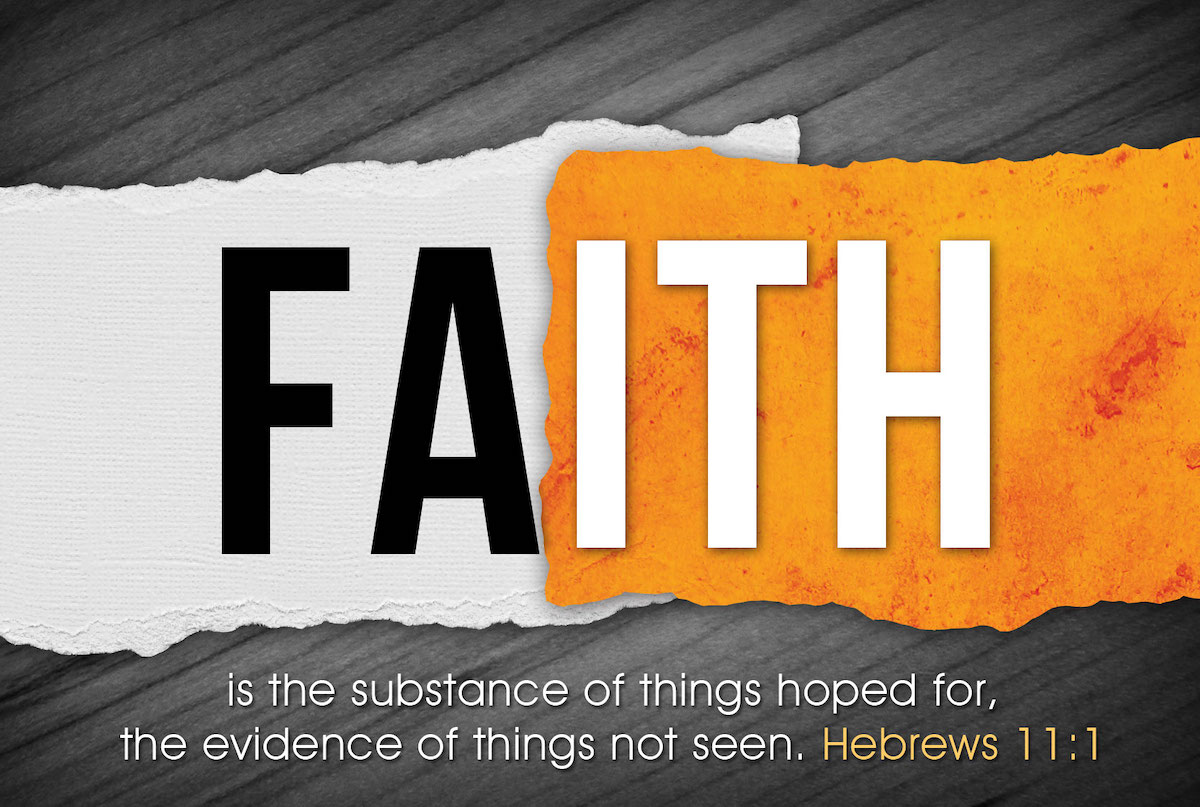
Now faith is the substance of things hoped for, the evidence of things not seen. (Hebrew 11:1)

For we walk by faith, not by sight. (2 Cor 5:7)


The radical message of John is still radical

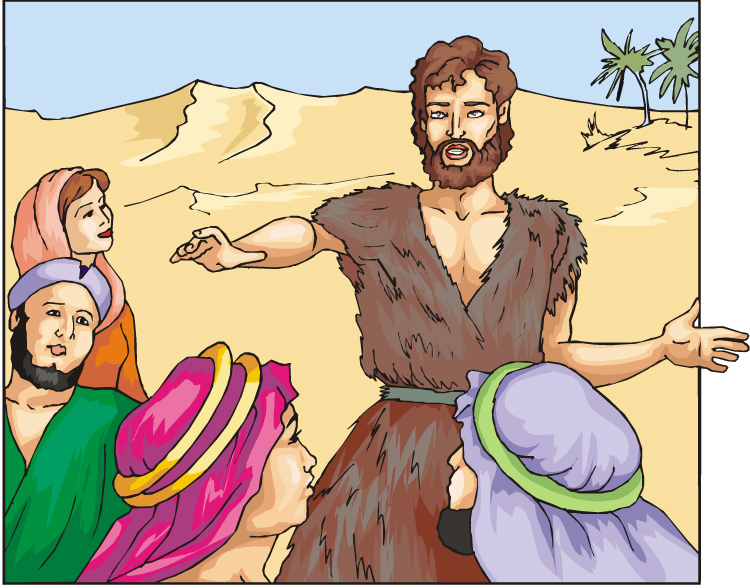
Luke 3:7–17, Then he said to the multitudes. What’s really going on in this exchange between John the Baptist and the religious folks of his day? Let’s step back and look at the bigger picture.

The multitudes of Jews had to make the long, hot and arduous journey through the Judean mountains down to the Jordan River, which was the lowest spot on earth, to hear John the Baptist, who was the latest fad preacher to come on the scene. However, when they arrived at his lonely wilderness pulpit, instead of stroking their egos by complimenting them for their religious zeal, he excoriates them and calls them a brood of vipers. John confronts them by saying that if they don’t repent, the fires of YHVH’s judgment will consume them (John 3:7–9). John’s preaching pierces their hearts, and lays them low spiritually. In a proper response, they ask him what he expects them to do (John 3:10). John then preaches a message of social justice involving giving to the poor, being fair and honest in one’s business dealings, and if one is a government worker, then treat the citizens one serves with respect (John 3:11–14).

Interestingly, he doesn’t instruct these religious Jews in what many consider to be the Continue reading →


Blog Scripture Readings for 12/30/18 Through 1/5/19

Aside

THIS WEEK’S SCRIPTURE READINGS FOR STUDY AND DISCUSSION:

Parashat Va’eira — Exodus 6:2 – 9:35
Haftarah — Ezekiel 28:25 – 29:21
Prophets — 2 Samuel 15:1 – 21:15
Writings — Psalms 89:1 – 94:23
Testimony — Luke 3:1 – 6:26

Most of this week’s blog discussion points will be on these passages. If you have general comments or questions on the weekly Scripture readings not addressed in a blog post, here’s a place for you to post those. Just use the “leave a reply” link below.

The full “Read Through The Scriptures In A Year” schedule, broken down by each day, can be found on the right sidebar under “Helpful Links.” There are 4 sections of scripture to read each day: one each from the Torah, the Prophets, the Writings, and from the Testimony of Yeshua. Each week, the Torah and haftarah readings will follow the traditional one-year reading cycle.

Weekly Blog Scripture Readings for 12/30/18 through 1/5/19.


The Torah of YHVH Vs. the Law of Moses

Luke 2:24, Law of the Lord/YHVH. This phrase is found only three times in the NT—here and in vv. 24 and 39. The same phrase is additionally found 18 times in the Tanakh and obviously refers to the Torah (e.g. Pss 1:1; 19:7; 119:1). Is the law of YHVH the same as the law of Moses?

The phrase the law of Moses is found a similar number of times in the Bible: 15 times in the Tanakh and seven times in the NT. Obviously the phrases the law of YHVH and the law of Moses are synonymous terms in that they refer to the same thing: the Written Torah. From the obvious meanings of these two terms, we learn that YHVH Elohim is the divine source or origination of the Torah, while Moses was merely the one who first wrote it down or codified it, and as the leader of the nation of Israel, he administered it.

It is interesting, if not ironic, how the mainstream church chronically refers to the Torah as “the law of Moses,” when Scripture refers to the Torah as “the Torah of YHVH” the same number of times less one. The mainstream church’s choice of one term over the other seems to reveal, sadly, its apathy, if not, at times, its outright antipathy, toward YHVH’s Torah. To justify this ungodly attitude, it has chosen to use the term that casts the Torah-law of Elohim in the most negative light possible by inferring that its source is man and not Elohim. This furthermore underscores the truth of Paul’s words in Rom 8:7 about the carnal mind of man being at enmity with the laws of Elohim in that it refuses to be subject to them.


Was Yeshua born in a manger or a sukkah?

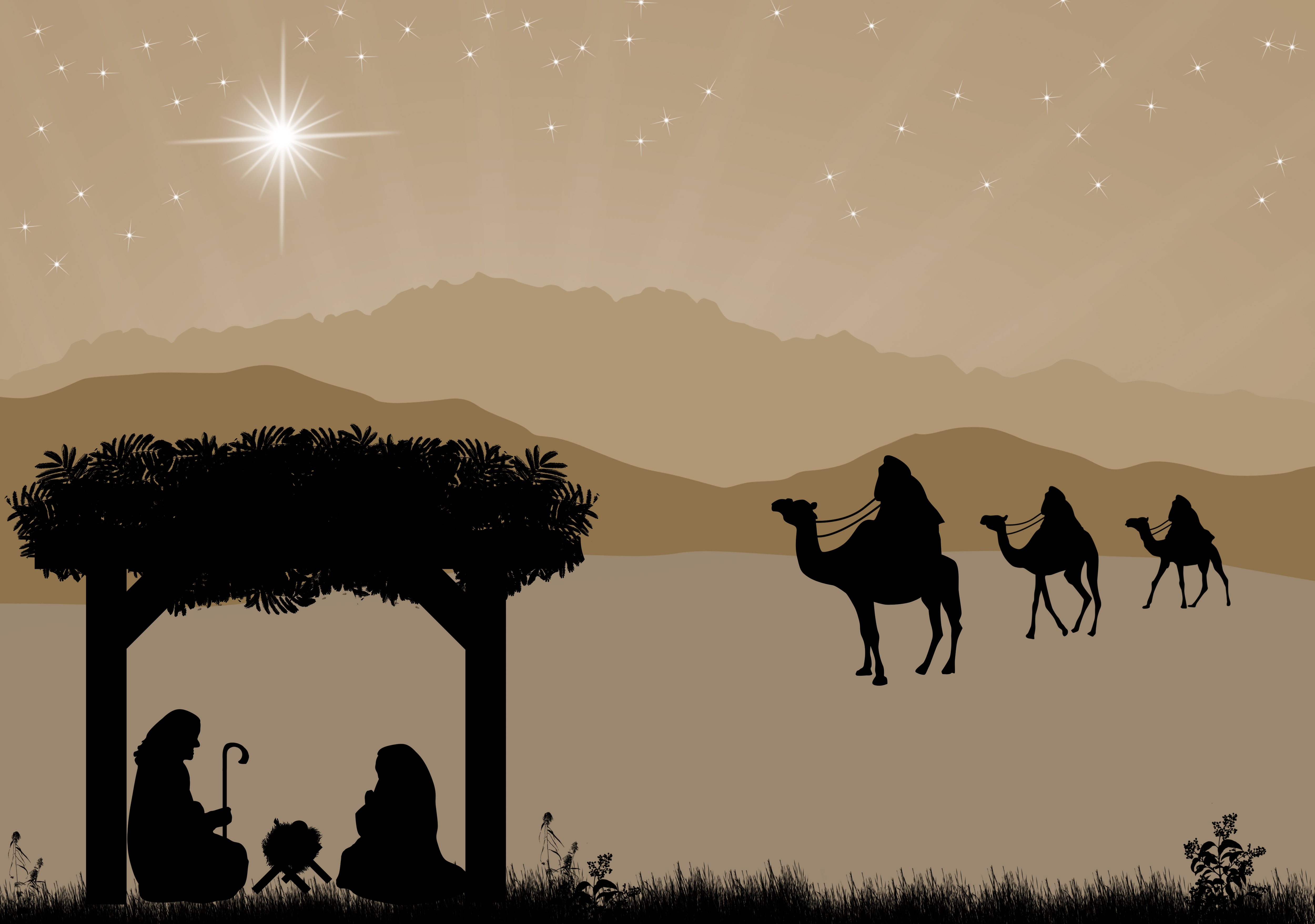
Luke 2:7, Manger. (Gr. phatne) The Greek word phatne literally means “feeding trough” and according to the word’s etymology and lexicology as stated in The TDNT, there is no indication that this manger is anything but a standard feeding trough or manger.

Nevertheless, this manger may have been a sukkah or tabernacle, which is the flimsy little hut that Israelites build during the biblical Feast of Tabernacles (Heb. Chag Sukkot) as commanded in the Torah (Lev 23:33–43).

We see the connection between a manger and a sukkah in Genesis 33:17 where Jacob built booths (or tabernacles; Heb. succot or sukkot is the plural form of sukkah) for his livestock showing us that the Hebrew word sukkah (pl. sukkot) can also mean “livestock barn or manger” as well as a temporary habitation where Israelites dwell during the biblically commanded festival of Sukkot.

This raises the possibility that Yeshua was actually born in a festival sukkah during the Feast of Tabernacles or Sukkot and not just in an animal barn as Christian folklore would have us believe. The LXX Greek word for sukkah in Gen 33:17 is skenas meaning “habitation, dwelling or tabernacle” and is the same word used in John 1:14 and Rev 21:1–3 in reference to Yeshua tabernacling with his people. Putting all the pieces together, Yeshua may have been born in a sukkah-manger prior to or during the Feast of Tabernacles with a human sukkah (or body, of which the physical sukkah during Sukkot is a metaphorical picture) in order to redeem man from sin, so that Yeshua might tabernacle with redeemed men forever in the New Jerusalem (Rev 21:3).