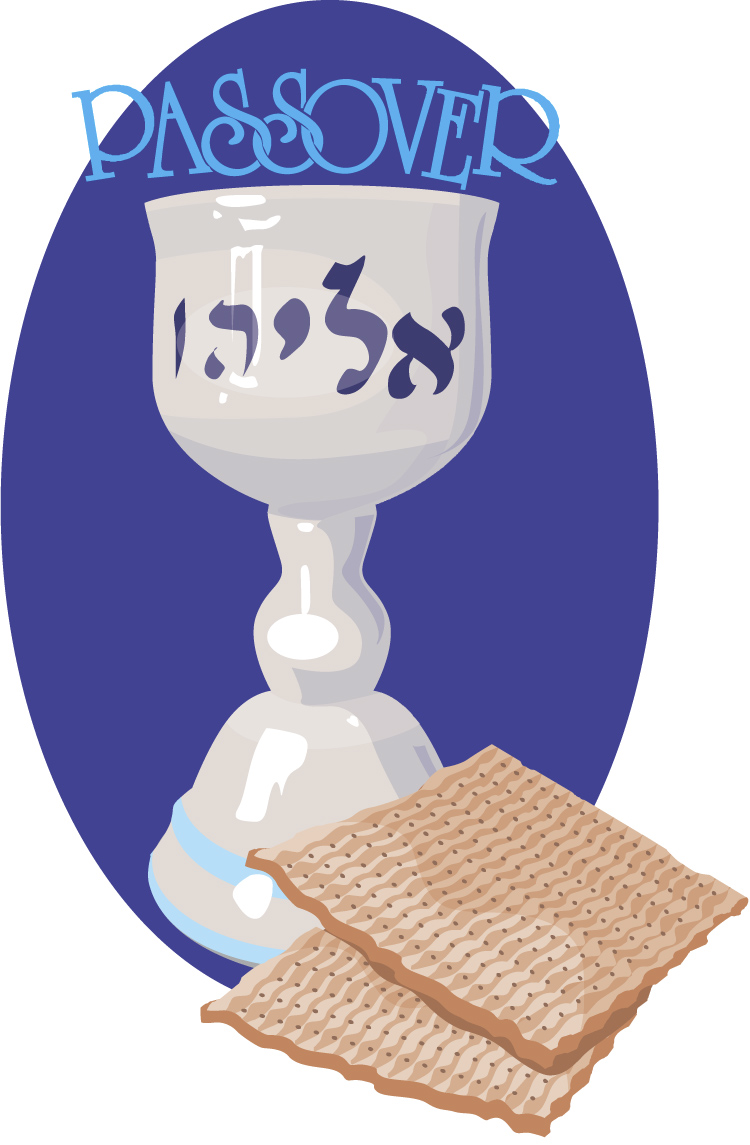
The exact timing of the Passover has sparked much controversy over the years among believers. In the early Christian church it was known as the “Quartadeciman Controversy.” Concerning this debate, which continued into the fourth century a.d. and was finally settled at the famous Council of Nicea in a.d. 325, church historian Philip Schaff in noted multi-volumed History of the Christian Church states, “Respecting the time of the Christian Passover … there was a difference of observance which created violent controversies in the ancient church [resulting in questioning] the genuineness of John’s Gospel” (vol. 2, p. 210). The Quartadeciman Controversy, although slightly different in nature to the subject of this present work, only serves to underscore the volatility of issues of dogma. With this in mind, let us not forget what Yeshua referred to as the “weightier matters of the law”: judgment, mercy and faith (Matt. 23:23). Now let’s begin our study of the timing of Passover.
First, there are some absolutes that Scripture gives regarding Passover:
- Scripture states that Pesach/Passover is on the fourteenth day of the first month (Lev. 23:5), and is called the month of Abib (Exod. 12:2,5–14; 13:4) of Elohim’s biblical calendar (Hag HaMatzot/Feast of Unleavened Bread starts on the fifteenth).
- For Messiah Yeshua to be the literal fulfillment of the Passover Lamb he had to die at the same moment in time that the Passover lamb was slain.
When Is Passover and When Was the Passover Lamb Sacrificed in the Temple?
Exodus 12:6 says,
And you shall keep it [the lamb] until the fourteenth day of the same month, then the whole assembly of the congregation of Israel is to kill it at twilight [Heb. erev, marginal notes in KJV: between the two evenings].
According to ancient rabbinical sources, at the time of Yeshua, the term between the evenings or twilight had taken on a broader meaning than just twilight as in accordance with the literal meaning of the Hebrew word erev. For the Pharisees, it referred not just to the approximately 45-minute time period just before darkness that we in the west call twilight, to the time period from noon onward when the sun begins to decline from its Continue reading