
Leviticus 1–7

An Overview of the Sacrificial System
Although Jewish and Christian scholars disagree about whether the sacrifices were to cease after the coming of the Messiah, as Edersheim points out, all agree that the object of a sacrifice was substitution for the offender (The Temple—Its Ministry and Service, p. 90). He also notes that the Jewish fathers along with the Scriptures that all of these substitutionary sacrifices pointed to none other than the Messiah. This understanding is especially expressed in the proto-rabbinic biblical Aramaic commentaries or Targumim (e.g., Targum Jonathan and the Jerusalem Targum; ibid., p. 92). Later rabbinic sages, in light of the rise of Christianity, were loath to accept this interpretation and, to this day, pretend it was never the belief of their ancient predecessors.
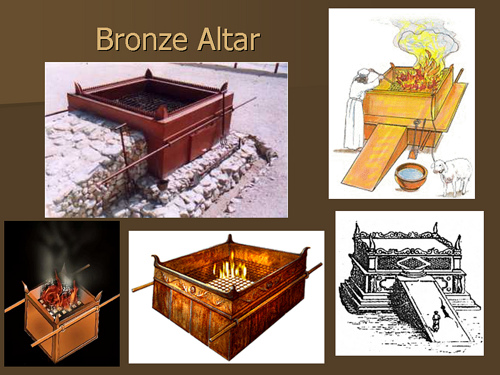
As the Tanakh progresses, the concept of the substitutionary sacrifice as it relates to the sinner and to the Messiah expands and unfolds. The unity of the Tanakh in this regard and its progression of revelation on this subject must be taken into consideration when studying the sacrifices listed in Leviticus and the rest of the Torah if we are to understand completely the biblical concept of substitutionary sacrifice as well as the Messianic prophecies. The concept of sacrifice in the Tanakh point us prophetically in progressive stages to the sin-atoning death of the Messiah on behalf of sinners. Such passages in the Tanakh as Psalms chapters 2, 22, 35, 69, 72, 89, 110, 118 along with Isaiah 52:13–53:12 (many other scriptural passages could be cited here as well) point undeniably to the Person and work of Yeshua the Messiah including his suffering and glorification. The apostolic writers understood these prophecies and how Yeshua fulfilled them perfectly (e.g., Isa 52:13–53:12 cp. Heb 9:11–15; 10:4–7, 1; etc.), and this understanding forms the basis for the New Testament, which the authors thereof refer to as The Testimony of Yeshua (Rev 1:9; 6:2; etc.).
All the animals slaughtered in the sacrificial system were similar, in modern terms, to the minimum amount due on a credit card statement of a bill so huge one cannot possible pay the balance; therefore, one is able only to afford to pay the minimum amount due until somehow, miraculously, someone will step in to pay the full amount. Yeshua paid that monstrously huge sin debt for each of us at the cross. All of the sacrifices in the Tabernacle of Moses were merely tiny down payments on the vast sin bill that each sinner owed for his sins and which would ultimately be paid by Yeshua’s death on the cross. The penalty for sin is death, and this debt can only be paid by the death of the sinner. Once he is dead, then what? No more life. This is why Yeshua had to pay the price for man, so that we might live forever and not die forever. How could Yeshya’s death pay for all of humanity? After all he was only one man. This is possible only because the Bible reveals in numerous places that Yeshua was the Creator of man (John 1:3, 10; Heb 1:2, 10; Col 1:16) thus making his death life more valuable than all that he ever created, even as the builder of the house is more valuable than the house he builds (Heb 3:6).
Six Types of Offerings (Heb. korban) Offered on the Altar (Lev 1-7)
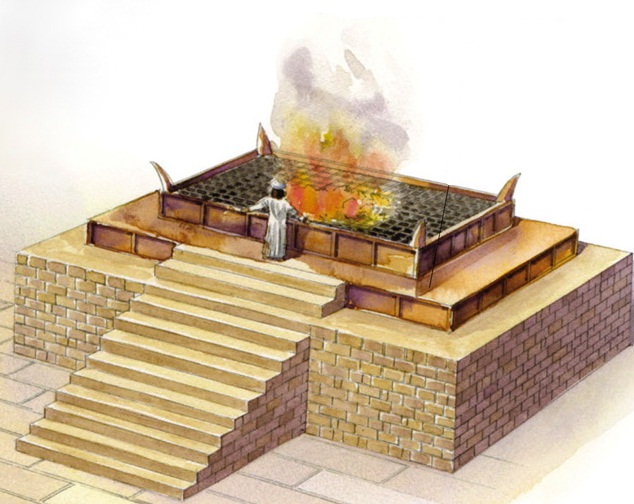
Burnt or Elevation (Heb. Olah) Offering (Lev 1:3–17)
The olah or ascending offering signified the offerer giving himself up totally, wholly ascending or complete surrender to Elohim. The priests offered up this sacrifice twice daily—the morning and evening (Exod 29:38–42; Num 28:1–8). This offering was always a male animal whose blood was to be sprinkled around the altar. The offerer was to lay his hands on the head of the animal before it was slaughtered symbolizing substitutionary atonement for sins. The offering would be accepted as a sweet aroma by Elohim.
The daily burnt offering was made in conjunction with a meal or grain offering and a wine libation (Exod 29:38–42; Num 28:1–8). Burnt offerings (along with the grain offering and wine offering or libation) were also made on the weekly Sabbath, at the new moon, on the all of the biblical feasts. These burnt offerings (including the one offered on Passover day) were in addition to the twice daily burnt offerings. This was a perfect prophetic picture of Yeshua’s death on the cross and of the communion cup, which memorializes our Savior’s death.
Meal, Grain or Meat, (Heb. Minchah) Offering (Lev 2:1–16; 6:14-23)
This offering was brought in conjunction with the burnt and peace offerings or by itself. The name minchah implies a gift, present or a tribute to a superior and proclaimed the offerer’s acknowledgement that his life is in Elohim’s hands. This offering was made of finely ground flour mixed with oil, salt and frankincense (and water) and could contain no leavening or honey. When part of the burnt offering, it was combined with the drink offering or wine libation, which was poured out on the altar (Exod 29:38; Num 28:5–7).
It was brought by people too poor to afford anything else as a trespass offering (Lev 5:11).
Fine flour represents Yeshua and oil symbolizes both the Set-Apart Spirit of Elohim and the Torah (i.e., Spirit and Truth). This offering could be baked or fried. If fried it was done so in oil and broken into three pieces with oil poured over it. This offering speaks of Yeshua’s death, burial and resurrection with which the believer must identify when he eats the elements of communion.
Sin (Chatat) Offering (Lev 4:1–35; 6:24–30)
This offering was made for general sin (violation of any of YHVH’s commandments), and not specific or special offences (as was the case with the trespass offering). The sin offering symbolized general redemption or atonement for the individual offender (including rulers, priests or common people) or for the whole congregation of Israel, and like the trespass offering, was for only for sins committed in ignorance, unintentionally or because of weakness as opposed to wilful sin or presumptuous sin In all cases, the offender would lay his hands on the head of the animal victim before it was slaughtered as a symbolic act of transferring the person’s sin guilt to the animal.
This offering involved a bull or a lamb offered on the altar and was eaten by the priests. Sin speaks of man’s sinful nature leading to sinful (unintentional) deeds for which man (including believers) needs atoning on an ongoing basis (1 John 1:9).
Trespass or Guilt (Asham) Offering (Lev 5:14–19; 6:5–7; 7:1–7)
This offering was made for specific transgressions committed in ignorance, weakness or unintentionally as a result of one voluntarily confessing his guilt. If one were too poor to bring a lamb, he could bring two turtle doves or pigeons, or on minchah or meal offering.
Peace or Fellowship (Shelam) Offering (Lev 3:1–7; 7:1–36)
This was a joyous sacrifice intended to celebrate one’s happy fellowship with Elohim through covenantal relationship. It’s as if YHVH is the guest of honor at the meal. It was offered voluntarily out of thanksgiving or in honor of a vow made to Elohim (Lev 7:12, 16). The peace offering may be what the psalmist had in view when he speaks of a sacrifice given in grateful fellowship with Elohim (Pss 54:6; 116:12).
This was a voluntary offering expressing the offerer’s desire to express thanks to Elohim and to seek friendship or communion with him. The priests and the offerer consumed the flesh of this offering in a meal that also included unleavened bread with oil and fine flour. This offering was a sign of a healthy and loving relationship between the offerer, the priests and Elohim.
Drink Offering (Gen 35:14; Exod 29:40–41; Num 28:7–10, 14–15, 24, 31)
This offering was poured out upon an existing offering such as the twice daily burnt offering. This offering can signify consecrating to Elohim or pouring one’s life out for his service (Phil 2:17).
Leviticus 1
Leviticus 1:1, Moses ends the word vayikra with a small aleph out of humility before YHVH (Tikkun, p. 225).
Herd…flock.The Hebrew means a herd of cattle (defined in v. 3, 5) or a flock of sheep or goats (defined in v. 10).
Leviticus 1:3, Of his own free will. Acknowledgement of sin, repentance and acceptance of Yeshua the Messiah’s atoning death on the cross, which the burnt offering symbolically represented, is an act of a person’s free will. No one, including YHVH, compels a person to choose the path of redemption, salvation and life that YHVH has offered to humans. Each person has to make that spiritual transaction himself of his own volition, even though YHVH loves the whole world (John 3:16) and desires all to be saved (2 Pet 3:9).
The door of the tabernacle. This is a symbolic and prophetic metaphor for Yeshua the Messiah, who is the door to salvation (John 10:7–10).
Leviticus 1:4, Put his hand on. Acknowledgment and confession of sins is an individual matter.
To make atonement for him. Atonement and salvation is an individual matter.
Leviticus 1:5, He shall kill. In ancient Israel, a sinner was kill the animal to be sacrificed as an atonement for his sin. This act reinforced upon the individual’s heart and mind the gravity of his sin and the consequences there of upon an innocent animal, which symbolically pointed to the death of Yeshua, the Lamb of Elohim, upon the cross, who had to die for each person’s sins. If killing an innocent animal brings grief to a person’s heart, then how much more the death of Yeshua, the Son of Elohim?
Sprinkle. Heb. word zaraq means “to scatter, sprinkle, toss, throw, scatter abundantly, strew.” The sprinkling of the blood of the sacrificed animal on and around the altar of sacrifice (and elsewhere in the tabernacle as well) is mentioned numerous times in the Torah (e.g. Exod 24:6; 29:16; Lev 1:11; 3:2, 8, 13; 4:6,17; 5:9; 7:2). The blood was even sprinkled on the people (Exod 24:8), and on Aaron and his sons (Exod 29:20–21). This is a prophetic picture of Yeshua bleeding, while dying on the cross and shedding his blood as an atonement for our sins. Yeshua’s sprinkling his blood on the cross fulfilled the sprinkling of blood under the sacrificial system in the following ways:
- On the altar, which is a picture of the cross (Exod 24:6–8).
- All around the altar (Exod 29:12–16) including on the earth beneath the altar (Lev 7:2). Yeshua’s blood covered himself and the entire area around the cross.
- On the high priest’s garments (Exod 29:20–21). Yeshua is our Great High Priest who was covered in his own blood during his crucifixion.
- The blood was sprinkled seven times for perfection (Lev 4:6–7). Yeshua bled from seven areas of his body (his head, back, two hands, two feet, and his side).
- At the bottom of the altar (Lev 4:6–7). Yeshua’s blood would have dripped down and pooled at the base of the cross.
- On the side of the altar (Lev 5:9). The cross was entirely covered in blood.
- Sprinkled seven times before the door of the tabernacle (Num 19:4). Yeshua died (probably on the Mount of Olives) on the hill of Golgotha (or Calvary) in view of temple in Jerusalem just outside the city gates (Heb 13:12).
The Scriptures tell us that the life of the flesh is in the blood, and that YHVH has given it to us upon the altar as an atonement for sins, for it is the blood that makes atonement for our soul (Lev 17:11). Additionally, without the shedding of blood, there is no remission for sins (Heb 9:22). All the religions of the world (including rabbinic Judaism), except those that have faith in Yeshua, are bloodless and have no provision to save man from his sins.
By the door. This is a prophetic picture of Yeshua murder outside of the camp or gate of the temple in Jerusalem (Heb 13:12–13).
Leviticus 1:9, Entrails/inwards…legs. See notes at Exodus 29:13.
Leviticus 1:16, Beside the altar on the east part.It is interesting to note that in Jerusalem on the Temple Mount, the east side of the altar of sacrifice in the temple faced the Mount of Olives, the base of which is only a few minutes walk (less than 1000 feet) down from the Temple Mount and across the small Kidron Valley. This is the same area where the Garden of Gethsemane is located (also at the base of the Mount of Olives just above the Kidron Valley) where Yeshua prayed before his crucifixion and sweat great drops of blood (Luke 22:44). Directly above this same spot is where the altar of the red heifer was located (see Mishnah Parah 3:6c and The Temple, Its Ministry and Service, p. 283, by Alfred Edhersheim). Furthermore, the writer of Hebrews links the place of Yeshua’s crucifixion to the spot where the red heifer was killed (Heb 13:12–13 cp. 9:13). And finally, we know that from the place of the crucifixion, the front of the temple was clearly visible (Luke 23:45, 47). We see that the sprinkling of the blood on the east side of the altar (on the side of the altar facing the exact spot where Yeshua died on the cross) is a prophetic shadow picture pointing to the eventual death of Yeshua the Lamb of Elohim slain from the foundation of the world to take away the sins of the world once and for all!
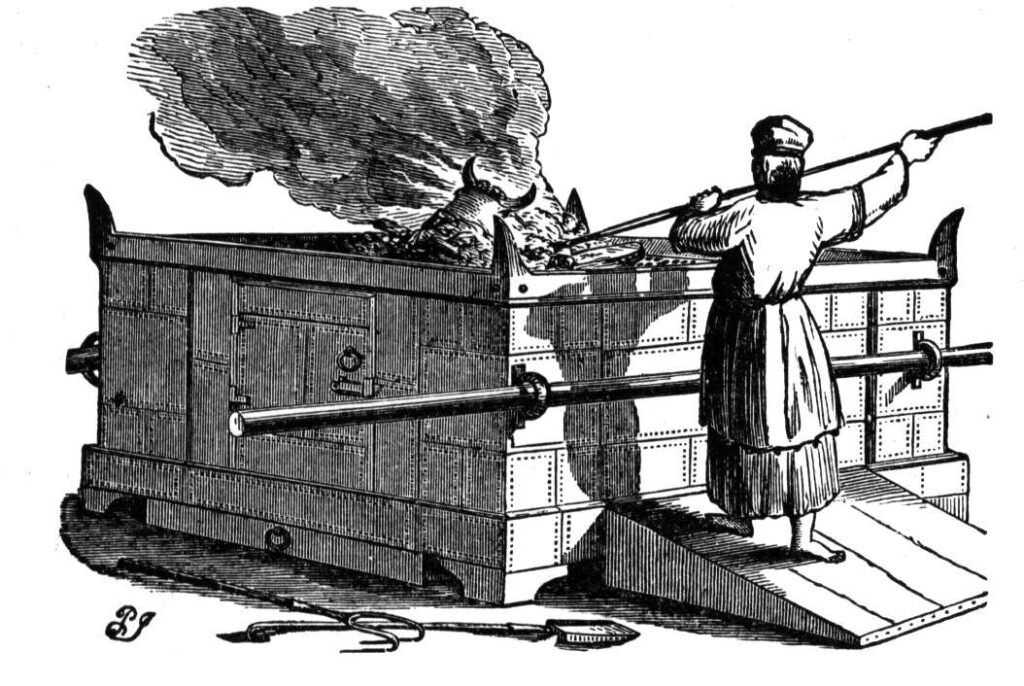
Leviticus 1:1–17, The burnt offering is a picture of Yeshua’s death on the cross. All aspects of the sacrificed animal, the altar itself and the service surrounding the sacrifice are a prophetic shadow-picture pointing to the Messiah’s death on the cross and what the redeemed believer must do in relationship to this work to receive Elohim’s atonement for his sins.
The priests sacrificed a lamb twice daily—in the morning and in the evening (Exod 29:38–42; Num 28:1–8). The Jews, since the time of the destruction of their temple in the first century, have known that these two offerings prophetically represent the prayers of the righteous ascending to the throne of the Almighty twice daily. In rabbinic Judaism, the morning prayers are called the shacharit prayers, while those in the afternoon are called the mincah prayers. These prayers can be found in a Jewish prayer book called a siddur. These twice daily sacrifices picture our need to come to our Father in heaven morning and evening through the shed blood of Yeshua to confess our sins and to offer thanks and praise (Heb 13:15; Pss 107:22; 116:18 cp. 113:3; 141:2; Hos 14:1–2; Mal 1:11).
The Prophetic Significance of the Offerings
Along with the burnt offering there were five other types of offerings each representing different aspects of a follower of Yeshua dealing with sin in his life. They are listed in Leviticus and elsewhere in the Torah. They are:
- the meal or cereal offering (Lev 2; 6:14–23)
- the guilt or sin offering (Lev 4; 6:24–30)
- the trespass offering (Lev 5:14–6:7)
- the peace or wave offering (Lev 3; 7:11–21)
- the drink offering (Exod 29:40;–41; 30:9; Lev 23:13; Num 6:17; 15:5, 7, 10, 24; 28:7–10, 15, 24; 29:16, 22, 25, 28, 31, 34, 38)
In these offerings, there is great spiritual symbolism. For example, the oil, salt, flour, frankincense and baking over fire of the meal offering all point to Yeshua. In scriptural poetic symbolism, oil represents the Set-Apart (Holy) Spirit of Elohim and the Torah, fine flour speaks of the righteousness of Yeshua who is the Bread of Life, while salt is a metaphor for purity and taste enhancement, and frankincense speaks of prayers of the saints. This offering contained no leavening agent; it was unleavened bread, and leavening is a scriptural metaphor for sin. It contained no honey, since honey overpowers the real flavor of something. This prophetically points to the words spoken by Yeshua; they were not “sweetened” to blunt their real truth or intent. The Word of Elohim is never compromised to placate the palate of the carnal man (see John 6:60; 3:34; 8:28; Rev 1:5). The meal offering was baked by fire. Yeshua fulfilled this offering in every way by his death on the cross (see Isa 53:5–12; compare with Ps 22:15; Luke 23:56–24:1; John 3:14; 12:32). The Testimony of Yeshua teaches us that redeemed believers are to fulfill this prophetic symbolism by becoming like “living sacrifices” (see Rom 12:1; Matt 5:10–13; John 16:33; 2 Tim 3:12).
A Brief Study of the Sacrificial System
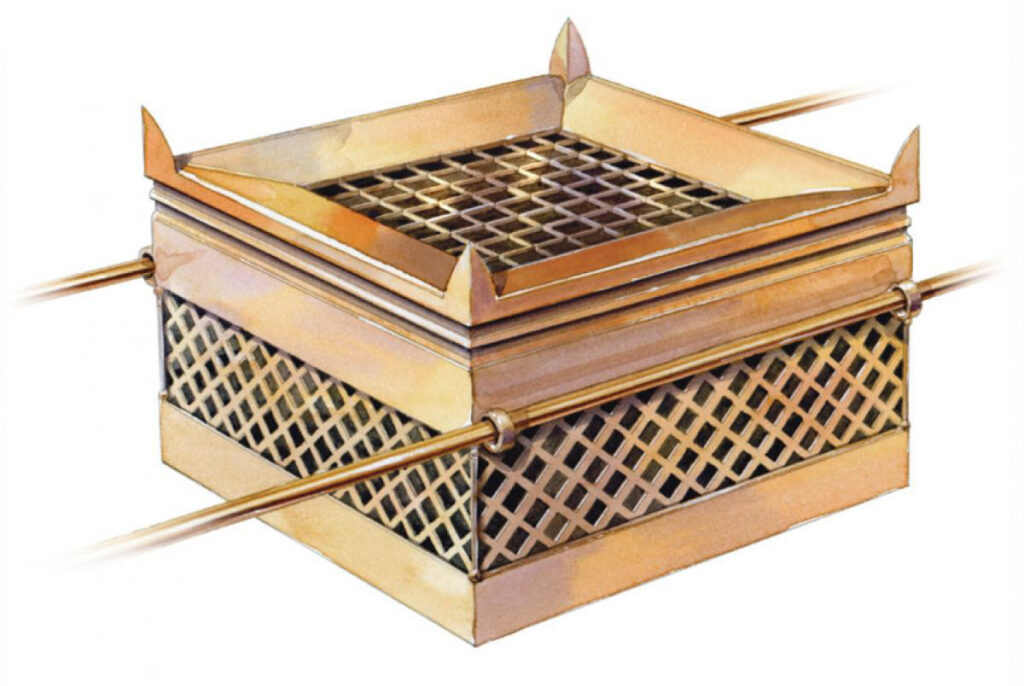
What Was the Purpose of the Sacrificial System?
The concept of animal sacrifices may be a hard for modern people to comprehend—especially for those who are squeamish when it comes to death and blood. This ancient ritual, rooted in the nomadic lifestyles of the inhabitants of the Middle East, carried more symbolic significance for a people whose daily existence was tied to the earth and who were dependent on domestic animals for their survival. It is out of this cultural background that the biblical narrative springs and with it the ritual symbols with which the ancient people described therein could relate. With these things in mind, the following is a list showing the main reasons for YHVH’s establishment of an animal sacrificial system as a means to help man to understand spiritual lessons far beyond the actual sacrifice itself.
The laws pertaining to the sacrificial system were added to the rest of the Torah because of sin, and were in force until the time of Yeshua the promised Seed (Gal 3:19). When and why did YHVH add them making this system incumbent upon the Israelites? This occurred after and because of the sin of the golden calf. It was then that YHVH established the Levitical priesthood and subsequently gave Israel the sacrificial system to not only show them the seriousness and grave consequences of sins, but to guide them forward on the path toward redemption and salvation.
- The Levitical system foreshadowed and pointed to the Messiah’s ultimate sacrifice (Heb 9:11–12).
- The tabernacle offerings were specifically designed to spiritually draw the offerer near to Elohim through the sacrifice of a prescribed animal (Ps 51:16–17; 50:12–15 cp. 1 Pet 2:21).
- Elohim commanded offerings to assist the offerer to better understand himself; his attitude, and his personal relationship with Elohim (e.g., Gen 3:21; 4:3–5; 8:20; 22:1–2 cp. 1 Cor 11:28).
- Altars were erected by the patriarchs in order to honor Elohim through sacrifice after having had direct contact with him (Gen 12:6–8; 13:18; 26:24–25; 35:1; 35:2–4; Exod 17:13–16; cp. Exod 20:12).
- Proper and regular sacrificial offerings kept the children of Israel in direct contact with the Elohim of the patriarchs (Exod 5:3; 10:25; cp. 1 Tim 2:5).
- To make the offerer holy (set-apart) so that he would be allowed to approach and commune with the Set-Apart Elohim of Israel (Isa 43:15; 57:15; Lev 19:2 cp. 2 Cor 6:16–18).
- Under certain circumstances, blood, as used in the Levitical system, could serve as a purification agent for both people and objects (Heb 9:18–23 cp. Luke 2:22–24).
- The blood of the animal sacrifices served to cover the offerer’s sins, thereby allowing him to draw near to the Set-Apart Elohim of Israel. However, the offerer could only be forgiven for specific sins through full repentance and by returning to Elohim’s way of life as outlined in the Torah (Lev 1:4; 4:35; 23:27–28; Heb 10:3–4; cp. Rom 4:7–8).
- The purpose of the animals offered by the Levitical priesthood served as a shadow of the blood of Messiah, which does not merely cover our sins, but removes all of the sins of the person who accepts Yeshua’s offering of himself for that sinner (Heb 9:11–12, 24–28; 1 Pet 1:18–19; Eph 5:25–27; Lev 25:47–49; Rom 5:11; John 1:29 cp. Heb 13:10–13).
Words and Definitions
These words are the Hebrew words behind the English words offering and sacrifice as translated in the KJV:
Asham meaning “guilt, offense, sin, guiltiness, trespass, fault, compensation (for offense), trespass or sin offering.”
Chag meaning “festival, feast, pilgrim-feast, festival-gathering, festival sacrifice.”
Chatah meaning “sin, sinful, sin offering, condition of sin, guilt of sin, punishment for sin, purification from sins of ceremonial uncleanness, sinner.”
Ishshah meaning “burnt offering, offering made by fire, fire offering.”
Korbawn meaning “offering, oblation, sacrifice.”
Minchah meaning “to apportion, to bestow, gift, tribute, offering, present, oblation, sacrifice, meat or grain offering (Gen 4:3–5).”
Necek meaning “drink offering, libation, molten image, something poured out (Gen 35:14).”
Nedabah meaning “voluntary, free-will offering.”
Olah meaning “whole burnt offering/sacrifice, ascent, stairway, steps, to go up (Gen 8:20; 22:2,3,6,7,8,13).”
Qatar meaning “to sacrifice, burn incense, burn sacrifices, make sacrifices smoke, incense, incense altar.”
Shelem meaning “peace offering, requital, sacrifice of alliance or friendship, voluntary sacrifice of thanks.”
Tenuwphah meaning “swinging, waving, wave offering, shaking.”
Terumah meaning “a heave offering, any offering; an offering of grain or money, etc.; contribution, oblation.”
Zebach meaning “sacrifices of righteousness, sacrifices of strife, sacrifices of dead things, the covenant sacrifice, the Passover, annual sacrifice, thank offering.”
Zabach meaning “to slaughter, kill sacrifice, slaughter for sacrifice”(Gen. 31:54; 46:1).
YHVH instituted the basic sacrificial system after the fall of man, and it served to point the way to the coming of Yeshua the Messiah, the eventual Redeemer and Savior of mankind. Later on, YHVH established a more elaborate sacrificial system and appointed the Levites to administer it. This occurred after the golden calf incident in Exodus 32 and in conjunction with the establishment of the Tabernacle of Moses. Paul makes reference to this “added law” in Galatians 3:19.
Depending on how one understands the scripture passages recording the vision of Ezekiel’s Temple (Ezek 40–48), there may or may not be a reinstitution of part of or the whole sacrificial system during the millennium. Some believe that Ezekiel’s Temple is only an allegorical picture of Yeshua’s atoning death on the cross and speaks to YHVH’s plan of salvation and therefore will never be built. Others feel that it is yet to be built.
After the fall of man, YHVH made Adam and Eve coats or garments of skins or leather (Gen 3:21). Though the Scriptures don’t tell us, we can guess these were made of leather from a kosher animal such as a cow, sheep or goat. In other words, YHVH probably sacrificed a kosher animal like a lamb to cover their physical and spiritual nakedness. This would have marked the beginning of the sacrificial system and thus pointed to Yeshua’s atoning death on the cross through his shed blood — the Lamb slain from the foundation of the world.
The next occurrence of a sacrifice was that of righteous Abel in Genesis chapter four. After that, animal sacrifices become a common occurrence with the male head of each family acting as the officiant or priest for his family. It was not until the golden calf incident (Exod 32) that the responsibility of the male head of the family to perform sacrifices passed to the Levites, thus, initiating the Levitical priesthood with its sacrificial system.
Sacrifices are no longer necessary, since Yeshua our Messiah offered his body as the ultimate sacrifice for our sins, once and for all, forever (Heb 10:10–21).
The Daily (Morning or Shacharit and Evening or Minchah) Sacrifices (Lev 6:1–6; Num 28:1–8)
Olah is translated as “burnt offering” and sometimes as “whole burnt offering.” The word olah (Strong’s H5930) means “a step or (collectively, stairs, as ascending); usually a holocaust (as in going up in smoke) and is translated in the KJV as “ascent, burnt offering (sacrifice), go up to.” The word olah is derived from the verb alah, “to go up.” It may mean “that which goes up to the altar” (Knobel, Wellhausen, Nowack, etc.), or “that which goes up in smoke to the sky” (Bahr, Delitzsch, Dillmann, etc.) .… The term applies to a beast or fowl when entirely consumed upon the altar, the hide of the beast being taken by the priest. This was perhaps the most solemn of the sacrifices, and symbolized worship in the full sense, i.e.. adoration, devotion, dedication, supplication, and at times expiation” (from the International Standard Bible Encyclopedia, Electronic Database, 1996 by Biblesoft). Every day, in the olah offering, a male lamb was sacrificed, morning and evening (Exod 29:38–42).
Tamid (Strong’s H8548) is from a root word meaning “to stretch; properly, continuance (as indefinite extension); but used only (attributively as adjective) constant (or adverbially, constantly); the regular (daily) sacrifice,” and is translated in the KJV as alway(s), continual(ly), daily, ever(more), perpetual. The word tamid was used to emphasize personal devotion (1 Chr 16:11; Pss 34:1; 40:1; 71:6,14; 72:15; 119:44; Hos 12:6). It describes Elohim (Num 9:16) and his care for his people (Isa 58:11). If one visits a synagogue today, one would notice the ner tamid or eternal or continual light burning near the ark containing the Torah scroll in the front of the sanctuary (KJV Hebrew Greek Key Study Bible, p. 1675).
As the morning and evening sacrifices were offered at the beginning and end of each day, this is an example to us of what pleases YHVH regarding our twice-daily devotions to him in the morning and evening. The morning is a time to start the day out by worshiping him, and by seeking his guidance and wisdom through prayer and the study of his Word. The evening, on the other hand, is a time to thank him for the day he just helped you get through. Before retiring for the evening ask YHVH, the Guardian of Israel, to watch over you and your loved ones, and to place your life in his safe keeping as you sleep (Ps 4:8). Daniel prayed to YHVH three times a day (Dan 6:10, 13). David praised YHVH seven times a day (Ps 119:164).
Six Types of Offerings (Heb. Karban) Offered on the Altar (Lev 1–7)
(Some of this information is derived from Matthew Henry’s Commentary; The Law of the Offerings by Andrew Jukes; The Theological Wordbook of the Old Testament; and from The ArtScroll Stone Edition Chumash).
Burnt or Elevation (Heb. Olah) Offering (Lev 1:3–17)
This offering involved the burning of the entire animal. This was not a partial burning with what remained to be eaten by the priests and/or worshippers. The burning of the animal prophetically pictures the sufferings of Yeshua, the Son of Elohim, for the sins of the world. The burning of the animal was but a faint representation of the punishment that all sinners deserve and that which unrepentant sinners will experience in the lake of fire at the end of the Millennium (Rev 20:11–15). Yeshua took that punishment upon himself at the cross.
Here are some examples of how the burnt offering pointed to Yeshua (and how he fulfilled it):
- The animal sacrificed was a clean or kosher male bull, ram, goat, or pigeon or turtledove, that was without blemish. Similarly, Yeshua was the perfect and proper Lamb of Elohim who was, in his sin-free state, without spiritual defect.
- The owner of the animal was to offer it of his own free will. Messiah willingly offered himself for us, and, conversely, a sinner, of his own free will, must confess his sins and receive Yeshua as his atoning sin sacrifice.
- The sacrifice was to be offered at the door of the tabernacle—another picture of Yeshua—where the brazen altar was located, for the sinner was unworthy to enter the tabernacle. This shows that without the shedding of blood—without faith in Yeshua’s shed blood to pay for one’s sins—the sinner can have no communion with YHVH. Similarly, a sinner must come to Yeshua, who was sacrificed outside of the camp or temple (Heb 13:13).
- The offerer was to lay his hand upon the head of the animal to be sacrificed signifying a transfer of guilt for sin to the innocent animal, so that now the animal represented himself and was making atonement for him. Redeemed believers must identify with the death, burial and resurrection of Yeshua to have salvation and eternal life (Rom 6:3–14; Gal 2:20; 2 Cor 5:17). It is possible that the significance of the individual offerer laying only one hand upon the offering speaks to the idea that only one sinner was seeking atonement, while the high priest laying both hands on the head of the azazel goat (Lev 16:21) signifies atonement not only for the individual, but for the whole nation (i.e. hands, plural), since the high priest was acting as a representative for the whole nation.
- The animal was to be killed before YHVH signifying that the sinner’s flesh must be crucified with its corrupt affections and lusts. The offerer slaughtered the animal while the priest sprinkled the blood on the altar. The offerer would then skin the animal and wash its parts before giving it to the priest to lay on the altar for it to be totally burned up.
- The priests’ sprinkling the blood upon the altar is significant, for the Scriptures teach us that the life of the animal is in the blood, and that it is the blood that makes an atonement for sin (Lev 17:11). It is Yeshua’s blood shed at the cross when spiritually sprinkled on sinners that atones for their sins.
- The animal was to be divided, laid on the altar and burned. This pictures the intense sufferings of Yeshua prior to and while on the “altar” of the cross.
- This offering was a sweet savor to YHVH, even as the offering of Yeshua was well-pleasing to the Father (Isa 53:10).
- This burnt or olah offering could be offered in times of joy, celebration or spiritual rededication (2 Chron 29:20–24) as a gift to express joy and reverence to YHVH (Gen 8:20; 1 Sam 6:14). The olah could also accompany petitions for Elohim’s intervention in time of need (Judg 21:4; Jer 14:12). In all these cases, there is an overriding awareness for the need to give homage and honor to a righteous and set-apart Elohim. This offering was a freewill pointing to the spiritual truth that each person to be a true follower of Elohim must willingly “offer” up himself in obedience and self abnegation to the Almighty as living sacrifice (Rom 12:1 cp. Heb 13:15–16).
Meal or Grain (Meat, KJV; Heb. Minchah) Offering (Lev 2:1–16; 6:14–23)
The name minchah implies a tribute to a superior and proclaimed the offerer’s acknowledgement that his life is in Elohim’s hands. This offering was made of finely ground flour mixed with oil, salt and frankincense (and water). It was brought by people too poor to afford anything else.
These offerings contained no leaven, which is a picture of the sin of pride, malice and hypocrisy, nor did they contain honey, which is a picture of sensual pleasure. These character defects were not to be found in Yeshua, who, by contrast, was the epitome of humility, love and sincerity, and was free of all those evil works that leaven pictures. This offering was made of fine flour. The priests would grind grain into flour and then sift it consecutively through smaller and smaller sieves until only the purest and finest flour remained. This represents the purity of the character of Yeshua who, while in the flesh, was tested and tried in all points, but without ever sinning (Heb 4:15).
Pure olive oil was mixed in with the fine four along with frankincense, which denotes the fruits of the spirit mixed with wisdom and humility. Frankincense speaks of the prayer and intercession of Yeshua as the Mediator between his people and the Father. All the sacrifices were seasoned with salt, without which the unleavened bread would be unsavory. Without Yeshua, man’s life is unsavory, and without the saints full of Yeshua living on earth it would become an unsavory place (Matt 5:13).
This offering could be baked or fried. If fried it was done so in oil and broken into three pieces with oil poured over it. This offering speaks of Yeshua’s death, burial and resurrection with which the believer must identify when he eats the elements of communion.
This is the offering that Cain brought to YHVH (Gen 4:4–5). The Scriptures say that Abel offered to YHVH the choicest portions of the animal reflecting his heartfelt commitment to obey YHVH, while Cain merely offered the fruit of the ground. YHVH rejected Cain’s offering as a mere religious formality lacking heartfelt commitment and true submission.
Peace or Fellowship (Heb. Shelamim) Offering (Lev 3:1–7; 7:1–36)
This was a voluntary offering expressing the offerer’s desire to express thanks to Elohim and to seek friendship or communion with him. The priests and the offerer consumed the flesh of this offering in a meal that also included unleavened bread with oil and fine flour. This offering was a sign of a healthy and loving relationship between the offerer, the priests and Elohim. There can be no peace between a man and his Creator until a man’s sin is first atoned for. This only can occur through the work of Yeshua, the Prince of Peace (Sar Shalom). Therefore, for the peace offering to occur, one had to be in a spiritual state of peace, good health or balance before Elohim with regard to sin. This teaches us that only when we are in a sin-free state can we have true fellowship with our Heavenly Father, and this occurs through the sacrificial work of Yeshua the Messiah and a man’s identification with or appropriation of that work to himself (of which immersion or baptism for the remission of sins is a picture (see Rom 6:3–6). In this regard, read Ephesians 2:14; Philippians 3:10; 2:5–8; 4:2; 2:14. What is one of Yeshua’s Messianic titles that speaks of his peacemaking mission? (See Isa 9:6.)
This offering is like that of the olah except that only the fat around the intestines, kidneys, liver, and the fat of the sheep’s tail were burned on the altar. The rest of the animal was shared by the priest and offerer. The priest received as their part the breast and right leg. The rest was shared by the worshipper, his family and guests. Whatever remained after three days was to be burned. This seems to prefigure the idea that from the time of Yeshua’s appearance on earth as the perfect atoning sacrifice for the men’s sins, men would have three days or three thousand years to become redeemed or saved from their sins. After that, the opportunity for salvation is closed. This would carry us forth three thousand years from Yeshua’s death and through the Millennial period just prior to the white throne judgment and the second death in the lake of fire.
Sin (Heb. Chatat) Offering (Lev 4:1–35; 6:24–30)
This offering involved a bull or a lamb offered on the altar and was eaten by the priests. It speaks of man’s sinful nature leading to sinful (unintentional) deeds, or sins committed in ignorance for which man (including believers) needs atoning on an ongoing basis (see 1 John 1:9). In the majority of cases, the chatat denoted a sin against man or against Elohim. Sin is disobedience to the will of Elohim and exploitation or disregard of the rights of other people. Sin was a serious matter and could only be atoned for by the creative act of YHVH’s mercy and forgiveness coupled with the sinner making restitution for the evil done.
Sin offerings were made for the priest, the rulers, and for the whole congregation. No person is infallible and above sinning no matter the office. John said, “If we say that we have no sin, we deceive ourselves, and the truth is not in us” (1 John 1:8). Whoever says he is without sin is doubtless guilty of the most heinous sin of all—the sin of pride, which tops the list of the “seven deadly sins” in Proverbs 6:16–19. YHVH calls pride an abomination! Beware of such people. As Matthew Henry states, such is of the spirit of Antichrist.
The ashes of the beast burned up in the sin offering were carried outside the camp to illustrate the detestable nature of sin and the fact that it needs to be removed far from us. Yeshua himself being the ultimate sin offering (Isa 53:5–12) and was offered as such outside the city walls of Jerusalem (Heb 13:11–13).
If leaders sinned causing the people to err, then an offering had to be brought for them so as not to bring judgment against the whole congregation.
The sinner was required to lay his hands upon the head of the beast to be sacrificed as if to transfer his guilt to the innocent animal, and leaders were to do this on behalf of the entire congregation. (Lev 4:15; 8:14,22; 16:21).
Sin cost the sinner something. Under the sacrificial system YHVH granted forgiveness to the repentant sinner, but there was still a price to pay. Restitution had to be made. The cost might be an animal from one’s flock, a monetary penalty, stoning, lashes or being put out of the camp of Israel. Sin always has a price to pay. When restitution is made, atonement is granted, and the sin is forgiven.
Matthew Henry says, “From all these laws concerning the sin-offerings, we may learn to hate sin, and to watch against it; and to value [Messiah], the great and true sin-offering, whose blood cleanses from all sin, which it was not possible that the blood of bulls and of goats should take away. For us to err, with the Bible in our hands, is the effect of pride, sloth, and carelessness. We need to use frequent self-examination, with serious study of the Scriptures, and earnest prayer for the convincing influences of [the Spirit of Elohim]; that we may detect our sins of ignorance, repent, and obtain forgiveness through the blood of [Messiah].”
Trespass or Guilt (Heb. Asham) Offering (Lev 5:14–19; 6:5–7; 7:1–7)
This offering was for specific known sins or for “missing the mark” involving inadvertent sin caused by carelessness in areas that were not of utmost gravity.
The offering was for sins or wrongs committed against Elohim and one’s fellow man and amends for harm done. An act of evil was committed by which someone was injured. This sin involved not a state of being (what a person was), but an act of evil (what one had done ). The emphasis is not on the sinner, but on the act of wrong committed.
Restitution for a trespass sin involved paying money to the injured party, plus a penalty of one-fifth. This is different than the sin offering where no monetary damages were paid. This teaches us that when we sin against our neighbor, we also sin against our Creator, for the sinner was required to make amends with YHVH (by offering a sacrifice) and with his neighbor (by paying restitution).
The sinner also brought an offering of a ram without blemish, which the priests roasted and then ate in the set-apart place of the tabernacle.
Drink (Heb. Necek) Offering (Gen 35:14; Exod 29:40–41; Num 28:7–10,14–15, 24,31)
This offering was made of strong wine poured out upon an existing offering and prefigured the blood of Yeshua being poured out for us. The drink offering is the antetype of the wine of communion, of which the redeemed partake today to represent the blood of Yeshua. This offering can also signify consecrating one’s life to Elohim or pouring one’s life out for his service, even unto martyrdom, if necessary (Phil 2:17).
The drink offering was usually presented along with burnt and meal (cereal) offerings. Daily at the morning and evening burnt offerings, a drink offering was poured out to YHVH (Num 28:7–9). This occurred on the Sabbath, the new moons, Feast of Unleavened Bread (Chag HaMatzot), Day of the First Fruits (Yom HaBikkurim), Feast of Weeks (Chag HaShavuot), the Day of Trumpets (Yom Teruah), the Day of Atonement (Yom Kippur) and the Feast of Tabernacles (Chag HaSukkot). The drink offering was also a part of the ceremony that terminated the vow of the Nazarite.
Paul refers to himself being poured out like a drink offering to the service of YHVH while he was imprisoned (Phil 2:17 and 2 Tim 4:6).
(See notes at Isa 53 on how Yeshua’s atoning death covered our sins and fulfilled the need for offerings and sacrifices.)
Leviticus 2
Leviticus 2:2, As a memorial. A memorial of what? Memorial is the Hebrew word azkarah and is from the Hebrew root verb zakar “to remember, recall, call to mind, to be brought to remembrance, be remembered, be thought of or be brought to mind.” What what does the minchah offering memorialize or bring to the mind? It’s a future memorial or remembrance of the Yeshua the Messiah who was yet to come. It pointed forward to his death on the cross and that he was the unleavened, sin free spiritual bread of life. Everything in the tabernacle memorialized him in that it pointed to him. Memorials of men point to past notable events, not to future events, since humans can’t accurately predict the future especially hundreds or thousands of years in advance. The Bible, as the inspired and divinely revealed word of Elohim can accurately predict the future and thus memorialize future events. This is another proof of the divine origination and inspiration of Scripture.
A sweet aroma. Why was the burnt offering a sweet aroma to YHVH? Because of what it memorialized. Though this offering prophetically symbolized horrific death of Yeshua on the cross, this sacrifice was necessary for the salvation of humans. The redemption and salvation of humans leading to their eventual glorification, immortalization and their inclusion into the eternal family of Elohim through the spiritual regenerative process called theosis is a sweet thing to our Heavenly Father. It has always been his desire to abide with the human children he created in his image, but the sin issue had to be dealt with, and that only had to be done through the atoning sacrifice of Yeshua—a necessary step in the fulfillment of Elohim’s plan to create an eternal and spiritual family of humans who of their own freewill wanted to deny the world, the flesh and the devil and lay down their lives in loving obedience to him and to seek the higher spiritual path to him. Because of what this offering represented is the reason the Torah calls this offering the “most holy of the offerings to YHVH made by fire” (v. 3).
Leviticus 2:3, The rest of the grain offering. The offerings of the people supported the priest who did the work of the ministry. They at least got a meal out of the deal!
Leviticus 2:4, Mingled [KJV]/anointed [NKJV] with oil. The KJV and NKJV diverge here in their translations of the Hebrew verb balal which means “to mix or mingle.” The Hebrew verb for anoint is mashach meaning “to smear, anoint, spread a liquid, consecrate.” From this verb comes the noun mashiach from which derives the English word messiah. The English word Christ comes from word christos, which is the Greek equivalent of the Hebrew word mashiach. It may be a linguistic stretch on the part of the NKJV to translate the word balal as “anoint,” but it’s not a theological stretch at all, since the unleavened bread baked on the altar of sacrifice metaphorically and prophetically pointed to Yeshua, who was the one anointed and ordained by heaven to be the Mashiach, the Christos, the Christ or the Anointed One.
Leviticus 2:6, Break it in pieces. Here is another beautiful prophetic and metaphorical picture of Yeshua, the Bread of Life, whose body was broken in pieces, while he was en route to and on the altar of the cross as an offering for man’s sins.
Leviticus 2:7, Fine flour with oil. This is yet another prophetic and metaphorical picture of Yeshua’s life—one that was the most refined, pure and perfect, and was anointed with the Spirit of Elohim as the walking embodiment of truth and righteousness.
Leviticus 2:11, No leaven. Yeshua, the bread of life from heaven, was without leaven—a biblical metaphor for sin. This is why the bread in the communion elements is unleavened as a representation of Yeshua’s perfect, sin-free life. To partake of leavened bread at communion not only breaks the pattern set here in the minchah offering, but is an insulting, if not blasphemous, and an affront to Yeshua.
Nor any honey. Perhaps the Torah forbade the addition of honey as an ingredient to the bread offering made to YHVH upon the set-apart altar for the same reasons it forbade the introduction of leavening agents into the same. The Apostolic Scriptures teach us that leavening is a metaphor for the sins of false religious doctrines, pride, hypocrisy, malice, wickedness and depravity (Matt 16:6; Luke 12:1; 1 Cor 5:6–8). Similarly, honey speaks of luxury, wealth, abundance (in reference to the Promised Land) and mirth, and sensual gratification, which when overindulged in, can result in bitterness to the stomach (Prov 25:16, 27 cp. Rev 10:10). As Matthew Henry notes, in our service to Elohim, honey must be avoided, for in their spiritual demeanor toward life in this world, YHVH’s servants must strike a balance between the extremes of sorrow and the delights of the senses. Additionally, the taste of honey can overpower that to which it is added. If our understanding of honey as a metaphor is correct, the saint must guard against these excesses.
Leviticus 2:13, Salt of the covenant. (See also Num 18:19.)Or a covenant of perpetual purity in that salt is not only a preservative but also a purifier. Why did YHVH mandate that salt be added to this offering? Like the other elements of all the offerings listed in this chapter, it is a physical substance YHVH uses as a prophetic metaphor to help humans to understand spiritual realities. As a top tier teacher, YHVH uses teaching tools to understand humans deep spiritual truths—to help us to bridge the gap in our understanding between the physical and earthly plane that the spiritual or heavenly plane. To wit, salt has two properties. It destroys (thereby purifying a substance) and preserves. It destroys plants and microorganism like fungus and bacteria and it therefore aids in the preservation of food by killing those things that cause food to decay. Therefore salt symbolizes the covenant of YHVH, which stipulates that if you follow the Torah you will be blessed (preserved and purified), but if you violate it you will be cursed (destroyed). As salt prevents spoilage of food, and acts as a cleansing agent, so the Torah-Word of Elohim, if obeyed, will keep one in the paths of righteousness and in right relationship with the Almighty. It will prevent one from spiritual degradation.
Furthermore, salt as a preservative conserves and symbolizes permanence, even as the sacrificial meat it seasoned symbolized the immutability of YHVH’s covenant with his people.
Salt also makes food palatable, even as obedience to the commandments of Elohim make otherwise sinful men palatable to the “taste buds” of the Creator. Recall Yeshua’s statement about the saints being the salt of the earth (Matt 5:13). Our Master further states that every sacrifice was salted (Mark 9:49), and Paul declares that the saints are “living sacrifices, holy and acceptable [or well-pleasing] to Elohim.” As such, they are to be unlike the world, which to YHVH is tasteless and not well-pleasing (Rom 12:2–3)
So salt is a sign of YHVH covenant with his people for a variety of reasons that are spiritually significant.
So important was salt in ancient times as a food preservative that it is called “a foundation of civilization.” Because it was difficult to obtain, it was a highly valued trade item, and roads were constructed to procure it (e.g., the Via Salaria in Italy during Roman times). Cities and empires were built around salt supplies. The English word salary derives from the Latin word salarium for salt, and either indicates that the wages of a Roman soldier were at times paid in salt, or that he was allotted money to purchase salt (http://en.wikipedia.org/wiki/History_of_salt).
These facts underscore the reality that without salt, human life cannot exist. As such, salt is an appropriate addition to the tabernacle sacrifices, for without the sin sacrifice of Yeshua (which the ancient Levitical sacrificial system prophetically portrayed), man has no hope of being preserved eternally.
Leviticus 3
Leviticus 3:2, Without blemish. Heb. tamiym meaning “complete, whole, entire, sound, healthful, wholesome, unimpaired, innocent, having integrity.” Of this word, The TWOT states, [Tamiym r]efers to animals which are without blemish; also translates as such related adjectives as full, whole, upright, perfect. It represents the divine standard for man’s attainment.” Tamiyn occurs in the Tanakh 91 times, and the KJV translates itin a variety of ways: without blemish, perfect, upright, without spot, uprightly, whole, sincerely, complete, full. What can we learn form this and how does it apply to us?
First, here are some examples of how tamiym is used in the Tanakh:
- Noah was a just, perfect or upright (tamiym) man(Gen 6:9).
- YHVH admonished Abraham to walk perfectly or blamelessly (tamiym) before him (Gen 17:1).
- The Passover lamb was to be without blemish (tamiym, Exod 12:5) as were all the other animals offered to YHVH as sacrifices (e.g. Exod 29:1; Lev 1:3, 10; 3:1, 6, 9; 4:3, 23, 28, etc.).
- YHVH instructed the Israelites to be blameless (tamiym) before him by not being like the wicked, abominable and idolatrous nations around them (Deut 18:13).
- Elohim is perfect (tamiym, Deut 32:4).
- The people of Elohim are to fear him and to serve him in sincerity (tamiym) and truth and to put away the gods of Egypt (this world) and to serve Elohim (Josh 24:14).
- David was blameless or upright (tamiym) before Elohim (2 Sam 22:24). Even thought David committed adultery, murder and egregiously disobeyed in some other areas, Elohim viewed him as tamiym because of he had repented of and turned away from his sins.
- When a person is upright or blameless (tamiym) before Elohim, Elohim will be blameless (tamam meaning “to be complete, be sound, be unimpaired, be upright or to deal in integrity, to act uprightly) in response to that person (2 Sam 24:26).
- The ways of Elohim are perfect (tamiym, 2 Sam 22:31).
- Elohim makes the ways of the saint perfect (tamiym,2 Sam 22:33).
- Those who walk uprightly (tamiym) will be allowed to dwell in the presence of Elohim (Ps 15:2).
- The Torah-law of YHVH is perfect (tamiym, Ps 19:7).
- YHVH blesses or withholds no good thing from the upright (tamiym, Ps 84:11 cp. Ps 119:1; Prov 2:21; 28:10, 18).
- The righteous are to walk perfectly or blamelessly (tamiym) before Elohim (Ps 101:2, 6; 119:80; Prov 11:5).
- YHVH delights in the blameless (tamiym) person (Prov 11:20).
- The wicked abhor those who speak uprightly (tamiym, Amos 5:10).
From the scriptural usages of tamiym it is evident that this not only describes the sterling character of Almighty himself, but is the high bar, gold standard for how the saints of the saints of the Most High are to be and to act as well. To have a relationship with our Father and Creator in heaven, we must endeavor to become like him—to meet him on his terms and on the transcendent plateau on which he exists. Yes, Scripture is clear that Elohim reaches his hand down from heaven to lift lost humans from the pit of their sinful existence, but it is only to lift them up. All day long he is continually extending his hand of mercy and grace to those humans who will reach out to him in humility and want to brought up to his place of perfection and wholeness. Scripture is also clear that there is no other way to bridge the vast and cavernous gap that exists between humans and their Creator except through Yeshua the Messiah who is the way to our Father in heaven, and who is the ladder that all must climb to meet our Maker in heaven on his terms (John 14:6; 1:51).
Leviticus 3:3, Fat. Heb. cheleb meaning “fat (of humans); fat (of beasts) or the choicest, best part, abundance (of products of the land).” This same word is used throughout the following verses as part of the sacrificial animal along with the meat that is burned on the altar of sacrifice as a sweet aroma to YHVH (verse 5). Fat is used often used in the Scriptures to represent the choicest or finest part of a crop designated as a tithe (see Num 18:30, “the best” is cheleb).
Leviticus 3:4–5, 10–11, 1–16, Kidneys…liver…burn it. See notes at Exod 29:13, 22.
Leviticus 4
Leviticus 4:1–33,Atonement for unintentional sin. Listed in this chapter are the steps priests (verses 3–12), the people (verses 13–21) and the leaders (verses 22–26), or people of the land (verses 27–35) had to take to deal with sin. These four categories cover all people on earth: the priests, the Israelites, the leaders of Israel, and everyone else (all the Gentiles) and symbolically and prophetically point us to Yeshua the Messiah’s death on the cross as an atonement for the sins of those humans who will place their trusting faith in him.
The blood that Yeshua’s shed on the cross is sufficient to cover the sins of all humans, for he was the Creator of all humans, so his life is worth more than all humans.
The steps outlined in Leviticus chapter four to make atonement for unintentional sin prophetically point to Yeshua’s death as a sin offering for man in the following ways:
- Offering a young bull on the altar (i.e. a picture of Yeshua’s death on the cross).
- The sinner laying his hands on the bull (i.e. confession of one’s sins and transferring those sins to Yeshua).
- Sprinkling the blood of the sacrifice before the veil of the holy of holies (i.e. a picture of Yeshua’s blood being presented before the throne of Elohim on man’s behalf).
- Sprinkling blood on the altar of incense (i.e. Yeshua interceding on the sinner’s behalf before the throne of Elohim.
- The sinner himself worshipping YHVH and offering up prayers of repentance),.
- The blood was then sprinkled on the ground at the base of the altar of sacrifice (i.e. the earth is cleansed from defilement because of man’s sin). This is a prophetic picture of Yeshua’s blood being sprinkled on the earth while he was hanging dying on the cross.
Leviticus 4:2, Sins unintentionally.This chapter deals with the sin offering for unintentional or inadvertent sins that occur through carelessness. By contrast, there is no animal offering to atone for an intentional sin (The ArtScroll Tanach Series Vayikra Commentary, p. 72). Elsewhere, the Torah spells out the fate for those who sin presumptuously or intentionally. They were to be cut off from Israel, which is tantamount to a death sentence (Num 15:30). YHVH pronounced such a harsh sentence on the willful sinner because he had defiantly despised the word of YHVH—the Torah (Num 15:31). After this exhortation in Numbers, the Torah then gives an example of one who had sinned willfully. The penalty for this was death (Num 15:32–36). The Testimony of Yeshua discusses this type of sinful behavior as well in what has become known as the unpardonable sin (Heb 10:26 cp. 6:4–6).
Sins…against any of the commandments.The spiritual implications and ramifications of this statement should be clear enough. The Bible defines sin as the violation of the Torah-law (1 John 3:4). If one breaks one of the Torah-commandments of Elohim, one has broken them all (Jas 2:10). The wages of sin is death (Rom 6:23; Ezek 18:4). All people have sinned (Rom 3:23). Sadly most mainstream Christians don’t have a clear understanding of what the biblical definition of sin is. It is simply the violation of Elohim’s commandments. If believing people knew what sin was, clearly they’d all be biblical kosher eating, Sabbath and biblical festival keeping people, for the Bible states over and over again that those who refuse to follow these commandments are guilty of sin. Those church leaders who teach otherwise are not only going against the Word of Elohim and but are also false teachers.
Leviticus 4:3, Guilt.The result of sin is guilt and shame. For a discussion of this, see notes at Gen 3:7.
Leviticus 4:6, Sprinkle…blood…seven times.Seven is the biblical number signifying perfection or perfect completion. The sacrifice of Yeshua on the cross where he shed his blood as an atonement for man’s sin was the perfect, complete, once and for all sacrifice. The apostolic writers echo the concept of the sprinkling of blood as a cleansing agent for man’s sins and relate it to Messiah in several places (Matt 26:28; Eph 1:7; Heb 10:19–22; 12:24; 1 Pet 1:2, 19; 1 John 1:7; Rev 1:5; 7:14).
Before YHVH. This is a picture of the temple in heaven where the throne of Elohim is located (Rev 7:17; 21:22; 22:1, 3).
Leviticus 4:20, Make an atonement for them.This particular sin may have been forgiven, but that doesn’t mean that all the sins they had committed previously or will ever commit in the future were forgiven by this one act much less that they received salvation leading to eternal life. Only faith in Yeshua’s sacrifice can achieve this monumental feat. There aren’t enough clean animals in the world to sacrifice in order to atone for the sins of all humans.
Leviticus 5
Leviticus 5:17, Does not know it. If one has sinned unknowingly, one is still guilty of that sin. Ignorance of a law is not a lawful defense or justification that will excuse one for violating that law. This is not the case in the courts of men nor in the courts of heaven.
Thanks be to Yeshua and what he did for us at Golgatha that we can put our faith in him, repent of the sins of which we are aware, and beyond that know that his grace covers any sins of which we’re unaware.
