

Exodus 6
Exodus 6:1–8, YHVH redeems Israel.
Of Frail Men and a Faithful Elohim—The Roots of the New Covenant Revealed
How many times have you started off on a new venture full with enthusiasm and alacrity only to have it fail immediately out of the starting gate? We all have our stories to tell. The difference between one who is successful and one who is not is that the former does not give despite initial failure. Though Moses was one the Bible’s greatest heros of faith, he experienced apparent failure in his initial efforts to free his people from Egyptian tyranny. However, thanks to overcoming faith in YHVH, he “let go and let God” and became the great liberator of the Israelite people and victor over that era’s most powerful nation—a biblical metaphor for the world, the flesh and devil. There is an inspiring lesson and an encouraging message in this story for each of us to this day.
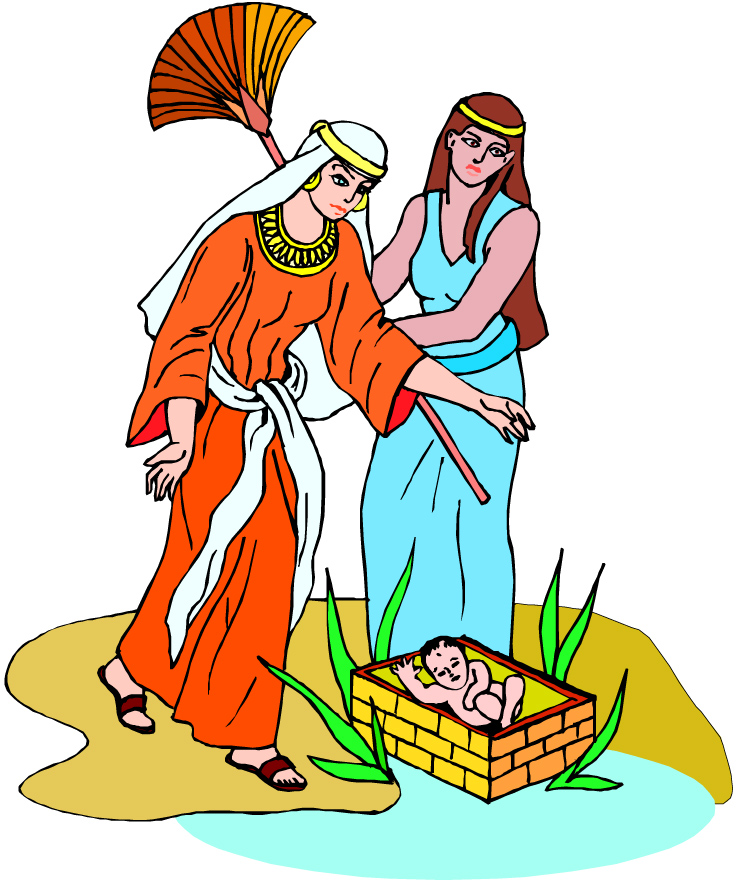
Moses’ first brushes with defeat began the moment he exited the womb, for he was born with a death sentence on his head as he narrowly escaped being aborted. At the last moment, he was adopted into an alien, heathen family and was raised as a prince in the king of Egypt’s household estranged from his Israelite heritage. We can now look back with perfect 20-20 hindsight and see how YHVH orchestrated circumstances in Moses’ life to accomplish a divine destiny, but at the time both Moses and his Israelite family were totally oblivious to higher purpose. For them, it was a day-by-day struggle for survival much less a faith walk.
Despite an auspicious and promising future as a member of the Egyptian royal family in the region’s most power nation, Moses suddenly found himself fleeing for his life as a wanted criminal—a murderer. From riches and fame, he escapes to the backside of the desert out of the legal jurisdiction of the Egyptian authorities where he becomes a lowly peasant tending sheep for forty years. As a shepherd leading quiet, bucolic life, he end up marrying the sheep rancher’s daughter, but his life struggles do not end there.
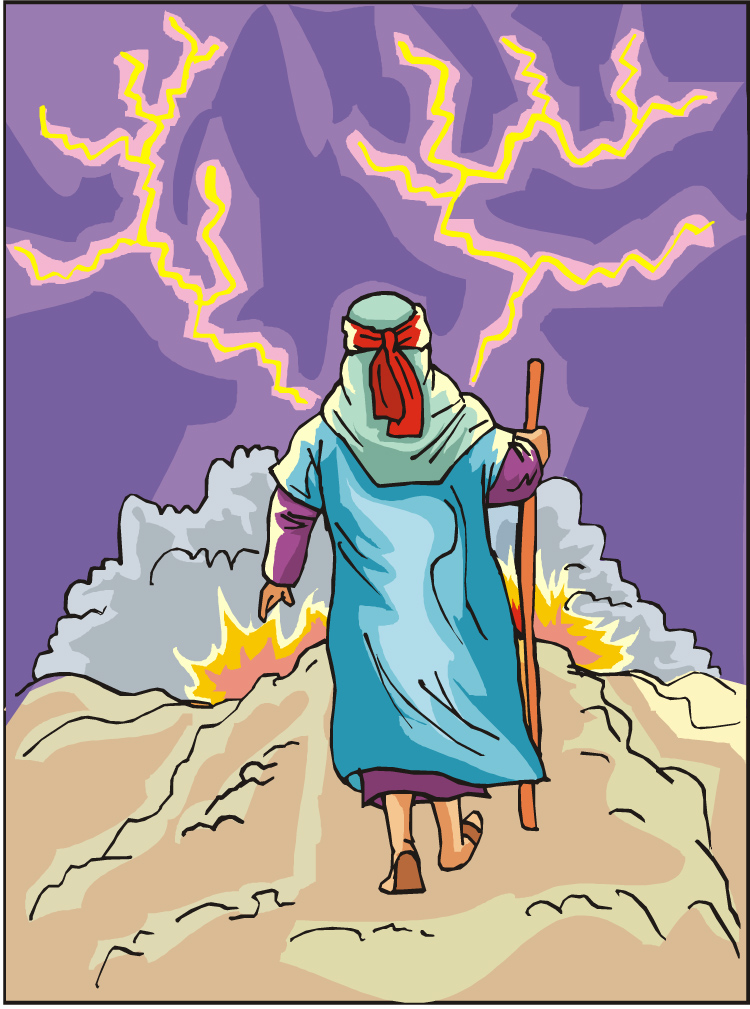
Two sons are born to him. And they all live life happily ever after. Right? Well, not exactly. While leading a rather mundane life for decades tending sheep in the desert, he unexpectedly has a divine encounter. While tending sheep, YHVH suddenly drops into his life through the spectacle of bush that is engulfed in flames but is not consumed. At that moment Moses’ life is suddenly turned upside down. Then and there, YHVH commissions him to return to Egypt and demand that Pharaoh set the children of Israel free. This is when Moses’ troubles really begin.
A happy marriage, the father of two, a peaceful life as a shepherd—what could go wrong? Moses’ wife wanted nothing to do with Moses’ new ministry. She likely thought that he was out of his mind. Consequently, she abandons him and Moses’ marriage likely ends in divorce. Now Moses is alone and without his family. Likely a monumental depressions situation for him.
But in faithful obedience to YHVH, Moses accepts the call to lead the enslaved Israelites out of captivity and into the wilderness in which he had spent forty years leading sheep. For all those years, YHVH had been preparing him to lead two-legged sheep.
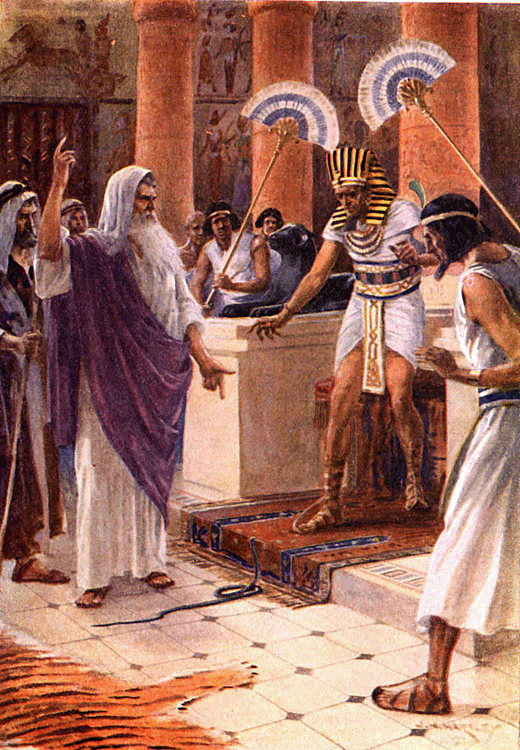
As Moses returned to Egypt to confront Pharaoh, YHVH literally put a sermon in Moses’ mouth to preach to Pharaoh, even though he was stricken with a speech impediment of some sort. To this point, Moses’ life is one of stumbling, failure and seemingly random and serendipitous events. What could YHVH possibly make out of this stew of disparate ingredients? A disgraced member of the Egyptian royal family, a wanted criminal, a lowly shepherd, a failed family marriage and life plus a speech impediment on top of it all. This sounds like a recipe for disaster!
The Bible is teeming with examples like Moses of individuals, who YHVH called to accomplish great things, but who encountered seemingly insurmountable and often life threatening challenges en route to their ultimate, heaven-mandated destiny.
For example, like Moses, although YHVH gave Abraham a divine mission, but stumbled along the way in fulfilling his destiny by trying to make things happen in his own way. The same occurred with both Jacob and Joseph whose lives took a series of unexpected and seemingly disastrous and dead end turns until the seemingly random puzzle pieces fell into place and YHVH’s plan for their lives came to fruition. Similarly, David was anointed as king of Israel many years before became king. In the interim, he spent many years fleeing for his life from those who wanted to kill him. Many more examples could be given.
So Moses’ struggles did not end with his divine encounter, commissioning and empowering at the burning bush. They only begin. As mentioned earlier, shortly thereafter, his marriage likely ended in divorce. His wife of some forty years failed to catch YHVH’s vision for Moses’ life and preferred to remain in the comfort zones of her father’s house in the land of Midian.
Moving on, YHVH had set the stage is set for Israel’s redemption in Exodus 5:22–23. After all, Moses, as either Pharaoh’s adopted grandson or his nephew (depending on whether this was the Pharaoh of Moses’ childhood or his son), had an “in” with the monarch that he could have exploited for the benefit of securing the release of Israel. Yet Moses’ first venture to Pharaoh was a disaster. The plight of the children of Israel deteriorated instead of being improved. Discouraged, Moses almost takes on an accusative tone toward YHVH (Exod 5:22–23). Graciously, YHVH doesn’t rebuke Moses, but as a loving Father encourages him to refocus on his word and the veracity and surety of his promises (Exod 6:2–5).
Despite Moses’ complaints, YHVH graciously encourages Moses upward and onward in spite of his discouraging first attempt at securing the children of Israel’s release from captivity. Is it possible that YHVH allowed immediate success to elude Moses to bring him “to the end of himself” with regard to any tendency he might have had to rely on himself and on his own wisdom to accomplish Elohim’s plans? Probably so, for YHVH tested the faith of Abraham, Isaac, Jacob, Joseph and David in a similar manner.
As YHVH wanted Moses to rely on him alone for Israel’s deliverance, even so YHVH is teaching is modern saints to trust him alone to accomplish his will in our lives, rather than on not relying on our own human abilities. This is how YHVH increases the faith of his servants. For faith “is the substance of things hoped for, the evidence of things not seen” (Heb 11:1). We have to be totally emptied of ourselves before we are ready for the Master’s use. This does not mean that YHVH will not use our natural abilities, talents or what he have gained through life’s experiences, but we must learn to submit all that we have and are to his sovereign will. Moses gave up everything important in his life to serve YHVH: his wife, his family, his career as a successful shepherd, and his connections to Egyptian royalty. He learned to “trust in YHVH, and do good…Trust in YHVH, and do good; so shalt thou dwell in the land, and verily thou shalt be fed. Delight thyself also in YHVH; and he shall give thee the desires of thine heart. Commit thy way unto YHVH; trust also in him; and he shall bring it to pass…Rest in YHVH, and wait patiently for him…The steps of a good man are ordered by YHVH: and he delighteth in his way. Though he fall, he shall not be utterly cast down: for YHVH upholdeth him with his hand” (Ps 37:3–5, 7, 23–24).
By following this upward path of spiritual matriculation and maturation, not only is one’s faith built, but YHVH, not man, gets the glory when success occurs (Jer 9:22–23). There is no truer maxim in the Bible than this: they down is the way up. Yeshua characterized this counterintuitive spiritual path this way:
And a man’s foes shall be they of his own household. He that loveth father or mother more than me is not worthy of me: and he that loveth son or daughter more than me is not worthy of me. And he that taketh not his cross, and followeth after me, is not worthy of me. He that findeth his life shall lose it: and he that loseth his life for my sake shall find it. (Matt 10:36–39)
For whosoever will save his life shall lose it: and whosoever will lose his life for my sake shall find it. (Matt 16:25)
He that loveth his life shall lose it; and he that hateth his life in this world shall keep it unto life eternal. (John 12:25)
David summarized this spiritual journey similarly:
Blessed is the man whose strength is in thee; in whose heart are the ways of them. Who passing through the valley of Baca [or weeping] make it a well; the rain also filleth the pools. They go from strength to strength, every one of them in Zion appeareth before God. (Ps 84:5–7)
They that sow in tears shall reap in joy. He that goeth forth and weepeth, bearing precious seed, shall doubtless come again with rejoicing, bringing his sheaves with him. (Ps 125:5–6)
Or to put these ideas into modern parlance, there is no gain without pain.
When one finally dies to oneself and lets Elohim have his way in his life, it is then that one steps into heaven’s river of life and into the realm of supernatural with its miraculous possibilities endless opportunities.
To this point, at age 80 Moses’ life continues to be one of ongoing struggles and failure.
Moses’ story is one to which most of us can relate. How is this? Because Moses’ road to ultimate success involved multiple setbacks and wrong turns, and he was beset with human foibles and weaknesses. Yet out of the bittersweet ingredients of Moses’ life, out of this confused potpourri and miscellany of human experiences, the Creator of the universe, who ex nihilo created the heavens and the earth, created Moses out of nothing, formed and shaped him, prepared him to prophetically prefigure Yeshua the Messiah, who was to come 1,500 years later. So what is the moral of this story? Like formless, worthless lumps of clay, if we will, in faith, trust and submit our lives into the hands of the Almighty, despite our weaknesses and failures, he can turn each of us into useful vessels that will ultimately bring glory and honor to him—and to ourselves as well.
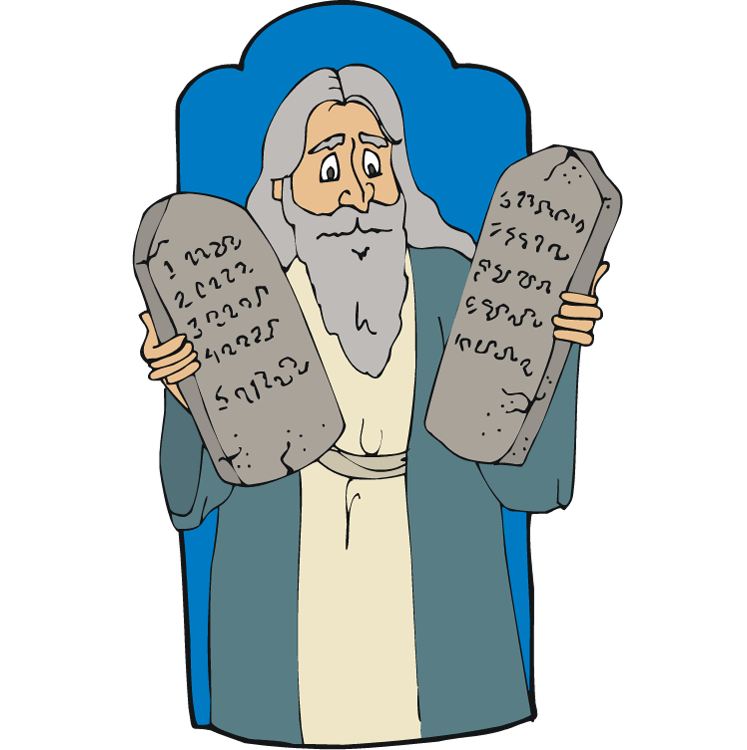
So what was Moses’ ultimate destiny that required him to go through such a refining process? What was the real meaning and ultimate purpose his life? Here is a key takeaway regarding the life of Moses. He was the tool that YHVH would use to unfold heaven’s plan of redemption for the descendents of Abraham—a plan that would eventually expand to encompass all humans. Through Moses, YHVH brings the promises of the Abrahamic Covenant and adds to it the of righteousness as outline in the Mosaic or Sinaitic Covenant, and in the process lays the groundwork for the New Covenant.
How did YHVH encourage and empower Moses? By reminding Moses of and reaffirming his covenantal promises made to the patriarchs, Moses’ forefathers, and by standing by his word which is summarized in his name and reputation. YHVH reaffirmed his covenant promises to Moses using his covenant name YHVH, three times (Exod 6:6, 7, 8). Here are some other examples of how Scripture uses YHVH’s covenant name along with modifying adjectives to describe his promise and ability to meet all our human needs and to fulfill his lofty plans in our lives:
- YHVH Elohim (Gen 2:4–7)
- YHVH El Elohim: YHVH (I AM THT I AM or I WILL BE WHAT I WILL BE) El of gods or Mighty One of mighty ones (Josh 22:22)
- YHVH Elohaykha: YHVH Your Elohim or Mighty One (Exod 20:2)
- Elohay Avotaynu: YHVH Elohim (Mighty One) of our fathers (Ezra 7:27)
- Elohay HaShamaiyim: YHVH, Elohim (Mighty One) of heaven (Gen 24:7)
- YHVH Elohay Yisrael: YHVH Elohim (Mighty One) of Israel (Josh 24:2)
- YHVH Elohaynu: YHVH Our Elohim (Mighty One) (Ps 99:5)
- YHVH Elohi: YHVH My Elohim (Mighty One) (Zech 14:5)
- YHVH Asaynu: YHVH Our Maker (Ps 95:6)
- YHVH Echad U-Shmo Echad: YHVH Is One and His Name Is One (Zech 14:9)
- YHVH M’Kadishkhem: YHVH Who Sanctifies You (Exod 31:13)
- YHVH Nisi: YHVH Is My Banner (Exod 17:15)
- YHVH Ro-ee: YHVH Is My Shepherd (Ps 23:1)
- YHVH Rophekha: YHVH Who Heals You (Exod 15:26)
- YHVH Shamah: YHVH Is There (Ezek 48:35)
- YHVH Tzidkenu: YHVH Is Our Righteousness (Jer 23:6)
- YHVH Tzuree: YHVH My Rock (or Strength) (Ps 144:1)
- YHVH Tzvaot: YHVH of Hosts/Armies (Isa 6:3)
- YHVH Yireh: YHVH Will Provide (Gen 22:14)
Now in this story of YHVH dealing with Moses and his Israelites children, we come to a series of sevens wherein YHVH summarizes his plan of redemption for his people and ultimately the whole world.
YHVH reveals to Moses the seven steps of Israel’s redemption, which are actually promises of what YHVH will do for Israel.
Wherefore say unto the children of Israel, “I am YHVH, and I will bring you out from under the burdens of the Egyptians, and I will rid you out of their bondage, and I will redeem [Heb. ga’al meaning “to buy back, ransom for money”] you with a stretched out arm, and with great judgments, and I will take you to me for a people, and I will be to you an Elohim, and you shall know that I am YHVH your Elohim, which brings you out from under the burdens of the Egyptians. And I will bring you in unto the land, concerning the which I did swear to give it to Abraham, to Isaac, and to Jacob; and I will give it you for an heritage: I am YHVH.” (Exod 6:6–8, emphasis added)
Here we find listed the seven steps of redemption YHVH lays out for Israel. YHVH uses his covenant name three times during the seven promises: at the beginning, middle and end. He wraps his covenant promises in his covenant name for emphasis.
YHVH is telling Moses (and us as well!!) to just believe him! Believe his Word; trust that he is who he says he is (which is what his covenant name, YHVH, implies: I am who I am, or I will be what I will be; i.e., I will be your All Sufficient One and will meet your every need…So just trust and believe!)
The seven “I will” promises that YHVH made to Israel in Exodus chapter six were preceded by and predicated on another set of seven promises that YHVH had made to Abraham a few hundred years earlier. This is yet another example of how the Word of Elohim weaves itself together like a rich, multi-colored pictorial tapestry with each layer and thread relating to and interdependent upon the others the come before and after. When all the threads are woven together, they form a huge, varied and complex picture—a gospel message tract that far excels any other! Only the infinite mind of Elohim could have engineered this in light of the fact that the Bible was written over a period of some 1800 years by dozens of authors from different backgrounds and countries on three different continents.
The Abrahamic Covenant has seven “I wills” from YHVH as well.
“And I will make my covenant between me and you, and will multiply you exceedingly.” And Abram fell on his face, and Elohim talked with him, saying, “As for me, behold, my covenant is with you, and you shall be a father of many nations. Neither shall your name any more be called Abram, but your name shall be Abraham, for a father of many nations have I made you. And I will make you exceeding fruitful, and I will make nations of you, and kings shall come out of you. And I will establish my covenant between me and you and your seed after you in their generations for an everlasting covenant, to be an Elohim unto you, and to your seed after you. And I will give unto you, and to your seed after you, the land wherein you are a stranger, all the land of Canaan, for an everlasting possession; and I will be their Elohim.” (Gen 17:2–8, emphasis added)
The promises that YHVH made to Abraham were expanded in Exodus and were further expanded hundreds of years later by the prophet Jeremiah.
Here are seven “I will” promises that YHVH made to his people through Jeremiah:
“‘Behold, the days come,” says YHVH, “that I will make a new covenant with the house of Israel, and with the house of Judah; not according to the covenant that I made with their fathers in the day that I took them by the hand to bring them out of the land of Egypt, which my covenant they break, although I was an husband unto them,” says YHVH, “But this shall be the covenant that I will make with the house of Israel after those days,” says YHVH, “I will put my law [or Torah] in their inward parts, and [I will] write it in their hearts; and will be their Elohim, and they shall be my people. And they shall teach no more every man his neighbor, and every man his brother, saying, ‘Know YHVH,’ for they shall all know me, from the least of them unto the greatest of them,” says YHVH, “for I will forgive their iniquity, and I will remember their sin no more.” (Jer 31:31–34, emphasis added)
This additional set of seven promises form the bases for the New Covenant, which is merely an expansion of the Sinaitic Covenant, which in turn is an expansion of the earlier Abrahamic Covenant. The New Testament weaves all three of these covenants along with their sets of seven promises each into a marvelous tapestry of Truth which we now call “the gospel message.”
All three of these covenants along with their promises are for all the saints from then until now. No covenants that YHVH has ever made with his people have been annulled or supplanted by a subsequent ones. Those who say latter promises or covenants that YHVH has made with his people supplant former one are liars, false teachers! This is because they are blasphemously inferring that YHVH is a liar. Moses declared that YHVH’s covenantal promises in both the Abrahamic and Sinaitic covenants were for a thousand generation or some forty thousand years (Deut 7:9) as did the psalmist knew (1 Chron 16:15–18; Ps 105:8). Paul knew and declared this truth as well, for in Ephesians chapter two, he states that the saints are now included in ‘the covenants of promise” (note that the word covenants is plural and not just limited to the New Covenant). Moreover, in Romans chapter four, Paul assumes that the Abrahamic Covenant forms the basis for the salvation equation, which states that salvation is by grace through faith leading to the good works in which the saints are to walk (Eph 2:8–10).
All of YHVH promises from Abraham to Yeshua until now are inviolate. YHVH cannot lie. His word is true and he does not change regardless of men’s philosophical and theological doctrinal fantasies that tell us otherwise.
This latest covenant—the New Covenant—is the one that Yeshua is currently in the process of making with both the Jews and the non-Jews (Eph 2:11–19). He initiated this process at his last supper, Passover meal with his disciples (Matt 26:28; 1 Cor 11:25), and this process continues to this day (Heb 8:8–13), and will be finalized after Yeshua’s second coming (Ezek 34:25; 37:26; Jer 32:40; 50:5). This covenant is Yeshua’s marriage covenant with his blood-bought bride—redeemed Israel, the saints where there is neither Jew nor Gentile (Gal 3:28; Col 3:11) all of whom are descendants of Abraham (Gal 3:29; Rom 4:16; 9:8–11).
The takeaway lesson from this brief study is that Scripture teaches us that each successive covenant that YHVH makes with his people is based on and is an expansion of the previous covenant/s. Moreover, he uses weak and frail human beings, who are learning to have faith in him and his promises, to accomplish his vast and expansive plan of redemption of lost and wayward humans here below. This theme of YHVH redeeming his people from sin is an ancient one, and it is constantly expanding and extending into the future in breadth and scope to include all people everywhere. YHVH’s love for humans knows no limits!
Exodus 6:9, They did not heed…because of anguish [Heb. qotser] of spirit and cruel bondage. The Hebrew word qotser means “shortness, impatience or anguish.” This appears to a classic response to an extreme stress. According to the Mayo Clinic, besides the physiological symptoms of stress, the psychological and emotional symptoms include anxiety, anxiousness, feeling overwhelmed, grumpiness or anger, sadness or depression to name a few. To this list, the Cleveland Clinic adds a tendency to give in to the fight or flight response and panic attacks. The children of Israel were so overwhelmed by their cruel oppression that they were unable to see beyond their status as victims. The storm clouds were so dark and forboding that the notion of blue sky just above was inconceivable to them. Discouragement and depression brought on by trying life circumstances are unavoidable and inevitable aspects of the human experience. When one is trapped in a deep pit and stuck in miry clay, one has two choices: one can focus on one’s victimhood or one can look up in faith and with YHVH’s help envision a way out. Several psalms discuss this all too common human experience (Ps 28:1–5; 30:9; 69:1–12; 88:1–18). Even righteous people like David experienced the despair brought on by evil doers and adverse circumstances, but the psalmist lays out a template for us to follow—a way out of this temporary place of entrapment. The answer is to look up! (See Pss 40:1–4; 28:1–5 cp. 6–9; 69:1–12 cp. 13–21 and 29–36.) Even Job while sitting virtually naked in a pile of ashes, scraping his sores with a potsherd having lost everything and in a situation of ostensible hopelessness was still able to declare in upward looking faith, “I know that my Redeemer liveth!” (Job 19:25). Like the children of Israel, when our eyes are totally focused on our oppressive circumstances, we are less likely to acknowledge Elohim (Prov 3:5–6), and be thankful to him for all things (Eph 5:20; 1 Thess 5:18), and thus we will miss the higher and grander purposes that our loving Father is working out in our lives for his glory, for our refinement, and ultimate redemption and temporal and eternal blessing.
Exodus 7
Exodus 7:1, Moses…as God…Aaron…prophet. YHVH Elohim used Moses and Aaron as his human proxies to warn Pharaoh and Egypt before bringing his severe and final judgments upon that nation that would end up destroying it. Moses was in the place of Elohim, while Aaron was his prophetic mouthpiece. In the end times, history will repeat itself. YHVH will raise up the two witnesses of Revelation 11 who will, like Moses and Aaron, warn the world to repent just before YHVH pours out his final judgments that will bring about the fall of the Babylon the Great new world order system. This will result in redeemed Israel being completely set free from “the Egypt” of this world, and will set in motion the final redemption or second exodus of lost and scattered Israel back to the physical land of Israel just as the biblical prophets of old predicted. This is a biblically prophesied event which is yet to be fulfilled.
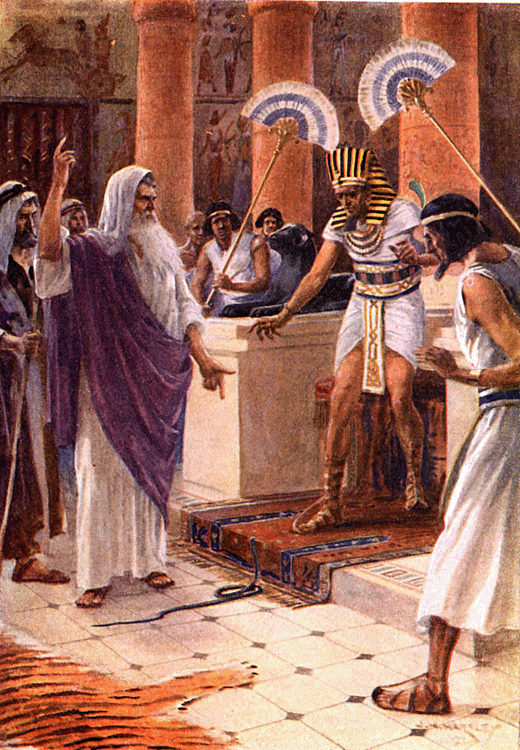
Exodus 7:12, Aaron’s rod swallowed. Aaron’s rod turning into a serpent and devouring the magician’s rods turned serpents should have been a clear sign to the Egyptians that Elohim was bringing judgment upon that nation, and these “wise men” and that their god, Satan the devil, would not be able to save them. Elohim in a small way was demonstrating his sovereign power over Egypt and its demon gods. That Aaron’s rod became a serpent and swallowed those of the magicians was a clear signal that YHVH’s power and authority was superior that of Satan. Yeshua gave this same authority to his disciples when preaching the gospel in fulfillment of the great commission command (Luke 9:1; 10:19).
Exodus 7:14, The ten plagues. The ten plagues were Elohim’s actually judgment against the idolatrous demon-gods of Egypt (Exod 12:12; 33:4; Num 33:4). Here is the list of plagues and possible suggestions as to which gods of Egypt YHVH was judging. Modern man worships these same false gods, and YHVH will bring his judgements against them in the last days.
- The first plague was the water turning to blood. This may have been a judgment against abortion (the Egyptians threw their babies into the Nile for sacrificial purposes) and against materialism (since fewer children mean fewer expenses for a family, and the Nile River was the source of Egypt’s prosperity).
- The second plague was frogs. This may have been a judgment against pride (frogs puff themselves before they croak) and environmentalism or animal worship. In America, for example, after 9/11, there were many bumper stickers that had the words “pride” on them, and “God bless America” as if YHVH is duty-bound to bless America. How can YHVH bless a nation that refuses to repent and turn from its arrogant and wicked ways?
- The third plague was lice. This may have been a judgment against pride and narcissism (self worship), since the Egyptians were highly focused on their personal appearance and hygiene, their appearance and in shaving of body hair.
- The fourth plague was flies, which may have been a judgment against devil worship, occultism and witchcraft (i.e., the whole religious system of Egypt). A biblical name for Satan was Beelzebub, or lord of the flies (Matt 12:25–27; Luke 11:15–19).
- The fifth plague was the death of the livestock. This may have been a judgment against transportation, commerce and their pride in their agricultural riches.
- The sixth plague was boils, which may have been a judgment against the Egyptians obsession with their bodies and their faith in medical science.
- The seventh plague was hail, which may have been a judgment against their agriculture industry and earth worship.
- The eighth plague was locusts. This may have been a judgment against Egypt’s food production. The Nile River and its delta was one of the bread baskets of the ancient world and a source of great wealth to Egypt.
- The ninth plague was darkness. This may have been a judgment against Egypt’s intelligentsia and religious system, which was spiritually devoid of the light of YHVH’s Truth.
- The tenth plague was the death of the firstborn, which was a judgment against Egypt’s future and posterity.
The destruction of Pharaoh and his armies in the Red Sea was a judgment against Egypt’s political and military might.
Is YHVH Elohim bringing America and other “Christian” nations under judgment for the sins they have committed against him, even as he brought judgment against the false gods of Egypt? What are the similarities between the gods of ancient Egypt and those of western and (formerly) Christian cultures? In America, for example, in recent years, there has been a marked increase in adverse weather conditions (e.g., droughts), natural disasters (e.g., wild fires, mass deaths of different kinds of animals, earthquakes in unlikely places), terrorism, bank and financial failures, personal and corporate bankruptcies, economic inflation, cost of living increasing, high foreclosure rates on homes, private and government financial debt, government scandals and corruption and, a mass invasion by illegal and criminal, aliens, persecution of Christians, an invasion of demonic religions and philosophies (e.g., Islam, the occult, Satanism, atheism, secular humanism and Marxism) just to name a few of the possible judgments against a nation that has largely turned its back on Elohim and the Bible.
Exodus 8

Exodus 8:18, But they could not. The Egyptian magicians were able to replicate in some similitude the first two plagues, but not the third plague, or any others from this point on. This teaches us two things. Satan is able to imitate YHVH’s miracles only to a point. Beyond that, his powers are limited. Moreover, the magicians were able to bring two plagues on, but they were not able to reverse the plagues. Only YHVH through Moses and Aaron was able to accomplish this feat. There comes a point that even the enemies of Elohim have to admit that “this is the finger of Elohim” (v. 19). When YHVH involves himself in the affairs of men, there is no doubt about it. It becomes evident even to his enemies.
Exodus 8:22; 9:4, 26, Set apart the land of Goshen. YHVH separated the children of Israel from the Egyptians in that he spared them from the last seven plagues. What does this teach us about the judgments of Elohim? YHVH purposefully allowed the Israelites to go through the first three plagues only. Why? Do YHVH’s people ever experience trials and tribulations? Yes. (Read Deut 8:2–5; 2 Tim 3:12; Heb 11, the entire chapter; Rev 7:9–14.) Do the saints need spiritual refinement to help stretch their faith in YHVH, and to refine them of sin order to help them become the chaste bride of Yeshua who is without the spot and wrinkle of sin? Yes. (Read Eph 5:27; 1 Cor 3:9–17.) The saints may go through tribulation, but they will not have to experience Elohim’s wrathful judgments unto death upon a wicked world (1 Thess 1:10; 5:9 cp. Rev 6:17; 7:2–3). Other examples of the saints going through tribulation, but then being delivered before Elohim poured out his final wrath upon the wicked include Lot in Sodom, Noah at the flood, David fleeing from Saul, the three Hebrew children in the fiery furnace, Daniel in the lion’s den, Noah in the belly of the whale, the sufferings including the imprisonment of Paul to name a few.
Exodus 8:23, I will make a difference. As YHVH intensifies his judgments on a nation to get the attention of its people, he, at the same time, will highlight his true servants by affording them special protection from his divine judgments upon the wicked heathen. He delivered both Noah and Lot from his severe judgments upon the surrounding heathen rebels. This will occur in the end times again when YHVH will allow some of his servants to escape his judgments (Ezek 9:4; Luke 21:36; Rev 7:4; 9:4). He promises to lead his people through the flood and fire, but they are still going through floods and fires (Isa 43:2; Ps 66:12; Zech 13:9)!
Exodus 8:29, Deal deceitfully. Pharaoh was a deceitful liar who repeatedly broke his promises and changed the conditions upon which he would let the Israelites go. Pharaoh’s actions toward Moses and the children of Israel is a perfect portrayal of the method of operation of Satan and is minions; it is characterized by cruel lies and deceit. As Yeshua stated, the devil is a liar and the father of it (John 8:44).
Exodus 9

Exodus 9:17, You exalt yourself. Stubborn human pride is one’s worst enemy. It brings about ruination upon both the individual, one’s family and, if one is a leader or if a nation is filled with many such individuals, upon the nation as was the case with Pharaoh and Egypt. The antidote to this spiritual condition is humility coupled with confession of sin followed by repentance and submission to the will of the Creator.
Exodus 9:31, The barley was in the head. Barley was cultivated as a grain crop in ancient Egypt, as well as in Israel, and grows wild like a weed throughout the region to this day. Several passages in the Scriptures witness to the fact that the barley was the indicator of which month was to be the first month of the year for the Israelites, so that they could determine when the biblical feasts were to be observed.
Observe the month of Abib, and keep the Passover unto YHVH your Elohim: for in the month of Abib YHVH your Elohim brought thee forth out of Egypt by night. (Deut 16:1, emphasis added)

Please notice, the definite article the proceeding the phrase “month of Abib.” The state of the barley determined the name of a specific month in the spring on YHVH’s biblical calendar. Months in the biblical Hebrew calendar have always been determined by the first visible sliver of the new moon from antiquity. This specific month is to be the beginning the biblical new year (Exod 12:2). The state of the barley simply determines which month is to be the first month of the biblical year. The month of the Abib is not so much the name of a monthas it is a description of the month. Below are listed the other three places in the Scriptures where this phrase is found.
This day came you out in the month Abib. (Exod 13:4)
You shall keep the Feast of Unleavened Bread: (you shall eat unleavened bread seven days, as I commanded thee, in the time appointed of the month Abib; for in it you came out from Egypt: and none shall appear before me empty). (Exod 23:15)
The feast of unleavened bread shall you keep. Seven days you shall eat unleavened bread, as I commanded you, in the time of the month Abib: for in the month Abib you came out from Egypt. (Exod 34:18, emphasis added on all)
What does the word abib in the phrase “the month of the Abib (or Aviv)” mean? The Hebrew word abib is found only six times in the Bible and is transliterated into the English (in the KJV) as “abib,” meaning “in the ear” or “green ears of grain.” The Theological Wordbook of the Old Testament, defines the word abib or aviv as follows:
This noun refers to barley that is already ripe, but still soft, the grains of which are eaten either rubbed or roasted. The ASV and RSV agree (but see Lev 2:14). The seventh plague brought ruinous hail upon Egypt’s barley crop at least two weeks before it was fully ripened and ready for harvest (Exod 9:31). Abib was also the early name (later, Nisan) of the first month of the Jewish calendar (the month of Passover). In that month the barley came to ear, but the usual time of harvest was the second month (Iyyar). According to Lev 2:14 the grain offering was to consist of the firstfruits of abib.
So the barley being in its abib state eliminates the guesswork of determining which new moon begins the new year. The Scriptures are clear. It is the new moon that immediately follows the abib barley that determines the beginning of the year. This is important to know, since knowing the start of the new year determines the dates of the biblical moedim or appointed times—namely YHVH’s biblical holidays and feasts.
After the abib barley is found and the first visible sliver of the new moon is sighted marking the first day of the first month of YHVH’s biblical calendar, 14 days later is Passover (Pesach) with the Feast of Unleavened Bread (Chag HaMatzot) immediately following on the fifteenth day of the first month. Then on the day after the weekly Sabbath that occurred during the seven-day Feast of Unleavened Bread, a sheaf of now-ripened barley was cut and waved heavenward by the high priest to be accepted by YHVH as the first of the first fruits offering of the upcoming barley harvest. I have written extensively on this subject in another teaching article relating to the spring feast days, which can be found on our website. Suffice it to say that the barley that was lifted heavenward and waved was a prophetic picture of Yeshua the Messiah’s ascension to heaven after his resurrection where he was accepted by the Father as the perfect sin offering covering the sins of mankind. Fifty days later to the day is the Feast of Pentecost (Heb. Chag haShavuot) picturing the ripening of the larger wheat harvest, which was a prophetic picture of all Israel and the peoples of the nations coming to faith in Yeshua from the first century until the present time. As you can see, an understanding of the abib barley is essential not only in setting the biblical calendar for the year, but for knowing when to keep the biblical feasts, and for gaining a fuller understanding of the salvific implications of the death, burial and resurrection of our Master and Savior, Yeshua the Messiah from a Hebraic perspective.

For more information on the biblical calendar and the waving of the barley first fruits see http://www.hoshanarabbah.org/pdfs/cal_demyst.pdf; http://www.hoshanarabbah.org/pdfs/new_moons.pdf; http://www.hoshanarabbah.org/pdfs/firstfruits.pdf
